3-Day Rwanda Gorilla Trekking & Cultural Safari

Kigali | Volcanoes National Park | Gorilla Trek | Rwanda Cultural Immersion

Private 3-day Rwanda gorilla trekking & cultural safari: Kigali, Iby’iwacu Village, Volcanoes National Park. Expert guides & luxury lodges. Book now.

There is a particular kind of travel that does more than move you across geography. It moves something inside you, rearranging the furniture of what you believe is possible, between wild creatures and human beings, between a nation and its own story, and between who you were when you boarded the plane and who you are three days later on the way home. Rwanda does this transformation reliably. For years, it has been doing this quietly and with remarkable confidence for people who arrive expecting a safari and leave having witnessed something closer to a reckoning.

3-Day Rwanda Gorilla Trekking & Cultural Safari.

The 3-Day Rwanda Gorilla Trekking & Cultural Safari was designed for the traveler who understands that the most extraordinary journeys are not built from single spectacular moments but from the interplay of many layers of experience. The mountain gorillas of Volcanoes National Park are the centrepiece of the hour in the forest, with a habituated gorilla family remaining one of the most profound wildlife encounters available anywhere on Earth. But around that centrepiece, this itinerary constructs a complete and deeply human Rwanda: the modern cultural confidence of Kigali, the living traditions of the communities that have coexisted with the volcanoes for generations, the ancient volcanic landscape itself, and the conservation story that transformed Rwanda’s relationship with its wildest places. Three days. Every one of them is extraordinary.

Rwanda Gorilla Expeditions has designed this journey specifically for high-net-worth travellers with limited time and unlimited standards. Every transition is handled privately. Every activity has been selected not for its availability but for its depth. Every night is spent in accommodation worthy of the landscape. And from the moment your vehicle collects you from your Kigali hotel until you are returned, the only decision that remains yours is how fully to surrender to what Rwanda offers.

3-Day Rwanda Gorilla Trekking & Cultural Safari Itinerary at a Glance.

Day / Element Summary
Day 1: Kigali Private airport welcome | Kigali Genocide Memorial | Inema Arts Centre | Kimironko Market | Rooftop dinner, overnight Kigali luxury hotel
Day 2: Volcanoes Private transfer Kigali → Volcanoes National Park (2.5 hrs) | Iby’iwacu Cultural Village experience | Optional afternoon: golden monkey trek | Sundowner, curated lodge dinner, overnight luxury lodge
Day 3: Gorilla Trek Lodge breakfast | Kinigi ranger briefing | Mountain gorilla trekking (2–6 hrs) | 1-hour gorilla encounter | Lunch + certificate | Private transfer back to Kigali
Duration 3 Days / 2 Nights
Start / End Kigali International Airport, Rwanda
Night 1 Kigali luxury hotel (Marriott, Radisson Blu, or equivalent)
Night 2 Luxury lodge near Volcanoes National Park (Bisate, One & Only Gorilla’s Nest, or Singita Kwitonda)
Gorilla Permit USD $1,500 per person included and pre-confirmed
Group Style Fully private throughout, dedicated vehicle, private guide
Ideal For Couples, solo luxury travellers, high-net-worth families, cultural and wildlife enthusiasts
Best Combined With Nyungwe Forest chimpanzees, Akagera Big Five, Lake Kivu extension

Permits are limited — spaces fill months ahead

Reserve Your Private Gorilla Trek

Speak with a Rwanda-based specialist today. We secure permits, match you to the right gorilla family, and plan every detail around your schedule.

No group departures · Private itineraries only · Direct Rwanda expertise

Detailed Itinerary for the 3-Day Rwanda Gorilla Trekking & Cultural Safari. (Day by Day)

.

Day One, Kigali: The City That Builds Itself Backward from the Future

Arrival: A Welcome That Sets the Tone

Your dedicated driver-guide is waiting at Kigali International Airport with a sign bearing your name and a manner that is calm, warm, and entirely unhurried. The vehicle is private, air-conditioned, and clean: a working space, not a shuttle. Before you clear the airport precinct, you already understand something about Rwanda: people here do things with care. The roads are swept. The signage is clear. The city that rises across its many green hills as you drive in from the airport carries the particular confidence of a place that has decided, with absolute conviction, who it intends to be.

Kigali is not the African capital of European imagination. There is no chaos in the sense that the word usually implies. There is energy: real, purposeful, entrepreneurial energy, and there is beauty, the remarkable beauty of a city built across hills so numerous and so perfectly spaced that every road offers a new vista, every neighborhood its own personality, and every corner its own small story of the country’s extraordinary arc. Your guide, who knows this city intimately, will have adjusted the morning itinerary to your arrival time and energy. If the flight has been long, the hotel comes first. If you are ready to begin, Kigali is ready to receive you.

Morning to Midday: The Kigali Genocide Memorial, Rwanda’s Most Important Room.

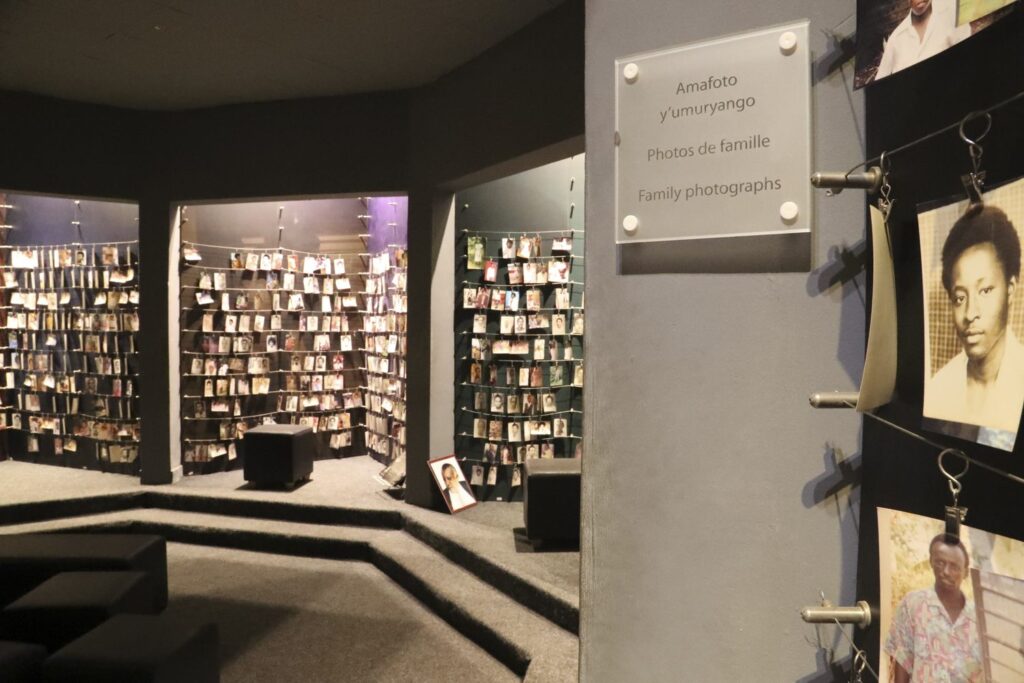
Kigali Genocide Memorial

Kigali Genocide Memorial

No visit to Rwanda that claims to understand the country can bypass the Kigali Genocide Memorial. This is not a recommendation offered lightly, nor is it included in this itinerary as an obligation to sombre tourism. It is included because Rwanda’s present: its cleanliness, its ambition, its conservation success, and its extraordinary social cohesion cannot be fully understood without reckoning with what it survived. The memorial, set in beautifully maintained gardens in the Gisozi neighborhood, houses the remains of over 250,000 victims of the 1994 genocide against the Tutsi and presents their stories, their photographs, and their everyday objects with a dignity and restraint that makes the horror more comprehensible rather than less. Your private guide accompanies you through the permanent exhibition at whatever pace suits you, providing context and space in equal measure. Most visitors spend between one and two hours here. Most emerge changed in ways that the rest of Rwanda then illuminates.

The memorial gardens are a place of quiet and considered beauty, sculpted grounds, rose gardens, and children’s memorials, and a walk through them after the interior exhibition offers the particular restorative quality of being outdoors in a country that has, through an act of national will, almost without precedent, chosen healing over hatred. There is no way to overstate how much this context enriches every subsequent experience in Rwanda. The gorillas, the culture, and the landscape they all carry more weight when you understand the ground they grow from.

Afternoon: Kigali’s Creative Pulse Art, Market, and the City in Full Voice

After a private lunch at one of Kigali’s finest restaurants, perhaps Repub Lounge for its fusion of Rwandan ingredients and international cooking, or Heaven Restaurant for its rooftop views across the city’s hills, the afternoon belongs to the living, breathing cultural confidence of contemporary Rwanda.

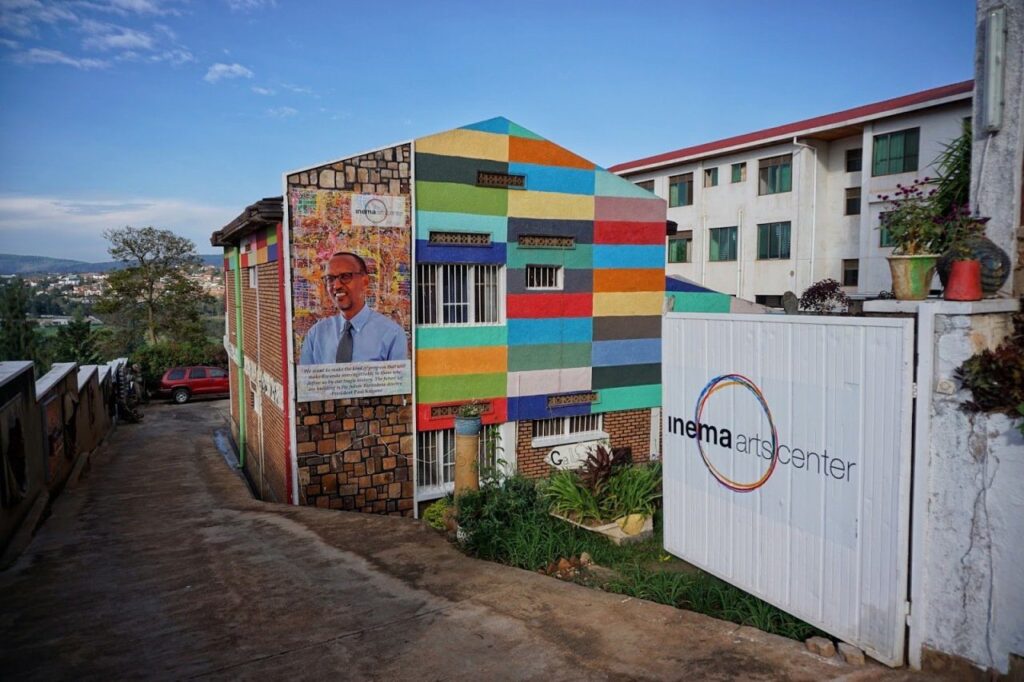
Inema Arts Centre

The Inema Arts Centre in Kacyiru is one of East Africa’s most vibrant creative spaces, founded by two brothers and now home to over a dozen resident artists whose work spans painting, sculpture, textile, and mixed media. A guided visit here is one of the genuinely surprising pleasures of Kigali: the work is serious, internationally connected, and deeply rooted in Rwandan visual tradition, and the artists are present working, talking, and willing to explain what they are making and why. Buying a piece here is not souvenir shopping; it is acquiring original art from an active contemporary tradition that is drawing international collectors and gallerists with increasing regularity.

From the arts center, your guide navigates to Kimironko Market Kigali’s largest and most authentic covered market, a place where the city’s daily life unfolds in full color and noise and extraordinary variety. Fabrics printed in patterns that tell stories. Fresh produce arranged with unconscious artistry. In the weavers’ section, the intricate imigongo and agaseke basketry traditions are visible in both finished work and in the making. Your guide moves through the market with the ease of someone who knows it well and the pleasure of someone who still finds it interesting. The experience of moving through Kimironko with a local who can explain what everything is, who made it, and what it means is categorically different from arriving alone and overwhelmed.

Evening: Kigali from Above, Dinner on the Roofline of a Remarkable City.

Kigali at dusk is one of Africa’s most quietly spectacular urban views. The hills darken in sequence as the last light moves across them, the city’s lights appear first in the valleys and then climb toward the ridges, and the whole effect is of a city laying itself out for appreciation in a way that’s both unconscious and perfectly timed. The Retreat by Heaven has a terrace that captures this view from a spectacular angle; the Kigali Marriott’s elevated dining space provides it with excellent food and a full wine list. Your guide will confirm the reservation, the table will be ready, and all you need to do is enjoy it.

Overnight at your chosen Kigali luxury property. The Radisson Blu Hotel Kigali offers consistent international five-star standards with rooms that look out across the city’s hills. The Kigali Marriott provides the reassurance of a trusted brand with the surprise of genuinely excellent local cuisine. The Retreat by Heaven is the choice for those who want something more intimate and design-led, a boutique property with a devoted regular clientele and an atmosphere that feels personal rather than corporate. Sleep comes easily here. The altitude at which Kigali sits, 1,567 meters, adds a quality to the air that makes rest feel earned.

Day Two, Into the Virungas: Culture at the Edge of the Wild

Morning: The Drive That Is Part of the Journey

Breakfast at your Kigali hotel, taken without rush at a civilized hour, and then the private vehicle departs northwest through the city’s morning and out into Rwanda’s open highlands. The drive to Volcanoes National Park takes between two and two-and-a-half hours, and it is a journey worth paying attention to. The landscape changes with a deliberateness that rewards the attentive traveller: the high-density urbanism of Kigali giving way to the working agricultural landscape of the central plateau, small trading towns where motorcycles pile with implausible loads and markets spill onto the road margins, then the gradual rise of the northwest highlands where the terrain becomes more vertical and more dramatic, the terracing more ancient, and the air noticeably cooler.

Somewhere north of Musanze, the volcanoes announce themselves. The Virunga Mountains resolve from hazy profiles into specific, named peaks: Karisimbi’s massive profile dominating the western skyline, Bisoke’s elegant cone to its right, and the triple crowns of Sabyinyo marking the horizon. For a traveller making this journey for the first time, the sight has a physical quality: a specific kind of recognition that arrives in the chest rather than the head, and that photographers have been failing to adequately capture for decades. Your guide speaks about what you are seeing: the ecological significance of the chain, the international border it forms between three countries, and the story of how mountain gorilla conservation transformed the relationship between these peaks and the people living in their shadow.

Midday: Iby’iwacu Cultural Village, Rwanda’s Living Cultural Archive.

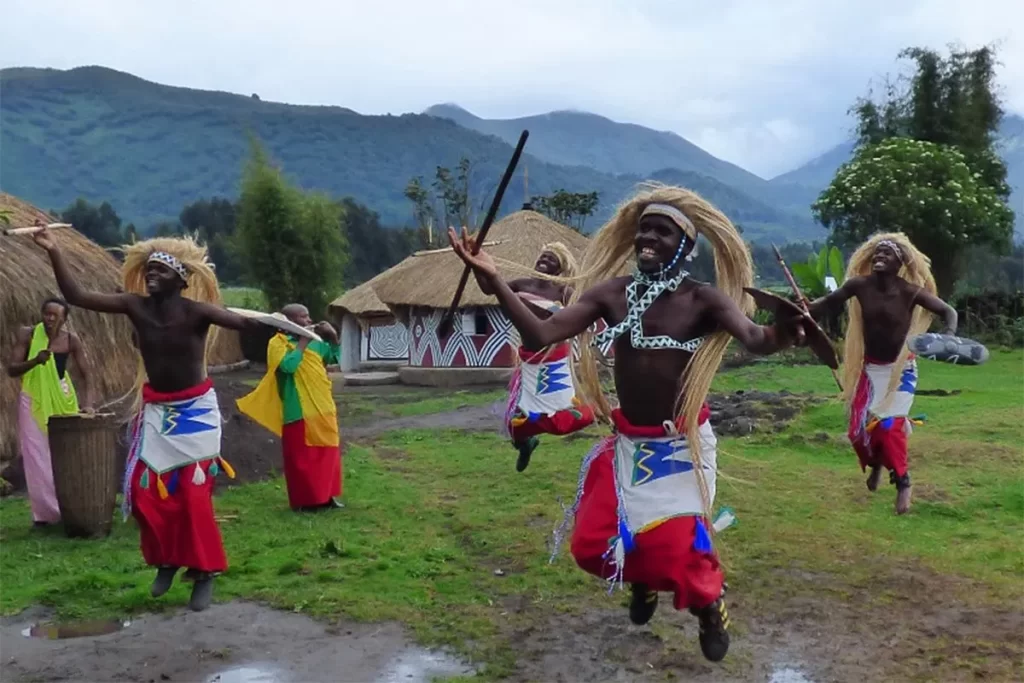
The Iby’iwacu Cultural Village near Kinigi is not a performance put on for tourists. It is a living practice, a community-run cultural center where former poachers and park-adjacent community members have built a sustainable livelihood by sharing the cultural traditions of their forebears with visitors from across the world. This community has transformed from one in conflict with the park’s conservation mandate into one that depends on and actively supports it, making it one of the most remarkable conservation-social stories in Rwanda, and your visit here directly participates in that ongoing success.

3-Day Rwanda Gorilla Trekking & Cultural Safari.

A guide from the village, always a community member, always a practitioner rather than a demonstrator, takes you through an immersive sequence of experiences: traditional dance performed with complete seriousness by men and women who learned these movements from their parents and grandparents; the intore warrior dance, athletic and theatrical and deeply coded with meanings your guide will interpret; traditional medicine knowledge presented by an elder who holds genuine expertise rather than a rehearsed script; the art of traditional basket weaving, where the imigongo patterns carry narratives that predate the written word; and a shared meal of Rwandan dishes prepared on site, fragrant with local spices and genuinely delicious.

What distinguishes Iby’iwacu from superficial cultural tourism is the quality of the genuine encounters it makes possible. The community members are not performing their culture as a museum exhibit; they are sharing it as a living thing, curious about where you come from, proud of what they are offering, and entirely natural in their engagement. Children run through the center unselfconsciously. The elder who explains the medicinal properties of local plants does so with the quiet authority of someone who has used this knowledge for decades. And the context: the volcanoes visible on the horizon, the park boundary a few hundred meters away, and the forest audible in the distance gives everything a resonance that is specific to this place and impossible to replicate elsewhere.

Afternoon: Golden Monkey Trekking, the Forest’s Most Extravagant Residents.

The afternoon of Day Two offers one of the most rewarding primate encounters available in Rwanda outside the gorilla trek itself. The golden monkey, Cercopithecus kandti, is found only in the montane forests of the Virunga chain and Gishwati, making it one of the rarest primates in Africa and, for reasons that become entirely self-evident the moment you see one, one of the most spectacular. The species’ golden-orange saddle, vivid against its black face and limbs, is the kind of coloration that looks more like a painter’s invention than a product of natural selection, and troops of fifty or more move through the bamboo forest with an energy and acrobatic confidence that makes the gorilla’s meditative stillness all the more remarkable by contrast. Our gorilla and golden monkey discovery safari explores this combination across five fully dedicated days for those who want to give both species the depth they deserve.

The golden monkey trek begins at the lower forest boundary, closer and less strenuous than the gorilla trail, and typically lasts between one and two hours depending on the troop’s morning movements. Your park ranger guide is assigned from the same pool of professionals who lead the gorilla treks, and they track the habituated group based on the morning sightings reported by earlier trackers. The encounter itself is characterized by extraordinary closeness: the monkeys have been visiting humans in their habitat for long enough that they regard you with mild curiosity rather than alarm, and the photographic opportunities are remarkable. After the trek, the lodge is a short drive away, and the remainder of the afternoon belongs entirely to you.

Evening: Lodge at Dusk, The Most Beautiful Part of Day Two.

Your luxury lodge near Volcanoes National Park is the reward that Day Two has been building toward, and the properties in this zone understand their role in the journey with rare sophistication. Whether you have chosen Wilderness Bisate, positioned dramatically inside an eroded volcanic cone with views across a reforestation project that is itself a conservation work in progress; or One & Only Gorilla’s Nest, whose meadow cottages and warm, unhurried service make it the most humanly comfortable of the park’s top-tier options; or Singita Kwitonda Lodge, where architectural precision and exceptional wine cellar deliver an experience that sets a new standard for what lodge hospitality can be, the arrival at any of them after a day of movement and cultural richness carries the particular satisfaction of having earned your comfort.

Sundowners on the terrace, with the volcanoes lit in the last hour of daylight, a cold drink in hand, and no agenda whatsoever. Dinner served with the kind of unhurried pace that only lodges at this level manage courses that arrive when they should, conversation that is never forced, and service that is present without being intrusive. A fire perhaps, if the evening calls for it. And outside, audible if you open the window before sleep, are the sounds of the forest that tomorrow morning you will enter on foot.

Day Three, The Gorillas: An Hour That Rewrites the Rest

Before Dawn: The Lodge in the Last Dark.

The lodge is quiet at five-thirty in the morning, but not entirely still. The kitchen has been awake since before you, preparing a breakfast that is warm, sufficient, and served with the calm of people who understand that today is important and that what happens before the trek matters too. Good coffee. Fresh bread with local honey. Fruit. The kind of meal that provides energy without heaviness, eaten at a table where the window already shows the volcanoes emerging from the dark.

The drive to the park headquarters at Kinigi takes fifteen minutes from most of the park’s premier lodges, and arriving there without the accumulated tension of a three-hour pre-dawn drive from Kigali is one of the quiet luxuries that the overnight stay provides. You are present. You have slept in the forest’s neighborhood. The morning air, cool and dense with the particular fragrance of high-altitude vegetation and volcanic earth, has already begun its work on your attention.

The Briefing at Kinigi: Rules Born from Respect.

The Rwanda Development Board conducts a serious ranger briefing at Kinigi at 7:30 AM. The protocols of gorilla trekking are presented as what they are: not bureaucratic restrictions but the accumulated wisdom of decades of conservation work and the specific behaviors that protect the health and psychological well-being of an animal that shares 98.3% of our DNA and has no immunity to our diseases. No food is allowed within 200 meters of the gorillas. No flash photography. A seven-meter minimum distance unless the gorilla chooses to close it. Cover your mouth if you cough. Follow the lead ranger’s hand signals immediately and without question. Stay together as a group. And the instruction that surprises everyone if a silverback charges: stay still. Stand still, look down, and trust your ranger. The briefing ends with a family assignment: one of the habituated gorilla families of Volcanoes National Park has been allocated to your group of eight, and your guide knows their recent movements, their approximate size, and the terrain that today’s tracking is likely to involve.

Among the families regularly visited by Rwanda Gorilla Expeditions guests are the Susa group, the largest in the park, currently over 40 members with multiple silverbacks, requiring the most demanding terrain but delivering a sheer scale of presence that is unmatched; the Amahoro group, whose name means “peace” in Kinyarwanda and whose temperament exactly earns it, ideal for first-time trekkers and those with fitness considerations; the Kwitonda group, known for a silverback of unusual size and calm authority; and the Umubano group, habitually found in accessible terrain with a particularly relaxed attitude toward observers. Rwanda Gorilla Expeditions works with the park to advocate for appropriate family assignments based on each guest’s profile. Those seeking complete privacy in a wholly exclusive encounter are directed to our exclusive gorilla trekking option, where premium permits remove all other visitors from the experience.

The Trek: The Forest Has Its Own Time

The trail begins where the farmland ends a boundary so precise it seems designed rather than evolved, the cultivated world stopping at an invisible line beyond which everything belongs to a different order of things. Within fifty meters of the forest edge, Kigali might as well be a memory from another life. The bamboo canopy closes above the trail. The light shifts from the open brightness of the fields to a green-filtered luminescence that makes everything look slightly unreal, as though the film stock of the world has changed. The air is several degrees cooler and carries the dense, layered fragrance of decomposing leaves, volcanic earth, moisture, and the indefinable smell of an ancient forest. It smells, in the best possible way, like nothing familiar.

The porters, who are local community members hired at the trailhead, take the weight from your shoulders the moment you step onto the trail, a practice that provides meaningful income and represents a direct economic link between the park and its neighboring communities. Your daypack travels with a porter who keeps pace without effort and whose knowledge of the terrain, accumulated through years of daily forest work, is a constant quiet reassurance. The rangers move ahead with the unhurried efficiency of people who know what they are looking for and where it is likely to be.

There are sounds you have never heard before. A bird whose call is a cascading series of liquid notes that seem to descend through octaves; your guide identifies it without looking up, adds its common and Latin names, and notes the particular season in which it calls most often. The rustle of something unseen in the undergrowth that is almost certainly a buffalo but might be something smaller. The creak and shift of the bamboo in a breeze that reaches you as a sound before a sensation. And then, transmitted by radio from the trackers ahead, the message translates as “they are near.”

The Encounter: Sixty Minutes in Another Kingdom.

The first sight of the gorillas is rarely what you expect; in fact, no expectation can prepare you for it. A guide who has led hundreds of treks will tell you that every single one has produced the same response in first-time visitors: a specific, involuntary kind of stillness that is different from merely stopping, a stillness of the entire person, breath included, attention narrowed to a single point with a completeness that normal life almost never achieves.

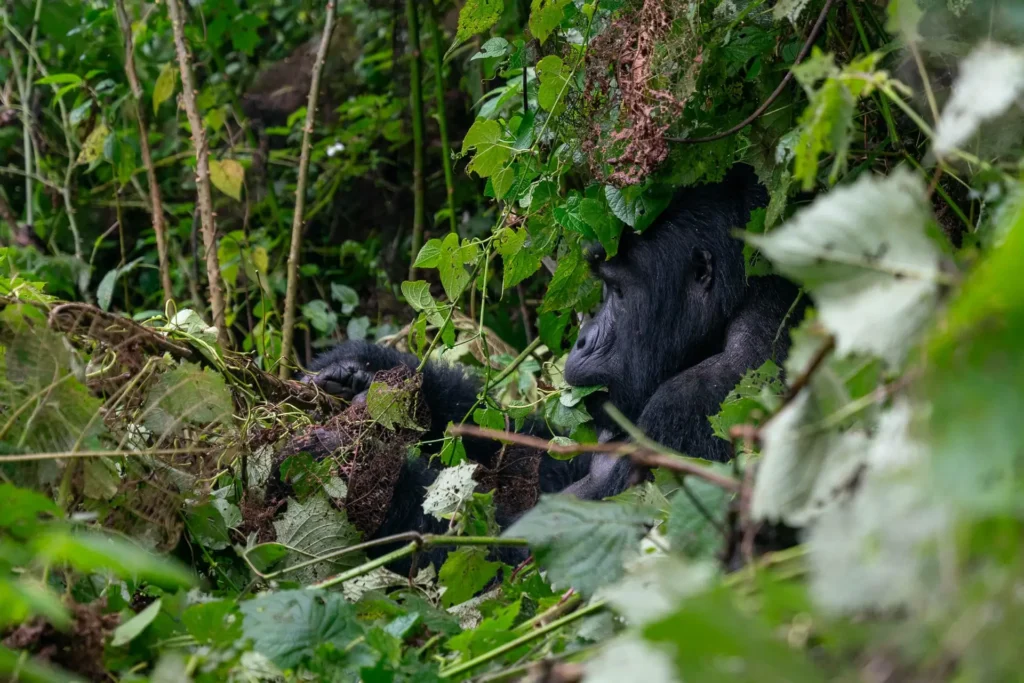
Rwanda Gorilla Trekking Expeditions | Tours & Safaris

A mother nurses her infant with the specific tenderness of a being who knows the infant is everything to her. Two juveniles chase each other through the undergrowth with theatrical outrage over a matter of complete triviality. An older female sits in the vegetation and pulls leaves from a stem with methodical patience, watching your group with the relaxed attention of someone who has seen this before and found it neither threatening nor particularly interesting. And then the silverback arrives not with drama, but with the specific, absolute authority of a creature who has never in his life felt the need to announce himself. He weighs perhaps four hundred pounds. He is perhaps six meters from where you stand. He glances at you once with eyes that contain an intelligence you will spend the rest of your life trying to describe accurately, and he decides you are not worth a second look. It is the most magnificent thing anyone in your group has ever witnessed.

Sixty minutes. Not enough and more than enough simultaneously. Your ranger signals the withdrawal with a quiet gesture, and the group moves backward through the vegetation with the reverence of people leaving a place of worship. The forest closes around the gorillas again. The trail back to the boundary passes in the particular silence of those who have been altered and not yet had time to process it. This is what Rwanda Gorilla Expeditions exists to deliver: not just the logistics of the encounter but the conditions that allow it to arrive with full force. For those who want to go beyond this encounter and engage with the scientific and conservation world that makes it possible, our behind-the-scenes gorilla trekking experience offers an extraordinary alternative for up to three guests who want three consecutive days alongside the researchers and veterinarians who protect these families.

Afternoon: The Lunch and the Long Return

Back at Kinigi, the staff serve a hot lunch in the open-air dining area, which offers views of the park boundary and the forest above it.

The return drive to Kigali follows the now-familiar route in reverse, the landscape carrying the accumulated meaning of two days of profound engagement with this country. Your guide adjusts the pace to yours, more conversation if you want it, more silence if you prefer that, or perhaps a stop at the roadside viewpoint above Musanze, where the valley spreads out below and the volcanoes are visible one last time in the afternoon light. By early to mid-evening, Kigali welcomes you back into its hills. The journey is complete. The story, however, has barely begun.

Plan Your Rwanda Safari

Start Planning a Private Gorilla Trek

Rwanda gorilla permits sell out months in advance. Secure your dates before the season closes.

Where You Stay: The Architecture of Rest

Night One: Kigali

Your first night in Kigali sets the standard and the tone. Rwanda Gorilla Expeditions works with the city’s finest properties to ensure that the transition from airport to hotel is seamless and that your room is ready, your preferences are known, and your evening has been framed around your arrival time and energy. The Kigali Marriott Hotel provides consistent five-star international standards with excellent dining and central positioning. The Radisson Blu Hotel Kigali offers impressive views across the city and a highly regarded restaurant. The Retreat by Heaven, a boutique property in the Kiyovu neighborhood, provides something more intimate: fewer rooms, more personal service, and an emphasis on detail rather than scale. All three carry the quality marker that matters most in a city of Kigali’s ambition: they have been chosen because they are genuinely excellent, not because they are convenient. Explore our full Rwanda safari experiences for context on how accommodation integrates with our broader journey design philosophy.

Night Two: Volcanoes National Park

The lodge near the park is the experience within the experience, a destination in its own right, not merely a place to sleep before the trek. Wilderness Bisate Lodge, built inside an eroded volcanic cone, is the most design-forward and conservation-intensive property in the area: its six villas, each sleeping two guests in considerable luxury, look out over a forest restoration project that has transformed the surrounding hillside and is slowly, measurably expanding the habitat available to the gorillas. Staying at Bisate is an act of conservation as well as comfort, and the property communicates its message without ever becoming preachy about it.
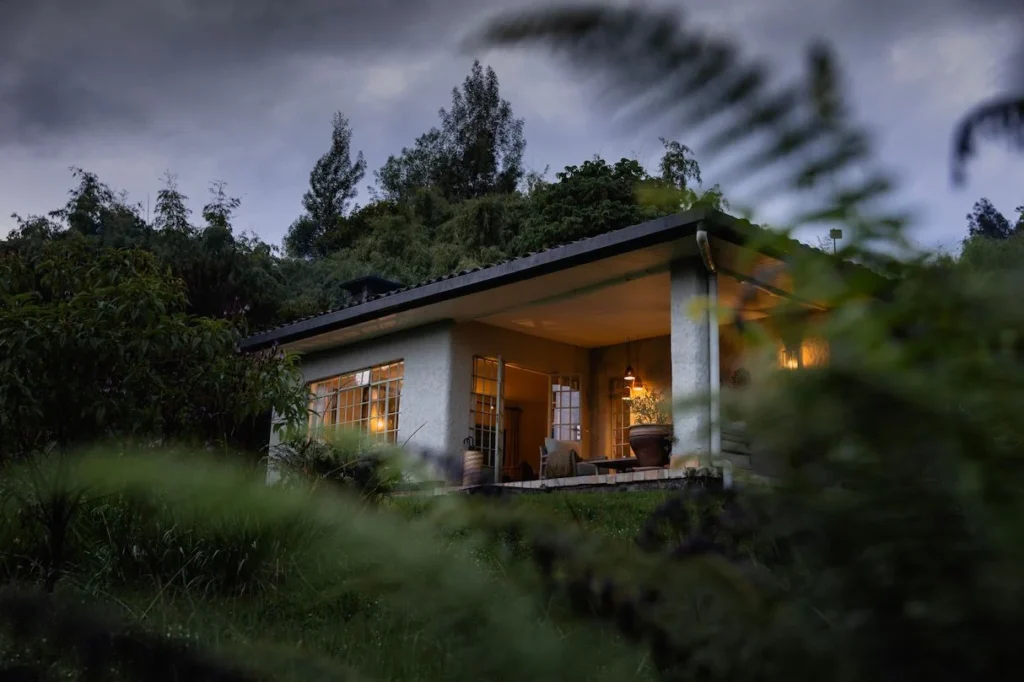
Wilderness Sabyinyo Lodge

Wilderness Sabyinyo Lodge

One & Only Gorilla’s Nest distributes its twenty-five cottages across meadow gardens that feel both wild and entirely cared for; the service ethos here is the warmest in the park, the dining is exceptional, and the atmosphere is one of considered ease that makes it particularly well suited to families and to guests who want their lodge stay to feel unhurried. Singita Kwitonda Lodge is the choice for those who travel in pursuit of the very finest: architecture that draws directly from the landscape’s volcanic palette, a private wine cellar with an extraordinary selection, and guiding that reaches a standard rarely encountered outside South Africa’s private game reserves.

What Your 3-Day Expedition Includes

We confirm every detail of this journey before your arrival. The following are included in your expedition, requiring nothing further from you except the willingness to be fully present.

  • Official Rwanda gorilla trekking permit (USD $1,500 per person), secured and confirmed in advance through the Rwanda Development Board
  • Golden monkey trekking permit for Day Two afternoon (included as standard on this itinerary)
  • Private, air-conditioned 4×4 safari vehicle throughout all three days; no shared transport at any stage
  • Professional English-speaking driver-guide for the full itinerary, with specialist knowledge of Kigali, Rwandan cultural history, and Volcanoes National Park
  • Guided visit to the Kigali Genocide Memorial with expert contextual interpretation
  • Guided visit to the Inema Arts Centre, Kigali, including artist introductions
  • Guided tour of Kimironko Market with a local cultural interpreter
  • Iby’iwacu Cultural Village experience on Day Two, including cultural performances, traditional meals, and community guides.
  • Two nights’ accommodation: one night in a Kigali luxury hotel (breakfast and dinner included) and one night at a luxury lodge near Volcanoes National Park (full board)
  • All meals as specified: breakfast both mornings, packed lunch on trek day, dinners on Days One and Two
  • Pre-trek ranger briefing at Kinigi Park Headquarters with RDB rangers
  • Armed ranger escorts and experienced trackers throughout the gorilla trek
  • Porter facilitation at the gorilla trekking trailhead: a standard inclusion and a meaningful community contribution
  • Official Rwanda gorilla trekking certificate, dated and signed
  • All park entrance fees, activity fees, and applicable government taxes
  • Comprehensive pre-departure briefing document including packing list, health guidance, and day-by-day schedule

What Is Not Included

In the interest of complete transparency, the following are not included in the base cost of this expedition and can be arranged separately by our team.

  • International flights to and from Kigali International Airport
  • Rwanda tourist visa (available on arrival for most nationalities or through the official e-visa portal)
  • Personal travel and medical insurance are required, with coverage for high-altitude trekking and emergency evacuation strongly recommended
  • Guide and ranger gratuities (discretionary; approximately $20–40 USD for the main guide, $10–15 USD for the lead ranger, paid in cash)
  • Porter tip on trek day (approximately $15–20 USD, paid in cash at the trailhead)
  • Personal items: medications, sunscreen, insect repellent, personal camera equipment, and accessories
  • Bar purchases and beverages beyond the included meal plan
  • Any souvenir or art purchases, though we warmly encourage them
  • Helicopter or charter flight transfers if required from another region of Rwanda
  • Any activities, extensions, or experiences not listed in the confirmed itinerary

The Best Time to Travel: Seasonal Guidance for Each Experience.

Best time for gorilla trekking.

The 3-Day Rwanda Gorilla Trekking & Cultural Safari operates year-round, and the three distinct experiential layers, Kigali cultural immersion, community and golden monkey encounters, and the gorilla trek itself, each respond to Rwanda’s seasons in slightly different ways. Understanding these differences helps you choose the window that matches your priorities most precisely.

Gorilla Trekking: Dry Seasons Offer the Firmest Ground, Rain Offers the Fullest Forest

Mountain gorilla trekking is rewarding in every month of the year without exception. The gorillas do not observe seasons, the encounters are equally profound in sun and mist, and the one-hour visit is managed with the same care and expertise regardless of the weather above the canopy. What changes with the season is the quality of the conditions around the encounter: trail firmness, photographic light, and the ease of the physical experience.

The long dry season, June through September delivers Rwanda’s most consistently clear trekking conditions. Trails are firm, the forest is vivid with the accumulated greenness of the preceding rains, and the early mornings carry a crisp, almost alpine quality that makes the physical effort of the trek feel clean and energizing. This is peak season by every metric, and permits combined with lodge rooms at Bisate, Singita, or One & Only require booking three to six months in advance. We do not say this to alarm, but because it is genuinely true and because we have watched guests lose their preferred dates by assuming availability was greater than it was.

The short dry season of December through February is the quieter premium window, marginally less in demand than June–September, equally dry, and with the particular advantage of fresh-season vegetation that gives the landscape a luminosity that photographers consistently rate among the year’s finest. December carries the added pleasure of combining the trek with holiday travel, and the lodges operate at a festive register that adds a warmth to the experience that the mid-year months do not quite replicate.

The Rainy Seasons: For Those Who Know What They Are Choosing

Rwanda’s rainfall from March to May and October to November transforms the landscape into something almost impossibly verdant. The forest is at its most atmospherically dramatic in the mist and rain cinematic in a way that no amount of dry-season sunshine achieves, and the permits are considerably easier to secure, the lodges more available, and the overall experience more private. Trails are wetter and muddier, requiring proper waterproof footwear and an acceptance that you will arrive at the gorillas damp and arrive at the lodge grateful for the shower and the fire. Most guests who choose the rainy season do so deliberately and rate the experience among the most memorable of their lives.

Kigali Cultural Experiences: Year-Round with Notable Exceptions

The Kigali Genocide Memorial, the Inema Arts Centre, and Kimironko Market are year-round experiences unaffected by season. The city’s restaurants and hotels maintain consistent standards across all months. The only annual exception to note: the commemoration week in April, during which the Genocide Memorial undertakes specific ceremonial programs that alter the visitor experience and which we discuss in detail with guests travelling during that period.

Golden Monkey Trekking: Particularly Rewarding in the Bamboo Growing Season

Golden monkey trekking is available year-round, but during the wet season, particularly in April and October, when the bamboo forest is at its most active growth, the lower forest zones have the highest concentration of monkeys, as the fresh bamboo shoots are their preferred food source. Groups of fifty or more are common during these months, and the photographic conditions, while involving more diffuse light, produce results that many professional photographers prefer. In the dry season, the monkeys range more widely but remain in habituated troops that trackers locate reliably.

Beyond Three Days: How This Journey Can Grow

The 3-Day Rwanda Gorilla Trekking & Cultural Safari is a complete journey in itself properly paced, deeply layered, and built around the conviction that three days in Rwanda, done well, deliver more than a week done ordinarily. For those who feel the pull of the country more broadly, Rwanda Gorilla Expeditions offers a full range of extensions and longer journeys that build directly on this foundation. Our 4-Day Exclusive Rwanda Gorilla & Golden Monkey Safari adds a fourth day that allows for a second, fully private gorilla trek, an extraordinary option for those who want to return to the forest knowing what to expect and experiencing the encounter with a depth of attention that only familiarity allows.
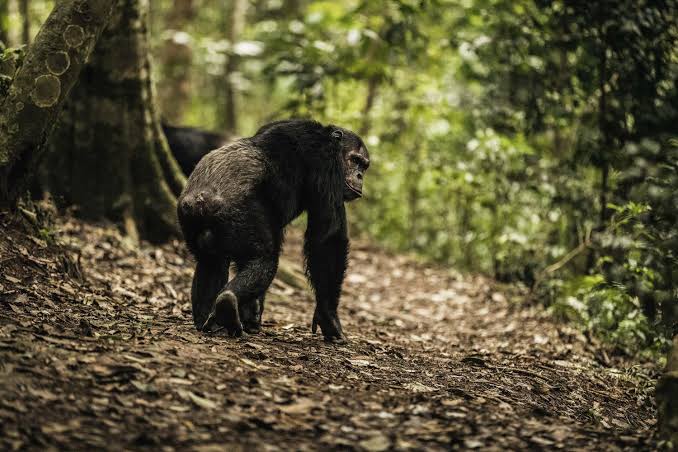
Chimpazee Treks in Gishwati

Chimpazee Treks in Gishwati Mukura

Those drawn to Rwanda’s full primate world, gorillas, chimpanzees, golden monkeys, and the remarkable colobus monkeys of Nyungwe Forest will find an eight-day journey of rare completeness in our Luxury Rwandan Primate Safari. And for the traveller who wants to experience every significant ecosystem, Rwanda offers savannah, rainforest, montane forest, and wetland. Our Best of Rwanda’s National Parks Safari covers ten days across Akagera, Nyungwe, and Volcanoes National Parks in a journey that rivals anything available in East Africa. Explore our complete collection of Rwanda safaris for the full range of possibilities.

Plan Your Rwanda Safari

Start Planning a Private Gorilla Trek

Rwanda gorilla permits sell out months in advance. Secure your dates before the season closes.

Frequently Asked Questions about the 3-Day Rwanda Gorilla Trek & Cultural Safari.

Why choose the 3-day itinerary over the 1-day or 2-day gorilla safari?

The 3-day itinerary offers something the shorter formats cannot: a complete Rwanda experience in which the gorilla trek arrives as a culmination rather than an isolated event. Day One’s Kigali cultural tour, the Genocide Memorial, Inema Arts Centre, and Kimironko Market provide a profound understanding of the country’s history and contemporary identity that enriches every subsequent experience. Day Two’s Iby’iwacu cultural village visit and golden monkey trek connect you to the community and ecological world that surrounds the gorilla conservation story. By the time you enter the forest on Day Three, you are not simply a tourist who has purchased a permit. You are a traveller who understands, in human and historical terms, why this forest and these animals matter so much. The encounter lands with far greater depth as a result.

What is the Iby'iwacu Cultural Village and why is it included in this itinerary?

Iby’iwacu Cultural Village is a community-run cultural center near Kinigi, on the edge of Volcanoes National Park, that was established partly as a livelihood alternative for former poachers and community members who had previously been in conflict with the park’s conservation mandate. The village offers immersive experiences in traditional Rwandan dance, music, medicine, basket weaving, and cuisine, led by community members who are genuine practitioners of these traditions rather than performers. It is included in the 3-Day Cultural Safari because it provides an essential human context for the gorilla conservation story, showing how the park’s success depends on and contributes to the well-being of the communities around it, and offers a quality of cultural encounter that is authentic, meaningful, and genuinely enjoyable.

Is the Kigali Genocide Memorial appropriate for children?

This is a thoughtful question that Rwanda Gorilla Expeditions takes seriously. The Kigali Genocide Memorial is a deeply moving and historically significant site, and the decision to include it for younger visitors is one that families should make with care and with knowledge of their children’s emotional maturity. We recommend the memorial for teenagers from approximately fourteen years upward, though younger children have visited with appropriate parental support and contextual preparation. Our guide provides age-appropriate interpretation and paces the visit according to the needs of the group. For visitors of all ages, the memorial garden is both accessible and beautiful.

Can the cultural elements of this itinerary be customised?

Every element of the 3-Day Rwanda Gorilla Trekking & Cultural Safari is customizable, and Rwanda Gorilla Expeditions designs all itineraries in conversation with the specific traveler rather than as fixed products. Alternatives to the Iby’iwacu Cultural Village include a guided visit to the Dian Fossey Gorilla Fund’s Karisoke Research Centre, a traditional Rwandan cooking experience in a local home, a guided weaving workshop with master basket weavers, or a visit to a community school supported by gorilla tourism revenue. Alternatives to the Inema Arts Centre in Kigali include the Rwanda Art Museum in the former presidential palace or the Centre Solange in Kacyiru. All substitutions maintain the cultural depth that gives this itinerary its particular character.

What is the difference between golden monkey trekking and gorilla trekking?

Both involve tracking habituated primate groups through the forests of Volcanoes National Park, but the experiences are distinct in character and atmosphere. Gorilla trekking is a profound, meditative encounter with animals of extraordinary size, intelligence, and physical presence, deeply moving and often described as one of the most affecting wildlife experiences in the world. Golden monkey trekking is exuberant, fast-moving, and visually spectacular: troops of fifty or more brilliantly coloured monkeys moving through bamboo forest with athletic energy and apparent indifference to your presence. Golden monkey permits are less expensive, the trek is generally shorter and less strenuous, and the encounter time is one hour in the same manner as gorillas. Many guests describe the contrast between the two experiences serene and profound on one side, vivid and joyful on the other as one of the most satisfying aspects of the three-day itinerary.

Which luxury lodge is best for the 3-day cultural gorilla safari?

All three principal luxury lodges near Volcanoes National Park Wilderness Bisate, One & Only Gorilla’s Nest, and Singita Kwitonda Lodge are exceptional and suit slightly different traveler profiles. Bisate is the most conservation-focused and architecturally dramatic; its six villas offer complete privacy and extraordinary views, and staying here feels like a participation in the gorilla conservation project as much as a hotel stay. One & Only Gorilla’s Nest is the warmest in service terms and best suited to families with children. Singita Kwitonda is the most design-forward and wine-focused. Rwanda Gorilla Expeditions will discuss all three in detail during the planning conversation and match the recommendation to your specific preferences.

How difficult is the gorilla trek physically, and what support is available?

The gorilla trek in Volcanoes National Park varies from moderate to strenuous depending on the gorilla family’s location. Altitude (2,300–3,000 meters), uneven volcanic terrain, and varying gradients are the primary physical demands. Porter service is available at the trailhead, a community contribution strongly recommended by Rwanda Gorilla Expeditions, and it removes the weight of your daypack entirely. Rangers set a pace that accommodates the range of fitness levels within any group. Travellers from their early sixties through mid-seventies regularly complete the trek successfully with porter support and appropriate preparation. Rwanda Gorilla Expeditions works with the park on gorilla family assignments that match the fitness profile of each group, and we encourage complete honesty about physical considerations at the time of booking so we can advocate for the most suitable family.

How far in advance should I book this 3-day itinerary?

For travel during peak season, June through September and December through February, a minimum of three to six months in advance is strongly recommended. Gorilla permits are issued in very limited numbers daily (eight per family), and the combination of permit, preferred lodge, and specific travel dates can be extremely tight during high-demand periods. For the low season (March to May and October to November), two to three months is generally sufficient. Rwanda Gorilla Expeditions checks permit availability in real time and can accurately advise you on the current booking situation for your travel dates at the time of your first inquiry.

Can this itinerary be combined with other East African destinations?

Rwanda sits at the center of East Africa with excellent air connections to Nairobi, Entebbe, Dar es Salaam, and Zanzibar, making it a natural component of a wider regional journey. The 3-Day Rwanda Gorilla Trekking & Cultural Safari combines beautifully with a Kenyan safari (add three to four days in the Masai Mara), a Tanzania itinerary (Serengeti, Ngorongoro, and Zanzibar beach), or Uganda gorilla and chimpanzee trekking for a complete great ape experience across two countries. Rwanda Gorilla Expeditions designs multi-country itineraries and works with trusted partners across the region to ensure seamless connections.

Is Rwanda safe for international travellers including solo women?

Rwanda is consistently ranked among the safest countries in Africa for all categories of international travellers, including solo women. The capital Kigali has extremely low street crime, well-maintained infrastructure, and a civic culture that takes public safety seriously. Roads to and within Volcanoes National Park are paved and well-maintained. All Rwanda Gorilla Expedition transfers are private, with vetted professional drivers. Kigali’s restaurants, hotels, and public spaces are welcoming to solo travelers of any gender. Our female solo travellers consistently report feeling more comfortable and safe in Rwanda than in many other travel destinations they have visited globally.

Plan Your Rwanda Safari

Start Planning a Private Gorilla Trek

Rwanda gorilla permits sell out months in advance. Secure your dates before the season closes.

The Decision Is Yours. Everything Else Is Ours.

There is a version of this journey that exists only in the imagination vivid, compelling, full of the kind of detail that travel writing at its best can deliver. And there is the version that actually happens: the specific, unrepeatable, deeply personal experience of standing in a mountain forest in Rwanda with a silverback gorilla at close range and knowing, with the certainty that only real things can produce, that the moment is exactly where you were supposed to be.

Rwanda Gorilla Expeditions exists to close the distance between those two versions. When you inquire with our team, you are not initiating a transaction; you are beginning a conversation about what matters to you, what kind of experience you want to carry forward, and how three days in one of the world’s most extraordinary countries can be designed specifically around the answer to that question. Permits will be confirmed. Accommodation will be selected for you. The cultural itinerary will be shaped to your interests. The guide assigned to your journey will be the right guide, not just the most available one.

Every detail has been considered before you arrive. Every transition is handled. No decision has been left to chance. If you have questions about this specific itinerary, about how it compares to our 2-day Rwanda Gorilla Safari or our longer luxury primate safari, about permit availability for your dates, or about which lodge is right for your particular requirements we are here, and we respond to every inquiry within 24 hours. Browse our travel styles to understand how we design for different kinds of travelers, and when you are ready, reach out. Rwanda is ready when you are.

“Rwanda does not ask you to be a certain kind of traveller. It only asks that you pay attention. Three days, properly spent, is enough for that.”