Rwanda Gorilla Trekking Expeditions

Plan your Rwanda gorilla trekking experience with expert local guides. Secure gorilla permits, customized itineraries, and ethical wildlife expeditions in Volcanoes National Park.

Rwanda Gorilla Trekking & Wildlife Expeditions: Rwanda Gorilla Expeditions is a specialist local operator dedicated to mountain gorilla trekking and nature-based wildlife experiences in Rwanda. We design and operate carefully planned gorilla trekking journeys in Volcanoes National Park, Rwanda, combining secure gorilla permits, experienced local guides, and well-coordinated logistics to deliver responsible and meaningful encounters with Rwanda’s endangered mountain gorillas.

Gorilla trekking in Rwanda is the most extraordinary wildlife encounter available to the modern traveler, not because of clever marketing or inflated superlatives, but because of a simple and verifiable truth. Rwanda is home to 23 habituated mountain gorilla families inside Volcanoes National Park, representing the highest concentration of trekking-accessible gorilla groups in the world. The mountain gorilla, Gorilla beringei beringei, exists nowhere else on earth except in the cloud forests of the Virunga Massif and Uganda’s Bwindi Impenetrable Forest. With a global population that has now surpassed one thousand individuals, every single mountain gorilla alive today is critically endangered, and every single one depends on the continued success of conservation-driven tourism for its survival.

When you trek to see mountain gorillas in Rwanda, you are not a tourist passing through a wildlife spectacle. You are a participant in the most successful primate conservation story of the twenty-first century. Rwanda’s commitment to conservation has been absolute and uncompromising: more than three decades of dedicated protection, community investment, and world-class park management by the Rwanda Development Board have transformed Volcanoes National Park into the global benchmark for ethical primate tourism. The result is a wildlife experience so intimate, so carefully managed, and so profoundly moving that travelers who have witnessed every major safari destination on the planet consistently describe their Rwanda gorilla trek as the finest wildlife encounter of their lives.

Rwanda Gorilla Trekking Expeditions

Gorilla trekking is not just a sightseeing activity; it is a tightly regulated conservation experience that requires precise planning, local expert knowledge, and respect for wildlife protection rules. We ensure ethical, safe, and full compliance with Rwanda Development Board regulations by removing uncertainty and complexity from your trek.

From permit acquisition and trek scheduling to accommodation selection and ground transfers, every element of your gorilla safari is handled by a team that works within Rwanda’s gorilla conservation landscape every day.

Why Choose Rwanda Gorilla Expeditions?

Rwanda Gorilla Expeditions was built around a single focus: doing gorilla trekking properly.

We are not a general safari reseller. We work directly with Volcanoes National Park, its terrain, seasonal trekking conditions, and the realities of gorilla tracking days. Such knowledge allows us to design itineraries that are realistic, comfortable, and conservation-conscious rather than rushed or generic.

Our approach emphasizes:

  • Ethical wildlife encounters that prioritize gorilla welfare
  • Clear and transparent pricing without hidden extras
  • Private and custom-designed trekking experiences
  • Professional, English-speaking local guides with field experience
  • Reliable assistance with official Rwanda gorilla permits

Because our operations are centered around Volcanoes National Park, we are able to advise accurately on trek difficulty, best travel periods, lodge locations, and how to match travelers with the most suitable gorilla families based on fitness level and expectations.

Gorilla Trekking in Rwanda: What to Expect

Mountain gorilla trekking in Rwanda takes place exclusively in Volcanoes National Park, a protected area in the Virunga Mountains near Rwanda’s northern border. The park hosts multiple habituated gorilla families, which visitors can see under strict conservation guidelines.

A typical gorilla trekking day involves an early morning briefing by park rangers, followed by a guided hike through bamboo forest, montane vegetation, and volcanic slopes. Trek durations vary depending on the location of the gorilla family and can range from one to several hours.

Each gorilla trekking experience includes:

  • A maximum of eight visitors per gorilla family
  • A strictly enforced one-hour observation period
  • Continuous supervision by trained rangers and guides
  • Clear safety and conservation protocols

Rwanda is widely regarded as offering one of the most organized and accessible gorilla trekking experiences in Africa, supported by strong conservation management and high-quality visitor infrastructure.

Rwanda Gorilla Trekking Permits & Travel Planning

A valid gorilla trekking permit is mandatory for all visitors and issued in limited numbers each day to minimize disturbances and stress for the mountain gorillas. Due to high demand, permits often sell out months in advance, especially during peak travel seasons.

Rwanda Gorilla Expeditions assists travelers throughout the entire permit and planning process, including checking real-time permit availability, securing and confirming official gorilla permits, coordinating trekking dates with accommodation, and advising on the best timing based on your travel goals.

We work closely within Rwanda’s tourism framework to ensure that every trek is properly scheduled, legally compliant, and aligned with park regulations.

Permits are limited — spaces fill months ahead

Reserve Your Private Gorilla Trek

Speak with a Rwanda-based specialist today. We secure permits, match you to the right gorilla family, and plan every detail around your schedule.

No group departures · Private itineraries only · Direct Rwanda expertise

Behind-the-Scenes Gorilla Trekking Experience in Rwanda

Behind-the-Scenes Gorilla Trekking Experience in Rwanda

Explore the behind-the-scenes gorilla trekking experience in Rwanda. Learn how tracking, conservation, permits, and park operations protect mountain gorillas in Volcanoes National Park. The Behind-the-Scenes Gorilla Experience is a premium, immersive wildlife tour specifically designed for travelers seeking a deeper connection with conservation beyond a standard one-hour trek. This experience primarily takes place in Volcanoes National Park, Rwanda. Unlike standard gorilla treks limited to 8 people per group, behind-the-scenes packages are often restricted to just 3 people, providing a more private and intimate environment. While standard treks allow one hour, these specialized tours can span 3 consecutive days, with some programs offering extended time for habituation research. This package is priced at approximately $15,000 USD per person for the gorilla treks alone. Travelers are accompanied by primatologists, veterinary doctors, and researchers

Exclusive Gorilla Trekking in Rwanda

Exclusive Gorilla Trekking in Rwanda

Discover exclusive gorilla trekking in Rwanda with private planning, expert local guides, and carefully coordinated permits for a refined Volcanoes National Park experience. Exclusive gorilla trekking offers a private, luxurious, and highly personalized mountain gorilla experience in Rwanda, involving premium permits (around $15,000 in Rwanda for total privacy) that grant your group exclusive access to a gorilla family for the day, private briefings, flexibility in choosing your family, and higher comfort with luxury lodges, ensuring minimal crowds and maximum immersion in their natural habitat. Exclusive gorilla trekking in Rwanda is ideal for travelers who value privacy, comfort, and control over their schedule. The clientele includes honeymoon couples, photographers, families seeking private travel arrangements, senior travelers who benefit from careful trek matching, and safari guests combining gorilla trekking with high-end wildlife experiences elsewhere in Africa.

Rwanda vs Uganda: Gorilla Trekking

Rwanda vs. Uganda: Gorilla Trekking

Compare gorilla trekking in Rwanda and Uganda. Learn the differences in permit costs, trekking difficulty, accessibility, group size, and overall experience when planning the right safari. Gorilla trekking in Rwanda and Uganda offers travelers the rare opportunity to observe endangered mountain gorillas in their natural habitat, but the two destinations differ significantly in cost, accessibility, trekking conditions, and overall experience. Understanding these differences is essential when choosing where to trek, as neither country is universally “better”; each suits a different type of traveler. Both Rwanda and Uganda strictly regulate gorilla trekking to protect the animals and their habitat. In each country, a maximum of eight visitors are allowed per habituated gorilla family, with a single hour permitted for observation. Professional park rangers and guides accompany all treks, and visitors must follow health, safety, and conservation guidelines set by national wildlife authorities.

Luxury Rwanda Gorilla Safaris

One of the best wildlife experiences you can have in Africa is trekking the mountain gorillas in Rwanda. When we stand next to a gigantic ape, most of us would feel uneasy. Humans and gorillas share approximately 98% of their DNA; just 1.6% of their nuclear genes is the only main difference between us and them. Besides that, mountain gorillas are not very common. They can only live in a small area of forested mountains. Habitat loss because of the rapidly increasing human population is an even bigger threat to their survival. Luckily, mountain gorilla tourism is a great way to help ensure that the species stays alive
Choose from these sample safari itineraries that our professional staff has created based on their experience, or get in touch with us so we can tailor a personalized gorilla holiday to your specific needs in Rwanda.

Gorilla Trekking & Golden Monkey Discovery Safari

Gorilla Trekking & Golden Monkey Discovery Safari

Embark on a transformative 5-day gorilla trekking & golden monkey discovery safari through Rwanda’s Volcanoes National Park, one of Africa’s most iconic wildlife experiences. Starting with a private welcome in Kigali, this journey combines up-close encounters with endangered mountain gorillas and playful golden monkeys in their lush montane rainforest habitat. Trek through bamboo forests with expert guides and trackers, learn about the legacy of Dian Fossey, and soak in dramatic views of twin crater lakes Burera and Ruhondo. Luxury lodges tucked into the foothills of the Virunga Volcanoes ensure comfort after each day’s adventure. Perfect for wildlife lovers seeking immersive primate encounters, cultural insights, and unforgettable landscapes.

Luxury Rwandan Primate Safari

Luxury Rwandan Primate Safari

Discover Rwanda’s top primates on luxurious chimpanzee trekking in Nyungwe, as well as rare golden monkeys and endangered mountain gorillas. Embark on the Luxury Rwandan Primate Adventure, an 8-day bespoke safari through Rwanda’s richest wildlife landscapes. Begin with a cultured welcome in Kigali’s vibrant capital before venturing into Nyungwe National Park for chimpanzee tracking, scenic forest canopy walks, and encounters with diverse primates amidst ancient rainforest. Continue to Volcanoes National Park, home to endangered mountain gorillas and playful golden monkeys, trekking through bamboo forests with expert guides and trackers for unforgettable close-up wildlife experiences. Along the way, enjoy private luxury lodges, expert service, cultural insights, and tailor-made activities that elevate the classic primate safari into a once-in-a-lifetime journey.

Plan Your Rwanda Safari

Start Planning a Private Gorilla Trek

Rwanda gorilla permits sell out months in advance. Secure your dates before the season closes.

Beyond Gorilla Trekking: What Else Rwanda Offers

Rwanda is not one country. It is three, and each of its major national parks represents a fundamentally different landscape, ecology, and wildlife experience. A traveler who confines their Rwanda journey to Volcanoes National Park alone sees only one of these worlds. Rwanda Gorilla Expeditions designs multi-park Rwanda safaris that make full use of the country’s remarkable ecological diversity, creating itineraries that feel genuinely varied rather than repetitive.

While mountain gorilla trekking is the highlight for many travelers, Rwanda offers a diverse range of experiences that can be seamlessly combined into a single itinerary. We organize other activities that enhance your journey without overcrowding your schedule, including golden monkey trekking in Volcanoes National Park, guided cultural village visits, scenic hiking experiences, Kigali city tours, and extended Rwanda wildlife and nature safaris in Nyungwe National Park and Akagera National Park. We pace each itinerary deliberately, allowing time for acclimatization, rest, and meaningful engagement rather than rushed checklists.

Akagera National Park

Gorilla trekking exists because conservation works, and it only continues if tourism remains responsible. Rwanda Gorilla Expeditions supports low-impact travel practices that protect gorilla habitats and contribute to local livelihoods. We adhere strictly to park guidelines, promote respectful wildlife interactions, and work with local guides and service providers to ensure tourism benefits surrounding communities. Our goal is not volume but quality experiences that sustain conservation efforts long-term.

Akagera National Park

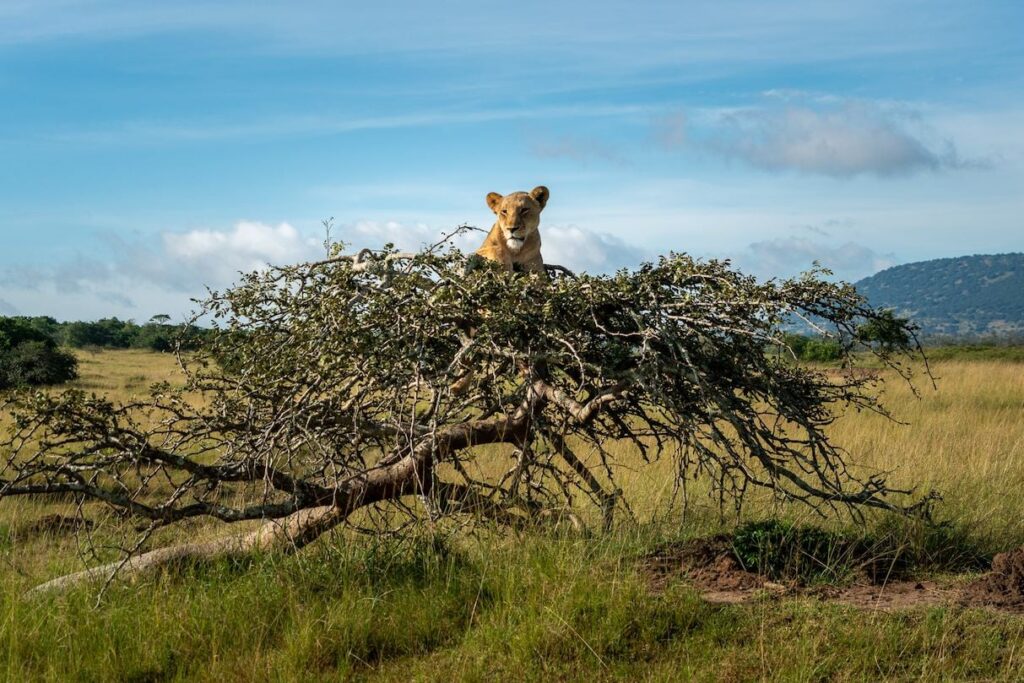
In eastern Rwanda, Akagera National Park is a story of conservation triumph on a grand scale, managed in partnership with African Parks since 2010. In the years since co-management began, the park has been restocked with lions, black rhinos, and elephants completing the Big Five and has been transformed from a depleted reserve into one of East Africa’s most exciting game-viewing destinations. Akagera’s landscape is classic East African savannah: rolling hills, open grassland, and a chain of lakes and wetlands that support an extraordinary concentration of hippos, Nile crocodiles, and waterbirds. A night or two in Akagera National Park adds an entirely different wildlife register to a Rwanda itinerary.

Lake Kivu

Rwanda’s western border provides the natural bookend to a multi-park circuit, a long, dramatic freshwater lake rimmed by volcanic hills, where boat excursions, kayaking, and village visits add a cultural and scenic dimension to what is otherwise an overwhelmingly wildlife-focused journey. Several excellent boutique properties line the lake’s shores, offering a comfortable transition between Nyungwe and Volcanoes National Park on a west-to-north routing.

Golden Monkey Trekking

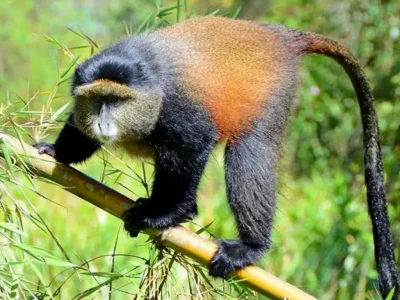
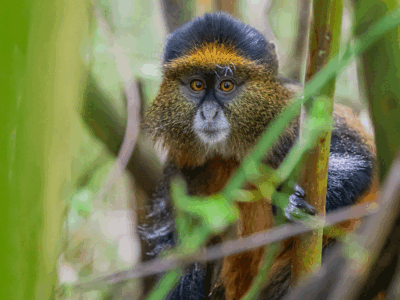
Volcanoes National Park offers a delightful complement to the gorilla experience. The golden monkey, a vividly colored, highly social primate found only in the Virunga Massif, lives in large, energetic troops that move through the park’s bamboo forests with an acrobatic exuberance that is a complete contrast to the quiet gravitas of the gorilla encounter. At USD 100 per permit, golden monkey trekking is accessible, deeply enjoyable, and easily combined with a gorilla trekking day into a two-activity day for shorter itineraries.

Nyungwe Forest National Park

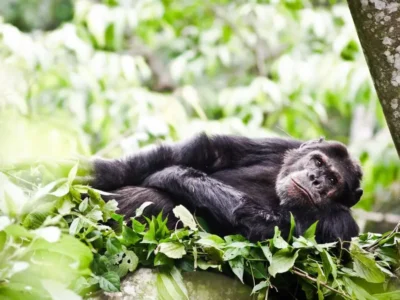
Southwestern Rwanda is one of the oldest and most biodiverse rainforests in Africa, an ancient, mist-draped ecosystem that predates the last ice age and supports thirteen primate species, including the eastern chimpanzee and the Angola colobus. Chimpanzee trekking in Nyungwe is a compelling experience in its own right, and the park’s famous canopy walkway, suspended fifty meters above the forest floor, offers a unique view of the rainforest. Nyungwe Forest National Park is the natural pairing for a gorilla trek, creating a primate-focused Rwanda safari that covers the full range of the country’s ape inhabitants.

Short Rwanda Gorilla Trekking Safaris

Short Rwanda gorilla trekking safaris offer efficient, impactful expeditions (1-4 days) to Volcanoes National Park, ideal for limited time, featuring mountain gorilla trekking, cultural visits, and Kigali city tours, with the park just a short drive from the airport.

1-Day Rwanda Gorilla Trek

1-Day Rwanda Gorilla Trek

Experience a full-day gorilla trekking safari in Rwanda’s Volcanoes National Park with expert guides, up-close mountain gorilla encounters, and seamless Kigali transfers.

2-Day Rwanda Gorilla Safari.

2-Day Rwanda Gorilla Safari.

Experience an unforgettable 2-day Rwanda gorilla trekking safari in Volcanoes National Park with expert guides, scenic hikes, and up-close encounters with mountain gorillas.

4-Day Exclusive Rwanda Gorilla & Golden Monkey Safari.

4-Day Exclusive Rwanda Gorilla & Golden Monkey Safari.

Experience a 4-day luxury primate safari in Rwanda’s Volcanoes National Park, tracking endangered gorillas and playful golden monkeys with expert guides and scenic rainforest treks.

3-Day Rwanda Gorilla Trekking & Cultural Safari.

3-Day Rwanda Gorilla Trekking & Cultural Safari.

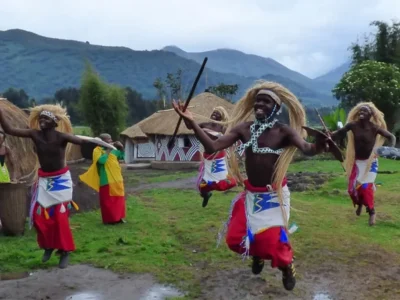
Combine 3 days of gorilla trekking in Volcanoes National Park with authentic Rwandan cultural experiences, local village visits, and scenic lodge stays on this unforgettable safari.

Plan Your Rwanda Safari

Start Planning a Private Gorilla Trek

Rwanda gorilla permits sell out months in advance. Secure your dates before the season closes.

Where to Stay: Rwanda’s Finest Lodges Near Volcanoes National Park.

The lodge landscape around Volcanoes National Park is, by any global standard, exceptional. In the space of two decades, the area has attracted some of the most respected names in luxury safari accommodation operators who saw in Rwanda’s gorilla country a destination worthy of their highest-caliber properties. The result is a cluster of lodges at the foot of the Virunga volcanoes that can stand alongside the finest safari accommodation on the African continent, combining extraordinary natural settings with service, cuisine, and design standards that are genuinely world-class.

There are a number of five-star safari hotels in and around Rwanda’s national parks. Bisate Lodge, Singita Kwitonda Lodge, and One&Only Gorilla’s Nest are the best places to stay near Volcanoes National Park if you want to go on a gorilla hike. Wilderness Magashi or Ruzizi Tented Lodge are excellent places to stay in Akagera National Park if you want to go on a Big Five trek.

Singita Kwitonda Lodge

Singita Kwitonda Lodge

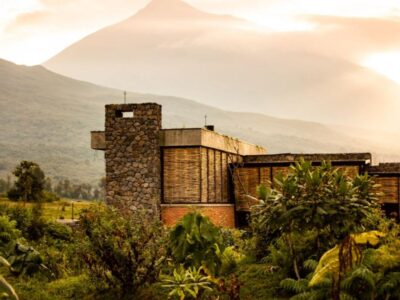
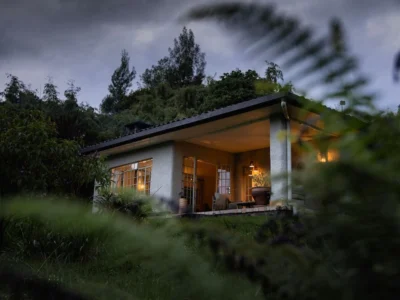
It represents the Singita group’s signature achievement in Rwanda, a property of extraordinary design elegance that sits directly against the park boundary with uninterrupted views of the volcanic range. Every suite is a private sanctuary, the food and beverage program is among the best in the region, and the guiding team, deeply knowledgeable about gorillas, birds, and the wider ecology of the Virunga landscape, elevates the overall experience well beyond a standard lodge stay.

Bisate Lodge

Wilderness Bisate

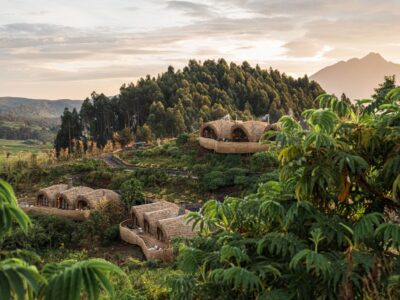
It’s perhaps the most distinctive property near Volcanoes National Park: a handful of opulent forest villas positioned on a former eroded hillside that Wilderness has transformed, through an ambitious conservation planting program, into a reforested native habitat. Staying at Bisate means waking to the sight of golden monkeys moving through the trees surrounding your villa and falling asleep to the sounds of the Virunga at night. The lodge’s design, circular, thatched, and deeply integrated into the volcanic landscape, is unlike anything else in Rwanda.

One&Only Gorilla Nest

One&Only Gorilla’s Nest

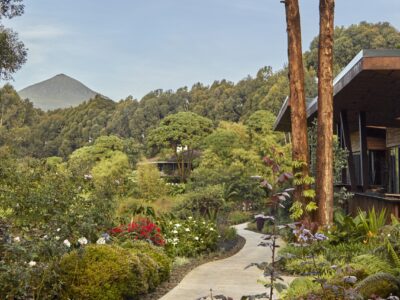
It occupies a prime position at the edge of the national park and delivers the One&Only brand’s signature combination of impeccable service and gracious elegance. The property’s gardens are extraordinary, the suites are spacious and beautifully appointed, and the overall atmosphere is one of unhurried luxury, a counterpoint to the physical intensity of the trekking experience that many travelers find deeply restorative.

Sabyinyo Silverback Lodge

Wilderness Sabyinyo Silverback Lodge

This is one of the original luxury properties in the area, a community-owned lodge that has been managed by Wilderness and that combines a genuine social enterprise model with accommodation of real quality. The lodge’s position at the base of Mount Sabyinyo, the oldest of the Virunga volcanoes, is dramatic, and its community benefit structure means that staying here has a direct and documented positive impact on the local population surrounding the park.

For the Akagera National Park component of a wider Rwanda safari, Wilderness Magashi Camp is the standout choice, a tented camp of exceptional quality positioned on the shore of Lake Rwanyakazinga, offering Big Five game drives in one of Africa’s most remarkable conservation comeback stories. Explore the full range of Rwanda safari styles to see how different properties and park combinations can create a seamless luxury itinerary.

Permits are limited — spaces fill months ahead

Reserve Your Private Gorilla Trek

Speak with a Rwanda-based specialist today. We secure permits, match you to the right gorilla family, and plan every detail around your schedule.

No group departures · Private itineraries only · Direct Rwanda expertise

What Is Gorilla Trekking and Why Nothing Else Compares

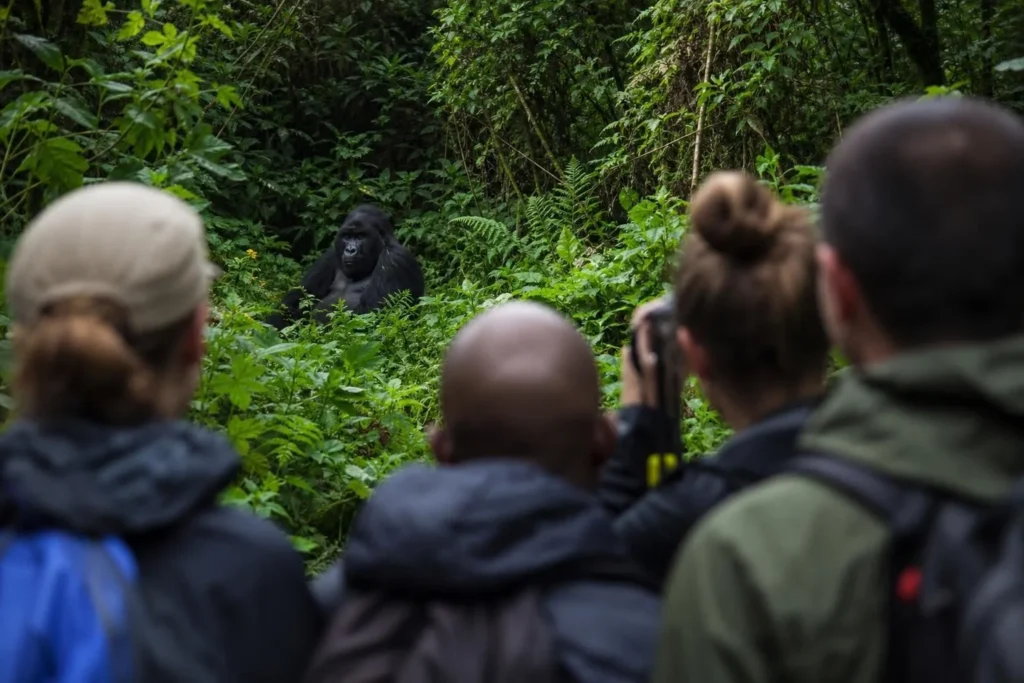
Gorilla trekking is a tightly regulated, conservation-led wildlife experience in which small groups of visitors, a maximum of eight people per gorilla family per day, are guided through protected forest habitat to spend one carefully managed hour in the presence of wild mountain gorillas. The word “trekking” is deliberate: the experience is not a zoo visit, and it is not a game drive. You walk, sometimes steeply, sometimes for several hours, through bamboo thickets and dense montane vegetation, following trackers who have been in radio contact with a monitoring team that located the gorilla family at dawn.

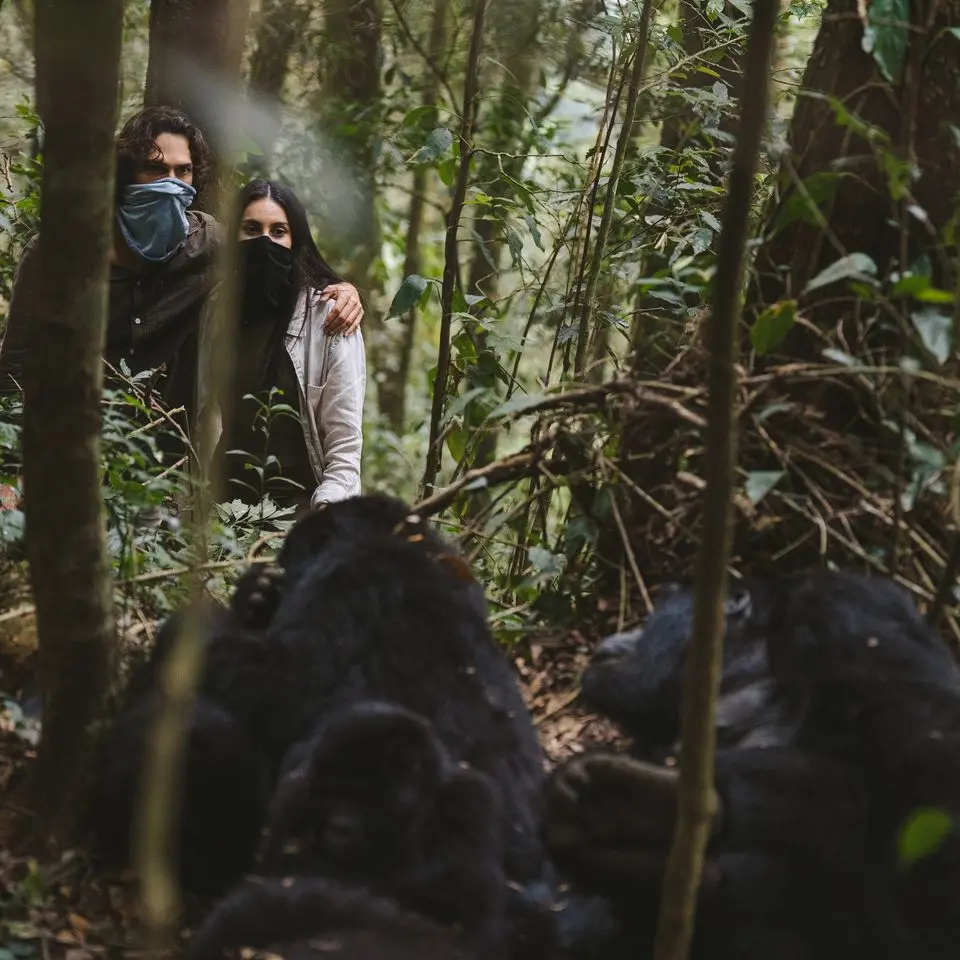
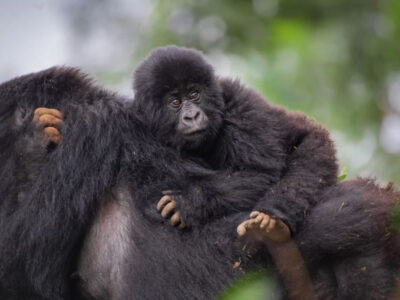
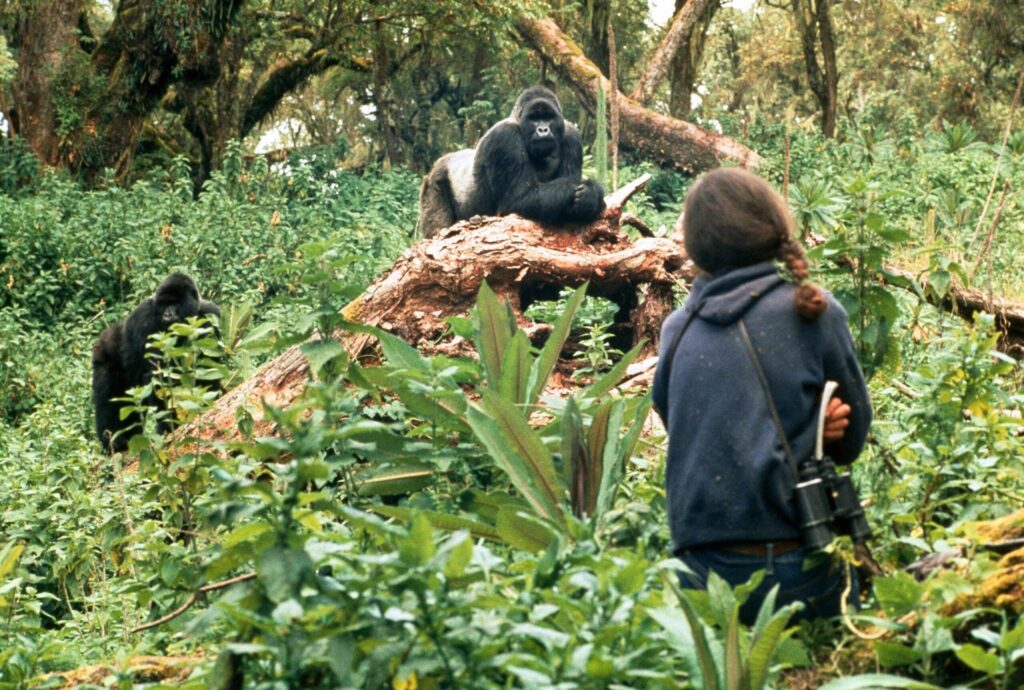
The moment of arrival when the forest opens and you discover yourself standing meters from a silverback that weighs more than twice what you do is described by almost every traveler as a rupture in ordinary experience. Guides often speak of first-timers who expected to feel excitement and instead found themselves standing in complete silence, overwhelmed by something closer to reverence. The gorillas are wild, utterly unhurried, and indifferent to your presence in a way that is both humbling and extraordinary. Mothers nurse infants. Juveniles wrestle and somersault. A silverback moves through the undergrowth with an authority that needs no performance.

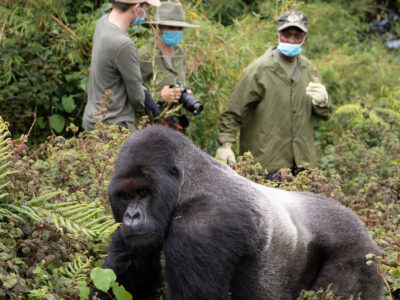
What separates gorilla trekking from every other wildlife encounter on earth is the quality of the access. Unlike a game drive, where you observe animals at a distance from a vehicle, a gorilla trek places you inside the habitat itself, on foot, at close range, with almost nothing between you and the animals. The experience follows strict protocols: a seven-meter minimum distance, a one-hour observation limit, and a ban on eating or drinking near the gorillas, all designed not to restrict travelers but to protect the gorillas from human-borne disease and behavioral disturbance. It is this rigorous framework that makes the encounter possible. Explore the full range of gorilla trekking experiences in Rwanda to understand the different ways this journey can unfold.

Why Rwanda Is the World’s Premier Gorilla Trekking Destination

Rwanda did not become the global standard for gorilla trekking by accident. It became the standard because of a sustained, government-level commitment to conservation that has been in place for decades and that has only deepened over time. The Rwanda Development Board manages gorilla tourism with an intentionality that is rare in African wildlife management. Permit numbers are strictly controlled, revenue is transparently reinvested in conservation and community programs, and the quality of the visitor experience is continuously protected rather than traded for volume.

The country itself is a remarkable setting for a wildlife journey. Rwanda is one of the most densely forested nations in Africa per capita, visually arresting and topographically dramatic, with the Virunga volcanoes rising above the landscape like natural monuments. Kigali, the capital, is widely regarded as one of the cleanest, safest, and most efficiently run cities on the continent. International air connections are strong, and improving Rwanda’s Kigali International Airport receives direct flights from major European hubs, and Kigali itself serves as a seamless regional gateway. The journey from Volcanoes National Park to Kigali takes approximately two to two and a half hours by road, meaning the gorillas are genuinely within reach of a traveler with limited time.

Rwanda’s gorilla permit system represents a further differentiator. At USD 1,500 per person, the Rwanda gorilla permit is the most expensive in the world and deliberately so. The high price point controls demand, funds conservation directly, and ensures that the visitor profile skews toward travelers who approach the experience with seriousness and respect. It also supports the premium lodge and service infrastructure that has grown up around Volcanoes National Park, making Rwanda the only destination where a gorilla trek can be combined without compromise with a genuine luxury travel experience. Discover the full spectrum of Rwanda safari experiences that complement a gorilla trek in a single itinerary.

Mountain Gorillas: Understanding Africa’s Most Remarkable Primates.

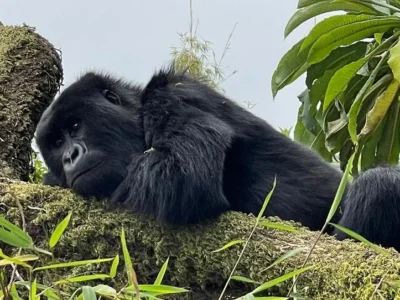
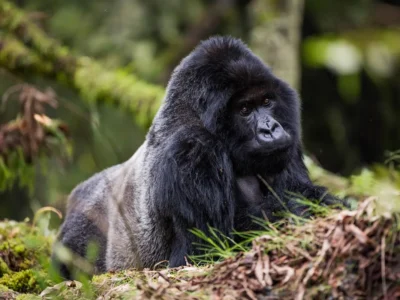
The mountain gorilla, Gorilla beringei beringei, is one of two subspecies of eastern gorilla, and the larger of the two, an adult male silverback, can reach 220 kilograms and stand nearly two meters tall when upright. They share approximately 98 percent of their DNA with humans, a proximity that is palpable in the field. Watching a mountain gorilla is watching something that is simultaneously deeply familiar and entirely alien, a coexistence of recognizable emotion, curiosity, contentment, and protectiveness, and play with a physical presence and a wilderness that belongs entirely to another world.

Mountain gorillas live in cohesive family groups led by a dominant silverback, whose role is not simply to reproduce but to protect, arbitrate, and make decisions for the entire group. The silverback is the emotional anchor of the family: when he is calm, the group is calm; when he is agitated, the group responds. Secondary males, blackbacks, and younger silverbacks occupy a nuanced hierarchy below the dominant male, and their relationships with the group leader are continuously negotiated through posture, behavior, and proximity.

Unlike many primates, mountain gorillas are overwhelmingly herbivorous, feeding on leaves, stems, bark, roots, and occasional fruit depending on the season and altitude. They are not territorial in the confrontational sense; gorilla families whose ranges overlap typically avoid one another rather than contest resources, and their social lives are characterized by extended periods of feeding, resting, and play punctuated by movement to new feeding areas. Infants remain dependent on their mothers for up to three years, and the social bonds formed in early life persist throughout adulthood.

Mountain gorillas cannot survive in captivity. Unlike their lowland cousins, they are so physiologically specific to high-altitude forest habitat ranging between 2,200 and 4,300 meters that every attempt to maintain them in controlled environments has failed. This means that every mountain gorilla alive today is wild, and every encounter with them takes place in their habitat, on their terms. It also means that the entire global population of this subspecies is contained in two small forest systems: the Virunga Mountains shared between Rwanda, Uganda, and the Democratic Republic of Congo and Uganda’s Bwindi Impenetrable Forest.

Volcanoes National Park: The Heart of Rwanda’s Gorilla Country.

Volcanoes National Park covers 160 square kilometers of montane forest in northwestern Rwanda, forming part of the larger transboundary protected area that connects with Mgahinga Gorilla National Park in Uganda and Virunga National Park in the Democratic Republic of Congo. The park takes its name from the chain of extinct and dormant volcanoes Karisimbi, Bisoke, Muhabura, Gahinga, and Sabyinyo that form its dramatic backbone, whose peaks rise to altitudes of nearly 4,500 meters.

The forests of Volcanoes National Park are layered and dense, moving from mixed woodland at lower elevations through bamboo forest, Hagenia woodland, and giant lobelia zones as altitude increases. This ecological complexity supports not only the gorilla families but also an exceptional array of Albertine Rift endemic species, including golden monkeys, forest buffalo, black-fronted duikers, and over 200 bird species, such as the Rwenzori turaco and the handsome francolin. The park’s headquarters at Kinigi, on the southern edge of the volcanic range, serves as the starting point for all trekking operations. Each morning at seven o’clock, the staff holds briefings here before they assign groups to their gorilla families and the guides begin departure.

Volcanoes National Park holds a specific place in the history of gorilla conservation. It was here that the American primatologist Dian Fossey established her Karisoke Research Centre in 1967, beginning the long process of habituating wild gorilla families to human presence, a process that took years of patient, non-invasive contact and that created the behavioral foundation on which today’s trekking industry is built. The Fossey Fund continues to operate in the region, and visiting the Virunga Mountains today means entering a landscape where conservation history is still actively unfolding.

The 23 Habituated Gorilla Families of Volcanoes National Park

As of today, Volcanoes National Park is home to 23 habituated gorilla families, the largest number of trekking-accessible gorilla groups in the world. Habituation is the multi-year process by which wild gorilla groups are gradually accustomed to the presence of human observers through daily, passive, non-invasive contact by trained trackers and researchers. It is a slow, careful, and demanding process: full habituation of a gorilla family typically takes between two and five years, and it is only when a family shows consistent calm in the presence of human observers at close range that it is cleared for tourism visits.

Each of the 23 families has its personality, social structure, and history. Some are large, multigenerational groups of twenty individuals or more, with several silverbacks, adult females, juveniles, and infants creating a constantly shifting social tableau. Others are smaller, tighter units centered on a single dominant silverback. The gorilla families of Volcanoes National Park include well-known groups whose lineages are documented across decades of research, and newer families habituated more recently as the program has expanded. Rwanda Gorilla Expeditions can advise you on which family groupings may best suit your interests, fitness level, and the type of encounter you are seeking, whether that means access to a large, active group with infants and juveniles or a quieter, more intimate encounter with a smaller family.

Each gorilla family welcomes eight visitors per day, and each family receives only one visit daily. This means the total daily trekking capacity across Volcanoes National Park is 184 visitors, a figure that reflects a deliberate conservation decision, not a logistical limitation. Permits are allocated on a first-come, first-served basis by the Rwanda Development Board, and demand consistently exceeds supply during peak travel seasons, which is why advance permit booking ideally six to twelve months ahead of peak dates is essential.

For travelers who require absolute privacy and the exclusive use of a gorilla family for their group alone, exclusive gorilla trekking in Rwanda is available through the Rwanda Development Board’s exclusive use permit program. This arrangement, priced at approximately USD 15,000, grants a single group complete private access to a gorilla family for the day, with no other visitors present. It is the pinnacle of the gorilla trekking experience for the choice of photographers, honeymooners, and travelers for whom privacy is non-negotiable.

Rwanda Gorilla Trekking Permits: Everything You Need to Know.

The Rwanda gorilla trekking permit costs USD 1,500 per person and is issued by the Rwanda Development Board. This fee covers a single trekking day with one gorilla family, inclusive of park entrance, ranger guide supervision during the trek, and the one-hour observation period with the gorilla family. The permit does not cover accommodation, transfers, flights, travel insurance, or any other element of your broader safari. Seventy-five percent of all permit revenue is reinvested directly into conservation and community programs, a figure that makes the Rwanda gorilla permit one of the most transparently beneficial wildlife fees in the world.

Permits are in consistently high demand and can sell out many months in advance, particularly for travel between June and September and during the December to January holiday period. For travelers with specific dates or narrow windows, early booking is not optional; it is the single most important logistical decision in planning a gorilla trek. Rwanda Gorilla Expeditions works directly within the Rwanda Development Board’s permit allocation system and can check real-time availability, advise on the most realistic booking windows for your preferred dates, and secure your permit as part of a fully managed safari package.

Beyond the standard gorilla trekking permit, Rwanda offers a gorilla habituation experience, a longer, more immersive encounter in which visitors accompany researchers and trackers, spending a full day with a gorilla family that is still in the process of habituation. This experience is available for up to four visitors per day and costs USD 1,500 per person. It offers a fundamentally different quality of encounter: less polished, more unpredictable, and far more intimate. It is not available in all parks, and eligibility is subject to RDB approval.

For other primate experiences, the golden monkey trekking permit in Volcanoes National Park costs USD 100 per person, making it an exceptional-value addition to any gorilla safari. Chimpanzee trekking permits in Nyungwe National Park are priced at USD 150 per person. Rwanda Gorilla Expeditions can integrate all permit categories into a single, seamlessly coordinated itinerary.

A Gorilla Trekking Day in Full: What Actually Happens from Dawn to Return

The gorilla trekking day begins well before the forest. Most lodges near Volcanoes National Park serve an early breakfast from around 6:00 AM, and transfers to the park headquarters at Kinigi typically depart by 6:30 AM. Arriving punctually at the briefing center, park rangers assign trekking groups to gorilla families at the morning briefing, which begins at 7:00 AM and covers orientation, behavioral protocols, safety procedures, and the conservation rules that govern every gorilla encounter. Latecomers risk a reassignment or, in rare cases, loss of their slot.

At the briefing center, you will also have the opportunity to hire a porter. Porters are local community members registered with the park who will carry your day pack and assist you over difficult terrain throughout the trek. Hiring a porter is strongly recommended not only because it meaningfully supports a local livelihood, but also because it frees you to concentrate entirely on the experience rather than managing physical fatigue. The porter hire fee is modest, and a tip at the end of the trek is customary and genuinely appreciated.

Once groups are formed and assignments made, vehicles transport trekking parties to their respective trailhead departure points positioned around the park boundary that correspond to the likely location of each gorilla family based on the morning’s tracking data. Your lead guide will brief your group at the trailhead before entering the forest. The trek itself varies significantly in duration depending on the family’s position that day: some treks reach the gorillas within thirty minutes of entering the forest; others require three to five hours of steady walking through challenging terrain.

When the trackers make contact and give the signal to approach, the atmosphere changes. Cameras go down momentarily. Voices drop to whispers. The guide leads you through the undergrowth at a careful pace, and then, without drama, the forest simply contains gorillas. The one-hour observation begins as soon as the group settles near the family. Your guide narrates what is happening, identifying individuals, explaining behaviors, and translating the dynamics of the group into something legible while the gorillas go about their morning in their own way.

After the hour, groups withdraw quietly from the forest, retracing their route to the trailhead and returning to vehicles for the transfer back to Kinigi. Certificates are issued to each participant as a small formality, but one that carries more meaning than most printed documents. The full day typically concludes by early afternoon, leaving the rest of the day for rest, lodge activities, or additional experiences. For those seeking the deepest possible immersion, the behind-the-scenes gorilla trekking experience offers an extended multi-day program alongside researchers and veterinary teams.

Trekking Difficulty, Fitness Requirements, and Managing Expectations

Gorilla trekking in Rwanda spans a wide spectrum of physical demand, and honesty about what the experience requires is part of responsible safari planning. At the easiest end, some gorilla families are located at lower elevations and in more accessible terrain, with treks that involve perhaps thirty to sixty minutes of moderate walking on established paths perfectly manageable for reasonably fit travelers of any age. At the more demanding end, some families range at higher altitudes in dense, steep, wet forest where the trek can involve three to five hours of strenuous walking over uneven ground, through dense vegetation, at elevations above 2,500 meters.

The single most important thing to understand about trekking difficulty is that it is variable, even for the same gorilla family. Gorillas move. The family assigned to your group will have spent the previous night in a location determined by their own behavioral decisions, and on any given morning that location might be a thirty-minute walk from the trailhead or a three-hour one. No operator, including the Rwanda Development Board, can guarantee a short or easy trek. What can be guaranteed is that your guide will bring you to the gorillas, whatever the day requires.

For older travelers, those with joint concerns, or anyone who simply wants to minimize physical exertion, Rwanda’s exclusive gorilla trekking options allow family selection to be made with fitness considerations in mind, and careful pre-booking coordination with your operator can match you to the most accessible family available on your date. A good walking stick available for hire at the briefing center and well-fitted trekking boots will make a material difference to your experience on the mountain. There is a minimum age of fifteen years for standard gorilla trekking; children under that age may not participate.

What to Wear and What to Pack for a Gorilla Trek in Rwanda

Dressing appropriately for a gorilla trek is less about fashion and entirely about function, but function, done well, makes the difference between a comfortable morning in the forest and an unnecessary ordeal. The single most important principle is layering: temperatures in the Virunga foothills can range from cool at dawn to warm by mid-morning, and forest conditions can shift quickly from shade to sun to light rain within a single trek.

Long-sleeved shirts and long trousers in a neutral, dark color: deep green, olive, brown, or grey, are the correct choice. Avoid bright colors or white, which can disturb the gorillas and attract insects. A light, waterproof outer layer that packs small is essential, for forest rain at this altitude can arrive without warning and without apology. Gardening or lightweight work gloves are genuinely useful when pushing through thick vegetation, and a hat provides useful protection against both sun and light rain.

Footwear is the most consequential choice of all. Waterproof, ankle-supporting trekking boots with a firm sole and excellent grip are non-negotiable. The forest floor is uneven and often wet; sandals, trainers, and flat-soled shoes are entirely inadequate and will make the experience significantly harder than it needs to be. Gaiters, fabric coverings that attach from the boot to the lower calf, prevent vegetation from pushing inside your boots and protect against stinging nettles, which are abundant in the gorilla habitat.

For your day pack, essentials include at least two liters of water, a packed lunch or snacks provided by your lodge, a small first aid kit, insect repellent, sunscreen, and your camera or phone in a protective case. Note that flash photography in the presence of the gorillas is strictly prohibited and will be enforced. Video is permitted, and a good optical zoom lens is far more valuable than a high-resolution phone camera in the dappled light conditions of a montane forest.

The Best Time to Go Gorilla Trekking in Rwanda

Rwanda has two dry seasons and two wet seasons, and gorilla trekking is possible year-round, a critical advantage over other wildlife destinations where seasonal access can eliminate months from consideration. Understanding the seasonal pattern, however, makes a material difference to the quality of your trek and the ease of the wider journey. Work with Rwanda Gorilla Expeditions to align your travel dates with conditions that suit both your experience preferences and your other itinerary components.

The Best Time to Go Gorilla Trekking in Rwanda

June to September constitutes Rwanda’s long dry season and is broadly considered the peak period for gorilla trekking. Forest floors are firmer, trails are more navigable, and the absence of heavy rain reduces the physical difficulty of the trek. Vegetation is denser in this period, which can paradoxically make the gorillas slightly harder to photograph, but the clarity of the conditions and the reliability of the dry weather make this season the choice of most first-time visitors and luxury travelers on structured itineraries. Permits during this period are in highest demand and should be secured as far in advance as possible; six to twelve months is not excessive.

December to February is the short dry season and an excellent alternative to the June–September peak. Conditions are excellent, the gorilla families are active and well-nourished following the wet months, and permit availability, while still tight, is somewhat more manageable than during high summer. This period also avoids the school-holiday surge that drives peak-season demand.

March to May is the long rainy season and Rwanda’s low season for trekking tourism. Trails can be much muddier and more demanding, and daily rainfall is almost certain. However, the landscape is at its most vivid and green, permit prices remain at the standard rate (Rwanda does not discount permits by season), and the overall number of visitors in the park is lower, creating a more private atmosphere. Experienced trekkers and those who prefer fewer crowds sometimes deliberately choose this period for precisely these reasons.

October to November is the short rainy season, with similar conditions to March–May, but briefer and slightly less intense. A useful option for travelers whose schedules don’t align with the prime windows, particularly when combined with Akagera National Park, where the wet season transforms the savannah into extraordinary bird-watching territory.

Ready to Trek? Permits are limited — plan early.

Gorilla Conservation in Rwanda: Why Your Visit Matters

Mountain gorillas were once heading in only one direction. In 1981, the global population had fallen to an estimated 254 individuals, a number so low that extinction within a generation was not a theoretical concern but a near-certainty. The reversal of that trajectory is one of the most remarkable success stories of twentieth- and twenty-first-century conservation, and Rwanda sits at the center of it.

The mechanism that changed the gorilla’s trajectory was not captive breeding, which has never been viable for this subspecies, but tourism. Carefully managed, revenue-generating visitor access to habituated gorilla families created an economic incentive for gorilla protection that no amount of aid or enforcement alone could have replicated. Local communities surrounding Volcanoes National Park shifted from viewing the park as a competitor for agricultural land to regarding it as the source of their livelihoods. Poaching declined. Encroachment declined. Investment in the park increased.

Gorilla Conservation in Rwanda

Today, the global conservation community studies the Rwanda Development Board’s approach as a template for wildlife-based development. The gorilla population in the Virunga Massif has grown steadily over four decades to over one thousand individuals, the only great ape population on earth that is increasing rather than declining. Every gorilla permit fee, every lodge night, and every trekking day contributes directly to the funding structure that sustains this outcome. When you book a gorilla safari in Rwanda, your expenditure is not incidental to conservation. It is conservation.

Rwanda Gorilla Expeditions supports low-impact travel practices as a matter of operational principle, not marketing positioning. We work exclusively with licensed guides, adhere strictly to park regulations, and partner with lodges that demonstrate measurable commitments to environmental management and community employment. Responsible travel does not require sacrifice of experience quality at the highest level; it enhances it. Read more about our approach to ethical gorilla trekking in Rwanda.

Planning Your Gorilla Safari with Rwanda Gorilla Expeditions

Rwanda Gorilla Expeditions was built around a single conviction: that gorilla trekking, done properly, is the finest wildlife experience in the world, and that doing it correctly requires a depth of local knowledge and logistical precision that no general-purpose safari reseller can reliably provide. We operate directly within the structures of Volcanoes National Park; we know the permit system, the seasonal conditions, the gorilla families, the guides, and the lodges in the specific, ground-level detail that only comes from working in this landscape every day.

Every itinerary we design is custom-built around the individual traveler. We do not offer set packages that are adjusted at the margins; we start with your dates, interests, fitness level, accommodation preferences, and budget, and build an itinerary from the ground up. Whether you are planning a focused one-day gorilla trek in Rwanda on a tight schedule or a ten-day With the best of Rwanda safari covering all three parks, we bring the same precision and care to every element of the planning process.

Permit booking, lodge reservations, private airport transfers, internal routing, activity scheduling, dietary requirements, pre-departure briefings, and in-country support throughout your journey, all of this is handled by a team that knows Rwanda not as a destination to be described from a desk but as a landscape they navigate daily. Start your planning conversation with Rwanda Gorilla Expeditions and see what it means to have the right experts in your corner from the very first inquiry.

Plan Your Rwanda Safari

Start Planning a Private Gorilla Trek

Rwanda gorilla permits sell out months in advance. Secure your dates before the season closes.

Frequently Asked Questions About Gorilla Trekking in Rwanda

How much does gorilla trekking cost in Rwanda?

A permit for gorilla trekking in Rwanda costs USD 1,500 per person, issued by the Rwanda Development Board. This fee covers park entrance, a ranger guide throughout the trek, and one hour of observation with the gorilla family. It does not cover accommodation, private transfers, flights, or additional activities. The full cost of a gorilla trekking safari in Rwanda, including lodge stays, transfers, and additional experiences, will depend on the duration and standard of the itinerary chosen. Rwanda Gorilla Expeditions provides transparent, itemized quotations with no hidden fees.

How many habituated gorilla families are in Rwanda?

Volcanoes National Park is currently home to 23 habituated gorilla families, the most of any single gorilla trekking destination in the world. Each family can receive up to eight visitors per day. The families vary in size, structure, and temperament, ranging from small groups of six or eight individuals to large multigenerational families of twenty or more. Rwanda Gorilla Expeditions can provide current information on specific family characteristics when planning your itinerary.

Is gorilla trekking in Rwanda worth the cost?

Among travelers who have trekked gorillas in Rwanda, the experience is almost universally described as one of the defining moments of their travel lives, an encounter so singular, so emotionally powerful, and so unlike anything else available to a wildlife traveler that the question of value is rarely revisited after the fact. The permit cost is high by any standard, but it represents a confluence of conservation funding, exceptional logistics, world-class guiding, and access to a wildlife experience with no equivalent on earth. The better question, most experienced travelers would argue, is not whether it is worth it, but when you can go.

How difficult is gorilla trekking in Rwanda?

Gorilla trekking in Rwanda ranges from moderate to strenuous depending on the location of the gorilla family on the day of the trek. Some families are reached in thirty to sixty minutes from the trailhead; others require three to five hours of walking through steep, dense, wet terrain at altitudes above 2,500 meters. The difficulty varies daily because gorillas move freely and change their position. However, Rwanda Gorilla Expeditions can advise on family assignments that tend to involve lower-altitude habitats for travelers with fitness concerns, and hiring a porter strongly recommended significantly reduces the physical burden of the day.

What is the best time of year for gorilla trekking in Rwanda?

Gorilla trekking in Rwanda is possible throughout the year, as the gorilla families remain accessible regardless of season. The most popular and generally most comfortable period is the long dry season from June to September, when forest trails are firmer and rainfall is minimal. The short dry season from December to February is an excellent alternative with somewhat less permit competition. The wet seasons, March to May and October to November, offer a more adventurous, less-crowded experience and are chosen by experienced trekkers who prefer the lush forest conditions and quieter atmosphere.

How far in advance should I book a Rwanda gorilla permit?

For travel during peak season, June to September and December to January, booking six to twelve months in advance is strongly advisable. Rwanda gorilla permits sell out rapidly during these periods, and waiting until three or four months before your travel date significantly increases the risk of unavailability on your preferred dates. For shoulder-season and low-season travel, three to six months of lead time is generally sufficient, though earlier booking is always preferable. Rwanda Gorilla Expeditions checks permit availability directly with the Rwanda Development Board and can advise you on the realistic booking window for your specific dates.

How long does a gorilla trek actually take?

A gorilla trekking day is typically a full-day commitment, beginning with a 7:00 AM briefing at Kinigi headquarters and ending with a return to the trailhead by early to mid-afternoon. The trek itself, the walk from the trailhead to the gorilla family, can range from thirty minutes to five hours depending on the family’s position. The observation period with the gorillas is fixed hour. Including the briefing, transfer, trekking, the one-hour encounter, and the return journey, you should plan for an experience that occupies roughly the entire morning and part of the afternoon, regardless of the specific trek length on the day.

Can children go gorilla trekking in Rwanda?

The minimum age for gorilla trekking in Rwanda is fifteen years. This age restriction is set by the Rwanda Development Board and applies without exception; younger children will not be permitted to participate regardless of fitness level or parental preference. The restriction exists primarily to protect the gorillas from childhood diseases to which gorillas may be more vulnerable and also reflects the physical and behavioral demands of the trekking environment. For families traveling with children under fifteen, Rwanda offers excellent alternative wildlife experiences, including golden monkey trekking, Akagera Big Five safaris, and a range of cultural and nature activities.

What should I wear for gorilla trekking in Rwanda?

Long-sleeved shirts and long trousers in neutral, dark colors; olive, dark green, brown, or grey, are the appropriate choice. Waterproof, ankle-supporting trekking boots with excellent grip are essential; trainers or sandals are inappropriate for forest terrain. A light waterproof jacket, gardening or lightweight work gloves for pushing through vegetation, and gaiters to protect the lower leg from stinging nettles and wet undergrowth complete the core kit. Gaiters are often available for hire at the Kinigi briefing center. Bright colors and perfume should be avoided, and flash photography is strictly prohibited throughout the gorilla encounter.

How close do you get to mountain gorillas during a trek?

The official minimum distancing rule is seven metres between visitors and gorillas at all times during the one-hour observation period. In practice, gorillas frequently approach closer than the prescribed distance of their own accord, particularly curious juveniles, who will sometimes pass within arm’s reach of visitors before being redirected by the group’s adults. When gorillas approach beyond the seven-meter boundary, guides will instruct visitors to move back slowly and quietly. The combination of the official minimum and the gorillas’ own behavioral curiosity typically results in an encounter that feels extraordinarily close and immediate.

Is it safe to go gorilla trekking in Rwanda?

Rwanda is consistently rated among the safest countries in Africa for tourism, with low crime rates, well-maintained infrastructure, and a government that has made international tourism a national priority. Within Volcanoes National Park, all treks are conducted under the supervision of trained armed rangers whose presence provides security against wildlife-related incidents, a precaution that is essentially never needed but that is in place as standard protocol. The gorillas themselves, when properly approached under the guidance of experienced local guides, pose no meaningful danger to visitors. Rwanda Gorilla Expeditions provides pre-departure health and safety briefings that address all common concerns.

What is the one-hour rule in gorilla trekking?

The one-hour rule is a conservation regulation enforced globally across all gorilla trekking destinations: visitors may spend a maximum of one hour in the physical presence of a habituated gorilla family per visit. The timer begins from the moment the group is settled near the gorillas and ends after sixty minutes, at which point guides will begin withdrawing the group quietly and without disturbance. The one-hour limit exists to minimize the stress and behavioral disruption that prolonged human presence causes to the gorilla family, and it is non-negotiable regardless of the quality or intensity of the encounter at the moment the hour concludes.

Why is the Rwanda gorilla permit more expensive than Uganda's?

Rwanda’s gorilla permit costs USD 1,500, compared to USD 800 in Uganda. The differential reflects a deliberate policy decision by the Rwanda Development Board to use price as a conservation and demand management tool. A higher permit cost means fewer visitors compete for each available slot, ensuring a less crowded experience in the park and reducing cumulative stress on the gorilla families. A greater proportion of the revenue funds conservation and community programs directly. The premium also attracts a visitor profile that tends to approach the experience with greater seriousness and respect, a consideration that has direct implications for gorilla welfare and long-term habituation stability.

What is gorilla habituation, and how is it different from trekking?

Gorilla habituation is the multi-year process by which wild gorilla groups are gradually accustomed to close human presence through daily, passive, non-invasive contact by researchers and trackers. A gorilla family is considered fully habituated and cleared for tourism visits only when it consistently remains calm and does not flee or become agitated in the presence of human observers at close range. The habituation process typically takes two to five years. Separately from standard trekking, Rwanda also offers a gorilla habituation experience in which tourists accompany the habituation team for a full day with a family that is still in the process of habituation, an encounter of greater duration, less predictability, and deeper scientific context than a standard trek.

Can I do an exclusive or private gorilla trek in Rwanda?

Yes. Rwanda offers exclusive gorilla trekking through the Rwanda Development Board’s exclusive use permit program, priced at approximately USD 15,000. This arrangement grants a single group private, exclusive access to a gorilla family for the entire trekking day no other visitors are permitted. It is the highest tier of gorilla trekking available in Rwanda, chosen by honeymooners, photographers, senior travelers who benefit from careful pace management, and any visitor for whom an entirely private encounter is a non-negotiable priority. Rwanda Gorilla Expeditions coordinates exclusive trekking arrangements as part of a fully bespoke luxury itinerary.

How many mountain gorillas are left in the world?

The global mountain gorilla population has surpassed one thousand individuals, a figure that represents one of the most significant conservation recoveries of any critically endangered species in modern history. This population is divided between two geographic areas: the Virunga Massif, shared between Rwanda, Uganda, and the Democratic Republic of Congo, and Uganda’s Bwindi Impenetrable Forest. Regular censuses conducted by the Dian Fossey Gorilla Fund and associated research bodies track the population closely, and the trend, unlike that of almost every other great ape on the planet, is upward. This recovery is directly attributable to the conservation-tourism model pioneered in Rwanda.

What vaccinations do I need for Rwanda?

A yellow fever vaccination certificate is required for entry into Rwanda if you are traveling from or through a yellow fever endemic country. Beyond this mandatory requirement, standard travel vaccinations recommended for East Africa include hepatitis A and B, typhoid, rabies (recommended for wildlife-focused travel), and meningitis. Malaria prophylaxis is generally advised for travel to lower-altitude areas, including Kigali and Akagera, though the risk is lower in the high-altitude environments of Volcanoes National Park. Rwanda Gorilla Expeditions provides a health and preparation checklist to all confirmed guests and recommends consultation with a travel medicine specialist prior to departure.

How do I get from Kigali to Volcanoes National Park?

The journey from Kigali to Volcanoes National Park takes approximately two to two and a half hours by road, depending on traffic through Kigali and conditions on the northern route. Rwanda Gorilla Expeditions provides all ground transfers as part of its safari packages, private vehicles with experienced drivers who are familiar with both the route and the logistics of the trekking, and briefing time requirements. Some travelers choose to break the journey with a night at a lodge on the northern route, though direct same-day transfers from Kigali upon arrival are entirely manageable for afternoon or early-evening flights into Kigali International Airport.

What other wildlife can I see in Rwanda beyond mountain gorillas?

Rwanda’s wildlife portfolio extends well beyond mountain gorillas. Volcanoes National Park also supports the golden monkey, forest buffalo, and a rich assemblage of Albertine Rift endemic birds. Akagera National Park in eastern Rwanda offers Big Five game viewing, including lions, elephants, black rhinos, leopards, and cape buffalo in a classic savannah and wetland landscape. Nyungwe Forest National Park in the southwest supports thirteen primate species, including eastern chimpanzees and the Angolan colobus, along with over 300 bird species. Gishwati Mukura National Park is an emerging destination offering chimpanzee trekking and golden monkey tracking in a recovering forest landscape.

Can I combine Rwanda gorilla trekking with other countries?

Absolutely, and for many travelers, a cross-border East Africa itinerary represents the most complete expression of the region’s wildlife and cultural offerings. Common combinations include Rwanda with Uganda for a dual-country primate safari, Rwanda with Tanzania for a contrast between primate trekking and the Serengeti’s game plains, and Rwanda with Kenya for travelers who want to combine gorillas with the Masai Mara’s spectacular migration. Rwanda serves naturally as the opening chapter of an East Africa circuit, given the quality of Kigali’s international connections and the country’s outstanding travel infrastructure. Rwanda Gorilla Expeditions can design and coordinate multi-country itineraries in full.

What is included in a gorilla trekking package from Rwanda Gorilla Expeditions?

Our gorilla trekking packages are custom-built for each traveler but typically include gorilla trekking permits secured directly with the Rwanda Development Board, private airport transfers throughout the itinerary, full-board accommodation at luxury lodges, experienced English-speaking guides and drivers, all park entrance fees, activity fees for included experiences, and comprehensive pre-departure planning support. International flights, travel insurance, visa fees, tips and gratuities, and personal spending are typically excluded and itemized separately. Every quotation from Rwanda Gorilla Expeditions is fully transparent with no hidden costs.

What do mountain gorillas eat?

Mountain gorillas are almost entirely herbivorous. Their diet in Bwindi consists primarily of leaves, stems, and shoots from plants like wild celery, thistles, and bedstraw, supplemented with bark, roots, and occasional fruit when available. Adult silverbacks can consume up to 34 kilograms (75 pounds) of vegetation per day. Gorillas do not drink water directly; they get sufficient moisture from the plants they eat and from morning dew on leaves. Watching a gorilla family feed during your one-hour visit is one of the more meditative parts of the experience; the pace is slow, deliberate, and surprisingly peaceful.