What to Expect on a Gorilla Trekking Day in Rwanda: A Complete Hour-by-Hour Guide

The complete hour-by-hour guide to a Rwanda gorilla trekking day briefings, forest terrain, the encounter, rules, photography, packing, and the emotional reality. Expert local insight.

What to Expect on a Gorilla Trekking Day in Rwanda

Briefing Point at Kinigi Park Headquaters

A Rwanda gorilla trekking day begins before dawn at your lodge, proceeds to a 07:00 briefing at Volcanoes National Park headquarters in Kinigi, then moves into the forest for a guided hike of between 45 minutes and five hours to locate your assigned gorilla family followed by a strictly enforced, profoundly intimate one-hour observation period at close range before returning to the park boundary. The entire day, from lodge departure to return, typically takes between five and eight hours depending on the gorilla family’s location; the one hour you spend with the gorillas will, almost without exception, be the most extraordinary wildlife experience of your life.

Permits are limited — spaces fill months ahead

Reserve Your Private Gorilla Trek

Speak with a Rwanda-based specialist today. We secure permits, match you to the right gorilla family, and plan every detail around your schedule.

No group departures · Private itineraries only · Direct Rwanda expertise

The Night Before Your Gorilla Trek: How to Prepare

More than most travellers realize, the evening before your trek shapes the quality of your gorilla trekking day. This is not the time for a late dinner, a second bottle of wine at the lodge, or a prolonged packing session at midnight. The briefing at Volcanoes National Park begins at 07:00 sharp and is non-negotiable. Latecomers, even by a few minutes, will unfortunately forfeit their permit without a refund. At USD 1,500 per person, the fee is a loss that no amount of lodge sympathy can soften. The morning logistics require a wake-up time of between 05:00 and 05:30, and lodges situated further from Kinigi headquarters demand the earlier end of this window.

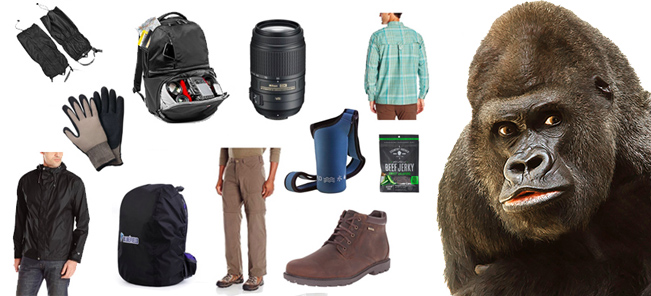
Prepare and lay out your kit the night before without exception. The gear checklist includes a long-sleeved shirt and trousers, a waterproof jacket, sturdy hiking boots or gaiters, insect repellent, sunscreen, a daypack with water and a packed lunch (if the lodge hasn’t already prepared one), a rain cover for your camera bag, and your official gorilla trekking permit, which must be presented at the briefing. Attempting to locate waterproof trousers at 05:15 in the dark is not a productive way to begin the day. Sleep as early as the altitude and excitement allow. You will not regret it.

Trek Morning: From Lodge to Kinigi Headquarters

05:00 to 06:30: Waking Up, Breakfast, and Departure

Most lodges near Volcanoes National Park operate an early breakfast service on trek days, typically from 05:30, and most operate it well as a proper hot breakfast rather than a rushed tray of toast, because the guiding teams understand what a physical day lies ahead. Eat well but not heavily: a protein-forward breakfast that sustains energy without creating discomfort on the uphill sections is what you want. Your porter tip funds, some cash for the park’s unofficial artisan stalls at the trailhead, and a fully charged camera or phone should all be confirmed before you close the lodge room door.

Your guide will drive a four-wheel drive Land Cruiser or similar for your lodge transfer. The road to Kinigi from the cluster of lodges on the lower volcanic slopes takes between 15 and 40 minutes depending on your property’s location. Use the time to settle your mind. The forest road in the pre-dawn light, passing through villages where smoke is beginning to rise from cooking fires and children in school uniforms are already walking along the roadside, is its kind of beautiful. Many first-time Rwanda trekkers describe the drive as the moment the day’s significance begins to register.

06:45 to 07:00: Arriving at Kinigi Headquarters

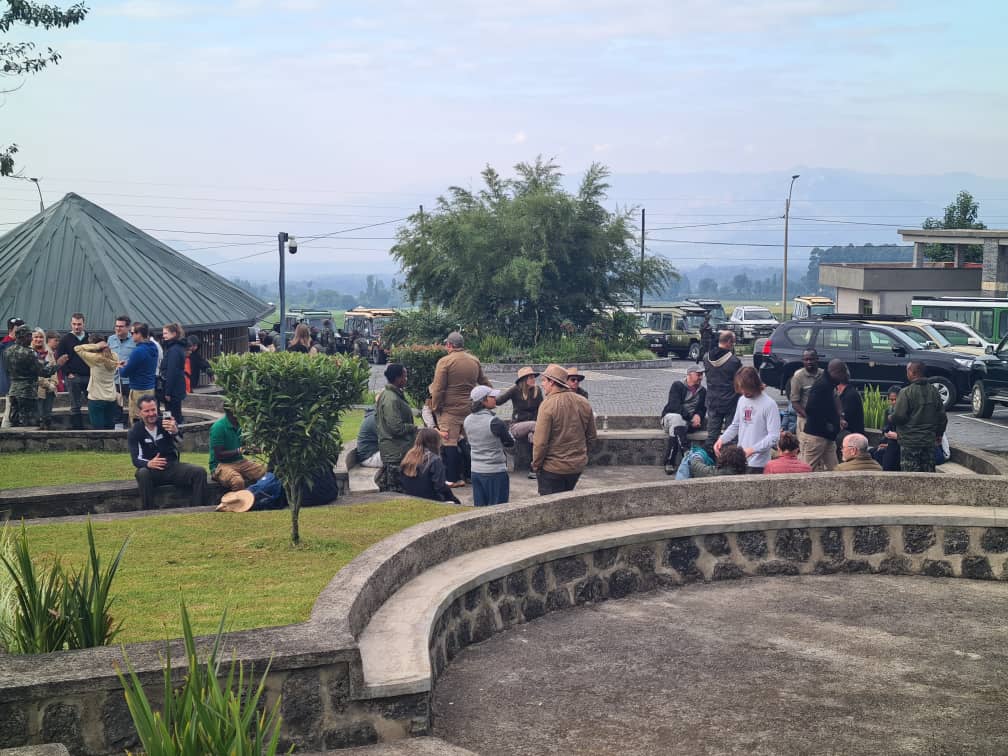
Kinigi headquarters is a busy, purposeful place at dawn on any given trekking day. The car park fills with safari vehicles from across the area; guides cluster with rangers around clipboards; and trackers, who have been in the forest since before first light, radio in updates on the gorilla families’ morning positions. The atmosphere is organized rather than chaotic, but it has an energy and a collective forward lean toward the day ahead that is immediately infectious.

Present your gorilla trekking permit at the reception desk. This permit issued by the Rwanda Development Board at USD 1,500 per person contains your name and the date. It will be cross-checked against the day’s roster. Your passport or a copy may also be checked. Do not present a permit in another person’s name; such documents are non-transferable, and the verification process is thorough. After checking in, you will be directed to a seating area where the day’s briefing takes place.

The 07:00 Briefing at Volcanoes National Park: What Happens and Why It Matters.

The morning briefing at Kinigi is a mandatory session conducted by a senior park ranger and lasting approximately 20 to 30 minutes. All visitors trekking that day attend simultaneously before dispersing to their respective trailheads. The briefing covers the rules of engagement with the gorilla families, the conservation context of the trekking program, health and safety protocols, photography guidelines, and what to do in the event of various behavioral scenarios with the gorillas. It is not perfunctory. Rwanda’s parks service conducts these briefings with genuine care and a level of biological detail about gorilla social structure, family hierarchy, and the significance of various behaviors you may observe that adds considerable depth to what you are about to experience.

The briefing is also the point at which the atmosphere of the group becomes apparent. You will be with a maximum of seven other visitors, all assigned to the same gorilla family as you. Rwanda’s regulations are firm on the matter: no group visiting any single gorilla family may exceed eight visitors per day, a restriction that is as much about maintaining the encounter’s intimacy as it is about minimizing stress to the animals. You may know some members of your group from your lodge; others will be strangers. Either way, a shared sense of purpose and a shared briefing bind the group before you even enter the forest.

How Gorilla Families Are Assigned to Trekking Groups

Volcanoes National Park currently has twelve habituated gorilla families open for trekking. Each family has a distinct personality, size, range, and trekking difficulty associated with it. The Rwanda Development Board assigns trekking groups to families based on a combination of factors: permit booking sequence, stated fitness levels, the number of visitors in a group, and, critically, the current location of each family as reported by the tracking scouts who follow them daily. Families located at lower altitudes and within a shorter walk of the trailhead are generally assigned to groups that have indicated lower fitness levels or include older travelers. Families on higher slopes, including the large Susa group, known for its impressive silverback population and its position on the upper flanks of Mount Karisimbi, are typically assigned to groups that have indicated strong physical fitness.

It is worth being honest with your operator about your fitness level at the booking stage. A guide who knows you are not accustomed to steep hiking can request a family assignment that suits you, without compromising the quality of the encounter. There is no hierarchy of gorilla family quality; every encounter is extraordinary. But a family that requires four hours of steep climbing to reach is genuinely not appropriate for a traveller recovering from an injury or with limited aerobic capacity, and Rwanda’s assignment system works best when it receives accurate information.

Hiring a Porter: The Decision Every Trekker Should Make Before the Day

At the trailhead area just before entering the forest, you will be approached quietly and without pressure by community members offering their services as porters. Hiring a porter is not a concession to weakness. It is one of the best decisions you can make on trek day, for reasons that are simultaneously practical and meaningful. On the practical side: a porter carries your pack, helps you on difficult terrain by providing a steadying hand or shoulder, carries your packed lunch and water so your hands are free for trekking poles and photography, and in the most demanding terrain can provide a push from behind that prevents an undignified sprawl at a critical moment.

On the meaningful side, porter fees represent direct income transfer to the communities surrounding Volcanoes National Park. Most porters are from the villages in the park’s buffer zone communities whose relationship with the forest and its gorillas has been transformed from one of subsistence pressure to one of shared benefit by Rwanda’s conservation revenue model. The standard porter fee is USD 15 to USD 20 for the day, with an additional tip of USD 5 to USD 10 at the end of the trek at your discretion. The cost is negligible compared to the permit fee, but the value, both physical and social, is significant.

Plan Your Rwanda Safari

Start Planning a Private Gorilla Trek

Rwanda gorilla permits sell out months in advance. Secure your dates before the season closes.

Entering the Forest: The Trek to the Gorilla Family

The Terrain: What the Forest Is Actually Like

The approach to the Virunga Mountains forest begins at the park boundary, a clear demarcation between the cultivated agricultural land of the buffer zone and the dense, ancient bamboo and montane forest that rises steeply above it. The transition is immediate and dramatic: within fifty meters of the boundary wall, the air cools, the light changes, and the sounds of the village world are replaced by the forest’s own register bird calls, insects, and the occasional distant crack of a branch.

The terrain inside Volcanoes National Park varies and can be challenging. The lower bamboo zone, which most treks begin in, involves wide, well-worn paths through cathedral stands of giant bamboo that filter the light in extraordinary ways. As you climb into the mixed montane forest above the bamboo, the paths narrow and the gradient increases. Ground vegetation, nettles, wild celery, and stands of Lobelia wollastonii crowd the trail. Roots cross the path at ankle height. The soil after recent rain is a particular challenge: volcanic earth absorbs water quickly but releases it as a dense, sticky mud that grabs at boot soles with each step. This section is where trekking poles, gaiters, and a porter all earn their place.

At higher elevations, above approximately 2,800 meters, the forest opens into more dramatic Afro-alpine habitat, with giant groundsels, open moorland patches, and the kind of wide views across the valley that remind you, in moments of physical effort, why you came. The Susa family and one or two others range at these higher elevations; treks to them involve the most demanding sections of terrain. The rewards are proportionate.

How Long Does the Gorilla Trek Actually Take?

Trek duration is genuinely variable and genuinely unpredictable on any given day. The tracking scouts who sleep near the forest and follow the gorilla families from First Light radio the family’s morning position to the briefing team before 06:00. On days when a family is resting low and close to the boundary, trekking groups can be with the gorillas in under an hour of total hiking time. On days when a family has moved overnight to higher terrain, which they do freely and unpredictably, following food sources, social dynamics, and conditions invisible to the tracking team until the scouts physically locate them the same family can require three or four hours of hiking before the trackers’ call signals you to stop and prepare.

The Rwanda Development Board provides honest guidance on typical trek durations, and guides communicate the morning’s tracking report at the briefing. But no operator, guide, or ranger can guarantee the duration in advance and this unpredictability is, paradoxically, one of the most powerful dimensions of the experience. The gorillas are wild animals that live according to their own instincts. The variability of the trek is not a planning failure; it is evidence of authenticity. What can be said with confidence is that the success rate for locating habituated gorilla families in Volcanoes National Park is above 98 percent on any given trekking day, across all seasons.

The Role of Trackers and Rangers in the Forest

You will be accompanied in the forest by two principal personnel beyond your guide: a lead ranger armed with a rifle (for wildlife protection rather than visitor protection, the firearm is present for encounters with forest buffalo or elephant, not gorillas), and one or two tracking scouts who maintain position in front of the group and communicate with the advance team by radio. The trackers are extraordinary professionals many have been working in this forest for ten to twenty years and possess a knowledge of gorilla behavior, forest terrain, and seasonal movement patterns that no amount of formal training can substitute. Watch them work. The way they read bent vegetation, displaced soil, and fresh dung to locate an animal that may be a kilometer ahead in dense forest is one of the quiet revelations of the trek day.

When the trackers make contact with the gorilla family and confirm that the group is settled, they call back to the guide. At this point, your guide will stop the group, ask everyone to leave their larger packs with the porters and rangers at the last clearing, check that cameras are ready and that flashguns are disabled, and lead the final approach often through particularly dense vegetation to the encounter site. The last fifty meters before the gorillas are often the most physically demanding and the most emotionally charged of the entire day.

The Gorilla Encounter: What Happens in the One Hour With the Family.

The Moment of First Contact

There is no set moment when the gorillas become visible, as the family does not arrange itself for your arrival. You may hear them before you see them the deep, rumbling belch vocalisation that silverbacks use as a contact call, or the crashing of branches as juveniles play in the canopy above. You may smell them first a warm, musty scent, distinctly animal but not unpleasant, that registers in the nose before the eye has located the source. Or you may simply look up from watching your footing on a root-crossed section of trail and find yourself three meters from a juvenile gorilla sitting in a gap in the vegetation, regarding you with an expression of calm and complete composure that stops the breath entirely.

The guide signals the group to stop, spread slightly, and crouch where possible. You are now in the presence of the gorilla family. The one-hour observation period begins from the moment the lead ranger confirms visual contact with the first member of the family. From this point, your only obligations are to stay at least seven metres from the animals, follow the guide’s positioning instructions, and be fully present for what is happening in front of you.

What the Gorilla Family Does During Your One Hour

Mountain gorillas, unlike many large African mammals that show visible stress in the presence of human observers, genuinely habituate to trekking groups. The habituation process gradually exposes wild gorilla families to human presence over two to five years, until they treat visitors as an unremarkable feature of their environment, making it one of the most painstaking and scientifically rigorous programs in wildlife conservation. As a result, the gorilla family you spend an hour with will likely behave as if you are barely present.
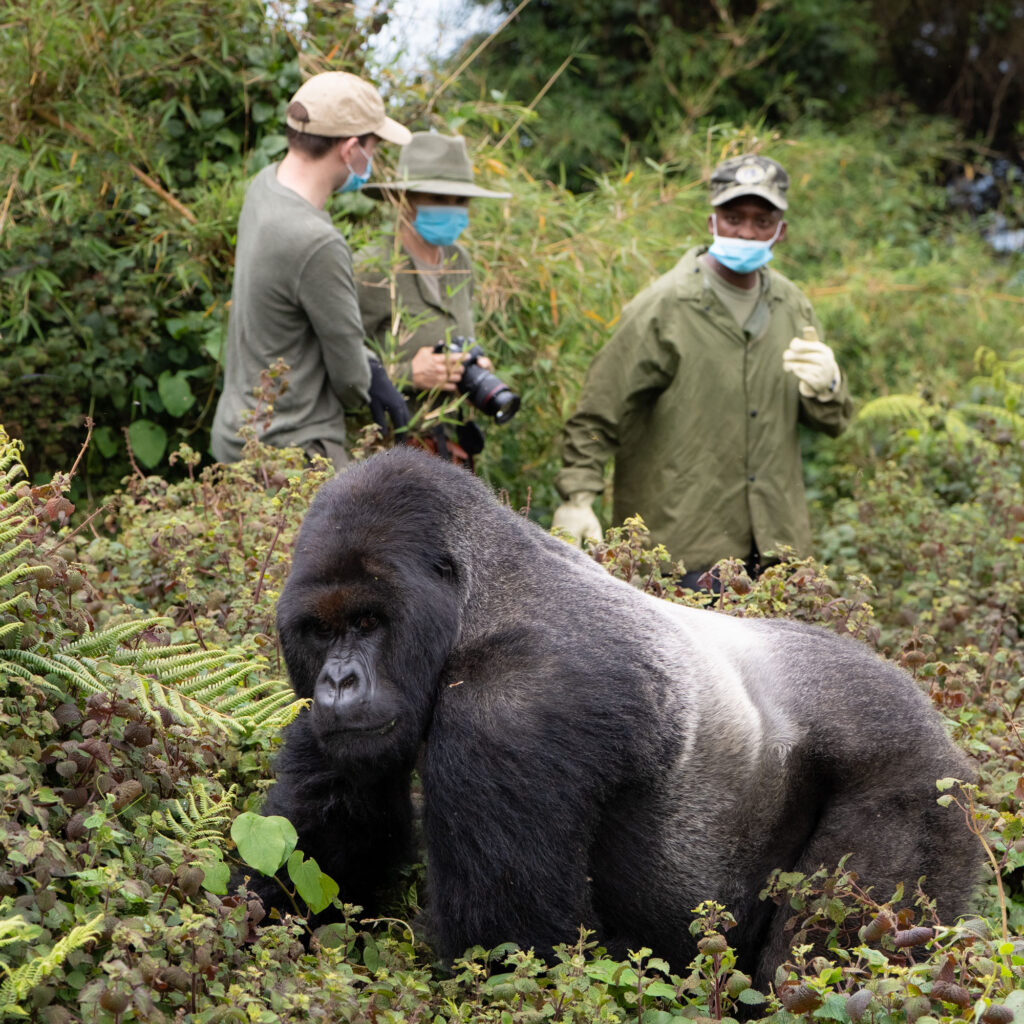
Behind-the-Scenes Gorilla Trekking Experience in Rwanda

A typical morning with the family involves a range of behaviors that, precisely because they are so ordinary, feel so profound. Silverbacks, the adult males, identified by the silver saddle of hair across their back and haunches, typically spend the morning session grazing, resting between feeding bouts, and occasionally repositioning. Their size, which routinely exceeds 200 kilograms and can approach 250 kilograms in large dominant males, is visible from a distance but becomes fully comprehensible only at close range. The chest broad, muscled, and hairless on mature males rises and falls with a weight and deliberateness that communicates both power and complete calm.

Adult females with infants are among the most compelling subjects: the infant’s face, wide-open and unguarded with curiosity, is the most recognisably human expression you will encounter in any wildlife encounter. Juveniles between three and eight years old are frequently the most active and least inhibited members of the group, playing in the vegetation, chasing each other through the undergrowth, and occasionally approaching the human group with an investigative boldness that the adult females watch with amused tolerance. These are the moments that most frequently appear in visitors’ descriptions of their encounter: the juvenile that walked directly through the group; the blackback male that sat two meters from the trekkers and spent ten minutes picking apart a stalk of wild celery; and the silverback’s direct, steady gaze that lasted thirty seconds and said everything.

The Seven-Metre Rule and When the Gorillas Break It

Rwanda’s gorilla trekking regulations require visitors to maintain a minimum distance of seven meters from all gorilla family members at all times. This rule serves a dual purpose: it reduces the risk of respiratory disease transmission (gorillas are 98.7 percent genetically identical to humans and share most of our respiratory vulnerabilities), and it minimizes the potential for stress responses in the animals. The rule is enforced without negotiation.

What the rule cannot enforce is the gorillas’ own spatial preferences. Habituated gorilla families treat the seven-meter zone as the visitors’ problem, not theirs, and will walk through, around, or directly toward the human group without hesitation when their movement patterns require it. On the majority of treks, at least one gorilla comes closer than the regulation distance of their own volition frequently much closer. Guides will instruct the group to step back slowly and create space; you will do so slowly and with your heart in your throat, while a 200-kilogram silverback crosses within arm’s reach. These are the moments that no wildlife photographer on earth can adequately prepare you for.

The One-Hour Limit: Why the Clock Matters

The one-hour observation window is strictly enforced by the ranger accompanying your group, who begins timing from the moment the family is located. When the hour expires, the ranger signals the group to begin withdrawal slowly, facing the gorillas until a safe distance is established, then turning to retrace the approach route. The time limit exists to minimize cumulative stress on the gorillas from daily human contact, to reduce disease transmission risk, and to maintain the program’s sustainability across the twelve families and their long-term behavioral health.

Most visitors find that the hour, which felt impossibly short during the planning phase, actually passes at a pace that is neither too fast nor too slow when you are in the forest with the family. The watching itself is meditative: there is nothing to do but observe, and the quality of attention the gorillas command is total. What almost every visitor reports is not that the hour was too short, but that the transition back to the ordinary world after the walk down through the forest, the trailhead, and the lodge vehicle requires a significant adjustment that the mind is not entirely prepared for.

Photography During the Gorilla Trek: What to Know Before You Pick Up the Camera.

Photography is permitted and unrestricted in terms of the number of shots or the type of camera equipment, with one absolute exception: flash photography is completely and strictly prohibited at all times, in all circumstances, without exception. A flash discharge at close range in a habituated gorilla family causes distress that compromises both the animals’ well-being and the safety of the group. Flash-triggered aggression is a documented phenomenon. The prohibition is not precautionary; it is based on observed consequences. Disable your flash before entering the forest and confirm it is disabled before every shooting session.

The practical photographic challenge of gorilla trekking is light. The dense forest canopy, the thick understory vegetation, and the volcanic cloud cover that frequently characterizes the Virunga mornings all conspire to produce extremely challenging low-light conditions. The gorillas are not cooperative subjects in the way that open-savannah wildlife can be; they move, they are partially obscured, and they sit in backlit conditions, with a halo of bright sky behind them and deep shadow on their faces. A camera body with strong high-ISO performance (ISO 3200 and above without objectionable noise) and a fast prime lens, a 50mm f/1.4, 85mm f/1.8, or 100mm f/2.8, gives you the best chance of capturing sharp images in the available light. Zoom lenses with f/4 or f/5.6 at the telephoto end will struggle in the forest interior.

Video is fully permitted and, for many visitors, produces the most emotionally resonant record of the encounter, not because moving images are technically superior, but because the sounds of the forest and the gorilla family add a dimension of presence that still photography cannot fully replicate. Smartphone cameras have improved to the point where excellent video and passable stills are achievable in decent light. In poor light, a dedicated mirrorless or DSLR body is genuinely superior. Whatever equipment you bring, make sure to charge spare batteries and load fresh memory cards the night before. The hour does not pause for equipment failures.

For travellers investing in a photography-focused Rwanda safari, a second gorilla trekking permit on a consecutive day, whether encountering the same or a different family, is the single most effective strategy for improving image quality. The emotional impact of the experience inevitably absorbs the first encounter. The second, with the shock of proximity tempered by prior experience, allows a more deliberate and technically focused approach.

Plan Your Rwanda Safari

Start Planning a Private Gorilla Trek

Rwanda gorilla permits sell out months in advance. Secure your dates before the season closes.

After the Gorilla Trek: The Return Journey and the Rest of Your Day

The walk back from the gorilla encounter to the park boundary is a strange and private experience. The physical exertion of the ascent is replaced by a downhill ease that the body welcomes; the emotional processing of what you have just witnessed runs in parallel with the mechanics of descending through bamboo and navigating root-crossed paths. Most people are quiet on the way down. Not uncomfortably so; it is a reflective silence that everyone in the group seems to understand and respect. Guides are experienced in recognizing this processing time and do not fill it unnecessarily.

At the trailhead, the park maintains a small certificate station where rangers inscribe and issue official gorilla trekking certificates personalized with your name, the date, and the gorilla family you visited. This is not a tourist gimmick it is a document that records a genuine conservation experience, and most travelers keep it. There is also typically a small artisan market just outside the park boundary where community members sell crafts, and while the quality varies, the income these sales generate for the buffer-zone communities is directly meaningful.

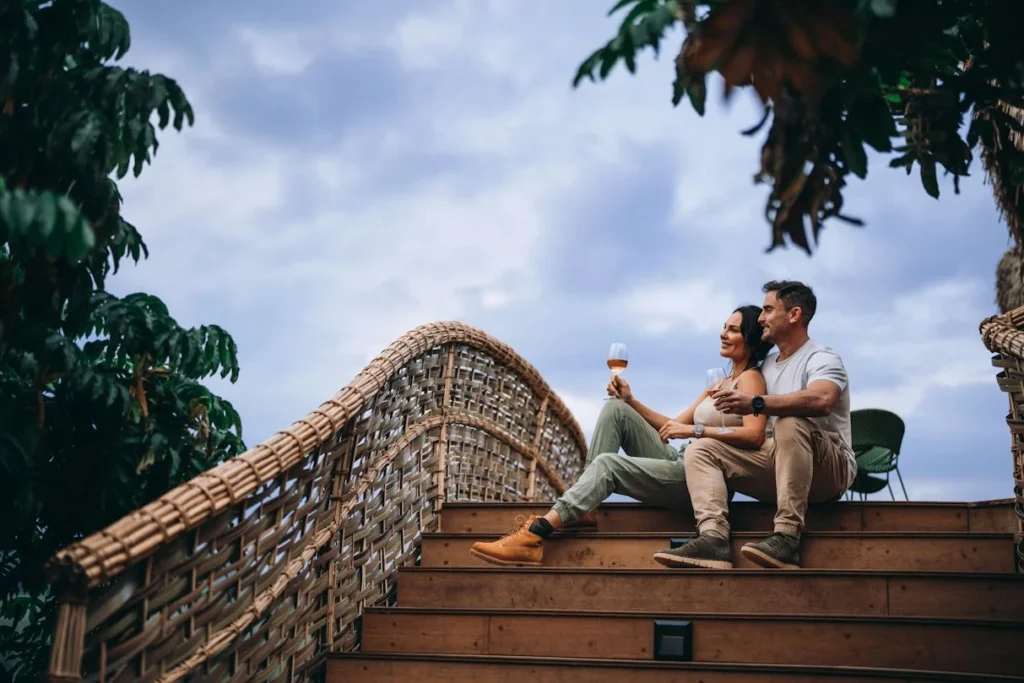
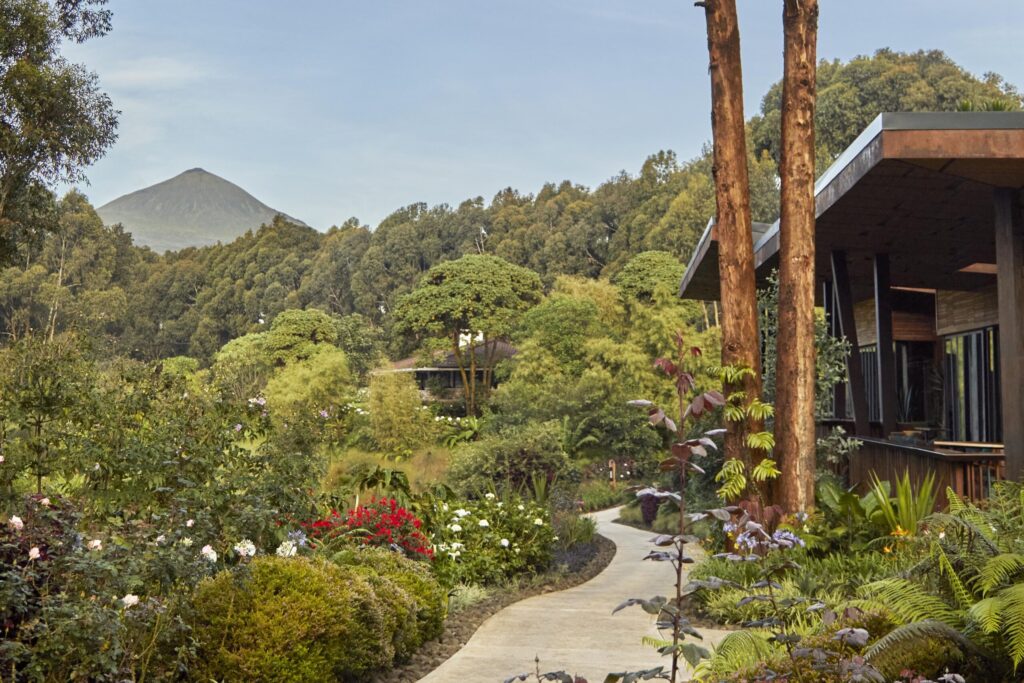
Your lodge vehicle will be waiting at the trailhead. The drive back takes 15 to 40 minutes depending on the property, and most lodges serve a hot lunch from midday. The timing works well, since most groups are back at the boundary between 11:00 and 13:00 depending on trek duration. The afternoon is yours. Most travellers spend the first hour or two of it in a state of gentle post-encounter absorption looking through photographs on the camera screen, writing journal notes, or simply sitting on the lodge terrace with a drink, watching the volcano profiles in the middle distance, and allowing the morning’s events to settle.

Rwanda Safari Experiences: The Complete Expert Guide 2027

Afternoon activities around Volcanoes National Park are varied and genuinely worthwhile. A visit to the Iby’iwacu Cultural Village near Kinigi takes approximately two hours and offers an excellent, community-run program of traditional dance, music, archery, and storytelling. The Ellen DeGeneres Campus of the Dian Fossey Gorilla Fund, opened in 2022 near Musanze, provides a world-class conservation education experience that contextualizes everything you witnessed in the forest that morning. Some lodges arrange afternoon guided walks in the park buffer zone as an opportunity to observe golden monkeys, forest birds, and the secondary vegetation of the park’s edge at a gentler pace.

Gorilla Trekking Rules and Regulations: What Every Visitor Must Know

Rwanda’s gorilla trekking regulations exist entirely to protect the animals and to maintain the program’s long-term viability. They are enforced without negotiation and apply equally to every visitor regardless of nationality, budget, or the price they paid for their permit. Understanding them before the day removes anxiety and allows the encounter itself to be experienced fully rather than partially through a filter of uncertainty about what is and is not permitted.

Minimum age: No visitor under the age of 15 may participate in gorilla trekking. This rule is firm and is applied at the briefing stage; children below 15 are turned away at Kinigi, regardless of permit status.

Group size: A maximum of eight visitors per habituated gorilla family per day. No exceptions are made regardless of group size or booking arrangements.

Minimum distance: Seven meters between visitors and all gorilla family members at all times. Guides and rangers position and reposition the group to maintain this distance when the gorillas move.

Photography: Permitted. Flash photography strictly prohibited. Video permitted. Drone photography is not permitted within or near the national park boundary.

Health protocols: Any visitor showing signs of active respiratory illness persistent cough, fever, runny nose may be refused access at the briefing stage. This measure is a genuine veterinary precaution: respiratory disease transmission from humans to gorillas is one of the primary documented threats to habituated gorilla families.

Eating, drinking, and smoking: Not permitted in the presence of the gorillas. Food and water remain with the porters and rangers until you have withdrawn from the encounter site.

Human waste: If you need to urinate or defecate during the forest section, inform your guide. Rangers carry a small trowel and follow. Leave No Trace protocols for burying human waste at least 30 meters from any water source.

Behavior near the gorillas: Speak only in whispers. No sudden movements, arm-waving, or direct eye contact with the silverback for extended periods. If a gorilla approaches or mock-charges, crouch, avert your eyes, and do not run. Running triggers a genuine chase response in gorillas. Your guide and ranger will manage the situation; follow their instructions immediately and without question.

For travellers interested in a completely private encounter with none of the group dynamics described above, the exclusive gorilla trekking permit grants sole access to a habituated family for the day, removing the eight-person group entirely. The exclusive permit costs approximately USD 15,000 and must be booked well in advance.

How Difficult Is Gorilla Trekking? The Physical Reality

Gorilla trekking is frequently described as “moderately challenging,” which is accurate but usefully imprecise. The honest version is this: gorilla trekking ranges from an energetic country walk to a genuinely demanding mountain hike depending on where the gorilla family is located on the day you trek, and you will not know which of these it will be until the morning of your trek. Preparing for the harder version ensures the easier version feels easy; preparing for the easier version means the harder version can be uncomfortable or distressing.

The practical variables that determine difficulty are altitude: the park operates at between 2,400 and 3,600 meters above sea level, which reduces oxygen availability significantly for visitors arriving from sea level; gradient; vegetation density; and mud conditions. Altitude alone can cause shortness of breath and an elevated heart rate in otherwise fit individuals who are unaccustomed to high elevations. A slow, steady pace, managed by experienced rangers, is the most effective countermeasure: the Rwandan phrase “pole pole,” meaning “slowly, slowly,” is the operating principle in the forest, and there is no shame in being the group member who sets this pace.

Trekkers with significant mobility limitations, heart or respiratory conditions, or recent musculoskeletal injuries should inform their operator honestly at the booking stage. The Rwanda Development Board makes genuine efforts to assign such visitors to families that are habitually located closer to the boundary, reducing trek duration and altitude gain. This accommodation is not always possible; gorillas move where they choose, but it is meaningfully applied when it is. A porter is non-negotiable for any traveller with mobility or fitness concerns; the physical and psychological support a good porter provides on difficult terrain is transformative.

What to Pack for a Gorilla Trek Day: The Complete Kit List

Packing for gorilla trekking is not complicated, but it requires attention to a few specific requirements that differ from standard hiking or safari gear. The following represents a complete preparation list built from years of on-the-ground guiding experience in Volcanoes National Park.

What to Pack for gorilla trekking

Clothing: Long-sleeved shirts and trousers in neutral or dark colours green, khaki, brown, and grey. Not because bright colors disturb the gorillas (they do not), but because nettles, thorny vegetation, and insects make skin exposure inadvisable. Avoid solid black, which some rangers believe can unsettle silverbacks. A light waterproof jacket or packable shell is essential: the Virunga mornings are frequently overcast, and rain can fall at any time regardless of season. A warm base layer for cold mornings at higher elevations.

Footwear: Ankle-supporting waterproof hiking boots are the single most important item on this list. Trainers and trail runners are inadequate on volcanic mud and steep terrain. Boots should be well broken-in before the trek day; new boots on this terrain create blisters that compromise the experience irreparably. Gaiters, while not essential, are highly recommended for wet-season treks when the lower vegetation is saturated with water and mud.

Gear: Trekking poles (available for hire at the trailhead if you do not have your own; accept them; they are genuinely useful). A daypack small enough to carry comfortably for several hours. A rain cover for the daypack and camera bag. One to one and a half liters of water per person is recommended. A packed lunch if not provided by the lodge. Insect repellent. Sunscreen for exposed sections above the tree line. Hand sanitizer or antibacterial gel for the boundary before and after the encounter. Your gorilla trekking permit in a waterproof sleeve.

Camera equipment: Camera body with strong high-ISO performance. Fast prime lens or zoom lens with a maximum aperture of f/2.8 or wider. Two spare batteries, fully charged. Multiple memory cards. The flash was disabled and this was confirmed before entering the forest. A rain cover or waterproof bag for camera equipment.

What to leave at the lodge: Large suitcases, valuables, heavy telephoto lenses unsuitable for low-light forest shooting, and any item that cannot be carried comfortably in a daypack for four or more hours of variable terrain.

The Emotional Reality of a Gorilla Trek: What No Guidebook Fully Prepares You For

Experienced safari travellers sometimes arrive at a gorilla trek with a quiet confidence born of having seen lions, leopards, and elephants in the wild: this will be extraordinary, they think, but they have been close to extraordinary wildlife before. These are usually the travellers who are most completely undone by the gorilla encounter, because nothing in their prior experience has prepared them for what a mountain gorilla’s direct gaze actually feels like at close range.

The neurological and emotional response to being observed by a gorilla, and to making genuine eye contact with an animal that is demonstrably looking back at you with recognition and composure, is different from any other human-wildlife encounter documented in travel writing or conservation literature. It is not fear, though it contains an element of physical alertness. It is not simple awe, though awe is still present. It is something closer to a recognition response the sense of being met by another kind of consciousness that shares enough with yours to make the boundary between species feel simultaneously absolute and irrelevant. Visitors frequently describe the experience as quietly devastating or as the most significant thing that has happened to them in years.

The most commonly reported response to the hour is crying, not from sadness, but from an emotional overflow that the brain produces when experience exceeds its available categories. Rangers are accustomed to this reaction. Guides are accustomed to such reactions. The moment when a visitor at the back of the group suddenly discovers that their eyes are full of tears while watching a gorilla mother nurse her infant is not unusual; it is, in the honest assessment of the professionals who witness it every day, the intended outcome of everything Rwanda has built around this program. Plan your Rwanda gorilla safari knowing the above, and leave space in the itinerary after the trek for the experience to breathe.

Plan Your Rwanda Safari

Start Planning a Private Gorilla Trek

Rwanda gorilla permits sell out months in advance. Secure your dates before the season closes.

Frequently Asked Questions About Gorilla Trekking Day in Rwanda

What time does gorilla trekking start in Rwanda?

The mandatory briefing at Volcanoes National Park headquarters in Kinigi begins at 07:00 sharp. Visitors are encouraged to arrive before this time, as latecomers will forfeit their permit without a refund. Most lodges near the park organize pre-dawn breakfasts and transfers to ensure a 06:45 arrival at headquarters. Wake-up calls at most properties on trek days are between 05:00 and 05:30 depending on the lodge’s distance from Kinigi. The entire day, including the trek in, the encounter, and the return, typically concludes by early to mid-afternoon.

How long does gorilla trekking take from start to finish?

The total duration of a gorilla trekking day from lodge departure to return varies between approximately four and eight hours depending on the gorilla family’s location. The hike to the family can take between 45 minutes and five hours. The observation period with the gorillas is exactly one hour, enforced by the accompanying ranger. The return hike is generally faster than the ascent. Most trekking groups are back at the park boundary between 11:00 and 14:00 on a typical day.

What is the maximum group size for gorilla trekking in Rwanda?

Eight visitors per gorilla family per day is the absolute maximum permitted by the Rwanda Development Board. This limit applies to all trekking groups regardless of permit type or special arrangements and cannot be exceeded under any circumstances. Each of Volcanoes National Park’s twelve habituated gorilla families receives a maximum of eight visitors per day, meaning a maximum of 96 standard gorilla trekking permits can be issued daily in total. This enforced scarcity is a deliberate conservation measure and one of the reasons the encounter is so intimate.

What happens if a gorilla charges during the trek?

Mock charges in which a silverback or adult male rushes toward the human group to assert dominance are relatively uncommon but do occur, particularly in response to accidental eye contact or a visitor moving toward rather than away from the animal. The protocol is clear: crouch low, avert your eyes downward, hold very still, and do not run under any circumstances. Running triggers a genuine chase response. Your ranger and guide manage these situations with calm authority borne of daily field experience. Mock charges almost always stop well short of physical contact. Rangers in the field carry rifles for wildlife protection, and no gorilla has seriously injured a visitor on Rwanda’s trekking itinerary.

Can I do gorilla trekking if I am not very fit?

Yes, with appropriate preparation and honest communication with your operator. The Rwanda Development Board makes efforts to assign visitors with lower fitness levels or mobility limitations to gorilla families that are typically located closer to the park boundary and at lower altitude. At every trailhead, you can hire porters for a modest fee of USD 15 to USD 20, and they will provide physical support throughout the hike. Trekking poles are available for hire. The most important step is being honest about your fitness level at the booking stage so the assignment process can work in your favor.

What gorilla families can be visited in Rwanda?

Volcanoes National Park currently has twelve habituated gorilla families open for standard trekking. These include the Susa A family (the largest, high-altitude, and most physically demanding to reach), Kwitonda, Umubano, Amahoro (known for being particularly calm), Agashya (led by a large, characterful silverback), Hirwa, Ugenda, Muhoza, Kureba, Igisha, Nyakagezi, and Bwenge. Family assignments are made at the time of the trekking briefing based on fitness levels and that morning’s tracking data. For detailed profiles of each family, see the gorilla families page on this site.

What is the best gorilla family to visit in Rwanda?

There is no objectively “best” gorilla family; every encounter is extraordinary in its own way, and the quality of your experience is determined far more by the behavior of the family on that specific day than by which family you are assigned to. That said, families with larger numbers of individuals, particularly those with multiple silverbacks, like Susa A, offer greater photographic variety. Families at lower altitude involve shorter, less demanding treks. Experienced operators can request specific family assignments but cannot guarantee them. The tracking team’s report on the morning of your trek is always the determining factor.

Do I need to tip my guide and ranger after gorilla trekking?

Tipping is not mandatory but is warmly appreciated and culturally appropriate in Rwanda’s safari context. Guides and rangers are salaried by the Rwanda Development Board and lodge operators, respectively, but tip income meaningfully supplements their earnings. Standard guidance suggests USD 20 to USD 50 for the lead guide on a standard trekking day, USD 10 to USD 20 for the ranger, and USD 15 to USD 20 for a porter plus an additional tip of USD 5 to USD 10. Tip directly in cash at the end of the day. It is one of the most directly impactful small financial decisions of the entire trip.

What is the gorilla trekking permit price in Rwanda?

A permit for gorilla trekking in Rwanda costs USD 1,500 per person as of 2026, issued by the Rwanda Development Board. This fee is fixed regardless of nationality, age (subject to the 15-year minimum), or the gorilla family assigned. The permit covers park entry, the services of rangers and trackers, the one-hour observation session, and the official trekking certificate. Gorilla permits are not included in any standard lodge rate and are always an additional cost. Permits should be secured through a licensed operator well in advance, particularly for peak season travel.

Can I get sick from being near the gorillas?

The risk of disease transmission between humans and gorillas runs in both directions, and the rules governing the trekking encounter exist specifically to minimize it. Visitors with active respiratory illnesses, colds, flu, COVID-19, or any condition involving coughing or fever may be denied access to the trek to protect the gorillas. The seven-meter minimum distance rule also serves a health protection function. Visitors are advised not to eat, drink, or spit near the gorillas. Following these protocols consistently reduces the transmission risk to negligible levels. The program’s veterinary monitoring team tracks gorilla family health on a daily basis.

Is the gorilla trekking experience the same as reported in older travel guides?

The fundamental encounter, the forest, the family, and the one hour remain consistent with accounts written a decade ago, and the gorilla families’ behavior toward trekking groups has become increasingly relaxed as the program has matured. What has changed significantly is the lodge infrastructure surrounding the experience: the accommodation options available today, the guiding depth, and the cultural and conservation programming offered around the trek are substantially richer than they were even five years ago. The experience itself is timeless; the supporting ecosystem around it improves every year.

What should I do immediately after the gorilla trek?

The trailhead certificate station issues personalized gorilla trekking certificates to all visitors. Accept and keep this document. Beyond the certificate, the post-trek hours benefit enormously from being unscheduled; the emotional processing that follows the encounter needs time and space, not an immediate program of afternoon activities. Most lodges serve a hot lunch from midday; eating well and resting for an hour before considering afternoon activities is the approach most veteran Rwanda travellers recommend. If your schedule allows, a short guided walk in the forest buffer zone or a visit to the Dian Fossey Gorilla Fund campus makes an excellent, reflective complement to the morning’s encounter.

What happens if it rains during my gorilla trek?

Gorilla trekking proceeds in the rain in all three countries; treks are essentially never cancelled for weather alone, since gorillas remain in the forest regardless of conditions and the encounter itself is unaffected by rainfall. What changes is trail difficulty: rain makes forest floors muddier and more slippery, extending trek duration in some cases and increasing the physical demand of the hike. A genuinely waterproof outer layer and boots with reliable grip are the practical answer, and travelers visiting during the March-to-May or October-to-November rainy seasons should expect and prepare for at least some rain rather than treating it as a remote possibility.

Plan Your Gorilla Trekking Day with Rwanda Gorilla Expeditions

The gorilla trekking experience described in this guide is not a performance, a managed encounter, or a wildlife spectacle curated for tourist consumption. It is a scientifically managed, conservation-funded, genuinely wild encounter with an endangered species in its natural habitat, and Rwanda has spent thirty years and considerable national resources building the infrastructure to deliver this experience responsibly and at the highest possible standard. Getting every element of the day right, the permit secured for the correct date, the lodge positioned to ensure a calm morning departure, the group size managed, the guide selected for expertise and field experience, and the fitness level matched to the family assignment, is the difference between a good gorilla trek and a transformative one.

Rwanda Gorilla Expeditions plans and operates gorilla trekking days in Volcanoes National Park as its core expertise. The team manages permit acquisition directly through the Rwanda Development Board, works with the park’s guiding teams daily, and builds every itinerary from a single-day gorilla experience to a full multi-park Rwanda wildlife safari with the specificity and local knowledge that determines whether the most important day of your trip is merely extraordinary or genuinely unforgettable. Contact the team to begin planning. The forest is waiting.

Ready to Trek? Permits are limited — plan early.