Mountain Gorilla Conservation in Rwanda: The Full Story Behind Africa’s Greatest Wildlife Recovery.

Discover how Rwanda’s mountain gorilla population grew from 254 to 1,063. Expert guide covering history, permit revenue, community sharing, health protocols & conservation future.

Mountain Gorilla Conservation in Rwanda: The Full 2027 Guide

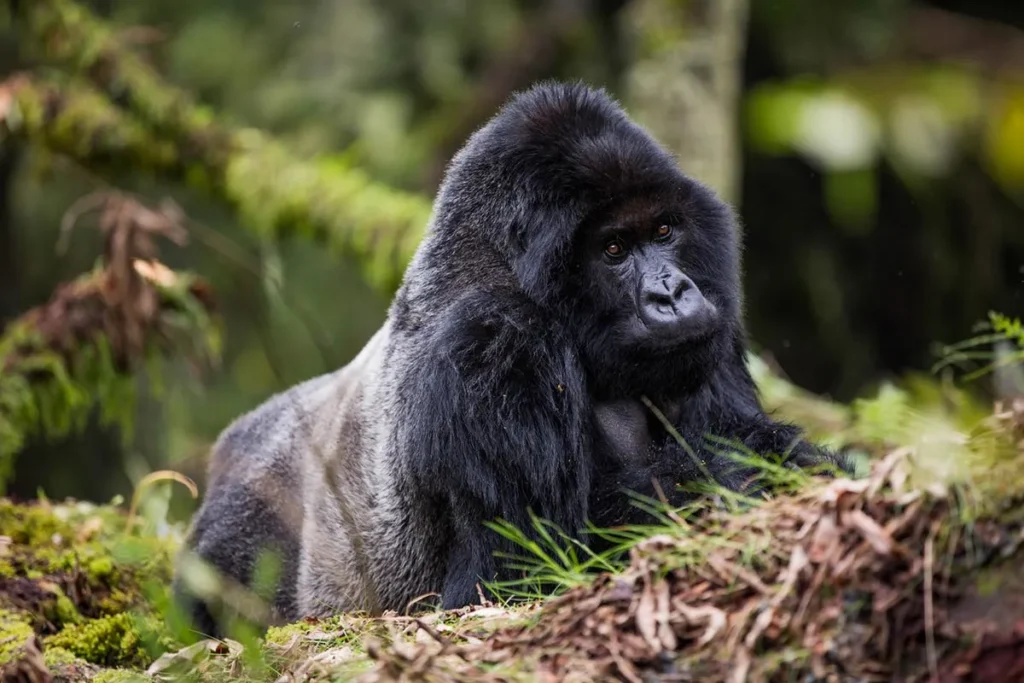
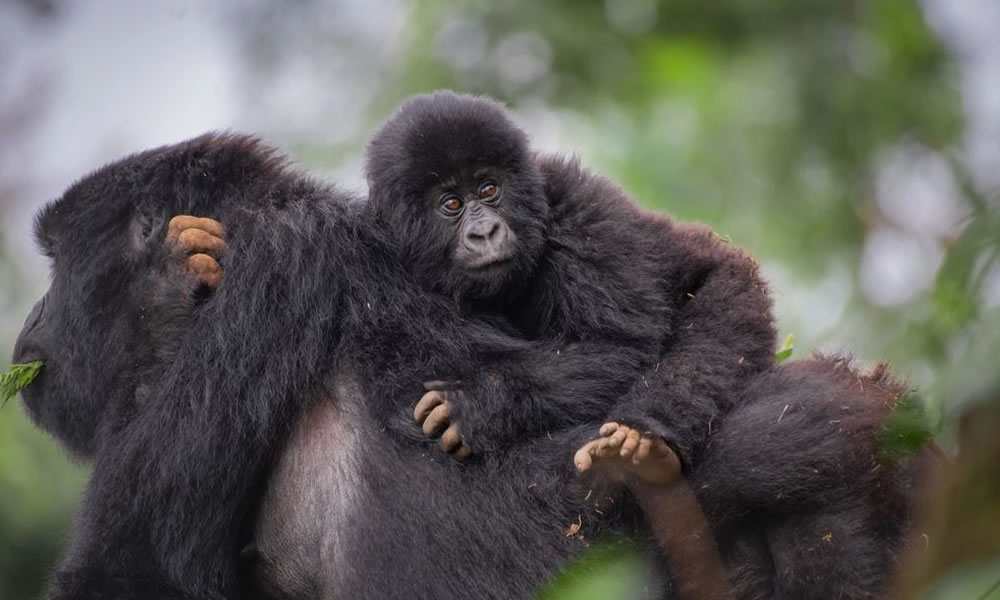
Mountain gorilla conservation in Rwanda is the most successful large-primate recovery story in the world a direct result of combining strict government protection, community-integrated revenue sharing, tightly regulated ecotourism, and decades of field science that began with Dian Fossey in the 1960s. Rwanda is home to approximately one-third of the world’s entire mountain gorilla population, all of them living in and around Volcanoes National Park, and the country’s conservation model has become a globally referenced template for how endangered species can be protected while simultaneously generating income for the communities that live alongside them.

Permits are limited — spaces fill months ahead

Reserve Your Private Gorilla Trek

Speak with a Rwanda-based specialist today. We secure permits, match you to the right gorilla family, and plan every detail around your schedule.

No group departures · Private itineraries only · Direct Rwanda expertise

The State of Mountain Gorilla Conservation: How Many Gorillas Exist Today?

The 2018 Virunga-Bwindi mountain gorilla census, the most recent comprehensive population count, recorded 1,063 individuals, divided between two geographically distinct populations: about 604 mountain gorillas in the Virunga Massif, which is shared by Rwanda, Uganda, and the Democratic Republic of Congo, and about 459 in Uganda’s Bwindi Impenetrable Forest and the nearby Sarambwe Nature Reserve in the DRC. Rwanda’s Volcanoes National Park holds the largest share of the Virunga Massif population.

That 1,063 figure is highly significant. In 1981, the mountain gorilla population in the Virunga Massif had collapsed to approximately 254 individuals, a number low enough that extinction within a generation was considered a serious scientific probability. The recovery from that nadir to more than 1,000 individuals represents one of conservation biology’s most dramatic reversals, achieved without the assistance of captive breeding programs (mountain gorillas have never survived in captivity), relying entirely on in-situ habitat protection, anti-poaching enforcement, veterinary intervention, and community-supported conservation economics.

In recognition of that progress, the International Union for Conservation of Nature downlisted the mountain gorilla from Critically Endangered to Endangered on its Red List in 2018, a reclassification that attracted global attention. To be clear: Endangered remains a serious conservation status, and the mountain gorilla is by no means safe. But this genuine achievement marks a directional shift from a species accelerating toward extinction to one growing steadily in numbers, with Rwanda playing a central role.

1,063 mountain gorillas are alive worldwide as of the 2018 census, the only great ape population currently growing.

~604 individuals in the Virunga Massif population, of which Rwanda’s Volcanoes National Park holds the largest national share.

254 individuals recorded in 1981 the lowest documented count, the point at which extinction became a credible scientific forecast.

The Virunga Ecosystem: Why This Specific Landscape Is the Entire World for Mountain Gorillas

Mountain gorillas (Gorilla beringei beringei) are a subspecies of eastern gorilla found exclusively in two isolated ecosystems: the Virunga volcanic chain straddling the borders of Rwanda, Uganda, and the Democratic Republic of Congo, and Uganda’s Bwindi Impenetrable Forest. They do not exist anywhere else on earth. They cannot be moved, relocated, or bred in captivity. Their survival is completely dependent on the continued integrity of these two ecosystems, and within the Virunga ecosystem, Rwanda’s Volcanoes National Park, covering approximately 160 square kilometers in the country’s northwestern corner, is the core protected area.

Mountain Gorilla Conservation in Rwanda

The Virunga Mountains are a chain of eight volcanoes rising between 3,000 and 4,507 meters above sea level. The ecological zones support bamboo forests at lower altitudes, dense Hagenia-Hypericum montane forests above, and open moorland and afroalpine heath near the summits, providing mountain gorillas with their complete dietary and habitat requirements. Bamboo shoots are a dietary staple during the rainy seasons. Wild celery, nettles, thistles, and dozens of other plant species constitute the rest of the diet. Gorillas build fresh sleeping nests every evening from bent vegetation, always moving their range and reshaping the forest in small ways that reflect their passage.

The challenge that has defined mountain gorilla conservation for more than half a century is that this landscape does not exist in isolation. Rwanda is one of the most densely populated countries in Africa, and the agricultural land that borders Volcanoes National Park is among the most productively farmed terrain in the region. The forest edge is not wilderness; it is the boundary between a national park and communities whose livelihoods depend on the same land the gorillas inhabit. Managing that boundary, keeping the forest intact while ensuring that the communities living at its edge have sufficient economic reason to support its protection, is the central challenge of mountain gorilla conservation and the one that Rwanda has addressed more effectively than any other country in the region.

From the Brink of Extinction: The History of Mountain Gorilla Conservation in Rwanda

Dian Fossey and the Birth of Scientific Gorilla Conservation

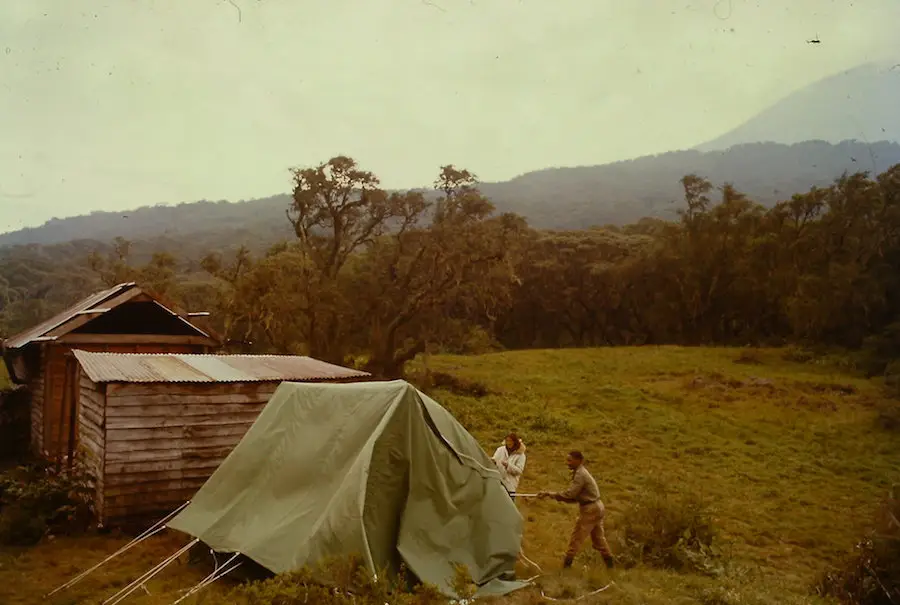
The modern conservation of mountain gorillas begins with Dian Fossey. An American primatologist who established the Karisoke Research Centre in Rwanda’s Virunga Mountains in 1967, Fossey spent 18 years studying, documenting, and critically defending mountain gorillas with a tenacity that created the scientific foundation upon which everything that followed was built. Her methodology of direct, sustained field observation of habituated gorilla families produced the first comprehensive understanding of mountain gorilla social structure, behavior, communication, and ecology. Her 1983 book, Gorillas in the Mist, brought the crisis of mountain gorilla survival to a global audience that had never previously engaged with it.

Karisoke Research Centre By Dian Fossey

Fossey’s approach to conservation was confrontational. She documented and actively disrupted poaching operations, destroyed traps and snares, and engaged in what she called active conservation direct intervention to protect individual animals rather than relying on institutional mechanisms that moved too slowly for the scale of the crisis. Her murder at Karisoke in December 1985, attributed to poachers whose operations she had repeatedly disrupted, became a galvanizing moment for the global conservation community. The Dian Fossey Gorilla Fund International, established in her memory, continues to operate the Karisoke Research Centre and has since expanded its Rwanda presence with the Ellen DeGeneres Campus a world-class research facility opened in 2022 near Volcanoes National Park that represents the most significant investment in mountain gorilla science since Fossey’s original research station.

What Fossey established and what Rwanda inherited from her work was a model of conservation grounded in science, proximity, and daily engagement with the animals being protected. The ranger teams that patrol Volcanoes National Park today trace their professional lineage directly to the approach Fossey pioneered: close observation, continuous field presence, and the willingness to prioritize the animals’ welfare over administrative convenience.

The 1994 Genocide and Its Impact on Mountain Gorilla Conservation

Rwanda’s 1994 genocide against the Tutsi killed approximately 800,000 people in one hundred days and had profound and direct consequences for mountain gorilla conservation. Volcanoes National Park became a transit zone for refugees and armed groups moving across the Virunga ecosystem. Rangers were killed or displaced. Poaching increased. The park infrastructure, which had been developing through the 1980s and early 1990s, was largely destroyed. International conservation staff evacuated. By 1994, the gorilla conservation program was effectively suspended.

What is remarkable and what speaks to the depth of the gorilla families’ habituation and the resilience of the ecosystem is that the gorilla population survived this period with fewer losses than the conservation community feared. The gorillas retreated deeper into the forest and, largely, endured. When international staff and Rwandan rangers returned to the park after the genocide, they found the gorilla families essentially intact. Conservation work resumed with the active support of a new Rwandan government that had, even in the first months of its existence, identified gorilla conservation as a national priority.

The decision to invest in gorilla conservation immediately following the genocide was not merely environmental; it was also economic and diplomatic. Rwanda’s new leadership understood that mountain gorillas were the country’s most distinctive natural asset, that the international conservation community represented a source of both funding and goodwill, and that a thriving gorilla tourism industry could become a significant contributor to national income. That foresight proved correct, and its consequences continue to shape Rwanda’s conservation and tourism economy three decades later.

The Population Recovery: From 254 to Over 1,000 A Conservation Chronology

The gorilla population in the Virunga Massif has been censused multiple times since the 1970s, providing a data record that traces the full arc of decline and recovery. The 1978 census recorded approximately 268 individuals. By 1981, that number had dropped to 254, the historical low point, driven by poaching, habitat encroachment, disease, and the general instability of the region. A series of targeted interventions over the following decades, anti-poaching operations, veterinary care for injured and sick animals, revenue-sharing programs that gave communities economic stakes in the gorillas’ survival, and the development of tightly regulated gorilla trekking tourism gradually reversed the trajectory.

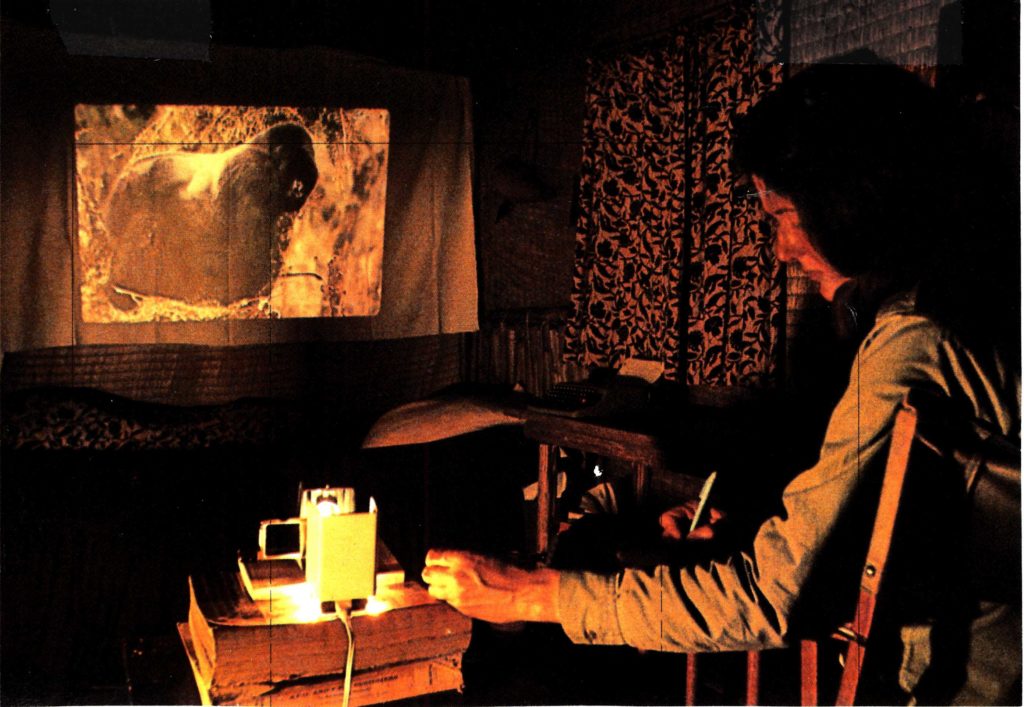
Dian Fossey at her Study Desk at Karisoke Research Center

By 1989, the population had stabilized at approximately 324. The 2003 census recorded 380, and the 2010 census recorded 480. The 2016 census conducted jointly by the three range states and the Dian Fossey Gorilla Fund recorded 604 in the Virunga Massif alone, a figure that prompted the IUCN to initiate its review of the subspecies’ Red List status. The 2018 combined census, including Bwindi, produced the 1,063 total that triggered the formal downlisting from Critically Endangered to Endangered. Each of these population increases represents a specific policy decision, a specific allocation of resources, and a specific community whose members chose conservation over encroachment because the economics made it rational to do so.

Plan Your Rwanda Safari

Start Planning a Private Gorilla Trek

Rwanda gorilla permits sell out months in advance. Secure your dates before the season closes.

How Gorilla Trekking Tourism Funds Conservation: The Revenue Model Explained

The Gorilla Permit Revenue Model: Where USD 1,500 Goes

Every gorilla trekking permit issued by the Rwanda Development Board currently costs USD 1,500 per person. Rwanda issues a maximum of 96 permits per day for eight visitors per habituated family across twelve families, which means the maximum daily permit revenue is USD 144,000. Annually, at full capacity, that represents approximately USD 52.5 million in permit revenue alone, before accommodation, guiding, transport, and ancillary spending by visitors is counted.

This revenue is not simply absorbed into general government income. The Rwanda Development Board operates a structured allocation model. Permit income primarily funds park management costs, including ranger salaries, patrol equipment, park infrastructure, veterinary services, and research support. A portion of permit revenue is also directed to the Gorilla Fund, which manages research and conservation programs within the park. The precise allocation percentages are subject to periodic government review and adjustment, but the principle is consistent: the gorillas fund their protection.

The commercial logic is elegant and self-reinforcing. The higher the permit price, the more revenue is available for conservation. The better the conservation outcomes, the more robust the gorilla population becomes. The more robust the gorilla population, the more habituated families can be opened to tourism. The more families open to tourism, the more visitors can be accommodated without increasing pressure on individual families. And keeping visitor numbers low and conservation standards high is essential for sustaining the quality of the overall experience, which justifies the premium permit price. Rwanda’s entire gorilla tourism model is a closed feedback loop that rewards conservation performance.

The Community Revenue Sharing Programme: Conservation Through Economic Incentive

The most important innovation in Rwanda’s gorilla conservation model and the one most directly responsible for the population recovery is the Community Revenue Sharing Programme, through which a percentage of revenue from gorilla trekking permits is distributed straight to communities living along the boundaries of Volcanoes National Park. Introduced in 2005 and refined through subsequent iterations, the program currently allocates ten percent of all gorilla permit revenue to communities in the park’s buffer zone.

The practical impact of this revenue is visible and significant. Communities that once supplemented their incomes through poaching, illegal firewood collection, and agricultural encroachment on park land now receive payments from a fund whose size is directly proportional to the number of tourists visiting the park. A family in a village bordering Volcanoes National Park has a measurable financial stake in the gorillas’ survival. The gorillas alive in the forest represent income to the ranger who patrols for their protection, to the porter who supports trekkers on the trail, to the artisan who sells crafts at the park entrance, and to the community fund that pays for water infrastructure and school buildings in the surrounding villages.

This economic integration of conservation and community development is why Rwanda’s gorilla conservation model is studied by wildlife managers in countries facing analogous human-wildlife conflict challenges from Africa to Asia. It demonstrates, with three decades of data, that conservation succeeds when it is economically rational for the communities closest to the resource to support it rather than exploit it.

Why High-Value, Low-Volume Tourism Is the Correct Conservation Model

Rwanda’s decision to position gorilla trekking as a premium, low-volume experience, limiting visitor numbers, maintaining a high permit price, and investing in quality over quantity across every element of the visitor experience reflects a conservation insight that many wildlife destinations have failed to apply. The alternative model, adopted by some other destinations in the region, prioritizes accessibility and volume: lower permit costs, more visitors, and faster throughput. The conservation outcomes of that model are demonstrably inferior.

When visitor numbers are high, the cumulative stress on habituated gorilla families increases. Disease transmission risk from human visitors rises proportionally with group size and visit frequency. The physical damage to forest trails from high visitor volumes degrades habitat. And the economic incentive structure shifts: when tourism is cheap and accessible, it attracts different visitor profiles, with different expectations and different spending patterns, that support a lower overall revenue base while imposing higher conservation costs. Rwanda’s model of USD 1,500 per permit, eight visitors per family, and one hour per visit is not arbitrary. It reflects a precise calibration of visitor impact, conservation revenue, and experience quality that has produced the world’s only growing mountain gorilla population.

The Gorilla Habituation Process: How Wild Apes Become Conservation Assets

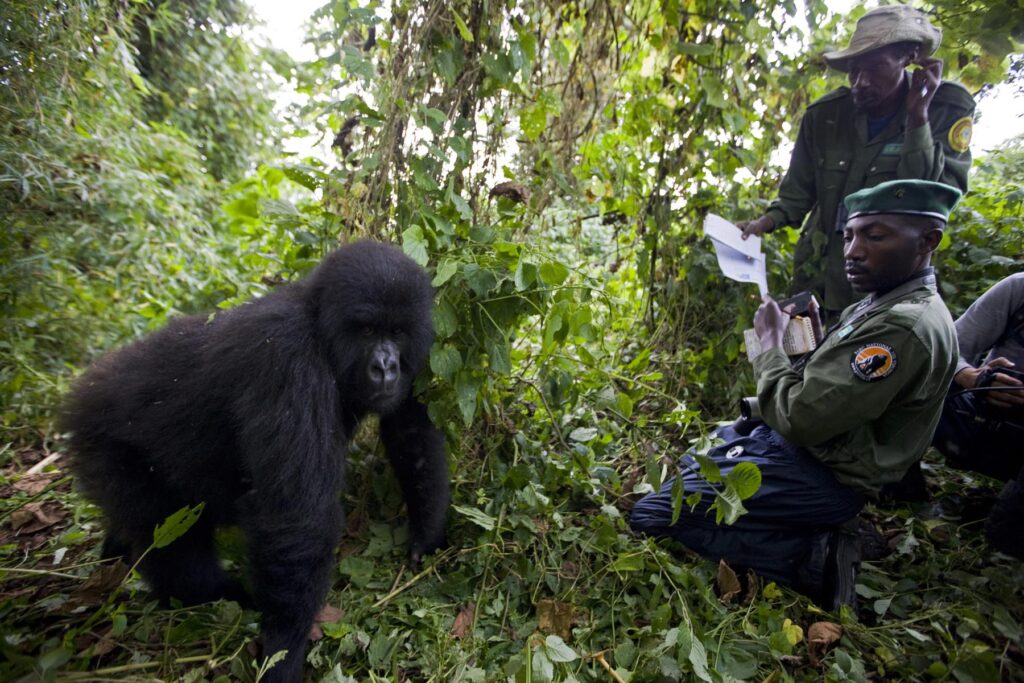
The foundation of Rwanda’s gorilla trekking tourism is the habituation of individual gorilla families to human presence, a process that takes two to three years of daily, patient contact by trained researchers and rangers and is one of the most labor-intensive and carefully managed aspects of the entire conservation program. A habituated gorilla family is one that has been gradually and incrementally exposed to human beings until the presence of quiet, non-threatening humans within a limited distance no longer provokes fear, aggression, or disruption to normal behavior.
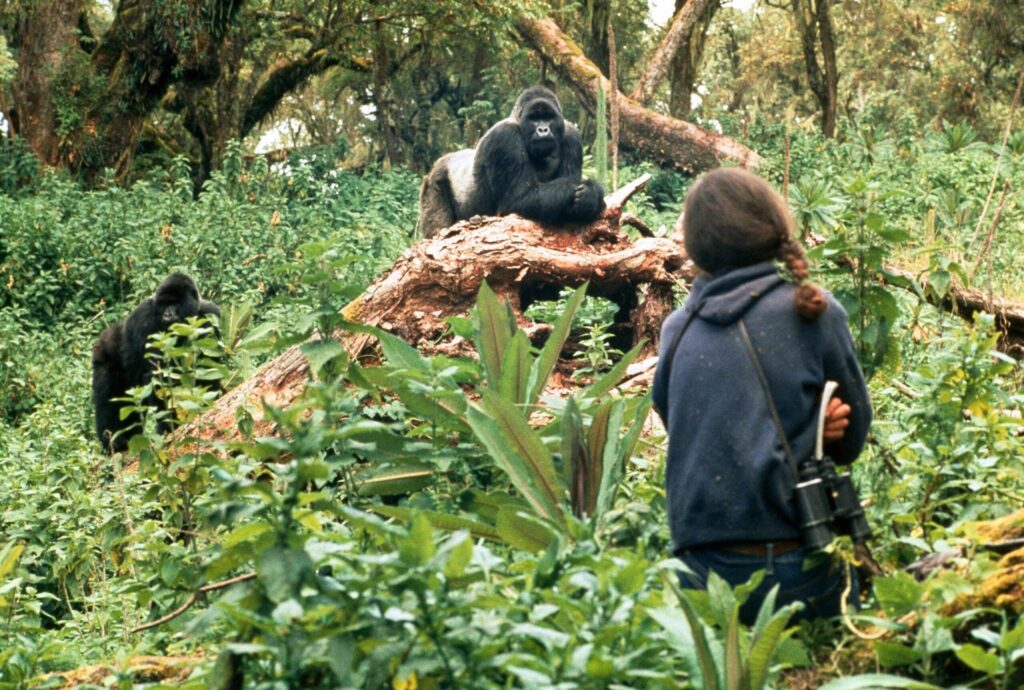
Mountain Gorilla Conservation in Rwanda

The habituation process begins with daily contact sessions in which a small team of researchers approaches the gorilla family at a distance and simply sits nearby, making non-threatening vocalizations, avoiding direct eye contact, and mimicking gorilla feeding postures and movements. Over weeks and months, the researchers gradually reduce the distance. Family members who show the most tolerance of human presence are the entry points through which the group’s broader acceptance develops. The silverback’s tolerance is decisive; if the dominant male accepts human proximity, the rest of the family generally follows. If the silverback becomes agitated, sessions are suspended and the distance is reset.

The investment required for habituation is substantial. Field teams work seven days a week, regardless of weather or terrain, for the full duration of the process. Veterinary oversight is maintained throughout to ensure that neither the animals nor the researchers experience health risks. The risks to the researchers are real: mountain gorillas are extraordinarily powerful animals, and an agitated silverback poses a physical threat that requires both experience and specific protocols to manage. No serious researcher injuries have occurred during the Rwanda habituation program, which testifies to the skill and patience of the field teams involved.

Once a gorilla family is fully habituated, it is assessed by the Rwanda Development Board for tourism suitability based on its territorial range, its family composition and stability, and the fitness level that the terrain requires of trekking visitors. Families are then opened to tourism on a graduated basis, with ranger and researcher monitoring continuing indefinitely after opening. There is no endpoint to the monitoring: habituated families are observed and tracked every single day of the year by teams who record health status, behavioral patterns, social dynamics, and territorial movements. This continuous data stream is the backbone of Rwanda’s conservation science. Travellers curious about which gorilla families are currently open to tourism can explore the gorilla families overview for up-to-date information on each group’s character, range, and trekking characteristics.

Disease Prevention and Health Management: The Greatest Invisible Threat to Mountain Gorillas

Why Human Disease Is Mountain Gorillas’ Most Dangerous Enemy

Mountain gorillas share approximately 98.3 percent of their DNA with humans, a genetic proximity that makes them extraordinarily susceptible to human respiratory and gastrointestinal diseases. A common cold that a healthy adult visitor experiences as a minor inconvenience can kill a mountain gorilla. Respiratory infections, including human coronaviruses, influenza, and respiratory syncytial virus, have caused deaths and serious illness in habituated gorilla families on multiple documented occasions. With a total wild population of about 1,000 individuals, a disease outbreak in a single habituated group can be a conservation-level event: losing 10 or 20 animals from that population has a proportional impact that would be minor in a larger species but is significant in a mountain gorilla context.

This biological reality underpins every health-related trekking regulation that visitors encounter on a gorilla safari in Rwanda. The seven-meter minimum distance rule, the prohibition on trekking for visitors showing symptoms of respiratory illness, the requirement that guides and trackers wear face masks when near gorilla families, the strict limit on group size, and the one-hour maximum observation time are not bureaucratic conventions; they are epidemiologically derived limits, calculated to reduce disease transmission probability to the lowest practically achievable level while still allowing the tourism encounters that fund the gorillas’ protection.

The One Health Approach: Integrating Human, Animal, and Ecosystem Wellbeing

Rwanda’s approach to gorilla health management operates within the One Health framework a scientific and institutional model that recognizes the interdependence of human health, animal health, and ecosystem health. In practice, this means that the veterinary teams monitoring gorilla families maintain active working relationships with public health authorities in the communities surrounding the park. Disease surveillance in gorilla families is integrated with disease surveillance in the local human population. When a respiratory illness is identified in a community near the park boundary, precautionary measures can be implemented at the visitor-animal interface before transmission to gorillas occurs.

The Mountain Gorilla Veterinary Project, now operating as Gorilla Doctors, provides the frontline veterinary response to health crises in habituated gorilla families. This team of veterinarians is authorized to intervene medically in cases where a gorilla is suffering from a treatable human-transmitted disease, where an injury is life-threatening and surgical intervention is feasible, or where a snare or trap requires removal. The decision to intervene, which always involves weighing the risk of stress from capture against the risk of untreated illness or injury, is made by veterinary professionals with species-specific training and years of experience with individual animals they know by sight and behavior. These interventions have saved gorilla lives on dozens of documented occasions.

Visitor Health Protocols: Why the Rules Exist and Why They Matter

For travellers planning a gorilla trekking experience, the pre-trek briefing at Volcanoes National Park headquarters clearly communicates the health protocols. Visitors who show symptoms of respiratory illness, cough, fever, runny nose, and sore throat cannot enter the forest. This is not a guideline; it is a rule, enforced by the ranger team at the trailhead, and it applies regardless of how far a visitor has travelled or how much the permit has cost. Visitors who are denied access on health grounds are not entitled to refunds under standard Rwanda Development Board policy, though Rwanda Gorilla Expeditions advises all guests on travel insurance coverage that may apply in these circumstances.

The practical implication for travelers is clear: in the days before a scheduled gorilla trek, take your health seriously. Avoid contact with people who have active respiratory infections. Wash hands frequently. If you are unwell, communicate honestly with your operator immediately both for your well-being and for the conservation of the animals you have come to see. The gorillas cannot choose who approaches them. The trekking regulations exist because the choice must be made for them.

Anti-Poaching and Ranger Operations in Volcanoes National Park

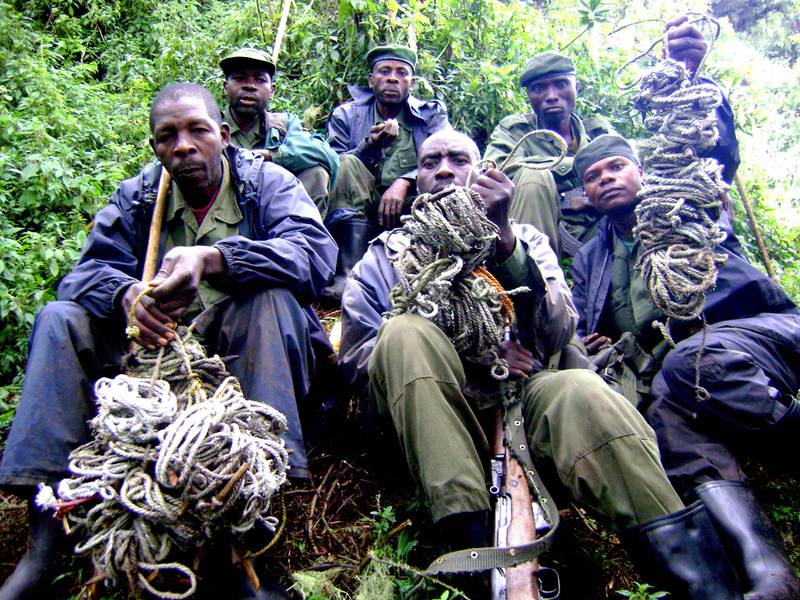
The daily anti-poaching work in Volcanoes National Park is conducted by ranger teams that patrol the park boundary and interior on foot, seven days a week, in all weather conditions. These patrols serve three functions simultaneously: they deter potential poachers through visible presence, they remove snares and traps that would injure or kill wildlife, and they gather the daily observational data on gorilla family locations and health status that forms the backbone of the park’s conservation database.
Anti-Poaching and Ranger Operations in Volcanoes National Park

The threat profile for mountain gorillas has changed significantly over the past three decades. In the 1970s and 1980s, the primary threat was direct gorilla poaching, which involved killing gorillas for bushmeat or the illegal trade in infants, often requiring the death of the entire social group to remove a single juvenile, and this was the specific crisis that Dian Fossey confronted through direct action. Today, direct poaching of gorillas is rare. The combination of robust ranger presence, community economic integration through the revenue-sharing program, and the social stigma that gorilla poaching now carries in communities that benefit from gorilla tourism has effectively suppressed it.

The primary current threat from illegal activity is not gorilla poaching but incidental snaring: the setting of wire snares and traps targeting duiker and other small forest animals for bushmeat, which gorillas and golden monkeys encounter accidentally. Snares that catch a young gorilla’s hand or foot, if not promptly removed, can cause the kind of injury that leads to infection, limb loss, and death. Ranger patrols that remove snares before gorillas encounter them and veterinary teams that respond when gorillas are snared constitute the two-tiered defense against this specific threat. Patrol data from Volcanoes National Park consistently records hundreds of snares removed per year each one representing a potential gorilla injury that has been prevented.

The ranger teams in Volcanoes National Park are employed, salaried, and equipped by the Rwanda Development Board funded in large part by gorilla trekking permit revenue. Their salaries are competitive by Rwandan standards, they maintain their equipment, and they receive ongoing training. This professional infrastructure, directly funded by tourism, is what separates Rwanda’s conservation model from approaches that rely on voluntary compliance or under-resourced state institutions.

Plan Your Rwanda Safari

Start Planning a Private Gorilla Trek

Rwanda gorilla permits sell out months in advance. Secure your dates before the season closes.

The Ellen DeGeneres Campus: The World’s Most Advanced Mountain Gorilla Research Facility.

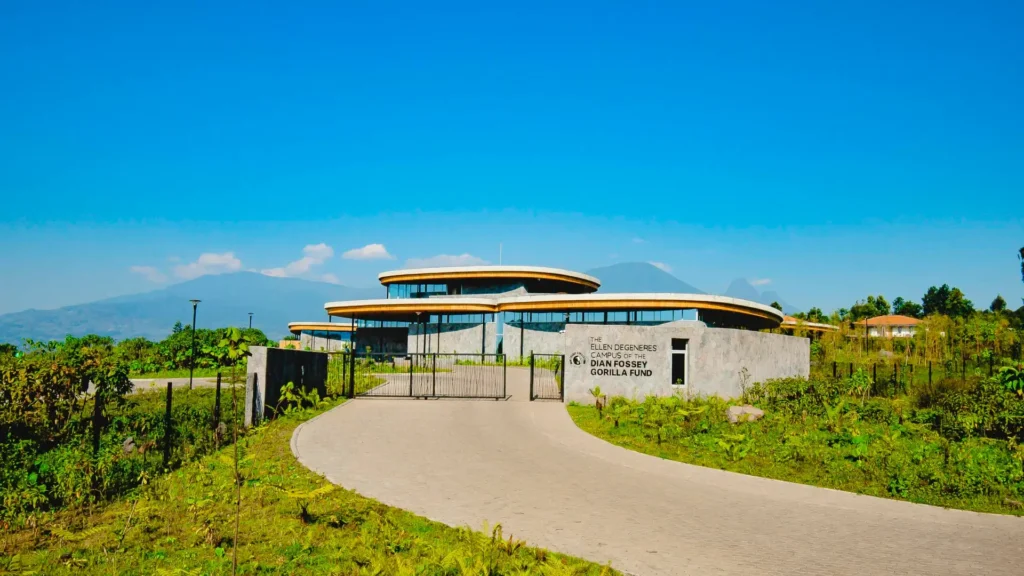
Opened in November 2022 on a 2.5-hectare site adjacent to Volcanoes National Park, the Ellen DeGeneres Campus of the Dian Fossey Gorilla Fund represents the most significant investment in mountain gorilla research infrastructure in the history of the conservation. Funded in part by a USD 5 million donation from Ellen DeGeneres and Portia de Rossi, and supported by major philanthropic and government contributions, the campus consolidates the Dian Fossey Gorilla Fund’s research, education, and community development programmes in a facility that is purpose-built for the complexity of 21st-century conservation science.

Ellen DeGeneres Campus

The campus houses state-of-the-art laboratory facilities for genetic analysis, disease surveillance, and ecological research. It hosts the organization’s scientific library and data archive, the most comprehensive longitudinal dataset on mountain gorilla behavior and population dynamics in the world, extending back to Dian Fossey’s original field notebooks from the 1960s. Research scientists from multiple countries work here alongside Rwandan scientists, many of them trained through Fossey Fund education programs, in an institutional model that has made the Ellen DeGeneres Campus a global center of conservation biology.

For travellers visiting Rwanda on a gorilla safari, a guided tour of the Ellen DeGeneres Campus provides the most powerful context available for the gorilla encounter. Understanding population genetics, the history of family groups, the veterinary challenges of managing disease in a small wild population, and the conservation economics that sustain the entire programme makes the one-hour trekking experience more than just wildlife observation; it becomes a fully contextualised encounter with one of conservation’s greatest ongoing projects. The campus is open to visitors by arrangement and is incorporated into several Rwanda Gorilla Expeditions itineraries, particularly the 3-day and 4-day formats that allow time for this visit alongside the trek itself.

The Rwanda Development Board’s Conservation Framework: Governance as a Conservation Tool

Rwanda’s conservation results for mountain gorillas are, in significant part, a product of governance quality. The Rwanda Development Board, the government agency responsible for both conservation management and tourism promotion, operates with a level of institutional consistency, regulatory enforcement, and long-term strategic commitment that is uncommon in the region and genuinely rare in African conservation contexts more broadly.

The Rwanda Development Board sets permit prices, manages permit allocation, trains and employs park rangers, sets and enforces visitor regulations, manages revenue distribution to communities, and oversees research partnerships. Importantly, it does all of this within a strategic framework that has remained consistent across successive government administrations. Gorilla conservation is not a policy that changes with political cycles in Rwanda. It is a national commitment embedded in the country’s development strategy and understood by the public, the political class, and the international conservation community as non-negotiable.

This institutional stability has practical consequences. International conservation organizations are willing to make long-term research investments in Rwanda because they can be confident that the regulatory environment will not change arbitrarily. Luxury lodge operators invest in high-cost properties adjacent to the park because the permit system that underpins their business model is stable. And the gorilla families themselves benefit from the uninterrupted presence of consistent, well-trained ranger teams whose institutional knowledge of individual animals accumulates over years of continuous employment rather than cycling through high turnover.

The IUCN Status Downlisting: What “Endangered” Means After “Critically Endangered”

When the International Union for Conservation of Nature moved the mountain gorilla from Critically Endangered to Endangered on its Red List in 2018, the announcement was widely and incorrectly reported as a conservation success story with a happy ending. The distinction matters: Endangered is still a high-risk conservation status, and the mountain gorilla remains one of the world’s most vulnerable large mammals. The downlisting reflects the direction of travel, not the arrival at safety.

For a species to be listed as Critically Endangered, it must meet at least one of several quantitative criteria: a population of fewer than 250 mature individuals, a decline of more than 80 percent over three generations, or a probability of extinction of more than 50 percent within ten years. The mountain gorilla met multiple criteria simultaneously when its Virunga population fell below 300. As the population grew past 600 and then past 1,000, the numerical basis for Critical Endangerment was no longer met, and the downlisting to Endangered followed.

What the downlisting does not mean is that conservation pressure can be relaxed. A population of 1,063 distributed across a small geographic range, entirely dependent on the continued political will of three national governments to protect their shared habitat, and vulnerable to a single pandemic event that could move through the entire population within weeks, this is not a species whose future is assured. The downlisting is an acknowledgement that the tools being applied are working. It is not permission to apply them with less rigor.

Cross-Border Conservation: The Greater Virunga Transfrontier Conservation Area

Mountain gorillas do not observe international boundaries. The Virunga Massif population moves across the borders of Rwanda, Uganda, and the Democratic Republic of Congo as a single ecological unit, following food sources and social dynamics that have no relationship to geopolitical lines. Effective conservation of this population requires coordination among three sovereign states with different political systems, different economic contexts, and often tense bilateral relationships.

The Greater Virunga Transfrontier Conservation Area, established in 2015, provides the formal institutional framework for this coordination. The GVTCA covers approximately 7.9 million hectares across six protected areas in the three countries: Volcanoes National Park in Rwanda, Virunga National Park and Sarambwe Nature Reserve in the DRC, and Mgahinga Gorilla National Park, Bwindi Impenetrable National Park, and Queen Elizabeth National Park in Uganda. A joint governance structure, the Greater Virunga Transfrontier Conservation Authority coordinates ranger operations, sharing intelligence on poaching threats, managing cross-border gorilla movements, and conducting joint censuses.

The practical success of this framework is uneven. The DRC’s ongoing civil conflict, which has periodically threatened rangers, tourists, and gorilla families in Virunga National Park, represents the most significant ongoing challenge to regional conservation coherence. Rwanda has been largely insulated from these instabilities by its park management and domestic ranger infrastructure, but gorilla families that move between the DRC and Rwanda do not carry that security with them. The population’s continued growth, despite these pressures, is evidence that the framework is working imperfectly but effectively enough to sustain the recovery.

How Responsible Travellers Contribute to Mountain Gorilla Conservation

Why the Decision to Trek Is Itself a Conservation Act

Gorilla trekking in Rwanda is not merely a passive observation of conservation outcomes. Every visitor who purchases a gorilla trekking permit is, in a direct and quantifiable sense, funding the conservation infrastructure that protects the animals they have come to see. The USD 1,500 permit fee pays ranger salaries, funds veterinary interventions, supports community revenue sharing, and contributes to the scientific research program that manages the gorilla population. The tourism industry that surrounds the trekking program, the luxury lodges, the local guides, the porters, the artisans, and the transport operators, represents a further economic ecosystem whose aggregate income depends on the continued health of the gorilla population and the quality of the visitor experience.

This situation means that the choice of operator matters as much as the decision to trek. An operator who books permits through legitimate channels, uses licensed local guides, employs local porters at fair wages, partners with conservation-committed lodges, and enforces trekking regulations on its guests contributes to the system that is working. An operator who neglects any of these dimensions particularly permits illegitimacy and guides quality, which undermines it. Rwanda Gorilla Expeditions operates exclusively within Rwanda’s formal conservation framework, securing all permits directly through the Rwanda Development Board, working with vetted local guides with specialist conservation training, and partnering with lodge properties whose own conservation commitments are verified and active.

Trekking Rules Are Conservation Tools: Following Them Is Part of the Commitment

The regulations that govern gorilla trekking in Rwanda, the seven-metre distance rule, the one-hour observation limit, the prohibition on flash photography, the health screening at the trailhead, and the maximum group size of eight visitors per family, are not arbitrary inconveniences. They are the product of decades of conservation science, veterinary research, and careful monitoring of the cumulative impact of human presence on gorilla family behavior and health. Travellers who obey these rules precisely and without shortcuts are participating in the conservation program, not merely complying with them.

For travellers who want to engage with gorilla conservation at a deeper level than a standard trekking permit allows, Rwanda offers two specialist programmes. The exclusive gorilla trekking permit, which costs about USD 15,000 and allows access to one gorilla family for a day, provides more funding for conservation and reduces the visitor-animal interface by removing the group setting. And the Behind-the-Scenes Gorilla Experience, priced at approximately USD 15,000 per person and conducted alongside primatologists and veterinary researchers for up to three consecutive days, provides a direct immersion in the active conservation science that sustains the gorilla population and funds that science directly through the participation fee.

The Future of Mountain Gorilla Conservation: Threats That Remain and Challenges Ahead

The mountain gorilla recovery is real, sustained, and scientifically validated. It is also fragile. The threats that remain are specific, serious, and, in some cases, growing.

2-Day Rwanda Gorilla Safari.

Climate change is already measurable in the Virunga ecosystem. Temperature increases at the altitudes the gorillas inhabit are affecting the phenology of the plant species that constitute their diet. The timing of bamboo shoot availability, the fruiting seasons of key food trees, and the distribution of moisture across the forest zones are all shifting in ways whose long-term consequences for gorilla nutrition and behavior are not yet fully understood. The montane forest ecosystem is simultaneously being compressed from below by agricultural encroachment and from above by the changing climate, and the gorillas’ habitat is being squeezed between these two pressures.

The political stability of the greater Virunga ecosystem remains the single most important determinant of long-term conservation success. The DRC’s eastern provinces, which border Rwanda’s Volcanoes National Park and include the western part of the Virunga gorilla range, have been affected by persistent armed conflict for three decades. Periods of intensified conflict have directly threatened both gorilla families and the ranger teams protecting them. Rwanda’s own political stability has been a significant conservation asset, but the cross-border nature of the gorilla population means that Rwanda’s stability alone cannot insulate the subspecies from regional instability.

Disease, particularly pandemic-scale respiratory illness, remains the threat that conservation scientists worry about most acutely. A single highly transmissible human respiratory pathogen introduced into a habituated gorilla family could spread through the connected social networks of the Virunga population with devastating speed. The COVID-19 pandemic demonstrated the seriousness of this risk Volcanoes National Park was closed to tourism for extended periods in 2020 and 2021, at significant economic cost, specifically because the risk of SARS-CoV-2 transmission to gorillas could not be adequately managed while visitor access continued. The pandemic closure also demonstrated something significant about Rwanda’s conservation model: even without permit revenue, ranger operations continued, and the gorilla population continued to grow. The model is robust, but it depends on international visitor flow returning which it has to fund its long-term infrastructure.

The population size itself remains a source of vulnerability that no amount of excellent conservation management can fully eliminate. A wild population of approximately 1,000 individuals, concentrated in a small geographic range, is inherently susceptible to stochastic events, single disease outbreaks, volcanic activity, extreme weather events, or conflict-related disruptions that a larger, more geographically distributed population would absorb without catastrophic consequence. The only long-term solution to this vulnerability is continued population growth, continued habitat protection, and the maintenance of the political and economic structures that make both possible.

Plan Your Rwanda Safari

Start Planning a Private Gorilla Trek

Rwanda gorilla permits sell out months in advance. Secure your dates before the season closes.

Frequently Asked Questions: Mountain Gorilla Conservation in Rwanda.

How many mountain gorillas are left in the world?

According to the most recent comprehensive census, conducted in 2018, there are approximately 1,063 mountain gorillas remaining in the wild. This population is divided between two geographically distinct ranges: the Virunga Massif, shared between Rwanda, Uganda, and the Democratic Republic of Congo (approximately 604 individuals), and Uganda’s Bwindi Impenetrable Forest and the adjacent Sarambwe Reserve in the DRC (approximately 459 individuals). Mountain gorillas have never survived in captivity, so this wild population is the entirety of the species’ existence.

Are mountain gorillas endangered or critically endangered?

Mountain gorillas were reclassified from Critically Endangered to Endangered by the IUCN in 2018, reflecting the sustained population growth achieved through decades of conservation effort. This is a significant conservation milestone, but Endangered remains a serious status the subspecies is still at high risk of extinction, and the total wild population of approximately 1,063 individuals remains vulnerable to disease outbreaks, habitat loss, and political instability in the three range states. The downlisting reflects the direction of travel, not the arrival at safety.

How does gorilla trekking help conservation?

Gorilla trekking funds conservation directly and substantially. Rwanda’s gorilla trekking permit costs USD 1,500 per person, and a maximum of 96 permits are issued daily. This revenue funds ranger salaries, veterinary care, anti-poaching operations, habitat monitoring, and the community revenue-sharing program, which gives communities bordering the park a direct economic stake in the gorillas’ survival. The tourism economy around trekking lodges, guides, porters, and local businesses represents a further income ecosystem that is entirely dependent on the gorillas’ health and the quality of the conservation program.

What is the community revenue sharing programme in Rwanda?

The Community Revenue Sharing Programme allocates ten percent of gorilla trekking permit revenue to communities living in the buffer zone around Volcanoes National Park. Introduced in 2005, the program funds community infrastructure projects, including water systems, schools, healthcare facilities, and road improvements. It creates a direct economic link between gorilla conservation and community well-being, giving families living alongside the park a measurable financial incentive to support conservation rather than encroach on park land or engage in poaching.

How long does gorilla habituation take?

Gorilla habituation, the process of gradually accustoming a wild gorilla family to the presence of human observers, typically takes two to three years of daily, patient field contact by trained researchers and rangers. The process begins with contact at a significant distance and gradually reduces that distance over months as the family’s tolerance for human proximity increases. The silverback’s acceptance of researchers is the critical threshold. Once habituation is complete, families undergo a further assessment period before being opened to tourism.

Who was Dian Fossey and what was her contribution to gorilla conservation?

Dian Fossey was an American primatologist who established the Karisoke Research Centre in Rwanda’s Virunga Mountains in 1967 and spent 18 years studying mountain gorillas in the wild. Her longitudinal field research produced the first comprehensive scientific understanding of mountain gorilla social behavior, ecology, and communication. She also pioneered active anti-poaching efforts, directly disrupting poaching operations at significant personal risk. Her 1983 book Gorillas in the Mist brought global awareness to the mountain gorilla’s plight. She was murdered at Karisoke in December 1985, attributed to poachers whose operations she had disrupted. The Dian Fossey Gorilla Fund continues her work today.

What is the Ellen DeGeneres Campus and what does it do?

The Ellen DeGeneres Campus of the Dian Fossey Gorilla Fund is a world-class research and conservation facility opened in November 2022 adjacent to Volcanoes National Park in Rwanda. Funded in part by a USD 5 million donation from Ellen DeGeneres and Portia de Rossi, the campus houses laboratory facilities for genetic analysis and disease surveillance, the most comprehensive longitudinal gorilla behavioral dataset in the world, and education and community development programs. It serves as the global hub for mountain gorilla research and is open to visitor tours by arrangement.

Why can't mountain gorillas be kept in captivity or bred in zoos?

Mountain gorillas have never survived in captivity. The subspecies’ highly specialized dietary requirements, its complex social structure, its susceptibility to human respiratory diseases, and its specific habitat needs have proven impossible to replicate in zoo conditions. All other great ape subspecies, western lowland gorillas, Sumatran orangutans, and chimpanzees, have established captive populations that contribute to conservation through breeding programs and public education. Mountain gorilla conservation has no captive safety net. Every individual in the wild is important.

What is the minimum distance required from gorillas during trekking?

The Rwanda Development Board mandates a minimum distance of seven meters between visitors and gorillas during trekking excursions. This regulation is epidemiologically derived; at distances below seven meters, the risk of respiratory disease transmission from humans to gorillas increases significantly. The ranger escort enforces the regulation throughout the trek. When gorillas approach visitors on their own initiative, which they frequently do, visitors are required to move back to maintain the distance. Guides and rangers are trained to manage these approaches without alarming either the gorillas or the visitors.

How does climate change threaten mountain gorillas?

Climate change is measurably affecting the Virunga ecosystem on which mountain gorillas depend. Temperature increases at altitude are shifting the phenology of key food plants the timing and availability of bamboo shoots, the fruiting cycles of Hagenia and other dietary tree species, and the distribution of moisture across forest zones. The montane forest habitat is being compressed vertically as agricultural land expands from below and climate conditions change from above. The long-term consequences for gorilla nutrition, ranging behavior, and social dynamics are subjects of active research at the Ellen DeGeneres Campus and the Karisoke Research Centre.

What is the Greater Virunga Transfrontier Conservation Area?

The Greater Virunga Transfrontier Conservation Area is a formal cross-border conservation framework covering approximately 7.9 million hectares across six protected areas in Rwanda, Uganda, and the Democratic Republic of Congo. Established in 2015, it coordinates ranger operations, joint poaching intelligence, cross-border gorilla monitoring, and joint population censuses among the three range states. The GVTCA acknowledges that the Virunga gorilla population is a single ecological unit that requires coordinated management across international boundaries, regardless of the political relationships between the countries involved.

Why is Rwanda's gorilla permit more expensive than Uganda's?

Rwanda’s gorilla trekking permit costs USD 1,500 per person, significantly higher than Uganda’s USD 800 permit. The higher price reflects Rwanda’s deliberate positioning of gorilla trekking as a high-value, low-volume experience, its investment in superior park infrastructure, the proximity of Volcanoes National Park to Kigali International Airport (2.5 hours by road versus 7-9 hours to Uganda’s Bwindi), and the overall quality of the tourism ecosystem surrounding the trekking experience. The higher permit revenue also supports a more generously funded conservation and ranger operation.

Can I visit mountain gorillas and contribute directly to their conservation?

Yes, and in Rwanda, the act of visiting is itself a conservation contribution. Purchasing a gorilla trekking permit funds the Rwanda Development Board’s conservation program directly. Beyond the standard permit, travellers can contribute at higher levels through the exclusive gorilla trekking permit (approximately USD 15,000), which funds conservation at a proportionally higher level while minimising visitor-animal impact. The Behind-the-Scenes Gorilla Experience places participants alongside active research and conservation work for up to three days. Philanthropic donations to the Dian Fossey Gorilla Fund directly support the science and veterinary programs that sustain the population.

Trek With Purpose. Conserve With Confidence. Travel With Rwanda Gorilla Expeditions.

Mountain gorilla conservation is not a background story to the trekking experience. It is the trekking experience. Every permit purchased, every regulated visit made according to protocol, every portering fee paid, and every night spent in a conservation-committed lodge near Volcanoes National Park is a direct act of support for the recovery of one of the world’s rarest and most remarkable animals. Rwanda Gorilla Expeditions understands gorilla conservation not as a talking point but as the operational framework for designing every safari. We secure permits through the Rwanda Development Board’s official channels. We work with guides whose training includes species-specific conservation science, not just logistics.

Exclusive Gorilla Trekking in Rwanda

We partner with lodges that actively verify their community and environmental commitments. And we design itineraries that connect travelers to the conservation story at every level, from the standard gorilla trek that funds daily ranger operations to the exclusive permit experience that minimizes visitor-animal contact while maximizing conservation revenue to the Behind-the-Scenes gorilla trekking program that places our guests alongside the primatologists and veterinary scientists who manage this population day by day. If you are moved by this story of a species recovering from the edge of extinction through sustained efforts in science, governance, community economics, and responsible tourism, then the most meaningful thing you can do is come. Come with the right operator. Come with the right preparation.

Come with full respect for the regulations that make the encounter possible. And leave having contributed, in a real and measurable way, to the continuation of the most extraordinary wildlife conservation story that Africa has ever produced.

Ready to Trek? Permits are limited — plan early.