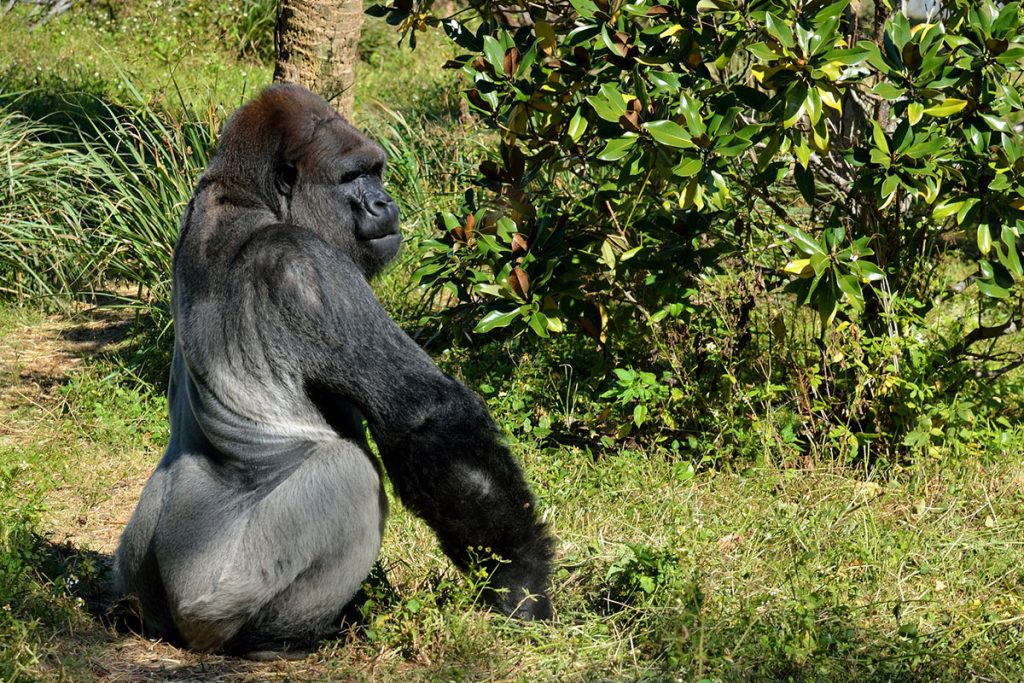
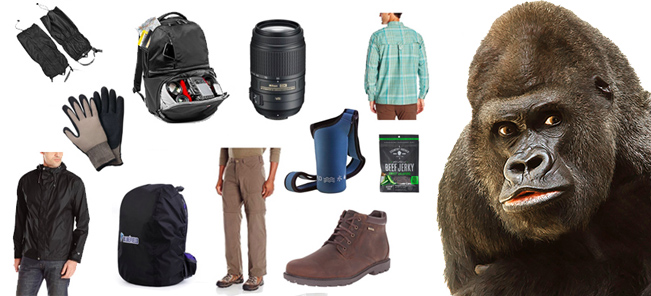
Kahuzi-Biega National Park’s Current Access and Security Situation
Everything above describes how Kahuzi-Biega functions, or has functioned, as a gorilla trekking destination. What follows is the part of this guide that matters most for anyone actually planning travel, and we’re going to state it as plainly as the facts warrant rather than the way a number of tour-operator websites currently present it.
Bukavu Has Been Under Armed Group Control Since February 2025
On 15 February 2025, the Rwanda-backed M23 armed group and its Alliance Fleuve Congo (AFC) coalition partners captured Bukavu, South Kivu’s provincial capital and the only realistic gateway city to Kahuzi-Biega National Park, days after also seizing Bukavu’s Kavumu airport. As of late August 2026, more than eighteen months later, Bukavu remains under M23/AFC control, and active fighting continues in the surrounding hills of South Kivu, including clashes near Kavumu airport, a rebel counteroffensive through Kalehe territory to the north, and skirmishes in the Uvira highlands to the south, tracked on a near-weekly basis by regional security monitors. A ceasefire monitoring mechanism, brokered in Doha with US mediation between Kinshasa and Kigali, produced a formal framework and a national dialogue that opened in Kinshasa in late August 2026, but on-the-ground fighting has not stopped, and the situation remains genuinely fluid in both directions.
What “Do Not Travel” Actually Means for This Park
The US State Department currently rates North and South Kivu provinces, home to Virunga National Park and Kahuzi-Biega National Park, respectively, at Level 4: Do Not Travel, its highest risk category, citing armed conflict, crime, kidnapping, and terrorism, and notes that the US government has extremely limited ability to provide consular assistance to citizens who travel there anyway. The UK Foreign Office and most other Western governments maintain comparably strict advisories for the same area. In practical terms, this situation means standard travel insurance is unlikely to treat a trip to the region as an ordinary, covered claim; international carriers and most reputable tour operators, Rwanda Gorilla Expeditions included, will not currently route travelers through Bukavu; and even on a day when a specific trekking trail inside the park might be locally quiet, reaching it still means transiting a province under an active Level 4 advisory. This is a meaningfully more serious situation than simply saying “check current conditions before you go”; it is closer to saying “this destination is not currently open to ordinary international tourism.”
A Note on Other Sources You’ll Find Online
If you research Kahuzi-Biega elsewhere, you’ll encounter a wide range of characterizations, some describing it as calm and safely managed, and occasionally even actively marketing bookable trips there right now. Some of that content predates the February 2025 capture of Bukavu or simply hasn’t been updated since; some of it is written by operators with a commercial incentive to downplay risk to close a booking. We’d rather lose an inquiry than mislead a traveler on a decision with real safety and financial consequences, so our position is straightforward: as of this writing, we do not recommend planning travel to Kahuzi-Biega National Park, and any operator offering a fixed-date itinerary there right now should be asked, directly and specifically, how they intend to get clients safely to and from Bukavu under current conditions.
How This Compares to Virunga National Park
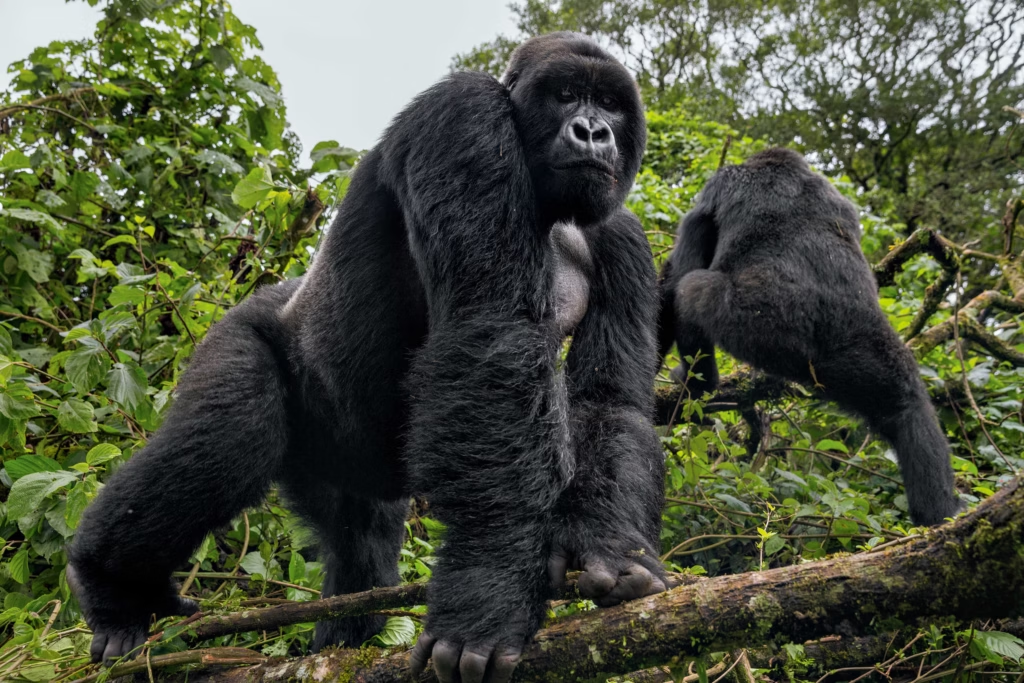
Some people sometimes confuse Kahuzi-Biega with Virunga National Park, DRC’s better-known gorilla park, which lies roughly 200 kilometers north near Goma in North Kivu. The two parks protect different gorilla subspecies: Grauer’s gorillas at Kahuzi-Biega and mountain gorillas at Virunga. They are located in different provinces, but both gateway cities, Bukavu and Goma, have been under M23/AFC control since 2025, and both provinces have the same Level 4 US advisory. Our Virunga Mountains guide covers the Virunga side of this picture in more depth, including how it relates to Rwanda’s and Uganda’s sectors of the same volcanic massif. Neither Congolese park should currently be treated as a bookable, fixed-date tourism destination.
|
Kahuzi-Biega National Park |
Virunga National Park |
| Province |
South Kivu |
North Kivu |
| Gateway city |
Bukavu |
Goma |
| Gateway captured by M23/AFC |
15 February 2025 |
27 January 2025 |
| Gorilla subspecies |
Eastern lowland (Grauer’s) |
Mountain gorilla |
| US State Dept. advisory (province) |
Level 4: Do Not Travel |
Level 4: Do Not Travel |
| Current tourism status |
Not currently bookable |
Not currently bookable |
Gorilla Permits, Costs, and Booking Logistics Under Normal Operating Conditions
The figures below describe how Kahuzi-Biega has historically operated and priced its gorilla permits, useful background for understanding the destination and for comparing it to Rwanda and Uganda, but they should be read as provisional, not bookable, given everything covered above. Treat any of these numbers as with a specialist operator directly before assuming they’re current.
Published permit prices for Kahuzi-Biega vary more than you’d expect from a single park, largely because the fee is set by a different authority than Rwanda’s or Uganda’s national tourism boards and has been reported inconsistently across tour operator websites over the years. Most sources converge on approximately USD 400 per person for a standard gorilla trekking permit, though quoted figures for non-resident foreigners range from roughly USD 250 to USD 500, with some operators pricing an extended gorilla habituation experience separately and higher. This compares to Rwanda’s fixed USD 1,500 permit and Uganda’s USD 800 permit for mountain gorilla trekking, a gap that reflects Kahuzi-Biega’s different cost structure and conservation financing model rather than a lesser experience.
What’s Typically Included
Under normal conditions, the permit fee generally covers park entrance, a ranger guide for the trek, and the one-hour observation period once your group reaches the assigned gorilla family. Porters, available locally for a modest daily fee, typically sit outside the permit price, as do ground transport, accommodation, and the DRC tourist visa, which most operators have historically arranged at or before the Bukavu border for roughly USD 100.
| Item |
Typical historical cost |
Notes |
| Gorilla trekking permit |
~USD 400 (range ~250-500) |
Figures vary by source; confirm directly before assuming any price is current. |
| Gorilla habituation experience |
Priced above standard trekking |
Not consistently offered; ask specifically |
| DRC tourist visa |
~USD 100 |
Historically arranged at or before the Bukavu border |
| Porter |
~USD 10-20 per trek |
Paid locally, in cash, separate from the permit |
Booking Timing and Group Size, Historically
Group sizes follow the regional standard of a maximum of eight visitors per gorilla family per day, and unlike Rwanda’s oversubscribed permit system, Kahuzi-Biega has not historically required the six-to-twelve-month advance booking window that Volcanoes National Park does; demand, even before the current conflict, was a fraction of Rwanda’s. That is obviously moot while the park is inaccessible, but it’s a useful data point for understanding how differently the two destinations have been positioned in the market.