
Behind-the-Scenes Gorilla Trekking Experience in Rwanda: Inside Volcanoes National Park’s Deepest Conservation Immersion.
Rwanda’s Behind-the-Scenes Gorilla Experience pairs travelers with primatologists & vets for up to 3 days in Volcanoes NP. Tell us your trek dates.
The Behind-the-Scenes Gorilla Trekking Experience is Rwanda’s most immersive mountain gorilla program: a private, multi-day itinerary inside Volcanoes National Park in which a group capped at three travelers spends up to three consecutive days working alongside the primatologists, veterinary doctors, and trackers who monitor Rwanda’s 24 habituated gorilla families, rather than the single supervised hour that defines a standard gorilla trekking permit. It is priced at approximately USD 15,000 per person for the gorilla-related component alone, a figure that sits above even Rwanda’s exclusive private-family permit, and it is built for a narrow, specific type of traveler: someone who has likely already trekked gorillas once, wants to understand the science and daily labor behind their conservation, and is not interested in a program shared with strangers.
This is not the same product as standard gorilla trekking, where up to eight visitors are matched to a family each morning for a strictly enforced one-hour visit at a fixed USD 1,500 permit fee. It is also a different product from Rwanda’s exclusive-use permit, which buys a group private access to one gorilla family for a single day, and from the standard gorilla habituation experience, a full day with up to four guests alongside trackers working with a family still being acclimatized to human contact. The Behind-the-Scenes Experience borrows elements of all three, extended access, small groups, and a research-grade lens, and stretches them across multiple days with a team that includes veterinary and primatology staff rather than a ranger guide alone.
What follows is a complete operational picture of the program: what actually happens across a typical three-day itinerary, who leads it, what it costs beyond the headline permit figure, how it compares to Rwanda’s other gorilla access tiers, and the real-world logistics, transfers, fitness demands, packing, timing, and booking lead time that a serious traveler needs before committing to it. Because this program sits at the very top of Rwanda’s gorilla tourism offering, the planning detail matters more here than for any other trekking format in the country
Plan Your Rwanda Safari
Start Planning a Private Gorilla Trek
Rwanda gorilla permits sell out months in advance. Secure your dates before the season closes.
What the Behind-the-Scenes Gorilla Trekking Experience Actually, it is
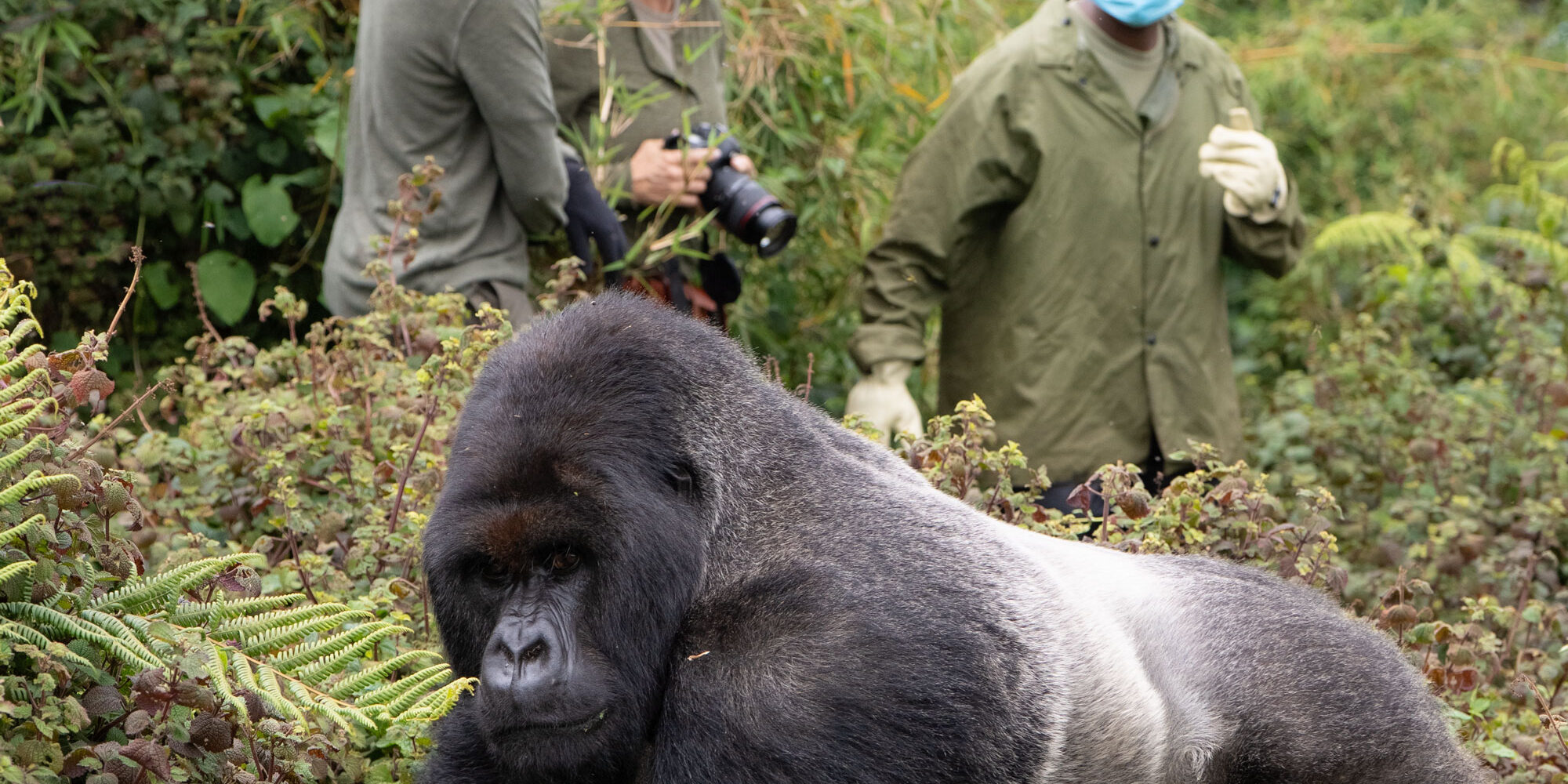
The Behind-the-Scenes Gorilla Trekking Experience is a private research-immersion program, not a longer version of a standard trek. Where an ordinary permit buys a fixed hour of supervised observation once trackers have located a fully habituated family, this program places a small group directly alongside the people doing the underlying conservation work: the primatologists conducting behavioral monitoring, the veterinary doctors who examine gorillas for injury, illness, or snare entanglement, and the field trackers who relocate each family from its previous night’s nest before dawn. The distinction matters because it changes what a day actually looks like. A standard trek is built around a single, tightly bounded encounter. This program is built around several days of proximity to an active conservation operation, of which gorilla observation is the centerpiece but not the entirety.
How It Differs from Standard Trekking and Exclusive Trekking
Rwanda now sells gorilla access across four distinct tiers, and confusing them is the single most common planning mistake serious travelers make. The table below sets out the practical differences.
| Experience | Group size | Duration | Price (per person) | Who leads it? |
| Standard trekking | Up to 8 | 1 hour with the family | USD 1,500 | Park ranger guide |
| Exclusive gorilla trekking | Your private group | 1 day, private family access | ~USD 15,000 total for the group | Ranger guide, no other visitors present |
| Behind-the-Scenes Experience | Up to 3 | Up to 3 consecutive days | ~USD 15,000 per person, treks only | Primatologists, veterinary doctors, trackers |
A useful way to think about the three tiers is as follows: standard trekking sells you an hour with the gorillas; exclusive trekking sells you privacy on a standard, fully habituated encounter; and the behind-the-scenes experience sells you time inside the conservation operation itself, spread across several days, at whichever families the veterinary and monitoring schedule that week actually requires attention. It is the only one of the four built around the park’s conservation team’s working rhythm rather than a single tourist encounter, and it is also the only one priced and structured in days rather than hours.
It is worth being direct about who this experience suits. It is not the right starting point for a first Rwanda trip; a traveler who has never stood in front of a mountain gorilla gets more value from a standard trek or from exclusive gorilla trekking if privacy matters more than budget. The Behind-the-Scenes Experience rewards travelers who already understand what a trek involves and specifically want the layer beneath it: the veterinary rounds, the habituation methodology, and the daily tracking discipline that keeps 24 families monitored across 160 square kilometers of forest every single day.
It is also worth separating this program from the loosely marketed “VIP gorilla experience” or “behind-the-scenes add-on” language that circulates across generic safari-booking platforms, most of which simply describes an exclusive permit with a nicer brochure. The distinguishing feature of Rwanda’s genuine Behind-the-Scenes program is structural, not cosmetic: it is built around access to the park’s own veterinary and research operation, coordinated directly with the staff who carry that work out, rather than a repackaged version of a product that already exists at a lower price. Travelers evaluating this experience against other operators’ marketing should ask specifically who leads each day and whether the itinerary is built around the park’s live conservation schedule or a fixed tourist script, since that distinction is where the genuine premium either exists or does not.
Where the Experience Takes Place: Volcanoes National Park and the Virunga Massif
The entire program runs inside Volcanoes National Park, Rwanda’s 160-square-kilometer sector of the Virunga Mountains in the country’s northwest, the same forest where the American primatologist Dian Fossey founded the Karisoke Research Centre in 1967 and began the patient, multi-year habituation process that every gorilla trek in the region is still built on. Every element of the trip briefings, veterinary check-ins, tracking updates, and the daily gorilla contact itself is coordinated from the park’s Kinigi headquarters, the same single-hub system that governs standard trekking, meaning the logistics you already know from a normal Rwanda gorilla trip largely carry over: one road in, one briefing point, and a ring of trailheads radiating out toward whichever families the day’s schedule involves.
The program is designed around ongoing park operations rather than a single scheduled visit, so it does not follow the family-by-family territory logic that dictates where standard trekkers end up on any given morning. A behind-the-scenes itinerary is far more likely to include time around families with active research or veterinary interest that week; historically documented groups such as Susa, with its direct lineage to Fossey’s original research, have long been priority families for this kind of extended access, though the specific families involved on any given program depend on the park’s live monitoring schedule and cannot be fixed months in advance the way a lodge reservation can.
Three Days Behind the Scenes: What Actually Happens
No two behind-the-scenes itineraries are identical, because the program follows the park’s genuine veterinary and monitoring calendar rather than a scripted tourist sequence, but the structure below reflects how a typical three-day program is built and what a traveler should realistically expect from each day.
Day One: Briefing, Orientation, and a First Contact
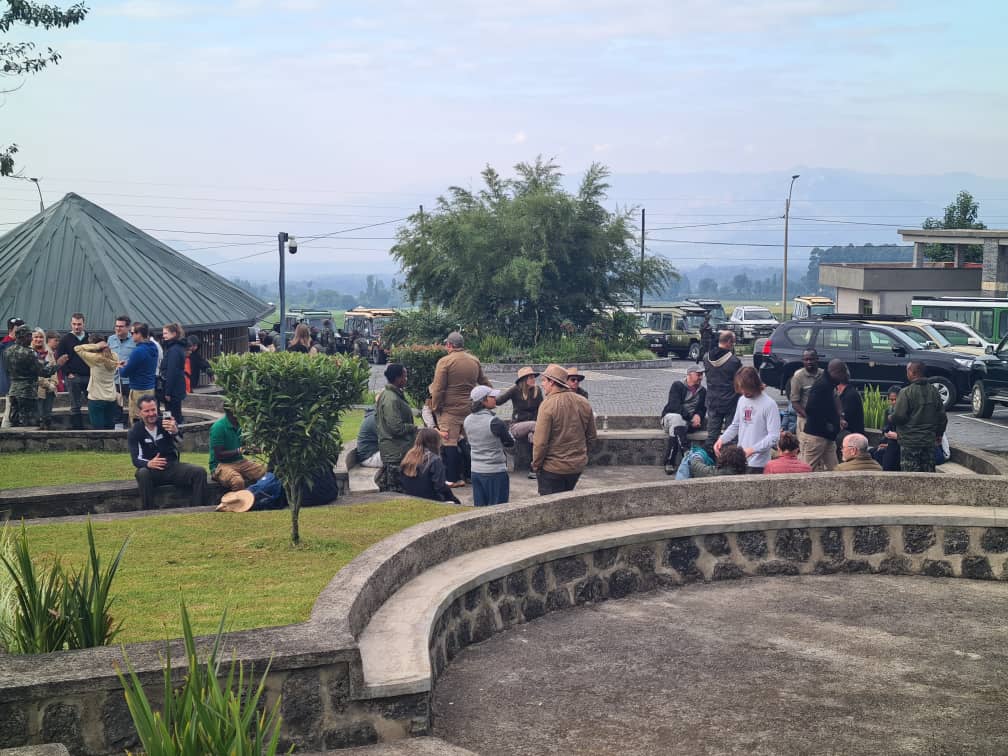
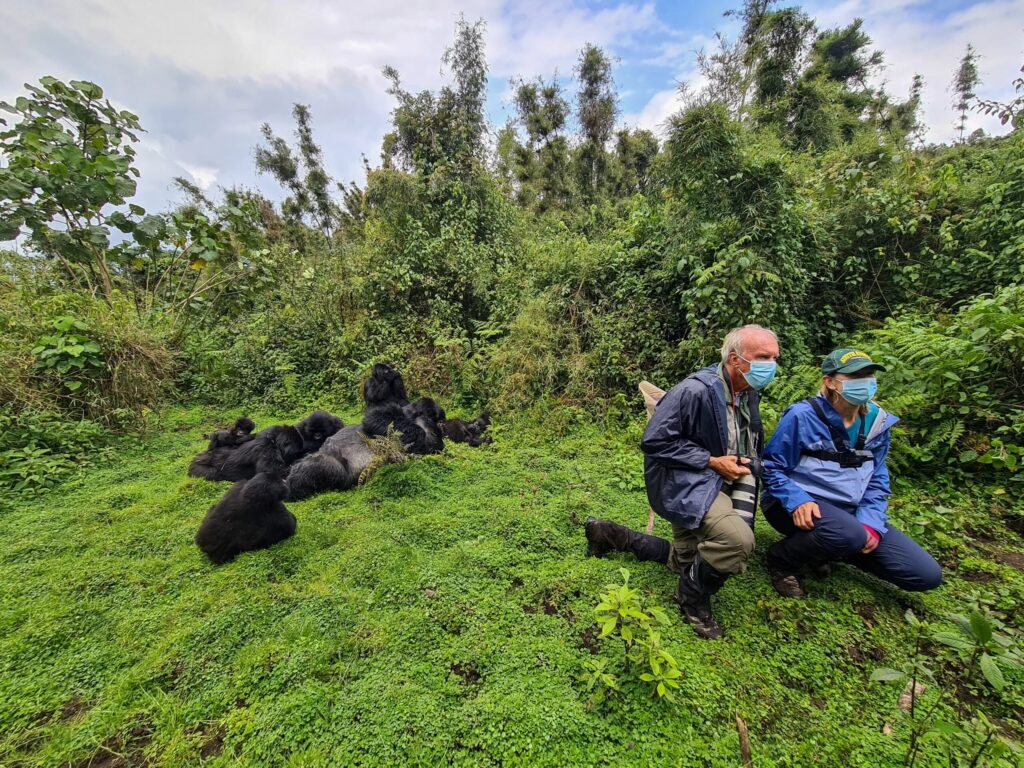
The first day opens much like a standard trekking morning: an early breakfast, a private transfer to Kinigi, and a 7:00 a.m. briefing, except that this briefing is conducted separately from the standard trekking groups and covers the structure of the program ahead rather than a single day’s rules. From there, the group is introduced to the field team, typically a park veterinary officer, a primatology researcher, and one or two senior trackers, before heading into the forest for the first gorilla contact of the program. Because the group is capped at three people, the pace is markedly different from a standard eight-person trek: more time to ask questions in the field, longer observation windows once the family is located, and direct explanation of specific behaviors as they happen rather than a general narration delivered to a larger group. Many first days also include a briefing on the history of the specific family involved, since several groups in Volcanoes National Park, including Susa and Titus, carry documented lineages stretching back to Dian Fossey’s original research decades ago.
Day Two: Veterinary Monitoring and Tracking Methodology
The second day shifts its focus toward the conservation science itself. Depending on the week’s veterinary schedule, this can include observing a routine health check on a family, a demonstration of how trackers use dung, footprints, and nest sites to relocate a family each morning before dawn, and a walk through the practical realities of snare removal patrols, a genuinely central part of conservation efforts at Volcanoes National Park given the poaching pressure that still affects the wider Virunga ecosystem. Time with the family itself remains part of the day, but it is framed within this broader operational context rather than as an isolated encounter. Travelers with a specific interest, veterinary medicine, primate behavior, anti-poaching operations, or the community revenue-sharing model that funds much of this work, can flag that interest in advance so the field team weights the day’s emphasis accordingly.
Day Three: Extended Observation and, Where the Program Allows, Habituation Access
The final day is typically built around the longest single observation period of the program and on itineraries with the right scheduling, including time with a family still in the habituation process, the same category of access sold separately as Rwanda’s standard habituation experience, but here folded into the wider multi-day program rather than booked on its own. This is often the day that most clearly separates the Behind-the-Scenes Experience from every other gorilla product in Rwanda: watching a family that has not yet fully accepted human presence, alongside the researchers actively doing that habituation work, is simply not available through any single-day permit at any price. The day closes with a debrief covering what the group has seen across the three days, a level of context and continuity that no single-day trekking product, however exclusive, can genuinely replicate.
Exact sequencing depends on the park’s live veterinary and research calendar in the week of travel. Once dates are set, Rwanda Gorilla Expeditions confirms the realistic shape of your specific three days, rather than promising a fixed script months in advance.
Plan Your Rwanda Safari
Start Planning a Private Gorilla Trek
Rwanda gorilla permits sell out months in advance. Secure your dates before the season closes.
Who You Trek With: Primatologists, Veterinarians, and the Karisoke Legacy
The defining feature of this program is who accompanies you. A standard trek is led by a single park ranger guide; the Behind-the-Scenes Experience adds veterinary and primatology staff whose day job is the ongoing health and behavioral monitoring of the park’s gorilla population, not visitor guiding. This is a meaningful distinction for a serious wildlife traveler: the questions you can ask and the depth of the answers you get shift from general natural history to specific, current, first-hand conservation practice.
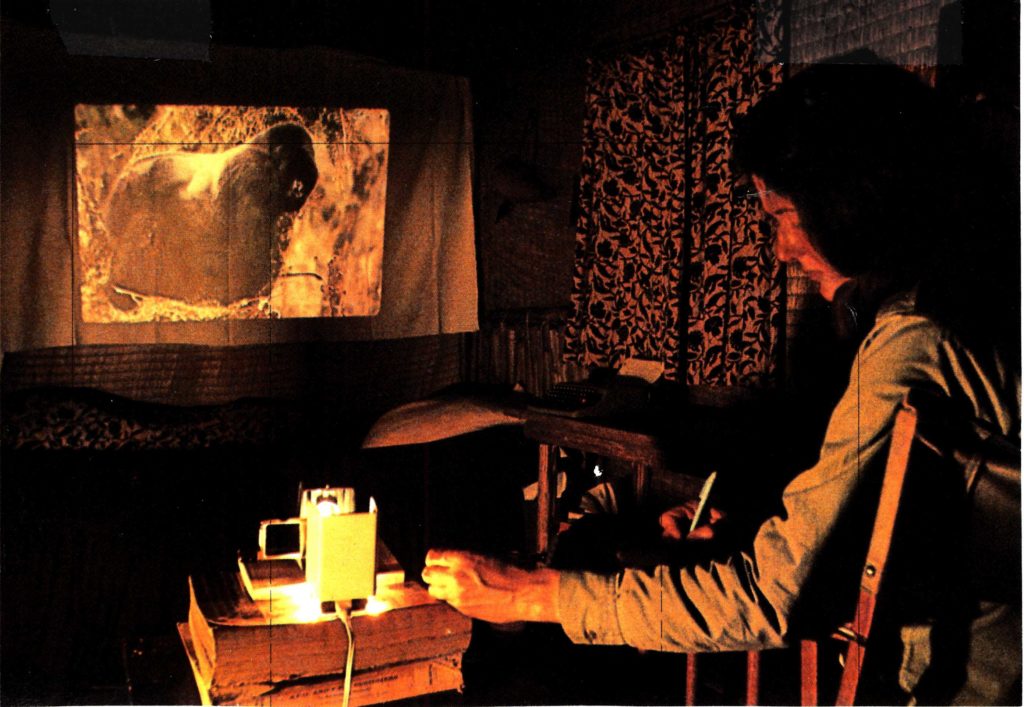
Dian Fossey at her study desk at Karisoke Research Center
That access has a direct historical lineage. Volcanoes National Park is where Dian Fossey established the Karisoke Research Centre in 1967, and the daily, patient habituation methodology she developed there underpins every gorilla encounter conducted in Rwanda today. The Dian Fossey Gorilla Fund, the organization she founded, continues active research and veterinary work in the Virunga Massif and opened the Ellen DeGeneres Campus near Musanze in 2022 as a modern research and education facility carrying that work forward. Programs like this one exist because that research infrastructure exists; a traveler on a Behind-the-Scenes Experience is, in a very direct sense, walking into the same working tradition Fossey started rather than a tourism product built around her legacy after the fact. Rwanda Gorilla Expeditions’ own conservation and research safari style covers how this kind of access is coordinated for travelers with a genuine interest in the science, and the wider Dian Fossey Gorilla Fund remains the authoritative source on the organization’s current research and veterinary programs in the region.
Real-World Logistics: Cost, Group Size, and Booking Timeline.
This is the section that determines whether the Behind-the-Scenes Experience is realistically achievable on your dates, and it deserves the same precision as the rest of a serious Rwanda itinerary.
What the Price Actually Covers
The approximately USD 15,000 per-person figure covers the gorilla-related program itself: access to the field team, the multi-day forest time, and coordination with the park’s veterinary and research schedule. It does not include accommodation, private ground transfers, international flights, travel insurance, tips and gratuities, or any additional park activities such as golden monkey trekking or a volcano hike. Because the program typically runs across two to three nights at minimum, and because the lodges within easy reach of Kinigi sit at the ultra-luxury end of Rwanda’s market, where nightly rates commonly run from roughly USD 1,000 to well over USD 2,000 per person, most travelers should budget total trip costs, program fee plus lodging, transfers, and incidentals, well above the headline figure. As a rough planning benchmark, a party of two booking the full three-day program alongside three nights at one of the ultra-luxury lodges near Kinigi, private transfers, and standard trip incidentals should expect a total trip cost in the region of USD 35,000 to USD 45,000 for the two of them combined, though the only reliable figure is the itemized quotation built around your specific dates and lodge choice. Rwanda Gorilla Expeditions provides a fully itemized quotation that covers every additional cost before booking, consistent with the pricing approach for every itinerary on this site.
Group Size and Why It Stays Small
The cap of three travelers is deliberate rather than a marketing figure. A group this size can move through the forest with less disturbance to the family being observed, spend meaningfully more one-on-one time with the veterinary and research staff than a standard eight-person trekking group ever could, and adapt in real time to whatever the day’s conservation work actually involves. This is also why the program cannot be booked as a shared or part-filled group the way a standard permit sometimes can; a behind-the-scenes booking is for your own private party of up to three, in full.
How Far in Advance to Book
Because the program depends on coordinating field team availability alongside gorilla permits, plan to secure dates at least six months ahead, and closer to nine to twelve months for June-to-September or December-to-January travel, when both standard permits and the small number of ultra-luxury rooms near Kinigi are under the same seasonal pressure. Rwanda Gorilla Expeditions checks live availability directly rather than working from a fixed booking calendar, since a program built around real veterinary and research scheduling genuinely cannot be confirmed the way a standard trekking date can.
Getting There: From Kigali to Kinigi
Every Behind-the-Scenes itinerary begins the way every Volcanoes National Park trip does: a landing at Kigali International Airport, followed by a private road transfer of roughly two to two-and-a-half hours, covering approximately 100 to 110 kilometers, to the park’s Kinigi headquarters and the lodge cluster immediately around it. There is no scheduled domestic flight or rail alternative to this route; every transfer runs by road, in a private vehicle with an experienced driver-guide, which Rwanda Gorilla Expeditions arranges as standard for every guest regardless of which gorilla program they have booked.
Because the program runs across multiple consecutive days rather than a single trekking morning, most travelers on a behind-the-scenes itinerary choose to overnight in Kigali on arrival rather than attempting a same-day connection straight into the forest, particularly on long-haul flights landing in the afternoon or evening. This also allows for a buffer night in the capital on departure, which is useful given how physically and intellectually full the three days in the park tend to be.
Fitness, Health, and Who This Experience Is Really For
Physical demands across a three-day program are cumulative rather than concentrated into a single trek, which is a genuinely different consideration from standard trekking fitness planning. A single gorilla trek can run anywhere from thirty minutes to five hours of walking depending on where the family is located that morning; across three consecutive days, even moderate daily treks add up to a meaningfully more demanding total than a one-off visit, and travelers should plan and train accordingly rather than assuming that because any single day looks manageable, the full program will feel the same by day three.
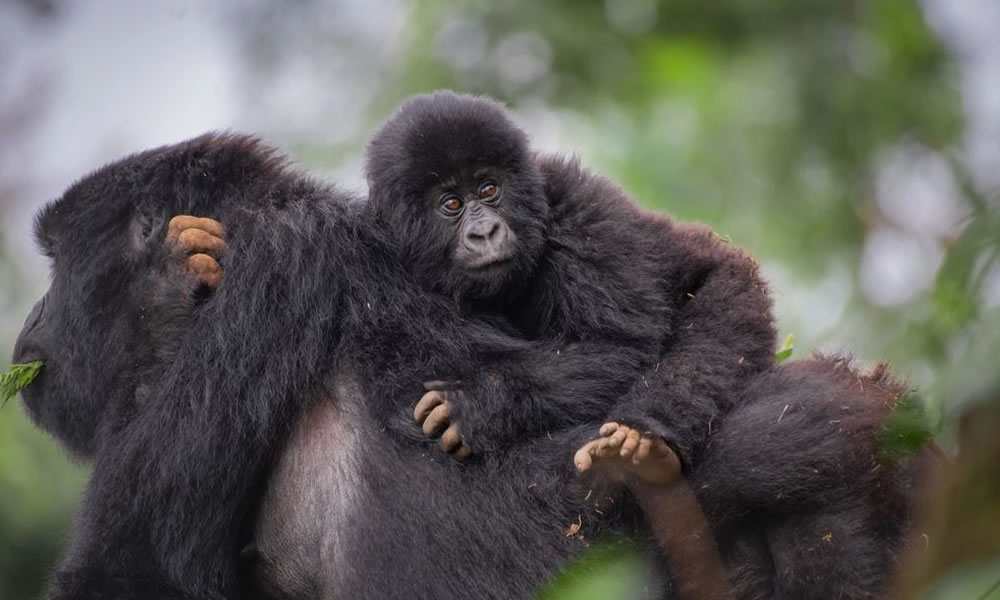
The same minimum age rule that governs all Rwandan gorilla trekking applies here without exception: participants must be at least 15 years old, a rule set by the Rwanda Development Board to protect gorillas from childhood illnesses and reflecting the genuine physical demands of forest trekking. Beyond age, the program suits travelers in solidly good general health and reasonable hiking condition; anyone with cardiovascular, respiratory, or joint concerns should discuss the cumulative multi-day demand specifically with their doctor before booking, since the experience is a materially different physical commitment from a single trekking day, however well the standard trek itself might be managed.
In practice, the traveler profile that gets the most from this program is narrower than for standard or even exclusive trekking: repeat Rwanda visitors, serious wildlife photographers and filmmakers, conservation donors and researchers, and honeymooning or milestone-anniversary couples for whom depth and privacy both matter more than efficiency. Rwanda Gorilla Expeditions’ broader safari styles guide covers how a program like this fits alongside photography-, honeymoon-, and conservation-focused travel more generally.
Plan Your Rwanda Safari
Start Planning a Private Gorilla Trek
Rwanda gorilla permits sell out months in advance. Secure your dates before the season closes.
What to Pack and Wear for a Multi-Day Program
Packing for the Behind-the-Scenes Experience starts from the same base kit required for any Volcanoes National Park trek: layered clothing in dark, neutral tones (olive, khaki, or grey, never bright colors or white), waterproof ankle-supporting trekking boots with aggressive tread, a packable waterproof outer layer, and gardening or lightweight work gloves for pushing through dense vegetation, but it needs to be packed for repetition across three consecutive forest days rather than a single outing.
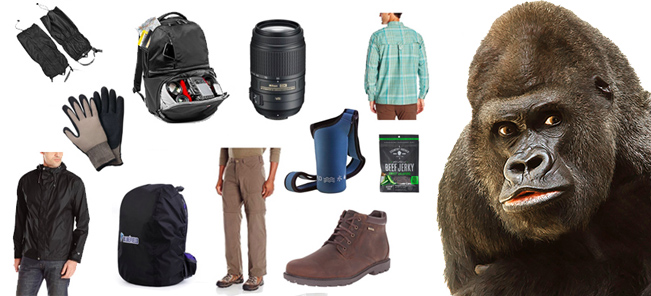
That means at least two full changes of trekking clothing, since forest conditions and sweat make same-day reuse genuinely uncomfortable by day two; a slightly larger daypack capacity to carry at least two liters of water plus snacks for each full day; spare camera batteries and memory cards sufficient for three days of shooting, since flash photography remains prohibited throughout and charging options near Kinigi are limited; and gaiters, either packed or hired at the briefing center, to manage the stinging nettles and wet undergrowth that Volcanoes National Park’s near-90-percent share of Rwanda’s total rainfall makes a near-daily feature of the trails. A hat, sunscreen, and insect repellent round out the essentials, and cash in small US dollar denominations is worth carrying for porter fees and tips across all three days, since card facilities remain limited at the park headquarters.
Where to Stay: Pairing the Program With Rwanda’s Finest Lodges
A multi-day program built around this level of investment deserves accommodation to match, and the lodge cluster immediately around Volcanoes National Park is, by any global standard, exceptional. Singita Kwitonda Lodge sits directly against the park boundary with a guiding team deeply versed in the wider Virunga ecology; Wilderness Bisate occupies a reforested former hillside where golden monkeys are frequently visible from individual villas; One&Only Gorilla’s Nest delivers the brand’s signature polish in gardens designed as a deliberate counterpoint to the physical and intellectual intensity of the days ahead; and Wilderness Sabyinyo Silverback Lodge, a community-owned property at the base of the range’s oldest volcano, adds a documented, direct community-benefit dimension that many travelers on a conservation-focused program specifically value.
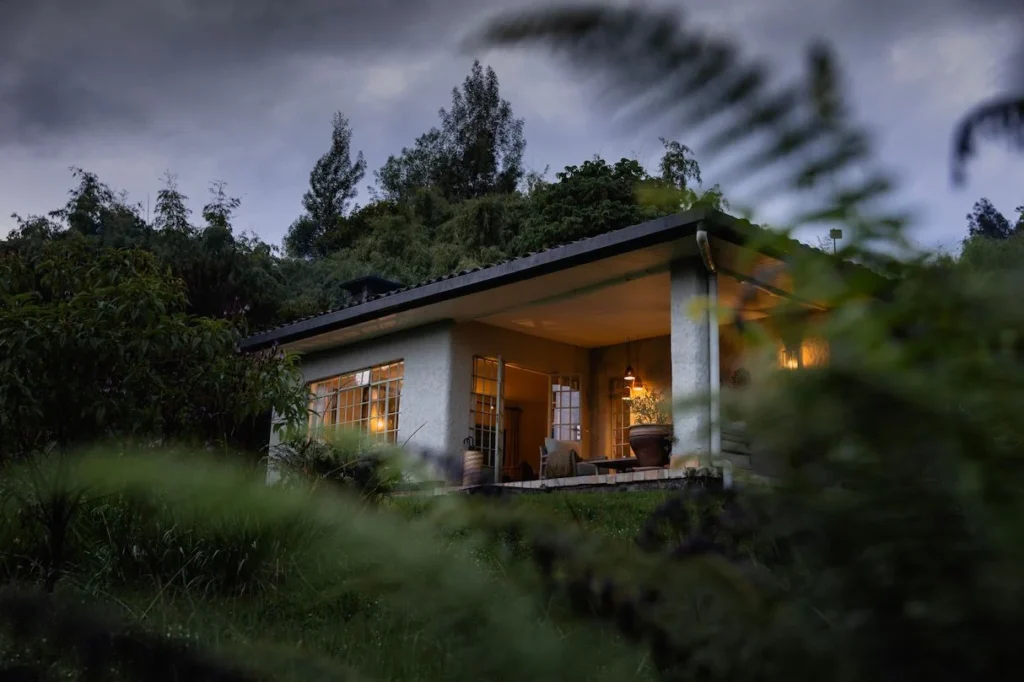
Wilderness Sabyinyo Lodge
Because the program runs two to three nights at minimum, and because the small number of suites at each of these properties sell out even further ahead than gorilla permits during June-to-September and December-to-January peak periods, lodge availability should be confirmed in the same conversation as the program itself rather than treated as a secondary booking step. Rwanda Gorilla Expeditions matches lodge choice to the specific rhythm of a multi-day itinerary, factoring in early departures, veterinary-schedule-dependent timing, and the value of a property positioned to make each pre-dawn Kinigi transfer as short as possible.
The Conservation Story Behind the Program: Why It Exists at All
In 1981, the global mountain gorilla population had fallen to an estimated 254 individuals, a number low enough that extinction within a generation was a realistic near-term outcome rather than a distant hypothetical. The reversal since then, to a population now estimated at over 1,000, is the direct result of conservation-tourism revenue funding anti-poaching patrols, veterinary monitoring, and community programs that changed the economic relationship between surrounding villages and the forest. The Behind-the-Scenes Experience sits at the top of that funding structure: its price point reflects genuine access to the operational core of that conservation work, not a marketing premium layered onto a standard product.
Understanding this context changes how most travelers experience the program itself. Watching a veterinary check-in on a gorilla recently freed from a poacher’s snare, or hearing a tracker explain how a family’s overnight nest site is read each dawn, is a materially different kind of encounter from a scheduled hour of observation, and it is precisely the layer of Rwanda’s conservation story that the gorilla families guide and the broader gorilla trekking guide can only describe rather than deliver directly.
Best Time of Year for a Multi-Day Behind-the-Scenes Program
Because the program depends on both gorilla and lodge availability alongside the park’s veterinary and research schedule, seasonal timing matters more here than for a standard one-day trek. The long dry season, June through September, offers the firmest trails and the most predictable conditions for three consecutive forest days, but it is also the period of tightest competition for the handful of ultra-luxury suites near Kinigi, making nine-to-twelve-month lead times genuinely necessary rather than merely advisable.

The short dry season, December through February, is a strong alternative with broadly similar trail conditions and marginally easier lodge availability. The two rainy windows, March through May and October through November, bring muddier, more physically demanding trails across three consecutive days, a real consideration given the cumulative fitness point above, but also markedly quieter parks and a deeper, more vivid forest that many photographers and repeat visitors specifically choose the rains to capture. Rwanda’s permit and program pricing does not vary by season, so the seasonal decision here is entirely about trail conditions, crowd levels, and lodge availability rather than cost.
Combining the Experience with the rest of Rwanda and East Africa is a natural next step.
Few travelers who commit to a behind-the-scenes Experience treat it as the entirety of their trip, and Rwanda’s compact geography makes extending the itinerary genuinely straightforward. Within Rwanda, the natural pairing is a Big Five circuit through Akagera National Park in the east, roughly two-and-a-half hours from Kigali, or a chimpanzee-focused extension into Nyungwe Forest National Park in the southwest, home to thirteen primate species and Africa’s highest canopy walkway. Both extensions add a genuinely different ecosystem to a trip otherwise concentrated entirely on the Virunga highlands, and both are covered in full within the broader Rwanda safaris guide.
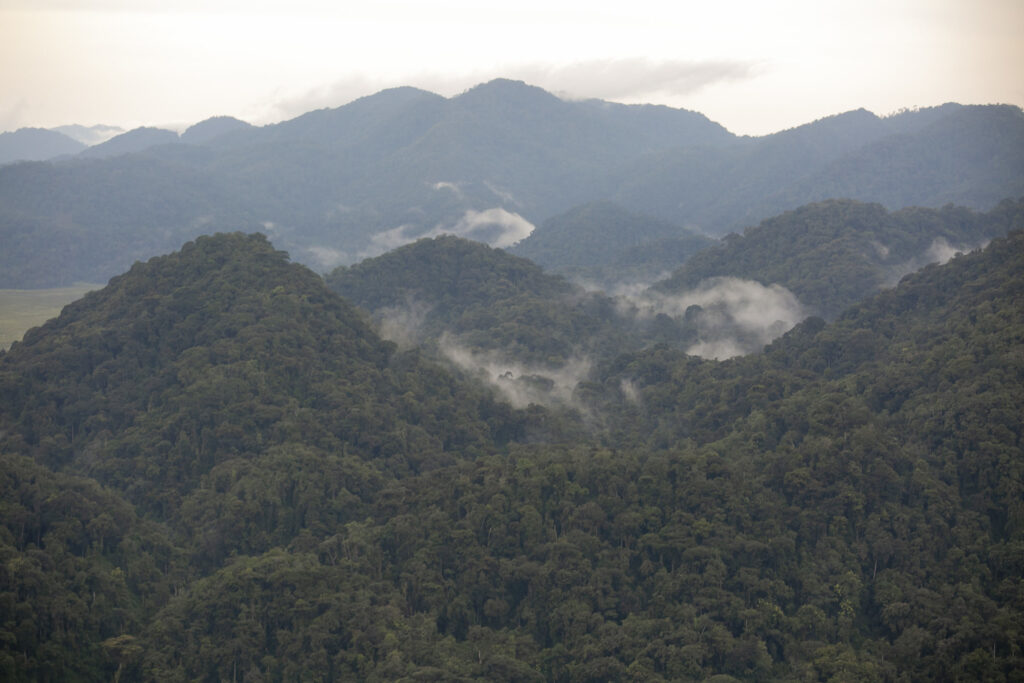
Nyungwe Forest National Park
For travelers who want a direct point of comparison, some choose to pair a behind-the-scenes Experience in Rwanda with a standard trek across the border in Uganda’s Bwindi Impenetrable Forest, which has a genuinely different forest character and price point, both covered in detail in the Rwanda versus Uganda gorilla trekking comparison. Given the intensity of three consecutive days in the field, most travelers are better served scheduling any additional park time either before the program, as a gentler acclimatization, or afterward, as recovery, rather than immediately alongside it.
A smaller number of travelers use the Behind-the-Scenes Experience as the anchor of a broader East African circuit, flying onward from Kigali to add Kenya’s Masai Mara or Tanzania’s Serengeti and Ngorongoro Crater once the Rwanda program concludes. This sequencing, primates first, open-plains game viewing second, tends to work better than the reverse, since the intense, forest-based focus of a multi-day gorilla program is a natural first chapter rather than an afterthought tacked onto a savannah-heavy trip. Whatever the wider circuit looks like, the planning principle that matters most is the same one that governs every gorilla itinerary in this region: confirm the gorilla dates first, since they are the least flexible element of any trip, and build flights, border crossings, and additional parks around them rather than the other way around.
Plan Your Rwanda Safari
Start Planning a Private Gorilla Trek
Rwanda gorilla permits sell out months in advance. Secure your dates before the season closes.
Frequently Asked Questions About the Behind-the-Scenes Gorilla Trekking Experience.
What is the Behind-the-Scenes Gorilla Trekking Experience in Rwanda?
The Behind-the-Scenes Gorilla Trekking Experience is a private, multi-day program in Volcanoes National Park in which a group of up to three travelers spends up to three consecutive days alongside the primatologists, veterinary doctors, and trackers who monitor Rwanda’s 24 habituated gorilla families. It differs from standard trekking, which grants a single supervised hour with a family, by focusing on the underlying conservation and research work rather than one bounded encounter. The program is priced at approximately USD 15,000 per person for the gorilla-related component alone. It sits at the top of Rwanda’s gorilla access tiers, above both exclusive private trekking and the standard habituation experience.
How much does the Behind-the-Scenes Gorilla Trekking Experience cost?
The program costs approximately USD 15,000 per person for the gorilla-related component of the trip, covering access to the field team and multi-day forest time across the itinerary. This figure does not include accommodation, private transfers, international flights, travel insurance, or tips, which we itemize separately. Because the program typically runs two to three nights at the ultra-luxury lodges near Kinigi, the total trip cost is meaningfully higher than the headline figure once lodging and transfers are added. Rwanda Gorilla Expeditions provides a complete, itemized quotation covering every cost before you book.
How is this different from a standard gorilla trekking permit?
A standard gorilla trekking permit costs USD 1,500 per person and grants a fixed one hour of supervised observation with a habituated family, led by a single park ranger guide, after trackers locate the family that morning. The Behind-the-Scenes Experience runs across up to three consecutive days, caps the group at three travelers rather than eight, and is led by primatologists and veterinary doctors rather than a ranger alone. The two products serve different purposes: standard trekking delivers the core gorilla encounter efficiently, while the Behind-the-Scenes Experience delivers extended access to the conservation operation itself.
How is it different from Rwanda’s gorilla habituation experience?
Rwanda’s standard gorilla habituation experience costs USD 1,500 per person, allows up to four guests, and runs for a single full day with a family still being acclimatized to human presence. The Behind-the-Scenes Experience extends this same category of research-grade access across up to three consecutive days rather than one, caps the group at three rather than four, and adds veterinary monitoring and broader conservation-operation access on top of habituation-style observation. Some behind-the-scenes itineraries incorporate a day with a still-habituating family as one part of the wider three-day program.
How is it different from exclusive or private gorilla trekking?
Exclusive gorilla trekking, priced at approximately USD 15,000 for the whole group, buys a private party sole access to one fully habituated gorilla family for a single day, with a standard park ranger guide and no other visitors present. The Behind-the-Scenes Experience is priced per person rather than per group at a similar headline figure, runs across up to three consecutive days rather than one, and is led by primatologists and veterinary staff rather than a ranger guide alone. Exclusive trekking sells privacy on a standard encounter; the Behind-the-Scenes Experience sells extended time inside the conservation operation itself.
How many people can join the Behind-the-Scenes Experience?
The program is capped at three travelers per group, and it is booked as a private party rather than a shared or part-filled group. This cap is deliberate: a group this size moves through the forest with less disturbance to the gorilla family, and it allows meaningfully more direct time with the veterinary and research staff than a standard eight-person trekking group could ever get. Larger parties should plan on the standard or exclusive trekking tiers instead or discuss a custom multi-group arrangement directly with the team.
How many days does the Behind-the-Scenes program last?
The core program runs for up to three consecutive days inside Volcanoes National Park, though some itineraries extend further depending on the park’s live research and veterinary schedule at the time of travel. A typical structure covers an orientation and first gorilla contact on day one, veterinary monitoring and tracking methodology on day two, and extended observation, sometimes including habituation-family access, on day three. Exact sequencing is confirmed once your travel dates match the park’s current schedule.
Do I really meet primatologists and veterinary doctors on this program?
Yes. Unlike standard trekking, which is led by a single park ranger guide, the Behind-the-Scenes Experience places your group directly alongside the primatologists, veterinary doctors, and senior trackers who carry out Volcanoes National Park’s ongoing gorilla health and behavioral monitoring. Depending on the week’s schedule, this can include observing a routine veterinary check-in on a family, a walkthrough of overnight tracking methodology, and direct explanation of specific gorilla behaviors from researchers rather than a general guide narration.
Where does the behind-the-scenes Experience take place?
The entire program runs inside Volcanoes National Park in northwestern Rwanda, the same 160-square-kilometer sector of the Virunga Mountains where Dian Fossey founded the Karisoke Research Centre in 1967. All logistics are coordinated through the park’s Kinigi headquarters, the same single hub that governs standard trekking, though the specific gorilla families involved in a given program depend on the park’s live veterinary and monitoring schedule rather than a fixed daily assignment.
How do I book the Behind-the-Scenes Gorilla Trekking Experience?
Booking starts with a direct conversation about your travel dates, since the program depends on coordinating field team and veterinary schedule availability alongside gorilla access, not just a standard permit calendar. Rwanda Gorilla Expeditions checks real-time availability directly rather than working from a fixed booking system, confirms the realistic shape of your specific three days, and provides a complete, itemized quotation covering the program, lodging, and transfers before you commit to dates.
How far in advance should I book?
Plan on securing dates at least six months ahead, and closer to nine to twelve months for travel during the June-to-September or December-to-January peak periods, when both gorilla access and the small number of ultra-luxury suites near Kinigi face the heaviest seasonal demand. Because the program depends on coordinating veterinary and research scheduling in addition to standard permit availability, earlier enquiry genuinely widens what is achievable on your preferred dates.
What is included in the price, and what isn’t?
The approximately USD 15,000 per-person figure covers the gorilla-related program itself: field team access, multi-day forest time, and coordination with the park’s veterinary and research schedule. It excludes accommodation, private ground transfers, international flights, travel insurance, park activities such as golden monkey trekking or a volcano hike, and tips or gratuities. Rwanda Gorilla Expeditions itemizes every additional cost, including lodging at the ultra-luxury properties most travelers choose near Kinigi, in a single transparent quotation.
How fit do I need to be for a multi-day program like this?
Fitness demands are cumulative across three consecutive days rather than concentrated into a single trek, which is a materially different consideration from standard trekking. A single day’s walk can range from thirty minutes to five hours depending on where the relevant family is located, and across three days even moderate daily treks add up to a meaningfully greater total physical demand. Travelers with cardiovascular, respiratory, or joint concerns should discuss the cumulative multi-day commitment specifically with a doctor before booking, and everyone should train for repeated forest days rather than a single outing.
What is the minimum age for the Behind-the-Scenes Experience?
The minimum age is 15 years old, the same rule that governs all gorilla trekking in Rwanda without exception, set by the Rwanda Development Board to protect gorillas from childhood illnesses and to reflect the genuine physical demands of forest trekking. This applies across all three days of the program. Families travelling with younger children can consider golden monkey trekking or a Big Five game drive in Akagera National Park as alternatives with no minimum age.
What should I pack for a multi-day behind-the-scenes program?
Pack the same base kit required for any Volcanoes National Park trek: dark, neutral layered clothing; waterproof ankle-supporting boots; a packable waterproof jacket; and gloves for dense vegetation, but plan for repetition: at least two full changes of trekking gear, spare camera batteries and memory cards for three days of shooting, gaiters for near-daily rain, and cash in small US dollar denominations for porter fees and tips across all three days. Flash photography remains prohibited throughout the program, exactly as it is on standard treks.
Can I combine this experience with the rest of a Rwanda safari?
Yes, and most travelers do. The most common pairings are a Big Five extension into Akagera National Park, roughly two-and-a-half hours from Kigali, or a chimpanzee-focused stay in Nyungwe Forest National Park in the southwest. Given the physical and intellectual intensity of three consecutive days in the field, most travelers schedule any additional park time either before the program as acclimatization or afterward as recovery, rather than immediately alongside it.
Plan Your Rwanda Safari
Start Planning a Private Gorilla Trek
Rwanda gorilla permits sell out months in advance. Secure your dates before the season closes.
Ready to Go Behind the Scenes?
The Behind-the-Scenes Gorilla Trekking Experience is, by design, not a program you book off a shelf; it depends on matching your travel dates against the park’s live veterinary and research schedule, the handful of ultra-luxury suites near Kinigi, and a private group cap of three, all coordinated by a team that works inside Volcanoes National Park every day rather than from a fixed brochure. Rwanda Gorilla Expeditions specializes in exactly this kind of precision planning, from the flagship three-day program covered in this guide through to standard, exclusive, and habituation-tier trekking for every other stage of a Rwanda journey. Tell us your dates, and we’ll check permit availability within a few minutes, and we’ll build the rest of your itinerary, lodges, transfers, and any additional parks around it. Get in touch with our team to start the conversation.