Chimpanzee Trekking in Rwanda: The Complete Guide to Nyungwe Forest, Permits, Costs, and the Best Time to Go.

Chimpanzee trekking in Rwanda is done in Nyungwe Forest for a USD 150 permit and one hour with wild chimps. Plan your trek with local experts today.

One hour with wild eastern chimpanzees in one of Africa’s oldest rainforests, for roughly a tenth of the price of a gorilla permit, and an entirely different kind of wild encounter.

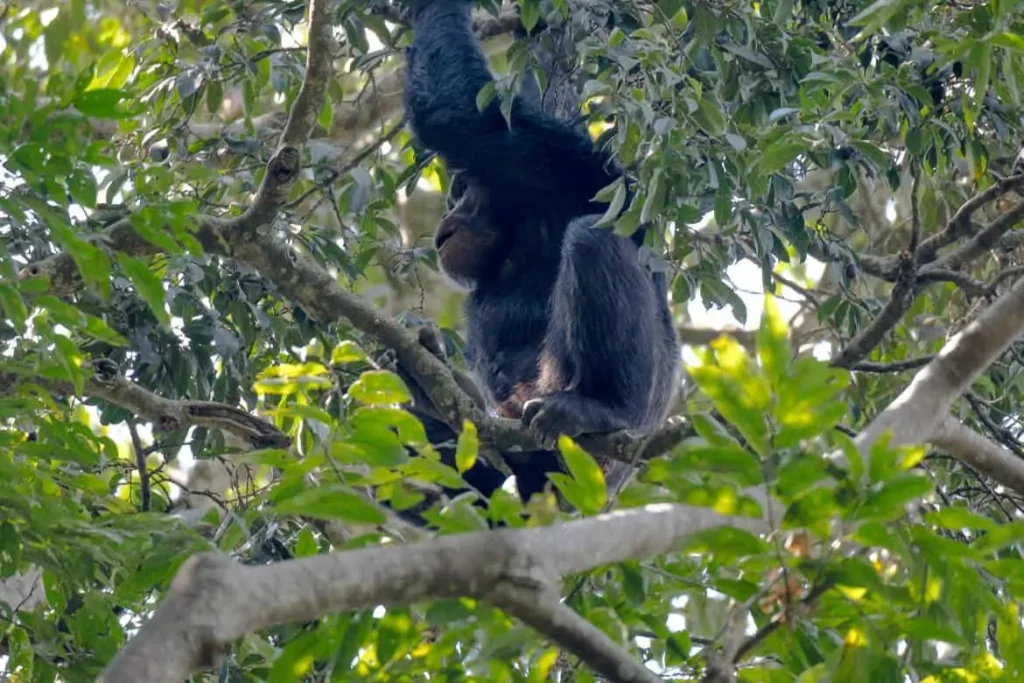
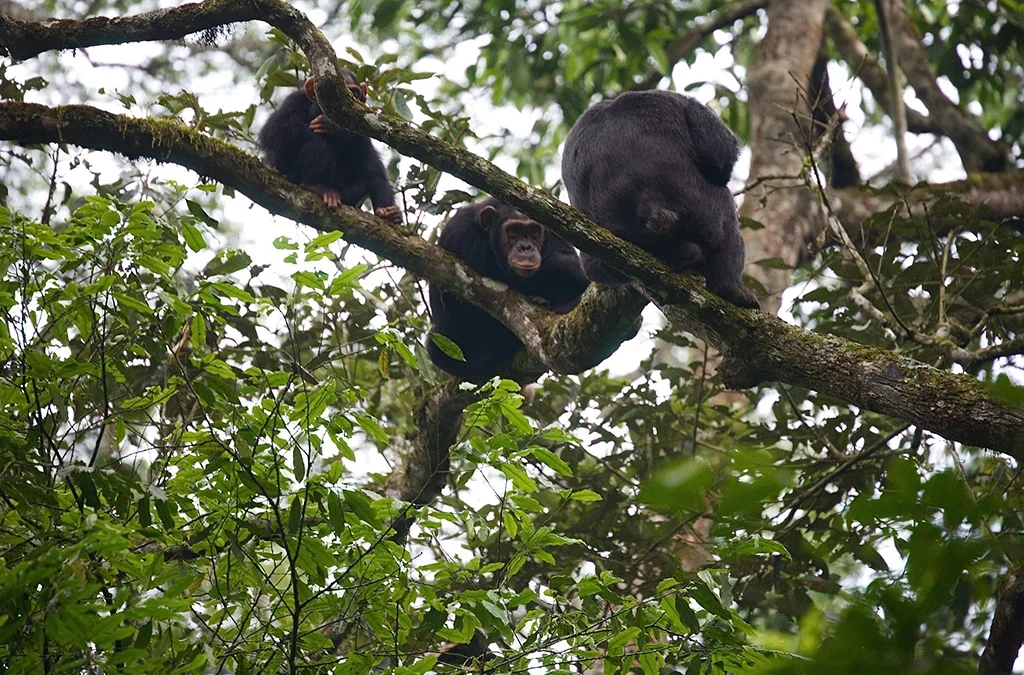
Chimpanzee trekking in Rwanda takes place in Nyungwe Forest National Park in the far southwest of the country, where a ranger-led walk through montane rainforest leads to a habituated chimpanzee community and a strictly regulated hour of observation. The activity costs USD 150 per person for international visitors, begins before dawn, and can last anywhere from one to five hours depending on where the chimpanzees spent the night. Nyungwe protects two habituated communities open to visitors: the Uwinka community of roughly 60 individuals in the main forest block and the smaller Cyamudongo community of roughly 30 in a detached forest fragment that guides consider the most reliable sighting in the park. Unlike mountain gorillas, which move slowly and are tracked to a known position, chimpanzees travel constantly and are found largely by sound, so the experience is more dynamic, more physical, and less predictable. The minimum age is 15, permits are issued by the Rwanda Development Board, and the best planning rule is to book at least two to three months ahead and to stay a minimum of two nights.

Chimpanzee Trekking in Rwanda: Nyungwe Permits, Cost & Tips

Chimpanzee trekking is the part of a Rwanda safari that travelers most often under-plan. Gorilla permits attract all the attention, but a well-designed primate itinerary treats Nyungwe as a destination in its own right: UNESCO inscribed the park as Rwanda’s first natural World Heritage Site in September 2023; it holds 13 primate species, more than 300 recorded bird species, and the only forest canopy walkway in East Africa, and it sits inside a landscape of tea estates, Lake Kivu, and genuinely world-class lodges. Done properly, a chimpanzee trek here is not a consolation prize to the gorillas. It is the loudest, most alive hour of the journey.

Permits are limited — spaces fill months ahead

Reserve Your Private Gorilla Trek

Speak with a Rwanda-based specialist today. We secure permits, match you to the right gorilla family, and plan every detail around your schedule.

No group departures · Private itineraries only · Direct Rwanda expertise

What Is Chimpanzee Trekking in Rwanda?

Chimpanzee trekking in Rwanda is a guided, permit-controlled wildlife activity in which a small group of visitors follows park rangers and trackers on foot to find a habituated community of wild eastern chimpanzees (Pan troglodytes schweinfurthii) and spends one hour observing them. The word “habituated” is the key. Over several years, researchers and trackers visit a community daily, at a calm and consistent distance, until the animals accept human presence without alarm or aggression. That is what makes it possible to sit within a respectful distance of wild apes in their forest, and it is also what makes the experience tightly regulated: the hour limit, the small group size, the age minimum, and the permit price all exist to protect animals that share roughly 98 to 99 percent of their DNA with us and, with it, a vulnerability to our diseases.

Why Nyungwe’s chimpanzees matter

Eastern chimpanzees are endangered on the IUCN Red List, and Nyungwe is one of the most important strongholds for their future in the Albertine Rift. UNESCO’s evaluation of the park cites a population of more than 300 chimpanzees and describes the site as one of the most significant natural habitats for the eastern chimpanzee, which is part of why the World Heritage Committee inscribed Nyungwe in 2023. Some tour pages quote higher numbers; we use UNESCO’s figure because it is the one a reader can verify. The IUCN World Heritage Outlook adds that snare hunting continues inside the park and that management relies partly on rangers and ecoguards recruited from former hunters, a detail worth keeping in mind when you meet the people who walk you through the forest, and it rates the site’s conservation outlook as fair with some concerns.

How chimpanzees live, and what that means for your trek

Chimpanzees live in large communities that split and recombine through the day into smaller foraging parties, a pattern scientists call fission-fusion. This is the single most important fact for understanding a trek. A gorilla family is a cohesive, slow-moving unit led by a silverback, so trackers who follow its trail the previous evening can usually locate it at dawn. A chimpanzee community is a shifting crowd: subgroups of a few individuals or a dozen may feed in separate fruiting trees, call to one another across the valley, and merge again by afternoon. Chimpanzees are also largely fruit eaters, which means their movements follow the fruiting calendar of figs and other forest trees more than any fixed range. When you hear guides say that a trek can take one hour or five, this is the biological reason.

7-Day Luxury Rwanda Safari: Nyungwe, Kivu & Gorillas

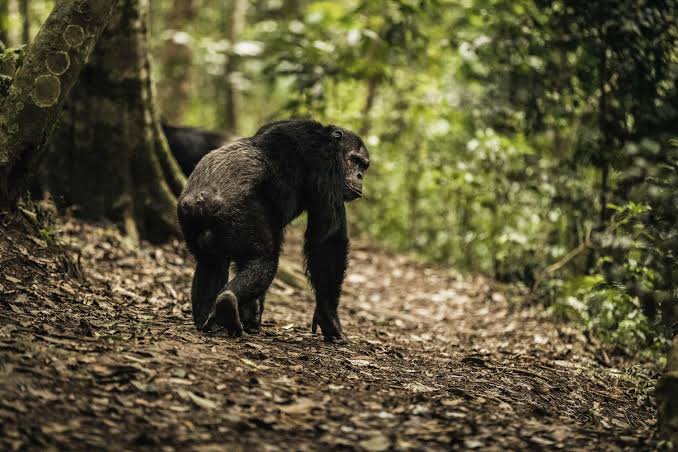
Chimpanzees also build a fresh nest of bent branches each night, travel on all fours on the ground, and swing and climb with astonishing speed in the canopy, and communicate with a repertoire that includes the pant-hoot, a rising, escalating call that carries for hundreds of metres. In practice, your first contact with a Nyungwe chimpanzee is often auditory: a hoot echoing down a valley, answered from the opposite slope, long before a single animal is visible.

How it differs from gorilla trekking

Both activities are one hour, both are permit-controlled, and both start with a ranger briefing, but the character is different. Gorilla trekking is a slow, intimate meeting with a family that largely ignores you; chimpanzee trekking is a fast, noisy, sometimes frantic pursuit of animals that are actively working through their day. Gorillas are located by following known trails and are rarely more than a few hours away. Chimpanzees are located by ear, and a fast-moving party can outpace a trekking group entirely. The permit is correspondingly different: USD 150 for chimpanzees versus USD 1,500 for mountain gorilla trekking in Rwanda. Most travellers who do both find the gorilla encounter more emotional and the chimpanzee encounter more thrilling, and nearly all agree the two experiences complement each other.

Where Can You Trek Chimpanzees in Rwanda?

Chimpanzee trekking in Rwanda is reliably available in one place, Nyungwe Forest National Park, with a second, much newer option in Gishwati-Mukura National Park that remains more research-led and less predictable. Everything else you may read about chimpanzees in Rwanda comes back to these two forests, and understanding the difference saves you from planning the wrong trip.

Nyungwe Forest National Park: the main destination

Nyungwe is a 1,020-square-kilometer montane rainforest in southwestern Rwanda, bordering Burundi’s Kibira National Park and running along the eastern edge of the Lake Kivu catchment at elevations of roughly 1,600 to 2,950 meters. The forest has been under some form of protection since 1903, when it was declared a forest reserve, and it became a national park in the mid-2000s. Its age is the reason for its richness: botanists and geologists believe the forest has existed in something close to its current form for well over a million years, surviving the climate swings of the last Ice Age. The park shelters 13 primate species, the largest number of any park in Rwanda, and its streams feed both the Nile and the Congo river systems. For the full destination profile, including details on birdlife, waterfalls, and the geography of the forest, see the section below.

Within Nyungwe, two habituated chimpanzee communities are open to visitors, and the choice between them is the single most important planning decision for your trek.

The Uwinka community in the main forest

The Uwinka community numbers around 60 individuals and ranges across the heart of Nyungwe near the Uwinka visitor center, which also serves as the park headquarters and the starting point for the canopy walkway. The terrain is rugged, the forest is dense, and the community is large, so it can range widely and quickly. Treks here may involve several hours of vigorous hiking to catch up with a party that has moved on, and sightings can take longer to secure than at Cyamudongo. The reward is immersion: you walk through the oldest, tallest, and most atmospheric part of the forest, with Angola colobus, blue monkeys, and forest birds overhead before you even reach the chimpanzees. Briefings generally begin around 5:00 to 5:30 a.m. at the reception center.

The Cyamudongo community: the more reliable sighting

Cyamudongo Forest, Nyungwe Forest National Park

Cyamudongo is a small, physically detached fragment of forest roughly 34 kilometers from the Gisakura park office, now surrounded by tea plantations and farmland. Its habituated community of around 30 chimpanzees is widely regarded by local guides as the most reliable sighting in the park, because the small forest limits how far the group can travel before trackers relocate it. The trade-off is logistics. Cyamudongo is reached by a rough drive of about 90 minutes from Gisakura, which means a pre-dawn departure, typically between 4:30 and 5:00 a.m., and a 4×4 vehicle is strongly recommended for the access road. Travellers prioritising a high probability of a good sighting over a longer sleep almost always choose Cyamudongo, while those who prefer the grandeur of the main forest and accept more uncertainty choose Uwinka.

Factor Uwinka community Cyamudongo community Gishwati-Mukura
Approximate size About 60 chimpanzees About 30 chimpanzees About 25, semi-habituated
Location Main Nyungwe forest block Detached forest fragment, about 34 km from Gisakura Gishwati sector, near Lake Kivu and the Congo-Nile divide
Access Short transfer from Gisakura or Uwinka About 90 minutes on a rough track; 4×4 advised Road transfer from Rubavu, Karongi, or Musanze
Sighting reliability Sighting reliability is rated as good but the terrain can lengthen the trek. Generally the most consistent in Rwanda Variable; still shy and being habituated
Typical start Around 5:00 to 5:30 a.m. Departure around 4:30 to 5:00 a.m. Early morning, arranged on request
Best suited to Forest immersion and the canopy walkway Travellers who want the highest chance of a sighting Travellers adding a lesser-visited park to a Rwanda circuit

Gishwati-Mukura National Park: Rwanda’s emerging option.

Gishwati-Mukura is Rwanda’s newest and smallest national park, created by merging two heavily fragmented forests, Gishwati and Mukura, through a buffer zone, and the Gishwati sector formally opened to visitors in December 2021. Its main primate attraction is a troop of roughly 25 semi-habituated chimpanzees, along with golden monkeys and L’Hoest’s monkeys. Independent reviewers note that the chimpanzees and golden monkeys there are still shy while habituation continues, so sightings are much less assured than in Nyungwe, and the experience is closer to a guided forest walk with a chance of primates than a dependable trek, as noted in this SafariBookings expert review of Gishwati-Mukura. There is also no single published tariff comparable to Nyungwe’s USD 150, and operators price visits case by case.

Chimpazee Treks in Gishwati

Our recommendation is straightforward. If chimpanzees are the point of your trip, build around Nyungwe. If you already plan to be near Lake Kivu or Rubavu and want a quieter, community-linked day in a rebuilding forest, Gishwati-Mukura National Park is a worthwhile and honest extra, as long as you treat the primates as a bonus rather than a promise.

Why you cannot trek chimpanzees in Volcanoes or Akagera

A common planning mistake is assuming you can see chimpanzees wherever you see gorillas. They cannot. Volcanoes National Park holds mountain gorillas and golden monkeys but no chimpanzees, and Akagera, Rwanda’s Big Five savannah park, has neither. Chimpanzee trekking requires a deliberate journey southwest to Nyungwe, which is why it deserves its own days in the itinerary rather than a rushed single-night stop.

Plan Your Rwanda Safari

Start Planning a Private Gorilla Trek

Rwanda gorilla permits sell out months in advance. Secure your dates before the season closes.

What Happens on a Chimpanzee Trek: A Morning in Nyungwe.

A chimpanzee trek in Nyungwe follows a consistent sequence: a pre-dawn start, a ranger briefing, a guided walk guided by sound and tracker reports, up to one hour with the chimpanzees, and a return to the lodge by late morning or early afternoon. The details below reflect how the morning typically runs for our guests, and they will help you judge whether you are suited to the early start.

Before dawn: the start and the briefing

Your driver-guide collects you from your lodge in the dark. For Uwinka, the drive to the reception center is short, and your briefing is from around 5:00 to 5:30 a.m. For Cyamudongo, the departure is typically between 4:30 and 5:00 a.m., and the drive on a rough track takes about 90 minutes, so a packed breakfast and a flask of coffee are standard. At the briefing, rangers explain the rules, the likely terrain, and the expected trek length and assign you to a group. Your guide will have flagged your fitness and any mobility concerns in advance. A porter can be arranged here for USD 10 to 15 plus a tip, and we recommend one for Cyamudongo in particular.

On the trail: finding chimpanzees by ear

Trackers have usually been in the forest since first light, working from the previous evening’s nest sites and listening for contact calls. They relay their positions to your guide by radio. Then the walk becomes a lesson in forest craft. Experienced Nyungwe guides stop, tilt their heads, and wait for the pant-hoot, then decide whether the party is feeding, travelling, or resting before committing to a route. A practical tip not found in brochures: when your guide stops and falls silent, you should also stop and be quiet. The fastest way to lose a chimpanzee party is a group that keeps talking while the guide is listening. The terrain involves steep, slippery slopes, stream crossings, and low roots, and the forest floor is damp even in the dry season.

The hour with the chimpanzees
Luxury Rwandan Primate Safari | 8-Day Chimps, Gorillas & Monkeys

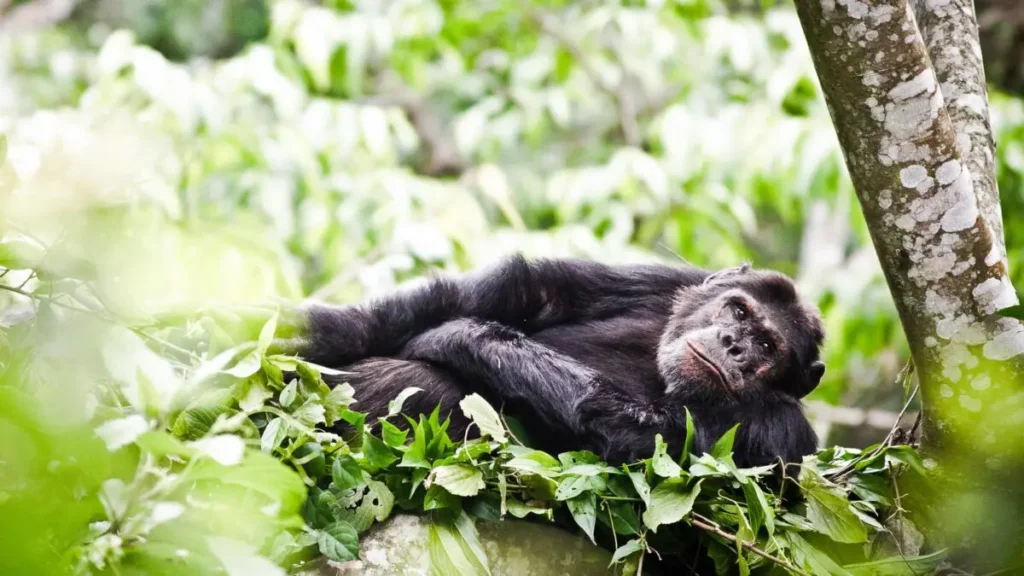
When trackers confirm the party’s position, you leave bulky bags with your guide or porter and approach quietly. From that point you are allowed one hour at a respectful distance. What you see depends on the day. On a good morning you may find chimpanzees feeding in a fruiting fig at eye level, grooming in family clusters, juveniles wrestling and tumbling, and adult males displaying with sudden, startling charges. On a more frustrating morning, the chimpanzees may stay high in the canopy, glimpsed through gaps in the leaves, with the most memorable moments being the sounds: branches cracking, fruit dropping through the foliage, and calls rolling across the valley. Both mornings are authentic, and your guide will help you understand what you are seeing.

Rules of conduct around chimpanzees

Rangers will brief you on the rules and enforce them without compromise. Visitors keep a minimum distance that is larger than for gorillas, stay together as a group, never touch or feed the animals, do not eat or drink in their presence, and speak quietly. Flash photography is prohibited. Because chimpanzees are susceptible to human respiratory illnesses, anyone with a cough, cold, or flu may be refused entry to the trek without a refund, and rangers may ask you to wear a face mask near the animals. If a chimpanzee approaches, stay calm, avoid direct eye contact, and let the ranger direct you; adult males sometimes charge as a display and then move on.

After the trek

You walk back out, often by a different route, and are usually at the lodge by late morning or by early afternoon for a longer Cyamudongo day. A late lunch, a shower, and a quiet afternoon are the sensible reward, and most guests find that a massage or a walk through the tea plantation is precisely what the legs want. Because the day starts so early, we do not schedule other major activities on the same afternoon.

How Difficult Is Chimpanzee Trekking in Rwanda?

Chimpanzee trekking in Nyungwe is moderately demanding: physical effort is comparable to a medium-length gorilla trek at Volcanoes National Park, but the duration is less predictable and the terrain is wetter and more slippery. Treks last from about one hour to five hours of walking; the trails climb and descend through forest at roughly 2,000 to 2,500 meters, and the Cyamudongo option adds a very early start and a long drive on top of the walk.

Terrain, altitude, and weather

Nyungwe is steeper, wetter, and more slippery underfoot than most travelers expect from a rainforest at this latitude. Trails follow ridges and drop into stream valleys, roots and mud are constant, and it rains in some form on the majority of days regardless of season. Altitude is a modest factor rather than a serious one: the Uwinka area sits at about 2,500 meters, so you will notice the thinner air on steep sections but rarely struggle with it, unlike at the higher elevations of the volcano slopes. Mornings can be genuinely cold, in the low teens Celsius or below, before warming quickly once the sun clears the canopy, so layers matter.

Fitness level and who should think twice

A reasonable level of fitness is enough: you should be comfortable walking for three to four hours on uneven ground with some steep sections. Regular hiking or brisk hill walking in the weeks beforehand is the best preparation. The honest caveat is that the chimpanzees, not the schedule, decide the length of a trek. A fast-moving party can require sustained effort, and travellers with significant mobility limitations, heart or breathing conditions, or severe knee and balance problems should discuss options with us before booking. Cyamudongo, with its smaller forest, can often mean a shorter walk once you arrive even though the drive is more demanding, which is the kind of nuance a specialist operator should explain to you.

Age limits and accessibility

The minimum age for chimpanzee trekking in Rwanda is 15, in line with gorilla trekking. There is no formal upper age limit, and we regularly guide travellers in their seventies who are in excellent walking condition. Porters are strongly recommended for anyone who is not in regular training: for a modest fee they carry your daypack, steady you on slippery sections, and provide direct income to a local household. Walking sticks are available at the park.

Chimpanzee Trekking Permits in Rwanda: Cost, What’s Included, and How to Book

A chimpanzee trekking permit in Rwanda costs USD 150 per person for international visitors, issued by the Rwanda Development Board, and it covers park entry, an assigned ranger guide, and one hour with a habituated community. Foreign residents in Rwanda are reported to pay USD 75 and East African citizens USD 25. The permit is a fraction of the USD 1,500 charged for mountain gorillas, which is why chimpanzees are among the best-value primate additions to any Rwanda itinerary.

Full cost breakdown for a chimpanzee trek

Item Typical cost per person Notes
Chimpanzee trekking permit (international) USD 150 Issued by the Rwanda Development Board. Covers park entry, ranger guide, and one hour with the chimpanzees.
Nyungwe canopy walkway USD 40 This activity is a separate fee and requires a separate booking, payable whether or not you trek chimpanzees that day.
Porter (optional, recommended) USD 10 to 15 plus tip Hired at the park. Particularly useful for Cyamudongo.
Additional Nyungwe Park entry Reported at about USD 100 for one night, USD 150 for two Some third-party operators list a per-night entry fee on top of the permit. We confirm exact charges for your dates before quoting.
Luxury lodging near Nyungwe Roughly USD 500 to 2,000 per person per night at the top end of the Rwanda market One&Only Nyungwe House is at the premium end.
Private vehicle and driver-guide Included in our packages A 4×4 is strongly advised for the Cyamudongo road.
Gratuities USD 20 to 30 per day for your guide; smaller amounts for rangers, trackers, and porters Guidance only; your guide will advise on the day.

What the permit does not include

The permit does not include accommodation, transfers, meals, porters, the canopy walkway, or tips. Travellers occasionally arrive assuming one permit covers both the chimpanzee trek and the canopy walk, and it does not: they are priced and booked separately, and same-day canopy slots can be limited in peak season. When we build a Nyungwe itinerary, both bookings are confirmed in writing before you travel.

How far in advance to book

Chimpanzee permits are issued in limited numbers per day across the habituated communities. Our own Nyungwe guidance puts the daily allocation at about two dozen permits. That is far smaller than the pressure on gorilla permits, but permits can still sell out in the June to September and December to January peak periods, so booking two to three months ahead is a sensible minimum for fixed dates, and earlier is better if you want a specific day relative to your gorilla trek. The most important coordination is not with the chimpanzee permit itself but with your lodge and your gorilla date: the finest properties around Nyungwe and Volcanoes can fill before permits do.

Who issues permits and how booking works

All chimpanzee permits are issued by the Rwanda Development Board and are normally purchased through a licensed tour operator, who pays the RDB in full to confirm your date. With us the process is short: you tell us your travel dates, fitness level, and preferred community, we check live availability and hold the permits, and you receive a written confirmation with every fee itemized. Permits are issued in the name on your passport, so spelling matters, and they are generally non-transferable and non-refundable once confirmed, which is a further reason to settle your dates before you pay.

Best Time for Chimpanzee Trekking in Rwanda

The best time for chimpanzee trekking in Rwanda depends on whether you prioritize firm trails or settled chimpanzees: the dry seasons of June to September and December to February give the easiest walking, while the wetter months of March to May and October to November can actually improve sightings because food is abundant and chimpanzee communities range less widely. Nyungwe is open and trekkable all year, and no month is a poor choice if you pack well.

Best time for gorilla trekking.

Why the rainy season can be better for chimpanzees

Safari planning habits teach travelers to treat the dry season as always superior, and for most Rwanda activities, that is a good rule. Chimpanzees are an exception worth knowing about. During the long rains of March to May and the shorter rains of October and November, fruit is abundant across the forest, and chimpanzee communities tend to stay closer to their core range rather than travel long distances to find fruiting trees. Several Nyungwe guides specifically recommend the wetter months for this reason. The June to August period also coincides with heavy fig fruiting in parts of the forest, which provides another excellent window for activity. In other words, food drives chimpanzee success in Nyungwe as much as weather does.

Season-by-season guide

Season Months Weather Trails and roads Chimpanzee notes Crowds and value
Long dry season June to September Driest. Nyungwe about 12 to 22°C (54 to 72°F), cold dawns Firmest trails; best road conditions for the long transfers Fig fruiting in parts of the forest; good activity Peak. Permits and lodges sell out early. Highest rates.
Short dry season December to February Dry and bright, similar temperatures Good trails and roads Reliable; less competition for permits than mid-year Busy but easier availability. Strong value for quality.
Long rains March to May Wettest. Cool, misty, frequent heavy showers Muddy, slippery trails; waterproofs and porters are essential Abundant food can keep chimpanzees closer to their core range. Quietest. Lowest lodge rates. Lush forest.
Short rains October to November Lighter, more intermittent rain Mostly manageable; delays after heavy showers Similar food advantage to the long rains Shoulder season. Good availability and value.

Month-by-month considerations

January and February are reliably bright and cool, with some of the best trekking conditions of the year and noticeably easier lodge availability than July. March and April are the heart of the long rains, with the greenest forest and the fewest visitors; book now if you want the chimpanzees to yourselves and are happy to trade comfort for atmosphere. May is a transition month where rains begin to ease. June through September is the classic window: clear skies, the firmest trails, and the busiest calendar, with early September overlapping Kwita Izina, the gorilla-naming ceremony at Volcanoes National Park, which adds pressure on lodges. October and November bring shorter showers and rapidly improving availability, and December returns to the bright, dry pattern ahead of the festive peak.

For a first Rwanda primate safari, we recommend June to September or December to February if you want the simplest logistics, and late October to November or March to May if you want fewer people, richer forest, and, for chimpanzees specifically, communities that may be easier to find. Whichever you choose, build in a buffer: staying at least two nights in Nyungwe means that if a first attempt is cut short by weather or a fast-moving party, you still have a second morning in hand.

Chimpanzee Trekking in Rwanda vs Uganda and Tanzania.

Rwanda offers a lower-cost, better-supported, and more compact chimpanzee trek than most alternatives, while Uganda offers more places and larger populations, and Tanzania offers a far more remote and expensive experience in the Mahale Mountains and Gombe. Which is right for you depends on your budget, your route, and how much uncertainty you will accept.

Rwanda versus Uganda

Uganda is the other premier East African chimpanzee destination, with trekking in Kibale Forest, Budongo Forest near Murchison Falls, Kyambura Gorge, and Kalinzu. Kibale in particular holds a much larger population, commonly cited at around 1,500 chimpanzees, and has been tracking visitors since the 1990s. The trade-off is price and distance. Kibale’s tracking permit is around USD 250 for foreign non-residents, and the Ugandan authority has reportedly announced a revision to USD 300 from 1 January 2027, which is roughly double Rwanda’s USD 150. Uganda also offers a chimpanzee habituation experience in Kibale that allows a much longer period with a community still being habituated, at a higher permit price, and Rwanda has no equivalent standard offering in Nyungwe.

Where Rwanda wins is infrastructure, cost, and convenience. The roads to Nyungwe are paved, the lodges around Gisakura are among the finest in the region, and a Nyungwe chimpanzee trek fits naturally into the same road circuit as the gorillas of Volcanoes National Park, which sits only four to six hours away. If you are also weighing where to see gorillas, our guide to Rwanda versus Uganda gorilla trekking sets out the cost, permit, and logistics differences in detail, and many of our guests combine the two countries through the Cyanika border crossing.

Destination Permit (international) Approx. population Character
Nyungwe, Rwanda USD 150 More than 300 (UNESCO) Montane rainforest; two habituated communities; canopy walkway; luxury lodges
Kibale, Uganda About USD 250; reported USD 300 from 2027 About 1,500 Large, well-established tracking; habituation experience available
Budongo, Uganda About USD 130 Several hundred Combined easily with Murchison Falls safaris
Kyambura Gorge, Uganda About USD 100 Small community Short walk in a dramatic gorge in Queen Elizabeth National Park
Gishwati-Mukura, Rwanda No single published tariff About 25 semi-habituated Emerging and less predictable

Tanzania: Mahale and Gombe

Tanzania’s Mahale Mountains and Gombe Stream, on the shore of Lake Tanganyika, offer the most remote and storied chimpanzee experiences on the continent, with Gombe forever tied to the research of Jane Goodall. They require flights, boat transfers, and a very high budget, so they suit travelers building a dedicated primate expedition rather than adding chimpanzees to a gorilla trip. Rwanda’s Nyungwe is far more efficient for the typical luxury traveller who wants to combine gorillas, golden monkeys, and chimpanzees in a single week.

How to Get to Nyungwe Forest and Where to Stay

Nyungwe is about 225 kilometers and roughly five hours by road from Kigali and about four to six hours from Volcanoes National Park via the scenic Lake Kivu road, with a small airstrip at Kamembe offering a faster charter option. Because the drive is long, most travelers treat the transfer as part of the safari rather than a cost of reaching it.

From Kigali

The usual route runs southwest through Muhanga and Nyanza to Huye, then on to Gisakura on the western edge of the forest. The drive is the best introduction to rural Rwanda: terraced hillsides, cyclists hauling goods along the verges, and tea estates rising to meet the forest. Two stops reward the time spent. At Nyanza, the reconstructed royal palace introduces Rwanda’s monarchy and its long-horned Inyambo cattle. In Huye, the National Museum of Rwanda is widely regarded as the country’s finest. Allow about five hours of driving plus stops, and plan to arrive in the afternoon so that you have time to settle before an early start.

From Volcanoes National Park via Lake Kivu

From the gorilla country around Musanze, the road west to Nyungwe follows the ridges above Lake Kivu through Rubavu and Karongi. The distance is long enough that a lakeside lunch, or better still an overnight on the water, turns the transfer into one of the highlights of the journey. Driving time is roughly four to six hours depending on road conditions, stops, and any works. Our itinerary design usually places Nyungwe before the volcanoes so that the gorillas come as the finale, but the route works in either direction.

By air to Kamembe

A small domestic airstrip at Kamembe, near Cyangugu, cuts the journey from Kigali to roughly an hour by air, but scheduling depends on charter availability and should be confirmed well ahead of travel. For travellers with tight schedules or those who want to avoid a full day of driving at either end, a charter into Kamembe followed by a road transfer of about two hours can be worthwhile.

Where to stay near Nyungwe
One&Only Nyungwe House

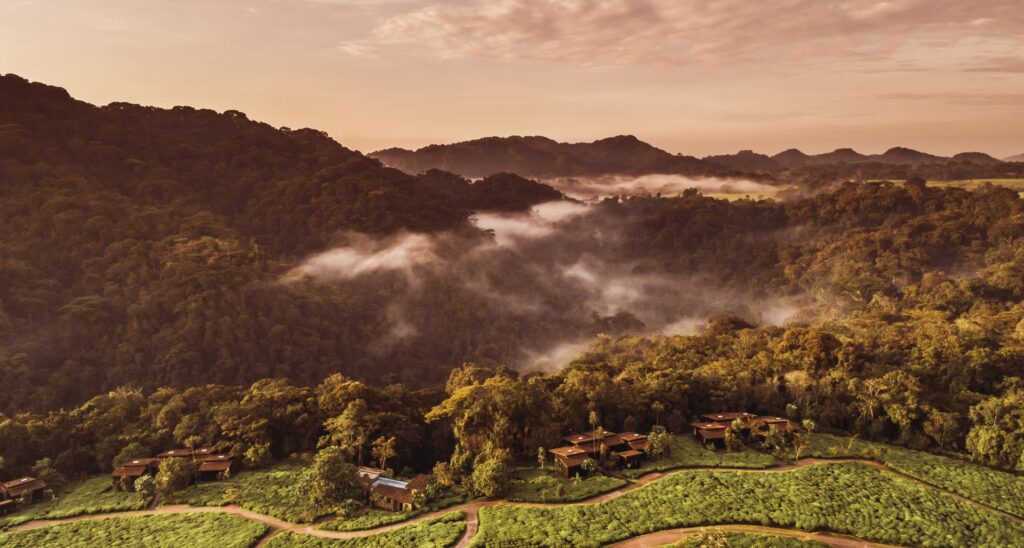
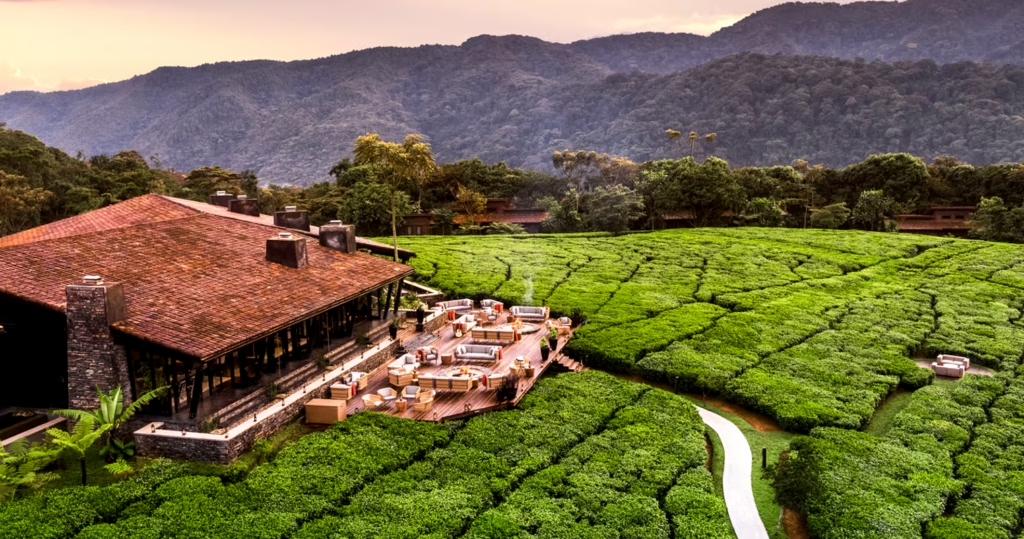
Most accommodation clusters around Gisakura on the western edge of the forest, within a manageable transfer of both the Uwinka reception area and the Cyamudongo access road. One&Only Nyungwe House is the standout luxury property, built on a working tea estate at the forest’s edge, with suites that open onto the plantation and a position that makes early departures easy. For comfortable mid-range stays, Nyungwe Forest Lodge and Nyungwe Top View Hill Hotel both sit near Gisakura and offer forest or valley views at a lower price point. Travellers building a longer circuit often add a night on the shore of Lake Kivu between Volcanoes and Nyungwe. We recommend at least two nights near the park, and three if you want to add the canopy walkway, a dawn birding walk, and a second chimpanzee option without rushing.

Plan Your Rwanda Safari

Start Planning a Private Gorilla Trek

Rwanda gorilla permits sell out months in advance. Secure your dates before the season closes.

Combining chimpanzees with gorillas, golden monkeys, and the canopy walk.

The best way to plan chimpanzee trekking in Rwanda is as one chapter of a three-ecosystem primate safari: chimpanzees and the canopy walkway in Nyungwe, then mountain gorillas and golden monkeys in Volcanoes National Park, linked by the Lake Kivu road. This sequence makes sense for both practical and emotional reasons, and it is the structure behind our 8-day Luxury Rwandan Primate Safari.

Why we usually put chimpanzees first

Chimpanzee trekking is the less certain activity, so it benefits from a flexible start to the trip, when you are fresh, when weather buffers are available, and when a second morning in Nyungwe can absorb a slow first attempt. The gorilla trek, by contrast, is the most emotionally powerful day of most primate safaris, and it is best saved for the finale, after several days of acclimatisation at moderate altitude. The Nyungwe-to-Volcanoes direction also lets you finish at the park nearest Kigali, which shortens the final drive to the airport to roughly two to two-and-a-half hours.

The Nyungwe canopy walkway and the forest’s other primates

Nyungwe Canopy Walk

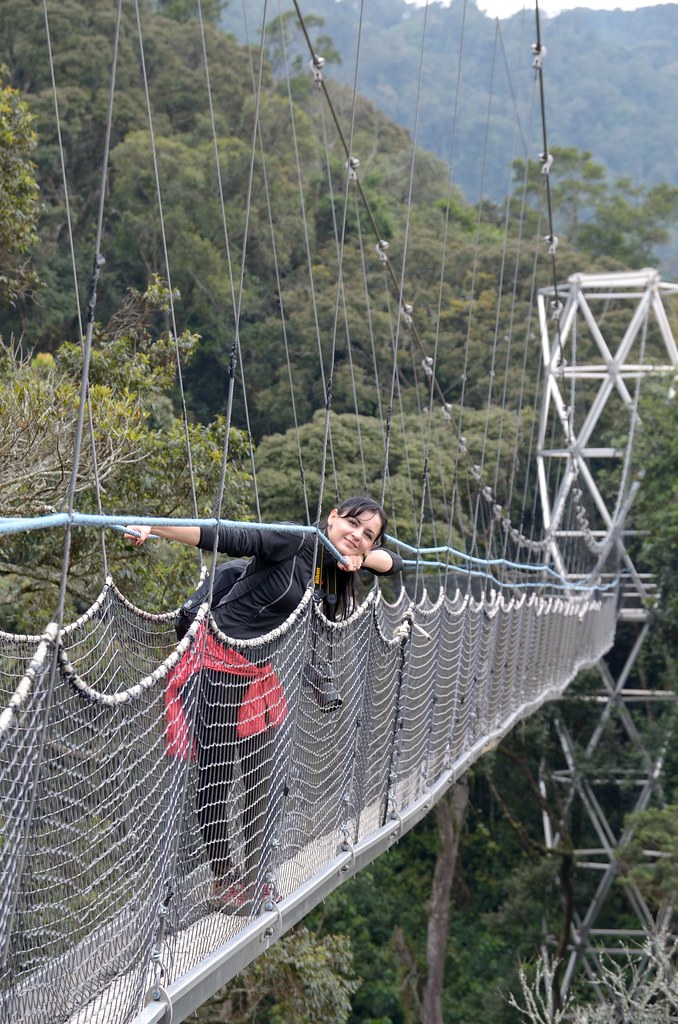
Most chimpanzee itineraries include the Nyungwe canopy walkway, a 160-meter suspension bridge in three linked sections that reaches about 70 meters above the forest floor and is the only structure of its kind in East Africa. It is reached by a guided hike of roughly 45 minutes to two hours along the 2.1-kilometer Igishigishigi Trail from the Uwinka visitor center, and the whole outing takes about two hours. The fee is USD 40 for international visitors, as listed by Visit Rwanda. The bridge sways gently, the central span has no view of the ground, and the vantage point lets you see canopy birds and monkeys that are almost impossible to spot from below. Alongside chimpanzees, Nyungwe holds 12 other primates, including the Angola colobus, which forms super-troops of up to several hundred individuals; the Albertine Rift endemic L’Hoest’s monkey; and the silver, blue, and red-tailed monkeys.

Adding gorillas and golden monkeys at Volcanoes

A standard Rwanda gorilla trek costs USD 1,500 and takes place in Volcanoes National Park, where 24 habituated families can each receive up to eight visitors a day. Golden monkey trekking, at USD 100, is a half-day add-on in the bamboo zone and is typically shorter and easier than a gorilla trek. If you want to understand how families are assigned and how difficulty varies, read our guide to the gorilla families of Volcanoes National Park. For privacy and certainty, an exclusive permit gives your party sole access to one gorilla family for the day, as detailed in our guide to exclusive gorilla trekking in Rwanda, while travellers wanting a conservation-led experience can read about the behind-the-scenes gorilla experience.

How many days do you need?

You can do a rushed combination of Nyungwe and Volcanoes in five days, but we do not recommend it. Seven to eight days is the comfortable minimum for a full primate safari with one night in Kigali, two or three in Nyungwe, and two or three at Volcanoes. Ten days allows you to add Akagera National Park’s savannah game drives for a three-park circuit; see Akagera National Park and our Rwanda safaris overview for how the pieces fit. A fuller discussion of travel styles, from honeymoons to photographic safaris, is in our Rwanda safari styles guide.

What to Pack for Chimpanzee Trekking in Nyungwe

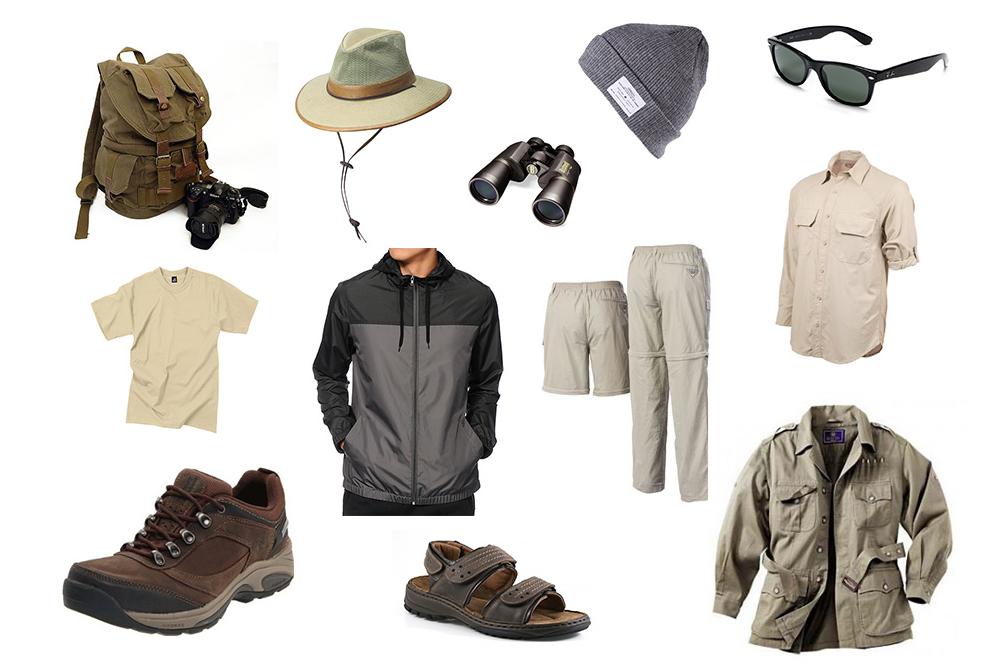
Pack for a cold, wet, and muddy morning rather than a tropical one: waterproof ankle-supporting boots, a packable rain jacket, long trousers and a long-sleeved shirt in neutral colors, a mid-layer for dawn, and a head torch for the early departure. Nyungwe’s forest floor is damp even in the dry season, and the rain arrives with little warning, so the right kit makes the difference between enjoying the hour and enduring it.

Boots with strong grip and ankle support are non-negotiable, and they should be broken in before you travel. Long trousers and sleeves guard against stinging nettles and biting insects on narrow trail sections, and neutral colors such as olive, khaki, and grey are preferable to white or bright shades. Carry at least two liters of water, because Cyamudongo treks in particular can run three hours or more before the chimpanzees are found, along with a snack, insect repellent, and sunscreen for the clearings. Lightweight gardening gloves help when you grab vegetation on steep sections, and gaiters keep mud and nettles out of your boots.

What to Pack for a Safari

Photographers should plan for difficult light. Chimpanzees are often high in the canopy, the understory is dim and dappled, and flash is prohibited, so a quick telephoto lens of 300 to 400 millimeters on a body with strong high-ISO performance is more useful than a heavy wide-angle kit. Bring spare batteries and memory cards, and a dry bag or waterproof case for cameras and phones, since rain mid-trek is common. Binoculars are worthwhile for both the canopy and the bird life. Rwanda uses 230-volt electricity with Type C and Type J sockets, so bring a universal adaptor for your lodge. Finally, carry small-denomination US dollars for porter fees and tips, as card facilities are limited in the forest.

Visa, Health, and Safety for Chimpanzee Trekking in Rwanda.

Most nationalities can enter Rwanda on a 30-day single-entry tourist visa costing USD 50, available on arrival at Kigali International Airport or online through the Rwandan government’s Irembo portal before travel, and citizens of African Union, Commonwealth, and La Francophonie countries are generally eligible for a free 30-day visa on arrival. If your trip also covers Uganda or Kenya, the regional East Africa Tourist Visa may suit you better. Rules change, so confirm your own requirements with the Rwandan immigration authority before you travel.

No vaccinations are legally required for most visitors, but a yellow fever certificate is mandatory if you arrive from or have transited through a yellow fever endemic country. Typhoid, hepatitis A and B, and tetanus are commonly recommended, and malaria prophylaxis is advised for Rwanda generally, although risk is lower at the higher elevations of Nyungwe and Volcanoes. Speak to a travel clinic about your itinerary. Because chimpanzees are susceptible to human respiratory illnesses, anyone with a cold, cough or flu should tell their guide honestly; being refused entry to the trek is far better than carrying infection into a wild community. We strongly recommend travel insurance that includes medical evacuation.

Rwanda is consistently rated among the safest countries in Africa for international travelers, and trekking in Nyungwe is closely supervised by trained rangers and guides. The practical risks are environmental rather than security-related: steep and slippery trails, sudden rain, and the physical demands of a longer trek, all of which are manageable with appropriate footwear, layering, and realistic expectations. The currency is the Rwandan franc, but US dollars are widely accepted at lodges, and tipping is customary at about USD 20 to 30 per day for your driver-guide and smaller amounts for rangers, trackers, porters, and lodge staff.

Responsible Chimpanzee Tourism and Conservation in Rwanda

Chimpanzee trekking in Rwanda is an ethically defensible form of wildlife tourism when it obeys the rules, because permit revenue helps fund the rangers, trackers, and community programs that keep the forest standing. Rwanda’s approach is high value and low volume: a small number of daily permits, an hour-long limit, and strict conduct rules are designed to keep stress on the chimpanzees low while ensuring that the forest is worth more alive than cleared. The park’s 2023 UNESCO inscription adds international weight to that strategy.

The IUCN assessment acknowledges the pressures that remain: snare hunting continues inside the park, farmland and plantations crowd the boundary, and chimpanzees have learned to raid beehives and, occasionally, crops. In practice, the most useful things a visitor can do are simple. Choose operators that follow park rules and use local guides and porters. Keep your distance, your voice, and your hands to yourself. Stay home if you are ill. Buy local rather than imported, from tea cooperatives to crafts. The same conservation model funds the mountain gorilla recovery at Volcanoes National Park, and the Dian Fossey Gorilla Fund continues research and community work across the Virunga massif.

What Most Chimpanzee Trekking Guides Won’t Tell You

The most useful things to know before booking are the ones brochures leave out. First, no reputable operator can guarantee a chimpanzee sighting. Gorillas are tracked to a known location before you set out, but chimpanzees are located largely by ear, and a fast-moving party can outpace a trekking group on a particularly challenging day. If an itinerary promises certainty, treat it with suspicion. Second, the choice between Uwinka and Cyamudongo changes your whole morning: Cyamudongo gives a better chance of a sighting at the price of a 4:30 a.m. start and a rough 90-minute drive, and a guest who is not prepared for that start will not enjoy it.

Third, a single night in Nyungwe rarely does the park justice. Nyungwe sits roughly four to five hours from both Kigali and Volcanoes, so a one-night stop with one activity wastes most of two travel days; two nights is the realistic minimum. Fourth, the canopy walkway and the chimpanzee permit are separate products with separate bookings, and travelers who assume otherwise discover the problem on arrival. Fifth, the weather is a feature rather than a defect: mornings can be genuinely cold, rain falls on most days, and the best chimpanzee mornings are sometimes the wettest. Finally, third-party pages disagree on permit allocation and park entry charges, which is why we confirm every fee against the Rwanda Development Board before we quote.

Plan Your Rwanda Safari

Start Planning a Private Gorilla Trek

Rwanda gorilla permits sell out months in advance. Secure your dates before the season closes.

Frequently Asked Questions About Chimpanzee Trekking in Rwanda.

Where can you see chimpanzees in Rwanda?

You can see chimpanzees in Rwanda mainly in Nyungwe Forest National Park, in the southwest of the country near Lake Kivu and the Burundi border. Nyungwe has two habituated communities open to visitors: Uwinka, with roughly 60 chimpanzees in the main forest, and Cyamudongo, with roughly 30 in a detached forest fragment about 34 kilometers from Gisakura. Gishwati-Mukura National Park also holds about 25 semi-habituated chimpanzees, but sightings there are far less predictable. Volcanoes National Park and Akagera National Park have no chimpanzees. Nyungwe was inscribed as a UNESCO World Heritage Site in September 2023, and it is the only place in Rwanda where we recommend building a trip around chimpanzees.

How much does chimpanzee trekking cost in Rwanda?

The chimpanzee trekking permit costs USD 150 per person for international visitors, which is roughly a tenth of the USD 1,500 charged for a Rwanda gorilla permit. The permit covers park entry, a ranger guide, and one hour with the chimpanzees. It does not cover accommodation, transfers, meals, porters, tips, or the Nyungwe canopy walkway, which costs a separate USD 40. A porter costs about USD 10 to 15 plus a tip. For a luxury trip, the lodge is by far the largest expense, since top properties around Nyungwe and Volcanoes charge anywhere from about USD 500 to 2,000 per person per night. Rwanda Gorilla Expeditions provides fully itemized quotations with no hidden fees.

How much is a chimpanzee permit in Rwanda?

A chimpanzee permit in Rwanda costs USD 150 per person for foreign non-residents, issued by the Rwanda Development Board for Nyungwe Forest National Park. Foreign residents in Rwanda are reported to pay USD 75 and East African citizens USD 25. The permit is valid for one trek on one date and allows one hour with a habituated community. Permits are issued in limited daily numbers and should be booked at least two to three months ahead in the June to September and December to January peak periods.

Is chimpanzee trekking in Rwanda worth it?

Chimpanzee trekking in Rwanda is worth it if you want a livelier, more physical primate encounter than gorilla trekking and a chance to see one of Africa’s oldest rainforests. At USD 150 it costs a tenth of a gorilla permit, and Nyungwe adds 13 primate species, more than 300 bird species, a 160-meter canopy walkway, and some of the region’s best luxury lodges. The honest caveat is that sightings are less certain than with gorillas, because chimpanzees move constantly and are found largely by sound. Cyamudongo, with about 30 chimpanzees in a small forest, offers the most reliable sighting. Travellers who value the forest and journey as well as the animals rate it among their trip’s highlights.

What is the best time of year for chimpanzee trekking in Rwanda?

The best time for chimpanzee trekking in Rwanda is June to September or December to February if you want the firmest trails, and March to May or October to November if you want fewer visitors and possibly more settled chimpanzees. Dry-season trails are easier, and roads are at their best, but permits and lodges sell out early. During the rains, abundant food tends to keep chimpanzee communities closer to their core range, and some Nyungwe guides specifically recommend the wetter months. The June to August fig-fruiting period is also regarded as excellent. Nyungwe is open all year, so the right month depends on your priorities rather than on access.

How long does chimpanzee trekking take in Rwanda?

A chimpanzee trek in Rwanda usually takes between one and five hours of walking, followed by one hour with the chimpanzees. The length depends entirely on where the community spent the night and how fast it is moving. Briefings begin around 5:00 to 5:30 a.m. for Uwinka, and departures for Cyamudongo are typically between 4:30 and 5:00 a.m. with a 90-minute drive on a rough track. Most guests are back at their lodge by late morning or early afternoon on a longer Cyamudongo day. Allow the whole morning free and plan nothing demanding for the afternoon.

Is chimpanzee trekking in Rwanda difficult?

Chimpanzee trekking in Rwanda is moderately difficult, comparable to a medium gorilla trek, but less predictable in length. The terrain in Nyungwe is steep, muddy, and slippery, particularly in the rains, and the trails at about 2,000 to 2,500 meters involve sustained climbing and descending. Treks last from one to five hours because chimpanzees move constantly, and a fast-moving party can require vigorous walking. You do not need to be an athlete, but you should be able to walk for three to four hours on uneven ground. Porters, walking sticks, and honest communication about your fitness all help, and the minimum age is 15.

What is the difference between Uwinka and Cyamudongo chimpanzee trekking?

Uwinka is the larger community of about 60 chimpanzees in the main Nyungwe forest, while Cyamudongo is a smaller community of about 30 in a detached forest fragment 34 kilometers from Gisakura. Uwinka offers deeper forest immersion and a short transfer, but terrain and a large, mobile community can lengthen the trek. Cyamudongo is regarded by local guides as the more reliable sighting because the small forest limits how far the chimpanzees can range. The cost of that reliability is a pre-dawn departure, typically between 4:30 and 5:00 a.m., and a rough drive of about 90 minutes in a 4×4. Choose Cyamudongo for certainty and Uwinka for the grandeur of the main forest.

Is chimpanzee trekking cheaper in Rwanda or Uganda?

Chimpanzee trekking is cheaper in Rwanda than in Kibale Forest in Uganda, where the permit is currently around USD 250 per foreign non-resident and has reportedly been announced to rise to USD 300 in 2027. Rwanda’s Nyungwe permit is USD 150. Uganda has cheaper options elsewhere, including Budongo Forest and Kyambura Gorge, and a much larger chimpanzee population in Kibale, commonly cited at about 1,500 animals. Rwanda’s advantages are paved roads, luxury lodges, and an easy link to the gorillas of Volcanoes National Park.

Can you combine gorilla and chimpanzee trekking in Rwanda?

Yes, and combining gorilla and chimpanzee trekking in one trip is the most common way to experience Rwanda’s primates. Chimpanzees live in Nyungwe Forest in the southwest, while mountain gorillas and golden monkeys live in Volcanoes National Park in the north, roughly four to six hours apart by road via Lake Kivu. A comfortable combination takes seven to eight days with one night in Kigali, two or three in Nyungwe, and two or three at Volcanoes. Gorilla permits cost USD 1,500, chimpanzee permits USD 150, and golden monkey permits USD 100.

How far is Nyungwe Forest from Kigali?

Nyungwe Forest National Park is about 225 kilometers from Kigali and takes roughly five hours by road, most commonly routed via Huye (Butare). Stops at the Nyanza royal palace replica and the National Museum of Rwanda in Huye break the journey well. From Volcanoes National Park, the transfer takes roughly four to six hours via the Lake Kivu road through Karongi. A small airstrip at Kamembe, near Cyangugu, offers a charter-flight alternative that cuts the Kigali leg to roughly an hour. Every transfer we arrange uses a private 4×4 with an experienced driver-guide.

How do I book a chimpanzee trekking permit in Rwanda?

You book a chimpanzee trekking permit in Rwanda through the Rwanda Development Board or, more commonly, through a licensed tour operator that pays the RDB on your behalf. With Rwanda Gorilla Expeditions, you simply share your dates, group size, and fitness level, and we check live availability, hold the permits, and send written confirmation with every fee itemized. Payment is made in full to confirm the permit, and permits are issued in the name on your passport, which are generally non-refundable. Book at least two to three months ahead for peak months, and confirm the canopy walkway at the same time, as it is booked separately.

What is the minimum age for chimpanzee trekking in Rwanda?

The minimum age for chimpanzee trekking in Rwanda is 15 years, the same as for gorilla trekking. The rule exists mainly to protect the chimpanzees, because children are more likely to carry respiratory infections and are harder to keep quiet and still near wild apes. Anyone with a cough, cold, or flu may be refused entry on the day, regardless of age. The Nyungwe canopy walkway has a lower threshold, with visitors from about six years old allowed on the bridge, so families with younger children can still enjoy part of the park. There is no upper age limit, and we regularly guide fit travelers in their seventies.

How many days do you need in Nyungwe for chimpanzee trekking?

You need a minimum of two nights in Nyungwe for chimpanzee trekking, and three nights if you also want the canopy walkway and a birding morning. Nyungwe sits four to five hours by road from both Kigali and Volcanoes National Park, so a one-night stop wastes most of two travel days. Two nights gives you one full morning for the chimpanzees and a second day for the canopy walk, a waterfall hike, or a second chimpanzee attempt if the first is cut short. Three nights allows both the Uwinka and Cyamudongo communities a relaxed day on the tea estate.

Ready to Trek? Permits are limited — plan early.

Plan Your Chimpanzee Trek in Rwanda with Rwanda Gorilla Expeditions.

Chimpanzee trekking in Rwanda rewards the traveller who plans it carefully: the right community, the right season, the right number of nights, and a lodge that turns a 4:30 a.m. start into part of the experience. Rwanda Gorilla Expeditions works inside these forests and with the Rwanda Development Board every day, so permits, lodges, vehicles, and trekking days are confirmed in writing and handled on your behalf. Every itinerary is private, built around your fitness and your dates, and priced with every fee itemized. Tell us your dates and we’ll check permit availability within a few minutes.