How Gorilla Trekking Tourism Funds Conservation: The Revenue Model Explained
The Gorilla Permit Revenue Model: Where USD 1,500 Goes
Every gorilla trekking permit issued by the Rwanda Development Board currently costs USD 1,500 per person. Rwanda issues a maximum of 96 permits per day for eight visitors per habituated family across twelve families, which means the maximum daily permit revenue is USD 144,000. Annually, at full capacity, that represents approximately USD 52.5 million in permit revenue alone, before accommodation, guiding, transport, and ancillary spending by visitors is counted.
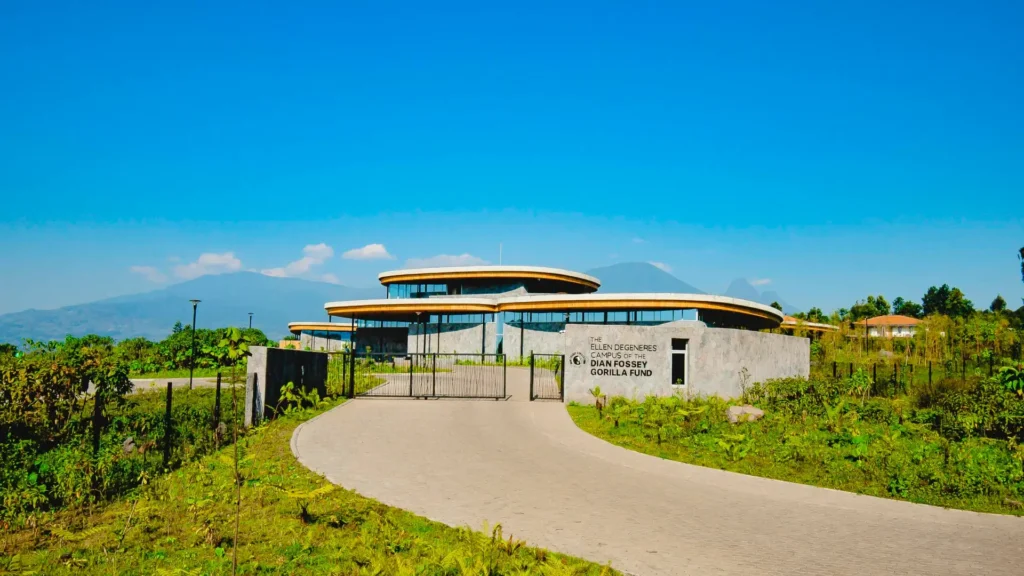
This revenue is not simply absorbed into general government income. The Rwanda Development Board operates a structured allocation model. Permit income primarily funds park management costs, including ranger salaries, patrol equipment, park infrastructure, veterinary services, and research support. A portion of permit revenue is also directed to the Gorilla Fund, which manages research and conservation programs within the park. The precise allocation percentages are subject to periodic government review and adjustment, but the principle is consistent: the gorillas fund their protection.
The commercial logic is elegant and self-reinforcing. The higher the permit price, the more revenue is available for conservation. The better the conservation outcomes, the more robust the gorilla population becomes. The more robust the gorilla population, the more habituated families can be opened to tourism. The more families open to tourism, the more visitors can be accommodated without increasing pressure on individual families. And keeping visitor numbers low and conservation standards high is essential for sustaining the quality of the overall experience, which justifies the premium permit price. Rwanda’s entire gorilla tourism model is a closed feedback loop that rewards conservation performance.
The Community Revenue Sharing Programme: Conservation Through Economic Incentive
The most important innovation in Rwanda’s gorilla conservation model and the one most directly responsible for the population recovery is the Community Revenue Sharing Programme, through which a percentage of revenue from gorilla trekking permits is distributed straight to communities living along the boundaries of Volcanoes National Park. Introduced in 2005 and refined through subsequent iterations, the program currently allocates ten percent of all gorilla permit revenue to communities in the park’s buffer zone.
The practical impact of this revenue is visible and significant. Communities that once supplemented their incomes through poaching, illegal firewood collection, and agricultural encroachment on park land now receive payments from a fund whose size is directly proportional to the number of tourists visiting the park. A family in a village bordering Volcanoes National Park has a measurable financial stake in the gorillas’ survival. The gorillas alive in the forest represent income to the ranger who patrols for their protection, to the porter who supports trekkers on the trail, to the artisan who sells crafts at the park entrance, and to the community fund that pays for water infrastructure and school buildings in the surrounding villages.
This economic integration of conservation and community development is why Rwanda’s gorilla conservation model is studied by wildlife managers in countries facing analogous human-wildlife conflict challenges from Africa to Asia. It demonstrates, with three decades of data, that conservation succeeds when it is economically rational for the communities closest to the resource to support it rather than exploit it.
Why High-Value, Low-Volume Tourism Is the Correct Conservation Model
Rwanda’s decision to position gorilla trekking as a premium, low-volume experience, limiting visitor numbers, maintaining a high permit price, and investing in quality over quantity across every element of the visitor experience reflects a conservation insight that many wildlife destinations have failed to apply. The alternative model, adopted by some other destinations in the region, prioritizes accessibility and volume: lower permit costs, more visitors, and faster throughput. The conservation outcomes of that model are demonstrably inferior.
When visitor numbers are high, the cumulative stress on habituated gorilla families increases. Disease transmission risk from human visitors rises proportionally with group size and visit frequency. The physical damage to forest trails from high visitor volumes degrades habitat. And the economic incentive structure shifts: when tourism is cheap and accessible, it attracts different visitor profiles, with different expectations and different spending patterns, that support a lower overall revenue base while imposing higher conservation costs. Rwanda’s model of USD 1,500 per permit, eight visitors per family, and one hour per visit is not arbitrary. It reflects a precise calibration of visitor impact, conservation revenue, and experience quality that has produced the world’s only growing mountain gorilla population.
The Gorilla Habituation Process: How Wild Apes Become Conservation Assets
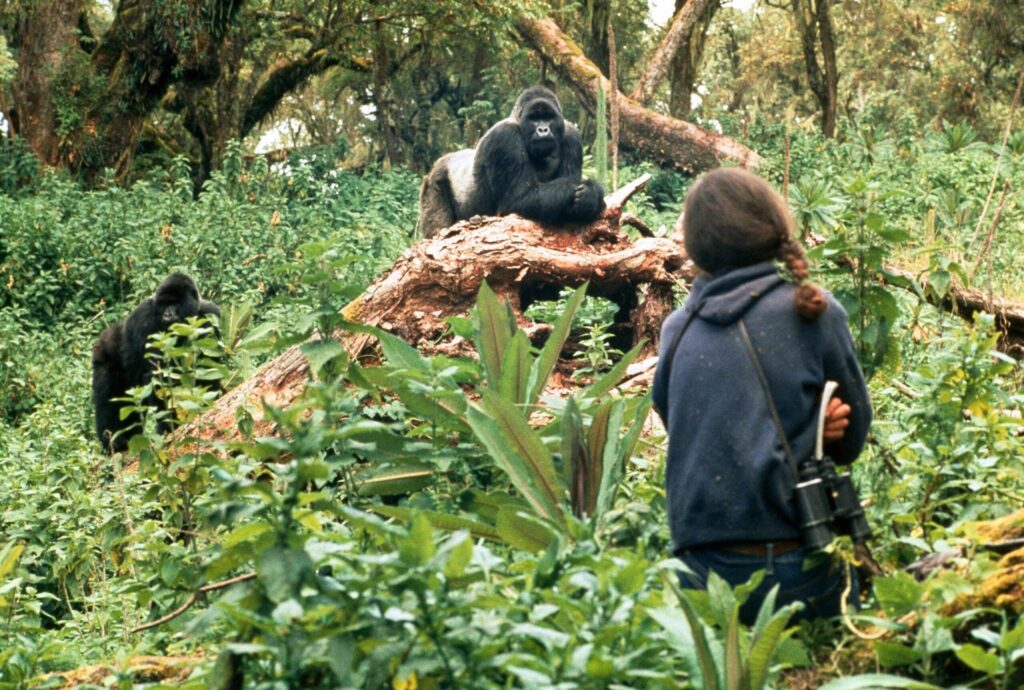
The foundation of Rwanda’s gorilla trekking tourism is the habituation of individual gorilla families to human presence, a process that takes two to three years of daily, patient contact by trained researchers and rangers and is one of the most labor-intensive and carefully managed aspects of the entire conservation program. A habituated gorilla family is one that has been gradually and incrementally exposed to human beings until the presence of quiet, non-threatening humans within a limited distance no longer provokes fear, aggression, or disruption to normal behavior.
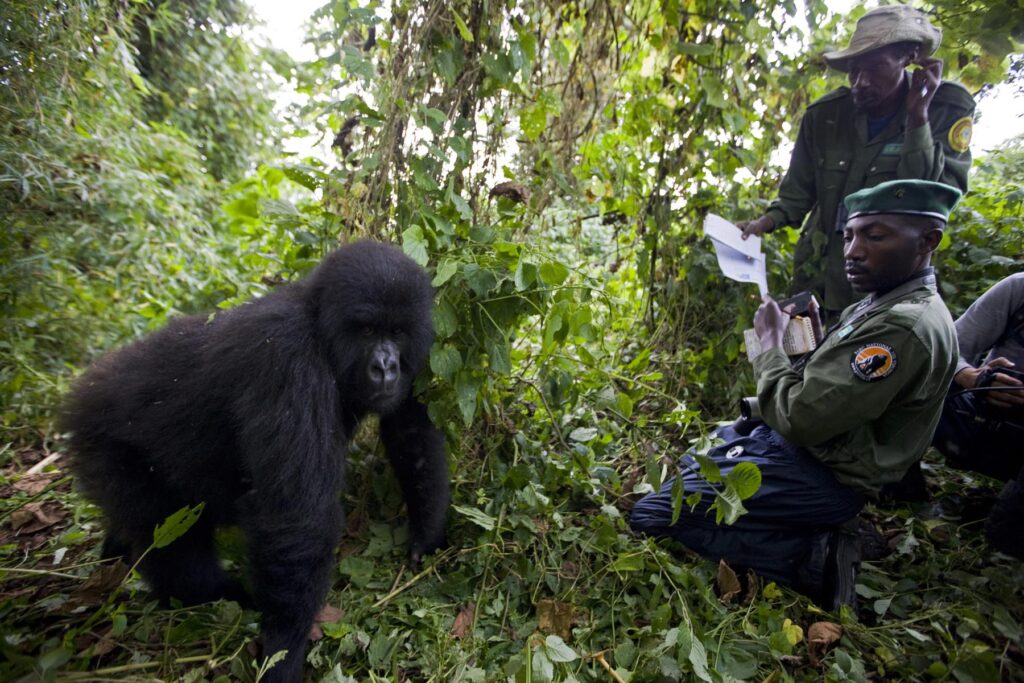
The habituation process begins with daily contact sessions in which a small team of researchers approaches the gorilla family at a distance and simply sits nearby, making non-threatening vocalizations, avoiding direct eye contact, and mimicking gorilla feeding postures and movements. Over weeks and months, the researchers gradually reduce the distance. Family members who show the most tolerance of human presence are the entry points through which the group’s broader acceptance develops. The silverback’s tolerance is decisive; if the dominant male accepts human proximity, the rest of the family generally follows. If the silverback becomes agitated, sessions are suspended and the distance is reset.
The investment required for habituation is substantial. Field teams work seven days a week, regardless of weather or terrain, for the full duration of the process. Veterinary oversight is maintained throughout to ensure that neither the animals nor the researchers experience health risks. The risks to the researchers are real: mountain gorillas are extraordinarily powerful animals, and an agitated silverback poses a physical threat that requires both experience and specific protocols to manage. No serious researcher injuries have occurred during the Rwanda habituation program, which testifies to the skill and patience of the field teams involved.
Once a gorilla family is fully habituated, it is assessed by the Rwanda Development Board for tourism suitability based on its territorial range, its family composition and stability, and the fitness level that the terrain requires of trekking visitors. Families are then opened to tourism on a graduated basis, with ranger and researcher monitoring continuing indefinitely after opening. There is no endpoint to the monitoring: habituated families are observed and tracked every single day of the year by teams who record health status, behavioral patterns, social dynamics, and territorial movements. This continuous data stream is the backbone of Rwanda’s conservation science. Travellers curious about which gorilla families are currently open to tourism can explore the gorilla families overview for up-to-date information on each group’s character, range, and trekking characteristics.
Disease Prevention and Health Management: The Greatest Invisible Threat to Mountain Gorillas
Why Human Disease Is Mountain Gorillas’ Most Dangerous Enemy
Mountain gorillas share approximately 98.3 percent of their DNA with humans, a genetic proximity that makes them extraordinarily susceptible to human respiratory and gastrointestinal diseases. A common cold that a healthy adult visitor experiences as a minor inconvenience can kill a mountain gorilla. Respiratory infections, including human coronaviruses, influenza, and respiratory syncytial virus, have caused deaths and serious illness in habituated gorilla families on multiple documented occasions. With a total wild population of about 1,000 individuals, a disease outbreak in a single habituated group can be a conservation-level event: losing 10 or 20 animals from that population has a proportional impact that would be minor in a larger species but is significant in a mountain gorilla context.
This biological reality underpins every health-related trekking regulation that visitors encounter on a gorilla safari in Rwanda. The seven-meter minimum distance rule, the prohibition on trekking for visitors showing symptoms of respiratory illness, the requirement that guides and trackers wear face masks when near gorilla families, the strict limit on group size, and the one-hour maximum observation time are not bureaucratic conventions; they are epidemiologically derived limits, calculated to reduce disease transmission probability to the lowest practically achievable level while still allowing the tourism encounters that fund the gorillas’ protection.
The One Health Approach: Integrating Human, Animal, and Ecosystem Wellbeing
Rwanda’s approach to gorilla health management operates within the One Health framework a scientific and institutional model that recognizes the interdependence of human health, animal health, and ecosystem health. In practice, this means that the veterinary teams monitoring gorilla families maintain active working relationships with public health authorities in the communities surrounding the park. Disease surveillance in gorilla families is integrated with disease surveillance in the local human population. When a respiratory illness is identified in a community near the park boundary, precautionary measures can be implemented at the visitor-animal interface before transmission to gorillas occurs.
The Mountain Gorilla Veterinary Project, now operating as Gorilla Doctors, provides the frontline veterinary response to health crises in habituated gorilla families. This team of veterinarians is authorized to intervene medically in cases where a gorilla is suffering from a treatable human-transmitted disease, where an injury is life-threatening and surgical intervention is feasible, or where a snare or trap requires removal. The decision to intervene, which always involves weighing the risk of stress from capture against the risk of untreated illness or injury, is made by veterinary professionals with species-specific training and years of experience with individual animals they know by sight and behavior. These interventions have saved gorilla lives on dozens of documented occasions.
Visitor Health Protocols: Why the Rules Exist and Why They Matter
For travellers planning a gorilla trekking experience, the pre-trek briefing at Volcanoes National Park headquarters clearly communicates the health protocols. Visitors who show symptoms of respiratory illness, cough, fever, runny nose, and sore throat cannot enter the forest. This is not a guideline; it is a rule, enforced by the ranger team at the trailhead, and it applies regardless of how far a visitor has travelled or how much the permit has cost. Visitors who are denied access on health grounds are not entitled to refunds under standard Rwanda Development Board policy, though Rwanda Gorilla Expeditions advises all guests on travel insurance coverage that may apply in these circumstances.
The practical implication for travelers is clear: in the days before a scheduled gorilla trek, take your health seriously. Avoid contact with people who have active respiratory infections. Wash hands frequently. If you are unwell, communicate honestly with your operator immediately both for your well-being and for the conservation of the animals you have come to see. The gorillas cannot choose who approaches them. The trekking regulations exist because the choice must be made for them.
Anti-Poaching and Ranger Operations in Volcanoes National Park
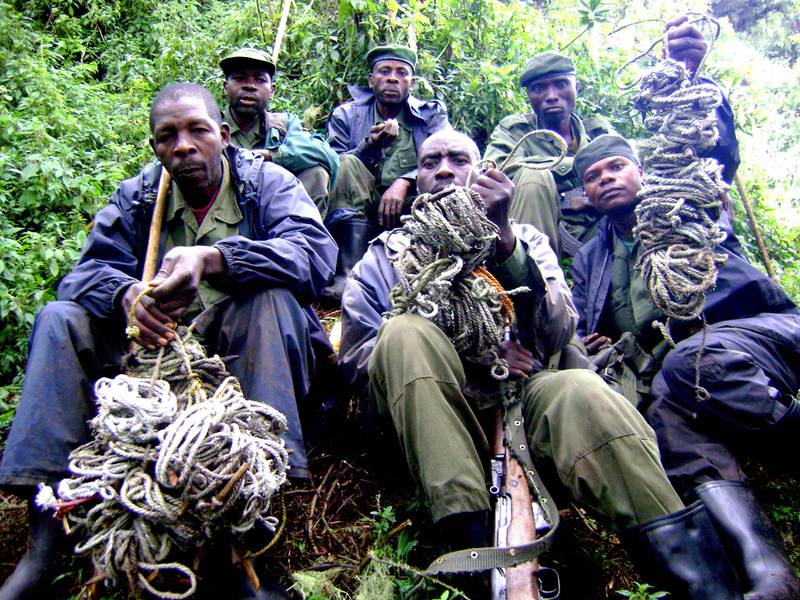
The daily anti-poaching work in Volcanoes National Park is conducted by ranger teams that patrol the park boundary and interior on foot, seven days a week, in all weather conditions. These patrols serve three functions simultaneously: they deter potential poachers through visible presence, they remove snares and traps that would injure or kill wildlife, and they gather the daily observational data on gorilla family locations and health status that forms the backbone of the park’s conservation database.
The threat profile for mountain gorillas has changed significantly over the past three decades. In the 1970s and 1980s, the primary threat was direct gorilla poaching, which involved killing gorillas for bushmeat or the illegal trade in infants, often requiring the death of the entire social group to remove a single juvenile, and this was the specific crisis that Dian Fossey confronted through direct action. Today, direct poaching of gorillas is rare. The combination of robust ranger presence, community economic integration through the revenue-sharing program, and the social stigma that gorilla poaching now carries in communities that benefit from gorilla tourism has effectively suppressed it.
The primary current threat from illegal activity is not gorilla poaching but incidental snaring: the setting of wire snares and traps targeting duiker and other small forest animals for bushmeat, which gorillas and golden monkeys encounter accidentally. Snares that catch a young gorilla’s hand or foot, if not promptly removed, can cause the kind of injury that leads to infection, limb loss, and death. Ranger patrols that remove snares before gorillas encounter them and veterinary teams that respond when gorillas are snared constitute the two-tiered defense against this specific threat. Patrol data from Volcanoes National Park consistently records hundreds of snares removed per year each one representing a potential gorilla injury that has been prevented.
The ranger teams in Volcanoes National Park are employed, salaried, and equipped by the Rwanda Development Board funded in large part by gorilla trekking permit revenue. Their salaries are competitive by Rwandan standards, they maintain their equipment, and they receive ongoing training. This professional infrastructure, directly funded by tourism, is what separates Rwanda’s conservation model from approaches that rely on voluntary compliance or under-resourced state institutions.