Gorilla Families & Trekking Difficulty
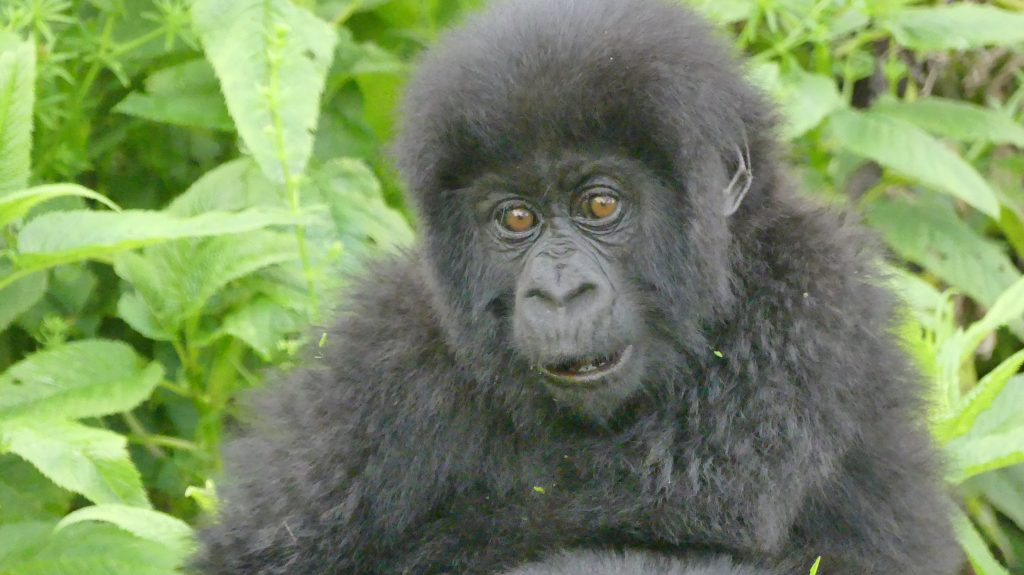
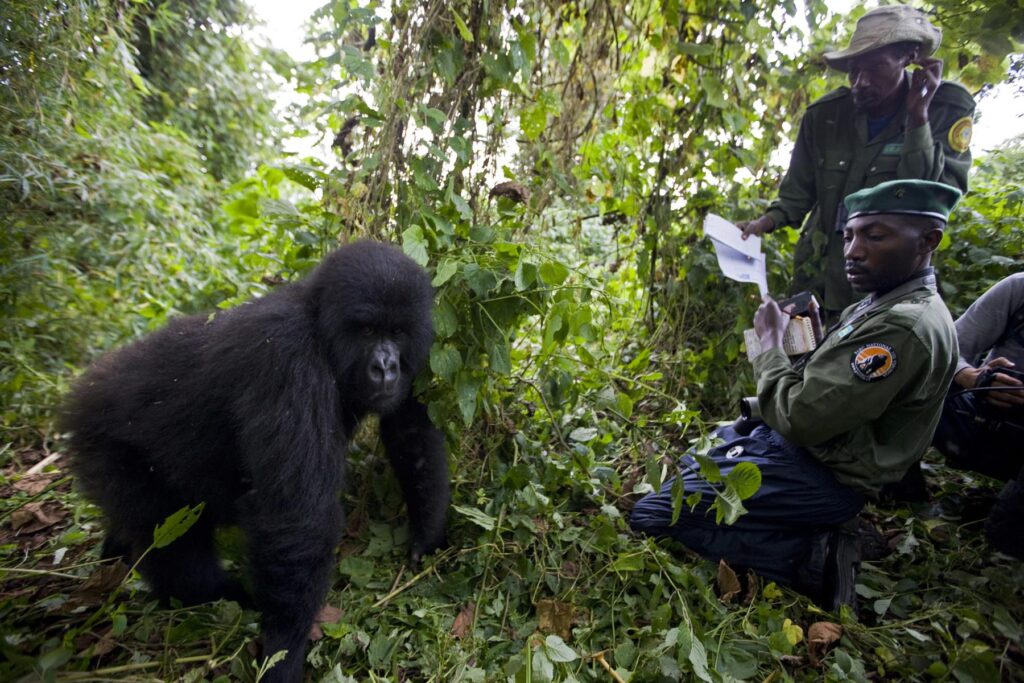
Gorilla trekking difficulty cannot be graded in advance, and no honest operator will promise you otherwise. Each morning, trackers who have followed the habituated gorilla families since before dawn report their overnight location to Rwanda Development Board rangers at Kinigi headquarters, and your group is assigned to a family based on that location, your declared fitness level, and ranger discretion on the day. A family reached in ninety minutes on one morning may take three or four hours the next.
What this itinerary can promise is that the assignment process genuinely works in your favor: guests who disclose lower fitness levels or mobility concerns at the pre-trek briefing are typically matched with closer-ranging families, while stronger hikers are often sent to more remote groups, partly to spread trekking pressure evenly across all habituated families and protect them from overexposure. Porter hire at the trailhead is worthwhile regardless of fitness level; the fee goes directly to local community members and materially eases the climb on steep or muddy sections.
Accommodation & Lodges
This itinerary moves between two distinct luxury landscapes. In Volcanoes National Park, the lodge scene has become one of the most architecturally striking in African travel: Bisate Lodge sits inside a reforested volcanic crater with forest-villa suites facing Bisoke and Karisimbi; Singita Kwitonda Lodge occupies land contributed to the park’s conservation buffer zone; and Sabyinyo Silverback Lodge remains a longstanding favorite for its stone cottages and volcano-facing terraces, all positioned within a short drive of Kinigi Park headquarters for an easy pre-dawn trek departure.
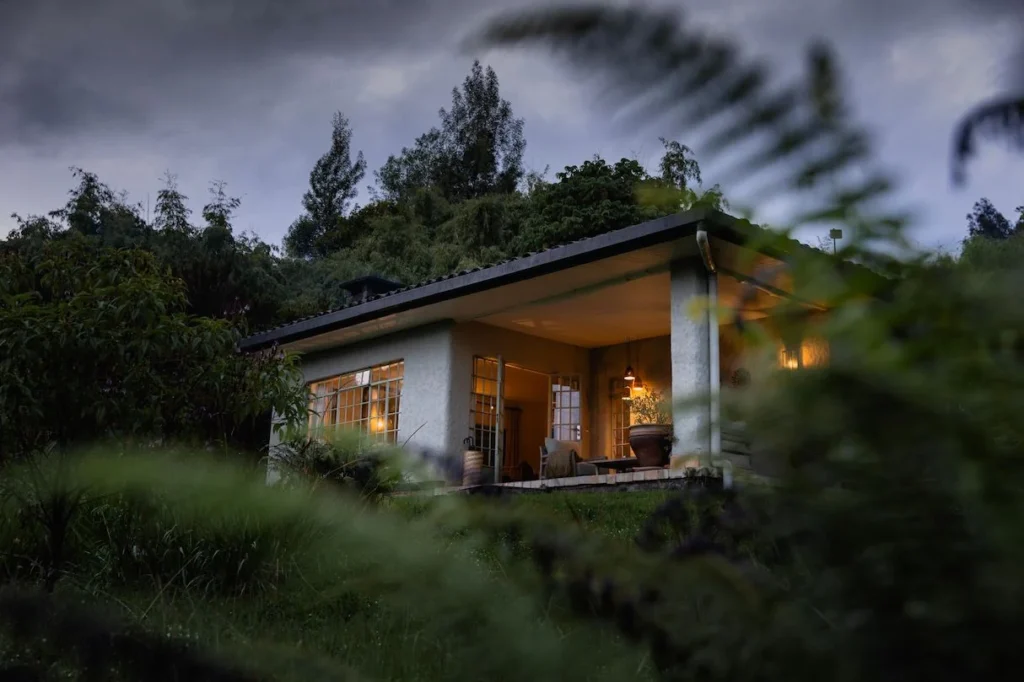
Wilderness Sabyinyo Silverback Lodge
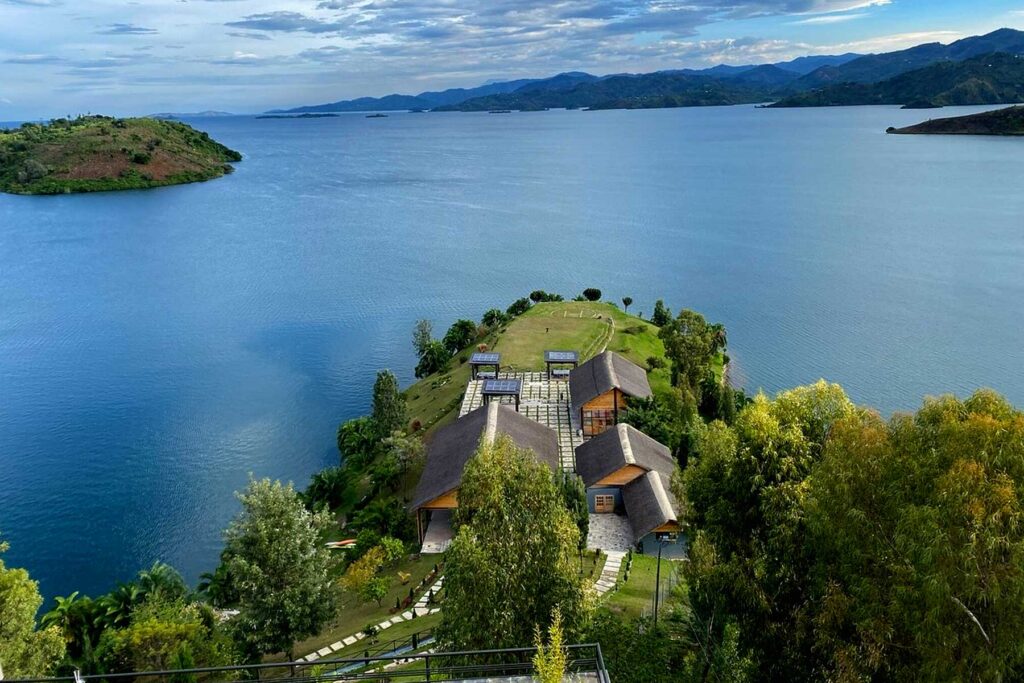
On Lake Kivu, the register shifts to lakefront tranquility, private terraces overlooking the water, infinity pools angled toward the sunset, and a noticeably slower service pace built around relaxation rather than early departures. Properties along the Gisenyi and Karongi shorelines offer the strongest combination of comfort and direct lake access, and your guide will help match your preferred style, intimate boutique versus larger resort-scale lodge, during planning. Several properties on the lake also operate their own coffee terraces and organic gardens, extending the culinary quality of the Volcanoes leg into a more relaxed, farm-to-table register for the second half of the week.
Wildlife & Nature to Expect
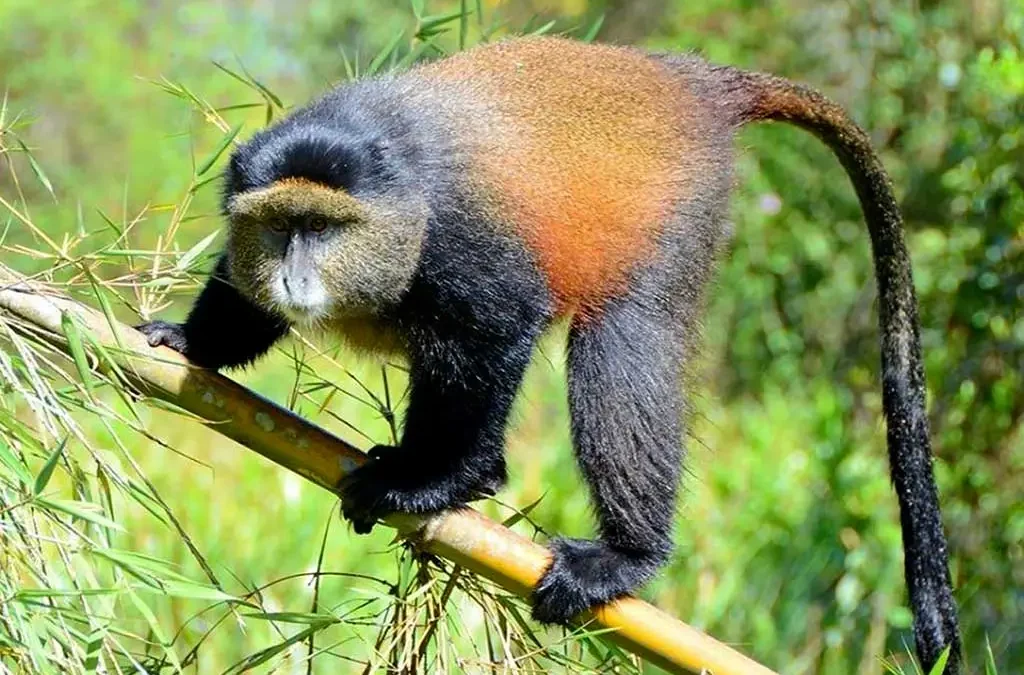
The forest days are the wildlife centerpiece: a full hour with a habituated mountain gorilla family, a golden monkey troop moving fast through the bamboo canopy, and forest birdlife typical of the Albertine Rift’s montane zone, including several regional endemics for anyone traveling with binoculars. Volcanic scenery frames both trekking days, with Bisoke and Karisimbi visible from multiple points along the route.
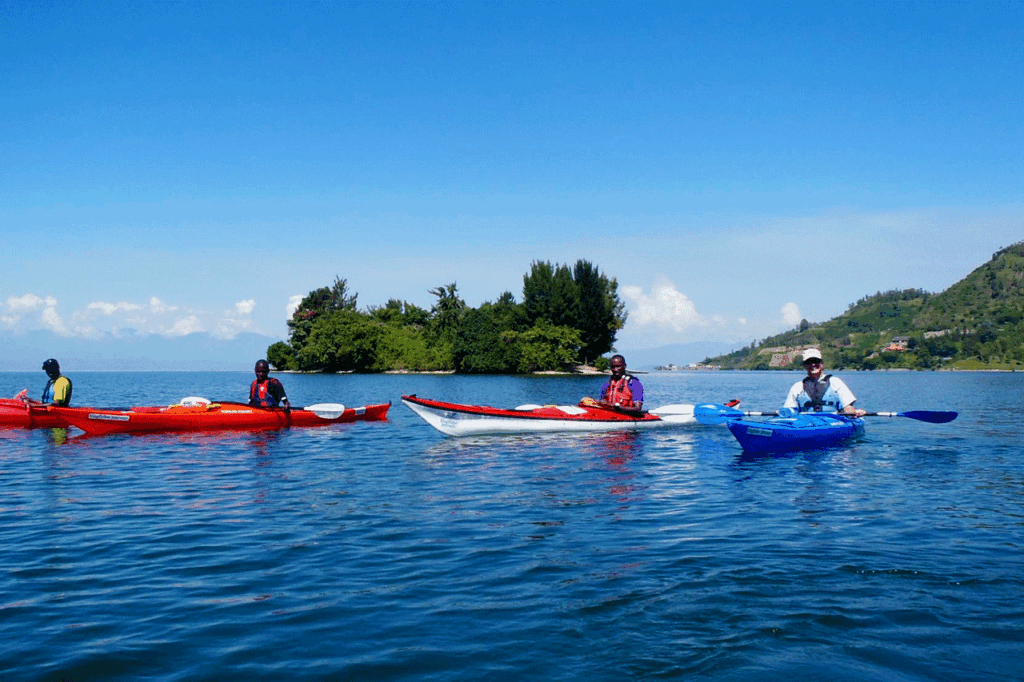
Lake Kivu shifts the register from forest wildlife to lake and shoreline ecology fishing communities working traditional pirogue canoes at dawn and dusk, forested islands visible from the boat cruise, and a noticeably different, subtropical birdlife along the water’s edge compared with the high-altitude forest days that precede it.
Because Lake Kivu sits within the same Albertine Rift geological system that shapes the Virunga volcanoes, the transition between the two landscapes feels continuous rather than disjointed. Travelers frequently comment that descending from the forest to the lake feels like watching the same tectonic story finish telling itself, from active volcano to placid, deep-water lake.
Physical Difficulty & Fitness Requirements
Gorilla trekking is this itinerary’s genuine physical test. Treks begin at altitudes of roughly 2,500–3,000 meters and above, on volcanic terrain that is frequently steep, uneven, and muddy regardless of season, through dense bamboo and nettle-lined undergrowth. Duration is unpredictable and can run from under an hour to over four hours each way. A moderate baseline fitness and the ability to hike continuously on uneven ground at altitude are recommended, and hiking poles are strongly advised.
The golden monkey trek on Day 4 is considerably gentler and manageable for most fitness levels. The remainder of the itinerary. The Genocide Memorial visit, the coffee tour, and the Lake Kivu boat cruise require no particular fitness at all, making this a well-balanced week for travelers who want one serious physical challenge without a trip built entirely around exertion. Guests managing chronic conditions such as joint pain or reduced cardiovascular capacity should raise their concerns candidly with their guide before the trek, since it materially improves the accuracy of the gorilla family assignment and, in turn, the enjoyment of the day.
Best Time to Go
Rwanda’s two dry seasons, June through September and December through February offer the firmest underfoot conditions for gorilla trekking and are the recommended windows for this itinerary. June through September aligns with Rwanda’s peak season, so gorilla permits for this period should be secured as far in advance as possible, ideally six to twelve months ahead.

The wetter months (March–May and October–November) bring fewer visitors and lush, dramatic scenery to both the Virunga forest and Lake Kivu’s terraced coffee hillsides, at the cost of muddier, more physically demanding trekking conditions. Lake Kivu itself remains a pleasant, temperate destination essentially year-round, so travelers prioritizing a quieter trip over guaranteed dry footing often find the shoulder months a reasonable trade-off.
One further seasonal consideration is specific to this itinerary’s coffee tour: Rwanda’s main coffee harvest runs roughly from March through June, so travelers visiting during this window will see the plantation at its most active, with cherries being hand-picked and pulped on site, while a visit outside harvest season still offers a full tour of the growing and processing process without the harvest activity itself.
What’s Included / What’s Not Included
Included
- Private ground transportation throughout in a 4×4 safari vehicle with an English-speaking driver-guide
- 5 nights’ luxury accommodation as detailed in the itinerary, on a full-board basis where specified
- 1 Gorilla Trekking Permit (USD 1,500), coordinated and confirmed in advance
- 1 Golden Monkey Trekking Permit (USD 100)
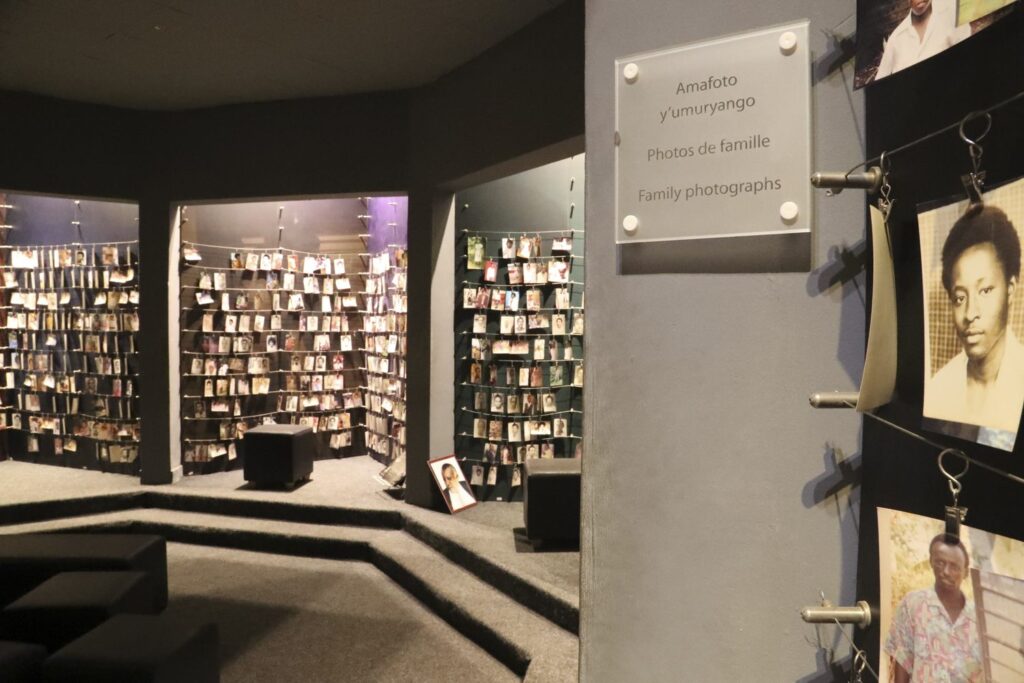
- Kigali Genocide Memorial entrance
- Kimbiri coffee plantation tour
- Lake Kivu boat cruise
- Airport transfers to and from Kigali International Airport
- Bottled mineral water in-vehicle throughout
Not Included
- International and domestic flights
- Rwanda entry visa
- Alcoholic beverages and items of a personal nature
- Porter fees during gorilla and golden monkey trekking (recommended, paid locally)
- Gratuities for guides, trackers, and lodge staff
- Travel and medical evacuation insurance
- Optional activities not listed in the itinerary
Gorilla Permits, Park Fees & Costs
A standard gorilla trekking permit in Rwanda costs USD 1,500 per person, issued directly by the Rwanda Development Board and included in full in this itinerary. The golden monkey permit is a separate USD 100 per person and is likewise included.
Travelers who want a fully private, full-day encounter with a gorilla family rather than the standard one-hour visit can substitute an exclusive permit into this itinerary at a significantly higher cost; details are covered on our exclusive gorilla trekking page. Because standard permits are capped daily and frequently sell out months ahead of the June–September and December–February peak windows, we recommend confirming dates and securing your permit at least six months in advance for peak season and three to four months ahead for shoulder-season travel.
Packing & Gear List
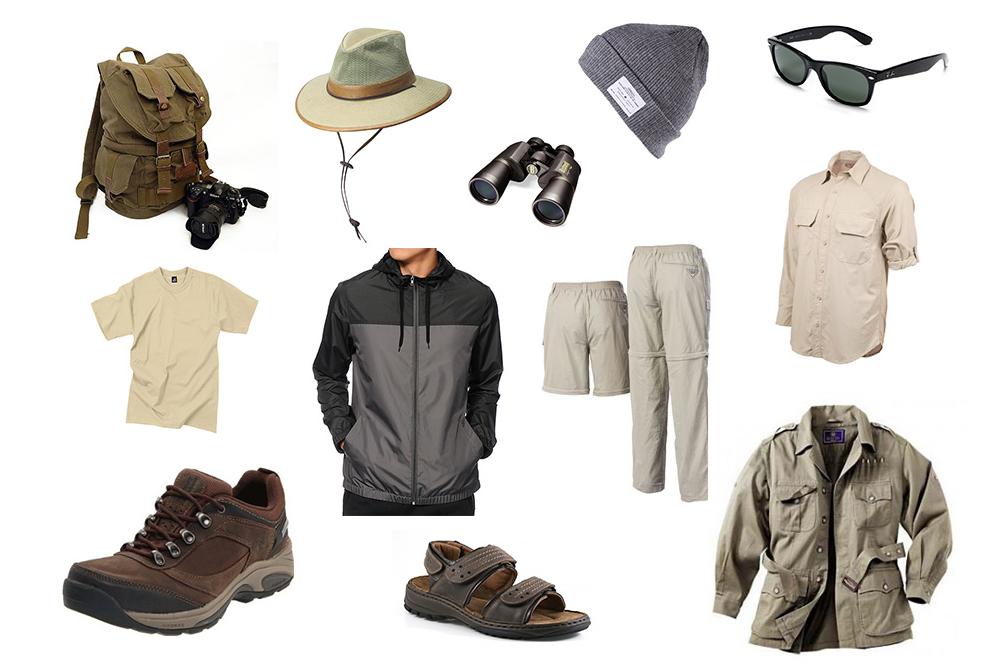
- Waterproof, ankle-supporting hiking boots, broken in before travel
- Gardening-style gloves for gripping vegetation on steep sections
- Long-sleeved shirts and trousers in neutral tones, for protection against stinging nettles and biting ants
- A packable waterproof rain jacket, useful in any season
- Layered clothing for temperature swings between forest altitude and Lake Kivu’s milder shoreline climate
- Swimwear and light, breathable clothing for the Lake Kivu portion of the trip
- A daypack with a rain cover, water, and snacks for trek days
- A camera with a versatile zoom lens; flash photography is prohibited near gorillas
- Insect repellent and high-SPF sunscreen
- A modest cash reserve in USD for porter fees and gratuities
Getting There
All international arrivals land at Kigali International Airport (KGL), served by direct or one-stop connections from most major European, Middle Eastern, and African hubs. A Rwanda Gorilla Expeditions guide meets every guest inside the arrivals hall for the private transfer into Kigali, roughly thirty minutes from the airport.
From Kigali, Volcanoes National Park lies roughly two to two-and-a-half hours north by private vehicle, and Lake Kivu is a further two hours west from Musanze. Both legs are covered in full within this itinerary in the private 4×4 vehicle assigned to your group for the duration of the trip.