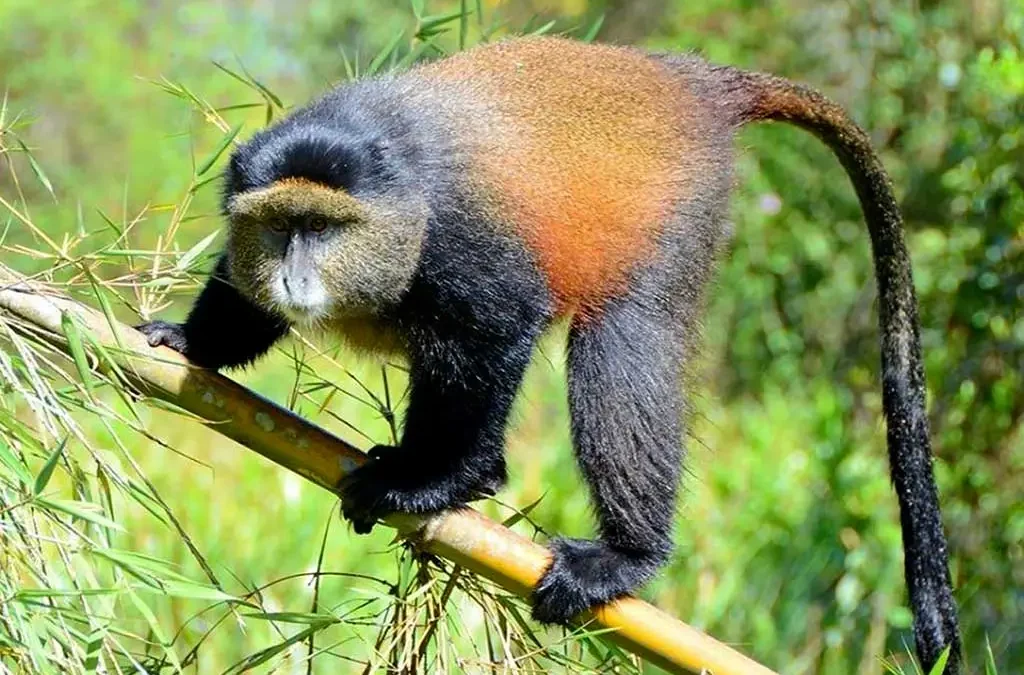
Gorilla Families & Trekking Difficulty
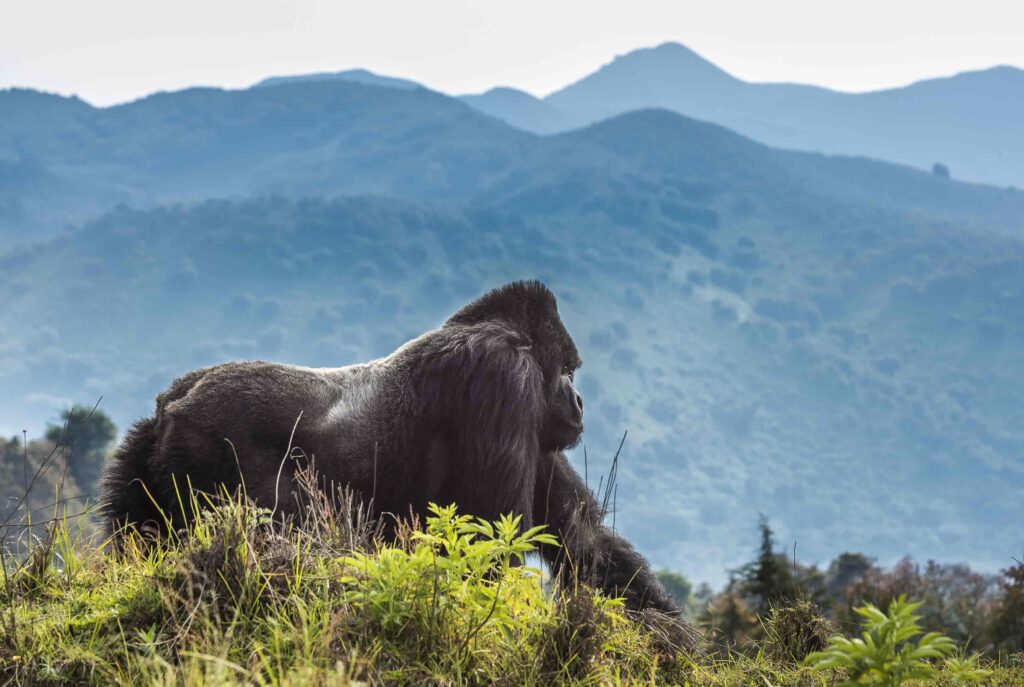
Gorilla trekking is not a fixed-difficulty activity, and it is important to set expectations correctly before you arrive. Gorilla families in Volcanoes National Park each occupy a home range at a different point on the mountain, and their overnight location is unknown until trackers locate them at dawn on the day of your trek. A family that took under an hour to reach last week might take four or five hours this week, and the reverse is equally true. This is genuinely unpredictable terrain, unlike a fixed summit trek with a known distance and elevation gain.
Park authorities do take fitness into account when assigning groups to families: guests who disclose limited mobility, respiratory concerns, or a preference for an easier walk are generally matched with families known to range closer to the trailhead, while strong hikers are more often assigned to farther-ranging families in more remote sectors. We collect this information from every guest before travel and communicate it directly to park staff, but the final assignment remains at the discretion of Rwanda Development Board officials. On the morning of the trek itself, no operator, however experienced, can guarantee a specific family or a specific duration.
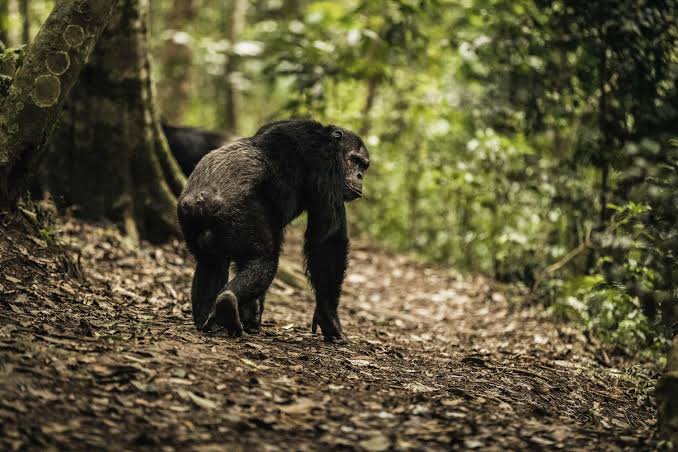
Porters are available at the trailhead for a modest fee and are strongly recommended regardless of your fitness level; hiring one also puts direct income into the community bordering the park, since porters are drawn from villages immediately adjacent to Volcanoes National Park. Chimpanzee trekking in Nyungwe carries a different kind of difficulty: steeper, more consistently humid terrain, and treks that can run long because these primates range faster and further than gorillas. Golden monkey trekking, by contrast, is the most accessible of the three primate experiences on this itinerary.
Accommodation & Lodges
This itinerary uses three distinct accommodation environments across three national parks, each chosen for proximity to that day’s activity and, where relevant, ease of helicopter access.
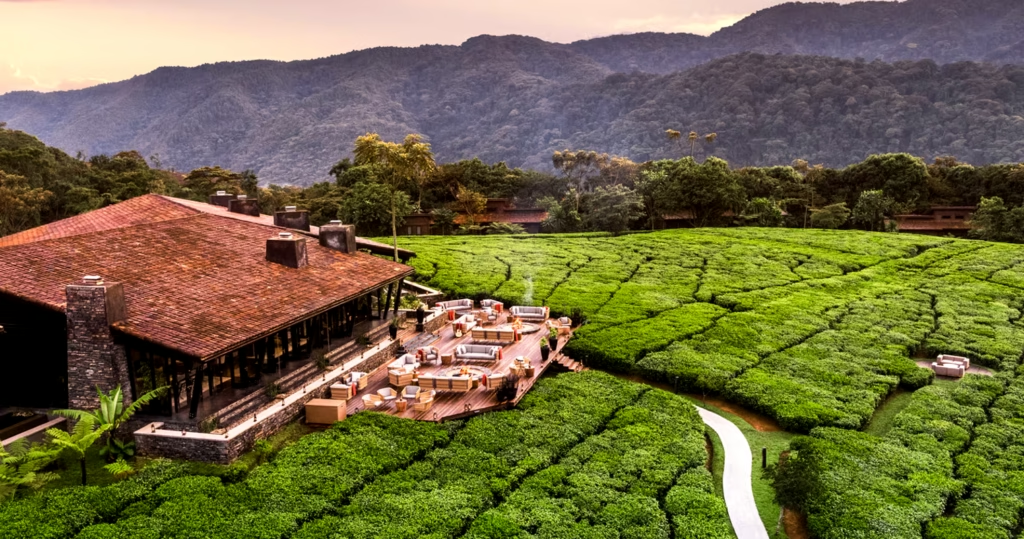
One&Only Nyungwe House
| Region |
Luxury Lodge |
Character |
| Akagera National Park |
Wilderness Magashi Camp |
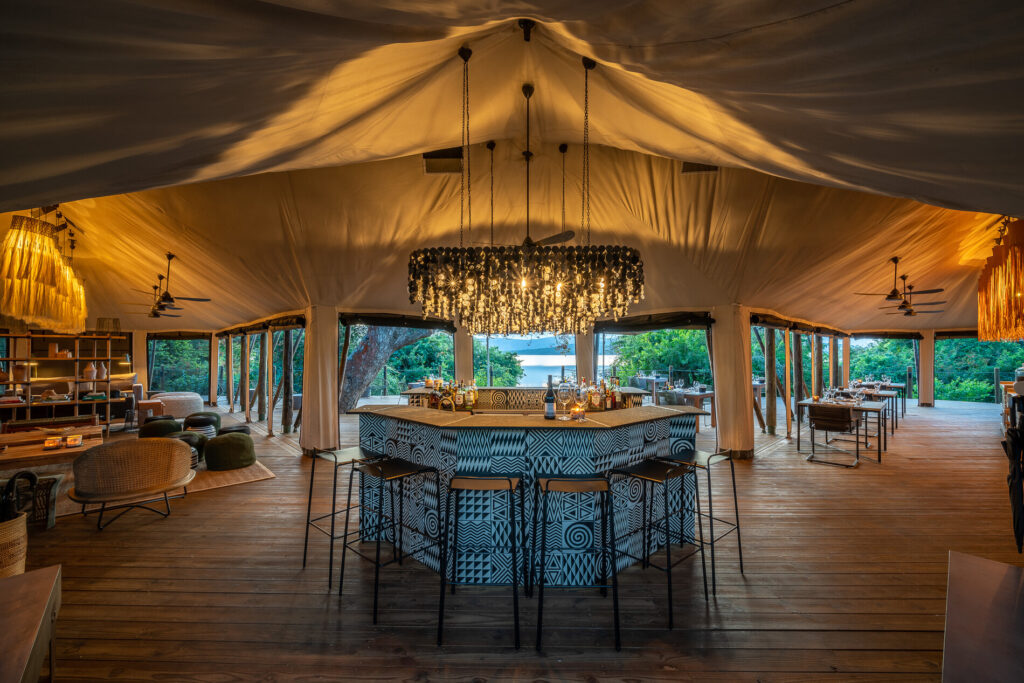
Exclusive tented camp on Lake Rwanyakazinga, with its own private airstrip for flying safari guests |
| Akagera National Park |
Ruzizi Tented Lodge |
Boutique tented lodge on Lake Ihema, closer to the park’s southern game-viewing circuit |
| Nyungwe National Park |
One&Only Nyungwe House |
Suites set inside a working tea plantation on the forest edge, near the chimpanzee trekking trailhead |
| Volcanoes National Park |
Bisate Lodge |
Six forest villas built into a restored volcanic amphitheater beneath Mount Bisoke |
| Volcanoes National Park |
Singita Kwitonda Lodge |
Contemporary suites bordering the gorilla trekking trailheads with an active conservation program |
| Volcanoes National Park |
One&Only Gorilla’s Nest |
Understated luxury cottages closest to the park’s Kinigi headquarters |
| Volcanoes National Park |
Sabyinyo Silverback Lodge |
Community-owned lodge with panoramic volcano views and log-fire suites |
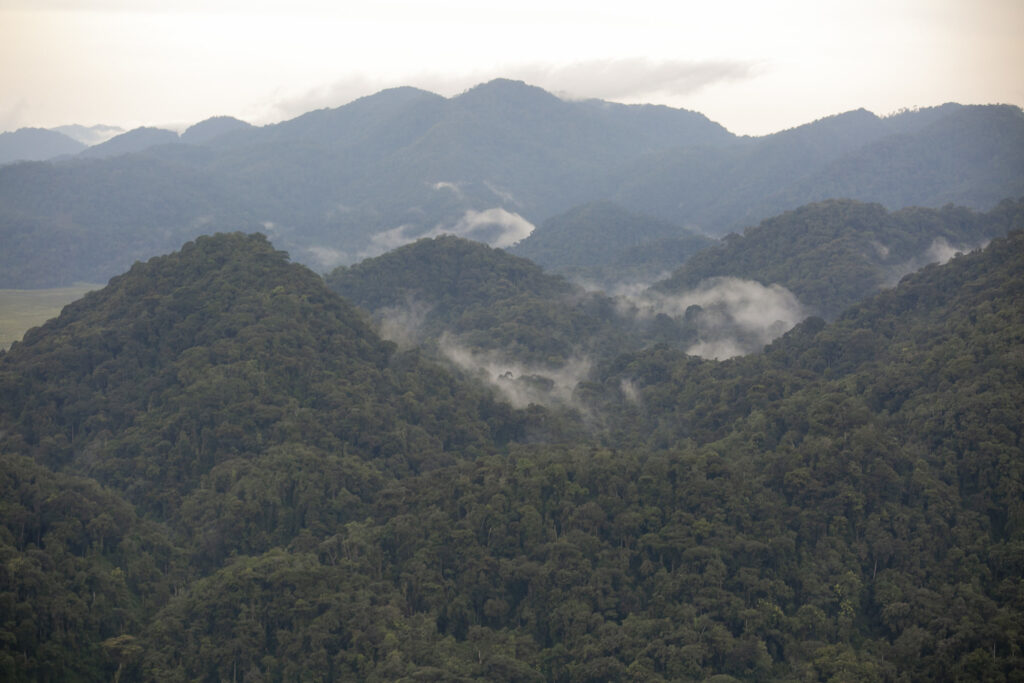
In Akagera, Wilderness Magashi Camp is the standout choice for a flying safari specifically because of its private airstrip, which removes any further road transfer once you land; Ruzizi Tented Lodge on Lake Ihema is a comfortable alternative closer to the park’s southern game circuit. In Nyungwe, One&Only Nyungwe House is located within a working tea estate on the forest boundary, just a short drive from both the chimpanzee trekking trailhead and the canopy walk. In Volcanoes National Park, Bisate Lodge delivers the most immersive volcanic setting; Singita Kwitonda Lodge and One&Only Gorilla’s Nest sit closest to the trekking trailheads for guests who would rather minimize early-morning drive time, and Sabyinyo Silverback Lodge is community-owned, meaning a meaningful share of your stay directly benefits households bordering the park.
Wildlife & Nature to Expect
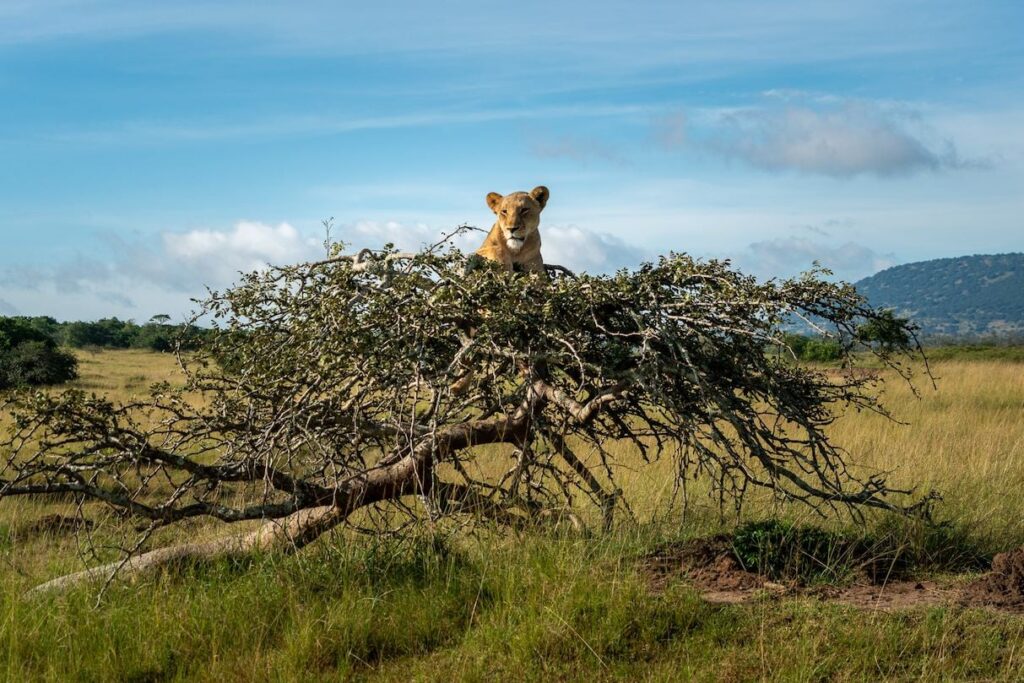
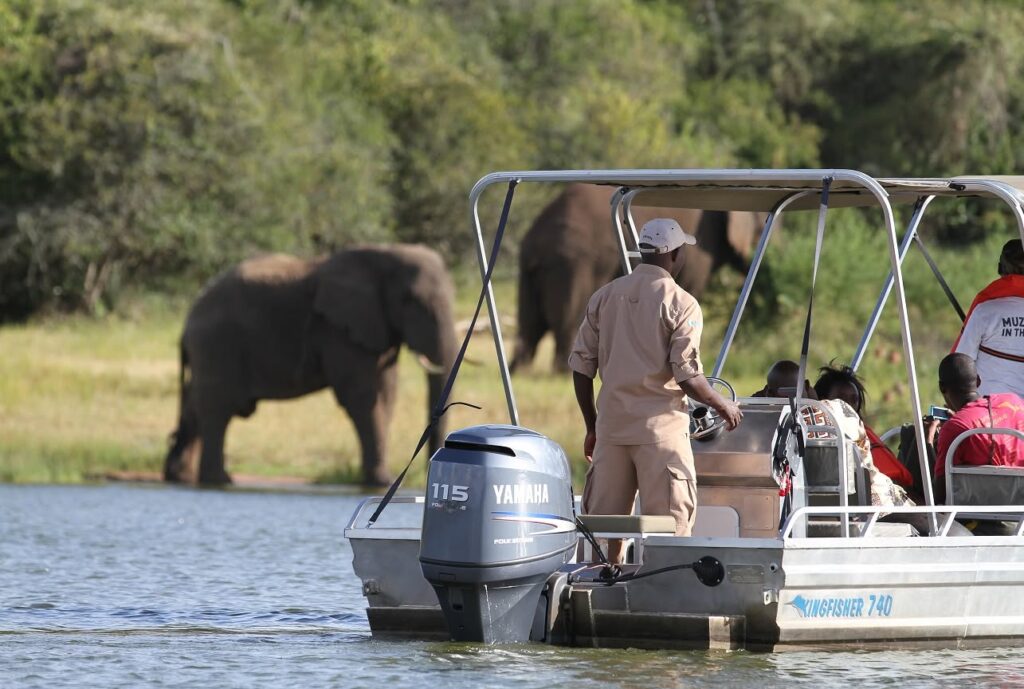
This itinerary delivers the widest possible range of Rwandan wildlife within a single trip, because it is the only route on this page that combines all three national parks. In Akagera, expect elephant, buffalo, giraffe, plains and Defassa waterbuck, topi, zebra, and, with good fortune and ranger intelligence, lion and the reintroduced black rhino, alongside hippo and crocodile around Lake Ihema and the chance of the rare shoebill stork near the papyrus fringes.
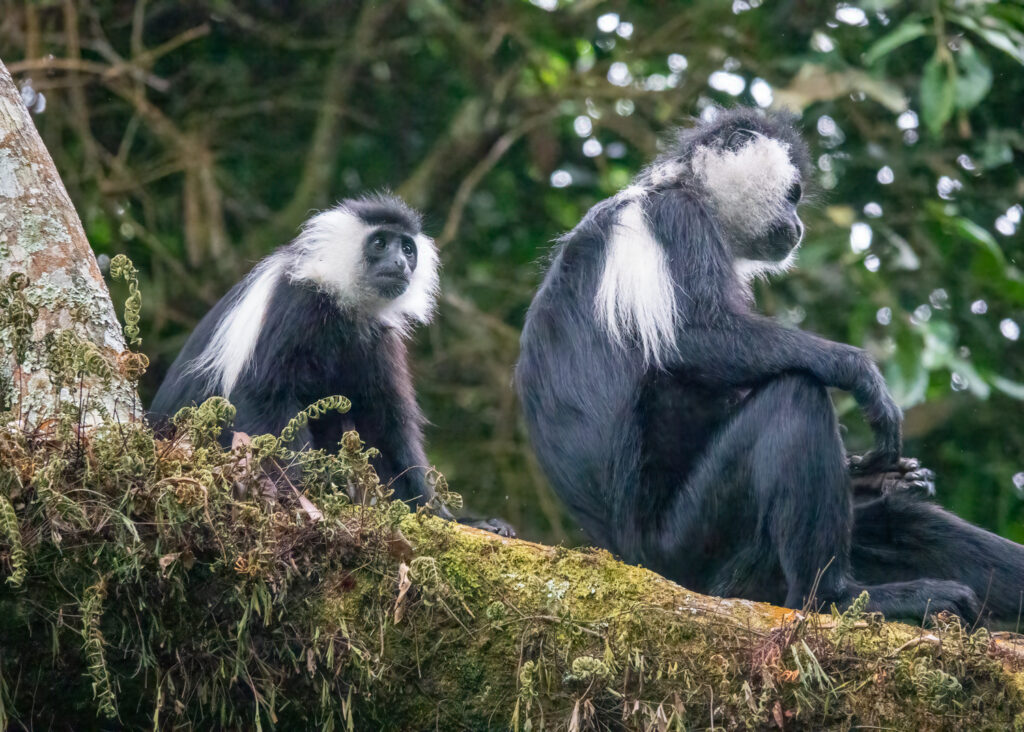
Angola Colobus Monkeys
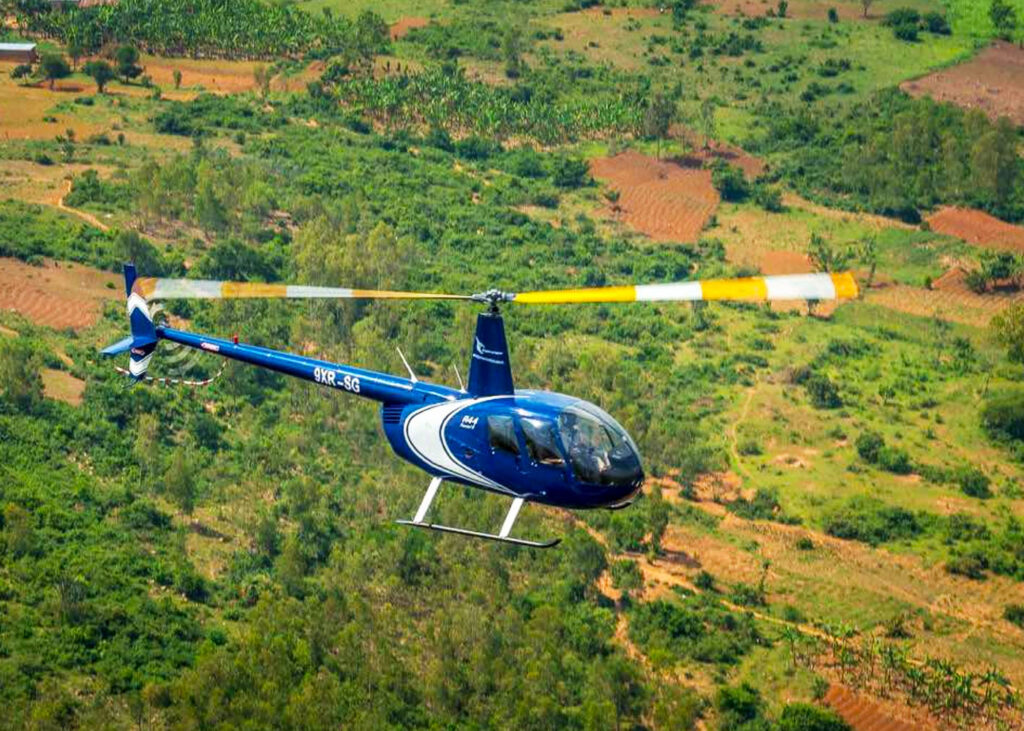
Nyungwe holds thirteen primate species beyond chimpanzees, including large troops of Rwenzori colobus, L’Hoest’s monkeys, and grey-cheeked mangabeys, alongside an exceptional birding list. In Volcanoes National Park, the gorillas and golden monkeys share bamboo and montane forest habitat with forest buffalo, a rich songbird community, and the twin crater lakes of Burera and Ruhondo visible from the park’s lower slopes with the added perspective, unique to this itinerary, of seeing much of this same volcanic landscape from the air during your helicopter transfer in.
Physical Difficulty & Fitness Requirements
Be realistic about what each stage of this itinerary demands, since the three primate treks and the game drives vary considerably in intensity. Akagera’s game drives require no particular fitness, since you remain in the vehicle throughout. Chimpanzee trekking in Nyungwe involves steep, often slippery forest trails in consistently humid conditions, and treks can extend if the community is ranging widely that day; the canopy walk itself, by contrast, requires no particular fitness.
The gorilla trek is the itinerary’s genuine physical test: trails are steep, frequently muddy, and cross uneven volcanic ground, with treks lasting anywhere from under an hour to several hours round trip. We strongly advise every guest, regardless of fitness level, to use hiking poles (provided free at the trailhead) and to hire a porter. Altitude compounds the difficulty; treks begin around 2,500 metres and can climb well above 3,000 metres, so guests with cardiovascular or respiratory conditions should consult a doctor before travelling and disclose any concerns to us in advance so that a fitness-appropriate family assignment can be requested. Golden monkey trekking is comparatively gentle, conducted at lower altitudes over shorter distances.
Best Time to Go
Rwanda has two dry seasons, June to September and December to February, which are the most reliable windows for gorilla, chimpanzee, and golden monkey trekking alike, since forest trails are firmer and wildlife movement is somewhat more predictable. These same months also tend to offer the clearest flying conditions for the helicopter transfers between parks, since low cloud and heavy rain can occasionally affect visibility during the wet seasons of March to May and October to November.

Because gorilla and chimpanzee permits are both capped in daily supply, peak dry-season dates for this itinerary are the first to sell out often months ahead of travel. If your dates are flexible, consider anchoring your travel window around gorilla and chimpanzee permit availability first, since accommodation and helicopter charters can generally be arranged around confirmed permit dates rather than the reverse.
What’s Included / What’s Not Included
| Included |
Not Included |
| • 1 mountain gorilla trekking permit per person |
• International and regional flights |
| • 1 chimpanzee trekking permit per person |
• Rwanda entry visa fees |
| • 1 golden monkey trekking permit per person |
• Alcoholic and premium beverages |
| • All Akagera National Park entrance and game drive fees |
• Tips and gratuities for guides, trackers, and porters |
| • Nyungwe canopy walk entrance fee |
• Porter fees during trekking |
| • Chartered helicopter / light aircraft transfers between all three parks |
• Travel and medical insurance |
| • Ground transfers by private 4×4 with an English-speaking driver-guide |
• Laundry and personal telephone charges |
| • All accommodation on the itinerary, luxury tier |
• Personal shopping and curio purchases |
| • Meals as specified in each day’s program |
• Optional activities not listed above |
| • Airport meet-and-greet and departure transfer |
|
| • Boat trip on Lake Ihema (Akagera) |
|
| • Bottled mineral water during transfers and activities |
|
| • Iby’iwacu Cultural Village visit |
|
Gorilla Permits, Park Fees & Costs
This itinerary involves three separate trekking permits, each issued by the Rwanda Development Board and priced independently of your overall package cost. A standard permit for mountain gorilla trekking currently costs USD 1,500 per person, and a golden monkey trekking permit costs USD 100 per person; both are included in this itinerary. Chimpanzee trekking permit pricing in Nyungwe and the Nyungwe canopy walk fee are confirmed at the time of booking, since RDB fee schedules are periodically revised, and helicopter charter costs are quoted separately based on current aviation rates, aircraft availability, and passenger numbers.
| Permit / Fee |
Approximate Cost (per person) |
Booked By |
| Mountain gorilla trekking permit |
USD 1,500 |
Rwanda Development Board |
| Golden monkey trekking permit |
USD 100 |
Rwanda Development Board |
| Chimpanzee trekking permit (Nyungwe) |
USD 250 |
Rwanda Development Board |
| Nyungwe canopy walk fee |
USD 40 |
Rwanda Development Board |
| Chartered helicopter / light aircraft transfers (3 legs) |
We confirm on Booking |
Private aviation operator |
| Exclusive private gorilla permit (optional upgrade) |
USD 15,000 |
Rwanda Development Board |
Because gorilla and chimpanzee permits are both limited in daily supply and heavily booked during peak season, we recommend securing all three permits as early as possible once your travel dates are set, ideally four to six months ahead for June–September or December–February travel, since helicopter charters are generally easier to schedule around confirmed permit dates than the other way around. Guests interested in a private, full-day exclusive gorilla permit rather than the standard shared-group experience included here can ask us about our Exclusive Gorilla Trekking option, and travelers seeking a multi-day, conservation-focused encounter beyond the standard one-hour visit should ask about our Behind-the-Scenes Gorilla Trekking Experience.
Packing & Gear List
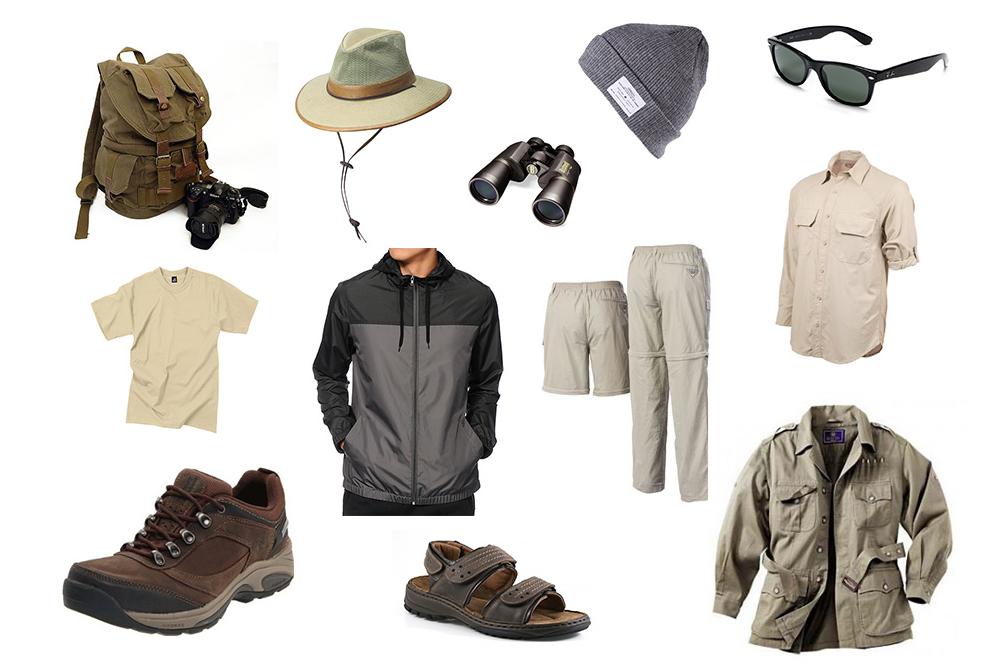
- Waterproof, ankle-supporting hiking boots, broken in before travel, used on both the Nyungwe chimpanzee trek and the Volcanoes National Park gorilla trek
- Gardening-style gloves for gripping vegetation and stinging nettles on the gorilla trek
- Long-sleeved shirts and long trousers in neutral colors for all forest activities
- A packable, genuinely waterproof rain jacket: both Nyungwe and Volcanoes National Parks can produce rain at any time of year
- Layers for temperature swings between Akagera’s warm savannah and the cool volcanic highlands
- A soft-sided duffel bag rather than a hard-shell suitcase, since most light aircraft and helicopters have strict luggage weight and shape restrictions
- A daypack with at least 2 liters of water capacity for trekking days
- Insect repellent and sun protection for Akagera’s open savannah
- A camera with a versatile zoom lens; flash photography is prohibited near the gorillas and discouraged near chimpanzees
- Binoculars, particularly valuable for Akagera’s game drives and Nyungwe’s high-canopy birdlife and primates
Getting There
International flights arrive at Kigali International Airport (KGL), which has direct connections from several European, Middle Eastern, and African hub cities. Our team meets every guest personally at arrivals; there is no need to arrange your own transfer. From Kigali, this itinerary uses chartered helicopter or light-aircraft transfers to reach Akagera National Park (approximately 15 minutes flying time), continue on to Nyungwe National Park, and then on to Volcanoes National Park (approximately 20 minutes flying time from Nyungwe, with aerial views over Lake Kivu), before a final road transfer back to Kigali on Day 8. We confirm the exact routing, aircraft type, and flight times at the time of booking based on aviation availability and weather.