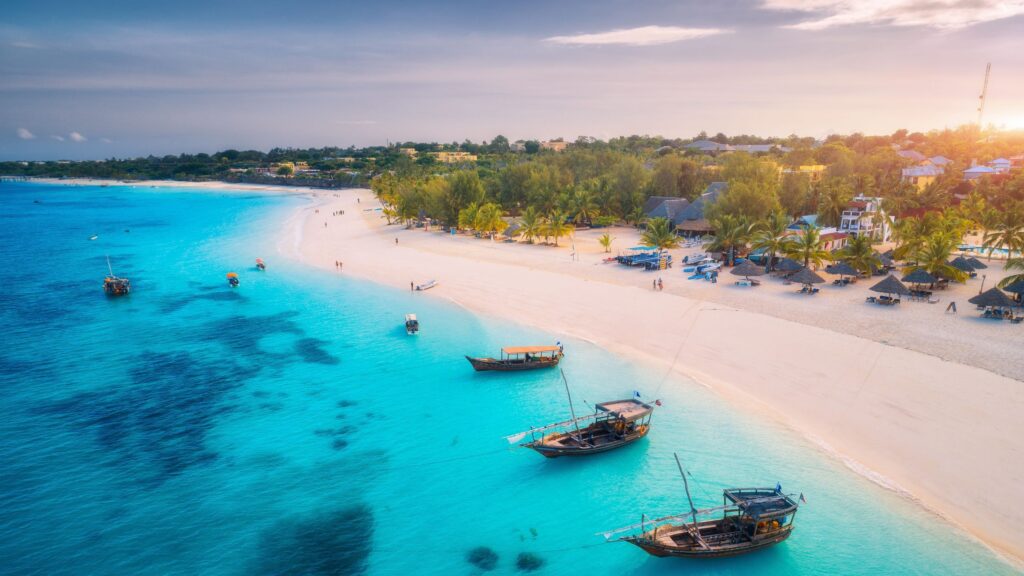
Lake Kivu, Rwanda: The Complete Luxury Travel Guide to Rwanda’s Inland Sea.

Lake Kivu is Rwanda’s largest lake, perfect after gorilla trekking. See where to stay, what to do & when to go. Please share your dates, and we will plan it for you.

Rwanda’s largest lake, a deep freshwater rift lake of about 2,700 square kilometers on the border with the Democratic Republic of Congo, with lakeside towns at Rubavu, Karongi, and Rusizi.

Lake Kivu is Rwanda’s largest lake, a deep, emerald, hippo-free, and crocodile-free freshwater rift lake of roughly 2,700 square kilometers on the country’s western border with the Democratic Republic of Congo, and it is the most rewarding place in Rwanda to rest between gorilla trekking, chimpanzee tracking, and Big Five game drives. It sits at about 1,460 meters above sea level, which gives it a mild, almost Mediterranean climate that feels a world away from the cool, misty volcano slopes where you will have trekked just a day earlier. The lake is around 89 kilometers long and 48 kilometers wide, plunges to a depth of close to 480 meters, and is fringed on the Rwandan side by terraced hills of coffee, banana, and tea that fall straight into the water. It is also one of the most unusual lakes on earth, because its deep layers hold vast quantities of dissolved methane and carbon dioxide, which Rwanda now harvests to generate electricity.

Lake Kivu Rwanda: Luxury Stays, Boat Cruises & Safari Guide

For a luxury traveler, the practical story is simpler and more seductive. A well-designed Rwanda safari is physically intense in its middle days, with a pre-dawn start, a steep climb at altitude, and an emotional peak that is difficult to follow with another game drive, and Lake Kivu is where that intensity is allowed to dissolve. The three lakeside bases that matter are Rubavu (still widely called Gisenyi) in the north, about an hour’s drive from Volcanoes National Park; Karongi (Kibuye) at the midpoint, a little over two to three hours’ drive from Kigali; and Rusizi (Cyangugu) in the south, the traditional gateway to Nyungwe Forest National Park. Between them lie private boat cruises to fruit-bat islands, working coffee washing stations, kayaking, sunset sundowners, spa afternoons, and the Congo Nile Trail, a 227-kilometer route along the shoreline.

Most guests give the lake two to three nights, and that is the right amount for a first visit. Two nights are enough to feel the pace of the place change; three nights allow a full day on the water, a coffee-country morning, and one unscheduled afternoon, which is where the lake does its best work. Gorilla permits are USD 1,500 per person, and golden monkey permits are USD 100, so the lake is the one part of a Rwanda itinerary where spending is driven by comfort and design rather than by fixed park fees. Our 6-day Rwanda gorilla trekking and Lake Kivu safari is built around exactly that rhythm of intensity, then release.

This guide is written by the team at Rwanda Gorilla Expeditions, who plan and run private journeys through Rwanda, Uganda, Tanzania, and Kenya. It covers what Lake Kivu actually is, how its three shores differ, what to do on and around the water, when to go, how to reach it, where to stay, what it costs, and the current safety and health context that any responsible operator should explain before you commit. We have also been candid about where the lake disappoints, because a trusted adviser is more useful than a brochure.

Lake Kivu is best understood as a long, deep, sheltered body of water with a mountain on almost every horizon, and the figures below are the ones we quote when planning with clients.

Location Western Rwanda, on the border with the Democratic Republic of Congo
Surface area About 2,700 km²
Length and width Roughly 89 km by 48 km
Maximum depth Close to 480 m (published figures range from about 475 to 485 m)
Elevation About 1,463 m above sea level
Outflow The Ruzizi River, flowing south to Lake Tanganyika
Main Rwandan shore towns Rubavu (Gisenyi), Karongi (Kibuye), Rusizi (Cyangugu)
Swimming Hippo-, crocodile-, and bilharzia-free at established lodge beaches
Gorilla permit (Volcanoes NP) USD 1,500 per person
Golden monkey permit USD 100 per person
Chimpanzee permit (Nyungwe) USD 150 per person

Permits are limited — spaces fill months ahead

Reserve Your Private Gorilla Trek

Speak with a Rwanda-based specialist today. We secure permits, match you to the right gorilla family, and plan every detail around your schedule.

No group departures · Private itineraries only · Direct Rwanda expertise

What Is Lake Kivu? Geography, Geology, and Why It Is Different.

Lake Kivu is a rift lake, formed in the Albertine Rift, the western arm of the Great Rift Valley, where the African continent is very slowly being pulled apart. The same tectonic story built the Virunga Mountains at the lake’s northern end, and it is why a morning of volcanic forest and an afternoon on calm, deep water can feel like two chapters of one geological narrative. Rwanda’s Environment Management Authority describes the lake as sitting on a rift valley that is slowly being pulled apart, which causes volcanic activity in the area and helps explain how deep it is.

Size, depth, and how the lake drains

The lake covers about 2,700 square kilometers and holds an estimated 560 cubic kilometers of water, according to Rwanda’s Environment Management Authority. Its maximum depth, usually quoted at close to 480 meters, places it among the twenty deepest lakes in the world. Unusually for a lake of this size, it empties through a single outlet, the Ruzizi River, which runs south into Lake Tanganyika. Rwanda’s tourism board describes it as the country’s largest lake and one of the most expansive in Africa, and you feel that scale from the water, where on a clear morning the far shore and the Congolese mountains look more like an inland sea than a lake.

A permanently layered lake

What separates Lake Kivu from every other lake on a safari circuit is its chemistry. The lake is permanently stratified, meaning the surface layers mix with each other to a depth of no more than about 70 meters, while the deep water below stays locked in place. Volcanic activity feeds carbon dioxide into the deep layers, and microbes convert part of that carbon dioxide into methane, while decaying organic matter produces more methane. The result is a freshwater lake with enormous reserves of dissolved gas beneath it and a surface that is perfectly calm, safe, and beautiful.

Why are there no hippos, crocodiles, or bilharzia?

Lake Kivu is unusually low in surface life compared with other African Great Lakes, which is why guests swim from lodge beaches without the wildlife concerns that apply at Lake Victoria or Lake Albert. There are no hippos or crocodiles in the lake, and swimming at established lodges is a standard part of any Kivu stay. The fishery is real but modest, centered on small sardine-like fish known locally as isambaza, which you will eat fried and salted at lakeside restaurants and which a skilled lodge chef will serve far better than a roadside stall.

Islands, hills, and the shape of the Rwandan shore

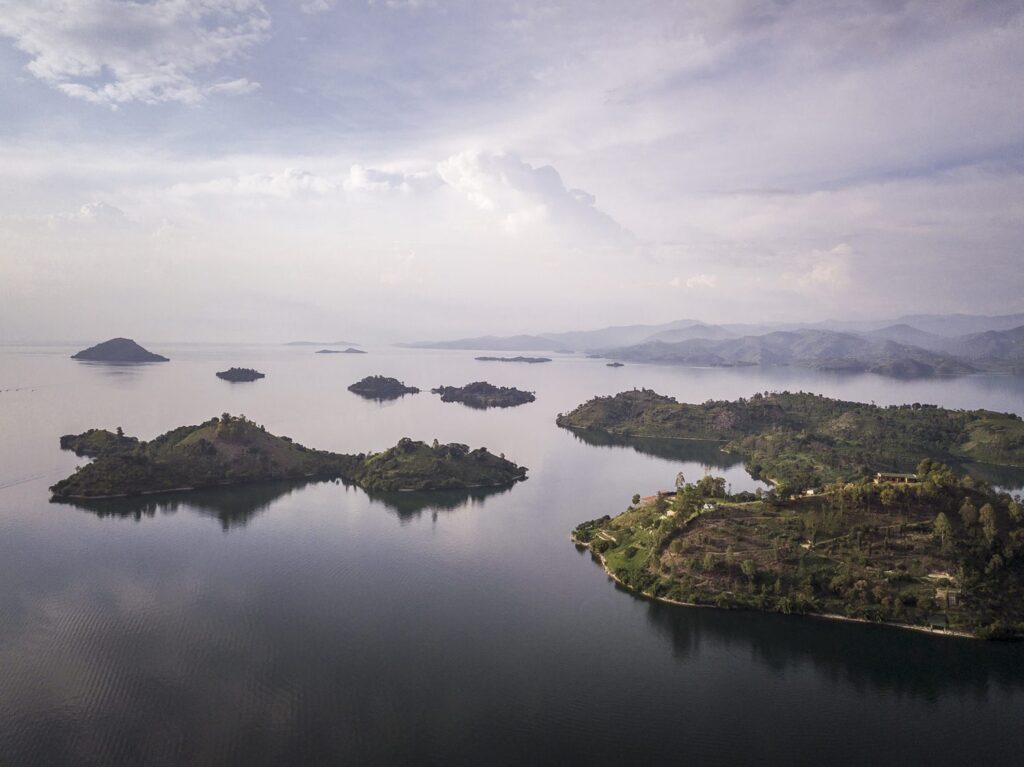
The lake is dotted with islands, roughly 250 by most counts, of which about 56 lie on the Rwandan side and 16 around Karongi alone. The Rwandan shoreline is steep, folded, and densely terraced, which is why a boat trip is such a revelation: from the water, the hills reveal their full layered geometry of banana groves, coffee plots, and eucalyptus ridgelines. On the Congolese side, the cities of Goma and Bukavu face Rwanda across the lake, and the lake itself forms much of the international boundary between the two countries.

A short history worth knowing

Before it was a leisure destination, Lake Kivu was a colonial-era beach resort at Gisenyi, a fishing and farming landscape, and, in 1994, part of the geography of the genocide against the Tutsi. In the hills above Karongi, the Bisesero Genocide Memorial marks a place where Tutsi civilians resisted for weeks, and it is a sober, important stop for travellers who want to understand modern Rwanda. We often recommend pairing a lakeside stay with the Kigali Genocide Memorial, which features in itineraries such as our 3-day Rwanda gorilla trekking and cultural safari, and we are glad to build quiet, well-guided time for it into a journey. It is never mandatory, and it is always handled with care.

Where to Go on Lake Kivu: Rubavu, Karongi, or Rusizi

The three Rwandan shore towns are three-to-four hours’ drive apart, so choosing your base is the most important decision you will make about the lake, and the right answer depends on what comes before and after it in your itinerary. In general, Rubavu is best for a gorilla-first journey, Karongi is best for a lake-first rest stop with the most beautiful water, and Rusizi is best for a Nyungwe-first journey.

Karongi (Kibuye): the scenic heart of the lake

Cleo Lake Kivu Hotel Kibuye

Cleo Lake Kivu Hotel Kibuye

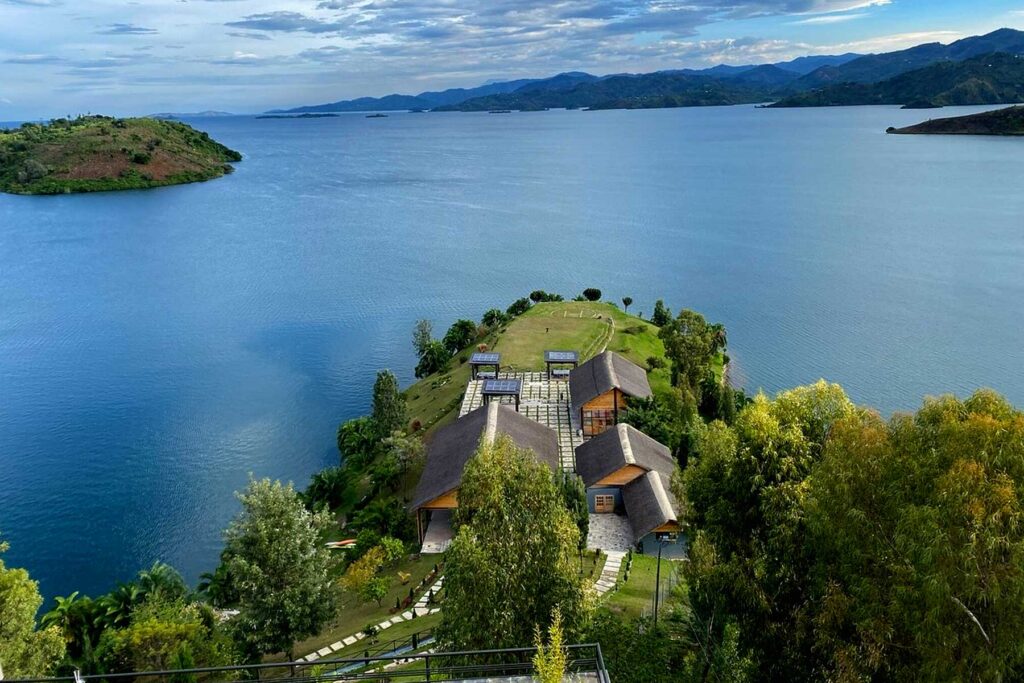
Karongi sits roughly midway along the shore and is, in our experience, the most beautiful and the most peaceful section of Lake Kivu. Pine and eucalyptus ridgelines frame a sheltered bay, the islands are close enough for short boat hops, and at dawn and dusk the sound of fishermen singing in unison as they paddle drifts across the water, a detail that Rwanda’s tourism board itself singles out. It is about 130 kilometers from Kigali, which is a comfortable two-and-a-half to three-hour drive by private vehicle on a paved road, and it is the base for Napoleon Island, the coffee washing stations of the surrounding hills, and the middle stages of the Congo Nile Trail. Karongi is also the home of Cleo Lake Kivu, a boutique lakeside hotel in the Bwishyura area that features in our 8-day Rwanda luxury safari. If you want a single place to call “Lake Kivu” on a first trip and you have time for only one base, we choose Karongi.

Rubavu (Gisenyi): the beach town beside the volcanoes

Rubavu is the largest town on the lake, spread over several hills at its northern edge, and it is only about an hour’s drive from Volcanoes National Park. That proximity makes it a natural post-trek retreat: you can finish a gorilla trek, drive down to the water, and be at a lakeside terrace by late afternoon. The waterfront still carries the faded character of the colonial era, with old villas, lakeside bars, and a long, easy promenade, and the town has the liveliest evenings on the lake. Lake Kivu Serena Hotel, a long-established resort with gardens, a private beach, and a spa, is the best-known luxury address in Rubavu. Rubavu directly faces the Congolese city of Goma across a land border, and for that reason it requires the closest attention to current official travel advice, which we cover in the safety section below.

Rusizi (Cyangugu): the southern gateway to Nyungwe

Rusizi lies at the southern tip of the lake and is the closest lakeshore town to Nyungwe Forest National Park, roughly an hour away. It is the least visited of the three bases and the quietest, with a handful of newer lakeside hotels, and it works best as the closing or opening night of a Nyungwe chimpanzee safari rather than as a destination in its own right. Like Rubavu, Rusizi sits close to the border with the Democratic Republic of Congo, and parts of the district are subject to specific government travel advice, so we plan any southern stay conservatively and confirm the current position before every departure.

How we choose between them for you

We start with the order of your parks. If you are doing gorillas last, Karongi first, and Rubavu or Musanze second, it makes the day-by-day driving easiest; if you are finishing on the lake, a late gorilla trek followed by a transfer to Karongi gives you a proper reward at the end of the journey. Distance matters less than people think, because every transfer is in a private 4×4 with a driver-guide, but a three-hour road day is still a three-hour road day, and we build in a coffee stop or a viewpoint so that no transfer is merely transit.

Plan Your Rwanda Safari

Start Planning a Private Gorilla Trek

Rwanda gorilla permits sell out months in advance. Secure your dates before the season closes.

Best Things to Do at Lake Kivu

The best things to do at Lake Kivu are slow ones: a private boat cruise to the islands, a coffee-country morning, a kayak or paddleboard session at dawn, an unhurried swim, and a sunset on the water, with the Congo Nile Trail available for travelers who want to walk. The lake rewards people who give it time, and it punishes anyone who tries to turn it into another checklist.

Private boat cruises and Napoleon Island
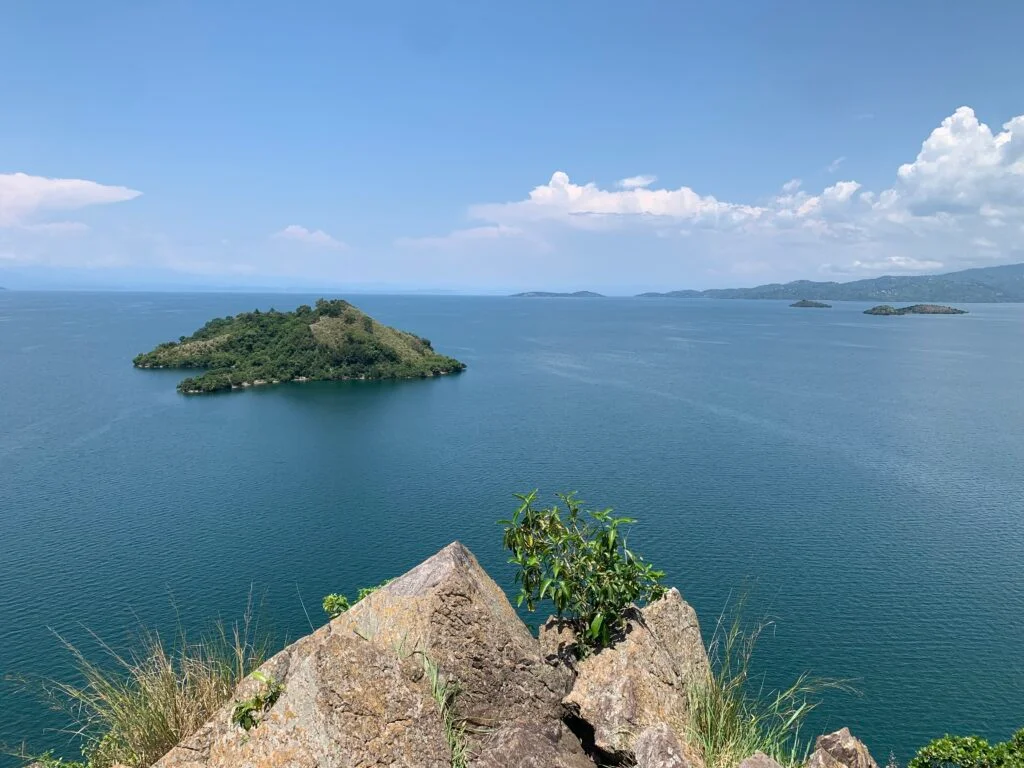
Napoleon Island, Lake Kivu Rwanda

A boat trip is the single best way to understand Lake Kivu, because from the water you can see the full geometry of the terraced shoreline. From Karongi, a typical excursion takes about 30 minutes to reach Napoleon Island, named because its profile is said to resemble the hat. The island is known for a substantial colony of fruit bats, with local estimates running to tens of thousands of animals, and for a steep, rocky walk to a summit viewpoint over the lake and its neighboring islands. Birdlife includes African fish eagles, cormorants, and herons. Nearby islands, including the one locally called Monkey Island and Peace Island, can be combined into a half-day. The island walk is steeper than it looks, so it is best done in the cooler early morning, in proper shoes and with a guide. Local boat outings are inexpensive, but on a luxury safari we organize a private boat with life jackets, a captain, a guide, a picnic, and cold drinks, and we time it so that you are back on a terrace before the sun goes down.

Dawn fishing and the fishermen’s songs

Before sunrise, traditional wooden fishing boats go out in formation, lashed together in pairs and trios, with crews singing in rhythm as they paddle. Joining a dawn departure with a local crew is one of the quiet highlights of a Kivu stay, and it offers a more honest window into lakeside life than most staged cultural performances. Evening fishing, with lanterns drawing the small isambaza fish to the surface, is equally striking from the shore. It is a genuine working landscape, not a show, which is precisely why it is worth seeing.

Coffee country: washing stations and plantations

The hills above Lake Kivu are among Rwanda’s prime Arabica counties, and the shoreline is part of what is sometimes called the Kivu Belt. A visit to a working coffee plantation and washing station is a staple of our 6-day Lake Kivu itinerary, which includes a tour of the Kimbiri coffee plantation. The main harvest runs roughly from March to June, when cherries are hand-picked, floated, pulped, and laid out on raised drying beds within sight of the lake; outside of harvest, you can still see the full growing and processing story. A cupping session at the end, with the lake in the background, is a memorable way to taste what you have seen.

Kayaking, paddleboarding, and swimming
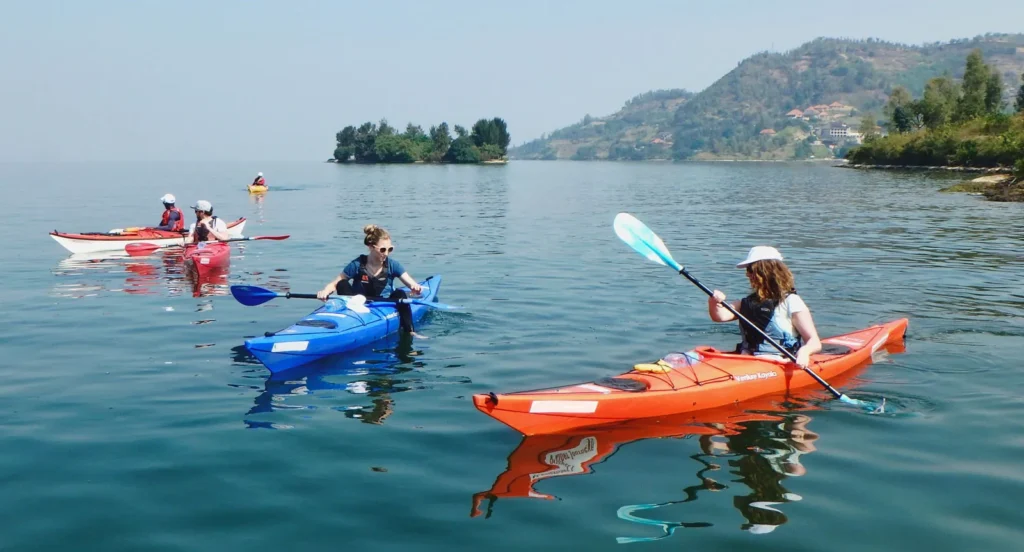
Kayaking on Lake Kivu

Most lakeside hotels keep kayaks and stand-up paddleboards, and Rwanda’s tourism board promotes kayaking on Lake Kivu as an adventurous way to explore. The water at this altitude is cooler and fresher than a typical equatorial lake, and the absence of hippos, crocodiles, and bilharzia means you can swim from a lodge beach without a second thought. Kayak at first light, when the lake is glassy and the air is still; by mid-morning a breeze often builds along the shoreline.

The Congo Nile Trail

The Congo Nile Trail runs about 227 kilometers along the Rwandan shore from Rubavu in the north to Rusizi in the south, passing through Rutsiro, Karongi, and Nyamasheke. It was developed by the Rwanda Development Board with the United Nations World Tourism Organization and SNV, and it can be hiked, cycled, or covered by vehicle in stages. Walkers typically allow around ten days to complete the trail on foot; a luxury traveller will more realistically want a single-day stage. A good day is the Karongi to Mugonero section of just under 20 kilometers, which delivers wide views of the islands and the winding Kivu Belt road, or a shorter half-day loop from your hotel with a guide, a car in support, and a picnic. The rainy seasons make the trail slippery, so we suggest the dry months for walking.

Spas, sundowners, and doing nothing well

Rwanda sits close to the equator, so sunset arrives just before 6pm all year round, which means the golden hour on the lake is predictable and reliable. Plan a boat or a terrace at 5pm. Several lakeside hotels offer spa treatments, infinity pools, and lakefront dining, and the best of them have their own gardens and coffee terraces. Treat the afternoon after a gorilla trek as a protected space in the itinerary: the legs will be weary, the mind will still be full, and a long, unscheduled afternoon beside the water is exactly what the body asks for.

Cultural and community experiences

Beyond the boats and the coffee, well-plannedod itinerary includes a short visit to a lakeside fishing community, a conversation with a coffee cooperative, and time at Bisesero or another memorial with a qualified Rwandan guide. These are the parts of a lake stay that people tend to discuss years later, and they are the parts that most reliably distinguish a locally run journey from a generic package. If you have a specific interest, whether birdwatching, photography, or Rwandan music, tell us early and we will shape the days around it.

Is Lake Kivu Safe? Methane, Limnic Eruptions, and Power Generation

Lake Kivu is safe to visit, swim in, and cruise on, and the methane beneath it is a monitored scientific and engineering matter rather than a tourist risk. It is, however, one of only three lakes in the world known to hold enough dissolved gas to be capable of a limnic eruption, the sudden release of gas that occurred in the 1980s at Lake Monoun and Lake Nyos in Cameroon, and a traveller who has read about this phenomenon deserves a straight explanation rather than reassurance alone.

What a limnic eruption is, and why Kivu is watched

A limnic eruption occurs when gas dissolved in deep water is released suddenly, for example, after a major disturbance. Lake Kivu’s deep waters hold large amounts of dissolved carbon dioxide and methane, with roughly 55 billion cubic meters of methane estimated at depths of around 300 meters. Because the lake is permanently stratified, with only the upper layer, down to about 70 meters, mixing, the gas stays trapped below. Rwanda and the Democratic Republic of Congo have worked with international experts for years on management prescriptions to govern how the gas is extracted and to keep the lake stable, and Rwanda’s Environment Management Authority runs monitoring to check that operators comply.

From hazard to electricity

Rwanda has turned the gas into an asset. The KivuWatt plant near Karongi draws water from around 350 meters down using a barge anchored about 13 kilometers offshore, separates the methane, and pipes it ashore to a plant of roughly 26 megawatts, while at the same time removing gas from the deep layers. It was the first large-scale methane-to-power project on the lake. As a visitor you will barely notice it; the barge sits far out on the horizon, and the only change to your stay is a more reliable electricity supply in the lakeside towns.

In practical terms, nothing about it affects a luxury holiday. Hotels operate normally, boats run daily, and local fishermen, swimmers, and kayakers use the lake year-round. We mention the geology because the best guides love to explain it and because it is the lake’s most interesting fact. It is the reason travellers who see the water on a still morning often say it feels like looking at something enormous and quietly alive.

Best Time to Visit Lake Kivu

The best time to visit Lake Kivu is during Rwanda’s long dry season from June to September or the short dry season from December to February, although the lake is pleasant and temperate in every month of the year. Because the lake sits at around 1,460 meters, daytime temperatures are typically in the mid-20s Celsius, nights are cooler, and the climate is gentler than the volcano slopes where you will trek.

Best time for gorilla trekking.

The dry seasons: June to September and December to February

These are the months when roads are firm, boat days are clear, views across the lake to the Congolese mountains are sharpest, and the Congo Nile Trail is at its best. They also match the peak window for gorilla trekking, so if your dates are driven by gorilla permits, the lake will usually fall in excellent weather. Permits for these periods should be booked well ahead; we recommend six to twelve months for June to September and the December to January holiday window.

The rainy seasons: March to May and October to November

Rain falls mostly in short, heavy bursts rather than all day, and the shoreline turns an intense green. Boat days are still possible, but you should expect the odd storm, muddier trails, and some low cloud over the hills. The upside is quieter hotels, lower season rates at some properties, and the coffee harvest, which runs roughly from March to June, so that part of the rainy season gives you the lake’s most active agricultural weeks. Travellers who care more about solitude than guaranteed sun often choose May or November on purpose.

Choosing your month around the gorillas

If you are travelling in the wetter months, we suggest putting the lake after the gorilla trek so that you finish on a soft landing rather than starting on one. If you are travelling in the dry season, the order matters less, and we generally let the permit availability decide which day the trek falls on, then arrange the lake around it.

How to Get to Lake Kivu from Kigali and Volcanoes National Park.

Lake Kivu is reached by road from Kigali in about two and a half to three hours to Karongi, three to three-and-a-half hours to Rubavu, and about five hours to Rusizi, all on paved roads and all easily done in a single morning with a private driver-guide. Distances are modest, but the roads wind through hills, so allow more time than the map suggests.

From Kigali International Airport

All international visitors arrive at Kigali International Airport (KGL). Our team meets you inside the arrivals hall, and the transfer into the city takes about 30 minutes. Karongi lies about 130 kilometers west of Kigali, Rubavu about 155 kilometers northwest via Musanze, and Rusizi about 220 kilometers southwest via Huye and Nyungwe. Most guests spend the first night in Kigali and travel on the second morning.
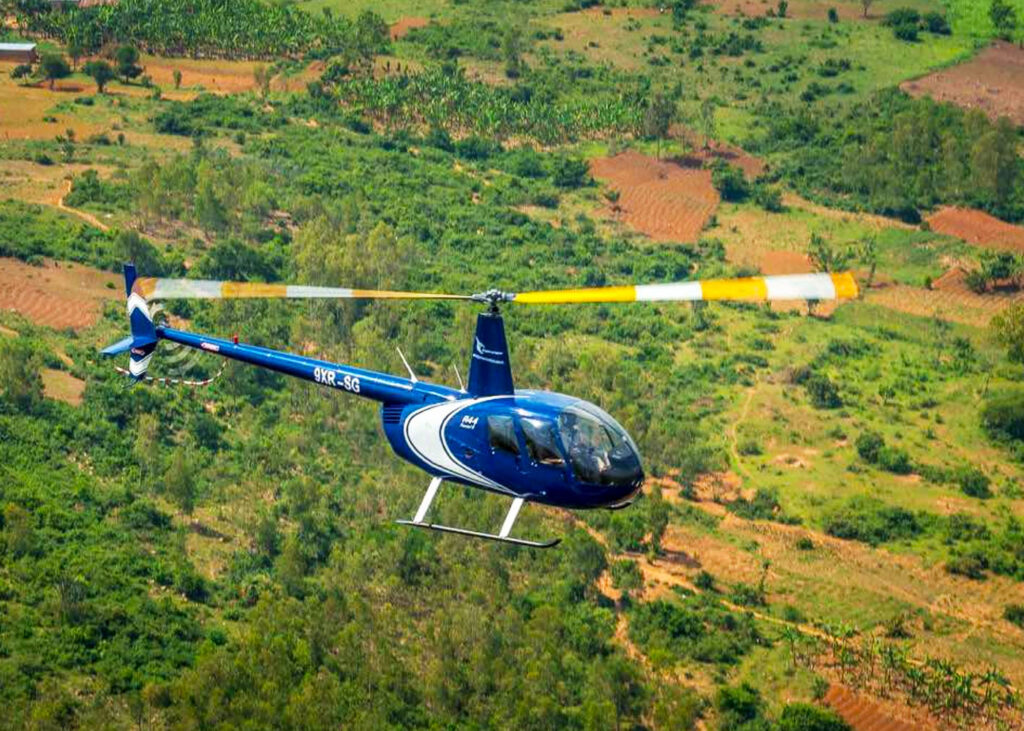
Rwanda Fly-In Safari Style

From Volcanoes National Park

Rubavu is about an hour from Volcanoes National Park and the Kinigi headquarters, where gorilla briefings take place, which is why it is the natural post-trek base. Karongi is roughly two to three hours from Musanze, depending on road conditions and the stops you choose. Our 6-day gorilla and Lake Kivu itinerary includes a golden monkey trek on the morning of the transfer, followed by lunch and a lakeside check-in in the late afternoon.

From Nyungwe Forest

The journey from Nyungwe to Karongi or Rubavu runs along the lake’s southern and eastern edges and takes roughly three to four hours depending on your lodge and your destination on the lake. Our 7-day luxury Rwanda safari begins in Nyungwe, includes a sunrise boat cruise and island walk on the lake, and then continues to Musanze, while our 8-day route spends a night at the lake between Nyungwe and the volcanoes.

Road, air, and boat options

The overland route is the simplest and the one we recommend, because it shows you the countryside. For travellers who wish to shorten the transfer, we can arrange private charter flights and helicopter transfers on request and subject to availability. We will confirm the best transfer for your dates when we quote, including any road works on the Kivu Belt and the Karongi to Rubavu stretch, which have in the past been affected by damage and repairs.

What to book in advance

Three things need reserving early: the gorilla permit, which is the only fixed item that can sell out; the best lakefront room categories at Karongi and Rubavu during the dry seasons, which are far fewer than the number of guests who want them; and any domestic flight or charter you intend to use. Everything else, from the boat to the coffee tour, can be arranged within days.

Where to Stay at Lake Kivu: Luxury Hotels and Lodges

Lake Kivu’s accommodation is smaller and less polished than the lodge cluster around Volcanoes National Park, so the honest advice is to choose a base for its setting and service rather than for brand names. The best properties combine lakefront rooms, a private beach or jetty, a pool and a kitchen that serves fresh lake fish and excellent coffee, and the very best have a boat of their own.

Cleo Lake, Kivu, Karongi
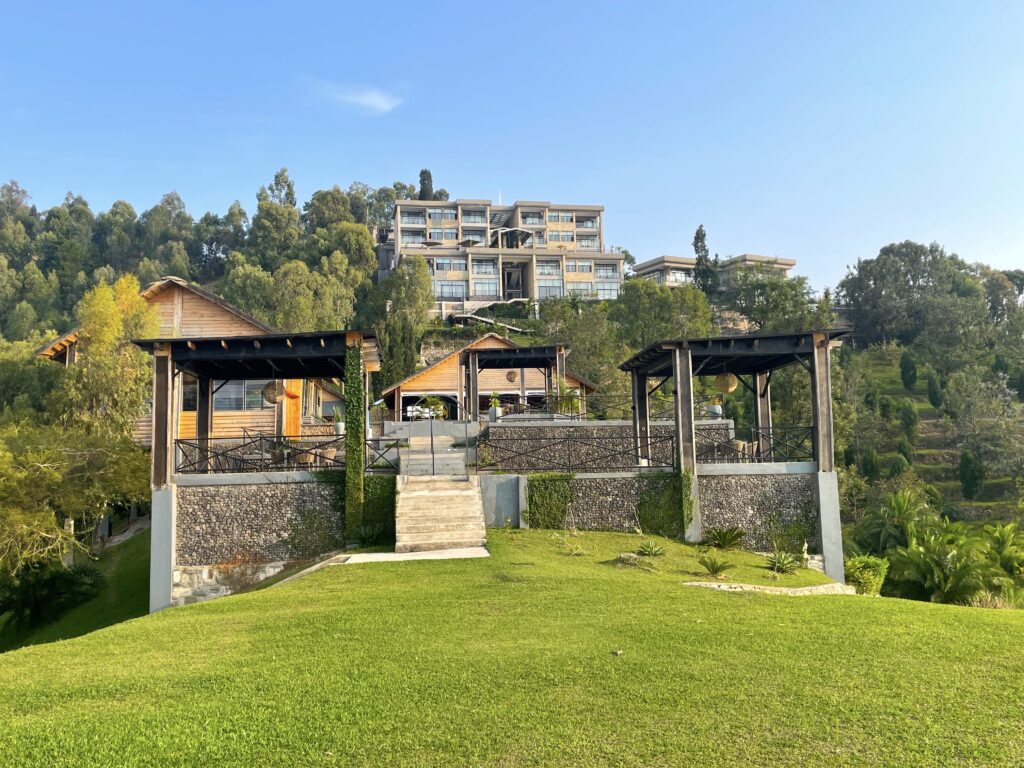
Cleo Lake, Kivu, Karongi

Cleo Lake Kivu is a boutique lakeside hotel in Bwishyura, Karongi, with a contemporary design, private terraces, and views over the water and its islands. It is one of the two lake options in our 8-day Rwanda luxury safari, and it suits couples who want a quieter, design-led base rather than a large resort.

Lake Kivu Serena Hotel, Rubavu
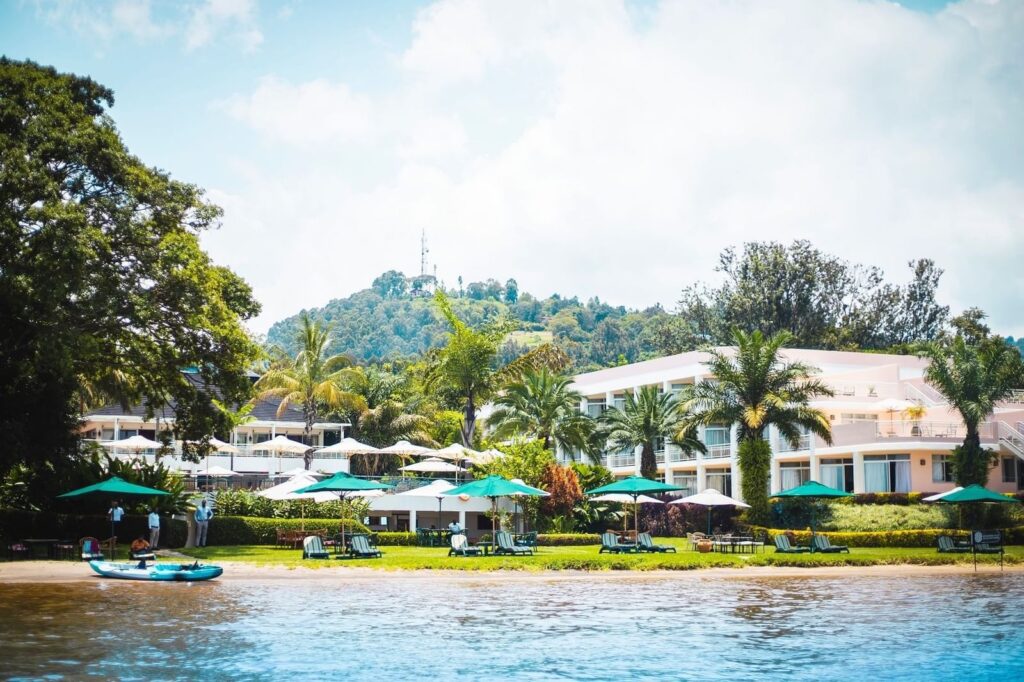
Lake Kivu Serena Hotel, Rubavu

Lake Kivu Serena Hotel is the established luxury resort on the northern shore, with landscaped gardens, a private beach, and spa facilities. It is the better choice for travellers who want full resort services, a lively setting, and convenient access to Volcanoes National Park, and it is the other lake option on our 8-day journey.

Southern options

Around Rusizi, a small number of newer lakeside hotels, including Kivu Marina Bay, offer modern rooms and a lakeside pool and can serve as a calm base after Nyungwe. As noted below, parts of this district are subject to government advice, so we discuss southern stays individually.

Rates and what to expect

Lakefront luxury in Rwanda sits at a lower price point than the exclusive lodges near the gorillas, but it is not cheap, and rates move with the season. As an indicative guide only, better lakefront rooms commonly range from a few hundred US dollars to well above USD 700 per room per night in the dry seasons, and we quote exact current rates for your dates rather than publishing figures that go out of date. For a broader view of the full range of properties, see our guide to where to stay in Rwanda and the lodges around Volcanoes National Park.

Choosing the right style of lakeside stay

A boutique hotel suits honeymooners and anyone who wants quiet; a resort-scale property suits families and multigenerational groups who want pools and options; and a lakefront villa or private-use arrangement, where available, suits clients who want complete privacy. Tell us which you prefer, and we will match the property to the rest of your itinerary instead of defaulting to a single name.

Plan Your Rwanda Safari

Start Planning a Private Gorilla Trek

Rwanda gorilla permits sell out months in advance. Secure your dates before the season closes.

How Many Days Do You Need at Lake Kivu, and How Can You Combine It with Gorillas?

Two to three nights is the ideal length for Lake Kivu on a luxury Rwanda safari, placed after your most demanding trek, and it can be combined with gorillas, chimpanzees, and Akagera without any extra border crossings or visas. The reason it works so well is geographic: Rwanda is small, so a single country gives you montane gorilla forest, ancient chimpanzee rainforest, a rift-valley lake, and a Big Five savannah within a week or ten days.

The lake as a recovery stage

A gorilla trek can take anywhere from thirty minutes to five hours each way at altitudes of around 2,500 to 3,000 meters and above, so the legs and the head need time afterwards. Putting the lake after the volcanoes gives you a day to stretch, swim, and sleep late before the long flight home. This approach is why our 6-day gorilla trekking and Lake Kivu safari puts three nights on the water after the gorilla and golden monkey treks.

The lake is in the middle of a longer journey.

On the longer routes, the lake works as a bridge between Nyungwe and the volcanoes, because it breaks a long drive into two manageable days. Our 8-day luxury safari uses this structure: Kigali, Nyungwe for chimpanzees and the canopy walk, a tea-estate morning, a night at Lake Kivu, then north to the Dian Fossey Gorilla Fund campus and the gorillas.

Adding Akagera for the Big Five

Rwanda Safaris: The Complete Expert Guide (2027)

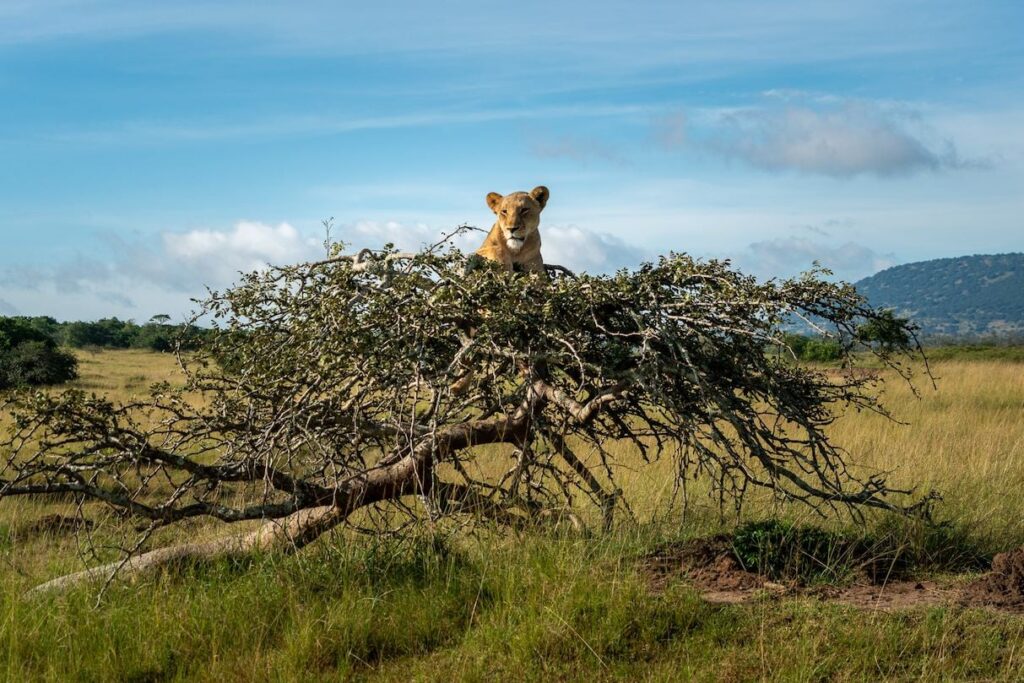
If you want lions, black rhinos, and elephants alongside primates, add Akagera National Park in the east. It is a long way from Lake Kivu, so we usually place Akagera at the start or end of the trip and keep the lake as the quiet middle. We build our 9-day luxury flying safari and the Best of Rwanda’s National Parks journey around that logic.

Gorilla families, exclusive treks, and the deeper options

For clients who want a private experience, exclusive gorilla trekking grants a single group access to a gorilla family for the day at about USD 15,000, while the behind-the-scenes gorilla experience offers a longer, research-led encounter. You can follow either experience with a quiet stay by the lake. Read about the conservation context in our guide to gorilla conservation in Rwanda.

Lake Kivu Safari Costs, Permits, and What Is Included

A luxury Rwanda safari that includes Lake Kivu is priced mainly by its permits, lodges, and transport, and the lake itself is one of the more affordable parts of the budget. For a short itinerary of about six days, permits alone come to USD 1,600 per person for one gorilla trek and one golden monkey trek, before lodges, vehicles, and guiding are added.

The permit costs that anchor the budget

The Rwanda gorilla trekking permit costs USD 1,500 per person and is issued by the Rwanda Development Board; it covers park entry, ranger and tracker supervision, and a one-hour encounter with a habituated family. The golden monkey permit is USD 100 per person, and the Nyungwe chimpanzee permit is USD 150 per person on our current schedules. The Nyungwe canopy walk is about USD 40, and an exclusive gorilla permit is about USD 15,000 for the group. These are set by the Rwanda Development Board and can be revised, so we confirm them in every written quotation. Rwanda’s gorilla permit is higher than Uganda’s USD 800 permit; our comparison of Rwanda versus Uganda gorilla trekking explains why.

What drives the rest of the price?

Accommodation is the largest variable, followed by the number of internal flights or charters, the length of the journey, and the size of the party. As an indicative guide, a private luxury itinerary of six to eight days with lake and gorilla components typically sits in the range of several thousand to well over ten thousand US dollars per person sharing, depending on the lodges and the season. Those figures are guidance rather than a quotation. The eight-day journey on our site typically costs well into five figures per person at true luxury lodges.

What is usually included and excluded

Our packages typically include permits, private ground transport with an English-speaking driver-guide, accommodation, meals as specified, airport transfers, park fees, the lake boat cruise, and the coffee tour. International flights, visas, alcohol, porter fees, gratuities, and travel insurance are normally excluded. A porter for the gorilla trek is modest in cost, directly supports local families, and is something we recommend for whatever your fitness level is.

Booking process and timing

The booking process is simple. You tell us your dates and group size; we check permit availability with the Rwanda Development Board, hold the permits, confirm the lodges, and send a written, itemized quotation. A deposit secures the arrangements, and we then handle everything from flights within Rwanda to dietary requirements. For peak months, book permits six to twelve months ahead; for shoulder seasons, three to six months is usually enough.

Lake Kivu Safety, Travel Advice, Health, and Entry Requirements

Rwanda is generally regarded as one of the safest and best-organized countries in Africa for visitors, but Lake Kivu lies on an international border, and a responsible guide must explain what current official advice says and how it changes your planning.

The border and current government advice

The UK Foreign, Commonwealth and Development Office, in its advice last updated on 4 September 2026, advises against all but essential travel to the parts of Rusizi District within 10 kilometers of the border with the Democratic Republic of Congo, including the Rwandan islands in Lake Kivu and Kamembe Airport. The same advice notes that the land border crossings between Rwanda and the DRC could close at short notice and that you may see military personnel on both sides of the border.

In practice, this approach is how we plan. We center lake stays on Karongi, which lies well away from the border crossings. We treat Rubavu and Rusizi case by case and confirm the position immediately before travel. We never cross into the DRC, and nor should our guests, since the borders can close without notice. If your government advises against travel to a particular district, we will adjust the routing, and any guest whose insurance depends on that advice should confirm cover before booking. Where an itinerary uses the Kamembe airstrip for Nyungwe access, our team confirms the current routing, including the option of an overland alternative, at the time of booking.

Ebola precautions

In May 2026, authorities declared an outbreak of Ebola caused by the Bundibugyo virus in Ituri Province in the DRC. Rwanda’s Ministry of Health reported no cases in Rwanda in its latest notices that we reviewed, introduced enhanced screening at Kigali International Airport and land borders, and the Rwanda Development Board stated that tourism continues as normal. Under measures announced in May 2026, foreign nationals who had travelled to or transited through the DRC in the 30 days before arrival were to be refused entry.

Visas and vaccinations

Most visitors need a visa to enter Rwanda. Commonwealth citizens, including British citizens, can receive a free 30-day visa on arrival, while other nationalities typically pay about USD 50 for a single-entry 30-day visa, and the East Africa Tourist Visa, which covers Rwanda, Uganda, and Kenya, is USD 100 and valid for 90 days. You can apply online through Irembo, Rwanda’s government services portal, and confirm requirements with the Rwanda Directorate General of Immigration. Your passport should be valid for at least six months beyond arrival. A yellow fever certificate is required if you are arriving from a country where there is a risk of yellow fever transmission. Malaria prophylaxis is generally advised for lower-altitude areas, including the lakeshore, so speak to a travel medicine specialist well before you go.

Everyday safety on the lake

The day-to-day risks at Lake Kivu are ordinary ones: sunburn, a stumble on a boat jetty, and a wet path on the Congo Nile Trail. Wear a life jacket on every boat, use a licensed operator through your lodge, keep to marked paths, and swim only from lodge beaches, where conditions are known. Carry comprehensive travel insurance with medical evacuation cover, and keep the name of your hotel and your guide’s number with you.

What to Pack for Lake Kivu and a Rwanda Gorilla Safari

Pack in two registers: sturdy, waterproof gear for the forest days and light, breathable resort clothing for the lake. The temperature swing between the volcano slopes and the lakeshore is the detail most guests underestimate.

What to Pack for a Safari

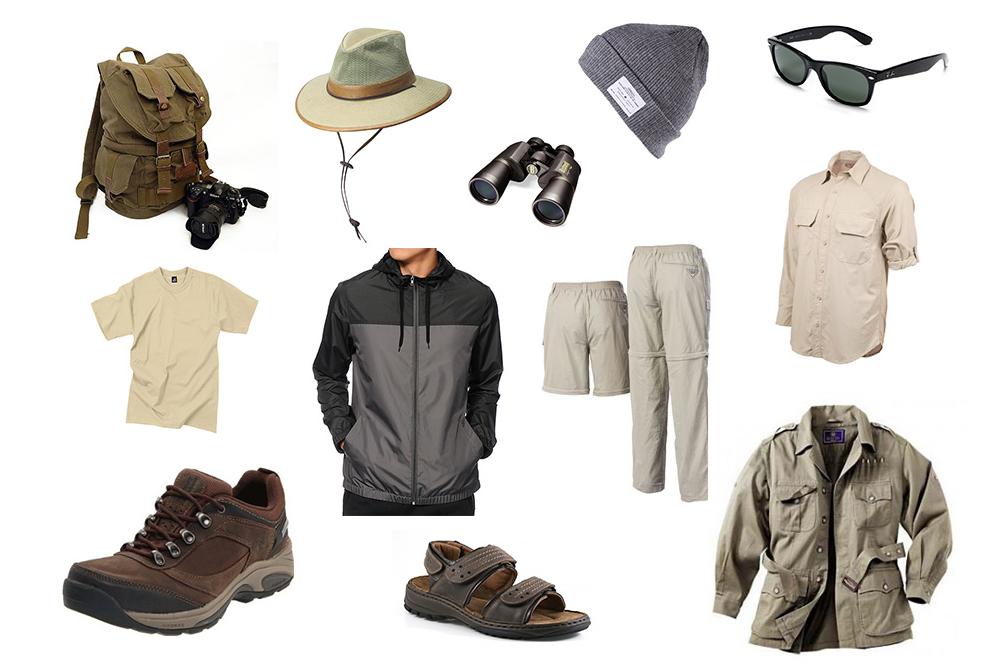
For the forest, you need waterproof ankle-supporting hiking boots that have been broken in, long-sleeved shirts and trousers in muted greens or browns, gardening gloves, a packable rain jacket and gaiters, as set out in our gorilla trekking guide. For the lake, bring swimwear, a sun hat, sandals, a light cover-up for evenings, polarized sunglasses for the glare off the water, and reef-style water shoes if you plan to paddle or step onto island landings. Add reef-safe sun cream, insect repellent, binoculars for the fish eagles and kingfishers, and a dry bag for your camera on boat days. A zoom lens is more useful than a wide-angle lens in the forest, while a wide lens earns its place on the lake. Flash photography is prohibited near the gorillas. Carry a modest amount of US dollars in clean, recent notes for tips and porter fees, and keep your passport and permits in a waterproof pouch.

Lake Kivu or Another Beach? How It Compares with Uganda, Tanzania, and Kenya

Lake Kivu is the best-value rest stop in a gorilla itinerary because it requires no extra border crossing, no extra visa, and no flight, and it combines swimming safety, altitude comfort, and mountain scenery in a way few lakes in the region can match. Other countries offer different things, and the right choice depends on what you want from the whole journey.

Zanzibar Travel Guide: Beaches, Stone Town & Getting There

Zanzibar Island Beaches

In Uganda, gorilla permits are USD 800, and the trekking is in Bwindi, with the lake alternative being Lake Bunyonyi in the southwest; see our Uganda safaris and Bwindi Impenetrable Forest guides. Rwanda is more compact and has better road infrastructure and a stronger luxury lodge scene around the volcanoes, which is the reason many high-end travelers choose it. For a true beach, Zanzibar and the Indian Ocean coast are the natural extension, usually reached after a Tanzania safari through the Serengeti or Ngorongoro, and our 12-day Gorillas and the Great Migration journey pairs Rwanda with Tanzania’s plains. Kenya’s Masai Mara and its safaris are ideal for travellers who want to see the migration and the big cats. For a multi-country primate itinerary, the Virunga Circuit safari links Rwanda, Uganda, and the DRC’s Virunga landscape, although DRC components depend on current security conditions, and our DR Congo safaris guide explains the status.

The simple summary is this. If you want gorillas, a lake you can swim in, a short travel time, and a single visa, build your trip around Rwanda and Lake Kivu. If you want an ocean beach at the end, add Zanzibar. If you want the stunning plains, add Tanzania or Kenya. Our Rwanda safari styles and safari experiences pages explain how we structure these combinations for honeymooners, families, photographers, and conservation-minded travelers.

Plan Your Rwanda Safari

Start Planning a Private Gorilla Trek

Rwanda gorilla permits sell out months in advance. Secure your dates before the season closes.

Frequently Asked Questions About Lake Kivu

Where is Lake Kivu located?

Lake Kivu is located in western Rwanda, on the border with the Democratic Republic of Congo, in the Albertine Rift, the western arm of the Great Rift Valley. The Rwandan shore runs for roughly 100 kilometers and is anchored by three towns: Rubavu (Gisenyi) in the north, Karongi (Kibuye) in the middle, and Rusizi (Cyangugu) in the south. The Congolese cities of Goma and Bukavu face them across the water. Karongi is about 130 kilometers from Kigali, while Rubavu is only about an hour from Volcanoes National Park. The lake empties into Lake Tanganyika via the Ruzizi River. Most visitors reach it by private vehicle from Kigali International Airport.

How deep and how big is Lake Kivu?

Lake Kivu covers about 2,700 square kilometers and reaches a maximum depth of close to 480 meters, with published figures ranging from about 475 to 485 meters. It is roughly 89 kilometers long and 48 kilometers wide, sits at about 1,463 meters above sea level, and holds an estimated 560 cubic kilometers of water. That depth places it among the twenty deepest lakes in the world. Rwanda’s tourism board describes it as the country’s largest lake and one of the biggest in Africa. Its deep layers are permanently stratified and hold large quantities of dissolved methane and carbon dioxide.

Is Lake Kivu safe to swim in?

Yes, swimming from established lodge beaches on Lake Kivu is a normal part of a Rwanda holiday, because the lake has no hippos and no crocodiles and is regarded as free of bilharzia. The water at about 1,460 meters is cooler and fresher than most equatorial lakes. We recommend swimming only from lodge beaches or jetties, where depth and conditions are known, and wearing a life jacket on any boat. The methane held in the deep layers does not affect surface swimming, as it is trapped below about 70 meters. Always check with your hotel about local conditions on the day.

Is it safe to visit Lake Kivu right now?

Lake Kivu is open and operating for tourism, but because it borders the Democratic Republic of Congo, you should check current government advice before you book. As of the UK FCDO advice updated on 4 September 2026, it advises against all but essential travel to the parts of Rusizi District within 10 kilometers of the DRC border, including the Rwandan islands in Lake Kivu and Kamembe Airport. We center lake stays in Karongi and confirm the position for Rubavu and Rusizi immediately before travel. Rwanda also introduced enhanced Ebola screening in May 2026 in response to the outbreak in the DRC, and foreign nationals who had been in the DRC within 30 days were barred from entry. These measures can change, so we monitor them daily for guests.

What is the best time to visit Lake Kivu?

The best time to visit Lake Kivu is the long dry season from June to September or the short dry season from December to February, when roads are firm and the views across the water are clearest. The lake is pleasant year-round, with daytime temperatures typically in the mid-20s Celsius. March to May and October to November bring heavier rain but quieter hotels and greener hills, and the coffee harvest runs roughly from March to June. Because gorilla permits drive most Rwanda itineraries, we usually fix the trek date first and then place the lake after it. For peak dry-season dates, we recommend booking six to twelve months ahead.

How do I get from Kigali to Lake Kivu?

The easiest way to get from Kigali to Lake Kivu is by private vehicle, which takes about two and a half to three hours to Karongi, three to three and a half hours to Rubavu, and about five hours to Rusizi. Karongi is roughly 130 kilometers from the capital, Rubavu about 155 kilometers via Musanze, and Rusizi about 220 kilometers via Huye and Nyungwe. All three routes are paved. Our packages include a private 4×4 with an English-speaking driver-guide and a scheduled stop en route. Private charter flights and helicopter transfers can be arranged on request, subject to availability.

How many days do you need at Lake Kivu?

Two to three nights is the right length for a first stay at Lake Kivu, ideally placed after your gorilla trek. Two nights give you one full day on the water, while three nights allow a boat cruise, a coffee plantation tour, and an unscheduled afternoon. Our 6-day gorilla trekking and Lake Kivu safari uses three nights on the lake after the gorilla and golden monkey treks. Travellers who want to walk part of the 227-kilometre Congo Nile Trail may add one or two nights. More than four nights is rarely necessary unless you are specifically seeking a rest stay.

What is there to do at Lake Kivu?

The best things to do at Lake Kivu are a private boat cruise to Napoleon Island, a visit to a coffee plantation, and kayaking or paddleboarding at dawn and sunset on the water. Napoleon Island, about 30 minutes by boat from Karongi, is known for a very large colony of fruit bats and a viewpoint walk. The Congo Nile Trail offers hiking and cycling along 227 kilometers of shoreline, and lake hotels offer spa treatments and lakeside dining. Dawn fishing trips with local crews are an authentic experience.

Which is better, Rubavu (Gisenyi) or Karongi (Kibuye)?

Karongi is better for scenery and peace, while Rubavu is better for convenience after gorilla trekking and a livelier town atmosphere. Karongi sits midway along the lake, about 130 kilometers from Kigali, with sheltered bays, nearby islands, and coffee hills. Rubavu is the largest town on the lake and only about an hour from Volcanoes National Park, with an old colonial waterfront, a long beach, and the Lake Kivu Serena Hotel. Rubavu is on the border with Goma, so it needs closer attention to current travel advice. For a first visit with time for one base, we generally choose Karongi.

Will Lake Kivu explode?

Scientists and governments monitor Lake Kivu precisely because of this question, and visitors face no meaningful risk during a normal stay. It is one of only three lakes known to be capable of a limnic eruption, alongside Lake Nyos and Lake Monoun in Cameroon, and it holds roughly 55 billion cubic meters of dissolved methane at around 300 meters depth. The lake is permanently stratified, with only the upper layer, down to about 70 meters, mixing. Rwanda extracts methane through projects such as the 26-megawatt KivuWatt plant near Karongi, which lowers gas levels while generating electricity. Rwanda and the DRC have signed management prescriptions to govern extraction safely.

How much does a luxury Lake Kivu safari cost?

A luxury Rwanda safari that includes Lake Kivu typically costs several thousand to well over ten thousand US dollars per person sharing, depending on the lodges, season, and length of the journey. The fixed costs are the permits: USD 1,500 per person for gorillas, USD 100 for golden monkeys, and USD 150 for Nyungwe chimpanzees, so a six-day itinerary with gorillas and golden monkeys carries USD 1,600 in permits alone. Lakefront rooms typically range from a few hundred to over USD 700 per room per night during the dry season. These figures are indicative; we send an itemized written quotation for your exact dates. International flights, visas, gratuities, and insurance are normally excluded.

How do I book a Lake Kivu and gorilla trekking safari, and how far ahead should I book?

You book by telling us your dates and group size, after which we check gorilla permit availability, hold the permits, confirm the lodges, and send a written, itemized quotation. A deposit then secures the arrangements, and we handle transfers, activities, and dietary needs. For travel from June to September or in the December to January holiday period, book six to twelve months ahead because permits are issued in strictly limited numbers: eight visitors per gorilla family per day. For the shoulder seasons, three to six months is usually sufficient. You can reach us through our contact page or by WhatsApp.

Can I combine Lake Kivu with gorilla trekking and chimpanzee tracking?

Yes, Lake Kivu combines naturally with gorilla trekking in Volcanoes National Park and chimpanzee tracking in Nyungwe Forest, all within Rwanda and on one visa. Rubavu is about an hour from the gorilla trailheads, and Karongi is roughly two to three hours from Musanze. Our 7-day luxury safari pairs a chimpanzee trek, a gorilla trek, a golden monkey trek, and a lake cruise. The minimum age for gorilla trekking is 15. Many guests place the lake last, as a reward after the demanding treks.

Do I need a visa to visit Lake Kivu in Rwanda?

Most visitors need a visa for Rwanda, and the same visa covers Lake Kivu since it lies inside the country. Commonwealth citizens, including British citizens, can get a free 30-day visa on arrival, while other nationalities typically pay about USD 50 for a single-entry 30-day visa. The East Africa Tourist Visa costs USD 100, is valid for 90 days and covers Rwanda, Uganda and Kenya. Apply online through Irembo, and carry a passport valid for at least six months. A yellow fever certificate is required if you arrive from a risk country. Rules can change, so confirm before travel.

Are there hippos or crocodiles in Lake Kivu?

No, Lake Kivu has no hippos and no crocodiles, which is why swimming, kayaking, and paddleboarding from lodge beaches are such popular activities. This makes it unusual among East Africa’s Great Lakes. The lake does hold a modest fishery, centered on small sardine-like fish called isambaza, and a colony of fruit bats lives on Napoleon Island. For genuine hippo and crocodile viewing, Akagera National Park in eastern Rwanda offers boat safaris on Lake Ihema, where both are common. Many of our itineraries combine the calm of Kivu with the wildlife of Akagera.

Ready to Trek? Permits are limited — plan early.

Plan Your Lake Kivu Journey with Rwanda Gorilla Expeditions.

Lake Kivu is where a Rwanda safari exhales, and the best versions of it are built carefully: gorilla permit first, lake second, and every transfer short enough to enjoy. If you are weighing dates, lodges, or the order of your parks, our team in Rwanda can shape a private itinerary around you, whether that is the 6-day gorilla and Lake Kivu safari, the eight-day journey through Nyungwe and the volcanoes, or something entirely bespoke.

Start at Rwanda Gorilla Expeditions, browse the full range of Rwanda safaris, or go straight to our contact page. Tell us your dates and we’ll check permit availability within a few minutes.