Amboseli National Park: The Luxury Traveller’s Guide to Kenya’s Elephant Kingdom Beneath Kilimanjaro

Amboseli National Park is Kenya’s best elephant reserve, ideally visited June to October. See costs, camps, and routes, then share your dates with us.

Amboseli National Park is a 392-square-kilometer reserve in southern Kenya, pressed against the Tanzanian border, and it is the most rewarding place in East Africa to watch free-roaming elephants at close range with the snowcapped mass of Mount Kilimanjaro rising behind them. It is at its best from June to October and again in January and February, on a stay of two to three nights, reached by a light-aircraft flight of roughly 45 to 60 minutes from Nairobi’s Wilson Airport or by a drive of about 240 kilometers that takes four to five hours. The park sits at around 1,150 metres above sea level on the bed of a seasonal lake that has long since dried, and its wildlife depends on permanent swamps fed by meltwater that seeps down from Kilimanjaro through volcanic rock.

Amboseli National Park: Elephants, Kilimanjaro & Luxury Camps

Because those swamps hold water when the surrounding plains do not, elephants, buffalo, zebras, wildebeests, and hippos converge on them, and the open, flat terrain gives you the kind of unobstructed viewing that denser Kenyan parks cannot offer.

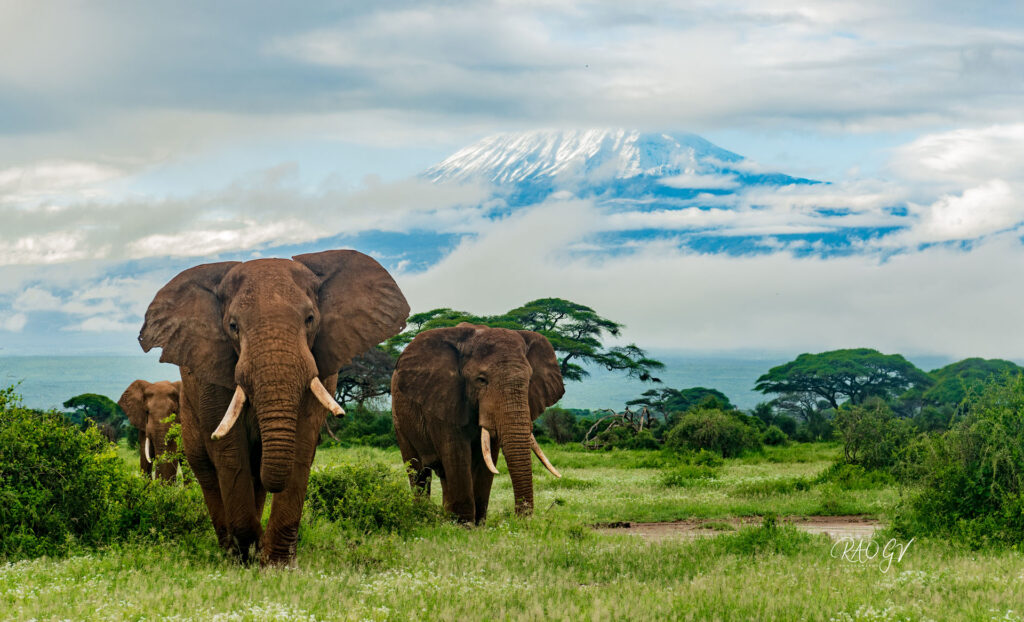
The elephants are the main reason to come. The Amboseli Trust for Elephants has followed the same families here since 1972, which makes this the longest-running study of wild elephants anywhere, and a knowledgeable guide can often tell you a matriarch’s name, her family code, and the calves she has raised. Non-resident entry costs USD 90 per adult per 24 hours under the Kenya Wildlife Service tariff, while the real expense of a luxury visit lies in the private camps, guiding, and light-aircraft flights that turn a game drive into a considered journey. Around the park, Maasai-owned conservancies such as the Kimana Sanctuary offer night drives, walking safaris, and far fewer vehicles, and this area is where several of the finest camps sit. Amboseli is rarely a stand-alone destination for the travellers we plan for; it works best as one chapter in a longer East African journey, paired with the Masai Mara, the Chyulu Hills and Tsavo West, Tanzania’s Serengeti and Ngorongoro Crater, or a mountain gorilla trek in Rwanda. Rwanda Gorilla Expeditions plans those combinations privately, and this guide covers what you need to decide: when to go, how to get there, what it costs, where to stay, and how Amboseli fits into your trip.

Permits are limited — spaces fill months ahead

Reserve Your Private Gorilla Trek

Speak with a Rwanda-based specialist today. We secure permits, match you to the right gorilla family, and plan every detail around your schedule.

No group departures · Private itineraries only · Direct Rwanda expertise

What Makes Amboseli National Park Different From Every Other Kenyan Safari Park

Amboseli is different because it is an oasis of permanent swamp on an otherwise parched lake bed, which concentrates its wildlife, makes it easy to see, and places it beneath the highest free-standing mountain in Africa. Three things explain the effect: the water, the size of the wider ecosystem, and the way the land has been protected.

Amboseli National Park: Elephants, Kilimanjaro & Luxury Camps

Kilimanjaro, at 5,895 metres, catches rain and snow that the semi-arid plains around it never see, and this water percolates through porous volcanic rock to the surface as springs beneath the park. These springs feed the expansive swamps, including Enkongo Narok, Olokenya, and the marshes around Ol Tukai, and they are the reason Amboseli stays green in a landscape that receives well under 400 millimeters of rain in most years. The swamps fringe the pale floor of Lake Amboseli, a shallow and mostly dry lake bed of alkaline dust that throws up mirages by midday and, in exceptionally wet years such as those around 2020, has spread back across parts of the park. The image that defines Kenyan safari photography, a line of elephants wading into green reeds with a white-capped volcano above them, exists only because of this hidden plumbing.

The Park Is Only Part of the Ecosystem

The 392 square kilometers inside the national park are only a fraction of an ecosystem of roughly 8,000 square kilometers that runs across the Tanzanian border and toward Tsavo, and this is the most useful single fact when choosing your dates. The park’s swamps act as a dry-season refuge, so in the rains elephants and plains game disperse across neighboring Maasai land, including the Kimana, Selenkay, and Olgulului areas, and across the border, Tanzania’s Enduimet wildlife management area. In the dry months everything pulls back towards the water, and the concentration of animals around the swamps rises sharply. Travelling in the wrong season therefore matters more than choosing the wrong camp, and it explains why conservation groups such as the Big Life Foundation patrol the whole landscape rather than the park alone.

From Game Reserve to Biosphere Reserve

Amboseli was first set aside in 1948 as part of a wider game reserve, placed under local Maasai council management as a national reserve in 1961, and gazetted as a national park in 1974. UNESCO recognized the ecosystem as a Biosphere Reserve in 1991, and its wetlands were later listed as a Ramsar site of international importance. Today the park is run by the Kenya Wildlife Service, while the land around it remains largely Maasai-owned, and much of the tourism value now flows through community leases and conservancy fees that give pastoralists a direct interest in keeping wildlife alive.

The Elephants of Amboseli National Park: The Most Studied Herds on Earth

The elephants of Amboseli are the most closely documented wild elephant population on earth, monitored family by family since 1972 by the Amboseli Trust for Elephants. That history changes what a sighting means, because you are not watching an anonymous herd but a community with a recorded past.

Elephants With Names, Families, and Biographies

Researchers at the Amboseli Trust for Elephants, founded by Cynthia Moss, identify every animal by sight, and each family carries a letter code, with calves in a family generally named using the same initial. A sighting therefore comes with a biography: which matriarch is leading, whose calf is at her side, and which young bulls are drifting away from their mothers in their early teens, as male elephants do. The number of elephants across the wider ecosystem is usually put somewhere between 1,400 and 1,900, depending on the year and on whether transient bulls and conservancy animals are counted. The population recovered strongly after the catastrophic drought of 2009 and faced further testing during the dry years of 2022 and 2023. Ask your guide which family you are watching on the first morning; the answer changes how you see everything that follows.

Big Tuskers and Where They Roam

Amboseli’s bulls include some of the most impressive ivory left in Africa, though genuine super-tuskers, whose tusks each exceed about 45 kilograms, are now vanishingly rare across the continent and cannot be promised on any itinerary. Sightings of exceptionally-tusked bulls are most often reported around the swamps inside the park and along the Kimana corridor to the east, where the community-owned Kimana Sanctuary protects a fever-tree forest that the bulls favor. Their survival owes much to Maasai landowners and to ranger teams that patrol the border areas where elephants cross into Tanzania and are most vulnerable, which is why a camp’s community and conservation partnerships are worth asking about before you book.

How to Watch Elephants Well

Amboseli’s elephants are accustomed to vehicles, and the best technique is to let them come to you. Ask your guide to position the vehicle ahead of a herd’s line of travel, switch off the engine, and wait; a family will usually flow around you at close range, and the calm of that moment is worth more than any chase across the plains. Hold position at the swamp edges around 06:30, when herds walk out to feed, and again from about 16:30, when they return to drink and bathe. Never place yourself between a mother and her calf and never cut through a moving family, and treat a private guide who insists on giving elephants space as the clearest sign of a well-run safari.

Wildlife and Birdlife Beyond the Elephants

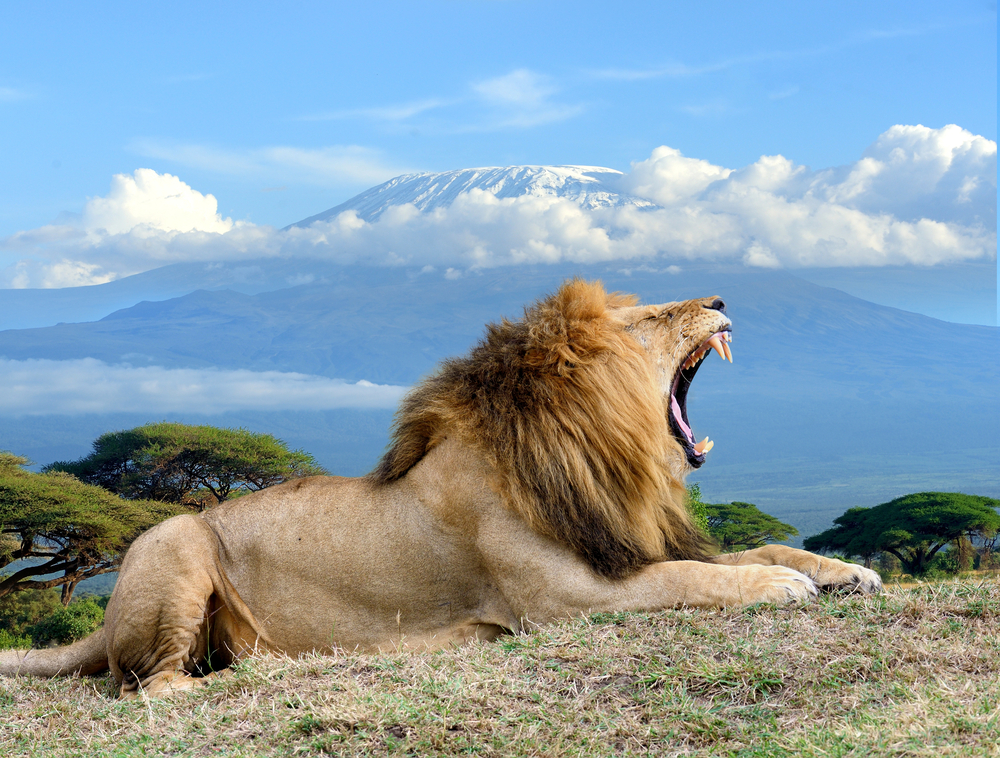
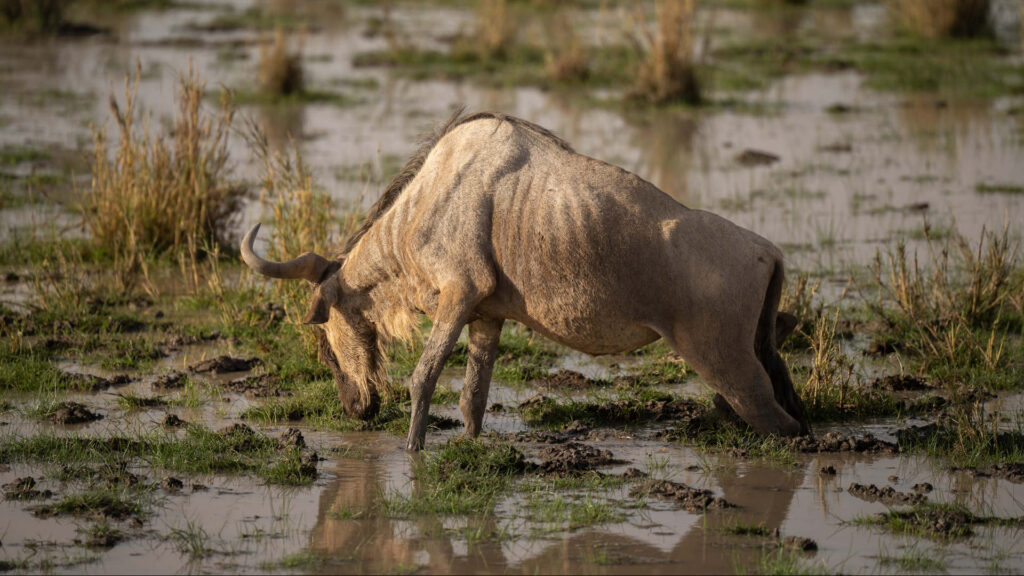
Beyond elephants, Amboseli offers reliable sightings of Maasai giraffe, plains zebra, blue wildebeest, buffalo, hippo, cheetah, lion, and spotted hyena, together with more than 400 recorded bird species. The open ground makes these animals easy to find, and it makes the plains a particularly good place to photograph animals against the mountain.

Amboseli National Park: Elephants, Kilimanjaro & Luxury Camps

Cheetahs favor the open plains and often use termite mounds and even safari vehicles as vantage points, so they reward patient early-morning drives. Lions are present but fewer than in the Masai Mara, and leopards are shy and rarely seen. Hippos crowd the swamp pools and graze the plains at night, giraffes browse the acacia woodland around Ol Tukai, and gerenuk and Grant’s gazelle appear in the drier bush. Amboseli is not a rhino park, and no honest operator should suggest otherwise. If a rhino sighting matters to you, we include it in the Rwandan leg of your journey, as Akagera National Park has had black rhinos again since 2017 and 2019. The swamps and seasonal shallows are a birder’s playground, with pelicans, storks, crowned cranes, Egyptian geese, kori bustards, secretarybirds, and pygmy falcons, and the birding is at its finest between November and April, when Palearctic migrants are present and the water is at its highest.

Plan Your Rwanda Safari

Start Planning a Private Gorilla Trek

Rwanda gorilla permits sell out months in advance. Secure your dates before the season closes.

The Best Time to Visit Amboseli National Park

The best time to visit Amboseli National Park is the long dry season from June to October, with January and February a strong second choice, because animals concentrate around the swamps and Kilimanjaro is most often visible. Whatever the season, the mountain keeps a daily rhythm: it is usually clear at dawn and again at dusk and often veiled in cloud through the middle of the day, so the first game drive should leave in the dark.

Best time for gorilla trekking.

June to October: The Classic Window

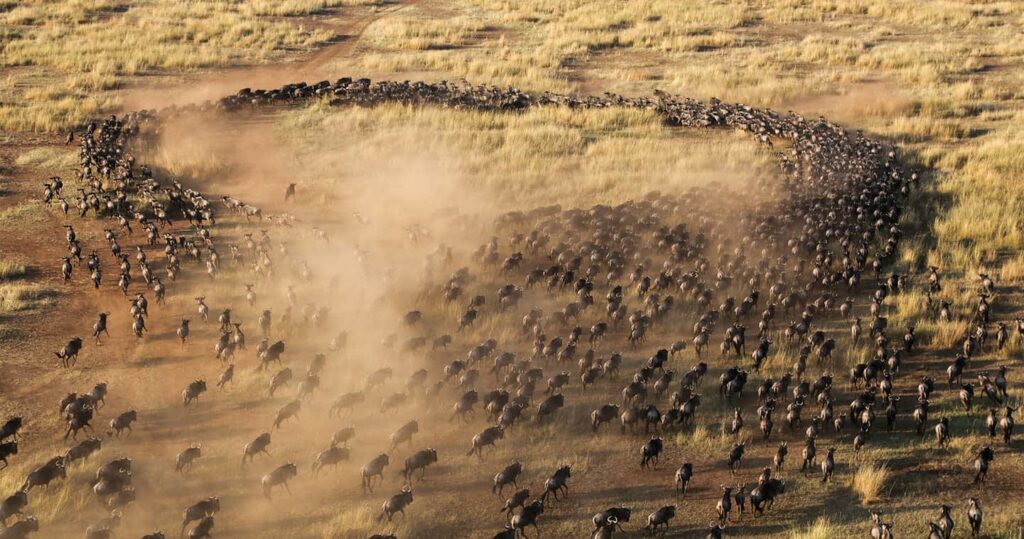
Days are warm, reaching the high twenties or low thirties of degrees Celsius, mornings are cool at around 15 to 18 degrees, and the dust is the price of the concentration of wildlife. This window coincides with the wildebeest migration in the Masai Mara, which runs from July to October, and with Rwanda’s long dry season from June to September, which is precisely why it is the natural time to pair Amboseli with a gorilla trek. It is also the most expensive and most heavily booked period, so camps and permits need to be secured early.

January and February: The Quiet Alternative

The short dry season delivers hot, clear days, an unclouded mountain more often than not, and noticeably fewer vehicles than the July to October peak, with lodge rates that sit below the high-season ceiling. Elephants remain close to the swamps, and the light in these months is superb for photography. It is our favorite window for travelers who value space and stillness over the drama of the migration.

March to May and November to December: The Rains

The long rains from March to May turn the plains green and bring the lowest rates of the year, but animals disperse into the wider ecosystem, roads can be slow, and Kilimanjaro is frequently hidden for days at a time; some camps close for maintenance in this period. The short rains in November and December are lighter and more predictable, with brief showers, migrant birds, and dramatic skies, and they suit travellers who prize birding and value guaranteed mountain views over the more predictable views. Christmas and New Year, however, are a peak period in their own right.

Months Conditions Our verdict
June to October Dry, dusty, warm days; animals concentrated at swamps Best overall; book early.
January to February Hot and clear; fewer vehicles Excellent; best for space and light
March to May Long rains; green; mountains often hidden Best value; least reliable views
November to December Short rains; migrant birds; brief showers Good value; Christmas is peak.

How to Get to Amboseli National Park From Nairobi, Kigali, and Arusha.

Amboseli lies about 240 kilometers southeast of Nairobi, and the two practical routes are a flight of 45 to 60 minutes from Wilson Airport or a drive of four to five hours. Both options are straightforward, but the connections around them can make or break luxury itineraries.

By Air: Wilson Airport to the Amboseli Airstrip

Scheduled light-aircraft services, including Safarilink, and private charters connect Nairobi’s Wilson Airport with the airstrip inside the park, and your camp arranges the vehicle transfer from the strip. International flights land at Jomo Kenyatta International Airport, and the transfer to Wilson takes 40 minutes to more than an hour depending on traffic, so we plan a minimum three-hour connection or an overnight in Nairobi rather than risk a missed departure. Light-aircraft baggage is normally limited to around 15 kilograms in soft-sided bags, so pack accordingly and leave the hard suitcase at your Nairobi hotel.

By Road: Four to Five Hours Through Maasai Country

The drive from Nairobi covers about 240 kilometers and takes four to five hours, either south through Emali and Loitokitok or via Namanga on the Tanzanian border road. The park’s commonly used gates are Meshanani on the Namanga side, Iremito on the Loitokitok side, and Kimana on the eastern approach. Driving suits travellers who are linking Amboseli with a crossing into Tanzania at Namanga, and a private four-wheel-drive vehicle with a pop-up roof and a driver-guide is the standard for our itineraries.

From Kigali, Arusha, and the Coast

From Kigali, a direct flight to Nairobi takes roughly two hours, which is why Rwanda and Kenya combine so easily; our Rwanda safari planning guide explains the Rwandan side of the connection. From Arusha in Tanzania, the road to Namanga and on to the park typically takes about four hours, including border formalities. From the coast, light aircraft link Diani and Mombasa with Amboseli, and Tsavo West is roughly three hours away by road, which makes a southern Kenya circuit that finishes on the beach entirely practical.

Amboseli National Park Entry Fees and the Real Cost of a Luxury Safari.

Amboseli National Park charges non-resident adults USD 90 per 24 hours, and children roughly half, under the Kenya Wildlife Service tariff introduced on 1 October 2025, while a full luxury visit typically costs several thousand US dollars per person. The gate fee is the smallest line in your budget, but it behaves in ways that surprise first-time visitors.

Park Fees and How the 24-Hour Clock Works

Amboseli sits in KWS’s premium category alongside Lake Nakuru, which is why its fee is higher than the USD 80 charged at Tsavo and Nairobi National Park. The ticket is valid for up to 24 hours from entry, and payment is cashless through the eCitizen platform, so your operator should settle it in advance. Budget one fee for each day you enter the park, not for each night you sleep in the region: if your camp is in a conservancy and you enter at dawn, you pay each morning. Private conservancies levy their conservation fees on top, and these are normally built into the camp’s nightly rate.

What a Luxury Amboseli Stay Really Costs

Private camps in the Amboseli ecosystem typically charge between USD 600 and USD 1,500 per person per night in high season, on a fully inclusive basis, with meaningful reductions during the March to May rains. A three-night fly-in stay for two, with private guiding, therefore lands in the range of USD 3,500 to USD 7,000 per person once flights are added. The table below shows the main line items so you can see where the money goes.

Cost item Typical range Notes
KWS park fee, non-resident adult USD 90 per 24 hours Children are roughly half cashless via eCitizen.
Luxury camp, per person per night USD 600 to 1,500 High season, full board, and activities
Wilson Airport to Amboseli, return USD 300 to 450 Scheduled light aircraft, per person
Private 4×4 with driver-guide USD 350 to 600 per day Often included in camp rate
Kenya eTA About USD 30 per person Valid for three months; apply online.

Where to Stay: Luxury Camps and Lodges in and Around Amboseli

The finest places to stay near Amboseli are small tented camps in Maasai-owned conservancies just outside the park, complemented by two established lodges inside it, and the right choice depends on whether you value the shortest drive to the swamps or the freedom of night drives and walking.
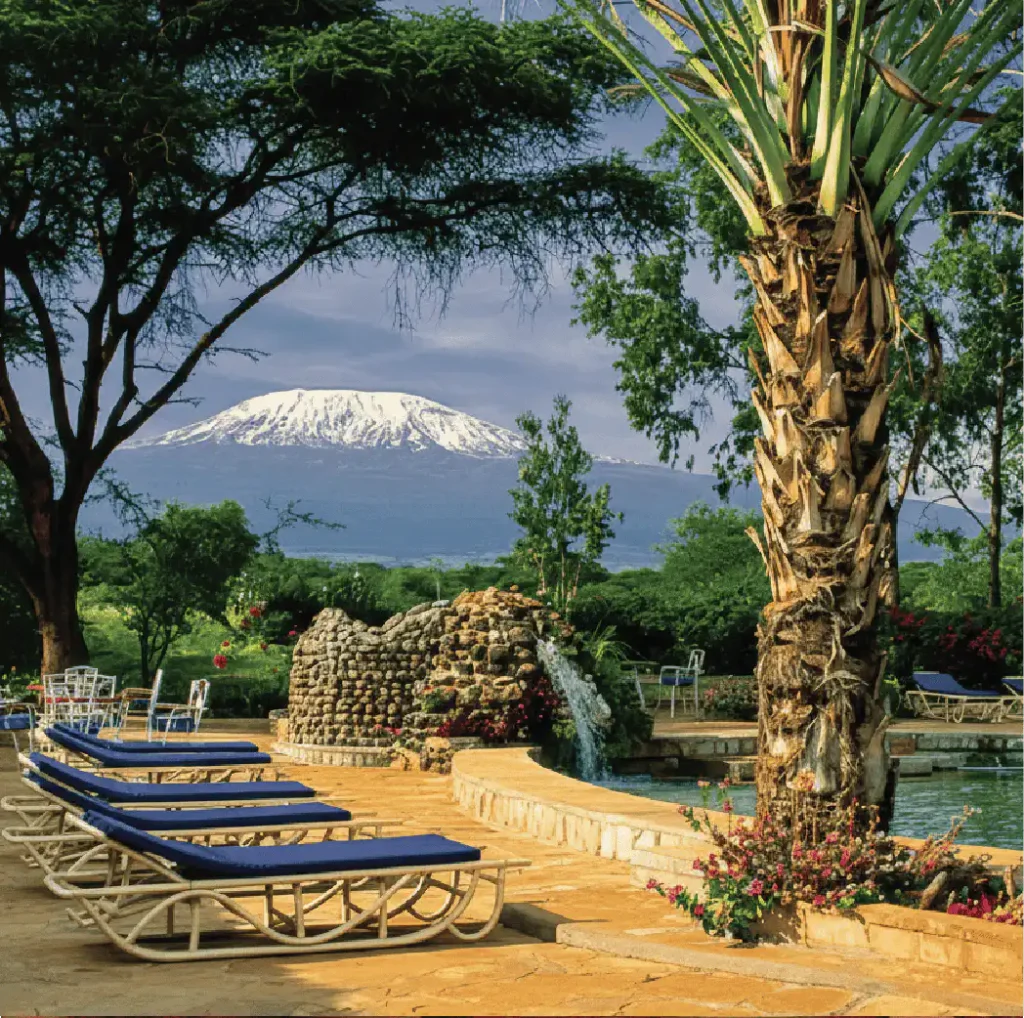
Amboseli Sopa Lodge

Amboseli Sopa Lodge

Inside the Park: Amboseli Serena Safari Lodge and Ol Tukai Lodge

Amboseli Serena Safari Lodge and Ol Tukai Lodge sit within the park boundary, close to the swamps and to Observation Hill, which gives you the shortest access to the elephants at first and last light. The trade-off is that park rules apply: vehicles must stay on tracks, night driving is not permitted, and you share sightings with more vehicles. These lodges suit first-time visitors who want an accessible, well-supported introduction.

Conservancy Camps: Tortilis Camp and Angama Amboseli

Tortilis Camp, part of the Elewana collection, sits on the park’s edge in the Kitirua Conservancy and is a classic tented camp with Kilimanjaro views. Angama Amboseli opened in November 2023 in the private 5,700-acre Kimana Sanctuary with only ten suites, each facing Kilimanjaro, about a 45-minute drive from the park; it works in partnership with the Big Life Foundation, and its infinity pool has a drinking trough for elephants. Conservancy camps can offer night drives, walking safaris, and off-road driving that the national park forbids, and they are where we place travelers who want privacy.

Extending Into the Chyulu Hills

Ol Donyo Lodge and Campi ya Kanzi in the Chyulu Hills offer a different landscape of volcanic hills and open grassland, with horseback riding, walking, and open-air sleep-outs. The Chyulu Hills are about an hour or two from Amboseli by road or a short flight, and spending two nights in Amboseli and two in the Chyulu Hills creates a journey that is much richer than either destination alone. As a rule of thumb, we recommend one night in a park lodge or an edge-of-park camp for the swamps and the balance in a conservancy for the freedom to move.

Plan Your Rwanda Safari

Start Planning a Private Gorilla Trek

Rwanda gorilla permits sell out months in advance. Secure your dates before the season closes.

The Best Things to Do in Amboseli National Park

The best things to do in Amboseli are dawn game drives to the swamps, a climb of Observation Hill, guided walks and night drives in the conservancies, and considered visits to Maasai communities. Each rewards early starts.

Dawn at Enkongo Narok

Leave camp in the dark and reach Enkongo Narok swamp as the light turns the mountain pink; herds emerge from the reeds while the air is still cool, and a bush breakfast on the plains follows once the sun is up. This single drive is worth more than any other activity in the park, and it is the reason we advise against day trips from Nairobi.

Observation Hill

Observation Hill is one of the few places in the park where visitors may step out of the vehicle, and its viewpoint gives a sweep across the swamps, the dry lake bed, and the mountain beyond. Go in the late afternoon, when the herds file toward the water and the light softens over the plains.

Walking, Night Drives, and Community Visits

Outside the national park, conservancy camps offer guided walks with Maasai guides, night drives that reveal bat-eared foxes, genets, porcupines, and hyenas, and half-day experiences with Big Life ranger teams. Visits to Maasai communities are most meaningful when they are arranged by your camp, with a formal community fee, rather than negotiated at the roadside, and photography of people should always be requested rather than assumed.

Amboseli Compared: Masai Mara, Tsavo, Serengeti, and the Rest of East Africa

Amboseli is Kenya’s elephant-and-mountain park, the Masai Mara is its predator-and-migration reserve, and Tsavo is its wilderness, so most luxury itineraries combine Amboseli with one of the others rather than choosing between them. It also helps to know that Kilimanjaro lies entirely in Tanzania, yet the finest views of it are from Kenya, which is why Amboseli is the natural starting or finishing point for any Kenya and Tanzania journey.

Great Migration in the Masai Mara

Great Migration in the Masai Mara

At 392 square kilometers, Amboseli is compact, and that is its advantage: a couple of nights are enough to see its best. The Masai Mara National Reserve is roughly 1,510 square kilometers and is county-managed, with an entry fee that rose to USD 200 per adult for the July to December 2026 peak, and Tanzania’s Serengeti extends across 14,750 square kilometers; our Serengeti migration guide explains how the same herds move between the two countries. For a first Kenya safari, we usually suggest two nights in Amboseli followed by three or four in the Mara. For travellers heading south, the road from Namanga leads to Arusha and on to the Ngorongoro Crater, where a single descent delivers a dense concentration of wildlife inside the world’s largest intact caldera.

Combining Amboseli National Park with a Rwanda Gorilla Trek

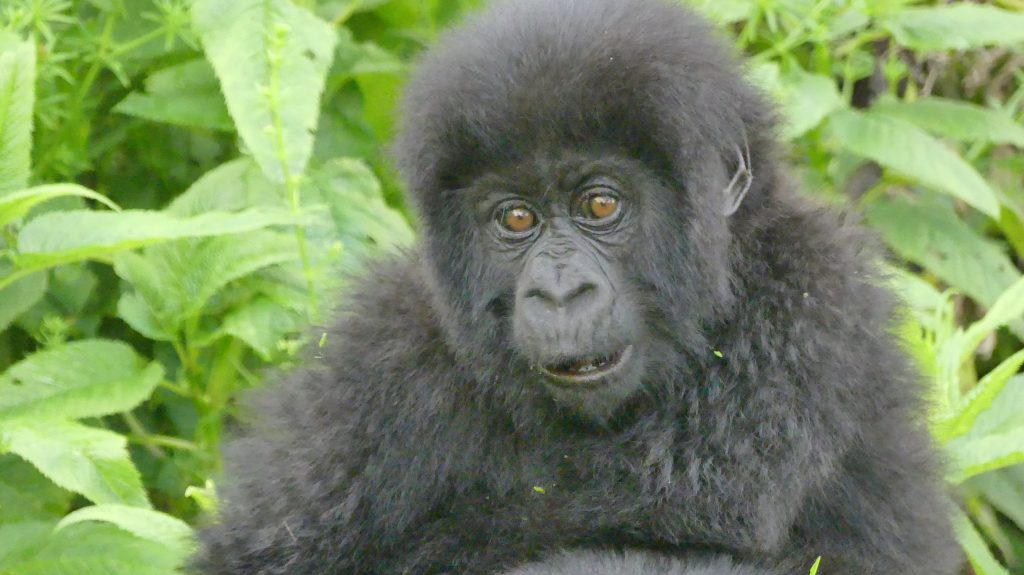
Amboseli combines naturally with a Rwanda gorilla trek because a direct flight of about two hours links Kigali and Nairobi, and the two experiences, an on-foot forest encounter and an open-plains elephant safari, complement each other completely. For the travellers we plan for, this pairing delivers the intimacy of mountain gorillas and the scale of savannah wildlife in a single trip of eight to twelve days.

Gorilla Families in Volcanoes National Park

Sequence and Permits

Confirm the gorilla permit first. Volcanoes National Park has 24 habituated gorilla families, each visited by eight people a day, so only 192 permits are issued daily at USD 1,500 each, and peak dates sell out six to twelve months ahead; our gorilla trekking guide explains how the system works. Kenyan camps flex more easily than permits, so we secure Rwanda first and build the Kenyan leg around it. Most travellers trek gorillas first while they are fresh and finish with the gentler vehicle-based days in Amboseli.

Flights, Visas, and Connections

The flight from Kigali to Nairobi takes roughly two hours, and then you transfer from Jomo Kenyatta International Airport to Wilson Airport for the onward flight to Amboseli, so an overnight in Nairobi is usually the most comfortable choice. Kenya requires an approved eTA at about USD 30 through etakenya.go.ke, and if you enter through Rwanda or Uganda, the East Africa Tourist Visa, a single USD 100 document valid for Rwanda, Uganda, and Kenya, may be simpler; our Rwanda versus Uganda comparison discusses the visa in more detail. A typical shape is three nights in Rwanda, one in Nairobi, and three in Amboseli, extended to twelve days with the Masai Mara, and you can read about the small team behind these plans on our About Us page.

What to Pack for Amboseli National Park

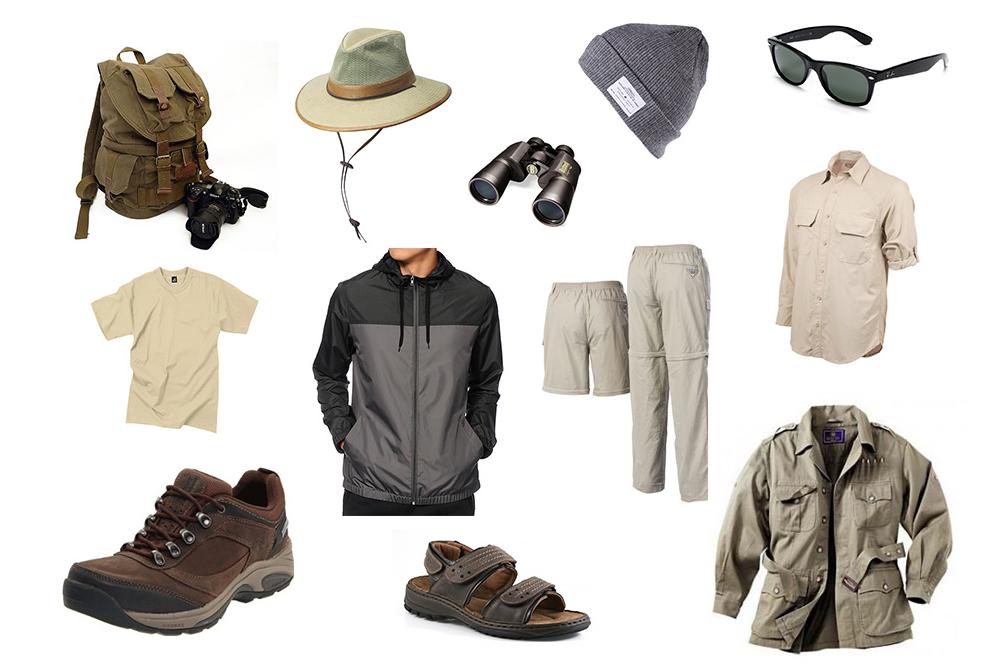
Pack for dust, sun, and cool mornings: lightweight neutral layers, a warm fleece, a scarf or buff, a wide-brimmed hat, quality binoculars, a telephoto lens, and sealed bags for camera gear. The alkaline dust from the dry lakebed is fine enough to enter lens mounts and sensors, so change lenses in camp rather than in the afternoon wind, and carry a blower brush and a microfibre cloth. Khaki, olive, and stone tones are best, with a warm layer for the pre-dawn drive, when temperatures can be below 15 degrees Celsius. Bring eye drops for dust, high-factor sunscreen, insect repellent, comfortable closed shoes for walking, and a charger compatible with Kenya’s UK-style three-pin sockets.

What to Pack for a Safari

Elephants often pass within a few meters, so a wide lens is as valuable as a long one, especially for framing an animal against Kilimanjaro. Remember that light-aircraft luggage is limited, so choose a soft duffel rather than a rigid case.

Health, Safety, and Responsible Travel in Amboseli

Amboseli is a safe, well-run safari destination, but travellers should take malaria prophylaxis on medical advice, carry proof of yellow fever vaccination if arriving from a risk country, and follow their guide’s instructions around elephants at all times. The park lies at only about 1,150 meters, so mosquitoes are a genuine consideration, and a travel clinic should advise on medication four to six weeks before you leave. Comprehensive insurance with medical evacuation cover, such as a Flying Doctors membership, is sensible for any remote safari.

Responsible travel here is practical rather than abstract. Choose camps that lease land from Maasai communities and pay the fees that flow with those leases, ask permission before photographing people, and never buy ivory or ivory-like souvenirs. Drones are effectively prohibited in Kenyan parks without special permits, and your guide will explain the rules on vehicles and off-road driving. Supporting the work of the Amboseli Trust for Elephants and Big Life Foundation, either directly or through a camp that partners with them, ensures that your visit contributes to the protection of the elephants you have come to see.

What to Book in Advance for an Amboseli Safari

The items that sell out first are Rwanda gorilla permits, then the small conservancy camps, so book those before flights and transfers. The timings below reflect what we advise for peak-season travel.

Item Recommended lead time Why it matters
Rwanda gorilla permit (USD 1,500) 6 to 12 months for June to September and December to January 192 permits a day across 24 families
Small conservancy camps such as Angama Amboseli 9 to 12 months for July to October Only ten suites at Angama Amboseli
Light-aircraft seats, Wilson to Amboseli 3 to 6 months for peak dates Limited seats and strict baggage rules
Kenya eTA At least 3 days before travel; up to 3 months ahead Required for every traveller, including children
Travel insurance with medical evacuation At the time of booking Covers remote locations and cancellations

Plan Your Rwanda Safari

Start Planning a Private Gorilla Trek

Rwanda gorilla permits sell out months in advance. Secure your dates before the season closes.

Frequently Asked Questions About Amboseli National Park.

Where is Amboseli National Park located?

Amboseli National Park is located in Kajiado County in southern Kenya, directly on the border with Tanzania and roughly 240 kilometers southeast of Nairobi. It lies at about 1,150 metres above sea level at the foot of Mount Kilimanjaro, which rises to 5,895 metres just across the border. The park itself covers 392 square kilometers, but it forms the core of an ecosystem of roughly 8,000 square kilometers that includes Maasai-owned conservancies. The nearest towns are Loitokitok to the south-east and Namanga to the west. A drive from Nairobi takes four to five hours, and a flight from Wilson Airport takes roughly 45 to 60 minutes. The park is managed by the Kenya Wildlife Service, and its gates open at 6:00 in the morning and close at 6:00 in the evening.

What is Amboseli National Park famous for?

Amboseli National Park is famous for its large, relaxed elephant herds and for the view of Mount Kilimanjaro that frames them. The elephants have been studied family by family since 1972 by the Amboseli Trust for Elephants, the longest continuous study of wild elephants in the world. The park’s permanent swamps, fed by meltwater from Kilimanjaro, draw buffalo, hippo, zebra, and wildebeest alongside the elephants, and they attract more than 400 bird species. UNESCO recognized the wider ecosystem as a Biosphere Reserve in 1991. The land around the park is home to Maasai communities whose conservancies now share in tourism income. Together these features make Amboseli one of the most photographed safari destinations in Africa.

What is the best time to visit Amboseli National Park?

The best time to visit Amboseli National Park is the long dry season from June to October, with January and February a strong alternative. In these months the surrounding plains dry out, so elephants and other animals concentrate around the swamps, and the viewing is at its most reliable. Kilimanjaro is also most often visible in the dry months, particularly at dawn and dusk. The long rains from March to May bring green scenery and the lowest rates, but the mountain is frequently hidden, and animals disperse across the wider ecosystem. The short rains in November and December are brief and rewarding for birding. Rwanda’s gorilla-trekking dry season of June to September overlaps neatly with Amboseli’s best window, which makes it the natural time to combine the two.

How much does it cost to visit Amboseli National Park?

Entry to Amboseli National Park costs USD 90 per non-resident adult per 24 hours under the Kenya Wildlife Service tariff introduced on 1 October 2025, and children pay roughly half. East African citizens pay KES 1,500, while Kenyan residents pay KES 2,025. Payment is cashless through the eCitizen platform, and your operator normally settles it in advance. Conservancy camps add their own conservation fees, which are usually built into the nightly rate. The park fee is a small part of the total, because a luxury private camp typically costs between USD 600 and USD 1,500 per person per night in high season, fully inclusive. Vehicles and flights add further costs, and we itemise every line so nothing surprises you.

How far is Amboseli National Park from Nairobi?

Amboseli National Park is about 240 kilometers from Nairobi, a drive of four to five hours by road. The usual route runs south through Emali and Loitokitok or via Namanga on the Tanzanian border road. Flying is faster, with scheduled and charter light aircraft taking roughly 45 to 60 minutes from Nairobi’s Wilson Airport to the airstrip inside the park. International arrivals land at Jomo Kenyatta International Airport, which is 40 minutes to more than an hour from Wilson depending on traffic. For that reason, we plan for a minimum three-hour connection or an overnight stay in Nairobi. Flying suits most luxury travellers, as it saves a full day on the road.

How many days do you need in Amboseli National Park?

Most travellers need two to three nights in Amboseli National Park to see it properly. A single night allows one dusk drive and one dawn drive but leaves no margin for a cloud over Kilimanjaro or a quiet morning at the swamps. Two nights give you four game drives and a realistic chance of clear mountain views, while three nights allow time for a walking safari, a Maasai community visit, or a night drive if you stay in a conservancy. Beyond three nights, the returns diminish unless you extend into the Chyulu Hills or Tsavo West. Day trips from Nairobi are possible, but they involve eight to ten hours on the road and are not something we recommend.

Can you see Mount Kilimanjaro from Amboseli National Park?

Yes, Amboseli offers the best views of Mount Kilimanjaro from Kenya, although clouds often veil the peak through the middle of the day. The mountain rises to 5,895 metres at Uhuru Peak and lies entirely within Tanzania, yet the finest views are from the Kenyan side. Clear views are most likely at dawn and again in the late afternoon, and they are more reliable in the dry months of June to October and in January and February. During the long rains the summit can stay hidden for days. We therefore schedule the first game drive to leave in the dark so that you are in position at the swamps at first light.

How many elephants are in Amboseli National Park?

Estimates for the wider Amboseli ecosystem range from roughly 1,400 to nearly 1,900 elephants, depending on the year and on whether transient bulls and animals in the surrounding conservancies are counted. The figure fluctuates with rainfall, because the population was hit hard by the severe drought of 2009 and tested again by the dry years of 2022 and 2023. What makes Amboseli unique is not only the number but also the documentation, since researchers at the Amboseli Trust for Elephants have identified individual animals since 1972. Families are known by letter codes, and calves are usually named with their family’s initial. Numbers inside the park itself rise in the dry season as herds return to the swamps.

What animals can you see in Amboseli National Park?

Amboseli’s headline animal is the African elephant, but the park also offers Maasai giraffe, plains zebra, blue wildebeest, buffalo, hippo, spotted hyena, cheetah, lion, and a wide variety of antelope, including Grant’s gazelle and gerenuk. Leopards are present but shy and rarely seen, and Amboseli is not a rhino park. More than 400 bird species have been recorded, including pelicans, crowned cranes, kori bustards, secretarybirds, and pygmy falcons. Lions are fewer than in the Masai Mara, so travellers who prioritise big cats often add the Mara to their itinerary. For rhinos, we recommend Rwanda’s Akagera National Park, where black rhinos were reintroduced in 2017 and 2019.

Is Amboseli better than the Masai Mara?

Neither park is better, because they answer different questions. Amboseli is a compact 392-square-kilometer park famous for elephants and Kilimanjaro views, while the Masai Mara National Reserve, at roughly 1,510 square kilometers, is famous for lions, leopards, cheetahs, and the wildebeest migration between July and October. Amboseli is quieter, flatter, and easier to photograph, and it is best kept for two or three nights. The Mara rewards a longer stay and carries a higher entry fee, set at USD 200 per adult for July to December. Most luxury travellers combine the two, starting or finishing in Amboseli and spending three or four nights in the Mara.

How much does an Amboseli safari cost?

A luxury Amboseli safari typically costs between USD 3,500 and USD 7,000 per person for a three-night fly-in stay, inclusive of flights from Nairobi, park and conservancy fees, meals, drinks, and private guiding. Rates are highest from July to October and around Christmas and New Year, and they fall by a meaningful margin during the March to May rains. The largest variables are the camp you choose and whether you need a private vehicle, which is standard for our guests. Adding the Masai Mara, the Chyulu Hills, or a Rwanda gorilla trek increases the total, and the Rwanda gorilla permit alone is USD 1,500 per person. We provide a fully itemized quotation so you can see exactly what drives each figure.

How do I book a luxury Amboseli safari?

You book a luxury Amboseli safari by first fixing your travel dates and then confirming the scarcest items, which are gorilla permits if you are combining with Rwanda and rooms at the small conservancy camps. Give your operator your dates, party size, preferred pace, and whether you plan to add the Masai Mara, Tanzania, or Rwanda. The operator then checks camp and flight availability, quotes every line item, and confirms the arrangements once you approve them. Book six to twelve months ahead for July to October and for the December holidays. Rwanda Gorilla Expeditions handles this end-to-end, including Kenya eTA guidance and the connections between Kigali and Nairobi.

Can I combine Amboseli with Rwanda gorilla trekking?

Yes, and it is one of the most balanced ways to see East Africa. A flight of roughly two hours links Kigali and Nairobi, and from Nairobi you can fly on to Amboseli in under an hour. Volcanoes National Park has 24 habituated gorilla families, each visited by eight people a day, so there are 192 permits a day at USD 1,500 each, and peak dates sell out six to twelve months ahead. We confirm the gorilla permit first and then build the Kenyan leg around it. Most travellers trek gorillas first while they are fresh and finish with the gentler vehicle-based days in Amboseli. A typical shape is three nights in Rwanda, a night in Nairobi, and three nights in Amboseli.

Do I need a visa or eTA to visit Amboseli National Park?

Most foreign visitors do not need a traditional visa for Kenya, but they must hold an approved Electronic Travel Authorisation (eTA) before travelling. The eTA costs about USD 30 per person, is valid for three months, and is applied for through the official portal at etakenya.go.ke, ideally well ahead and at least three days before departure. Children and infants need one too. Citizens of East African Community partner states, including Rwanda and Uganda, are exempt. If you enter through Rwanda or Uganda first, the East Africa Tourist Visa, which costs USD 100 and covers Rwanda, Uganda, and Kenya, may be a simpler single document. Requirements change, so check the official portal before you book.

Do you need malaria tablets for Amboseli National Park?

Yes, most travel clinics advise malaria prophylaxis for Amboseli National Park because the park lies at only about 1,150 metres and mosquitoes are present, particularly after rain. Risk varies through the year and between individuals, so consult a travel-medicine specialist four to six weeks before departure. Alongside tablets, use a repellent containing DEET or picaridin, wear long sleeves and trousers at dusk, and sleep under the net or in the screened tent your camp provides. You may also need proof of yellow fever vaccination if you arrive from or have transited through a risk country such as Uganda. Rwanda’s high-altitude Volcanoes National Park carries a lower malaria risk, so your prophylaxis needs will be driven by the Kenyan and lower-altitude parts of your route. Your doctor’s advice always takes precedence over a general guide.

Ready to Trek? Permits are limited — plan early.

Plan Your Amboseli Safari With Rwanda Gorilla Expeditions.

If you are weighing Amboseli against the Masai Mara, wondering whether it can share a journey with mountain gorillas, or simply want an honest opinion on the right season for your dates, that conversation is what we do best. Rwanda Gorilla Expeditions designs private, luxury journeys across Rwanda, Kenya, Tanzania, and Uganda, from the gorilla families of Volcanoes National Park to the elephant swamps beneath Kilimanjaro, and works with vetted ground partners for the Kenyan leg. Tell us your dates, and we’ll check permit availability within a few minutes, then match them to the camps, flights, and connections that make your Amboseli days effortless. Send us your dates, and message us on WhatsApp or email rwandagorillaxpeditions@gmail.com to begin.