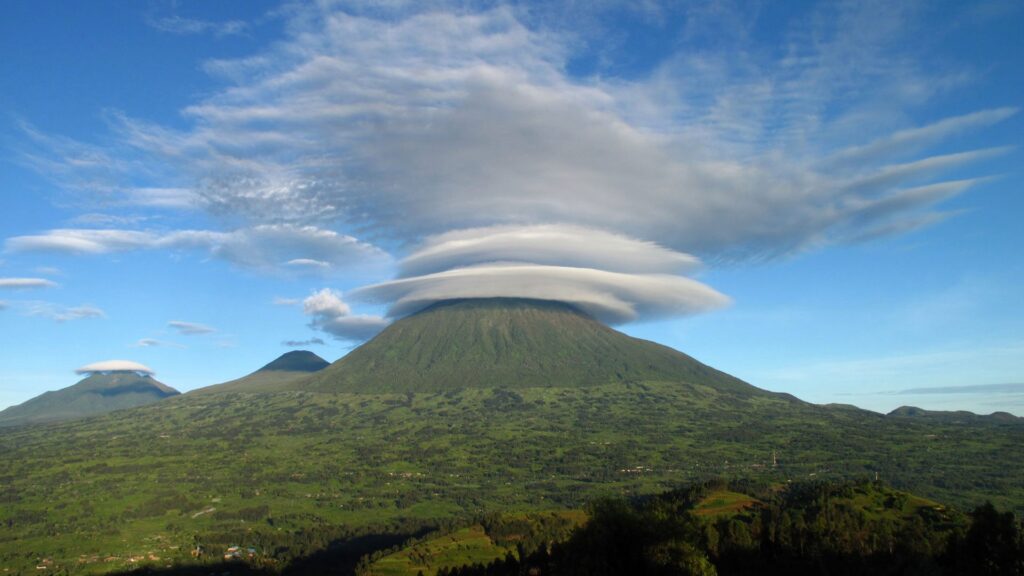
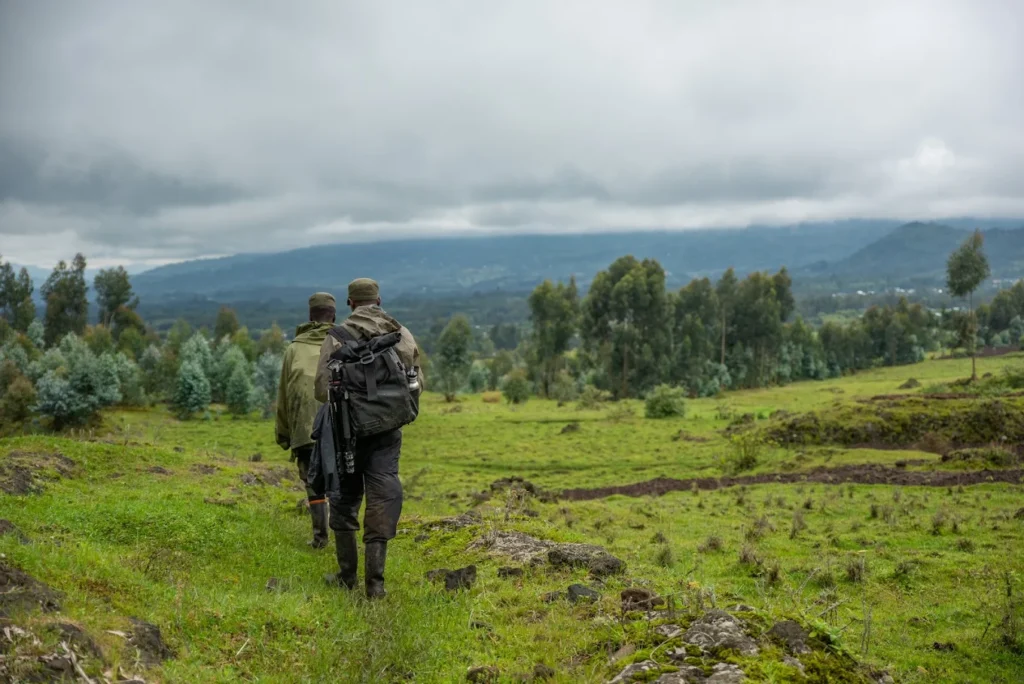
How Hard Is the Mount Bisoke Hike? Fitness, Altitude, and Mud
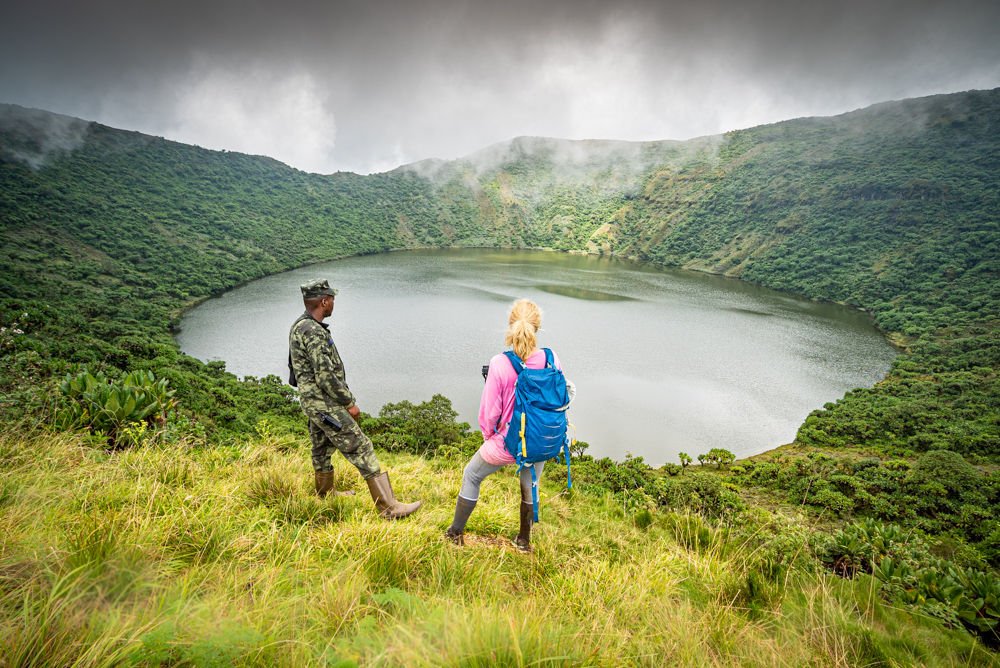
The Mount Bisoke hike is rated moderate to strenuous: it is not technical and requires no climbing experience, but it demands sustained uphill effort at altitude, and the conditions underfoot can make it significantly harder than the numbers suggest. Fit travellers who walk regularly will complete it comfortably, while those who rarely exercise should expect a long, tiring day. The park authorities describe it as a hike that can be a once-in-a-lifetime experience but also one of the most challenging things someone can undertake if they are physically unfit, and that is a fair summary.
The Real Variables: Altitude, Weather, and Ground Conditions
Three factors determine how hard your particular day will be. First is altitude: the summit is at 3,711 meters, and while the trailhead starts at roughly 2,700, the final hour at over 3,400 meters leaves some visitors breathless and a few with headaches regardless of fitness. Second is weather: rain turns the trail into a staircase of slick mud, and cloud reduces both visibility and morale. Third is pace: hikers who go too fast early tend to suffer in the upper zones, while those who move steadily at a conversational pace almost always finish strongly. Experienced hikers can do the full round trip in under five hours, but a relaxed, comfortable pace of six to seven hours is the norm for most visitors.
Preparing Before You Arrive
If you plan to hike Bisoke, we recommend building in at least one full night in the Kinigi area, and ideally two, before the climb. Kigali sits at around 1,500 meters, and arriving from sea level and summiting within 48 hours is a recipe for altitude symptoms. In the weeks before travel, regular hill walking or stair climbing with a loaded day pack makes a noticeable difference, as does breaking in your boots well before you leave home. Anyone with a heart or lung condition, or who takes medication that affects blood pressure or breathing, should consult a doctor before booking. The CDC’s guidance on health for travel to Rwanda is a useful starting point for vaccination and health planning.
What a Porter Actually Does
Hiring a porter is the single best decision you can make on Bisoke, and we recommend it for every guest regardless of fitness. Porters are registered members of the local community who carry your daypack, offer an arm on the slippery steps, and help on the steepest descents. They are hired at the park headquarters, typically at around USD 15 to 20 plus a customary tip, and the income goes directly to households living along the park boundary. For travellers who care about the social impact of their journey, this is one of the most direct and visible ways to contribute to the communities whose cooperation and conservation depend on it.
Lake Ngezi: The Shorter Alternative to the Summit
Lake Ngezi is a small, shallow crater lake on Bisoke’s lower flank, formed by the 1957 eruption, and the walk to it takes about three to four hours round trip, making it the easiest hiking option in Volcanoes National Park. It lies roughly eleven kilometers from the main summit and looks out toward Mount Gahinga. Where the summit hike is a push to reach a goal, the Ngezi walk is a slower, more observational outing with plenty of time to stop for golden monkeys, birds, and forest plants.
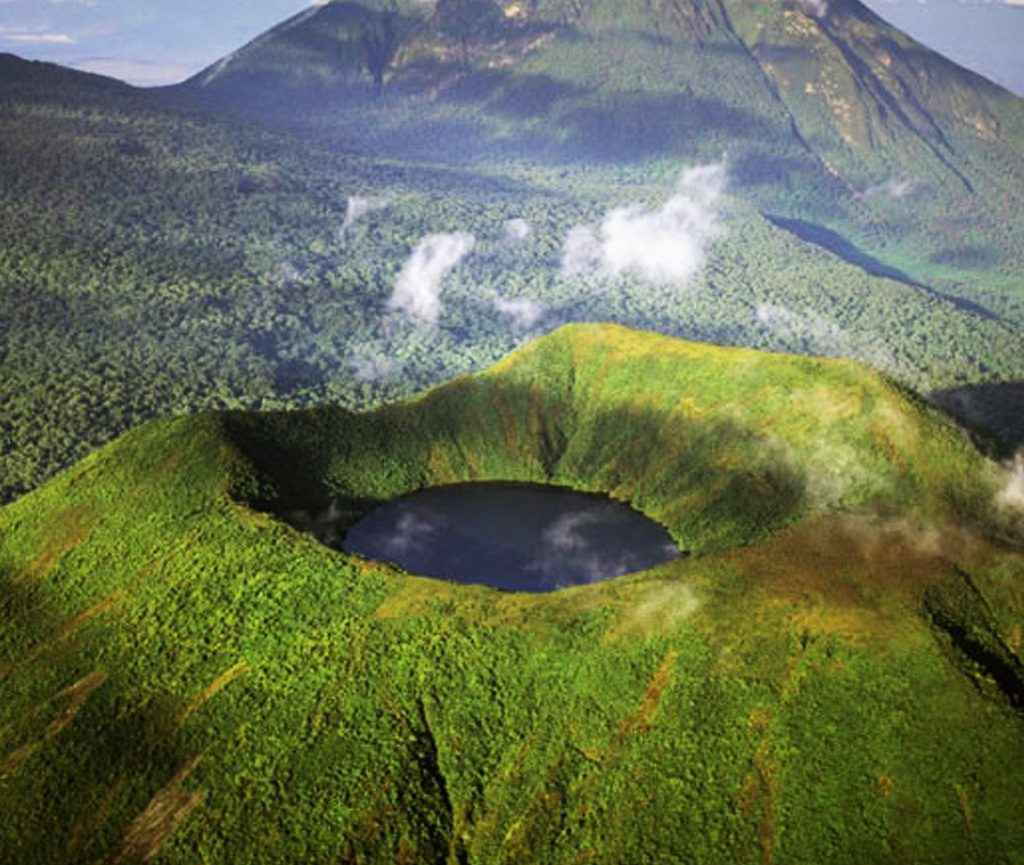
For many of our guests, particularly older travellers, families with teenagers, or couples who want a gentler day, Ngezi is the better choice. The path is less steep, the altitude is lower, and the pace is flexible. It is also an excellent option on a day when low cloud means the summit view is unlikely, since the forest walk is enjoyable whatever the visibility. If you are unsure which option suits your group, tell us your fitness level, and we will recommend the right one rather than letting you discover it halfway up a mountain.
Mount Bisoke Hiking Permit: Cost, Booking, and What Is Included
A Mount Bisoke hiking permit costs USD 75 per person for international visitors and USD 60 for foreign residents in Rwanda and is issued by the Rwanda Development Board through its official online booking portal. The fee covers park entry and a ranger guide for the hike. It does not cover transport to the trailhead, porter fees, accommodation, meals, or tips. The minimum age is 15. Permits should always be confirmed against the current Rwanda Development Board fee schedule before you travel, because rates and rules can change.
| Item |
Typical cost |
| Mount Bisoke hike permit (international visitor) |
USD 75 per person |
| Mount Bisoke hike permit (foreign resident) |
USD 60 per person |
| Porter (recommended) |
USD 15 to 20, plus tip |
| Mount Karisimbi two-day permit (for comparison) |
around USD 400 per person |
| Dian Fossey graves hike permit |
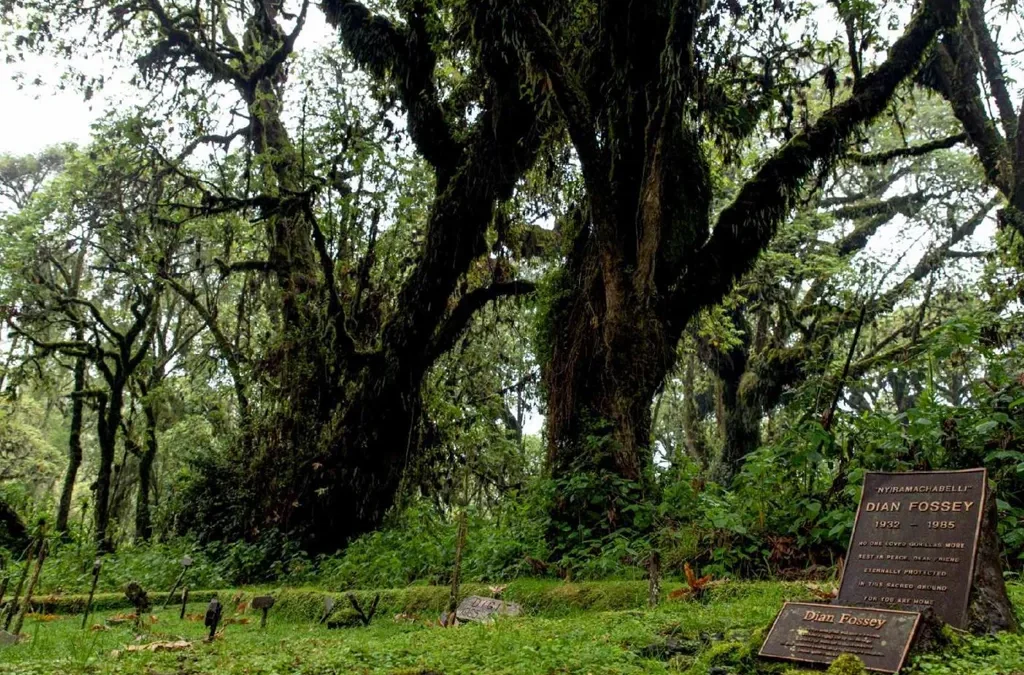
around USD 105 per person |
| Gorilla trekking permit |
USD 1,500 per person |
| Golden monkey trekking permit |
USD 100 per person |
How We Book It
Bisoke permits are usually available at shorter notice, unlike gorilla permits that can sell out six to twelve months in advance for peak dates. Even so, we recommend confirming at least four to six weeks before you travel in the dry season, and even earlier if you are travelling in July, August, or during the December holidays. Many visitors book through a registered tour operator, which is how we handle it: we hold the permit, align it with your gorilla date and lodge stay, and arrange the driver, guide, and porter in a single plan. It is worth knowing that the permit is tied to the date, so changing your mind later requires coordination with the park.
What the Total Day Really Costs
The permit is the smallest part of the bill for a luxury traveler. A private vehicle and driver-guide for the day, a porter, a packed picnic, and tips for rangers and porters add a modest amount, but the true cost lies in the nights you spend nearby. Rwanda’s top lodges near the park are among the most expensive on the continent, with published high-season rates for the best properties often exceeding USD 1,000 per person per night. When we quote a Bisoke day, we build it into a wider itinerary so the volcano day is a seamless part of a longer stay rather than a standalone excursion.
Best Time to Hike Mount Bisoke
The best time to hike Mount Bisoke is during Rwanda’s two dry seasons, June to September and December to February, when the trail is firmer, the summit is more likely to be clear and the mud is at its most manageable. The hike is possible year-round, because the park does not close for the rains, but conditions differ enormously between a dry July morning and a soaked April one. Because the summit is often in the cloud by late morning, the time of day is nearly as important as the month.

June to September: The Driest and Most Popular Window
The long dry season gives the firmest trails and the best chance of a clear lake view, but it is also the busiest period for lodges and gorilla permits. Mornings are crisp and clear, afternoons are warm at low altitude, and the summit can be bitterly cold in the wind. If your dates fall in this window, book lodges and gorilla permits as early as possible, then add the Bisoke permit once you have secured those.
December to February: The Connoisseur’s Window
The short dry season is our favorite time for volcano hikes. The park is quieter, the light is exceptional, and the trails are generally in excellent condition, although the Christmas and New Year period can be busy with holiday travellers. January in particular combines fresh post-rain vegetation with reliably dry footing.
March to May and October to November: The Green Seasons
The rains make Bisoke a different mountain. The trail turns to deep, sucking mud, visibility drops, and clouds frequently lock the summit in for days. On the other hand, the forest is at its most vivid; the crowds thin out, and some lodges offer notably better rates. If you are travelling in the green season, plan your Bisoke trip flexibly, keep a spare day in your itinerary, and prioritise good waterproofs, gaiters, and poles. A reliable guide will watch the weather and may suggest swapping days to give you the best odds.
Time of Day: Why Early Matters
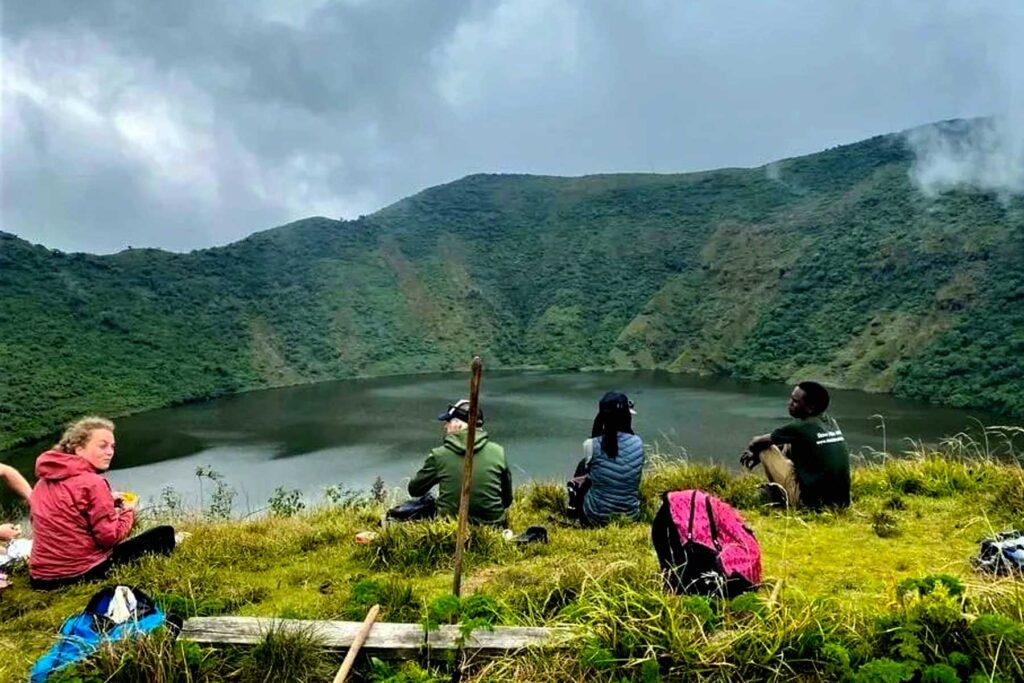
Cloud tends to build on the upper slopes by mid-morning, and the crater lake is most often visible in the first hours after sunrise. That is why an early departure is not just a matter of comfort: the earlier you reach the rim, the better your chance of a clear view. If your lodge is close to the park, ask for an early breakfast and a flask of tea rather than waiting for the standard service, because the difference of an hour can be the difference between a lake view and a wall of white.
Wildlife and Plants on Mount Bisoke
The slopes of Mount Bisoke shelter golden monkeys, forest buffalo, black-fronted duikers, bushbuck, and some of the most important bird life of the Albertine Rift, and on occasion hikers also meet mountain gorillas on the trail. The volcano sits inside the same protected forest as the habituated gorilla families, which means the wildlife is genuine rather than staged, and an encounter is a bonus rather than a promise. Our guides always set expectations carefully: a Bisoke permit is a volcano permit, not a gorilla permit, and nobody can guarantee a sighting.
Golden Monkeys and Birds
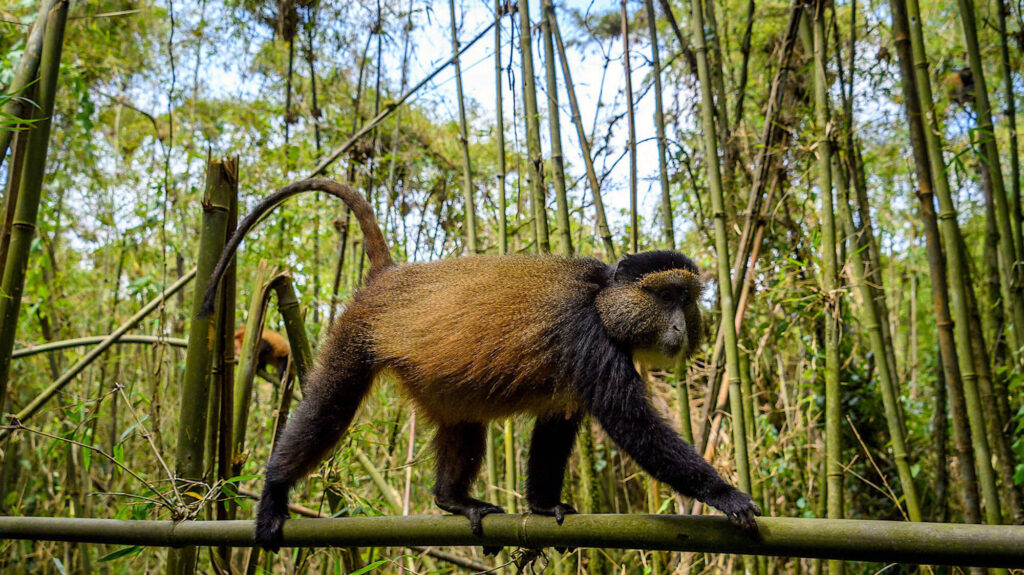
Golden monkeys live in large troops in the bamboo zone near the start of the trail, and you will often hear their crashing movement through the stems before you see the flash of orange-gold fur. Birdlife is rich, with more than 200 species recorded in the park, including Albertine Rift endemics such as the Rwenzori turaco and the handsome francolin. Photographers should bring a lens in the 200 to 400 millimeter range, because the best bird and monkey moments tend to happen in dim forest light and at a distance. If primates are the real draw of your trip, our gorilla and golden monkey safaris give dedicated time to the monkeys rather than treating them as a side note.
Will you meet gorillas on the Bisoke Hike
Gorilla families range freely across the Virunga slopes, and park rules apply the moment hikers and gorillas share the same space: the minimum distance is seven meters, voices drop to whispers, and your guide will lead the group away calmly if the animals approach. A chance meeting is brief and unplanned, and it is not a substitute for a trek, which provides a full hour with a habituated family. To understand how we assign those families and what makes each one different.
The Plants That Make the Climb Unusual
The plant life is half the reason to go slowly. The altitude belts of the Virungas are among the best-preserved Afro-montane vegetation sequences on earth, moving from bamboo to Hagenia woodland and then to the giant lobelia and senecio zone near the top. Ask your guide to stop at a few of the larger specimens: the structure of a lobelia, with its thick, rosetted stalk built to survive frost at night and sun by day, is a lesson in evolution that no brochure can replicate.
How to Get to Mount Bisoke From Kigali
Mount Bisoke is reached via the Volcanoes National Park headquarters at Kinigi, which lies roughly 100 kilometers northwest of Kigali and takes two to two and a half hours by road from Kigali International Airport. Almost every traveller flies into Kigali, spends a night or two near the park, and then drives to Kinigi each morning for the briefing. The road is paved and well maintained through Musanze, the nearest town, and the last section climbs through terraced hillsides with the Virunga volcanoes appearing ahead in the haze.
Flights, Visas, and Entry
Kigali International Airport receives direct and one-stop services from major European and Middle Eastern hubs and from several African capitals. A 30-day tourist visa is available on arrival for many nationalities at USD 50, and the official Rwanda immigration website gives current rules and e-visa options, which are worth checking before you fly because requirements vary by passport. A yellow fever certificate is required if you arrive from or through a yellow fever endemic country. We handle airport greeting, fast-track assistance where available, and the private transfer to your lodge as part of every itinerary.
Overnighting Near the Park
We strongly recommend that you do not try to hike Bisoke as a same-day round trip from Kigali. The drive alone takes up to five hours in total; you arrive at the trailhead feeling fatigued, and the altitude change is abrupt. Staying one or two nights in the Kinigi foothills lets you acclimatize, sleep properly, and start the 7:00 a.m. briefing rested. It also lets you enjoy the lodge, which for most of our guests is a highlight in itself.
Getting Around Once You Are There
Your private four-wheel drive and driver-guide handle the Kinigi transfer, the trailhead drive and the return, and wait for you at the end of the hike. The trailhead road is rough, and in the rain it can be difficult, so a private vehicle with a driver who knows the route is a real advantage over improvised transport. Our team also coordinates the timing so you don’t have to wait at the briefing center while we form groups.
What to Pack for Mount Bisoke
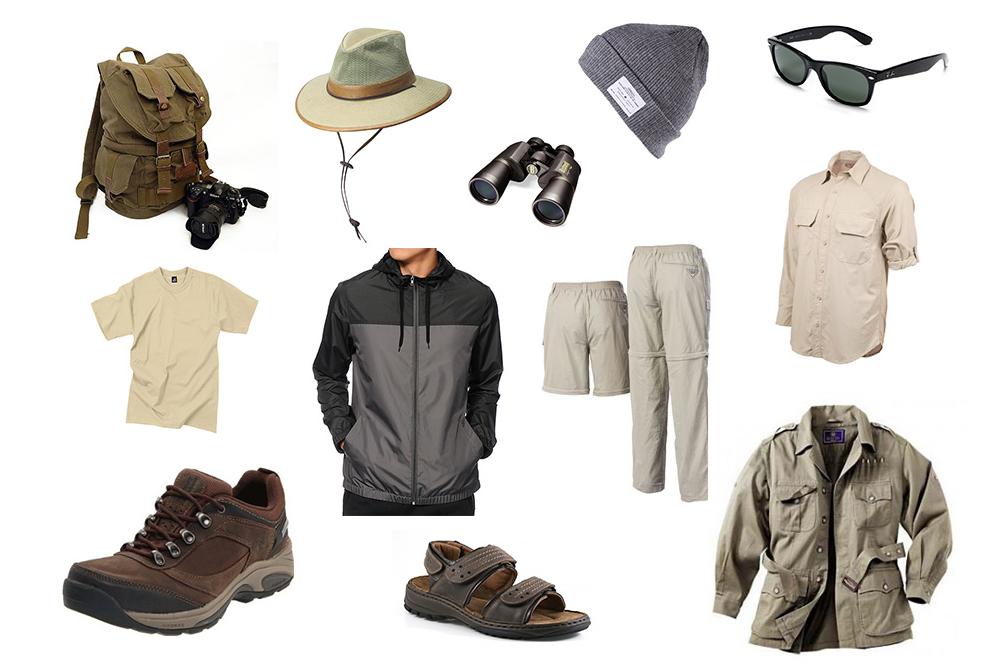
The right kit for Mount Bisoke is layered, waterproof and built for mud: sturdy ankle-supporting waterproof boots, gaiters, a light rain shell, a warm mid-layer, gloves and a hat. The summit can sit in single-digit Celsius temperatures once wind and cloud arrive, even when the trailhead is mild, and a single rain squall can change the entire character of the day. Pack for cold, wet conditions even if the morning dawns sunny.
Clothing and Footwear
Wear moisture-wicking base layers, a fleece or light insulated jacket, and quick-drying trousers; avoid cotton, which holds moisture and chills quickly at the summit. Waterproof, ankle-supporting boots with an aggressive tread, already worn in, are non-negotiable, and gaiters are well worth having because they stop mud and stinging nettles from reaching your socks. Gardening gloves help on steep, root-laced sections where you will grab branches for balance.
Equipment
Hiking poles make a real difference, particularly on the descent. A waterproof cover for your day pack protects cameras and phones, and at least two liters of water, high-energy snacks, and a packed lunch are essential. Bring sunscreen, insect repellent, lip balm, and a small first-aid kit with blister plasters. A headlamp is not required for Bisoke itself, but it is useful if you add a longer day. Binoculars are valuable for birds, and a camera with a good zoom handles golden monkeys and distant views. Flash photography near gorillas is prohibited.
This aspect is where a specialist operator earns its fee. We can arrange a lodge-prepared picnic with a flask of hot chocolate for the summit, a second pair of dry boots and socks waiting in the vehicle, a warm towel and a cold drink at the trailhead, and a massage or spa treatment booked for your return. None of these extras is standard on a budget package, and all of it transforms how you feel at the end of a demanding day.