Best Time for a Rwanda Safari: The Complete Month-by-Month Guide.

The best time for a Rwanda safari is June–September or December–February, when trails are driest. See our month-by-month guide, then plan with us.

The best time for a Rwanda safari is the long dry season from June to September or the short dry season from December to February, when forest trails are firmest, Akagera’s wildlife gathers at the lakes, and gorilla trekking days are at their most comfortable. Rwanda is a rare safari destination that works every month of the year, because mountain gorilla trekking in Volcanoes National Park runs daily with no closed season, and the international permit price stays at USD 1,500 per person whatever the weather.

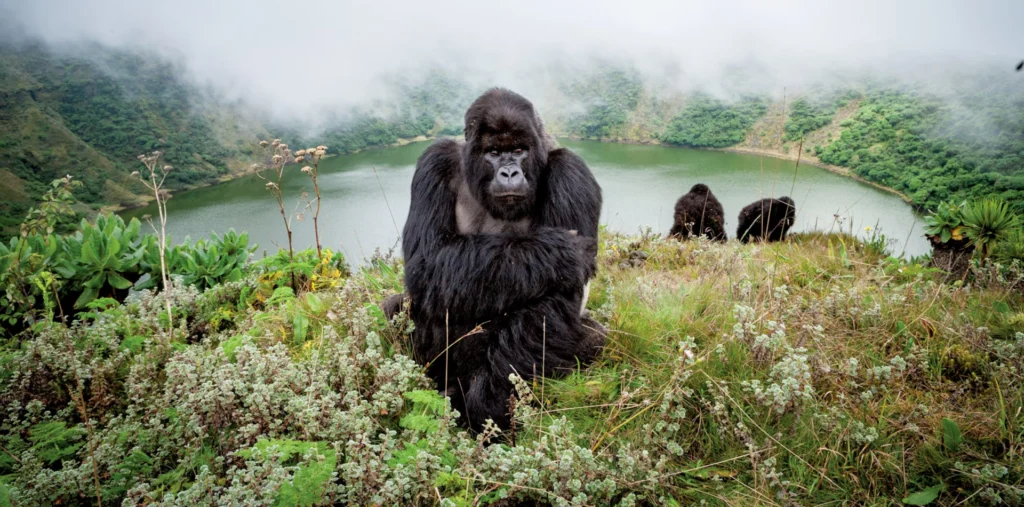
Best time for gorilla trekking.

What changes from month to month are the quality of the walking, the sharpness of the light, the crowds at the lodges, and how far ahead you must book. The long dry season, from June to September, is the busiest and most reliable window, with July and August the peak. The short dry season, from December to February, is quieter and in many ways more rewarding, and January in particular is one of the most underrated months in East Africa. The long rains of March to May bring mud and the lowest visitor numbers, and the short rains of October and November sit between the two extremes.

Rwanda sits just south of the equator, so it has no summer or winter in the European sense. Its seasons are defined by rain, and altitude does most of the rest: Kigali sits at about 1,500 metres, the gorilla forests of Volcanoes National Park climb from roughly 2,400 metres to over 4,500, and the savannah of Akagera lies lower and warmer in the east. That is why the honest answer to the question depends on what you most want to do. Gorilla trekkers should lean towards the dry months. Birders and travellers who value solitude over comfort may prefer the green season. Anyone combining Rwanda with the Serengeti or the Masai Mara should also consider the migration calendar.

Permits are limited — spaces fill months ahead

Reserve Your Private Gorilla Trek

Speak with a Rwanda-based specialist today. We secure permits, match you to the right gorilla family, and plan every detail around your schedule.

No group departures · Private itineraries only · Direct Rwanda expertise

Rwanda’s Climate and Seasons Explained

Rwanda has four seasons, not two: a long dry season from June to September, a short rainy season from October to November, a short dry season from December to February, and a long rainy season from March to May. This bimodal pattern is typical of the equatorial highlands, and it means you can plan a gorilla safari around any month with a clear idea of what to expect. Rain falls in every month in the high forests, but the difference between the dry and wet seasons is real and noticeable on the trail.

Best Time for a Rwanda Safari: Month-by-Month Expert Guide

Temperature: Mild All Year, Cool at Altitude

Kigali is pleasantly warm all year, with daytime highs usually around 26 degrees Celsius and cooler evenings, so the capital is comfortable in any month. In the gorilla forests, the story is different. Volcanoes National Park lies between roughly 2,400 and 4,500 meters, so mornings are cool, afternoons can be warm in the sun, and the combination of cloud and altitude means a waterproof layer and a warm mid-layer are essential in every season. Nyungwe Forest in the south-west is a true rainforest that can feel warm and humid by midday, while Akagera in the east is the hottest and driest of Rwanda’s parks.

Rainfall: Why the Mountains Behave Differently From Kigali

Average annual rainfall ranges from roughly 750 millimetres in Akagera and about 1,000 in Kigali to around 2,000 millimetres in Nyungwe and the Virunga volcanoes. This is the single most useful fact in the whole planning process. It means Akagera has a genuinely dry season with a clear game-viewing advantage, while the forests of Volcanoes and Nyungwe are wet-ish in every month and merely drier in some. Even in July, a trek can begin under cloud and finish in sunshine, or the reverse. We tell every guest the same thing: choose the season for the odds, then pack for every outcome.

The Equator Effect: Sunrise, Sunset, and Daylight

Because Rwanda is close to the equator, day length hardly changes through the year. Sunrise is around 6:00 a.m. and sunset around 6:00 p.m. in every month, which is why the gorilla trekking schedule is the same in January as in July. This also means evenings are short and early starts are the norm, whatever the season. If you are the kind of traveller who dislikes alarm clocks, build rest mornings into the days between your treks.

Best Time for a Rwanda Safari by Month

The best months for a Rwanda safari are June, July, August, September, December, January, and February, with January and June typically offering the best balance of good conditions and manageable demand. Every month is workable, though, and the table below summarizes how each one feels before we go through them in detail.

Month Season Our verdict
January Short dry Excellent: dry trails, fewer crowds
February Short dry Excellent: still dry, quiet
March Start of long rains Mixed: showers begin.
April Long rains Quietest: muddy, lush, best value
May Long rains Mixed: rains easing
June Long dry Excellent: dry, still calmer than July
July Long dry Peak: best conditions, busiest
August Long dry Peak: reliable but fully booked early
September Long dry, rains returning late Very good: Kwita Izina period
October Short rains Mixed: showers, low demand
November Short rains Mixed: showers, very good value
December Short dry begins. Very good: festive season demand

January: The Connoisseur’s Month

January combines the freshness left by the late-year rains with the firm footing of the short dry season. The forest is green, the air is clear, trekking conditions are excellent, and the park is quieter than in July or August once the New Year rush has passed. Permits are easier to find than in the peak months, although still worth booking well ahead, and several lodges soften their rates after the festive period.

February: Dry, Calm, and Underrated

February is the last month of the short dry season and one of the best times of year for gorilla trekking, thanks to dry terrain and settled weather. The crowds have thinned, the light is crisp, and Akagera still offers strong game viewing. It is also a particularly rewarding month to combine Rwanda with the southern Serengeti, where the calving season is under way in the early months of the year.

March: The Transition

March marks the shift towards the long rains, with showers becoming more frequent as the month progresses. Early March can still feel like the dry season, while late March often brings the first heavy downpours. This is a good month for travellers who want lower numbers and are comfortable with a little rain, but you should pack full waterproofs and allow a spare day in your itinerary.

April: The Peak of the Long Rains

April is the wettest month on the calendar and the quietest for tourism. Trails are slick and muddy, treks can feel tougher, and cloud often hides the volcano summits. In exchange, the forest is at its most vivid; you may have the trails largely to yourself, and many lodges offer their best rates of the year. It is also worth knowing that the week beginning 7 April is Rwanda’s national week of remembrance for the 1994 genocide against the Tutsi, when public events are curtailed and visitors are expected to be respectful. Wildlife activities generally continue as normal.

May: Rains Easing

May is the final month of the long rains and a mixed time to visit. Showers become less frequent as the month progresses, the forest is lush, and visitor numbers remain low. For travellers who value atmosphere and privacy over perfect conditions, late May can be an excellent compromise.

June: The Start of the Long Dry Season

June is where the peak season begins, and it is still relatively calm compared with July and August. Trails are firm, skies are clear, and the Northern Hemisphere holiday rush has not yet fully arrived. It is one of our favorite months for first-time visitors, as conditions are close to ideal and lodges and permits are slightly easier to secure than in high summer.

July: Peak Season Begins in Earnest

July is among Rwanda’s busiest months, with consistently dry weather, the clearest views of the Virunga volcanoes, and the highest demand for gorilla permits and lodge rooms. It also coincides with the start of the Great Migration river crossings in Kenya’s Masai Mara, which makes it popular for combined Rwanda and Kenya journeys. Book as early as you possibly can.

August: Reliable and Fully Booked

August offers the same dry, clear conditions as July and is just as busy. The first Friday of August is Umuganura, Rwanda’s national harvest and thanksgiving holiday, which brings a festive atmosphere to the countryside. Because demand is so concentrated, the best lodges and the most flexible permit dates are often gone many months in advance.

September: Dry Season With a Conservation Celebration

September is still part of the long dry season, though showers can return in the second half of the month, and humidity creeps back into the rainforest. It is also the month of Kwita Izina, Rwanda’s annual gorilla naming ceremony, which takes place every September in Kinigi. We cover the event in more detail below, but the key point is that lodges around Kinigi can be unusually full during the ceremony.

October: The Short Rains Begin

October brings the short rains, with showers that are often intense but brief, and demand falls away after the peak season. It is a particularly rewarding month for travellers who want a quieter trek, and it suits birders because migrant species are present in Akagera and the forests. Pack waterproofs and do not rely on an afternoon trek being dry.

November: Good Value and Green Landscapes

November is the second of the short-rain months and one of the best-value times to visit. Trails are wetter than in the dry seasons, but the landscape is green, visitor numbers are low, and several lodges offer notably better rates. It is an excellent time for travellers who prioritise privacy and are happy to accept some mud.

December: The Short Dry Season Returns

December is the start of the short dry season and an excellent time for gorilla trekking, relaxing by Lake Kivu or exploring Kigali’s cultural sights. The weather is generally drier than in November, but the Christmas and New Year period is a high-demand window for lodges and permits, so book early if your dates are fixed.

Plan Your Rwanda Safari

Start Planning a Private Gorilla Trek

Rwanda gorilla permits sell out months in advance. Secure your dates before the season closes.

Best Time for Rwanda Safari Activities: Gorillas, Chimpanzees, Game Drives, and Hikes

The best season depends on the activity, because Rwanda packs three very different ecosystems into a small country: montane volcanic forest, ancient lowland rainforest, and eastern savannah. A trip that moves between them will encounter slightly different conditions in each, and it helps to understand how each activity is affected by the weather.

Mountain Gorilla Trekking

Gorilla trekking happens every day of the year, and the sighting success rate does not drop in the rains, because trackers locate the families at dawn and guide you to them. What changes is the ground. In the dry months, trails are firmer and treks are generally more comfortable. In the wet months, mud makes walking harder, but gorilla families often feed on the lower slopes where fresh vegetation is plentiful, which can sometimes mean shorter walks. We treat that as a possibility rather than a promise, because the families move wherever they like on the day.

Golden Monkey Trekking
5-Day Luxury Rwanda Gorilla & Golden Monkey Safari 2027

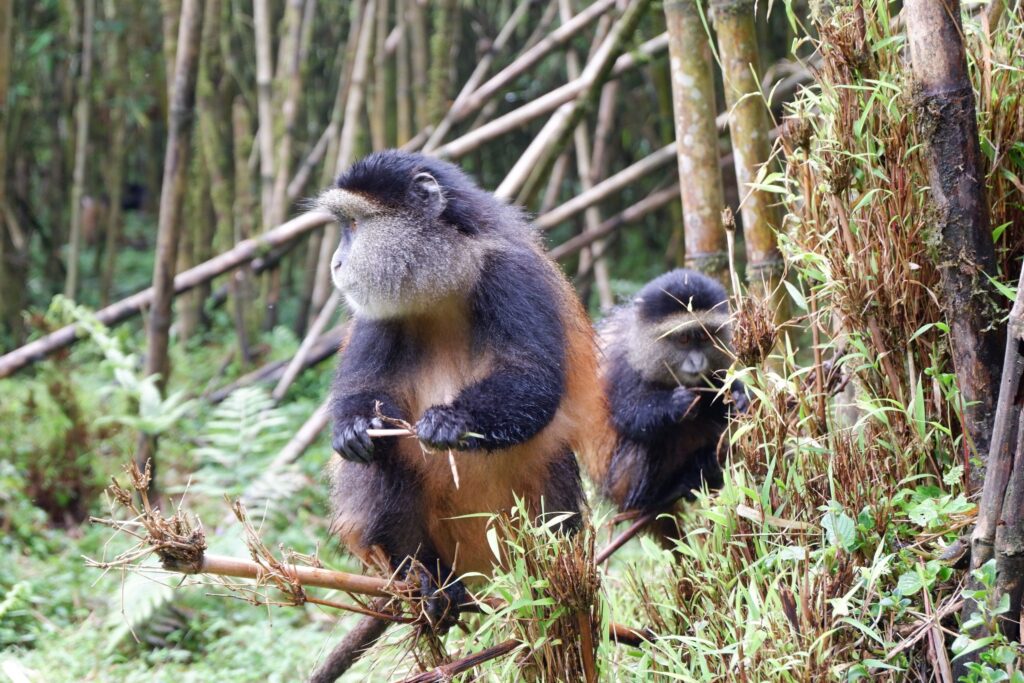
Golden monkeys live in the bamboo zone of the Virunga volcanoes and can be seen throughout the year. The permit costs USD 100 per person, and the trek is shorter and gentler than a gorilla day. During the rains, fresh bamboo shoots can attract the troops to accessible locations, which is why photographers sometimes enjoy the October and November period. In the dry months the trekking is more comfortable, and the monkeys are as active as ever.

Chimpanzee Trekking in Nyungwe Forest

Nyungwe is excellent all year and is a true rainforest, which means it can rain in any month. The permit costs USD 150 per person. The dry months of June to September make the trails considerably more manageable and the canopy walkway more pleasant, while the wet months can sometimes make chimpanzee movements more predictable because they depend on seasonal fruiting, although the timing varies between years and groups. Birdwatching in Nyungwe is excellent in all months, with October to April bringing breeding activity and migrant species.

Game Drives in Akagera National Park
Rwanda Safaris: The Complete Expert Guide (2027)

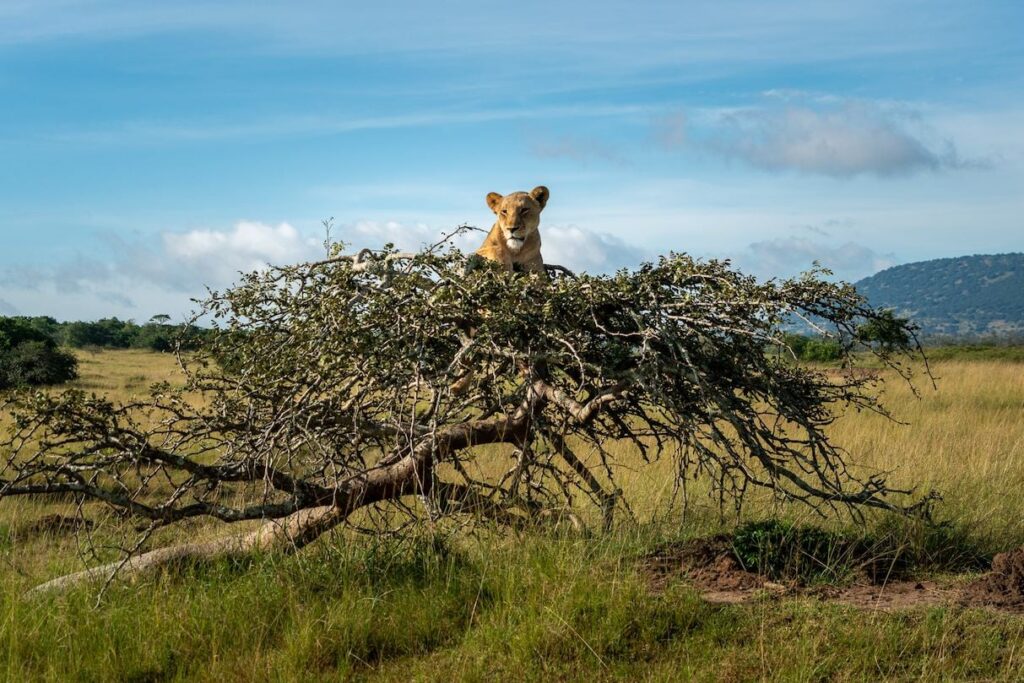
Akagera behaves like a classic savannah park, and its best game viewing is in the dry season from June to September, when wildlife concentrates around the permanent lakes and the vegetation is thinner. The park has been co-managed with African Parks since 2010 and now holds lions, black rhinos, and elephants, completing the Big Five. The green season has its appeal, with extraordinary birding and landscapes, but sightings can be harder because the animals disperse.

Volcano Hikes

The volcano hikes in Volcanoes National Park are far more weather-dependent than gorilla trekking, because the summit views are the whole point. Bisoke, with its crater lake, costs about USD 75 per person for a permit, and Karisimbi, a two-day climb to 4,507 meters, costs around USD 400. Both are best in the dry months, when the ground is firmer and the chance of a clear summit is higher.

Lake Kivu, Kigali, and Cultural Experiences

You can enjoy visiting Lake Kivu, on Rwanda’s western border, and Kigali’s museums, markets, and galleries in any month. Dry weather makes boat trips and lakeside afternoons more pleasant, but the rains rarely spoil them. These experiences are ideal for building rest days and weather buffers into an itinerary, which is why we usually place them between the more demanding trekking days.

How Rain Actually Changes a Gorilla Trek Day

Rain changes the experience of a gorilla trek far more than it changes the odds of finding gorillas. The trackers who leave before dawn locate each family, whether it is dry or pouring, and the one-hour encounter takes place in almost any weather. What differs is everything around that hour: the footing on the way in, how you feel while you stand still in damp forest, and how readily you can photograph the animals under a dark canopy.

The Walk In

On a dry morning the volcanic soil and leaf litter are firm, and most reasonably fit visitors cover the ground steadily. After heavy rain the same trail becomes a series of slick steps, hidden roots, and ankle-deep mud, and a walk that would take ninety minutes in July can take noticeably longer in April. Gaiters, trekking poles, and a porter turn that from an ordeal into an adventure. We always recommend hiring a porter at the briefing for about USD 15 to 20 plus a tip, and in the rains we treat it as close to essential.

The Hour With the Gorillas
Exclusive Gorilla Trekking in Rwanda: The Private Trek Guide

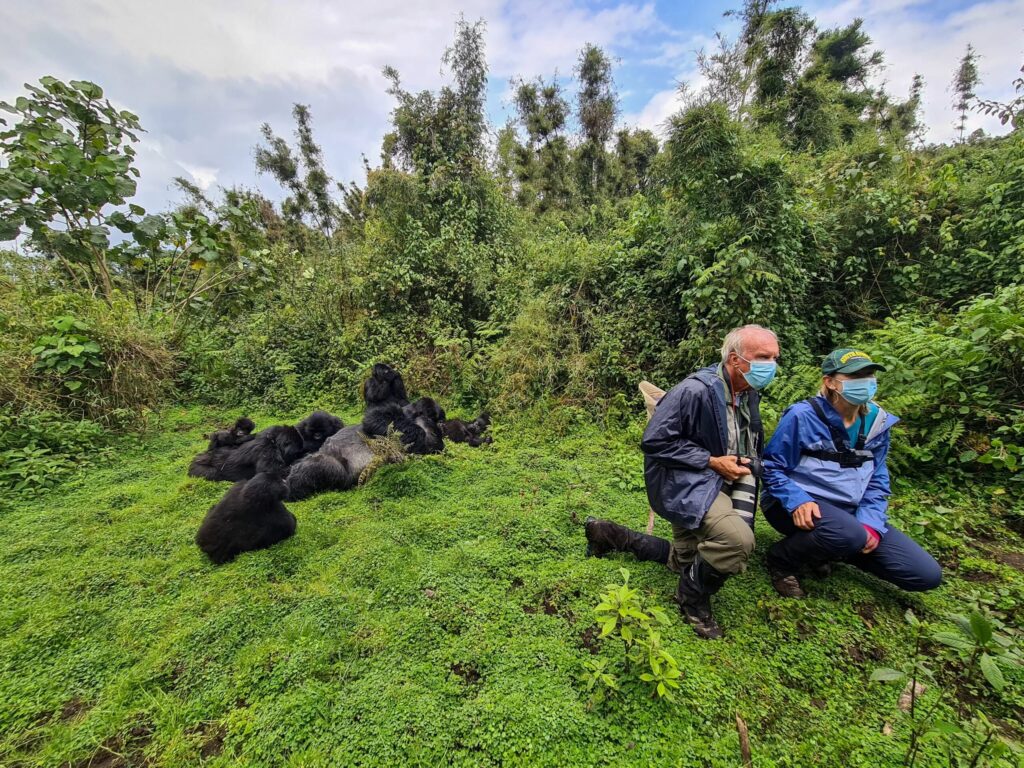
Once you reach the family, light rain is rarely a problem, because gorillas carry on feeding, resting, and playing in drizzle. In heavy downpours, the animals often sit hunched and still, and visibility is poor, but the experience can feel especially intimate because the forest is quiet and the group is calm. The seven-meter distance rule applies in all weather. Photographers should bring a waterproof cover and a spare microfibre cloth and accept that some of their best images will be made in grey, soft light.

After the Trek

The practical difference between a dry-season and a rainy-season trek often shows after the hour is over. In the dry months you can sit on a log for your packed lunch and walk out in dry socks. In the rains, you will want a change of clothes waiting in the vehicle and a hot shower and a warm drink back at the lodge. This is where a private itinerary with a dedicated driver-guide earns its keep, because the vehicle waits for you and the lodge is expecting you.

The Wildlife Calendar: What Changes Through the Year

Rwanda’s wildlife is present all year, but the way it behaves and how easily you see it shifts with the seasons. Understanding these rhythms is one of the quiet advantages of travelling with a local operator.

In the Virunga Forests

Gorilla births occur throughout the year, so there is never a month without infants in the families, and babies are a common sight on treks in every season. Bamboo shoots, a favorite food, sprout in abundance during the rains, and families often move to the lower slopes to feed on them, which can occasionally shorten walks, though we never promise it. Golden monkeys remain in the bamboo zone year-round, and in the wet months troops concentrate where fresh shoots are growing.

In Nyungwe

Nyungwe’s primates, including the eastern chimpanzee and Angolan colobus, follow the fruiting cycles of the forest, which vary between years. The park holds thirteen primate species, and the canopy walkway, suspended around fifty meters above the forest floor, is most pleasant in the drier months. Birders find Nyungwe productive in every month, with migrants adding variety between October and April.

In Akagera

Akagera’s seasonal pattern is the most pronounced. In the dry months, animals converge on the permanent lakes, and the open grassland makes sightings easier, while in the green months, the landscape is lush, the sky is dramatic, and birdlife is at its best. Because the park lies lower and is far drier than the mountains, a trip to Akagera is the part of a Rwanda itinerary where the season matters most to your wildlife experience.

On Lake Kivu and in Kigali
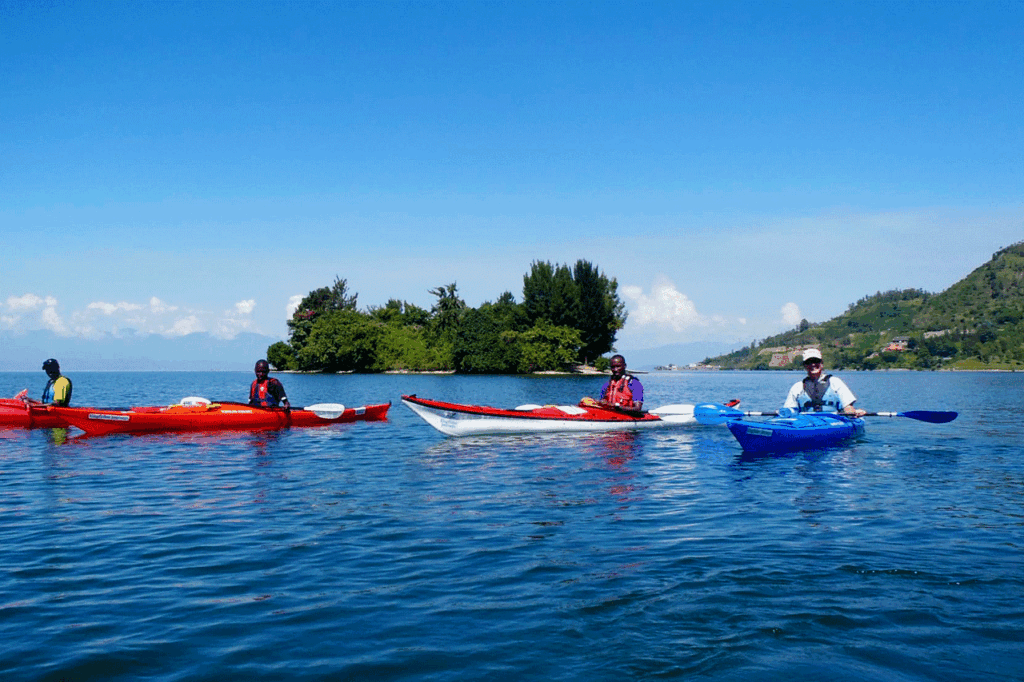
6-Day Rwanda Gorilla Trekking & Lake Kivu Luxury Safari

Lake Kivu and Kigali are the least seasonal elements of a Rwanda trip. Boat trips, lakeside walks, galleries, and markets work in any month, which makes them ideal for padding an itinerary with flexible days. We often place them either side of a trekking block so that a rain-delayed day does not cost you anything.

Common Mistakes When Timing a Rwanda Safari

Most problems we see on Rwanda trips come from sequencing and assumptions, not from the season itself. Avoiding the following mistakes matters more than choosing between July and January.

The first and most common mistake is booking lodges before permits. Please confirm the permit date first, as gorilla permits are the scarce resource, and then build the rest of the itinerary around it. The second is arriving on the morning of the trek. Between a long flight, the two-and-a-half-hour drive to Kinigi, and the 7:00 a.m. briefing, there is simply no margin, so we always recommend arriving at least one night before. The third is building an itinerary with no buffer. A spare day protects you against weather, illness, or a missed permit, and it is cheap insurance compared with the cost of a lost trek.

The fourth mistake is ignoring local events. Kwita Izina in early September and the Christmas and New Year period can fill Kinigi, so check the dates before committing. The fifth is overpacking for the wrong season or underpacking for the right one: pack layers, waterproofs, and appropriate boots in every month. The sixth is assuming a promotional permit rate applies to you. The Rwanda Development Board promotions were for Rwandans, East Africans, and other Africans; international visitors pay USD 1,500. The seventh is trying to see everything. Rwanda is small, but each park deserves at least two nights, and a rushed itinerary is a worse experience in any season.

Peak, Shoulder, and Low Season in Rwanda: Crowds, Permits, and Lodge Rates

Rwanda’s peak season runs from June to September, with a second burst of demand over Christmas and New Year, while the shoulder and low seasons fall in the months either side and during the long rains. The practical consequences are about availability and price rather than closure, because the park is open and trekking operates throughout.

Peak Season: June to September and the Festive Period

In peak season, gorilla permits and the best lodge rooms sell out first. We advise booking six to twelve months ahead for July and August and as early as possible for the festive period. The upside is the most reliable weather, the clearest views, and the best conditions for combining Rwanda with a migration trip in Kenya or Tanzania.

Shoulder Season: January, February, June, and the Edges of the Rains

In our experience, the shoulder months are the sweet spot for travellers who value both comfort and space. January and February offer dry trails with fewer people, and June gives you high-season weather before July’s rush. Booking three to six months ahead is generally sufficient, though earlier is always safer for the best lodges.

Low Season: March to May and October to November

The low season brings the lowest lodge rates of the year, the quietest trails, and the lushest scenery. International gorilla permit prices do not change with the season, so the savings come from accommodation and flexibility. The Rwanda Development Board offered promotional permit rates to Rwandans, East Africans, and other African residents, but these did not apply from June to October, and the international price stayed at USD 1,500. We advise travellers to confirm every figure with the Rwanda Development Board before paying, and our team does this verification as standard.

Events and Dates That Should Shape When You Go

A few fixed dates in the Rwandan calendar affect availability, atmosphere, and etiquette, and knowing them in advance prevents unpleasant surprises. None of them closes the parks, but several change how busy the northern lodges feel.

Kwita Izina: The Gorilla Naming Ceremony

Kwita Izina is Rwanda’s annual ceremony in which newborn mountain gorillas are given names, modeled on the traditional Rwandan custom of naming a child in front of family and friends. The 21st edition was held on 4 September 2026 at Kinigi, where 22 baby gorillas were named, bringing the total named since 2005 to 460. The event typically takes place in early September, draws thousands of visitors, and attracts celebrities and conservation figures, so it is worth timing a trip around it if you want the atmosphere and worth avoiding if you want a quiet Kinigi. Dates are announced by the Rwanda Development Board and have shifted from year to year, so check before you book. Our team always highlights the likely window for September travel when we provide quotes.

Kwibuka and the Week of Remembrance

Kwibuka, the annual commemoration of the 1994 genocide against the Tutsi, begins on 7 April, with a week of national mourning followed by a longer period of remembrance. Public entertainment is curtailed, and the tone across Kigali is somber. Visitors are welcome, and many choose to visit the Kigali Genocide Memorial, one of the most carefully designed memorial sites in the world; however, travelers should dress and behave respectfully. April is also the wettest month, so it is naturally a quiet time for tourism.

Umuganura, Liberation Day, and Public Holidays

Umuganura, the national harvest festival, falls on the first Friday of August and is a public holiday, as is Liberation Day on 4 July. Neither affects trekking, though roads and towns can be livelier than usual. Christmas, New Year, and Easter are the main international holiday peaks, and lodges near the park often require minimum stays at these times.

Sporting Events in Kigali

Kigali has become a regular host of international sport and conferences, and the Tour du Rwanda cycling race usually ends in the capital in late February or early March. A major event can fill Kigali hotels at short notice, so if your dates overlap with one, we recommend securing your Kigali nights early.

Best Time for a Rwanda Safari by Type of Traveller

The best time for you depends on who you are and what you value, and a thoughtful itinerary starts with that conversation rather than with a calendar. These are the patterns we see most often in the guests we plan for.

First-Time Visitors and Honeymooners

First-time visitors and couples celebrating a special occasion should aim for June, early July, January, or February. These months combine dependable weather with manageable demand, and the dry trails make the trek more comfortable if you are unsure of your fitness.

Families With Teenagers

The minimum age for gorilla trekking is 15, which means school holidays often decide the dates for families. July, August, and the Christmas period are the busiest, so book early. For families with younger children, golden monkey trekking, the Musanze Caves, and the crater lakes of Burera and Ruhondo give the whole group something to do while older teenagers trek.

Photographers

Photographers often prefer the green season, when the light is softer, the landscapes are saturated, and the forest feels alive, though the dry months give more reliable shooting conditions in dense forest light. In the gorilla forest, flash is prohibited, so fast lenses and excellent low-light performance matter more than the season. Akagera’s dry season concentrates wildlife around water, which is ideal for game photography.

Older Travellers and Those Who Prefer Gentle Treks

Dry months make trails less slippery and treks easier on the knees. We advise older travellers to tell us about any mobility limitations up front so the park can match them to a more accessible gorilla family, although such arrangements can never be guaranteed because families move daily. For travellers who want certainty and privacy, exclusive gorilla trekking in Rwanda gives a single group sole access to one family for the day at a price of approximately USD 15,000.

Luxury Travellers Who Value Privacy

For high-end travelers, the real luxury is space. That points to the shoulder months of January, February, and June, or the green season, when lodges are quieter, service feels more personal, and the best suites are easier to secure. If your dates are fixed in peak season, the answer is to book earlier and to choose a private itinerary that avoids group transfers.

Timing Rwanda With Uganda, Tanzania, and Kenya

Rwanda combines naturally with its neighbors, and the right season for a multi-country trip depends on the weakest link in the chain. The most common pairings are Rwanda with Uganda for a dual-country primate journey, Rwanda with Tanzania for the Serengeti and Ngorongoro, and Rwanda with Kenya for the Masai Mara.

Rwanda and Uganda
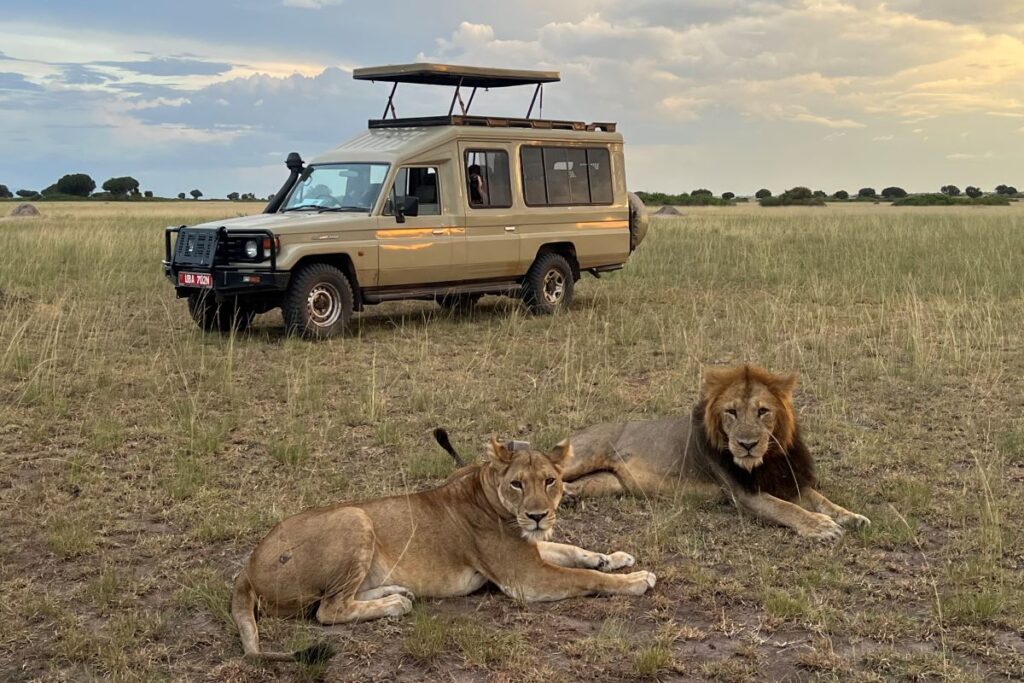
Uganda Safaris: The Complete 2027 Gorilla & Wildlife Guide

Both countries offer mountain gorilla trekking, and many travelers choose between them on price, access, and style. Rwanda’s permit costs USD 1,500, against USD 800 in Uganda, but Rwanda’s drive from Kigali is shorter, and its luxury lodge infrastructure is deeper. Our Rwanda vs Uganda gorilla trekking comparison sets out the differences in detail. Seasonally, the same dry and wet months apply across both countries, so June to September and December to February are the best windows for a combined trip.

Rwanda and Tanzania

The Serengeti’s Great Migration moves through the year, with calving in the south around January to March and the northern Mara River crossings generally from July to October. If your priority is the migration, plan Tanzania first and let Rwanda follow, using the dry months for the gorillas. Our Tanzania safaris guide and our guide to the Ngorongoro Crater show how we pair northern Tanzania with Rwanda.

Rwanda and Kenya
Amboseli National Park: Elephants, Kilimanjaro & Luxury Camps

July to October is the classic window for the Masai Mara migration crossings, and it coincides with Rwanda’s long dry season, which makes it the most natural time to combine the two. The price of that convenience is demand: both destinations are at their busiest. Our Kenya safaris guide outlines the options, and our team can advise on how to sequence flights between Kigali and Nairobi. For more ideas, explore our collection of Rwanda safari experiences.

Which East African Country Is Best for Your Dates?

If your dates fall outside Rwanda’s ideal windows, another East African country may suit them better, and an honest operator will tell you so. Rwanda is the strongest choice for a short, high-comfort primate trip with minimal transit time, while Uganda, Tanzania, and Kenya each win in particular situations. The right answer comes from matching the country to the month and to what you want to see most.

Rwanda is the best choice for travellers who want gorillas with the shortest transfer from an international airport, the deepest bench of luxury lodges and a compact country that makes multi-park itineraries straightforward. Its weakness is price: the USD 1,500 permit is the highest in the world, though it buys a tightly managed experience. Uganda’s Bwindi offers gorilla trekking at USD 800 and a wilder, more remote forest, and it can be a better fit for travelers who want to see chimpanzees in Kibale and tree-climbing lions in Queen Elizabeth on the same trip.

Tanzania and Kenya win when the migration is the priority. The Serengeti and the Masai Mara reward travel at specific times of year, and Rwanda then becomes the primate chapter that follows. If your only window is a rainy-season month, Rwanda is often the better of the options because gorilla trekking is not seasonal in the way a migration is, and a green-season trek is still a profound experience. If your only window is July or August, plan early, because every East African destination is at its busiest and the best properties sell out first. You can explore the neighboring options through our Tanzania safaris and Kenya safaris.

Plan Your Rwanda Safari

Start Planning a Private Gorilla Trek

Rwanda gorilla permits sell out months in advance. Secure your dates before the season closes.

A Simple Way to Choose Your Month

Choosing your month is easier if you rank your priorities honestly before you look at a calendar. Three questions usually settle it.

The first question is how much you value certainty over space. If you want the most dependable weather and are happy with company, choose June to September. If you would rather have a quieter forest and are comfortable with some uncertainty, choose January, February, or the green season. The second question is what else you plan to see. If Akagera game drives or the migration are part of the trip, the dry months become more important. If gorillas and golden monkeys are the main focus of the trip, the season is less important. The third question is how fixed your dates are. If school holidays or work leave pin you to July, August, or December, the best strategy is simply to book as early as possible and choose a private itinerary that removes friction.

Whichever month you choose, the single most useful step is to confirm permit availability before you pay for flights. Our team checks this for every inquiry, and it usually takes only a few minutes. Starting with the permit protects you from the most expensive mistake in Rwanda planning: a beautifully arranged trip with no gorilla date attached.

Permits, Costs, and What to Book First

For nearly every traveller, the first booking is the gorilla permit, as it is the only element that can truly sell out, and everything else is built around it. The international permit costs USD 1,500 per person and is issued by the Rwanda Development Board for a specific person and date. It covers park entry, a ranger guide, and one hour with a gorilla family. It does not cover accommodation, transfers, tips, or flights.

Item Typical cost
Gorilla trekking permit (international visitor) USD 1,500 per person
Exclusive-use gorilla permit (private family) approximately USD 15,000 per group
Behind-the-scenes gorilla experience approximately USD 15,000 per person
Golden monkey trekking permit USD 100 per person
Nyungwe chimpanzee trekking permit USD 150 per person
Mount Bisoke hike permit around USD 75 per person
Mount Karisimbi two-day permit around USD 400 per person
Dian Fossey graves hike permit around USD 105 per person
Tourist visa on arrival (30 days) USD 50

How Far Ahead to Book

For July, August, September, and the festive period, we recommend booking gorilla permits and lodges six to twelve months ahead. For the shoulder months, three to six months is usually enough. In the green season, shorter lead times can work, but the best lodges still fill. Volcano hike permits are usually easier to secure at shorter notice, though Karisimbi needs extra planning for porters and camping. We check live availability with the Rwanda Development Board for you and advise on realistic windows for your dates.

What the Permit Does Not Guarantee

A permit gives you a day, not a family. You are assigned to a specific gorilla family at the 7:00 a.m. briefing in Kinigi, based on where the trackers found the animals that morning and the fitness level your group reported. That is why honesty about fitness matters more than any season choice.

Budgeting the Rest of the Trip

Beyond the permit, the largest costs are lodges, private vehicles, and any additional activities. The finest lodges around Kinigi often charge well over USD 1,000 per person per night in high season, so timing your stay in a shoulder or green-season month is the most effective way to improve value without lowering standards. We provide itemized quotations so you can see exactly what each element costs.

How Long to Stay and How to Get There

Most travellers need three to five nights in the Volcanoes area for a comfortable gorilla trip and seven to ten days for a full Rwanda safari that includes Nyungwe or Akagera. Kigali International Airport receives direct and one-stop flights from major European and Middle Eastern hubs, and the drive to Kinigi takes about two to two and a half hours. We recommend arriving at least a night before your trek so you start rested, rather than arriving on the morning flight and trekking the next day.

Visas, Health, and Entry

A 30-day tourist visa is available on arrival for many nationalities at USD 50, but rules vary by passport, so check the official Rwanda immigration website before you travel. A yellow fever certificate is required if you arrive from or through a yellow fever endemic country. For vaccination and health advice, see the CDC’s Rwanda travel guidance and speak to a travel medicine specialist. Comprehensive travel insurance that includes emergency medical evacuation is essential, and we consider it non-negotiable.

Seasonal Travel Timing Within Rwanda

If you are travelling in the rain, build a spare day into the plan so that a weather problem does not cost you the one activity you came for. In the dry months, the biggest risk is not weather but availability. Either way, our private itineraries are designed with buffer days so that your trip does not feel rushed.

Reading the Weather and Staying Flexible

Rwandan weather is forecastable only in outline, and the most useful approach is to plan flexibly rather than chase a perfect forecast. Seasonal patterns have become less predictable in recent years, so the long rains can start early, linger late, or arrive in unusually heavy bursts. Because of that, we treat the calendar as a guide to probabilities rather than a promise, and we build itineraries so that no single day bears the full burden of the trip.

In practice that means a few simple habits. We keep the gorilla trek, which cannot be moved once a permit is issued for a date, away from the very start and very end of an itinerary, so a delayed flight does not cost you the main event. We schedule the volcano hikes and the crater lake excursions, which depend most on visibility, on the more flexible days. We check the mountain forecast the evening before every activity, and we brief you at dinner on what to wear and what to expect. Finally, we encourage guests to arrive with a flexible attitude: some of our most memorable treks have been the muddiest, and several guests have told us the grey, misty morning was the one they remember best.

What to Pack for Rwanda in Every Season

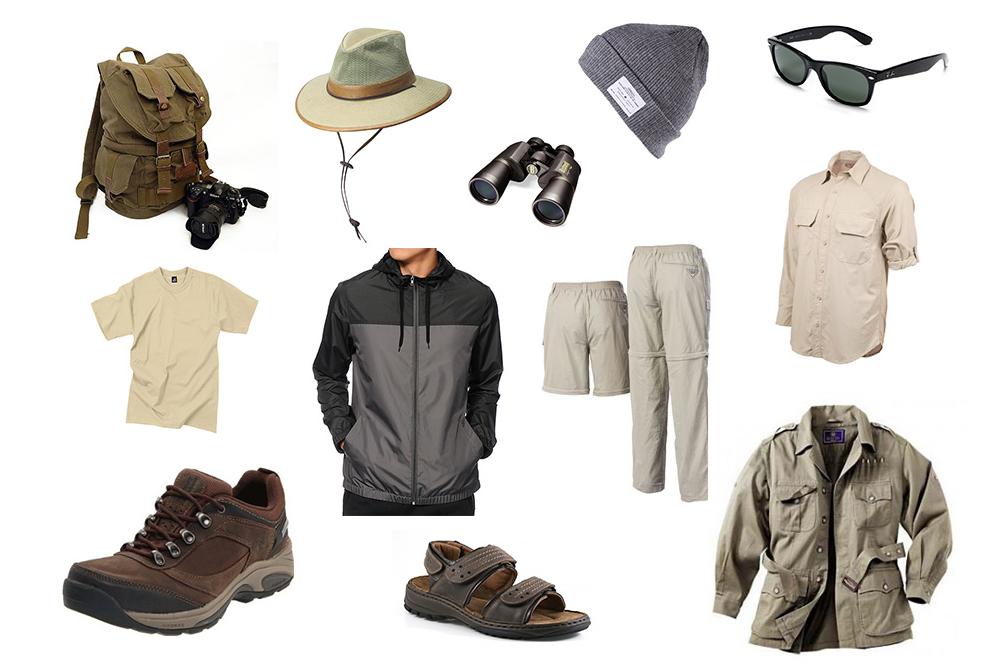
Layers and waterproofs are the answer in every season, because Rwanda’s highlands can deliver sun, cloud, and rain within a single morning. For gorilla trekking, wear long-sleeved shirts and long trousers in neutral, dark colors, waterproof ankle-supporting boots, gaiters, gardening gloves, and a light waterproof jacket. Bring at least two liters of water, insect repellent, and sunscreen, and carry your camera in a waterproof cover.

What to Pack for a Safari

Dry Season Additions

In the dry months, add a warm fleece for early mornings and sunscreen for the afternoons. Dust can be present on drives, so a buff or light scarf is useful, and a good zoom lens helps for game drives in Akagera.

Rainy Season Additions

In the wet months, bring a proper waterproof shell, waterproof trousers if you have them, spare socks, and a dry bag for electronics. Trekking poles help with muddy descents, and a second pair of boots makes life much easier if the first pair stays wet. A porter, hired at the briefing for about USD 15 to 20 plus a tip, is worth having in any season and supports local households.

Where to Stay by Season: Luxury Lodges Near Volcanoes National Park

The lodge you choose matters more in the rains, when you will spend more time indoors, and in peak season, when availability is limited. The four properties we most often recommend near Kinigi are Wilderness Bisate, Singita Kwitonda Lodge, One&Only Gorilla’s Nest, and Wilderness Sabyinyo Silverback Lodge.

For Peak Season

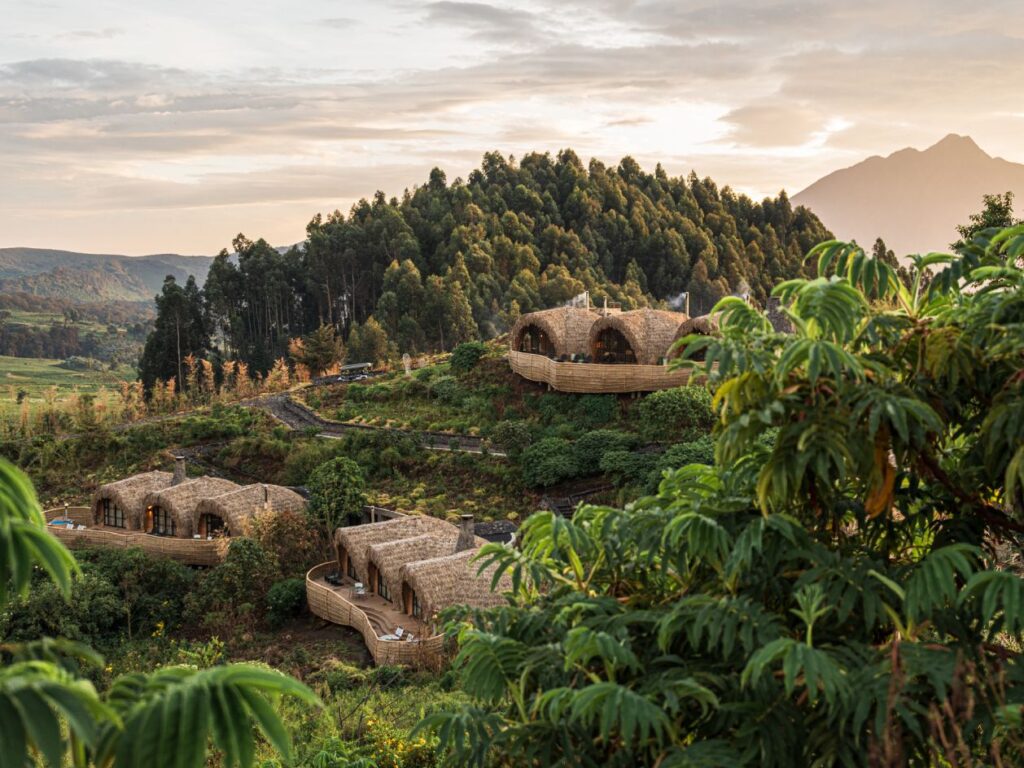
Bisate Lodge

In peak season, secure Bisate or Singita Kwitonda first, as they have only a handful of villas and suites and fill up early. Bisate’s reforested hillside and circular forest villas make it a favorite with honeymooners and photographers, while Singita Kwitonda sits directly against the park boundary with uninterrupted views of the volcanoes.

For the Green Season

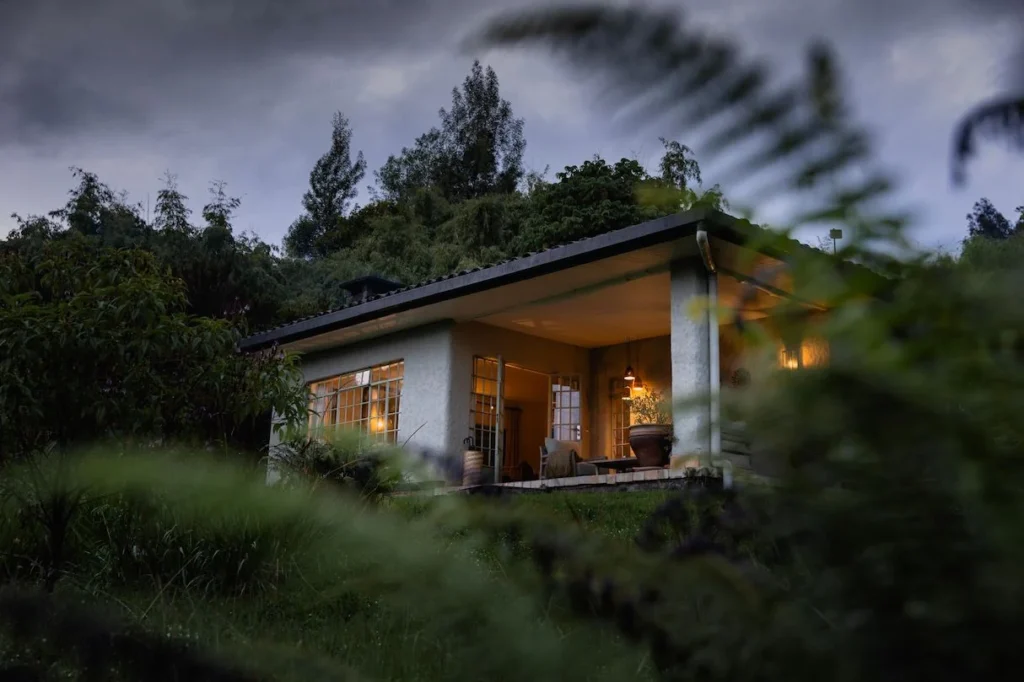
Wilderness Sabyinyo Lodge

In the green season, One&Only Gorilla’s Nest offers a polished, unhurried counterpoint to muddy trekking days, with beautiful gardens and spacious suites. Wilderness Sabyinyo Silverback Lodge, a community-owned property managed by Wilderness, appeals to travelers who want their stay to have a visible social impact. Rates change by season, so we confirm availability and pricing when quoting.

Beyond Volcanoes

Family Rwanda Safari Style

For Akagera, the standout choice is Wilderness Magashi Camp, a tented camp of exceptional quality on the shore of Lake Rwanyakazinga, and for Lake Kivu, there are several boutique properties that make a comfortable bridge between Nyungwe and Volcanoes. Explore our guide to Gishwati-Mukura National Park if you want to add Rwanda’s newest national park.

Three Seasonal Plans We Would Recommend

These are the shapes our itineraries most often take, offered as starting points rather than fixed products. Each can be extended with Nyungwe or Akagera, and everyone is fully private.

A Dry-Season Gorilla Escape (June to September)

Arrive in Kigali on day one and transfer to the Kinigi foothills for a night to acclimatize. Spend day two on the gorilla trek, day three on golden monkeys and the twin crater lakes of Burera and Ruhondo, and day four on the Musanze Caves before returning to Kigali. Because permits are scarce in these months, the gorilla date is fixed first, usually six to twelve months out, and the lodge is secured immediately afterwards.

A Shoulder-Season Primate Journey (January, February, or June)

This is our favorite format for first-time visitors with a week to spare. Begin with gorillas and golden monkeys in the Volcanoes area, add a hike or the Dian Fossey graves, then travel south to Nyungwe for chimpanzee trekking and the canopy walkway. With fewer people in the park, the pace can be more relaxed and the lodges more personal.

A Green-Season Privacy Plan (March to May, October, and November)

For travellers who want space and good value, we build in a spare day around the gorilla trek, book a lodge with a strong indoor offering, and keep the activity list flexible. Lake Kivu and Kigali become weather-proof alternatives, and a porter and full waterproofs are non-negotiable. The reward is a quieter forest, lower rates, and a greener, more atmospheric Rwanda.

Plan Your Rwanda Safari

Start Planning a Private Gorilla Trek

Rwanda gorilla permits sell out months in advance. Secure your dates before the season closes.

Frequently Asked Questions About the Best Time for a Rwanda Safari.

What is the best month to go on safari in Rwanda?

The best months for a Rwanda safari are June, July, August, and September during the long dry season, and December to February during the short dry season. Of these, January and June are often the best compromise between dry weather and manageable crowds. July and August are the driest and busiest, with the highest demand for permits and lodges. Gorilla trekking runs every day of the year, so no month is truly closed. Choose based on whether you value reliable weather, quiet trails, or lower prices.

Is it worth going to Rwanda in the rainy season?

Yes, the rainy season is worth it for travellers who value solitude and lower prices and accept some mud. Gorilla trekking continues every day, the forest is at its greenest, and lodges often offer their best rates of the year. April is the wettest month, with heavy rain making trails slippery. Clouds can hide volcano summits, so hikes such as Mount Bisoke are less rewarding. Pack full waterproofs, trekking poles, and gaiters, and build a spare day into your itinerary.

When is the dry season in Rwanda?

Rwanda has two dry seasons: a long one from June to September and a short one from December to February. The long rains fall from March to May and the short rains from October to November. Even in the dry months, rain is possible in the forests of Volcanoes and Nyungwe, because these areas receive around 2,000 millimeters of rain a year. Akagera is much drier, with about 750 millimeters annually. The dry seasons are best for trail conditions and game viewing.

How far in advance should I book a Rwanda gorilla safari?

For travel in July, August, September, or over Christmas, book gorilla permits and lodges six to twelve months ahead. For the shoulder months, three to six months is usually enough, and in the green season shorter lead times can work. The Rwanda Development Board issues permits for a specific person and date, and demand consistently exceeds supply in peak months. Volcano hike permits are less constrained. We monitor live availability and advise on realistic windows for your dates.

How much does a gorilla permit cost in Rwanda?

A gorilla trekking permit costs USD 1,500 per person for international visitors and is issued by the Rwanda Development Board. The price is the same year-round, and it covers park entry, a ranger guide, and one hour with a gorilla family. In 2026, promotional rates of USD 200 for East Africans and USD 500 for other Africans were offered, but they were not available from June to October, and they excluded international visitors. Accommodation, transfers, and tips are extra.

Can you see gorillas in Rwanda all year round?

Yes, gorilla trekking in Volcanoes National Park operates every day of the year with no closed season. Trackers locate the habituated families at dawn and guide trekkers to them, so sightings are reliable in every month. The park has 24 habituated families, and each takes a maximum of eight visitors per day, giving a daily capacity of 192 visitors. What changes with the season is the trail condition and the length of the walk, which ranges from about 30 minutes to five hours.

What is the cheapest time to visit Rwanda?

The cheapest time to visit Rwanda is the long rainy season from March to May and the short rains in October and November, when lodges offer their lowest rates. The international gorilla permit stays at USD 1,500 whatever the month, so savings come from accommodation rather than the permit. Some of the finest lodges near Kinigi charge more than USD 1,000 per person per night in high season, so a green-season stay can reduce the cost noticeably. Availability is also much easier.

Is January a good time to visit Rwanda?

January is one of the best times to visit Rwanda, with warm, comfortable days in the short dry season. Trails are firm, the forest is green after the late-year rains, and the park is quieter than in July or August once the New Year rush has passed. Gorilla permits are easier to find than in peak months, though still worth booking well ahead. Temperatures in Kigali average around 26 degrees Celsius, and the light is excellent for photography.

What is the best time to see chimpanzees in Nyungwe?

Chimpanzee trekking in Nyungwe works all year, and the dry months from June to September make the trails more manageable. The permit costs USD 150 per person, and the park receives around 2,000 millimeters of rainfall a year, so be prepared for rain in any month. Some guides find chimpanzee movements easier to predict during fruiting periods, which vary from year to year. Birdwatchers should consider October to April, when migrant species and breeding activity add variety.

When is the best time for game drives in Akagera National Park?

The best time for game drives in Akagera is the dry season from June to September, when wildlife concentrates around the park’s lakes and visibility is best. Akagera receives only about 750 millimeters of rain a year, far less than the mountain forests. The park has been managed in partnership with African Parks since 2010 and now holds lions, black rhinos, and elephants. The green season is excellent for birdwatching, with dramatic skies and migrant species, though some sightings are harder.

Can I combine a Rwanda gorilla safari with the Great Migration?

Yes, and the best time is July to October, when the Masai Mara river crossings coincide with Rwanda’s long dry season. For the Serengeti calving season in the south, aim for January to March and pair it with Rwanda’s short dry season. Most travellers fly between Kigali and Nairobi or Kilimanjaro, and we sequence the flights so that the gorilla trek, which is the least flexible element, is secured first.

How do I book a luxury Rwanda safari with Rwanda Gorilla Expeditions?

To book, tell us your travel dates, group size, fitness level, and interests, and we will check for gorilla permits and lodge availability with the Rwanda Development Board and our partners. Your quotation sets out the full itinerary and payment schedule, and we secure the permits in your name before you travel. Every itinerary is private, with a driver-guide, airport transfers and 24/7 in-country support. You can reach us on WhatsApp or through our contact us page.

Is Rwanda safe for tourists at any time of year?

Rwanda is consistently rated among the safest countries in Africa for visitors, with low crime, well-maintained roads, and a strong government focus on tourism. Armed rangers lead gorilla treks as a precaution, and our private guides brief you before every activity. Check your government’s travel advice and the CDC’s Rwanda page before you travel, and carry comprehensive insurance that includes medical evacuation. The only seasonal safety issue is mud on forest trails during the rains.

Ready to Trek? Permits are limited — plan early.

Plan Your Rwanda Safari With Rwanda Gorilla Expeditions

The best time for a Rwanda safari is ultimately the time that fits your dates, your priorities, and your appetite for crowds, and the most useful step you can take is to talk it through with someone who works in this landscape every day. At Rwanda Gorilla Expeditions, we design private, tailor-made journeys that match the right season to the right activities, secure permits and lodges for you, and handle every detail from airport greeting to farewell. Learn more about the team on our About Us page, or start the conversation today. Tell us your dates and we’ll check permit availability within a few minutes. Message us on WhatsApp or use our contact page, and we will take it from there.