Game Drives in Akagera National Park: The Complete Guide to Rwanda’s Big Five Safari.

Game drives in Akagera National Park show lions, rhinos, elephants, and giraffes 2.5 hours from Kigali. Plan your drive, costs, and dates with us.

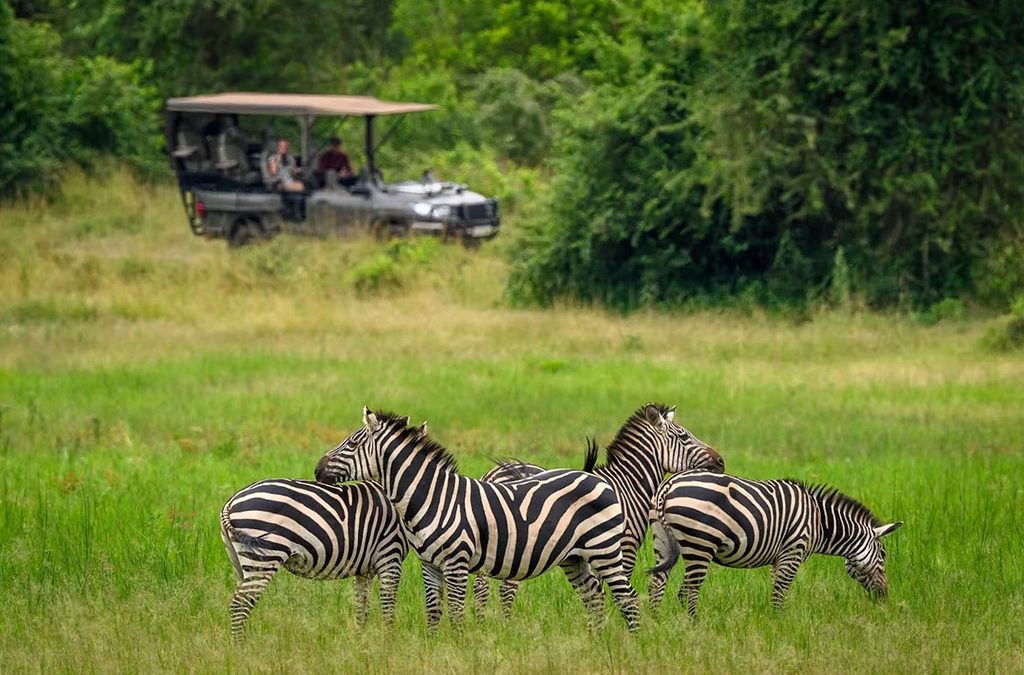
A game drive in Akagera National Park is a guided or self-driven vehicle safari through 1,122 square kilometers of savannah, woodland, lakes, and papyrus swamp in eastern Rwanda, and it is the only place in the country where lions, black and white rhinos, elephants, buffalo, and leopards can all be seen in the wild. The park is located roughly 110 kilometers and two and a half hours from Kigali by paved road, making it the easiest Big Five safari on the continent to add to a gorilla trek.

Game Drives in Akagera National Park: Rwanda's Big Five Guide

Morning and afternoon drives run on a network of park tracks between 6:00 am and 6:00 pm, night drives with a spotlight leave after dusk, and a boat safari on Lake Ihema covers the water. The park is managed by African Parks in partnership with the Rwanda Development Board, which has increased the animal population from fewer than 5,000 in 2010 to well over 13,000 today. Foreign visitors currently pay an entry fee of USD 100 per adult per day, which falls to USD 150 for two nights and USD 200 for three, and most travelers find that two nights gives the right balance of drives, water, and rest. The dry months of June to September and January to February offer the clearest sightings, though the Akagera game drive is productive in every month of the year.

Game Drives in Akagera National Park at a Glance

Detail Information
Location Eastern Rwanda, along the Tanzanian border, about 110 km (2.5 hours) from Kigali.
Size 1,122 square kilometers (433 square miles)
Management African Parks and the Rwanda Development Board, since 2010
Big Five Lion (2015), black rhino (2017), white rhino (2025), elephant, buffalo, and leopard are all present.
Drive types Guided game drive, self-drive, private operator vehicle, night drive, boat safari on Lake Ihema
Park hours The main southern gate is open from 6:00 am to 6:00 pm
Entry fee (foreign adult) USD 100 per day, USD 150 for two nights, USD 200 for three nights
Night drive USD 40 per adult
Boat safari USD 35 (scheduled), USD 45 (sunset)
Best months June to September, January to February
Recommended stay Two nights minimum, three nights ideal
Payment Cashless: card, bank transfer, or mobile money

Permits are limited — spaces fill months ahead

Reserve Your Private Gorilla Trek

Speak with a Rwanda-based specialist today. We secure permits, match you to the right gorilla family, and plan every detail around your schedule.

No group departures · Private itineraries only · Direct Rwanda expertise

What a Game Drive in Akagera Is Really Like

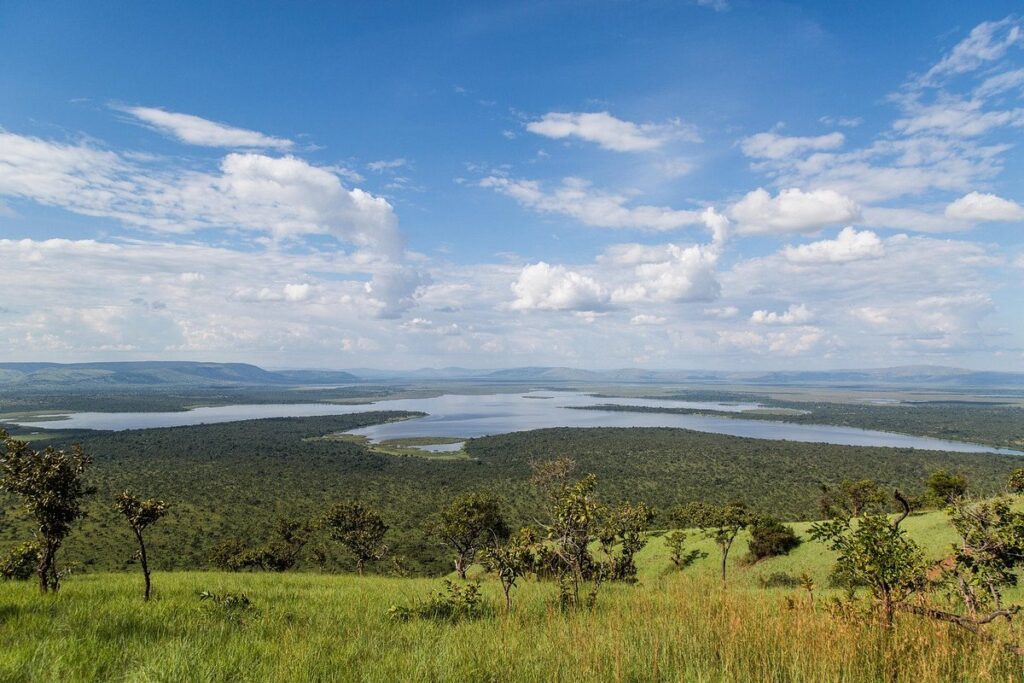
An Akagera game drive is quieter, greener, and more varied than most first-time visitors expect. Where the Masai Mara and the Serengeti are defined by open grassland that runs to the horizon, Akagera is a mosaic: rolling hills covered in acacia woodland, broad grass plains on the park’s floor, a chain of lakes along the Akagera River, and one of the largest protected papyrus wetlands in Central Africa. A single morning can take you from a ridge-top viewpoint over the Mutumba hills, down onto a plain where zebra and topi graze, and out to the shore of a lake where hippos stack in the shallows. The landscape changes every twenty minutes, and so does the wildlife.

The second thing that surprises guests is the absence of crowds. Akagera received around 44,000 visitors in 2018, roughly half of them Rwandan, and the numbers have grown since, but in a park of more than a thousand square kilometers, you will often drive for an hour without meeting another vehicle. There is no queue of Safari vehicles around a sighting and no radio chatter calling a dozen cars to a leopard. When you find a lion pride, the encounter is usually yours alone, and your guide can switch off the engine and let the scene unfold.

The third surprise is the scale of the park’s recovery. Akagera was devastated after 1994, when poaching, cattle grazing, and the resettlement of returning refugees cost the park about half of its original area and most of its large animals. By the late 1990s, lions had disappeared from the park, and by around 2007, the last black rhinos had also vanished. When African Parks took over management in 2010, the park had fewer than 5,000 animals. Today, a game drive here is a visit to one of Africa’s most credible wildlife restoration stories, and the guides who work in it speak about the animals with the pride of people who watched them return.

Akagera is not a park where every drive ends with a kill, nor does it have the herd density of the Mara. It has a different appeal: a complete, intimate, and rewarding Big Five safari in a landscape of real beauty, with room to think. Guests who arrive wanting everything at once are sometimes disappointed on the first morning, and guests who settle into the rhythm are almost always converted by the second afternoon.

The Wildlife You Can See on an Akagera Game Drive

Every game drive in Akagera features the Big Five, but the park’s real richness comes from the supporting cast. This section sets out what you are likely to see and, just as importantly, where and when. For the official species lists and conservation updates, the park’s own website at akageranationalpark.org is the authoritative source.

Lions in Akagera National Park

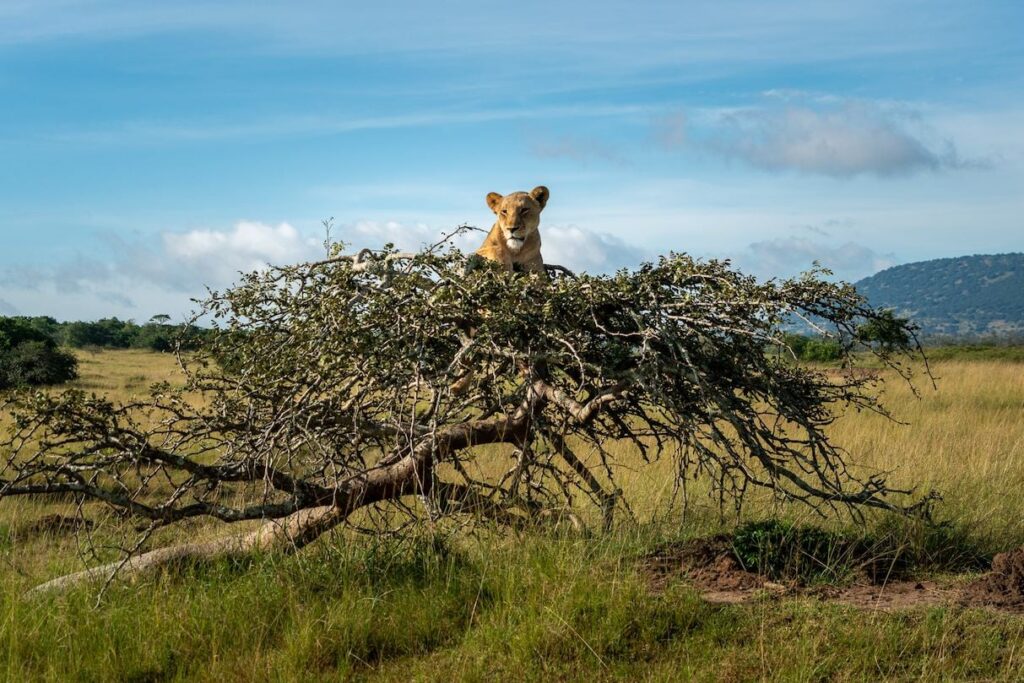
Lions were reintroduced in 2015, when seven animals, two males and five females, were translocated from South Africa, the first lions in Rwanda, for about fifteen years. The pride doubled in its first year with the birth of eleven cubs, and two additional males arrived from South Africa in 2017 to strengthen the genetic diversity of the population. The lions have since thrived, and the population now numbers several dozen animals in multiple prides. They range across the park’s central plains and the hills to the north, and most game drives find them at least once over two days.

The best lion sightings come early. In Akagera, lions are most active from first light until about 8:30 am and again in the last hour before the gates close. In the heat of midday they retreat into thickets, where finding them is largely a matter of luck. A skilled guide reads the calls of alarmed impala and baboons, follows fresh tracks along the road, and checks the favorite shaded rock outcrops, and for this reason an experienced guide is worth far more than a better vehicle.

Black and White Rhinos

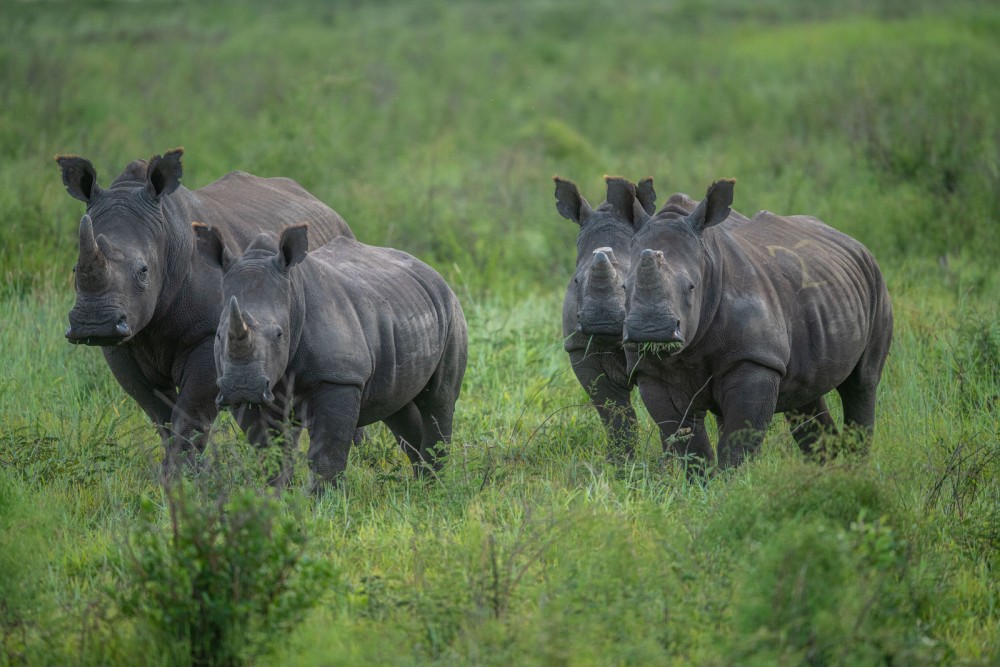
Rhinos are the story that has brought Akagera to the attention of conservationists worldwide. Eastern black rhinos were reintroduced in 2017, when 18 animals arrived from South Africa, after a gap of about a decade, and a further 30 followed in 2021. In June 2025, in one of the largest rhino translocations ever undertaken, 70 southern white rhinos were moved from South Africa to Akagera in two phases of 35, spaced three days apart. The 30 rhinos introduced in 2021 had grown to 41 by that point, so the park’s rhino population is expanding fast. For the translocation details, read the African Parks announcement.
Black and White Rhinos in Akagera National Park

Black rhinos are browsers, shy, and usually found in thicker woodland, and while sightings are common over a couple of days, they are never guaranteed. White rhinos are grazers, calmer, and found in more open ground, so as the newly translocated animals settle, sightings on the open plains should become more frequent. Rhinos are the species where a patient, early-morning drive pays off most. Your guide will tell you honestly where the animals were last seen and how long they typically stay in one area.

Elephants, Buffalo, and Giraffes

Akagera’s elephants were never entirely lost, and a population of roughly a hundred animals survived the lean years in the north. They are widely seen around the lakes, especially in the late afternoon, when family groups come to drink. Cape buffalo move in large herds on the open plains and in smaller bachelor groups, so keep your distance. Rothschild’s giraffes, reintroduced from Kenya, are one of the visual signatures of the park, standing tall against the acacia woodland, and they are easy to observe in the central savannah.

Leopards, Hyenas, and Smaller Predators

Leopards live throughout Akagera’s woodland, but they are elusive, and most guests who see one do so on a night drive. Spotted hyenas are common and often found at dusk. Side-striped jackals, servals, genets, civets, and white-tailed mongooses are regular sightings after dark. Serval sightings, in particular, are a quiet highlight for many visitors, and the wetland edges are among the best places in East Africa to find these slender, long-legged cats.

Antelope, Zebra, and Hippos

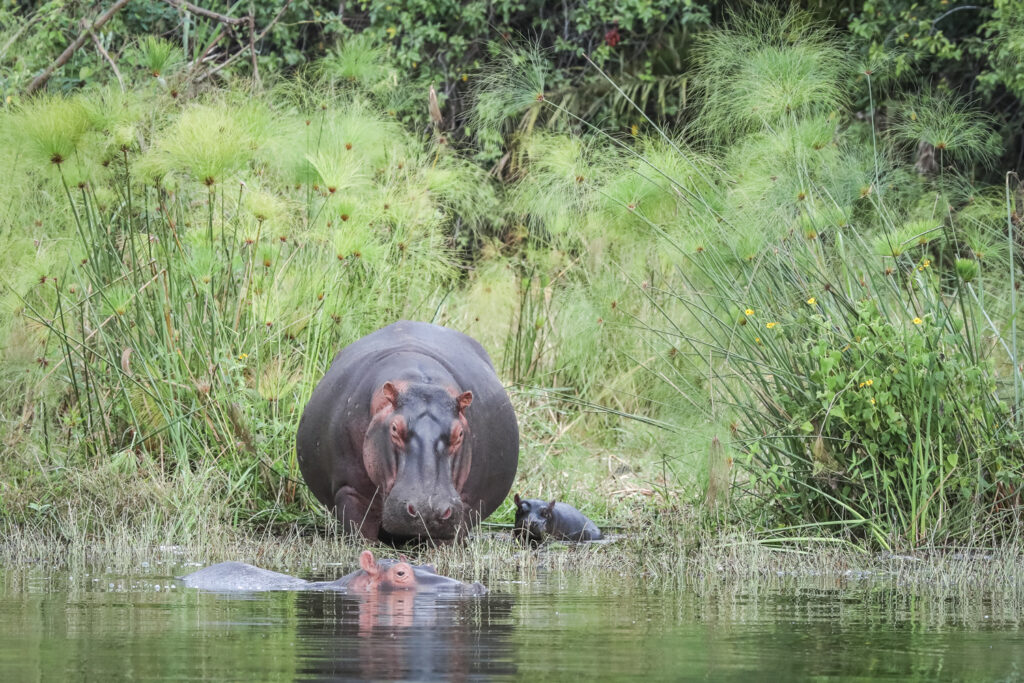
The grassland supports one of the richest antelope communities in the region: impala in their thousands, topi, waterbuck, bushbuck, oribi, defassa waterbuck, and the massive common eland. Akagera is also the only park in Rwanda where you can see roan antelope, a handsome animal that experienced safari-goers love. Plains zebras graze in mixed groups with the other grazers. In the lakes and river channels, hippopotamus pods of dozens of animals are among the park’s most reliable sightings, and Nile crocodiles, some of them huge, line the banks of Lake Ihema.

Birds and Primates

More than 500 bird species have been recorded in Akagera, including several that are difficult to find elsewhere in Rwanda. The papyrus swamps shelter the papyrus gonolek, and the shoebill, the prehistoric-looking giant that is one of Africa’s most sought-after birds, is occasionally seen, though it is rare. Grey crowned cranes, saddle-billed storks, African fish eagles, malachite kingfishers, and Souza’s shrike in the miombo woodland make the park a genuine birding destination. Olive baboons and vervet monkeys are everywhere on the drives. For travellers heading to the gorilla forest after Akagera, the contrast with the primates is delightful.

Animal Where to look Best time on a game drive
Lion Central plains, hills in the north First light to 8:30 am, last hour before gates close
Black rhino Thicker woodland, hill slopes Early morning, with patient tracking
White rhino Open plains and grassland Morning and late afternoon
Elephant Lake shores, woodland edges Late afternoon, at water
Leopard Woodland, rocky outcrops Night drive, dawn
Giraffe Central savannah All day
Hippo and crocodile Lake Ihema, river channels All day, boat safari
Roan antelope Open grassland Morning
Shoebill Papyrus swamps Early morning, by boat or on foot

Types of Game Drives in Akagera National Park

Akagera offers more ways to see the park than most visitors realize, and the right choice depends on how much time you have, how much you want to learn, and how comfortable you are driving yourself on gravel. The main options are a guided drive in a private operator vehicle, a park-guided drive, a self-drive, a night drive, and a boat safari that complements all of them.

Guided Game Drive with a Private Operator

A private guided drive with a professional driver-guide in a 4×4 safari vehicle is the option we recommend for most travelers and the one we run on our itineraries. The vehicle has a pop-up roof or open sides for photography, the guide knows the park’s current wildlife movements, and the day runs at your pace. Guides are in radio contact with park rangers and other guides, so you hear when a pride of lions is moving or a rhino is out in the open. A private vehicle can be arranged for a half-day or full day, and on longer safaris it is simply part of the program.

Park-provided guided drives are also available at the headquarters and are priced per half-day and full-day at USD 200 and USD 350 per vehicle. Private operator vehicles from outside the park, including private game drive packages, commonly cost USD 400 to 900 per vehicle depending on duration and specification.

Self-Drive Game Drives

Akagera is one of the few East African parks where self-drive is a genuinely good option. The tracks are well signed, the speed limits are low, and the distances are manageable. Because many tracks are gravel, some are steep, and rain makes them slippery, a high-clearance 4×4 is strongly recommended. The park sells a self-drive guide at USD 25 for a half-day or USD 40 for a full day, which gives a map, species information, and suggested loops.

The trade-off is clear. Self-drive costs less, gives you freedom to linger, and suits confident drivers who enjoy the process of searching. It also means you drive alone with no one to spot and no one to share local knowledge. First-time safari visitors almost always see more with a guide. A hybrid works well: hire a guide for the first morning to learn the park, then drive yourself for the rest of the stay.

Night Drives

The night drive is the best way to find leopards, servals, genets, civets, porcupines, white-tailed mongooses, and bush babies, and it is one of the park’s genuine differentiators, since night drives are not permitted in many East African national parks. The drive is run by the park in an open vehicle with a spotlight, lasts about two hours after dusk, and costs USD 40 per adult. The drive starts at about 6 pm, when the gates are closing for day visitors, and so it suits guests who are staying inside the park or near the main gate.

Boat Safari on Lake Ihema
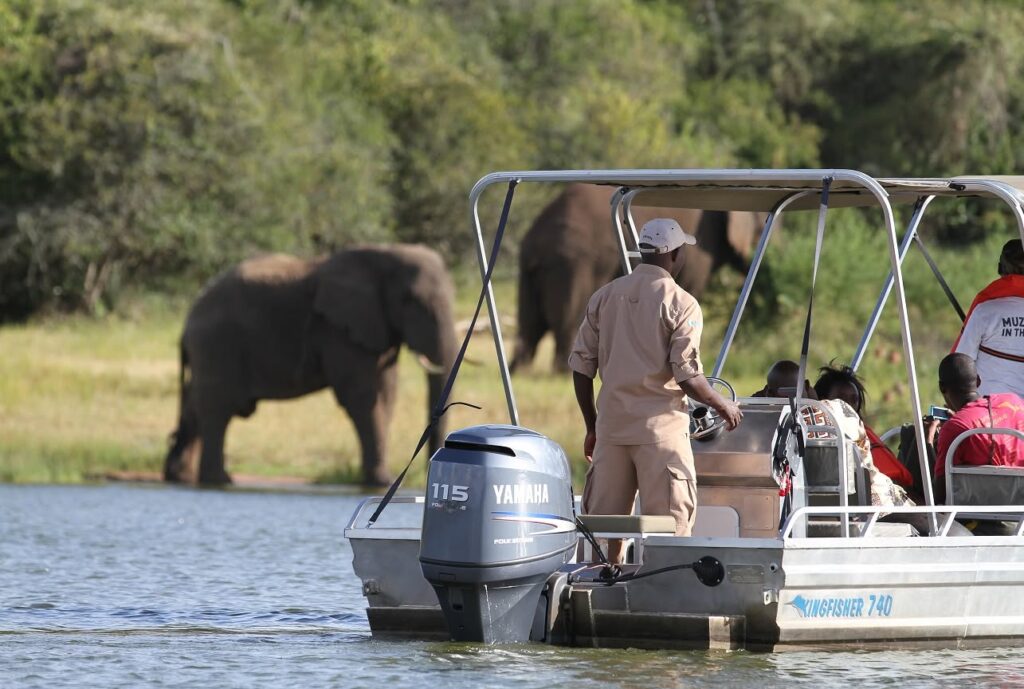
Boat Safari on Lake Ihema

A boat safari is not strictly a game drive, but it belongs in any plan for Akagera, because it covers the habitat that a vehicle cannot reach. Scheduled boat trips on Lake Ihema cost USD 35 per adult, and the sunset cruise costs USD 45. The boat takes you close to hippo pods, crocodiles basking on the banks, fish eagles, and, with luck, shoebills and elephants coming to drink. Guests who want photography at eye level with the water should book the morning trip, when the light is soft and the animals are active.

Walking Safaris and Rhino Tracking

Some lodges and the park offer guided walking safaris and rhino tracking, which they usually arrange at the time of booking. A ranger escort is required, and conditions apply; any walk in a Big Five park should be treated with respect. We do not include either of these activities in a standard itinerary, but we can arrange them where conditions allow.

Plan Your Rwanda Safari

Start Planning a Private Gorilla Trek

Rwanda gorilla permits sell out months in advance. Secure your dates before the season closes.

The Geography of an Akagera Game Drive: Southern and Northern Circuits.

The park is long and narrow, running roughly north to south for about 90 kilometers along the Tanzanian border, and the drives divide naturally into a southern and a northern circuit. Understanding the difference helps you plan how much time to spend in each circuit and where to stay.

The southern circuit begins at the main gate, where the park headquarters are located, and covers the area around Lake Ihema, the largest lake in the park, and the surrounding plains. This is where most day visitors drive. The Lake Ihema shoreline has the highest density of hippos, crocodiles, and water birds, and the hills above it provide panoramic views over the water and papyrus. Giraffes, zebras, and buffalo are common here, and the southern circuit is the easiest to drive in a single morning.

The central region, including the Mutumba hills and the open plains, is the heart of the park for big cats and rhinos. The vegetation opens up here, and sightings are more distant but also more dramatic. A long loop through the central plains is the best use of a full-day game drive. The northern circuit, with its more rugged terrain, thicker woodland, and the shores of Lake Rwanyakazinga, is wilder and less visited. It is where guests staying at northern camps experience solitude and where lions and rhinos are most often seen without another vehicle in sight. The northern sector is also where the Magashi Peninsula sits, home to the park’s most exclusive camp.

Distances are deceptive. The tracks wind, climb, and stop for wildlife, so a 30-kilometer loop can easily take two and a half hours, and the transfer from the southern gate to the far north can take three hours or more. For this reason, we advise travellers with two nights to concentrate on the south and centre, and travellers with three nights or more to split their stay between a southern and a northern property.

A Typical Day of Game Drives in Akagera

In Akagera, the animals’ rhythm, dictated by heat, sets the pace for the day. The most productive hours are at the edges of the day, while the middle hours are for rest. A well-planned itinerary respects this rhythm by avoiding more driving in the middle of the day.

Rwanda Safaris: The Complete Expert Guide (2027)

The morning drive begins at first light, about 6:00 to 6:30 am, with coffee and a light breakfast. The first two hours are the most reliable for predators and for rhinos in the open. By 9:00 or 10:00 am the temperature is rising, and a full breakfast, either at a lodge or from a picnic hamper at a viewpoint, is a pleasant pause. Guests spend the midday break by the pool or on the veranda. Afternoon drives restart at about 3:00 to 3:30 pm and finish with sundowners on the hill, when the animals move down to water and the light turns golden. On the second day, many guests replace one drive with the Lake Ihema boat trip, which is a gentler way to spend a hot afternoon.

Night drives add a third option. They begin after dinner or before it, depending on the schedule, and last about two hours. Many guests find the night drive the most memorable activity of the stay, because the park feels completely different in darkness: the eyes of genets and bush babies in the spotlight, hyenas calling, and the occasional leopard on a branch.

Best Time for Game Drives in Akagera National Park

The best time for game drives in Akagera National Park is the dry season from June to September and the shorter dry window in January and February. During these months, the grass is shorter, animals concentrate around water, the tracks are firm, and the skies are clear. The long rains from March to May and the shorter rains from October to November turn the park green and beautiful and reduce visitor numbers, but some tracks become slippery and wildlife is more dispersed. Akagera does not follow a migration, and wildlife viewing is rewarding all year.

Best time for gorilla trekking.

Period Conditions Wildlife viewing Notes
January to February Dry, hot, clear Very good, animals gather at the water source. Short dry season, popular
March to May Long rains, lush, muddy tracks Fair, wildlife dispersed in thick grass Lowest prices, quietest park, 4×4 essential
June to September Dry, cooler mornings, dusty Excellent, best sightings Peak season, book ahead.
October to November Short rains, green Good, quiet Fewer visitors, afternoon showers
December Dry, warm Very good Festive period, book early

Temperatures are warm throughout the year. Daytime highs commonly reach 27 to 30°C (81 to 86°F), and mornings can be as cool as 15 to 17°C (59 to 63°F). Akagera is lower and hotter than Kigali and much warmer than the gorilla forests, so pack accordingly. If you are combining Akagera with gorilla trekking, explore our gorilla trekking in Rwanda guide for the best months in the mountains; the dry months of June to September suit both.

Akagera Game Drive Costs, Entry Fees, and What to Budget

The cost of a game drive in Akagera comprises four elements: the park entry fee, the cost of the vehicle and guide, the activities, and accommodation. Understanding each helps you compare quotes honestly and avoid surprises. The entry fee for foreign non-resident adults is USD 100 per day, reducing to USD 150 for two nights and USD 200 for three nights, with each additional night free for stays of up to a week. Children aged 6 to 12 pay half, and children aged 5 and under enter free. Rwandan and East African residents pay lower rates, with proof of residency required at the gate. The park is cashless: Visa and Mastercard, bank transfer, and MTN Mobile Money are accepted.

For a realistic budget, a couple on a two-night luxury visit with a private vehicle, entry fees, one night drive, and one boat trip should plan for the lodge cost, plus roughly USD 1,000 to 1,500 in vehicle, fees, and activities, depending on the season and the vehicle. Akagera offers a more affordable option than gorilla trekking, where a permit costs USD 1,500 per person, making it possible to balance the overall cost of a longer Rwanda itinerary. We build every quote line by line so that you can see the park fees, the vehicle, the guide, and the lodge separately.

How to Get to Akagera National Park

Akagera is reached by a paved road from Kigali that takes about two and a half hours in normal traffic, covering roughly 110 kilometers via Kayonza. The road is one of the best in East Africa, and the final stretch to the southern gate is a smooth drive through banana plantations, villages, and eucalyptus hills. The southern gate is the main entrance, with the park headquarters located there, and the tracks lead from there to the lodges.

There are three practical ways to get there. A private transfer with a driver-guide is the most comfortable and allows you to stop at viewpoints and markets. A self-drive rental car from Kigali is straightforward on the paved road, though a 4×4 is needed inside the park, and fuel should be topped up in Kayonza or Kigali before entering. Public transport reaches Kayonza, but not the park itself, so it is rarely sensible for visitors.

If you are visiting only for the day, leave Kigali at 4:30 to 5:00 am to reach the gate by 7:00 am, drive until early afternoon, and return in the late afternoon. A day trip is possible and popular with Kigali residents, but it is a long day, and with a three-hour round trip on the road, it leaves only about six hours in the park. Staying at least one night makes an enormous difference, because it gives you both golden hours at either end of the day.

Where to Stay for Game Drives in Akagera

Where you sleep determines which drives you can do and how much of the golden hours you actually use. Staying inside the park means you are on the track at first light and can join a night drive; staying outside means a drive in each direction. The park offers properties at every level, from a hilltop game lodge to an ultra-luxury camp.

Family Rwanda Safari Style

Wilderness Magashi

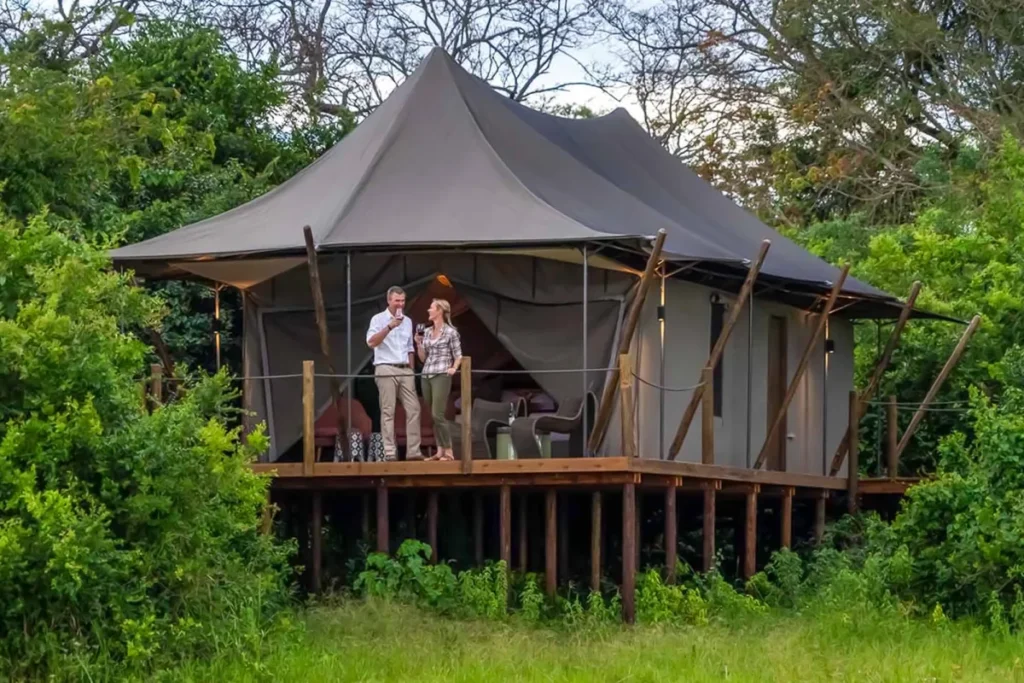
Wilderness Magashi Peninsula is the park’s most exclusive camp, set on the shore of Lake Rwanyakazinga in the remote north, and is the choice for high-end travelers who want solitude and a private concession feel. Ruzizi Tented Lodge, on the shore of Lake Ihema in the south, is a mid-range option with a lovely lakeside location and a good base for the boat safari and the southern circuit. Karenge Bush Camp in the northern sector is rustic and intimate for those who want a more adventurous bush experience. Akagera Game Lodge, on a hilltop with a swimming pool and panoramic views, is a good-value option near the main gate. Room rates run from about USD 150 to more than USD 1,000 per night.

For our luxury clients, the usual pattern is two nights at one property and, where time allows, a third night at a second, so that a southern lakeside stay can be followed by a northern wilderness stay. We confirm availability for your dates and choose the camp to fit your priorities rather than a template, and our overview of Rwanda safari styles explains how we think about the different levels of comfort.

Plan Your Rwanda Safari

Start Planning a Private Gorilla Trek

Rwanda gorilla permits sell out months in advance. Secure your dates before the season closes.

Photography on an Akagera Game Drive

Akagera is a rewarding park for photographers, partly because there are few vehicles and partly because the light is soft in the hills. A lens of 200 to 400 millimeters is ideal for most wildlife, and a wide-angle lens captures the lakeside and the hills. Shoot in the first and last two hours of the day, when light is warmest and animals are most active. A beanbag on the window frame stabilizes the camera better than a monopod. Dust is a real issue in the dry season, so carry a lens cloth and a sealed bag, and keep a spare battery with you, because cold mornings drain batteries quickly.

On night drives, flash is not permitted, and the park’s spotlight is used instead. Fast lenses and high ISO capabilities help, but it is best to enjoy the sightings and take a few record shots. Drones are tightly regulated in Rwanda and should not be flown over the park without permission.

What to Pack for Game Drives in Akagera

What to Pack and Wear for a Ngorongoro Crater Safari

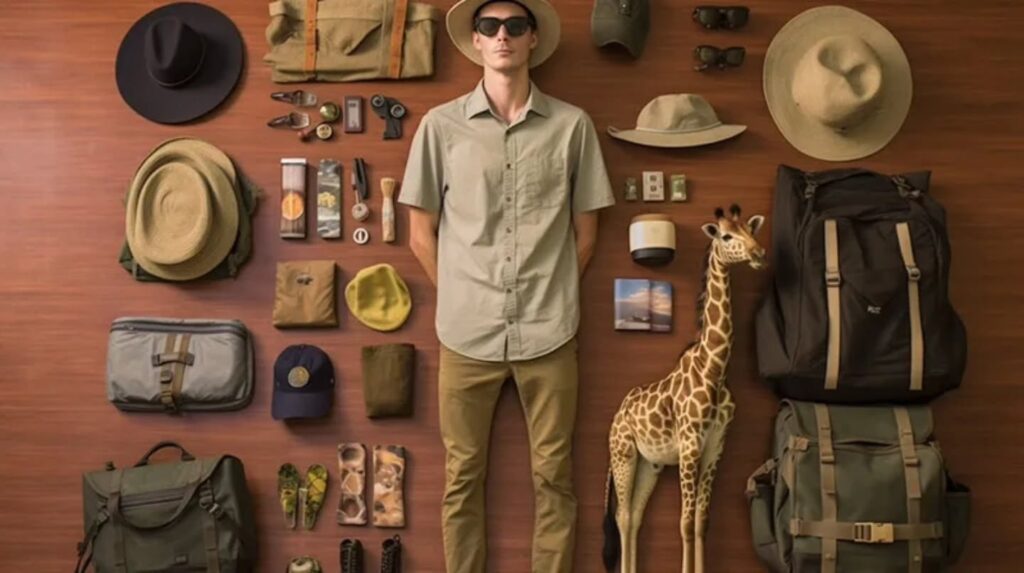
Akagera is warm, dusty, and exposed, so pack for sun and for the occasional shower. Neutral clothes in khaki, olive, or tan are best, and black or dark blue should be avoided because the tsetse flies in the woodland are attracted to them. Long sleeves and long trousers protect against both sun and insects. A wide-brimmed hat, sunglasses, and high-SPF sun cream are essential. A light fleece or jacket is useful for early mornings and night drives, when the open vehicle can feel cold. Comfortable closed shoes, binoculars (8×42 is a good choice), a camera with a zoom lens, insect repellent, a refillable water bottle, and a head torch complete the list. Plastic bags are banned in Rwanda, so avoid bringing them. Binoculars make a difference on game drives, and a pair of good ones will show you more than a bigger camera lens.

Safety, Etiquette, and Health on Game Drives

Akagera is safe and well managed, but it is a real wildlife park, and the rules exist for good reasons. Stay inside the vehicle at all times except at designated stops, keep your voice low, never feed or approach animals, and follow your guide’s instructions. Respect the speed limits, which protect both animals and visitors, and do not drive off the tracks. On a boat safari, remain seated and follow the captain’s instructions, because hippos are dangerous.

Malaria is present in Akagera, as in other low-altitude parts of Rwanda, and most doctors recommend prophylaxis, so consult a travel clinic six to eight weeks before departure. Tsetse flies occur in the woodland, mainly in the north, and their bites are painful but rarely serious; wearing light, neutral clothing and using repellent helps. Carry comprehensive travel insurance with medical evacuation cover. Rwanda requires an e-visa for most nationalities, issued by the Directorate General of Immigration and Emigration, and our team guides you through the application. Yellow fever certificate rules depend on your route.

Combining Akagera Game Drives with Gorilla Trekking

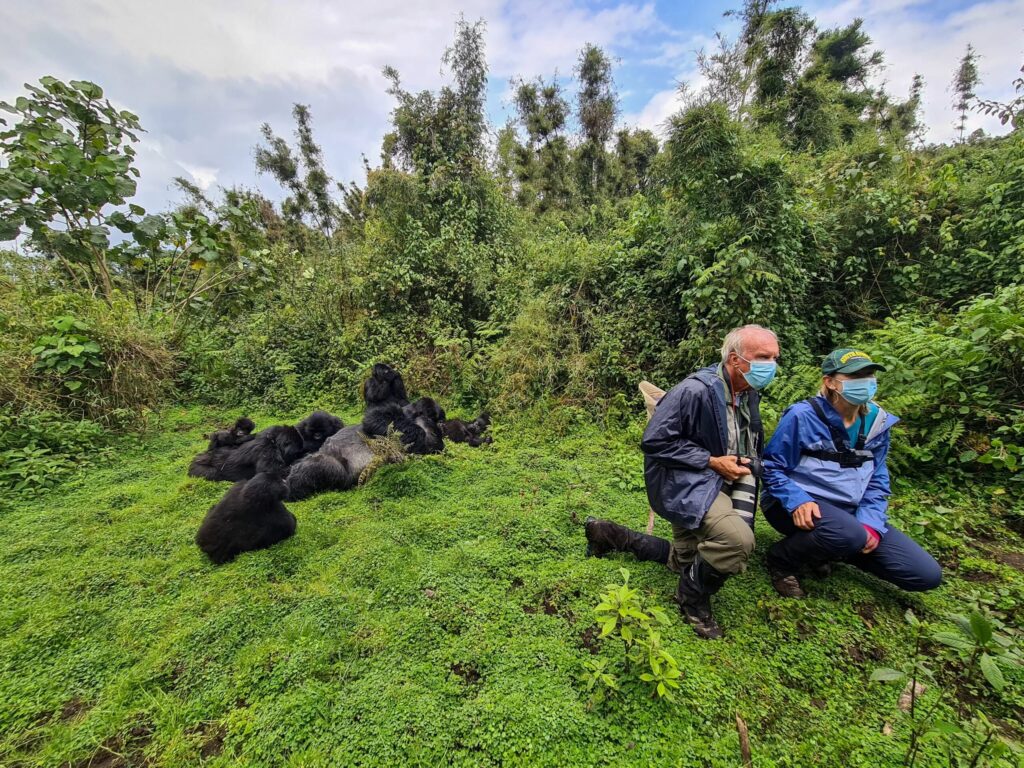
The most common reason travelers include Akagera in a Rwanda safari is that it completes a wildlife portrait that gorillas alone cannot. Gorilla trekking in Rwanda takes place only in Volcanoes National Park, in the north-west of the country, and it is an intimate, physical forest experience. Akagera, in the east, is an open, vehicle-based savannah safari. The two are on opposite sides of the country, about four to five hours apart by road via Kigali, and between them lies one of the best-run capital cities in Africa. For details on the gorilla side, explore our guide to Volcanoes National Park.

Exclusive Gorilla Trekking in Rwanda: The Private Trek Guide

We usually recommend placing Akagera after the gorillas. The gorilla trek is the physical and emotional peak of the trip, and a few days of leisurely game drives, a lakeside boat trip, and a long dinner on the lawn make a gentle landing. The only reason to reverse the order is if you want to acclimatize to the warmth and the pace first, or if a gorilla permit becomes available on a particular date and the route has to be built around it. In either case, one night in Kigali between the two is sensible.

Some itineraries add a third chapter: Nyungwe Forest National Park in the southwest for chimpanzees and the canopy walkway, which gives Rwanda’s famous trio of experiences: gorillas, chimpanzees, and the Big Five. Our Nyungwe Forest National Park guide covers the forest in detail. If you want to see every habitat in Rwanda in one journey, our Best of Rwanda’s National Parks safari does exactly that, and for a longer East African canvas, our gorillas and great migration safari adds the migration in the Serengeti or the Masai Mara.

A Three-Night Game Drive Plan for Akagera

A well-paced three-night stay shows how the pieces fit together. On the first day, leave Kigali at about 8:00 am, stop for coffee in Kayonza, and reach the southern gate before noon. After a late lunch at the lodge, the first afternoon drive explores the lakeshore and the southern plains, where the animals are easy to find and the guide can calibrate what you most want to see. The evening ends with a night drive, which turns the first day of travel into a first encounter with the park after dark.

The second day is the full game-drive day. An early start takes you up through the Mutumba hills to the central plains, where lions, rhinos, and giraffes are most likely, with breakfast served at a viewpoint. After a long, slow midday rest, you head out on the Lake Ihema boat safari, where you can see hippos, crocodiles, and fish eagles. On the third day, many guests transfer north to a second camp, driving the length of the park on the way and treating the transfer itself as a game drive. The northern camp offers a different landscape and, on the evening drive, the best chance of a quiet lion or rhino sighting without another vehicle. The fourth morning is a last dawn drive before the road back to Kigali, leaving time to reach the airport or continue north towards the gorillas.

This plan is a template, not a prescription. Guests who prioritize birds add a dawn walk or a boat trip on the first morning, photographers ask for fewer, longer stops, and families shorten the drives and lengthen the lodge time. We adjust the plan to the group and to the season, and we always keep one afternoon open, because the best sighting of a trip is rarely the one on the schedule.

Common Mistakes When Planning Akagera Game Drives

Most disappointments on an Akagera safari come from a handful of avoidable planning mistakes. The first is trying to do the park as a day trip from Kigali. The road time consumes nearly half of the day, and the visit misses both the dawn and the dusk, the hours when predators move. The second is underestimating distance and scheduling too many stops in a day, forgetting that tracks wind and that wildlife sightings, which are the whole point, take time. The third is arriving in the wet season with a saloon car or a small vehicle and no experience of gravel in the rain. Even a short shower can make a hill track difficult, and a stuck vehicle ends a drive.

Other common mistakes are more subtle. Visitors who expect Mara-style density sometimes judge the park unfairly on their first morning and miss that the quality of a sighting here is higher because no one else is there. Visitors who skip the night drive often regret it, since it is the most distinctive activity in the park. Visitors who book a lodge outside the park gate find that they lose the golden hours to the road. And finally, visitors who book gorilla permits and Akagera separately, without a clear view of how the transfers fit, sometimes discover that the drive between the two sides of the country is longer than the map suggests. A single operator, handling the whole route, avoids most of these problems.

Supporting the Community Around Akagera

Akagera’s recovery is not only a wildlife story, and the best visits include the people who live around the park. The park’s neighbors are farming communities, and the success of the conservation model depends on their goodwill. Revenue-sharing with surrounding communities funds schools, health posts, and water projects, and local employment in the lodges, as guides, rangers, and drivers, is a major source of income in the area. Guests can add a visit to a local village, a craft cooperative, or a honey-producing project, which brings an extra layer to the safari and puts money directly into the households around the park. We encourage guests to hire local guides, buy locally made crafts, and tip fairly, because that is how the park earns its place in the region.

Akagera Compared with the Masai Mara and the Serengeti

A fair comparison helps you set expectations. The Masai Mara and the Serengeti offer much greater densities of animals and the migration, which no other park can match. They are also busier, and a lion sighting in the Mara can involve ten vehicles. Akagera offers fewer animals in total, but you can see the Big Five in a landscape of lakes and hills, with almost no crowds, in a country that is easy to travel and safe. For travellers heading to Rwanda for the gorillas anyway, Akagera adds a game drive with little extra time and cost.

The Conservation Story Behind Akagera’s Game Drives

The reason Akagera is worth visiting today is that it nearly ceased to exist. Established in 1934, the park originally covered about 2,500 square kilometers, but in the aftermath of 1994 roughly half of it was given over to resettlement, and poaching and cattle grazing devastated what remained. The lions were wiped out, the rhinos disappeared, and the population of large mammals collapsed. In 2010, the Rwanda Development Board entered a partnership with African Parks, an organization that manages national parks across Africa, and the recovery began with fencing, anti-poaching rangers, and community engagement.

Rwanda Safaris: The Complete Expert Guide (2027)

The results are clear. Lions returned in 2015, black rhinos in 2017, and the largest rhino translocation in the park’s history in 2025. Visitor numbers rose from negligible levels to tens of thousands a year, and tourism revenue increased from about USD 200,000 in 2010 to about USD 2 million in 2018, making the park about 75 percent financially self-sufficient. National Geographic now describes the park as an extraordinary example of wildlife restoration. When you pay your entry fee and book a lodge, a significant share of that money goes directly into the rangers, the community projects around the park, and the conservation of the animals you are watching, so your game drive is part of the recovery rather than only a witness to it.

Plan Your Rwanda Safari

Start Planning a Private Gorilla Trek

Rwanda gorilla permits sell out months in advance. Secure your dates before the season closes.

Frequently Asked Questions About Game Drives in Akagera National Park

What animals can you see on a game drive in Akagera National Park?

A game drive in Akagera National Park can show lions, black and white rhinos, elephants, buffalo, and leopards, which together make up the Big Five, and it is the only park in Rwanda where all five live. The park also holds Rothschild’s giraffes, plains zebras, hippos, Nile crocodiles, eland, topi, impala, waterbuck, and roan antelope, the last of which is found nowhere else in Rwanda. More than 500 bird species have been recorded, including the papyrus gonolek and, rarely, the shoebill. Lions are most often seen at dawn on the central plains, elephants gather at the lakes in the late afternoon, and leopards are best sought on a night drive. Rhino sightings, black rhinos in particular, take patience and are never guaranteed, but over two days most visitors see them.

How much does a game drive in Akagera National Park cost?

The cost of a game drive in Akagera National Park starts with an entry fee of USD 100 per adult per day for foreign visitors, falling to USD 150 for two nights and USD 200 for three nights. A park-run guided drive costs about USD 200 for a half-day and USD 350 for a full day, while a private operator vehicle with a driver-guide typically costs USD 400 to 900 per vehicle, depending on the duration. Self-drive visitors pay for a guide booklet at USD 25 for a half-day or USD 40 for a full-day. A night drive is USD 40 per adult, and the Lake Ihema boat trip is USD 35, or USD 45 at sunset. Accommodation ranges from about USD 150 to over USD 1,000 per night, and we price every element separately in our quotes.

How far is Akagera National Park from Kigali?

Akagera National Park is about 110 kilometers from Kigali, and the drive takes roughly two and a half hours on a paved road via Kayonza. The route leaves the capital heading east, passes through Rwamagana and Kayonza, and climbs gently to the southern gate, where the park headquarters are located. Traffic around Kigali can add time during the morning rush, so leaving before 6:00 am is wise for a day trip. The drive from the southern gate to the northern lodges takes a further two to three hours on park tracks. If you are travelling on to Volcanoes National Park for gorilla trekking, the journey from Akagera back through Kigali and north to Musanze takes about four to five hours in total.

What is the best time to visit Akagera National Park for game drives?

The best time to visit Akagera National Park for game drives is the dry season from June to September, with a second good window in January and February. In these months the vegetation is lower, animals gather near the lakes, and the tracks are firm, so sightings are easier and drives are more comfortable. The long rains from March to May and the short rains in October and November make the park lush and quiet, with the lowest prices, but the tracks can be muddy and wildlife is more dispersed. Akagera has no seasonal migration, and every month offers worthwhile game viewing. If you are combining the park with gorilla trekking, June to September suits both destinations.

Can you do a self-drive safari in Akagera National Park?

Yes, self-drive is permitted and popular in Akagera National Park, and it is one of the few parks in East Africa where it works well. The tracks are signed, speed limits are low, and the park sells a self-drive guide at USD 25 for a half-day or USD 40 for a full day. A high-clearance 4×4 vehicle is strongly recommended, because many tracks are gravel and become slippery in the rains. You must stay in your vehicle except at designated points, and you should fill your fuel tank before entering. First-time visitors usually see more with a professional guide, so a good compromise is to hire a guide for the first morning and drive yourself afterwards.

Does Akagera National Park have the Big Five?

Yes, Akagera National Park has the Big Five: lion, leopard, elephant, buffalo, and rhino. Lions were reintroduced in 2015 after being absent for about fifteen years, and eastern black rhinos came back in 2017, followed by 30 more in 2021. In June 2025, 70 southern white rhinos were translocated from South Africa, which makes the park’s rhino population one of the fastest-growing in Africa. Elephants and buffalo were never lost entirely, and leopards live in the woodland, though they are secretive. With a good guide, you can see the Big Five in two days, but, as in any wild park, none of them is guaranteed.

Are night drives allowed in Akagera National Park?

Yes, night drives are offered in Akagera National Park, and they are one of the park’s best features, because many East African parks do not allow them. The drive costs USD 40 per adult and lasts about two hours after dark, in an open vehicle with a spotlight operated by a park guide. It is the best way to see leopards, servals, genets, civets, porcupines, white-tailed mongooses, bush babies, and hyenas, who are often active at this time. Flash photography is not allowed, and it is advisable to bring a warm layer. Night drives are easiest to join if you are staying in the park, so we recommend booking at least one night in a lodge there.

How many days do you need in Akagera National Park?

You need at least two nights in Akagera National Park to do it justice, and three nights is ideal. Two nights give you four game drives, a night drive, and a boat trip, which is enough to see most of the major species and to enjoy the landscape. A single day trip from Kigali leaves only about six hours in the park after the four to five hours on the road, and it misses both the dawn and the night drive. With three nights, you can split your stay between a southern lakeside lodge and a northern camp, and the entry fee falls to USD 200 per adult for the whole stay. Longer stays make sense for photographers and birdwatchers.

Is Akagera National Park worth visiting if I am already trekking gorillas in Rwanda?

Yes, Akagera is worth visiting because it provides something that the gorilla forests cannot: an open savannah safari with lions, rhinos, elephants, and giraffes. Gorilla trekking in Volcanoes National Park is a high-altitude forest experience, and Akagera is a lowland game drive in a completely different landscape. It is two and a half hours from Kigali, so it adds only two or three days to a gorilla itinerary, and it costs far less than the USD 1,500 gorilla permit. Most of our guests who add Akagera say it was the part of the trip they had not expected to love. It is an ideal finale after the physical effort of the gorilla trek.

Is Akagera National Park safe for tourists?

Yes, Akagera National Park is safe for tourists, and Rwanda as a whole is among the safest countries in Africa. The park is well managed, ranger patrols are frequent, and guides follow strict wildlife viewing rules. The main risks are from wildlife and health: stay in your vehicle, keep your distance from animals, follow your guide, and take malaria precautions. Tsetse flies in the northern woodland can bite, so wear light-colored clothing and use repellent. Comprehensive travel insurance with medical evacuation is advisable. We monitor government travel advisories, and every itinerary includes a 24-hour emergency contact.

How do I book a game drive in Akagera National Park?

You can book a game drive in Akagera National Park through the park’s own booking channels or through a licensed operator, and booking through an operator is the simplest way to combine vehicle, guide, lodge, and transfers in one quote. Send us your dates, group size, and travel style by WhatsApp or email, and we will confirm lodge availability, choose the vehicle and guide, and send a clear price within a few hours. A deposit secures the lodges, and the balance is due before arrival. Book at least two to three months ahead for June to September and for December. The park itself is cashless, so entry fees are paid by card, bank transfer, or mobile money.

Can children go on game drives in Akagera National Park?

Yes, children can go on game drives in Akagera National Park, and it is one of the most family-friendly Big Five destinations in Africa. Children aged 5 and under enter free, and children aged 6 to 12 pay half the adult entry fee, which is USD 50 per day. Night drives and boat trips have child rates of USD 25 and USD 20, respectively. Some luxury lodges have minimum ages, usually around six to eight years, so we check before booking. Unlike gorilla trekking, which requires a minimum age of 15, Akagera suits children of almost any age, and a short drive on the paved road makes the journey easy.

What should I wear on an Akagera game drive?

Wear neutral colors such as khaki, olive, and tan, with long sleeves and long trousers, because they protect against the sun, dust, and the tsetse flies in the woodland. Avoid black and dark blue, which attract the flies. Early mornings and night drives in an open vehicle can be cool, so bring a fleece or light jacket, and bring a wide-brimmed hat, sunglasses, and sun cream for midday. Comfortable closed shoes, binoculars, and insect repellent complete the kit. Plastic bags are banned in Rwanda, so do not pack them. Lodges offer laundry, so you do not need many clothes.

Ready to Trek? Permits are limited — plan early.

Recommended Safari Itineraries Including Akagera Game Drives

These are the itineraries our guests most often choose when Akagera is part of the plan, set out the way we would advise a friend rather than as a sales pitch. Each page gives the day-by-day program and what is included.

Akagera National Park: Rwanda's Big Five Safari Guide 2027

For travellers who want to see every landscape in Rwanda, the Best of Rwanda’s National Parks Safari links gorillas, chimpanzees, and Akagera’s Big Five in a single journey. The Gorillas and Great Migration Safari is a natural fit for those who want to pair Rwanda’s gorillas with the great migration. For a gorilla trek with complete privacy before heading east to the savannah, our exclusive gorilla trekking in Rwanda option can be added to an Akagera extension. And for those who want a broader range of ideas, our safari experiences and Rwanda vs Uganda gorilla trekking guides help you decide where to go and how to travel, and our travel guide holds more planning articles.

Plan Your Akagera Game Drives with Rwanda Gorilla Expeditions

Akagera is at its best when the lodge, the guide, the vehicle, and the timing are chosen together, and the best camps and the most experienced guides are booked months ahead in the dry season. We are a Rwanda-based safari operator, and we arrange every element of your trip: transfers from Kigali, park fees, a private vehicle and guide, lodges, and, where you wish, gorilla permits in Volcanoes National Park.

You can learn more about who we are and contact us by WhatsApp on +250 799 529 213 or by email at rwandagorillaxpeditions@gmail.com. Tell us your dates and we’ll check permit availability within a few minutes.