Fitness Levels Required for Gorilla Trekking in Rwanda
The fitness required for gorilla trekking in Rwanda is the ability to walk steadily uphill for two to three hours at altitude, to cover uneven ground in poor footing, and to recover enough to stand and watch quietly for an hour at the end. It is endurance more than strength, and it is much closer to a long hill walk than to a gym workout, so even a beginner can go for a gorilla trek in Rwanda.
We use a simple test with guests who ask. Can you walk three hours on mixed terrain, including a climb of 300 to 500 meters, carrying a small pack of 3 to 5 kilograms, without needing a rest day afterwards? If the answer is yes, you are very likely fit enough for any family the park assigns, including the demanding ones. If the honest answer is “I could do ninety minutes but not three hours,” you are still a suitable candidate, particularly with a porter, a stick, and a request for an accessible family, though you should train as described in the next section and tell us so that we can brief the guides. If you struggle with a flight of stairs or a gentle hill, talk to your doctor and talk to us before you book a permit, because the day will be hard for you and gorilla permits are generally non-refundable once confirmed.
Age: from 15 to the 70s and beyond
The minimum age for gorilla trekking in Rwanda is fifteen years, set by the RDB to protect the gorillas from childhood illnesses and to reflect the trek’s physical demands. There is no formal upper age limit. In our experience guests in their sixties and seventies complete treks regularly, often more comfortably than younger guests who have not prepared, because they walk at a measured pace and accept help from porters without embarrassment. What matters is the state of your heart, lungs, joints, and balance, not your birth year. If you are travelling with a teenager of fifteen or sixteen, remember that they will be walking with adults and at an adult pace and that the minimum age is enforced strictly with passport checks.
Medical conditions to discuss before you book
Several conditions deserve a conversation with your doctor and with us before you pay for a permit: heart disease, high blood pressure, asthma or other lung conditions, a history of altitude illness, recent surgery, diabetes that requires careful timing of meals and medication, and any problem with knees, hips, ankles, or balance. None of these automatically rules out a trek, and we have guided guests with each of them, but each requires a plan, and a plan takes time. Your travel insurance must explicitly cover trekking at altitude up to 3,500 meters and emergency evacuation, and we recommend reading the small print rather than trusting the headline. Nobody with a cold, flu, or other contagious illness will be allowed near the gorillas, which share about 98 percent of our DNA, are listed as endangered on the IUCN Red List, and are susceptible to our respiratory infections, so if you feel unwell on the morning of the trek, say so at once to your safari guide. RDB can refuse entry to anyone who appears unwell, and a refusal is far kinder to the gorillas than a quiet cough, which is another reason to buy insurance that covers a missed trek.
Travelling with mixed fitness levels
Families and friends often arrive with a mix of abilities: a keen hiker, a sedentary parent, a teenager, and a grandparent. The park’s fitness-based allocation usually separates such parties into different groups at the briefing, which means that people of different abilities often trek with different families. If you want to trek together, you must request it, and you should be prepared to be placed with the slowest-paced member of the party. In practice we advise mixed parties to treat the trek as an individual experience that you share afterwards over dinner and to book a lodge with a long, unhurried evening for exactly that purpose. For parties who value being together above all else, the exclusive-use arrangement described above allows the whole group to trek as one at one pace.
How to Train for a Gorilla Trek: A Realistic 8- to 12-Week Plan.
The best preparation for gorilla trekking is to spend eight to twelve weeks walking uphill in the boots you will wear, with a small pack, for progressively longer periods, supported by simple leg-strengthening work and some cardiovascular training. You don’t need to train like a mountaineer or go to a gym, but you do need to arrive with broken-in boots and legs used to climbing.
Weeks one to four: the fundamental foundation
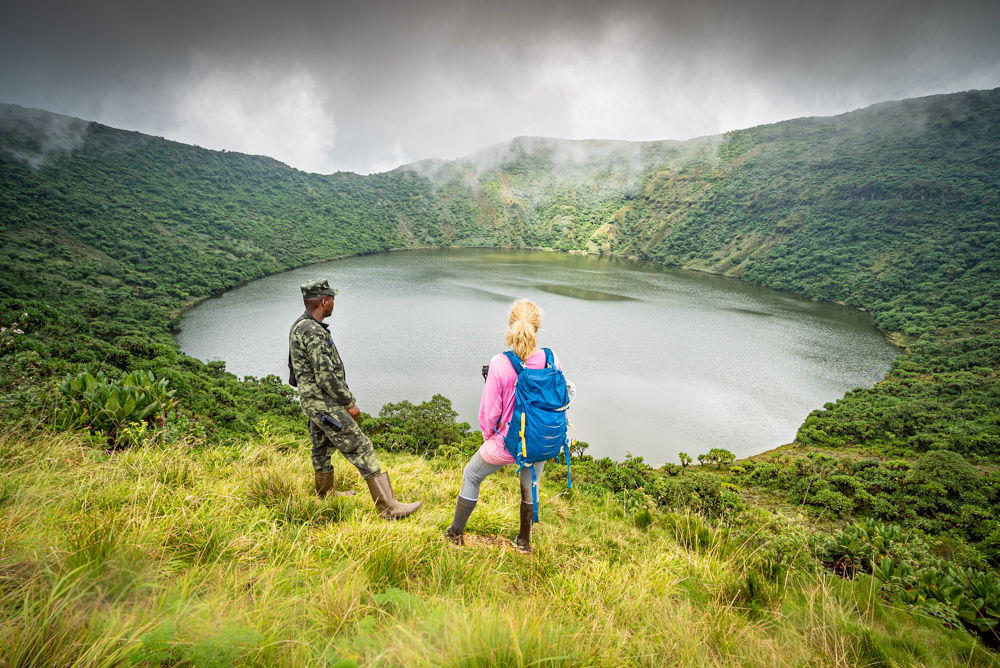
In the first month your aim is to build a base. Three times a week, walk briskly for 45 to 60 minutes, choosing routes with hills where you can, or use a treadmill with an incline of 8 to 12 percent if you live somewhere flat. Add one longer walk each weekend, starting at 90 minutes and working up to two hours. Alongside these activities, do two short strength sessions each week built around squats, step-ups onto a bench, lunges, and calf raises, performed slowly and with control. If you live in a city, stairs are a surprisingly effective trainer: climbing the stairs of a tall building, ten floors at a time with a pause in between, builds the same muscles you will use on Mount Bisoke. Begin wearing your trekking boots on every walk from the first week so that the leather or fabric softens and any blister-prone spots reveal themselves while you still have time to fix them.
Weeks five to eight: Adding load and duration
In the second month, you will extend the duration and load. Your weekend walk grows to three hours, with a pack of three to five kilograms containing water, a jacket, and a camera to simulate the real day. If you have access to hills or a local mountain, aim for at least 300 meters of ascent in a session, and practice walking down as well as up, because descents are where knees complain. Keep your midweek walks brisk and your strength sessions steady, and add a short interval session once a week: for example, five minutes of hard uphill walking followed by three of easy walking, repeated four or five times. This teaches your body to recover at a raised heart rate, which is precisely what happens on a steep section of the trail when the guide pauses for a minute and then continues.
Weeks nine to twelve: peak and taper
In the final stretch, you do your longest walks, 3.5 to 4 hours, once or twice, ideally on varied terrain and in the weather you expect, including rain if you can bear it. Then you taper. In the final week before you travel, reduce the volume by about half, keep your legs moving with gentle walks, and focus on sleep, hydration, and packing. Resist the temptation to do one last heroic session five days before departure; the most common training injury we hear about is a strained calf or sore knee that appeared in the last week and cost the guest comfort on the mountain. If you are older or carrying an injury, begin earlier, be gentler on the load, and consider working with a physiotherapist on balance and single-leg stability, which matter more on uneven ground than raw leg strength.
Training your feet, your pack, and your balance
Three details are often overlooked. First, your boots: you must break in waterproof, ankle-supporting trekking boots with a firm sole and aggressive tread over at least thirty hours of walking before you leave. Second, your pack: use a small, comfortable daypack of 20 to 25 liters so that your shoulders and hips do not become the limiting factor, and practice drinking from it on the move. Third, your balance: stand on one leg while brushing your teeth, walk along kerbs, and use trekking poles on your training walks if you intend to use a stick in Rwanda. Falls on gorilla treks are almost always slips on mud, and good balance prevents most of them.
Altitude and Acclimatization: What Happens Above 2,400 Meters.
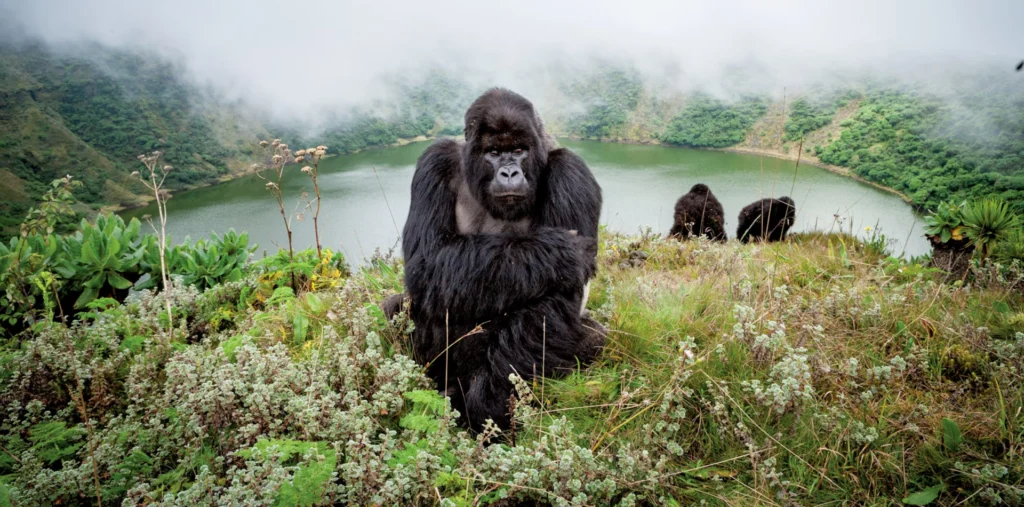
Altitude surprises fit travellers most, as thin air affects you little, regardless of strength. At 2,400 to 3,500 meters, mild altitude symptoms such as a light headache, breathlessness on slopes, and poor sleep affect a minority of visitors, and serious altitude illness is rare at these elevations, but being ready for it is part of responsible planning.
How altitude affects you on the trek
Above about 2,500 meters, you begin to notice the drop in oxygen availability, and any exertion has a magnified effect. You will breathe faster, your heart will beat harder, and your legs will feel heavier than their strength would suggest. Most guests describe it as “being out of breath on a slope that would not trouble me at home.” Mild acute mountain sickness, a headache with nausea or fatigue, usually appears several hours after reaching a new altitude and is more likely if you have flown in from sea level the day before and then climbed to over 2,500 meters. It usually passes with rest, fluids, and a slower pace. Severe symptoms, such as confusion, a persistent cough with breathlessness at rest, or loss of coordination, are extremely rare on a day trek and call for immediate descent and medical help.
How we plan to reduce the risk
The practical remedy is to build in a night or two at moderate altitude before the trek. Kigali sits at about 1,500 meters and Musanze at about 1,850 meters, and a night at one of the lodges near the park boundary, roughly 2,000 meters or higher, gives your body a gentle step before the climb. This approach is a strong argument for a 2-day Rwanda gorilla safari rather than a single day from Kigali, because arriving at the trailhead rested, hydrated, and acclimatized makes the climb easier than a pre-dawn drive of two to two-and-a-half hours from the capital. Drink water steadily from the day before, avoid heavy alcohol the night prior, eat a proper breakfast, and walk slowly at the start. If you have a history of altitude illness, ask your doctor whether a preventive medicine such as acetazolamide is appropriate, and tell us in advance so that we can adjust your itinerary and brief your guide.
Combining altitude with a luxury itinerary
We sequence our longer safaris with altitude in mind. On the 8-day Luxury Rwandan Primate Safari, you begin in Kigali, travel to Nyungwe Forest at around 2,000 meters, drop to Lake Kivu at about 1,460 meters, and only then climb to the volcanoes, so your most altitude-sensitive day, the gorilla trek, comes after several days at moderate elevation. The sequence is not an accident. It is a deliberate use of Rwanda’s geography to give the body time to adjust, and it is one of the reasons the longer itineraries feel easier than the short ones.
Porters, Walking Sticks, and Assistance for Less Mobile Travellers
Hiring a porter is the single most effective way to make a gorilla trek easier, and we recommend one for every guest regardless of fitness. A porter does far more than carry a bag, and the fee goes directly to a family living on the edge of the park.
What a porter actually does
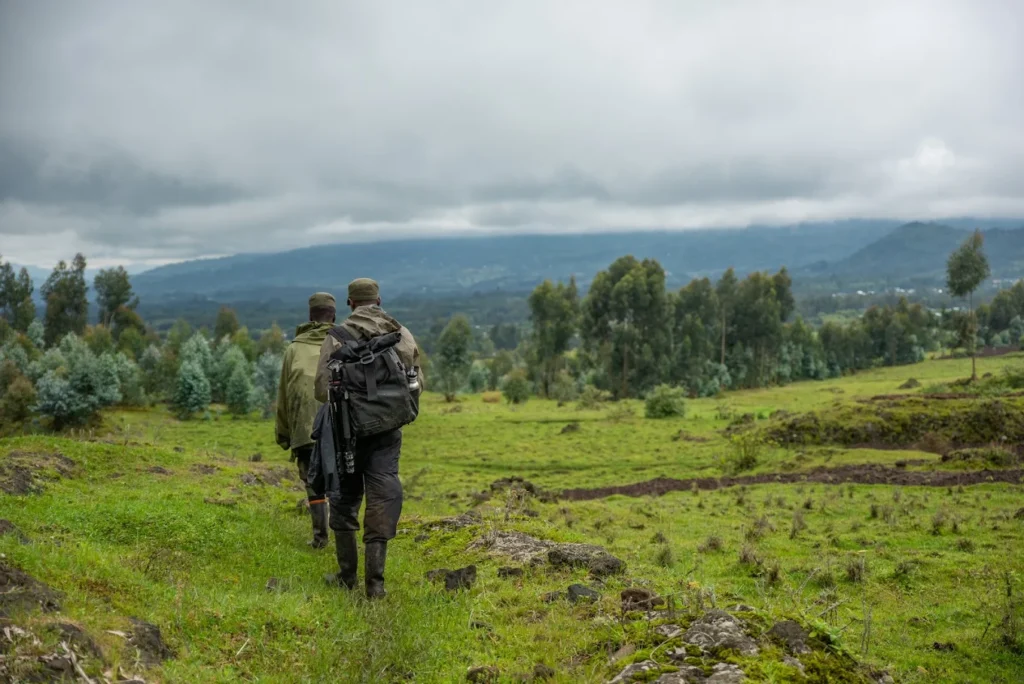
Porters are local residents registered with the park, many of them from communities that once depended on the forest for farming or, in the past, for poaching. At the trailhead they take your day pack, which usually holds water, a rain jacket, a packed lunch, and spare layers, and they stay at your side through the entire approach. On steep or slippery sections they offer a hand, a shoulder, or a firm grip on your forearm, and on descents they can steady you with surprising strength. Most porters also know the forest well enough to point out the safest line through a muddy gully, and many are excellent company. The fee at the park is modest, roughly USD 10 to 20 per porter, and most guests add a tip of a similar size at the end of the day. For guests who want extra security, we can arrange for two porters, one to carry the bag and one dedicated to assisting you on the steepest sections.
Walking sticks, gaiters, and gloves
Walking sticks are available at the briefing point in Kinigi and are well worth taking. A stick gives you a third point of contact on steep descents and wet ground, takes weight off your knees, and helps you probe the depth of a muddy patch before you step in it. Ask us before you bring your own trekking poles, since we will confirm what the park allows on your date. Waterproof, ankle-supporting boots with a firm tread are essential. Gaiters keep nettles, mud, and water out of your boots, and lightweight gardening gloves protect your hands when you grab bamboo stems or hold on to a root for balance.
Guests with limited mobility, injuries, or disabilities
Rwanda’s park authorities welcome travellers of all abilities, and we have arranged treks for guests who walk slowly, use a stick, have an artificial joint or have recovered from a serious illness. For guests who cannot complete the full walk unaided, assistance from a team of porters may be possible, and the arrangement is made case by case with the RDB and the park wardens. In Uganda’s Bwindi, carrying chairs is a well-established option; in Rwanda, the arrangements are also standardized for an extra cost, which is why we ask for full details of your mobility at least several months before travel so that we can confirm what is possible for your dates and your assigned family. The three pillars of a successful trek for anyone with a limiting condition are a conversation with your doctor, a realistic training plan, and a request for a more accessible family.
A Gorilla Trekking Day, Hour by Hour: Timings, Distances, and Effort
A gorilla trekking day in Rwanda runs from a pre-dawn breakfast to a late-afternoon return, and its effort is concentrated in the two to four hours between the trailhead and the gorillas. Knowing the shape of the day helps you plan your energy, your food, and your expectations.
Before the trek: from your lodge to Kinigi
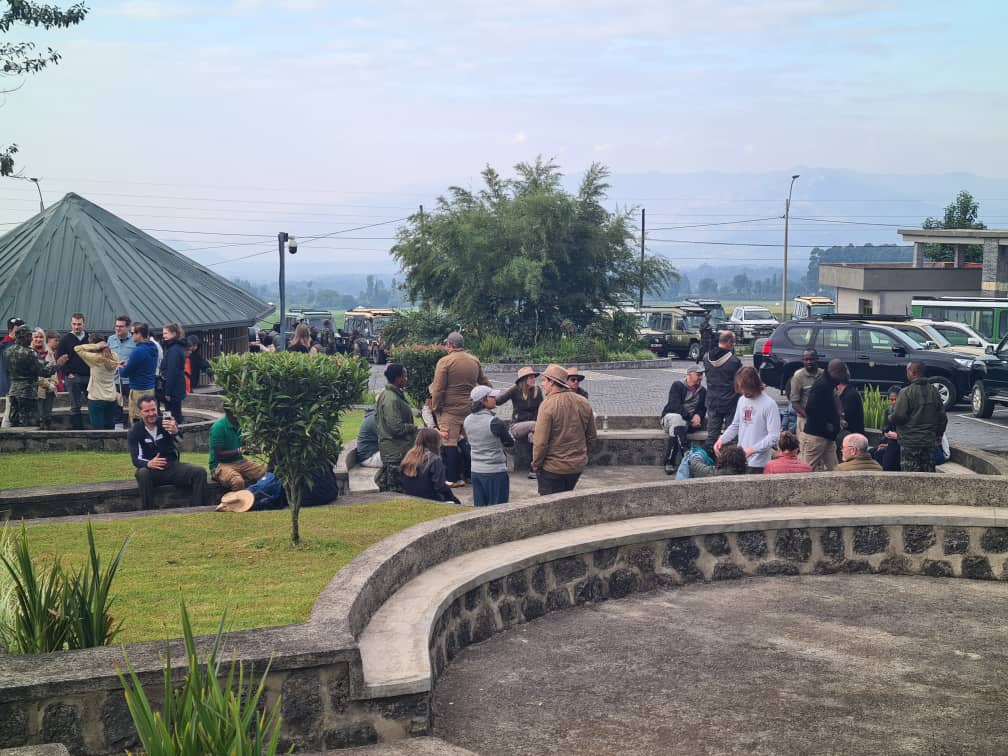
Most luxury lodges near Volcanoes National Park serve breakfast from about 6:00 AM, and your guide will collect you for the short drive to the park headquarters at Kinigi, typically 20 to 40 minutes depending on the lodge. If you are travelling from Kigali on a one-day trek, the drive is roughly 110 kilometres and takes two to two-and-a-half hours, which means a departure from your hotel at around 4:30 to 5:00 AM and a very long day. Our 1-day Rwanda gorilla trek is designed for travelers who genuinely have only one day, and it is rewarding, but we are candid with guests that a night near the park makes the trek physically easier and the experience richer. At Kinigi you are briefed on the rules, assigned your family, and introduced to your guides, and you hire your porter and collect a stick.
From the trailhead to the gorillas
After the briefing a vehicle takes your group to the trailhead nearest your family, usually a drive of 15 to 60 minutes on rough roads. The trek begins, and its character depends on your family: perhaps a gentle walk across farmland and a low stone wall into bamboo, perhaps a steady climb through muddy woodland, perhaps a scramble up a gully. Your guides will stop frequently, partly to let the slowest member of the group recover and partly because the trackers are in radio contact with the monitoring team, who are with the gorillas and give a running report of where they are feeding and moving. When you are close, usually within a few hundred meters, you leave your bags and walk the last stretch with only your camera and a jacket.
The hour with the gorillas
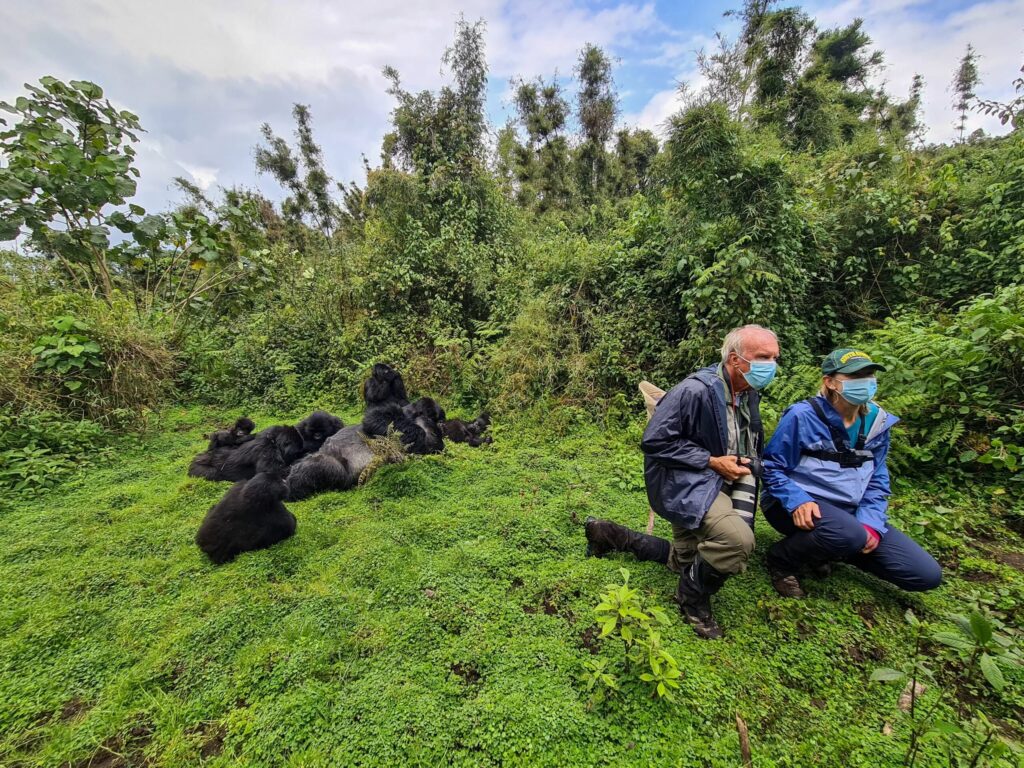
The hour begins when the group settles near the family and is strictly timed. You are asked to keep seven meters from the gorillas, to avoid pointing or sudden movements, to cover your nose and mouth if you must cough or sneeze, and to turn off the flash. The effort during this hour is minimal, because the gorillas are usually feeding or resting, but the physical demand is real in another way: you will stand or crouch for sixty minutes in damp forest, sometimes in a muddy hollow, and you may be asked to step back quickly as a juvenile approaches. Many guests find the cold more taxing than the walk, so the layers you strip on the climb should be ready to go back on. Do not forget to eat and drink before reaching the family, as you cannot do so in the presence of the gorillas.
The return and the afternoon
After an hour, you retrace your route, usually faster than on the way up because it is downhill and your adrenaline is high. Guides stop for photographs and for a few minutes of conversation, and the return often feels shorter than the approach. Back at the trailhead you receive a gorilla trekking certificate, tip your porters, and drive back to Kinigi, and most guests are back at their lodge between 1:00 and 3:00 PM. If you have a lodge with a spa, book a massage in advance: it is the most popular and the most deserved indulgence of the trek. For guests on a one-day safari, the return to Kigali takes two to two-and-a-half hours and typically ends between five and seven in the evening.
What to Wear and Pack for a Rwanda Gorilla Trek
The right clothing makes a gorilla trek physically easier, and the wrong clothing can make it miserable. The principle is layers, waterproofing, and protection from vegetation, and the guidance below reflects the conditions in the Virunga foothills rather than a generic safari list.
Clothing and footwear
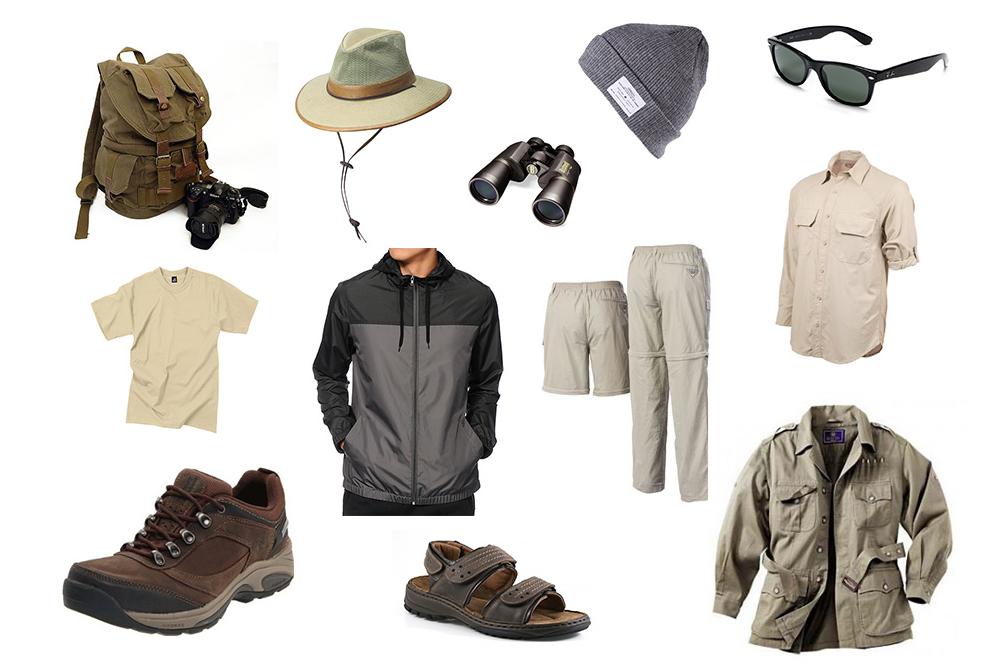
Wear a long-sleeved shirt and long trousers in a neutral color such as olive, khaki, brown, or grey, because bright colors and white can disturb wildlife, and the long sleeves protect you from nettles. Layer a lightweight fleece or thin down jacket for the cold start and a packable waterproof jacket for the rain, which at this altitude can arrive within minutes. Footwear is the decision with the greatest effect on your day: Waterproof, ankle-supporting trekking boots with a strong grip, broken in over at least thirty hours of walking, are essential. Sandals, trainers, and flat-soled shoes are inadequate on wet volcanic soil. Add gaiters if you own them, a hat for sun and drizzle, and thin, quick-drying socks that wick moisture, ideally with a spare pair in your day pack.
Day pack essentials
Your porter will carry your bag, but you decide what is in it. Take at least two liters of water, a packed lunch from your lodge, high-energy snacks such as nuts and dried fruit, sunscreen, insect repellent, a small first-aid kit with blister plasters, any personal medication, a waterproof cover for your camera and phone, and a pair of lightweight gardening gloves. A camera with a fast lens and a zoom of at least 70 to 200 millimeters is more useful than a high-resolution phone in the dappled light of the forest, and flash photography is strictly prohibited. Keep a small amount of cash in US dollars for porter and guide tips, since card facilities are limited at Kinigi. Avoid perfume, strong lotions, and bright accessories.
What the luxury lodges lend and arrange
Many of the lodges near the park lend or arrange items that make the day easier, and it is worth asking. Packed lunches are standard, and it is worth asking what else your lodge can lend. Heated floors, deep baths, and spa treatments, a feature of lodges such as Wilderness Bisate, are an excellent way to recover from the walk. Our team will confirm what your lodge provides in the pre-departure briefing so that you pack only what you need.
Rwanda, Uganda, and DR Congo Compared: Which Gorilla Trek Is Hardest?
Rwanda is generally the shortest and most predictable of the three gorilla-trekking countries; Uganda’s Bwindi is typically the most strenuous in terms of density of vegetation and slope, and the Democratic Republic of Congo’s Virunga National Park is currently unavailable to most visitors. Each has a distinct effort profile, and your choice should reflect your fitness as well as your budget and your appetite for adventure.
Rwanda: shorter, higher, more open
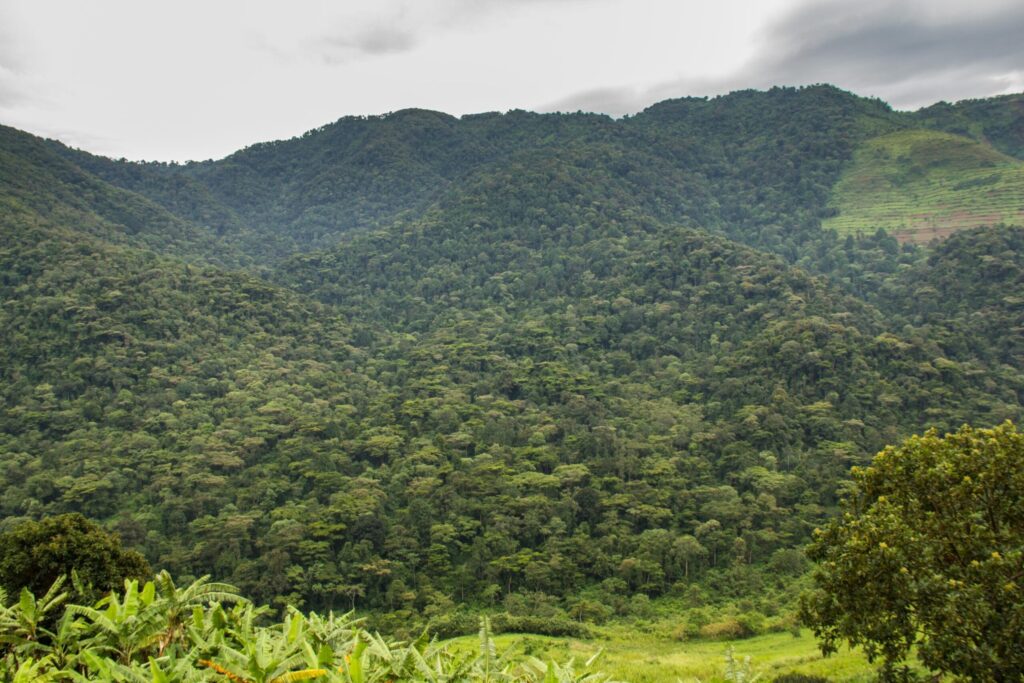
Rwanda’s Volcanoes National Park offers treks from about thirty minutes to six hours, most commonly two to four, at altitudes between 2,400 and 3,500 meters. The terrain is a mix of farmland, bamboo, and Hagenia woodland; the access roads are well maintained, and the lodges are among the finest in Africa. The permit is USD 1,500, the highest in the world, and the infrastructure that surrounds it, from the airport at Kigali to the private vehicles and the lodges at the park boundary, is built for a premium experience. Rwanda is hard to beat for guests who want to combine a gorilla trek with a high standard of comfort and a short transfer from an international airport.
Uganda: longer, thicker, cheaper
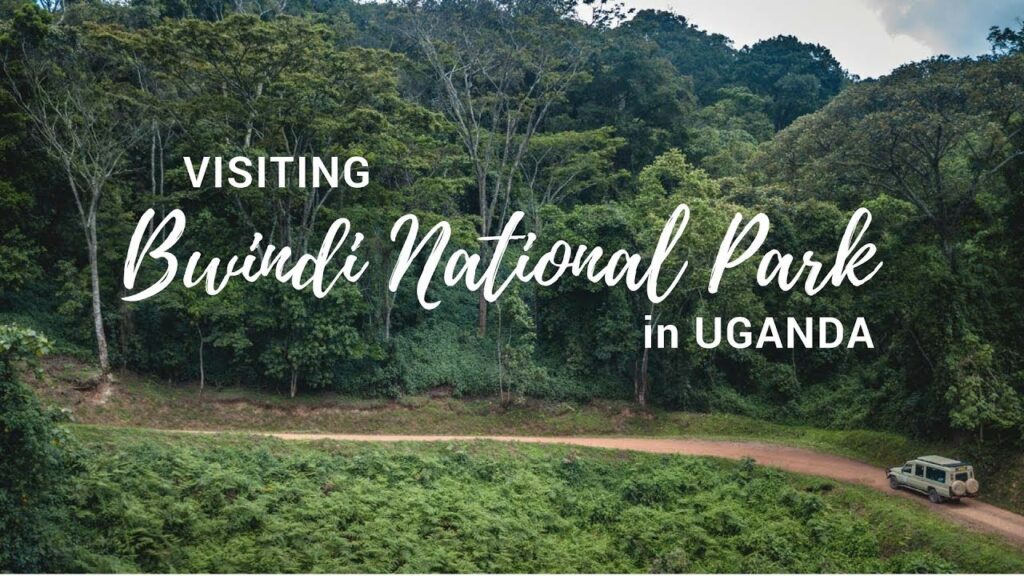
In Uganda, gorilla trekking takes place in Bwindi Impenetrable National Park and Mgahinga Gorilla National Park. Bwindi’s treks range from one to eight hours, with forests so dense that rangers often cut a path with machetes, and the steep, ridge-and-valley terrain means a lot of up and down at lower altitudes of 1,160 to 2,607 meters. Many guests find it physically more demanding than Rwanda, particularly in the Ruhija and Rushaga sectors, though sectors such as Buhoma and Nkuringo have their own challenges. The permit currently costs USD 800 according to the figures on our permit index, so the saving is considerable, but the road journey from Entebbe or Kigali to Bwindi is long, typically seven to ten hours by road or a charter flight. Uganda also offers a gorilla habituation experience for guests who want four hours with a semi-habituated family, which is physically more demanding.
DR Congo.
The Democratic Republic of Congo’s Virunga National Park offers gorilla trekking that is physically similar to Rwanda’s, but permits have been suspended because of regional security restrictions, as shown on our permit index, and we do not currently sell trekking there.