A Gorilla Trekking Day in Rwanda: Timings, Distances, and Logistics.
A trekking day starts with a 5:30 AM wake-up, a 6:30 AM transfer, a 7:00 AM briefing at Kinigi, a hike of between 45 minutes and five hours, a one-hour encounter, and a return to your lodge between roughly 11:00 AM and 3:00 PM. The distances involved are small and the schedule is rigid, which is why the logistics are worth planning carefully.
Getting From Kigali to the Park
Kigali International Airport is the gateway, and Kinigi, the park headquarters, lies about 90 to 110 kilometers north in Musanze District, a drive of two to two-and-a-half hours on a well-maintained paved road. You can arrive on an afternoon flight and reach a lodge in time for dinner, which is how most short itineraries work, and our 1-day Rwanda gorilla trek is designed for the traveller who wants to go from Kigali to the gorillas and back in a single day, though it means a 4:30 AM start and roughly five hours on the road. The one rule we hold firm is that you should not cut it fine on the morning of the trek. If you stay in Kigali, you must leave by 4:30 AM to make a 7:00 AM briefing, and a delayed convoy or a slow vehicle can cost you the permit, so for luxury travellers we nearly always recommend staying near the park the night before.
The Briefing, Family Allocation and Trailheads
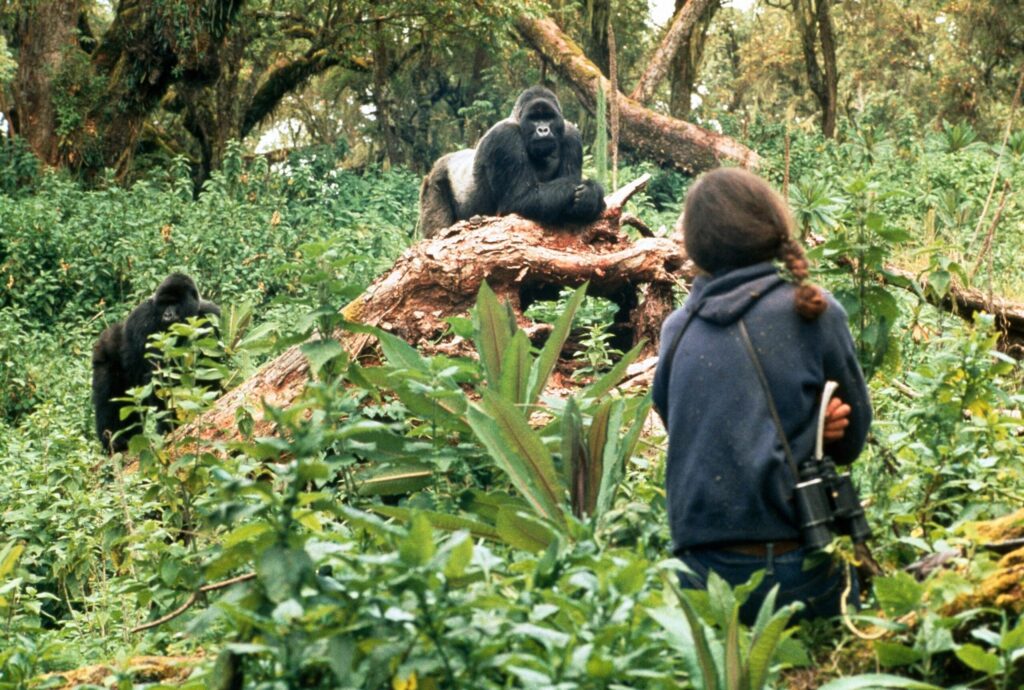
You present your permit and passport copy at the Kinigi reception, sit through a briefing that usually lasts 20 to 30 minutes, and are assigned a family. Drivers take each group to the nearest trailhead, where rangers hand over to the guides and trackers for the final approach. Your driver waits for you at the trailhead.
After the Trek: Lunch and the Rest of the Day
After the trek, transfer from the trailhead back to the lodge for lunch and rest. The afternoon should be unplanned, because the emotional aftermath of the encounter is real, and many travelers find they want quiet. If you do wish to do something, the Dian Fossey Gorilla Fund’s Ellen DeGeneres Campus offers a thoughtful conservation education visit, the Iby’iwacu Cultural Village provides a community-run cultural afternoon, and a short walk in the buffer zone is pleasant. For a second day, golden monkey trekking is a gentler, cheaper activity, with permits at around USD 100 per person at the time of writing, and the hike up Mount Bisoke to its crater lake is a rewarding day for fit travelers, but schedule any volcano hike before, not after, your gorilla trek so that sore legs do not compromise your main event.
What to Wear and Pack for a Gorilla Trek in Rwanda.
The right kit for a gorilla trek is long sleeves, long trousers, waterproof ankle-supporting boots, a packable rain jacket, gloves, gaiters, and a small daypack, and getting these right is the cheapest way to improve the day. The terrain is steep and wet, the vegetation includes stinging nettles that sting through thin fabric, and temperatures can swing from near ten degrees Celsius on a misty dawn to warm in the sun within a couple of hours.
Dress in layers in muted colors such as olive, khaki, brown, or grey, and avoid bright colors. Choose a moisture-wicking base layer, a fleece or light insulating layer for the early morning, and a waterproof shell that you can stuff into a pack. Wear long trousers tucked into your socks or into gaiters, which keep out mud, ants, and nettles. Light gardening gloves protect your hands when you grab vegetation on the climb, and many guests find them as useful as their boots. A brimmed hat and sunglasses are helpful above the tree line. Waterproof boots with an aggressive sole and good ankle support are the one piece of kit you should not compromise on, and they should be worn in before you travel.
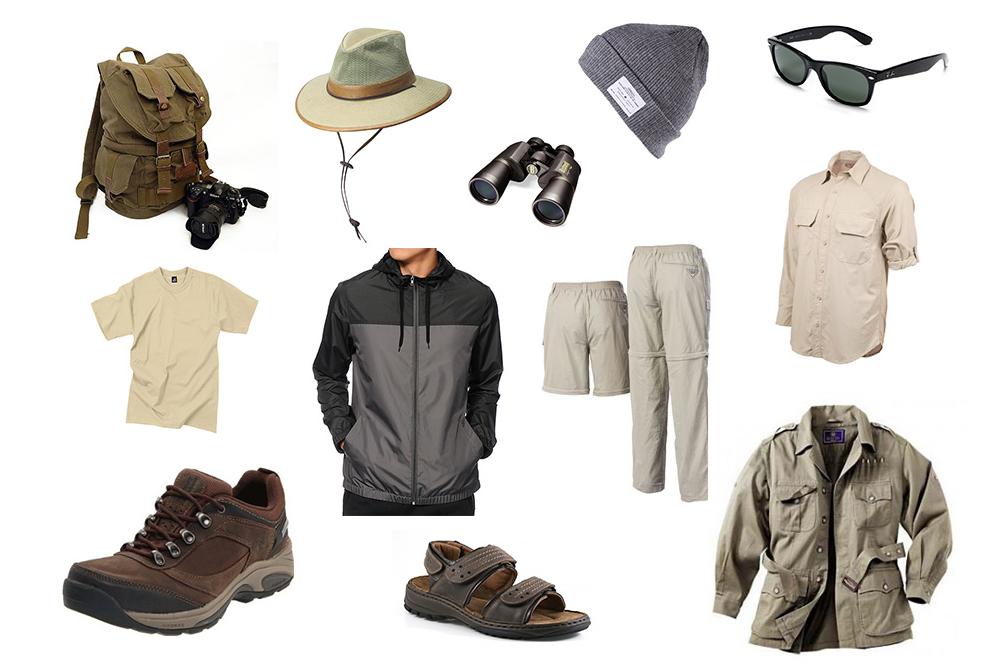
In your daypack carry at least two liters of water, energy snacks, a packed lunch from the lodge, a basic first aid kit with blister plasters, insect repellent, sunscreen, tissues, hand sanitizer, two or three surgical masks, a rain cover for your camera, your permit and passport in a waterproof sleeve, and a small amount of cash in small notes for tips. Leave valuables and large bags at the lodge.
Best Time to Trek: Seasons, Permit Availability, and Trail Conditions
Gorilla trekking runs every day of the year, and the best time for most travellers is the long dry season from June to September, with December to February as a close second. In the dry months, trails are firmer, the walking is easier, and clear mornings give better views of the volcanoes, but these are also the months when permits sell out first, so the rule on advance booking above applies with particular force.

The rainy seasons, March to May and October to November, bring muddier trails, a greener forest, and fewer visitors, and international permit pricing does not generally fall in the rains, although the Rwanda Development Board has occasionally announced limited promotions, so we check at the time of booking. Lodge rates are also lower in the green season.
Luxury Lodges Near Volcanoes National Park: Where to Stay Before and After Your Trek
The best lodges near Volcanoes National Park combine a short transfer to Kinigi with a standard of service that makes the early start painless, and for a high-end traveler, the lodge is a core part of how the day feels. Singita Kwitonda Lodge sits on the park boundary with volcano views and an exceptional guiding team; Wilderness Bisate perches on a reforested hillside with villas designed like Rwandan royal palaces; One&Only Gorilla’s Nest offers the group’s trademark service in lush gardens; and Wilderness Sabyinyo Silverback Lodge, a community-owned property, delivers a strong social impact story at the foot of Mount Sabyinyo. Transfers from these lodges to Kinigi take roughly fifteen to forty minutes, so the wake-up on trek day is between 5:00 and 5:30 AM. Lodges in the Musanze area also pack breakfast to go, prepare lunch boxes, lend ponchos and walking sticks, and in some cases offer boot cleaning and laundry on your return, details that matter more than they sound.
Book your lodge nights at the same time as your permit and put your permit date first. Most luxury lodges here have fewer than twenty rooms, and in peak months they are full a year ahead. The reliable sequence is permit, then lodge, then flights, and we reverse nothing.
Photography and Filming Rules for the Gorilla Encounter.
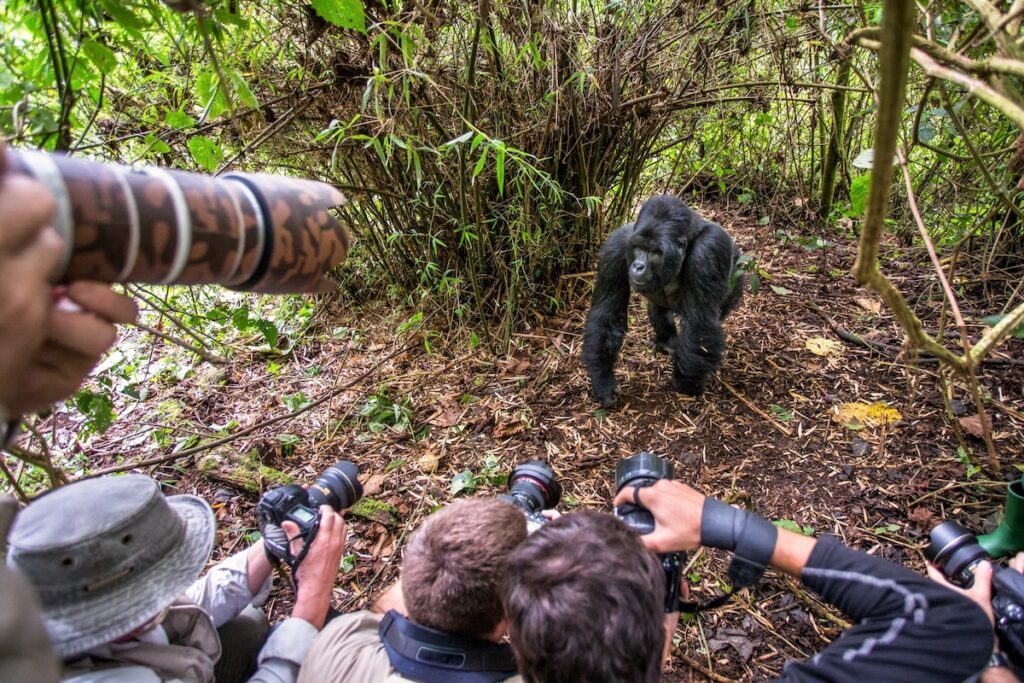
You may photograph and film freely during the hour, provided you do not use flash, drones, or any artificial light, and the practical challenge is not the rules but the light. The forest is dark, the gorillas are black, and the canopy creates harsh contrast, so a camera with strong high-ISO performance and a fast lens is far more useful than a long zoom. Bodies that handle ISO 3200 and above cleanly, with a 70-200 mm f/2.8 or fast primes in the 85 to 135 mm range, work well. Mobile phones perform acceptably in decent light, but a dedicated camera is a real advantage in forest shade. Turn off flash, silence your shutter if you can, and do not use a monopod or tripod that might be mistaken for a threat. Keep your camera strap secure, carry spare batteries and cards, and shoot in bursts when a juvenile plays. Above all, put the camera down for several minutes, because the guests who remember the encounter most vividly are those who spent a portion of the hour simply watching.
Why the Rules Exist: Disease, Habituation, and Conservation.
The rules are not bureaucracy; they are the reason there are mountain gorillas to see. The subspecies Gorilla beringei beringei was reduced to an estimated 254 individuals in the early 1980s and now numbers a little over one thousand across the Virunga Massif and Bwindi; in 2018, the International Union for Conservation of Nature moved it from Critically Endangered to Endangered, making it one of the few true success stories in primate conservation. Roughly 600 live in the Virunga Massif, shared between Rwanda, Uganda, and the Democratic Republic of Congo. The gains were built on three things: sustained ranger protection, veterinary care from organizations such as Gorilla Doctors, and regulated tourism that gave local communities a stake in protecting the forest. Dian Fossey began the groundwork in 1967 when she founded the Karisoke Research Centre, and the work continues today through the Dian Fossey Gorilla Fund, whose campus near Musanze is open to visitors.
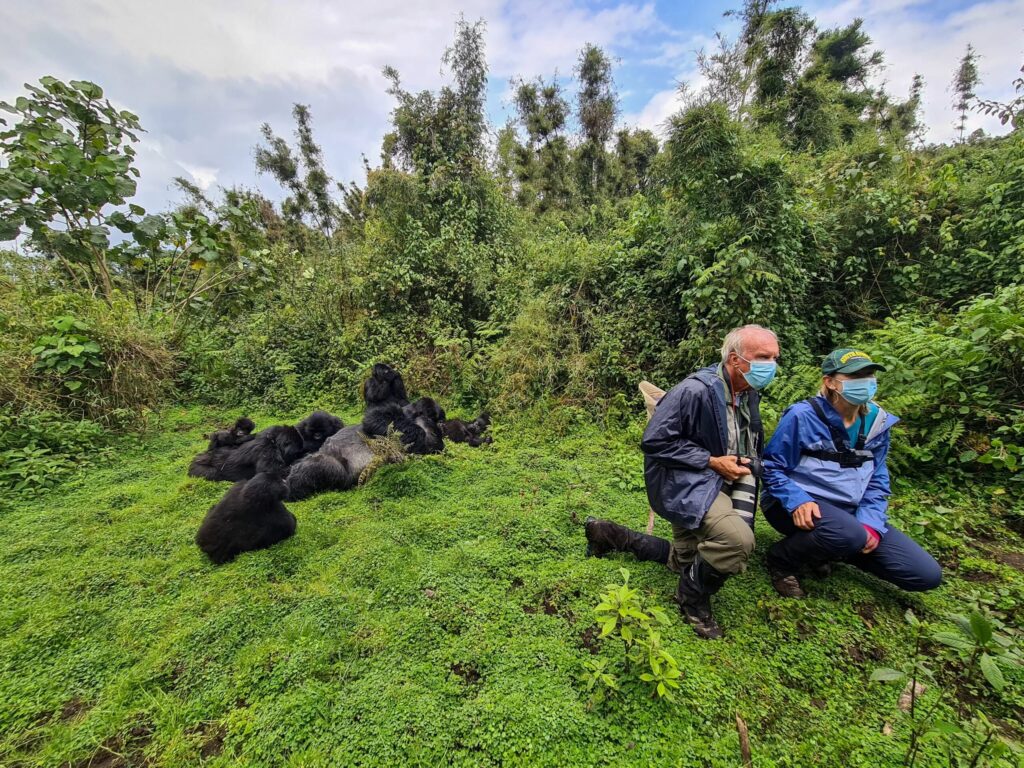
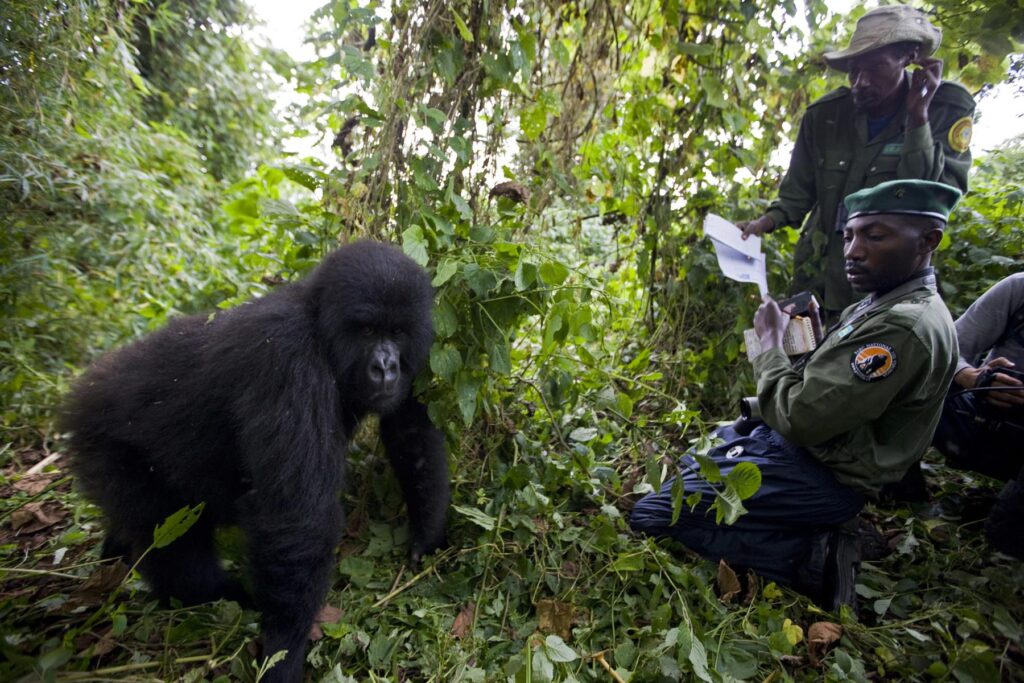
Habituation is the process that makes trekking possible. Researchers and trackers visit a wild family daily for two to five years, getting the animals used to human presence without feeding or interacting with them. Only when a family shows consistent calm does it enter the tourism program. That is why a mountain gorilla is not a tame animal but a tolerant one, and why a visitor who breaks the rules does lasting harm to a relationship that took years to build.
Penalties for Breaking the Rules
Breaking the rules can end your trek, cost you your permit fee and, in serious cases, lead to a ban or legal action. Rangers have discretion to end an encounter early, to remove a visitor from the group, to confiscate or disable a camera, and to report a serious breach to the park warden. Typical causes of rule violations include using flash, approaching closer than permitted, touching a gorilla, trekking while visibly ill, using a drone, and leaving the group. In practice, a calm reminder from the ranger resolves almost every issue, and genuine problems are rare because guests understand the stakes.
Entry Requirements, Vaccinations, and Travel Insurance
Most visitors need a valid passport and an entry visa or authorization for Rwanda, which should be checked on the official immigration website before you travel because rules change. A yellow fever vaccination certificate is required if you are arriving from or have transited through a yellow-fever-endemic country, and officials do ask for it. Hepatitis A and B, typhoid, tetanus, and routine vaccinations are commonly advised, and malaria prophylaxis is generally recommended for travellers visiting lower-altitude areas such as Akagera, so consult a travel medicine clinic six to eight weeks before departure and the CDC Travellers’ Health Guide for Rwanda for current guidance. Travel insurance should cover medical treatment and evacuation, trip cancellation including your permit and lodge deposits, and adventure activities at altitude. Because the park may or may not compensate a missed trek due to illness, insurance is the reliable safeguard.