Best Time for Rwanda Safari Activities: Gorillas, Chimpanzees, Game Drives, and Hikes
The best season depends on the activity, because Rwanda packs three very different ecosystems into a small country: montane volcanic forest, ancient lowland rainforest, and eastern savannah. A trip that moves between them will encounter slightly different conditions in each, and it helps to understand how each activity is affected by the weather.
Mountain Gorilla Trekking
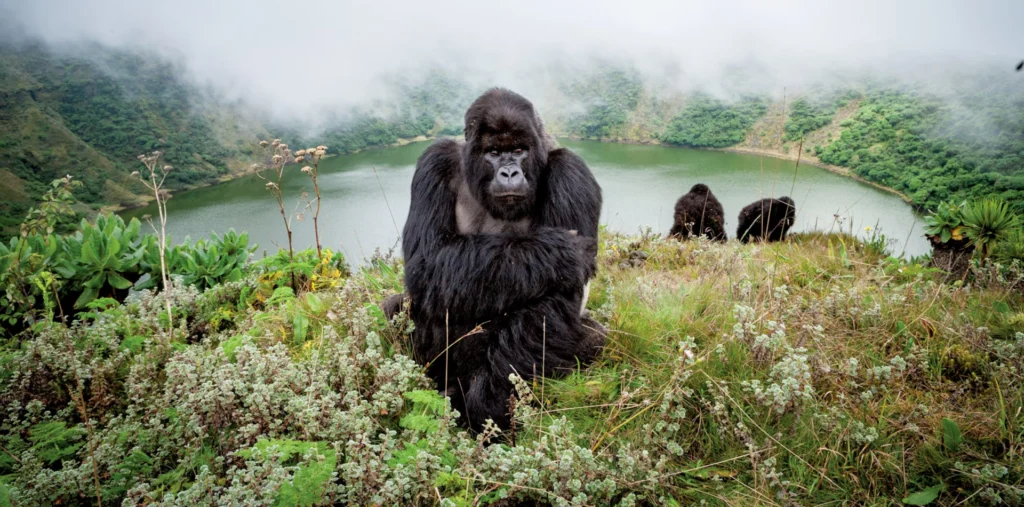
Gorilla trekking happens every day of the year, and the sighting success rate does not drop in the rains, because trackers locate the families at dawn and guide you to them. What changes is the ground. In the dry months, trails are firmer and treks are generally more comfortable. In the wet months, mud makes walking harder, but gorilla families often feed on the lower slopes where fresh vegetation is plentiful, which can sometimes mean shorter walks. We treat that as a possibility rather than a promise, because the families move wherever they like on the day.
Golden Monkey Trekking
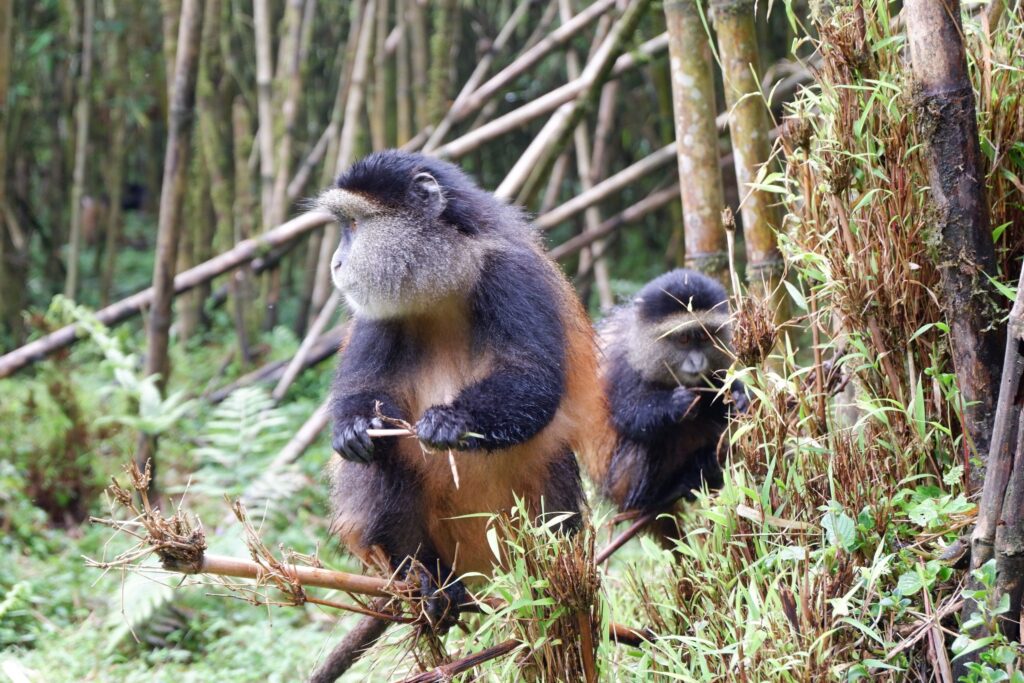
Golden monkeys live in the bamboo zone of the Virunga volcanoes and can be seen throughout the year. The permit costs USD 100 per person, and the trek is shorter and gentler than a gorilla day. During the rains, fresh bamboo shoots can attract the troops to accessible locations, which is why photographers sometimes enjoy the October and November period. In the dry months the trekking is more comfortable, and the monkeys are as active as ever.
Chimpanzee Trekking in Nyungwe Forest
Nyungwe is excellent all year and is a true rainforest, which means it can rain in any month. The permit costs USD 150 per person. The dry months of June to September make the trails considerably more manageable and the canopy walkway more pleasant, while the wet months can sometimes make chimpanzee movements more predictable because they depend on seasonal fruiting, although the timing varies between years and groups. Birdwatching in Nyungwe is excellent in all months, with October to April bringing breeding activity and migrant species.
Game Drives in Akagera National Park
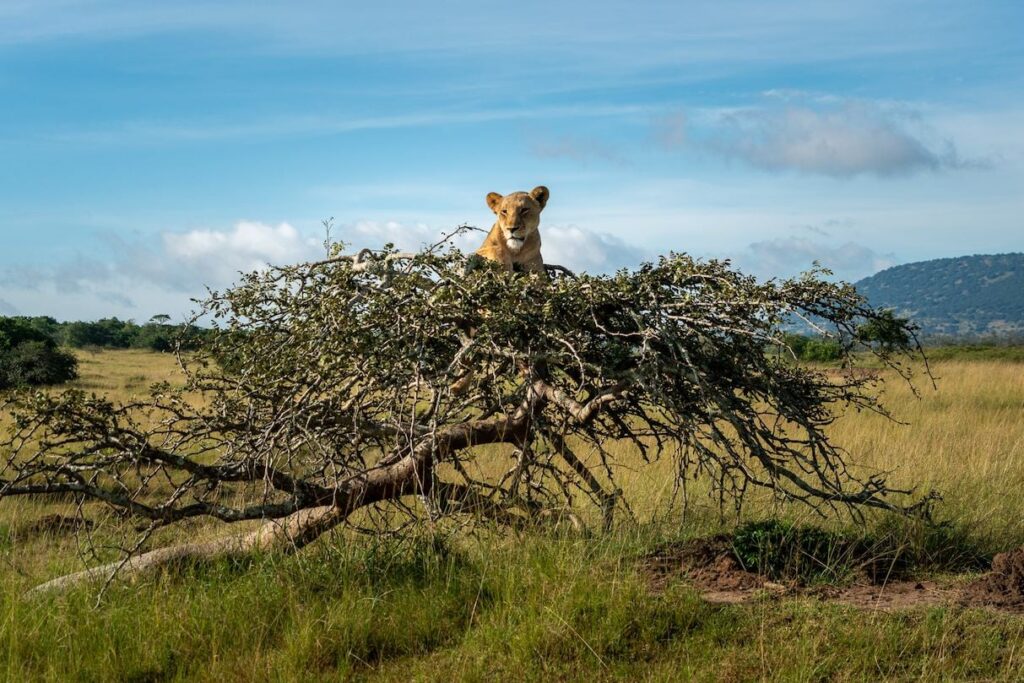
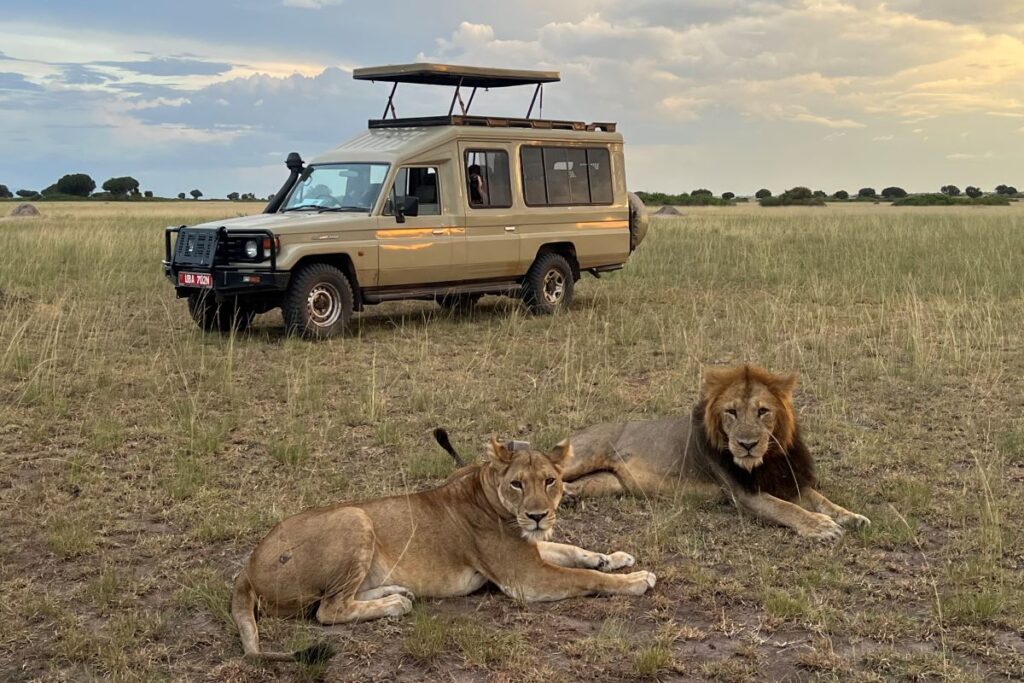
Akagera behaves like a classic savannah park, and its best game viewing is in the dry season from June to September, when wildlife concentrates around the permanent lakes and the vegetation is thinner. The park has been co-managed with African Parks since 2010 and now holds lions, black rhinos, and elephants, completing the Big Five. The green season has its appeal, with extraordinary birding and landscapes, but sightings can be harder because the animals disperse.
Volcano Hikes
The volcano hikes in Volcanoes National Park are far more weather-dependent than gorilla trekking, because the summit views are the whole point. Bisoke, with its crater lake, costs about USD 75 per person for a permit, and Karisimbi, a two-day climb to 4,507 meters, costs around USD 400. Both are best in the dry months, when the ground is firmer and the chance of a clear summit is higher.
Lake Kivu, Kigali, and Cultural Experiences
You can enjoy visiting Lake Kivu, on Rwanda’s western border, and Kigali’s museums, markets, and galleries in any month. Dry weather makes boat trips and lakeside afternoons more pleasant, but the rains rarely spoil them. These experiences are ideal for building rest days and weather buffers into an itinerary, which is why we usually place them between the more demanding trekking days.
How Rain Actually Changes a Gorilla Trek Day
Rain changes the experience of a gorilla trek far more than it changes the odds of finding gorillas. The trackers who leave before dawn locate each family, whether it is dry or pouring, and the one-hour encounter takes place in almost any weather. What differs is everything around that hour: the footing on the way in, how you feel while you stand still in damp forest, and how readily you can photograph the animals under a dark canopy.
The Walk In
On a dry morning the volcanic soil and leaf litter are firm, and most reasonably fit visitors cover the ground steadily. After heavy rain the same trail becomes a series of slick steps, hidden roots, and ankle-deep mud, and a walk that would take ninety minutes in July can take noticeably longer in April. Gaiters, trekking poles, and a porter turn that from an ordeal into an adventure. We always recommend hiring a porter at the briefing for about USD 15 to 20 plus a tip, and in the rains we treat it as close to essential.
The Hour With the Gorillas
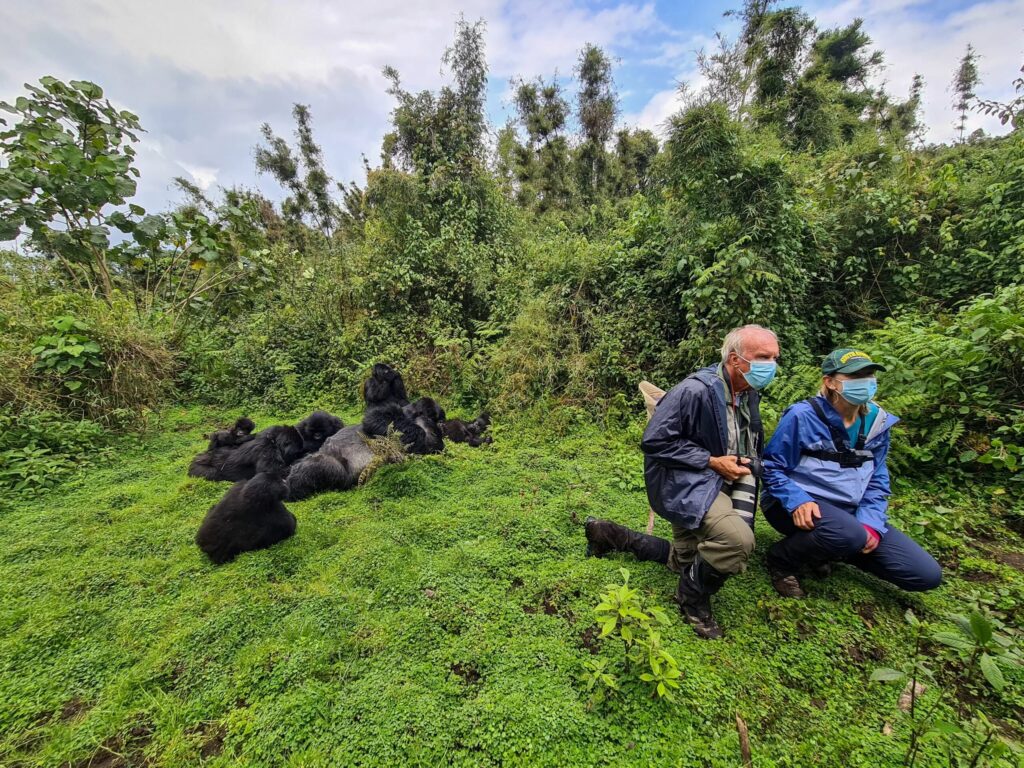
Once you reach the family, light rain is rarely a problem, because gorillas carry on feeding, resting, and playing in drizzle. In heavy downpours, the animals often sit hunched and still, and visibility is poor, but the experience can feel especially intimate because the forest is quiet and the group is calm. The seven-meter distance rule applies in all weather. Photographers should bring a waterproof cover and a spare microfibre cloth and accept that some of their best images will be made in grey, soft light.
After the Trek
The practical difference between a dry-season and a rainy-season trek often shows after the hour is over. In the dry months you can sit on a log for your packed lunch and walk out in dry socks. In the rains, you will want a change of clothes waiting in the vehicle and a hot shower and a warm drink back at the lodge. This is where a private itinerary with a dedicated driver-guide earns its keep, because the vehicle waits for you and the lodge is expecting you.
The Wildlife Calendar: What Changes Through the Year
Rwanda’s wildlife is present all year, but the way it behaves and how easily you see it shifts with the seasons. Understanding these rhythms is one of the quiet advantages of travelling with a local operator.
In the Virunga Forests
Gorilla births occur throughout the year, so there is never a month without infants in the families, and babies are a common sight on treks in every season. Bamboo shoots, a favorite food, sprout in abundance during the rains, and families often move to the lower slopes to feed on them, which can occasionally shorten walks, though we never promise it. Golden monkeys remain in the bamboo zone year-round, and in the wet months troops concentrate where fresh shoots are growing.
In Nyungwe
Nyungwe’s primates, including the eastern chimpanzee and Angolan colobus, follow the fruiting cycles of the forest, which vary between years. The park holds thirteen primate species, and the canopy walkway, suspended around fifty meters above the forest floor, is most pleasant in the drier months. Birders find Nyungwe productive in every month, with migrants adding variety between October and April.
In Akagera
Akagera’s seasonal pattern is the most pronounced. In the dry months, animals converge on the permanent lakes, and the open grassland makes sightings easier, while in the green months, the landscape is lush, the sky is dramatic, and birdlife is at its best. Because the park lies lower and is far drier than the mountains, a trip to Akagera is the part of a Rwanda itinerary where the season matters most to your wildlife experience.
On Lake Kivu and in Kigali
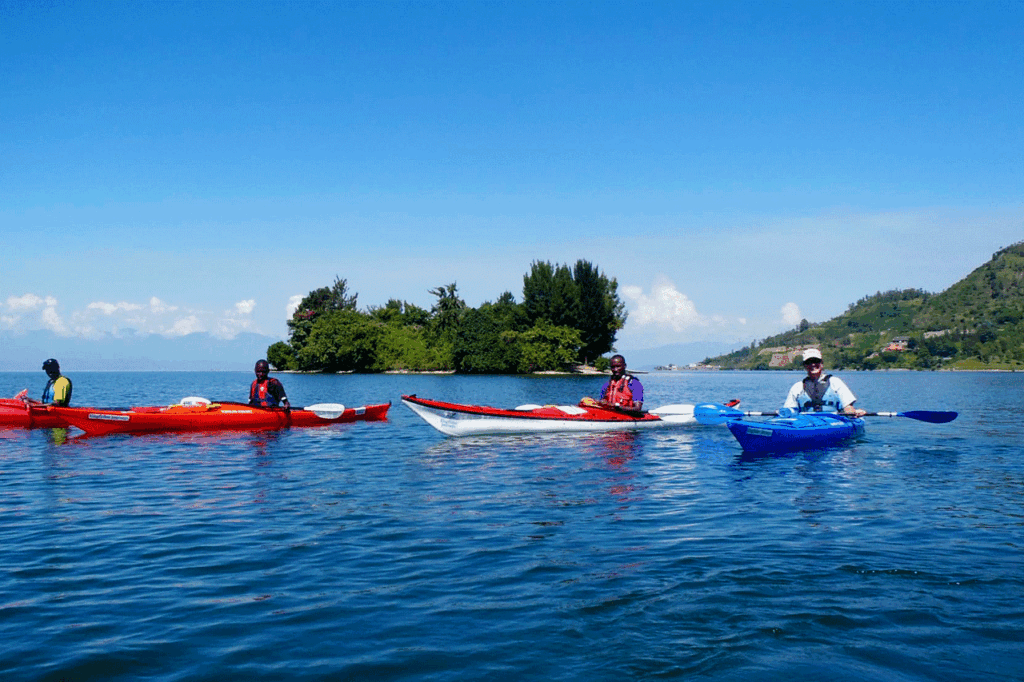
Lake Kivu and Kigali are the least seasonal elements of a Rwanda trip. Boat trips, lakeside walks, galleries, and markets work in any month, which makes them ideal for padding an itinerary with flexible days. We often place them either side of a trekking block so that a rain-delayed day does not cost you anything.
Common Mistakes When Timing a Rwanda Safari
Most problems we see on Rwanda trips come from sequencing and assumptions, not from the season itself. Avoiding the following mistakes matters more than choosing between July and January.
The first and most common mistake is booking lodges before permits. Please confirm the permit date first, as gorilla permits are the scarce resource, and then build the rest of the itinerary around it. The second is arriving on the morning of the trek. Between a long flight, the two-and-a-half-hour drive to Kinigi, and the 7:00 a.m. briefing, there is simply no margin, so we always recommend arriving at least one night before. The third is building an itinerary with no buffer. A spare day protects you against weather, illness, or a missed permit, and it is cheap insurance compared with the cost of a lost trek.
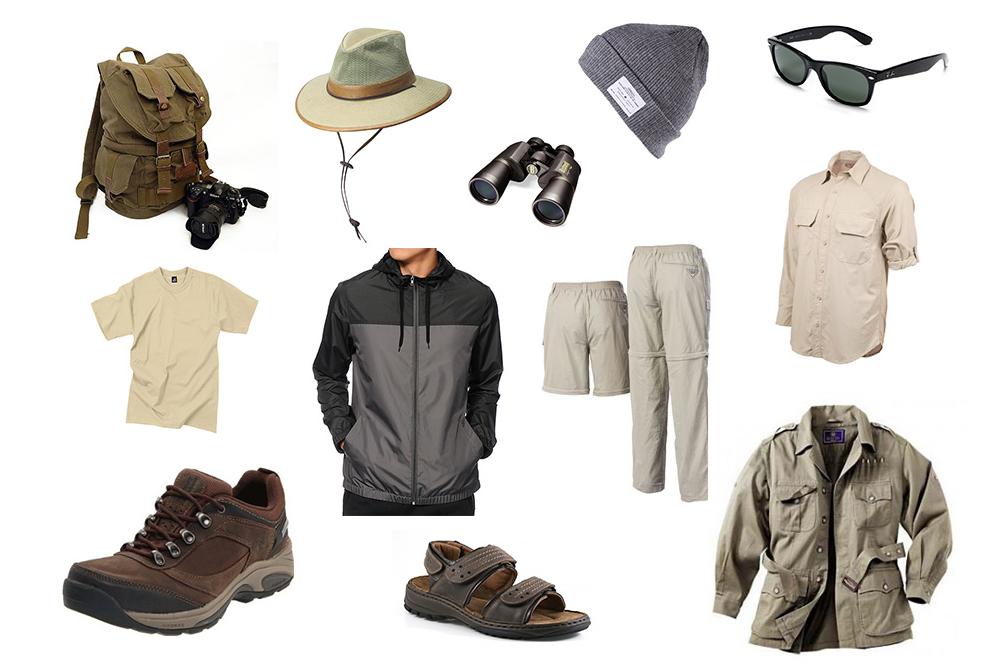
The fourth mistake is ignoring local events. Kwita Izina in early September and the Christmas and New Year period can fill Kinigi, so check the dates before committing. The fifth is overpacking for the wrong season or underpacking for the right one: pack layers, waterproofs, and appropriate boots in every month. The sixth is assuming a promotional permit rate applies to you. The Rwanda Development Board promotions were for Rwandans, East Africans, and other Africans; international visitors pay USD 1,500. The seventh is trying to see everything. Rwanda is small, but each park deserves at least two nights, and a rushed itinerary is a worse experience in any season.
Peak, Shoulder, and Low Season in Rwanda: Crowds, Permits, and Lodge Rates
Rwanda’s peak season runs from June to September, with a second burst of demand over Christmas and New Year, while the shoulder and low seasons fall in the months either side and during the long rains. The practical consequences are about availability and price rather than closure, because the park is open and trekking operates throughout.
Peak Season: June to September and the Festive Period
In peak season, gorilla permits and the best lodge rooms sell out first. We advise booking six to twelve months ahead for July and August and as early as possible for the festive period. The upside is the most reliable weather, the clearest views, and the best conditions for combining Rwanda with a migration trip in Kenya or Tanzania.
Shoulder Season: January, February, June, and the Edges of the Rains
In our experience, the shoulder months are the sweet spot for travellers who value both comfort and space. January and February offer dry trails with fewer people, and June gives you high-season weather before July’s rush. Booking three to six months ahead is generally sufficient, though earlier is always safer for the best lodges.
Low Season: March to May and October to November
The low season brings the lowest lodge rates of the year, the quietest trails, and the lushest scenery. International gorilla permit prices do not change with the season, so the savings come from accommodation and flexibility. The Rwanda Development Board offered promotional permit rates to Rwandans, East Africans, and other African residents, but these did not apply from June to October, and the international price stayed at USD 1,500. We advise travellers to confirm every figure with the Rwanda Development Board before paying, and our team does this verification as standard.
Events and Dates That Should Shape When You Go
A few fixed dates in the Rwandan calendar affect availability, atmosphere, and etiquette, and knowing them in advance prevents unpleasant surprises. None of them closes the parks, but several change how busy the northern lodges feel.
Kwita Izina: The Gorilla Naming Ceremony
Kwita Izina is Rwanda’s annual ceremony in which newborn mountain gorillas are given names, modeled on the traditional Rwandan custom of naming a child in front of family and friends. The 21st edition was held on 4 September 2026 at Kinigi, where 22 baby gorillas were named, bringing the total named since 2005 to 460. The event typically takes place in early September, draws thousands of visitors, and attracts celebrities and conservation figures, so it is worth timing a trip around it if you want the atmosphere and worth avoiding if you want a quiet Kinigi. Dates are announced by the Rwanda Development Board and have shifted from year to year, so check before you book. Our team always highlights the likely window for September travel when we provide quotes.
Kwibuka and the Week of Remembrance
Kwibuka, the annual commemoration of the 1994 genocide against the Tutsi, begins on 7 April, with a week of national mourning followed by a longer period of remembrance. Public entertainment is curtailed, and the tone across Kigali is somber. Visitors are welcome, and many choose to visit the Kigali Genocide Memorial, one of the most carefully designed memorial sites in the world; however, travelers should dress and behave respectfully. April is also the wettest month, so it is naturally a quiet time for tourism.
Umuganura, Liberation Day, and Public Holidays
Umuganura, the national harvest festival, falls on the first Friday of August and is a public holiday, as is Liberation Day on 4 July. Neither affects trekking, though roads and towns can be livelier than usual. Christmas, New Year, and Easter are the main international holiday peaks, and lodges near the park often require minimum stays at these times.
Sporting Events in Kigali
Kigali has become a regular host of international sport and conferences, and the Tour du Rwanda cycling race usually ends in the capital in late February or early March. A major event can fill Kigali hotels at short notice, so if your dates overlap with one, we recommend securing your Kigali nights early.
Best Time for a Rwanda Safari by Type of Traveller
The best time for you depends on who you are and what you value, and a thoughtful itinerary starts with that conversation rather than with a calendar. These are the patterns we see most often in the guests we plan for.
First-Time Visitors and Honeymooners
First-time visitors and couples celebrating a special occasion should aim for June, early July, January, or February. These months combine dependable weather with manageable demand, and the dry trails make the trek more comfortable if you are unsure of your fitness.
Families With Teenagers
The minimum age for gorilla trekking is 15, which means school holidays often decide the dates for families. July, August, and the Christmas period are the busiest, so book early. For families with younger children, golden monkey trekking, the Musanze Caves, and the crater lakes of Burera and Ruhondo give the whole group something to do while older teenagers trek.
Photographers
Photographers often prefer the green season, when the light is softer, the landscapes are saturated, and the forest feels alive, though the dry months give more reliable shooting conditions in dense forest light. In the gorilla forest, flash is prohibited, so fast lenses and excellent low-light performance matter more than the season. Akagera’s dry season concentrates wildlife around water, which is ideal for game photography.
Older Travellers and Those Who Prefer Gentle Treks
Dry months make trails less slippery and treks easier on the knees. We advise older travellers to tell us about any mobility limitations up front so the park can match them to a more accessible gorilla family, although such arrangements can never be guaranteed because families move daily. For travellers who want certainty and privacy, exclusive gorilla trekking in Rwanda gives a single group sole access to one family for the day at a price of approximately USD 15,000.
Luxury Travellers Who Value Privacy
For high-end travelers, the real luxury is space. That points to the shoulder months of January, February, and June, or the green season, when lodges are quieter, service feels more personal, and the best suites are easier to secure. If your dates are fixed in peak season, the answer is to book earlier and to choose a private itinerary that avoids group transfers.
Timing Rwanda With Uganda, Tanzania, and Kenya
Rwanda combines naturally with its neighbors, and the right season for a multi-country trip depends on the weakest link in the chain. The most common pairings are Rwanda with Uganda for a dual-country primate journey, Rwanda with Tanzania for the Serengeti and Ngorongoro, and Rwanda with Kenya for the Masai Mara.
Rwanda and Uganda
Both countries offer mountain gorilla trekking, and many travelers choose between them on price, access, and style. Rwanda’s permit costs USD 1,500, against USD 800 in Uganda, but Rwanda’s drive from Kigali is shorter, and its luxury lodge infrastructure is deeper. Our Rwanda vs Uganda gorilla trekking comparison sets out the differences in detail. Seasonally, the same dry and wet months apply across both countries, so June to September and December to February are the best windows for a combined trip.
Rwanda and Tanzania
The Serengeti’s Great Migration moves through the year, with calving in the south around January to March and the northern Mara River crossings generally from July to October. If your priority is the migration, plan Tanzania first and let Rwanda follow, using the dry months for the gorillas. Our Tanzania safaris guide and our guide to the Ngorongoro Crater show how we pair northern Tanzania with Rwanda.
Rwanda and Kenya
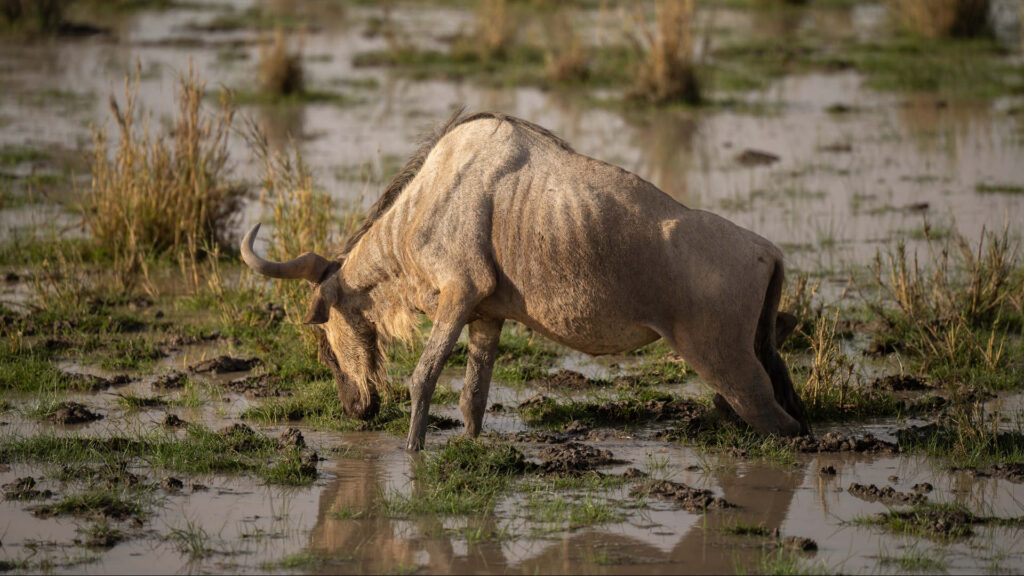
July to October is the classic window for the Masai Mara migration crossings, and it coincides with Rwanda’s long dry season, which makes it the most natural time to combine the two. The price of that convenience is demand: both destinations are at their busiest. Our Kenya safaris guide outlines the options, and our team can advise on how to sequence flights between Kigali and Nairobi. For more ideas, explore our collection of Rwanda safari experiences.
Which East African Country Is Best for Your Dates?
If your dates fall outside Rwanda’s ideal windows, another East African country may suit them better, and an honest operator will tell you so. Rwanda is the strongest choice for a short, high-comfort primate trip with minimal transit time, while Uganda, Tanzania, and Kenya each win in particular situations. The right answer comes from matching the country to the month and to what you want to see most.
Rwanda is the best choice for travellers who want gorillas with the shortest transfer from an international airport, the deepest bench of luxury lodges and a compact country that makes multi-park itineraries straightforward. Its weakness is price: the USD 1,500 permit is the highest in the world, though it buys a tightly managed experience. Uganda’s Bwindi offers gorilla trekking at USD 800 and a wilder, more remote forest, and it can be a better fit for travelers who want to see chimpanzees in Kibale and tree-climbing lions in Queen Elizabeth on the same trip.
Tanzania and Kenya win when the migration is the priority. The Serengeti and the Masai Mara reward travel at specific times of year, and Rwanda then becomes the primate chapter that follows. If your only window is a rainy-season month, Rwanda is often the better of the options because gorilla trekking is not seasonal in the way a migration is, and a green-season trek is still a profound experience. If your only window is July or August, plan early, because every East African destination is at its busiest and the best properties sell out first. You can explore the neighboring options through our Tanzania safaris and Kenya safaris.