The 3-Day Rwanda Gorilla Trek and Cultural Safari: When Two Nights Are Better Than One.
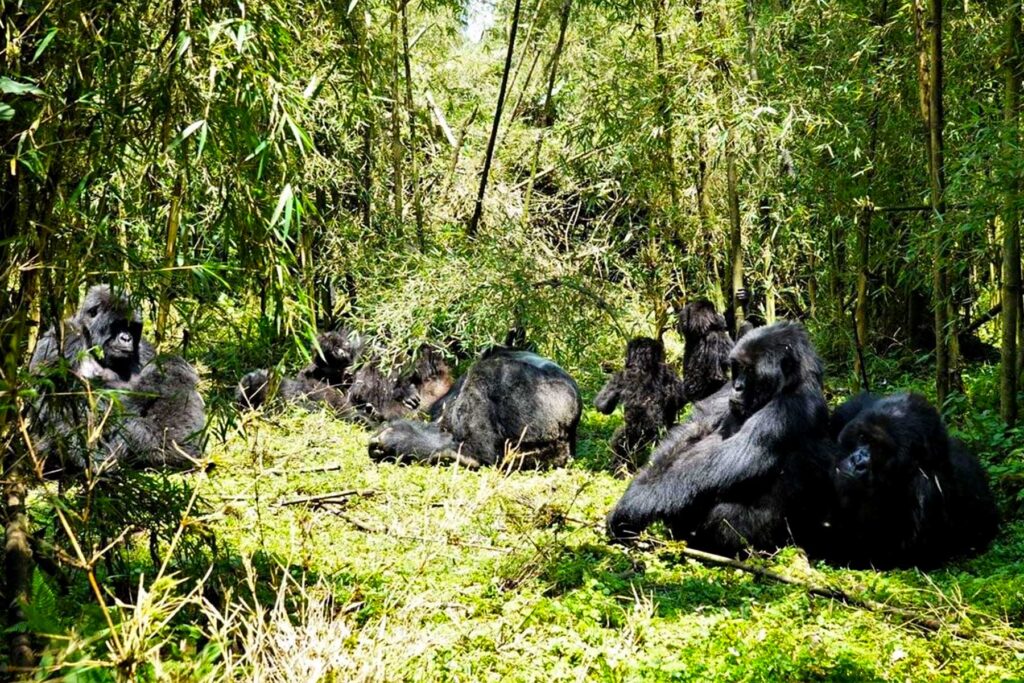
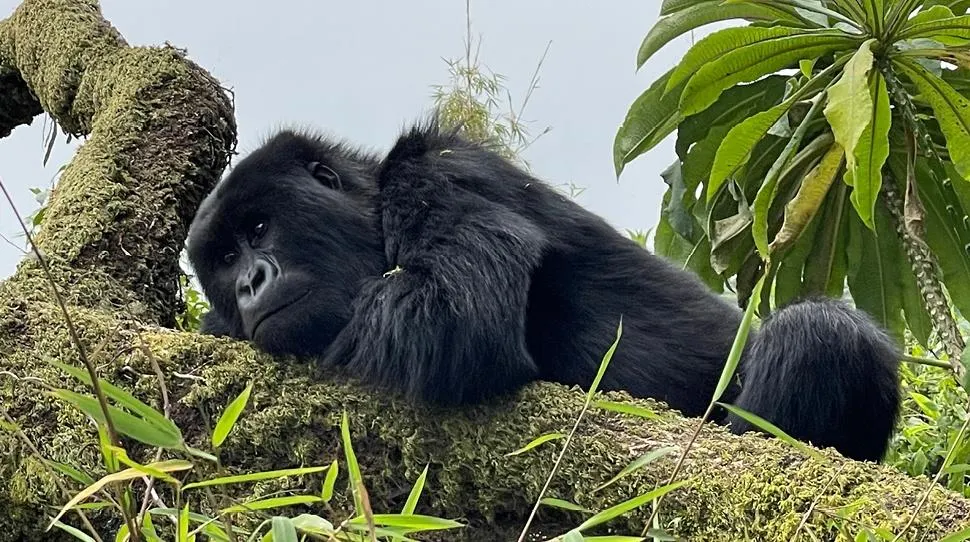
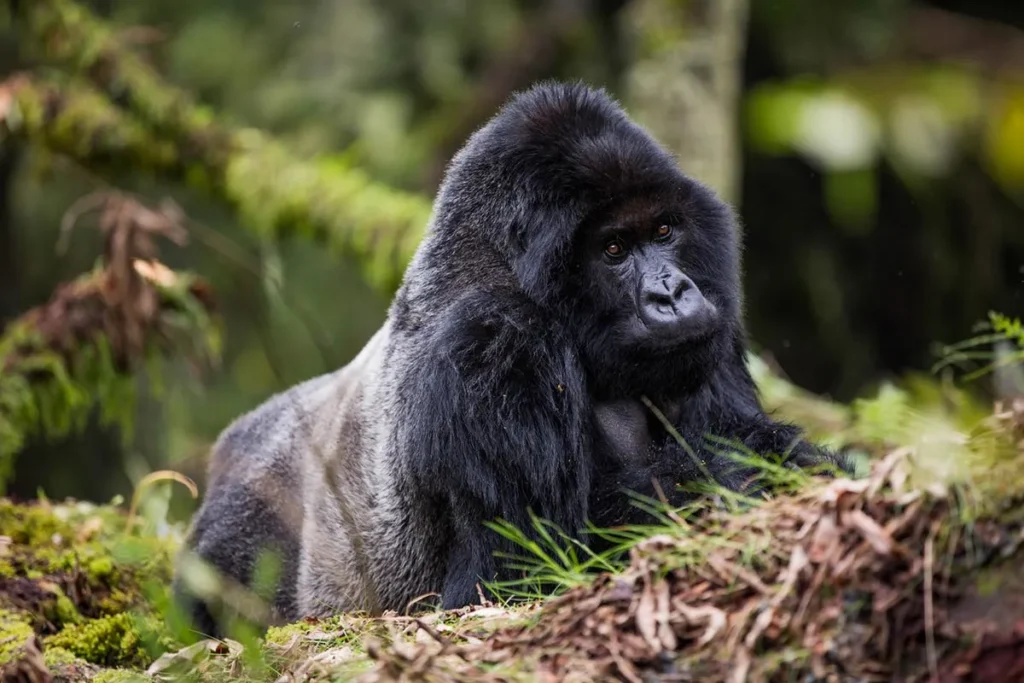
The 3-Day Rwanda Gorilla Trekking and Cultural Safari adds a second overnight near Volcanoes National Park and uses the additional day to layer a cultural dimension onto the trekking experience. This is the format that Rwanda Gorilla Expeditions most commonly recommends to first-time visitors to the country, not because three days is the minimum necessary for the gorilla encounter, but because Rwanda’s story is significantly richer than the gorillas alone, and two nights near the park provide enough time to begin to understand it.
What the Third Day Adds: The Dian Fossey Legacy and Community Immersion
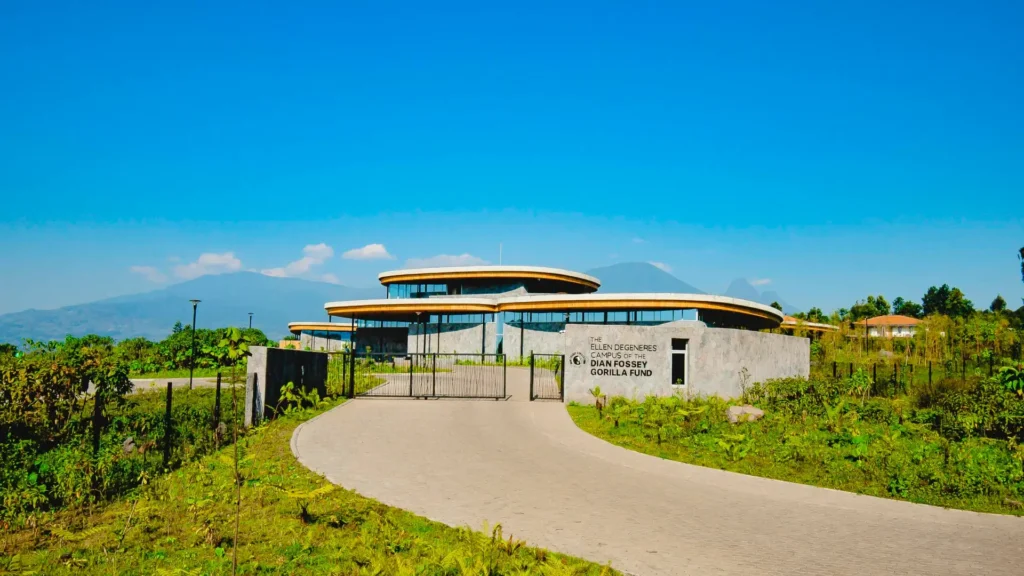
The additional day in a 3-day cultural safari is most powerfully used in one of two ways, and Rwanda Gorilla Expeditions builds the itinerary around whichever option resonates most with the individual traveller. The first option centers on the Dian Fossey Gorilla Fund’s Ellen DeGeneres Campus, which opened in 2022 on the edge of Volcanoes National Park. This world-class research and conservation facility provides a guided tour through the science and history of mountain gorilla conservation, contextualizing the trekking experience with extraordinary depth. Standing in the facility that carries Fossey’s legacy, looking out at the same volcanoes she dedicated her life to, two days after standing in the forest with the gorillas, she died protecting, this moment is a genuinely moving experience that adds layers of meaning to the trek retrospectively.
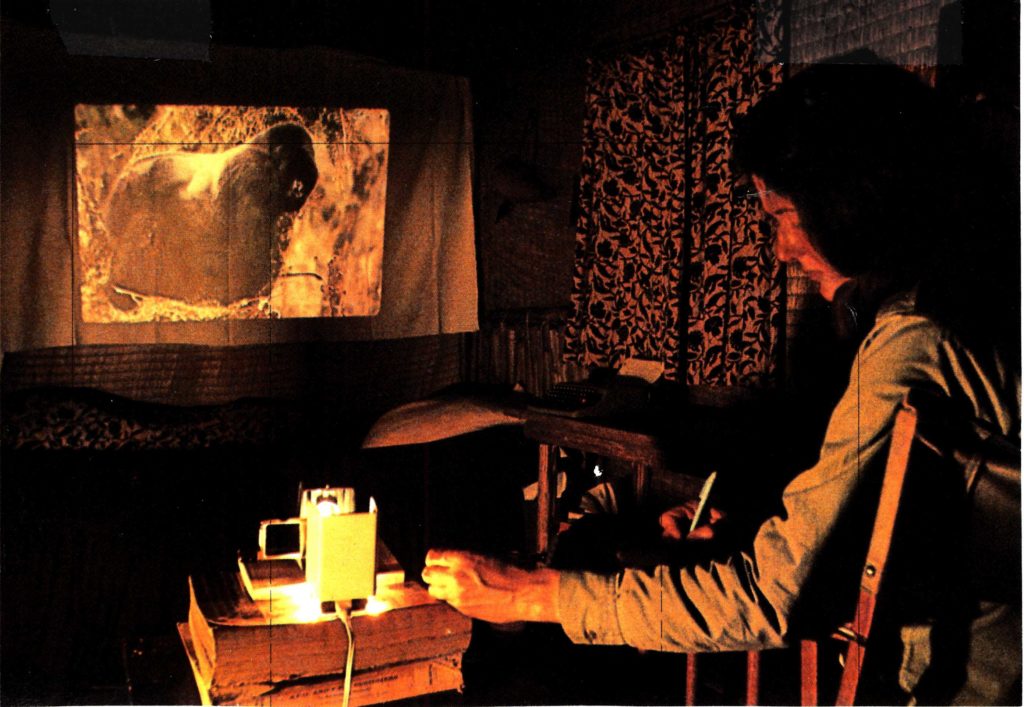
Dian Fossey at her study desk at Karisoke Research Center
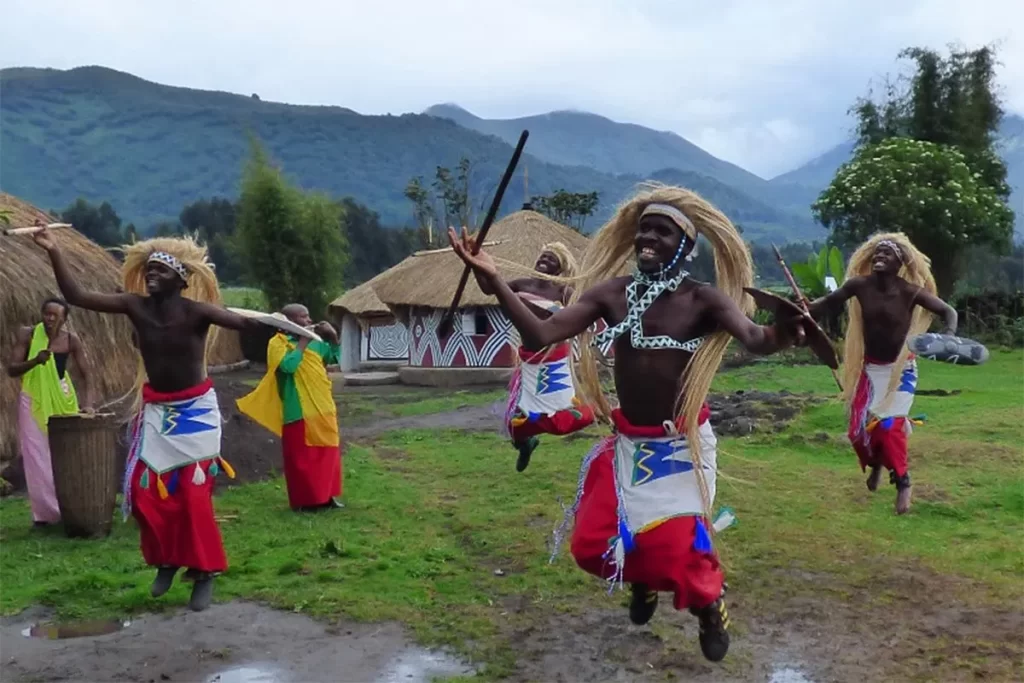
The second option centers on Rwanda’s living cultural traditions. The Iby’Iwacu Cultural Village, located near the park boundary, was established specifically as a livelihood and cultural preservation project for former poachers, men who once hunted in the park and now serve as cultural ambassadors, sharing traditional music, dance, storytelling, and artisanship with visitors whose tourism revenue funds both their livelihoods and the park’s conservation. A morning at Iby’Iwacu is not a performance for tourists; it is a genuine conversation between two cultures happening in real time, facilitated by the economics of responsible safari travel working exactly as intended.
The Kigali Day: Starting or Ending Your Safari in Rwanda’s Capital
The 3-day format also allows for a half or full day in Kigali either on arrival or departure without sacrificing any of the core trekking experience. A Kigali city tour with a knowledgeable local guide covers the Kigali Genocide Memorial, the Kimironko Market, the rapidly developing arts district, and the city’s celebrated café culture in a way that makes Rwanda’s extraordinary national transformation comprehensible. Kigali is not simply a gateway city. It is a place that deserves attention in its own right, and the 3-day format provides enough calendar space to give it some.
The 3-Day Rwanda Gorillas and Golden Monkeys Safari: Two Primate Species in Three Days
For travellers who want to maximise primate encounters without extending beyond a short-stay format, the 3-Day Rwanda Gorillas and Golden Monkeys Safari delivers two of Volcanoes National Park‘s most extraordinary wildlife experiences within a three-day framework. Both mountain gorilla trekking and golden monkey trekking take place entirely within the park, which means the logistics remain straightforward and the travel footprint minimal.
Golden Monkey Trekking: What It Is and Why It Complements Gorilla Trekking
The Rwandan golden monkey Cercopithecus kandti is a vibrantly colored primate endemic to the Virunga volcanic region, found in significant numbers only in this specific ecosystem and in Uganda’s Mgahinga National Park. The species gets its name from the striking orange-gold patch across its back, which contrasts with the deep blue-grey of its limbs and the vivid face. These animals are bamboo specialists, spending the majority of their time in the park’s lower bamboo zone which means the golden monkey trek is generally shorter, less physically demanding, and conducted at a lower altitude than the gorilla trek.
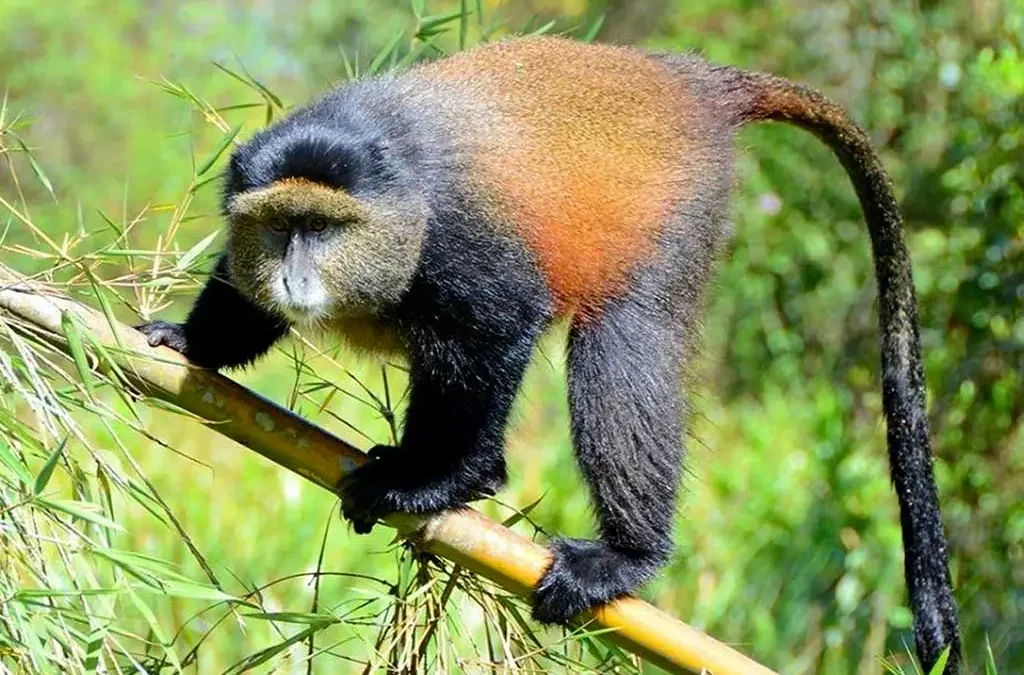
Troop sizes frequently exceed 100 individuals, and the energy of a golden monkey encounter is categorically different from the quiet reverence of a gorilla observation. The monkeys move fast, leap between bamboo stems, descend to the forest floor in swirling groups, and regard human visitors with a curiosity that borders on impudence. The photographic opportunities are outstanding, especially for travellers with longer lenses who can capture the extraordinary contrast of golden fur against jade-coloured bamboo. A golden monkey trekking permit costs USD 100 per person, considerably less than the gorilla permit, but no less rewarding on its own terms.
The 3-day primates format typically structures the golden monkey trek on the morning of Day Three or Day Two, bracketing the gorilla trek in the middle of the safari for maximum emotional impact. The itinerary structure, which experienced safari planners recognize as nearly perfectly paced for a three-day window, begins with a warm-up with the golden monkeys, builds to the gorilla encounter, and then allows for reflection on both experiences during the return journey to Kigali.
The 4-Day Exclusive Rwanda Gorilla and Golden Monkey Safari: The Short Safari Done to Perfection
The 4-Day Exclusive Rwanda Gorilla and Golden Monkey Safari is the most comprehensively considered option in the short-safari category. Three nights near Volcanoes National Park eliminate every element of rush and compression from the experience, allowing the itinerary to breathe in a way that shorter formats cannot. The itinerary includes gorilla trekking, golden monkey trekking, a cultural engagement, and genuine downtime at a world-class lodge, all of which fit comfortably within four days, allowing each activity to shine without crowding the others.
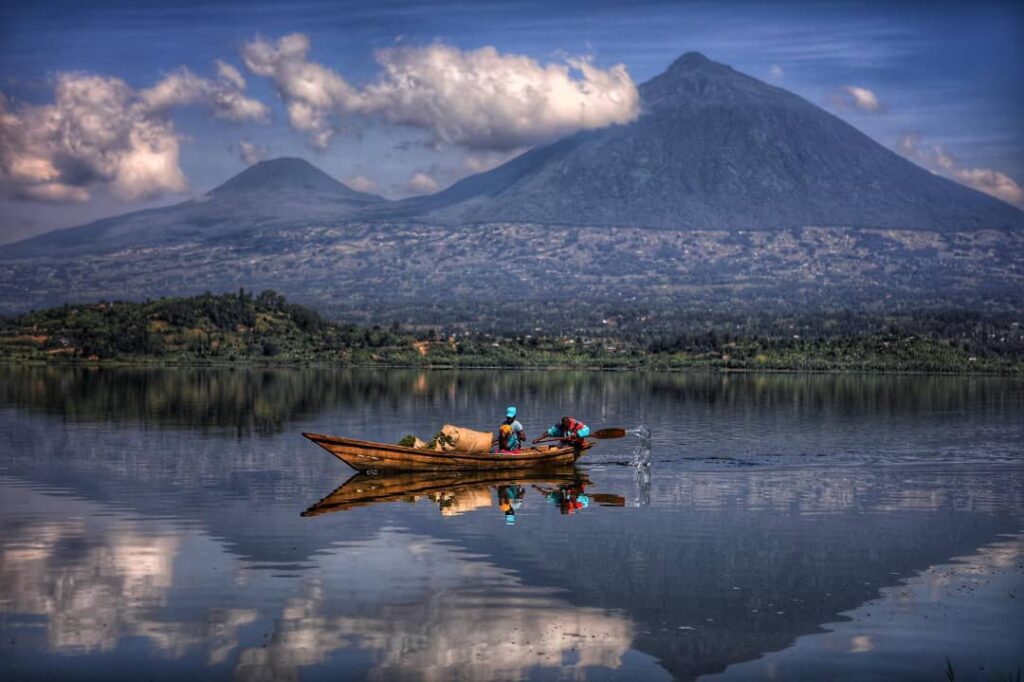
The fourth day typically belongs entirely to the traveller, who can choose between a morning hike on the lower slopes of a Virunga volcano, a guided walk to one of the twin crater lakes of Burera and Ruhondo with their mirrored volcanic reflections, or simply an unhurried lodge morning with a book and the volcanoes. This unstructured time is not a scheduling gap; it is a deliberate design choice by experienced safari planners who understand that the quality of any intense wildlife experience is enhanced by the space around it. The gorilla encounter is more vivid in retrospect when you have spent an afternoon sitting on a terrace watching the same mountains the gorillas live in, rather than racing directly from the forest to a vehicle heading back to the capital.
The 4-day format also offers the most practical accommodation flexibility. Three nights allows for lodge combinations, an opening night at a more accessible property near Musanze, the trekking nights at Bisate or Singita, and a final night at One and Only Gorilla’s Nest for a different property experience which suits travellers who want to compare Rwanda’s finest lodges within a single itinerary. Rwanda Gorilla Expeditions thoughtfully designs these combinations based on permit dates, lodge availability, and the traveller’s personal preferences.
Gorilla Trekking Permits for Short Safaris: Cost, Availability, and Booking Lead Times
The gorilla trekking permit is the single most important logistical element of any short Rwanda gorilla safari, and it should be secured before any other component of the trip is confirmed. The permit currently costs USD 1,500 per person for non-East African residents, which is the official rate set by the Rwanda Development Board. This amount is fixed, non-negotiable, and non-refundable except under specific circumstances defined in park policy. East African Community citizens are eligible for a reduced permit rate; Rwanda Gorilla Expeditions can advise on eligibility and current rates at the time of inquiry.
Rwanda issues a maximum of 192 gorilla trekking permits per day, covering 24 habituated gorilla families at eight visitors each. This cap exists for conservation reasons; limiting human contact reduces the risk of disease transmission and behavioral disturbance to the gorillas, and it means that permit availability is genuinely finite. During the peak dry season months of June through September and December through February, permits can sell out six to nine months in advance at popular trekking dates. This is not marketing language; it reflects the reality of a destination where global demand routinely daily exceeds supply.
For short safari travellers, the practical implication is clear: if you have a preferred trekking date or a fixed travel window, permit confirmation must come first. Lodge availability, flight arrangements, and all other logistics follow the permit date, not the other way around. Rwanda Gorilla Expeditions manages the permit sequencing as the default approach for every guest who enquires, checking real-time permit availability before discussing any other element of the itinerary. For travellers who want to understand the full seasonal context before booking, the comparative guide on Rwanda vs. Uganda gorilla trekking provides a detailed breakdown of how permit availability, cost, and conditions differ between the two primary gorilla trekking destinations.
For low-season travel in March through May and October through November, permit availability is generally better, and lead times of two to three months are typically sufficient, though earlier booking always reduces risk. Cancellation and date-change policies are set by the Rwanda Development Board and vary by circumstance; Rwanda Gorilla Expeditions advises every guest on current policy at the time of inquiry, as these terms are occasionally updated.
Luxury Lodges Near Volcanoes National Park: Where to Sleep on a Short Gorilla Safari
Accommodation selection is the element of a short Rwanda gorilla safari that most directly determines the quality of the overall experience more than any other variable except the gorilla encounter itself. Staying near the park in a property that matches the landscape’s drama and the experience’s significance is not an indulgence; it is a structural requirement of a well-designed safari. Spending USD 1,500 on a gorilla permit and USD 90 on a guesthouse undermines the entire investment. The lodges below represent the benchmark properties for short gorilla safaris in each category.
Wilderness Bisate Lodge: Africa’s Most Extraordinary Gorilla Safari Property
Wilderness Bisate Lodge is, by any rigorous measure, one of the finest safari lodge properties on the African continent. Six ensuite forest villas, each architecturally referencing Rwanda’s royal rondavel tradition in their circular design, are built into the forested slope of an eroded volcanic cone on a private concession adjacent to Volcanoes National Park. The views of the five Virunga volcanoes visible from each villa’s private deck are genuinely unrivalled in the region. Heated floors, clawfoot baths, butler service, and a wellness center integrated into the reforested hillside complete a property that operates at a genuine global five-star standard. Nightly rates start at approximately USD 2,000 per person in peak season, on a full-board basis. For a short gorilla safari, one night at Bisate justifies the cost entirely.
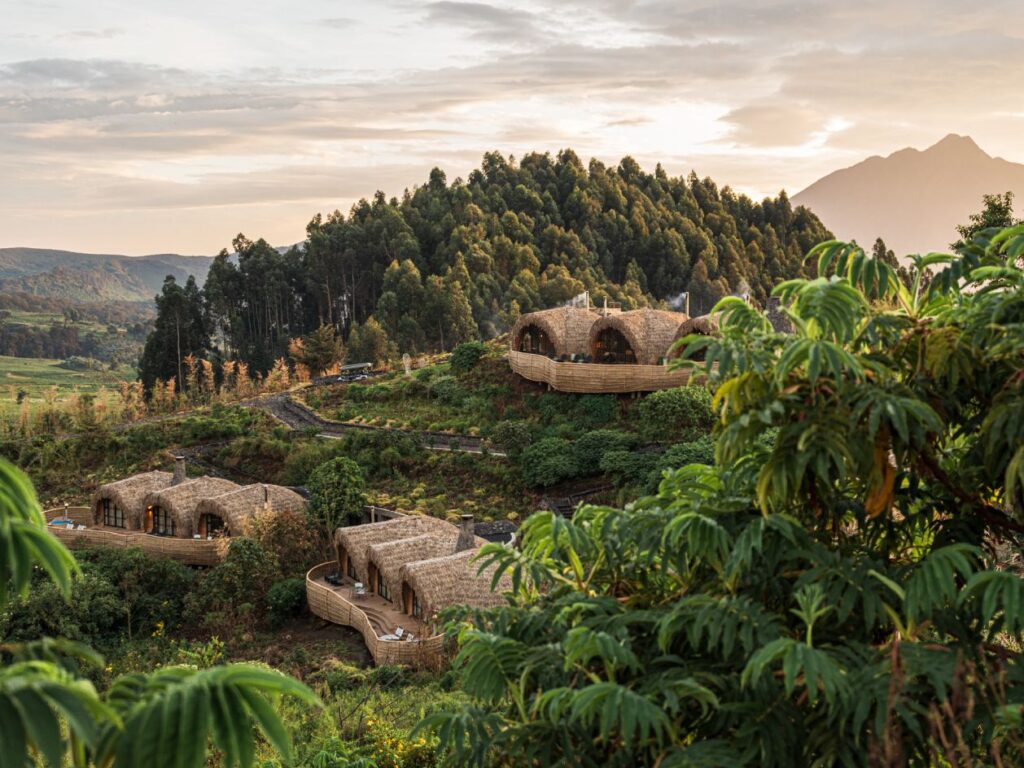
Bisate’s active reforestation program directly contributes to mountain gorilla conservation by planting endemic tree species across the volcanic cone to extend suitable gorilla habitat. This integration of luxury and conservation purpose is what places Bisate in a category of its own among Africa’s finest properties.
Singita Kwitonda Lodge: Where Global Brand Excellence Meets Rwandan Highlands
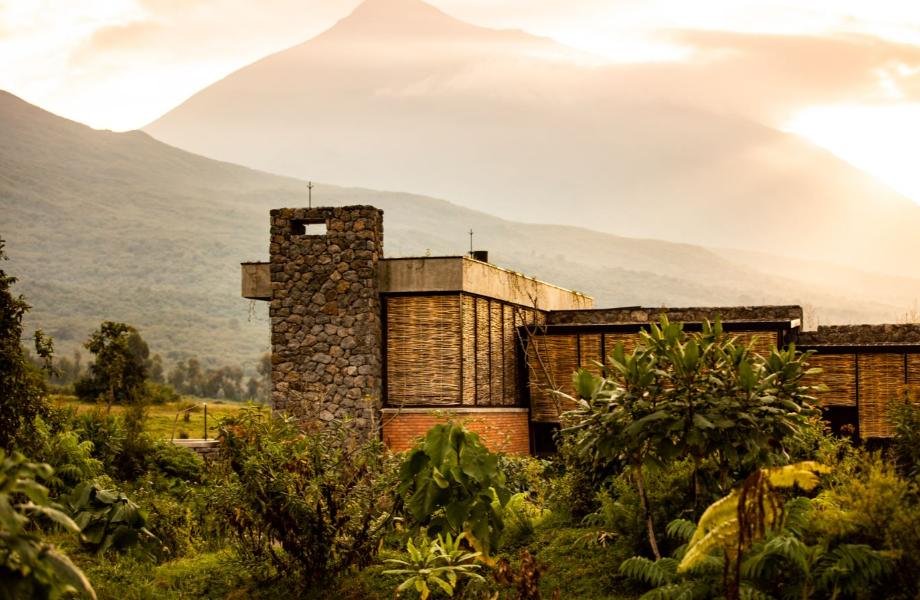
Singita Kwitonda, the globally acclaimed Singita brand’s first Rwanda property, delivers the group’s signature combination of architectural precision, conservation commitment, and exceptional personalized service to the foothills of Volcanoes National Park. Ten spacious suites draw their design vocabulary from the texture and palette of the volcanic landscape basalt, moss, dark wood, and natural fibre in a way that feels both sophisticated and deeply site-specific. The guiding team at Kwitonda is among the best in Rwanda. The wine program is outstanding. For guests prioritizing consistent, brand-assured quality in their lodging, Singita Kwitonda is the natural first choice.
One and Only Gorilla’s Nest: The Warmest and Most Complete Luxury Experience
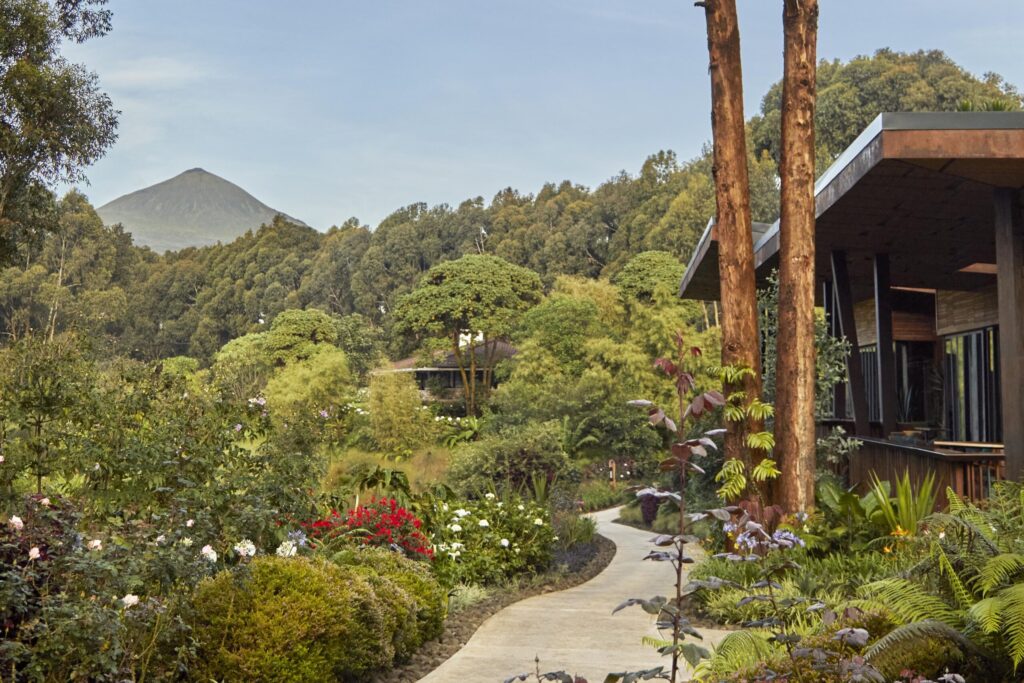
One and Only Gorilla’s Nest occupies a meadow-garden setting in the forest-edge zone near Kinigi, its 25 cottages spread among ancient fig trees with the Virunga skyline forming a constant, wordless backdrop. The lodge’s approach to hospitality is personal and attentive in a way that the smaller boutique properties sometimes cannot match at scale. The One and Only brand’s service training is consistent and meticulous, and the staff-to-guest ratio ensures that no request goes unnoticed. Multiple dining venues, an extensive pool complex, and a spa make the Gorilla’s Nest the most comprehensively amenitied property in the area. For travellers who want maximum comfort options alongside their trekking experience, the lodge is the right choice.
Wilderness Sabyinyo Silverback Lodge: Conservation Impact Built Into Every Night
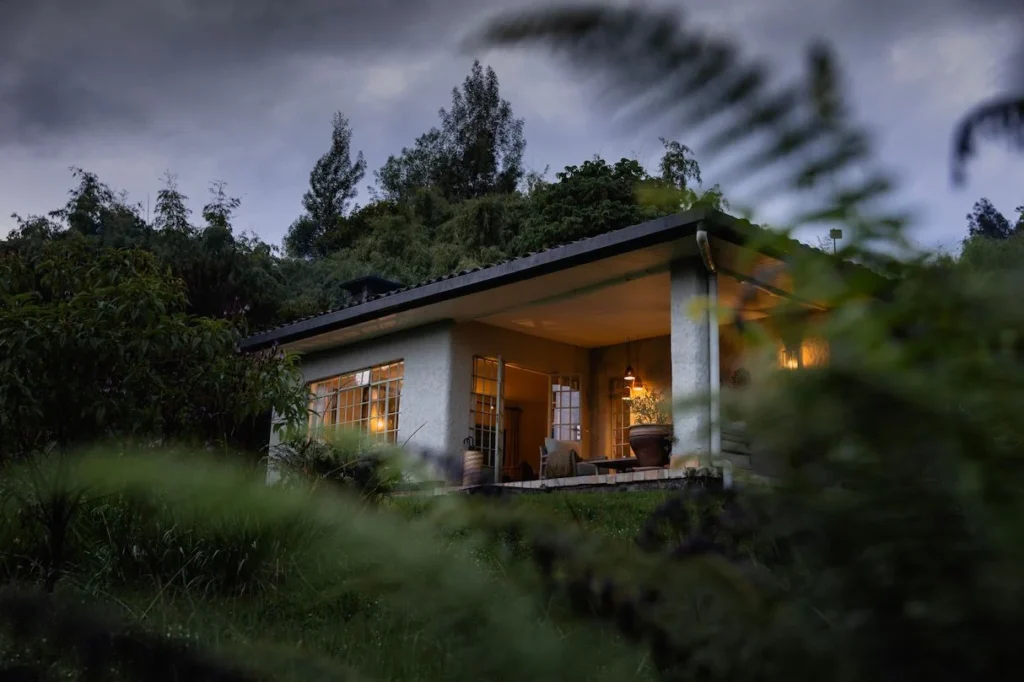
Sabyinyo Silverback Lodge, managed by the African Wildlife Foundation’s Governors’ Camp Collection, occupies a forest-boundary position near the Sabyinyo volcano with sweeping views across the park. The lodge’s community trust ownership model channels a significant portion of nightly revenue directly to local villages making it the accommodation option with the most demonstrable, direct community conservation impact. For travellers who are motivated not just by the quality of the experience but by the certainty that their spending is working, Sabyinyo Silverback is the most purposeful choice in the area.