Gorilla Trekking Photography Tours in Rwanda: How to Photograph Mountain Gorillas in the Virunga Forest.

Gorilla trekking photography tours in Rwanda: one hour, seven metres, no flash. Please ensure you have the right gear, settings, and permits, and then let us know your dates.

Gorilla trekking photography tours in Rwanda are privately guided safaris designed around a single, tightly regulated opportunity: sixty minutes in the presence of a habituated mountain gorilla family in Volcanoes National Park, at a minimum distance of seven metres, with no flash and no more than eight visitors in the group. There is no separate photography permit and no way to buy extra minutes with a standard ticket, so a photography tour succeeds or fails on preparation, on the quality of the guide beside you, and on how many encounters you give yourself. Rwanda Gorilla Expeditions builds these journeys for photographers who want the strongest possible chance of coming home with images worth printing.

The practical framework is simple and fixed. The Rwanda Development Board issues a gorilla permit at USD 1,500 per person, and Volcanoes National Park currently has 24 habituated families, each visited by a maximum of eight people a day, which caps the whole park at 192 trekkers daily. Every group briefs at Kinigi headquarters at 7:00 a.m., drives to a trailhead, walks anywhere from thirty minutes to five hours, and then has one hour with the gorillas. The park lies roughly 110 kilometers and two to two-and-a-half hours by road from Kigali International Airport, which makes it the most accessible gorilla destination in Africa and the easiest to build a photography itinerary around.

Gorilla Trekking Photography Tours in Rwanda: Luxury Guide

What makes gorillas difficult to photograph is not distance but light. The forest at 2,500 meters or higher is dim, green, and dappled; the animals are black, and they move without warning, so most successful frames are made at ISO 3200 to 6400 with a fast lens, at 1/500 second or faster for juveniles and around 1/250 second for resting adults. Photographers who book a second trek with a different family, travel in the dry months, carry a 70–200mm f/2.8 or a 100–400mm zoom alongside a shorter lens, and arrive fit enough to shoot at the end of a steep climb consistently outperform those who arrive with a single chance and an untested camera.

Because permits are the only fixed constraint, planning should begin with them. Permits for June to September and December to February sell out six to twelve months ahead, the best lodges close to the park book even earlier, and a tour that includes two treks needs two permit dates to line up. If you already have travel dates, tell us and we will check availability. What follows is the detail that separates a good photography trip from a great one: the rules, the light, the gear, the settings, the permits, the costs, and the itineraries we recommend.

Permits are limited — spaces fill months ahead

Reserve Your Private Gorilla Trek

Speak with a Rwanda-based specialist today. We secure permits, match you to the right gorilla family, and plan every detail around your schedule.

No group departures · Private itineraries only · Direct Rwanda expertise

What a Gorilla Trekking Photography Tour Really Involves

A gorilla trekking photography tour is a standard Rwandan gorilla trek with every surrounding variable tuned for image-making: the number of encounters, the season, the guide, the lodge, the rest days, and the preparation that happens before you ever reach Kinigi.

How a photography tour differs from a standard gorilla safari

A conventional three-day gorilla safari gives you one permit, one trek, and one hour, and it asks you to perform at your best on the single morning the forest happens to offer. A photography tour assumes the first trek is partly reconnaissance. It places a second trek with a different family on a different day, builds a rest day or a lighter golden monkey morning between them so you can review files, clean equipment, and recharge batteries, and puts you in a lodge close enough to Kinigi that a 6:00 a.m. breakfast and a 6:30 a.m. departure never feel rushed. It also changes the conversation with the park: we tell the Rwanda Development Board in advance how fit your party is and what you are carrying, which informs the family you are matched with at the 7:00 a.m. briefing.

The difference matters because gorilla light is unforgiving. A photographer who shoots the first morning in bamboo at ISO 8000 learns exactly how the camera behaves, which lens was actually used and what was missing from the bag, and applies all of it on the second morning, often with spectacular results.

What the permit does and does not include

There is no photography permit for gorilla trekking in Rwanda. The standard USD 1,500 permit covers personal photography and video, subject to the no-flash rule. Commercial filming, broadcast work, and drone use sit in a different category that requires prior authorization from the Rwanda Development Board, and anyone shooting for a client or a publication should tell us at the very start so that we can ask the right questions on your behalf. Nothing in a standard permit lets you stay longer, move closer, or ask the guides to hold the group in a chosen spot. What you buy is access, and everything else comes from preparation.

Who suits these photography tours

Serious amateurs are the core audience, followed by working professionals building a portfolio, couples who want honest and beautiful images of an occasion, and families with teenagers, since the minimum trekking age is fifteen. The photographic ambition of the party matters far more than its experience. A first-time wildlife photographer with a good zoom, a willingness to practice, and a guide who explains the light can do very well, while an experienced photographer who arrives with an unfamiliar new body and no plan for a dark forest often does less well than expected. A short brief at the planning stage, covering your equipment, your experience, and the pictures you hope to bring home, is the single most useful thing you can send us.

Gorilla Trekking Rules That Shape Every Photograph in Rwanda.

Four rules shape every gorilla photograph taken in Rwanda: one hour of observation, seven metres of minimum distance, no flash, and a maximum of eight visitors per family. Understanding how each one affects your frame is the first step in planning a photography tour, because the rules are not negotiable and the best photographers build their technique around them.

The hour begins when your group reaches the gorillas and settles at the approved distance, not when you leave the trailhead, so the walk, which can run from thirty minutes to five hours, does not eat into your time. Rangers and guides keep a firm watch on the clock, and when the hour ends, the group withdraws without negotiation. The practical consequence is that you should be ready to shoot before the first gorilla appears. Settings should be chosen on the walk, batteries checked, lens hoods fitted, and the camera switched to silent mode, because the first five minutes, when the animals are most settled and curious, are often the richest.

Rwanda vs Uganda: Gorilla Trekking

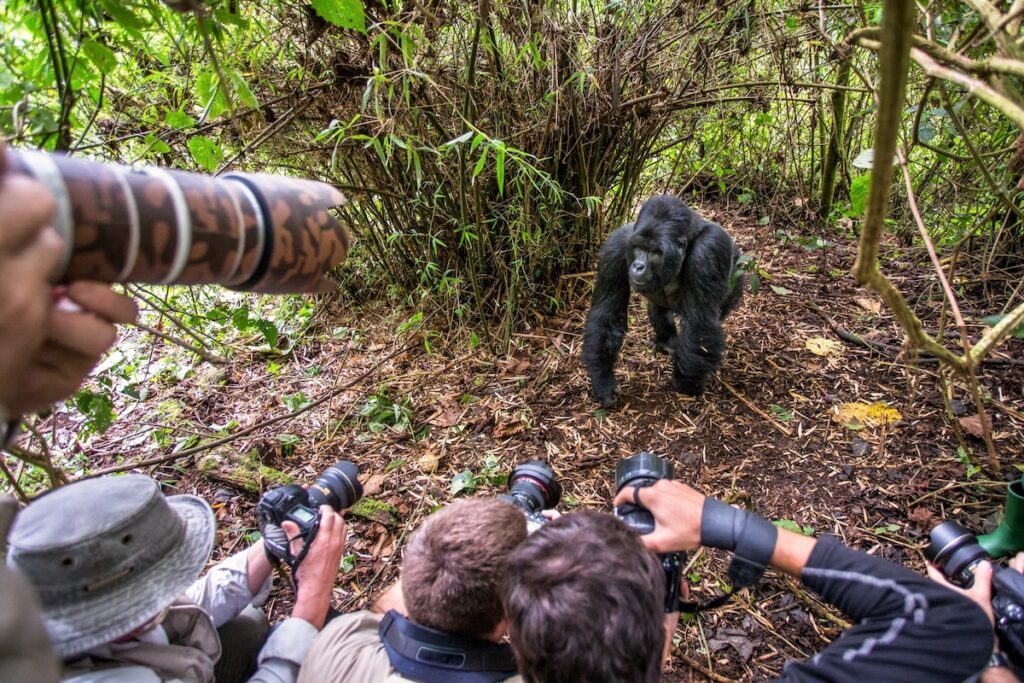
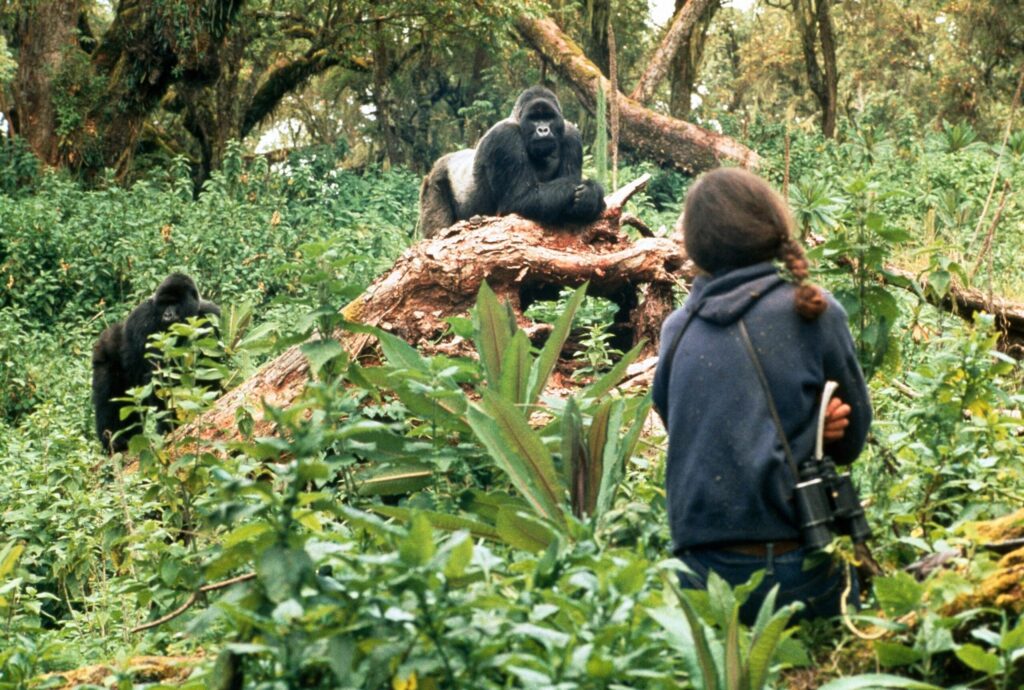
Seven meters is the minimum distance, but what happens when gorillas ignore it? The minimum distance between visitors and gorillas is seven meters, a rule designed to limit disease transmission and keep the animals calm. The gorillas do not read the rulebook. Curious juveniles regularly walk to within arm’s length, and a silverback may choose to rest on the path in front of the group. When that happens, guides ask you to step back slowly and quietly, and you should do so without raising the camera to your face or turning your back. This scenario has a direct effect on lens choice: you may be framing a face at ten meters one minute and a whole animal at two the next, so a single long telephoto is a handicap, and a 70–200mm zoom paired with a shorter lens is a strength.

Flash photography is prohibited and enforced. Eating and drinking are not permitted near the gorillas, and visitors are expected to keep voices low and movements slow. Switch off autofocus beeps and use the electronic shutter if your camera has one, since the mechanical clatter of a burst carries in a quiet forest and can draw attention. Rangers may also ask visitors to wear a surgical mask while close to the gorillas, a precaution to protect the animals from human respiratory disease; please confirm the current requirement with us before you travel, and practice composing with a mask on, because it fogs viewfinders and eyepieces more than most people expect.

Eight visitors, shared space, and what stays behind

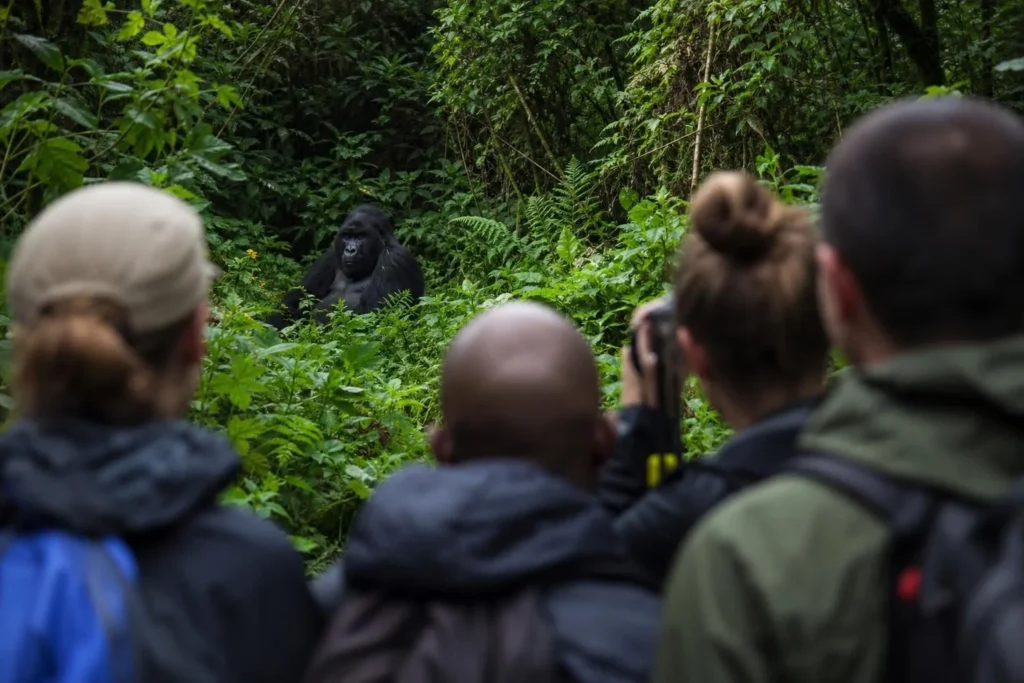
Each family receives a maximum of eight visitors a day, so you will share the encounter with up to seven other people, and the available shooting positions are finite. Guides generally ask the group to leave walking sticks and day packs with the porters before the final approach, so you will carry only your cameras. That makes the way you carry them important, and it is one reason we recommend a chest harness or sling over a neck strap for the climb. A photographer who is polite, quiet, and quick to yield way to others in the group will usually be offered the best position, because guides notice.

Health checks and the sick-visitor rule

Visitors who are coughing, sneezing, or otherwise unwell can be refused permission to trek, because great apes are susceptible to human respiratory infections. Photographers arriving on long-haul flights, especially in cold seasons at home, should take this precaution seriously and build a rest day into the front of the itinerary. Permits are issued by the Rwanda Development Board, and the terms for missed treks are theirs, so ask us about the current position before you commit to dates.

Light and Terrain in Volcanoes National Park: What Photographers Need to Know

Photographing gorillas in Volcanoes National Park is a low-light discipline: encounters usually take place between roughly 2,500 and 3,200 meters in bamboo, Hagenia woodland, and wild-celery clearings, where canopy, mist, and black fur combine to starve a sensor of light.

Equatorial light and the late-morning problem

Rwanda sits close to the equator, so the sun rises near 6:00 a.m. and sets near 6:00 p.m. all year, and the golden hour that landscape photographers chase passes while you are still at breakfast. The briefing at Kinigi begins at 7:00 a.m., the drive to the trailhead takes 15 to 45 minutes, and the walk can last up to five hours, which means most photographic encounters happen between roughly 9:00 a.m. and noon. By then the sun is high, shafts of light drill through the canopy, and open clearings throw sharp contrast onto black fur. Light cloud is a gift, softening highlights and lifting shadows, and a drizzly morning in the Hagenia woodland often produces better gorilla portraits than a brilliant one. Do not treat poor weather as a loss. Treat it as a different light.

Bamboo, Hagenia woodland, and open slopes

Where you meet the family matters more than which family you meet. In the bamboo zone, the light is green and dim, the backgrounds are cluttered with vertical stems, and autofocus systems hunt for contrast, but the green cast flatters black fur, making the setting unmistakably Virunga. In the Hagenia woodland, gnarled trees draped in lichen filter the light into soft pools that produce some of the most atmospheric portraits in the park. On open slopes and in wild-celery clearings there is more light and more contrast, and the greatest risk is blown highlights from pale ground or sky behind a dark animal. A competent guide will tell you which habitat the trackers have reported, which lets you choose a lens, an ISO ceiling, and a mindset before you arrive.

Mud, rain, and altitude

Daytime temperatures at park headquarters typically run from about 11 to 19°C in the dry season, and the forest is wet underfoot on most days of the year, so cameras and lenses must be weather-sealed or properly covered. The altitude does not affect equipment, but it does affect photographers: breathing is harder above 2,500 meters, hands shake after a steep climb, and the first minutes of an encounter can be spent recovering. Take thirty seconds to breathe before the first frames. Sharp pictures at 1/500 seconds require a steady body.

Plan Your Rwanda Safari

Start Planning a Private Gorilla Trek

Rwanda gorilla permits sell out months in advance. Secure your dates before the season closes.

Best Camera Gear for Gorilla Trekking Photography

The best camera setup for gorilla trekking is a modern body with strong high-ISO performance and weather sealing, a quick 70–200mm f/2.8 or a 100–400mm zoom, and a second lens or body covering 24–70mm, all carried in a way that leaves both hands free for the climb.

Camera bodies: low-light capability matters most

The body that suits gorilla trekking is the one you know best, provided it produces clean files at ISO 6400 and is sealed against rain. Full-frame mirrorless bodies such as the Canon EOS R6 Mark II, Nikon Z6III, and Sony A7 IV are natural fits because they combine good high-ISO performance, fast autofocus, and silent shooting. Crop-sensor bodies are workable and give you extra reach, but their smaller sensors pay a noise penalty in this light. A second body is a luxury worth having, not for redundancy alone but because it lets you carry a short and a long lens ready to use without changing glass in the rain. Whatever you bring, shoot with it for at least a month before you travel, preferably in dim woodland, so that menus and focus modes are muscle memory when the silverback appears.

Lenses: one workhorse zoom and one short companion

The single most useful lens is a 70–200mm f/2.8 on a full-frame body, which covers the face-and-shoulders portrait at seven meters and the full-body family group at four. A 100–400mm zoom adds reach for golden monkeys and for occasions when the group is held at the edge of a clearing, although its slower aperture costs a stop or more in the bamboo. Pair either with a 24–70mm f/2.8 or with a 35mm or 50mm prime at f/1.4 to f/1.8 for the moments when a juvenile arrives at two metres, for environmental frames of the family in its forest, and for portraits of your guides, trackers, and porters. A super-telephoto prime of 400 mm or longer is heavy, difficult to hold on a steep trail, and largely unnecessary at these distances, and teleconverters cost light you cannot spare.

Carrying, supporting, and protecting your equipment

Tripods are impractical on the trail and in a group of eight sharing limited space, so rely on lens stabilization and a steady stance; a monopod can help with a long zoom, but confirm with your guide before using one. A chest harness or sling is more comfortable than a neck strap over two or three hours of climbing and keeps both hands free for pushing through vegetation. Pack a rain cover for each lens, a microfibre cloth, silica gel sachets, and a small dry bag. Bring at least three charged batteries per body, since cool mornings and constant use drain them quickly, and carry more memory than you think you need: a gorilla hour shot at ten frames per second can yield well over a thousand files, and spare cards cost far less than a missed moment.

Phones, video, and equipment hire

A modern phone is useful for wide frames, behind-the-scenes video, and quick shots of the group, but it is not a substitute for a real zoom in a dim forest. If you do not own a fast 70–200mm, renting one from a camera-hire company at home is the dependable route; we cannot promise rental availability near Musanze, and a lens you have not tested is a risk. Video is allowed alongside stills, and the same rules apply: no lights, no flash, and no sound that disturbs the group. Insure everything, and list serial numbers before you travel.

Camera Settings for Photographing Mountain Gorillas

The most reliable starting point for photographing mountain gorillas is aperture priority or manual exposure at f/4 to f/5.6, auto ISO capped at 6400 to 12800, a minimum shutter speed of 1/500 second for active animals, continuous autofocus with back-button focus, the silent electronic shutter, and RAW files.

Subject Shutter speed Aperture ISO Notes
Resting silverback 1/250–1/400 f/4 1600–6400 Single point on the eye or brow ridge
Feeding adults 1/400–1/640 f/4–5.6 3200–8000 Short bursts for chewing and head turns
Playing juveniles 1/800–1/1250 f/4–5.6 6400–12800 Zone or tracking AF; accept the noise.
Mother and infant 1/400–1/800 f/4 3200–8000 Focus on the infant’s face first.
Golden monkeys 1/1000–1/2000 f/5.6 3200–12800 Continuous AF with a long burst
Family and habitat frames 1/160–1/250 f/5.6–8 800–3200 Wide zoom from a steady stance

Exposure and black fur

A black animal in a dark forest tricks most mammals. If the frame is mostly dim, matrix metering tends to lift the fur towards mid-grey, and if a bright patch of sky or sunlit foliage sits behind the animal, the same system underexposes the gorilla. Neither outcome is what you want. Use spot or center-weighted metering on the animal, check the histogram and highlight warning after the first few frames, and judge by the face rather than the whole frame, since the eyes, nose, and brow ridge carry the detail that makes a portrait. Shoot RAW so you can recover shadows and manage highlights in post, and on modern sensors, err slightly toward a brighter exposure that protects shadows without clipping the sunlit patches.

Autofocus and depth of field

Dark faces give autofocus little contrast to lock onto, and foreground leaves attract it. Use back-button focus, continuous autofocus, and a small zone or single point placed on the eye or brow, and avoid wide-area modes in bamboo. Animal eye detection performs unevenly on gorillas, so test it before you rely on it. At seven meters with a 200 mm lens at f/4 on a full-frame camera, depth of field is roughly thirty centimeters, just enough to keep a gorilla’s face sharp from nose to ears; at closer distances or longer focal lengths, stop down to f/5.6, or you will have a sharp eye and a soft muzzle.

Color, noise, and silent shooting

The forest throws a green cast over everything. Set the white balance to shade or cloudy as a starting point, then correct in RAW so the skin tones of your human subjects look natural. Do not be afraid of ISO 6400 or even 12800; modern noise reduction cleans up a sharp, well-exposed frame, whereas motion blur from a slow shutter is unfixable. Turn off focus confirmation beeps, mute any sound alerts, and use the electronic shutter if your body offers it. The quieter your camera, the longer the animals stay relaxed.

Fieldcraft and Composition: Photographing Gorilla Behavior

Good gorilla photography is mostly fieldcraft: reading the group, choosing a position the guide approves, and waiting for the behaviors that make a frame, whether an infant on a mother’s back, a silverback’s direct gaze, or a juvenile mid-tumble, rather than firing at the first animal in view.

Position, eye level, and the guide

Your lead guide controls where the group stands, and the best photographers treat the guide as a collaborator. At the briefing, explain what you hope to shoot, then quietly ask whether a different position is possible once the group settles, and accept the answer. Where there is room to move, kneel or sit to bring the camera to the gorillas’ eye level, which gives intimate portraits and keeps your body language submissive. Avoid holding a direct stare with a silverback through the viewfinder for long periods; lower the camera between frames and look away, as the guides do.

Behaviors worth waiting for

A gorilla hour has a rhythm. The first ten minutes are often calm while the animals take stock of the visitors, followed by feeding, grooming, play, and occasional movement. Wild celery stems stripped with enormous hands, an infant clambering over its mother, a juvenile somersaulting down a slope, a silverback turning to face the group: these are the frames that tell a story. Build a sequence rather than a pile of near-identical files, with a wide frame to set the scene, a medium frame of the family, a portrait of the dominant male, and a close detail such as hands or feet. Patience produces better images than volume, and you will not be able to reshoot.

Backgrounds, foregrounds, and vertical frames

Move a step or two, if the guide permits, to separate a dark animal from a busy bamboo background. Use foliage as a soft foreground frame rather than fighting it, and shoot vertical as well as horizontal; stems, tree trunks, and the sheer verticality of the Virunga forest favor portrait orientation. Watch what is behind the animal’s head, as a bright patch of sky or a pale stem can distract from the gorilla.

When a gorilla comes close

If a gorilla approaches, lower the camera, follow your guide’s instruction, and step back calmly. Never run, never turn your back, and never raise your voice. If a silverback gives a bluff charge, which is rare, the rule is to hold still, crouch slightly, and avoid eye contact while the guides manage the situation. A photograph is never worth breaking protocol, and the encounters people remember best are often those they experienced rather than recorded, so put the camera down for a minute in the hour and simply watch.

Photography Beyond the Gorillas: Golden Monkeys, Crater Lakes, and Volcano Landscapes.

Volcanoes National Park gives photographers four more subjects within a day’s reach of the gorillas: golden monkeys at USD 100, Mount Bisoke’s crater lake at USD 75, the Dian Fossey grave hike at USD 75, and the twin lakes of Burera and Ruhondo, each of which uses a different part of your kit and your technique.

Golden monkey photography

3-Day Rwanda Gorillas & Golden Monkeys Safari

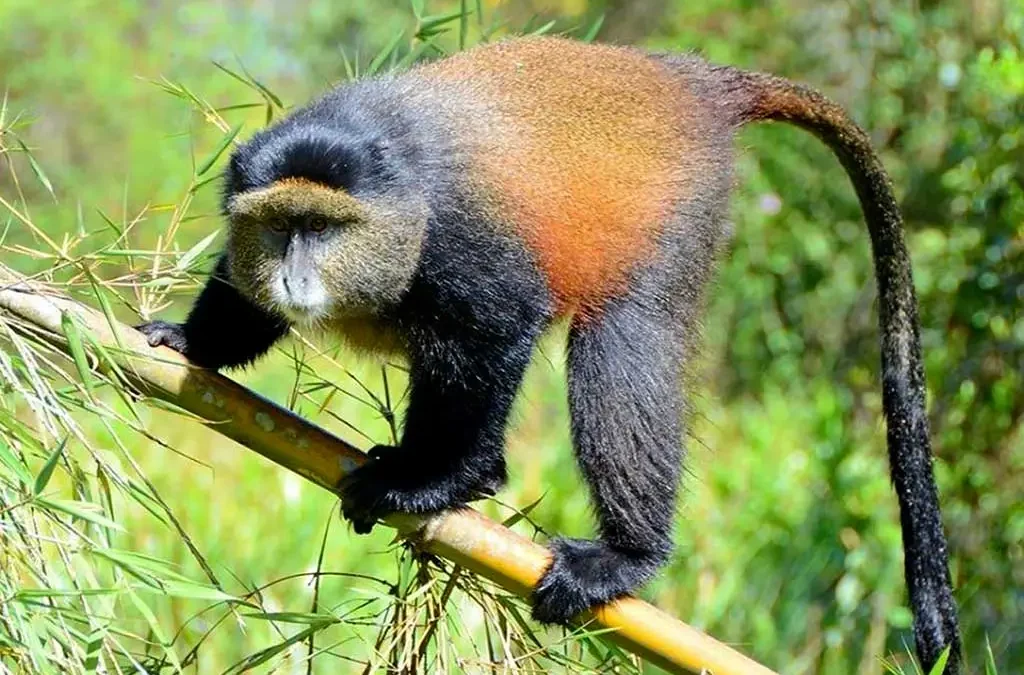
Golden monkeys are endemic to the Virunga Massif, live in troops that can number 30 to 80 individuals, and move through bamboo at speed. The trek is typically shorter and easier than a gorilla trek, and the photographic challenge is the reverse of the gorillas: abundant action, quick-moving subjects, and mottled light. Use a 100–400mm or a 70–200mm on a high-resolution body, shoot at 1/1000 second or faster, and use continuous autofocus with a wide zone and a long burst. Early light filtering through the bamboo makes the orange-gold fur glow against the green. We often schedule the golden monkey morning between two gorilla treks because it is a low-pressure way to test settings and give weary legs a lighter day.

Mount Bisoke and the Dian Fossey hike

Lake Ngezi on Mount Bisoke

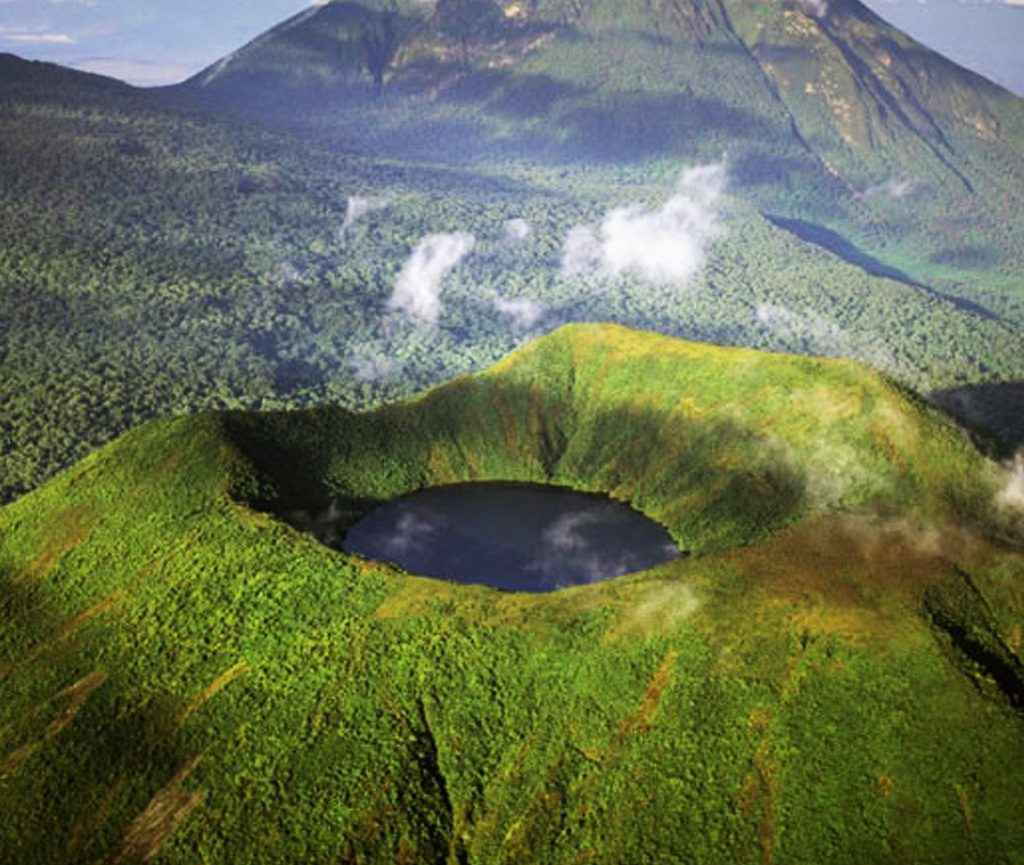
Mount Bisoke is a six- to eight-hour hike of roughly 12 to 15 kilometers that climbs 1,200 meters to a crater lake nearly 400 meters wide at 3,711 meters; only sixteen permits are issued daily. It is the finest landscape subject in the park, but it is a serious day that should come before the gorilla treks, not after, so your legs are fresh for the forest. The Dian Fossey tomb hike covers about six kilometers in three to four hours to the Karisoke site at roughly 2,967 meters and rewards photographers with mood, mossy forest, and the graves of gorillas Fossey knew. A wide-angle zoom, a polarizer, and a lens cloth are the essentials; mist rolls through fast, and a patient photographer waits for it to open.

Twin lakes, cultural village, and lava caves

East of Musanze, the twin lakes of Burera and Ruhondo give soft, reflective dawn and dusk landscapes with the volcanoes behind, and a private boat is an easy half-day on a rest afternoon. The Iby’Iwacu Cultural Village near Kinigi offers dance, drumming, and conversation with former poachers who now work in conservation, and the Musanze Caves provide a very different environment: a lava-tube system that is dark and damp and a good place to practice handheld high-ISO work. Always ask permission before photographing people, offer to show them the picture, and never photograph children without a parent or guide present.

How Many Gorilla Treks Does a Photographer Need? Permit Options Explained.

Most photographers should book two standard gorilla treks on separate days, which costs USD 3,000 per person in permits, because the second encounter is where the lessons of the first become images.

Option Cost Who it suits
Standard gorilla trek USD 1,500 per person One hour with a family in a group of up to eight; the baseline for every itinerary
Second standard trek USD 1,500 per person A different family on another day; our default recommendation for photographers
Exclusive private trek Approx. USD 15,000 per group Private access to one family for the day; couples, professionals, and small groups
Behind-the-scenes experience Approx. USD 15,000 per person Up to three guests for up to three days with researchers; deepest immersion
Golden monkey trek USD 100 per person Fast action and low-pressure practice between gorilla days

Two standard treks: our default for photographers

Two standard permits deliver two different groups, two different habitats, and two different mornings of light. Permits are issued individually, so two photographers in the same party can trek different families on the same day and compare notes over dinner. We usually place a rest day or a golden monkey morning between treks, and we suggest leaving a spare day in the schedule so that an illness or a washed-out morning does not cost you the second encounter.

Exclusive gorilla trekking

The exclusive permit, priced at approximately USD 15,000 for the group, gives your party private access to a gorilla family for the day with no other visitors. For photographers the advantage is freedom: no jostling for position, no waiting for another visitor to move, and a guide whose only job is to serve your frame. What it changes is who is in the forest with you, not necessarily the length of the encounter. If extra time matters to you, tell us at the start so that we can establish what the Rwanda Development Board will approve for your dates.

The behind-the-scenes experience

For photographers who want depth rather than repetition, the behind-the-scenes gorilla experience places up to three guests with primatologists, veterinarians, and researchers for as many as three consecutive days, at approximately USD 15,000 per person for the gorilla element. It is the most expensive and most immersive way to see the animals, and it suits photographers whose interest extends to conservation storytelling and long-form projects.

Plan Your Rwanda Safari

Start Planning a Private Gorilla Trek

Rwanda gorilla permits sell out months in advance. Secure your dates before the season closes.

Choosing Gorilla Families and Preparing Physically for a Photography Trek.

You cannot book a named gorilla family on a standard permit, because rangers assign families at 7:00 a.m. Kinigi briefing based on overnight tracker reports and each group’s declared fitness, but you can influence the outcome by being honest about your condition and your equipment.

How family assignment works

Trackers leave before dawn, follow the trail each family left the previous evening, and radio their position to the ranger station well before the briefing. Rangers then match each group of up to eight to a family according to location, terrain, and fitness. Historically, Sabyinyo, Amahoro, and Umubano range at lower elevations and closer to the park boundary and are often shorter walks; Kwitonda, Hirwa, Agashya, and Pablo sit in the middle; and Susa, Igisha, and Isimbi range higher on Mount Karisimbi and suit strong hikers. None of this is a promise, because every family moves overnight. Our guides log each family’s location every night, which lets us advise on likely habitat and difficulty, with our full roster of all 24 gorilla families.

Fitness with a camera on your chest

A trek can last from thirty minutes to five hours over steep, muddy, uneven ground above 2,500 meters, and a photographer carrying two bodies and two lenses is adding three to five kilograms to every step. Train with hill walks of three to four hours in the boots you will wear, with a loaded harness, for at least six weeks beforehand. Hire a porter at Kinigi regardless of fitness: the fee is roughly USD 15 to 20 plus a tip, the porter carries your day pack and offers a hand on the worst sections, and the income goes directly to a local household. A walking stick is available for hire or free at the briefing point and is worth taking.

Telling us what you carry

When you inquire, tell us how many bodies and lenses you plan to carry, whether you have knee, back, or shoulder concerns, and how comfortable you are on wet slopes. We pass the relevant information to the park in advance so that the match at the briefing reflects reality rather than optimism. Please arrive at Kinigi at least fifteen minutes before your call time, as groups are assembled in the order they check in, and latecomers may risk being reassigned.

Best Time for Gorilla Photography in Rwanda

The best time for gorilla photography in Rwanda is the dry months of June to September and December to February, when trails are firm and fewer rainy mornings spoil the climb, although many photographers prefer the green seasons for richer color and a quieter forest. Gorilla trekking runs every day of the year, and permit prices do not change with the season.

Best time for gorilla trekking.

The dry seasons: June to September and December to February

The long dry season from June to September is the most reliable window, with firm trails and daytime temperatures at park headquarters averaging 11 to 19°C, and it is also the busiest, so permits should be booked six to twelve months ahead. Vegetation can be denser at this time of year, making animals harder to frame, but the comfort of the walk gives you more energy when it matters. September also brings Kwita Izina, the annual infant naming ceremony at Kinigi, which adds to demand. The short dry season from December to February offers similar conditions with somewhat easier permit availability and is our favorite alternative for photographers who cannot travel in the northern summer.

The green seasons: March to May and October to November

The long rains from March to May are the wettest and muddiest stretch, while October and November bring a shorter and less intense wet spell. Trails are harder, rain covers earn their weight, and the light is often flat and grey, but the forest turns a deeper, more vivid green that many repeat visitors and photographers prefer. Visitor numbers fall noticeably, permits are easier to secure, and lodge rates are often lower. Soft overcast is precisely the light that flatters a black-furred subject, provided you are prepared to wipe lenses between frames.

How to choose the best season.

If comfort and the widest choice of families matter most, travel in the dry months and book early. If atmosphere, color, and a quieter forest are priorities, choose the green seasons and bring serious waterproofing. Whichever you pick, leave a spare day in the schedule for weather. If your itinerary also includes Akagera National Park, the dry seasons are best for game viewing, while the chimpanzee trek in Nyungwe is actually easier in the wetter months. So, the best month for the whole journey is a compromise we are happy to discuss.

Cost of a Gorilla Trekking Photography Tour in Rwanda

A luxury gorilla trekking photography tour in Rwanda typically costs USD 8,000 to 15,000 per person for a seven-day itinerary combining gorilla trekking, Akagera, and premium lodges, before the cost of a second gorilla permit (USD 1,500) or any private upgrade. The permit is fixed, accommodation is the main variable, and the figures below show where the money goes.

Item Typical cost
Gorilla permit (each trek) USD 1,500 per person
Golden monkey permit USD 100 per person
Mount Bisoke hike or Dian Fossey tomb hike USD 75 per person each
Mount Karisimbi two-day trek Approx. USD 400 per person
Chimpanzee permit, Nyungwe USD 150 per person
Canopy walkway, Nyungwe USD 40 per international visitor
Akagera entry USD 50 per person per day
Porter at Kinigi Roughly USD 15–20 plus a tip
Luxury lodge, per person per night Ultra-luxury USD 1,000–2,500; excellent mid-range from about USD 200
Helicopter transfer, per leg Approx. USD 800–2,000 depending on aircraft and group size
Rwanda tourist visa Approx. USD 50

Our own planning figures for a seven-day Rwanda safari combining gorilla trekking, Akagera, and premium lodges run from USD 8,000 to 15,000 per person, depending on the season and property, while a 12-day journey that adds the Serengeti’s Great Migration typically runs from about USD 24,000 to 36,000 per person sharing. A photography tour adds a second permit, usually one extra night near the park, and, for some travelers, a private guide for the entire stay. Because permits and lodge rates are charged per person, a solo traveller pays considerably more than one sharing a room, and we are upfront about that arithmetic.

Lodge tier is the biggest lever, followed by season, the use of helicopter transfers, the choice of exclusive or behind-the-scenes permits, and the size of the party. The permit cannot be negotiated, but an experienced operator can tell you where compromise on accommodation genuinely matters and where it does not. For photographers, the money is usually best spent on a second trek and a guide who knows the families, not on the most expensive suite.

What to book first

Secure gorilla permits first, then the lodges closest to Kinigi, and only then flights. Permits are issued in limited numbers by the Rwanda Development Board and cannot be moved once confirmed, so every other element of the trip is built around them. We provide an itemized quotation with no hidden fees, listing exactly what is included and what is not.

Getting There, Visas, Health, and Travelling with Camera Gear

Fly into Kigali International Airport, then travel roughly 110 kilometers north to Kinigi in two to two-and-a-half hours by private vehicle, or reach the park by helicopter in around twenty to thirty minutes if you choose a fly-in itinerary. Everything else in this section is about arriving with your equipment intact and your paperwork in order.

Getting to Volcanoes National Park

The road from Kigali to Kinigi is paved and reliable year-round, although heavy rain in April and May can slow the final approach. There is no scheduled domestic flight or rail link, so every transfer is by road or charter. Same-day transfers from an afternoon arrival are entirely workable, but photographers landing on a late long-haul flight are better served by a night in Kigali, since a weary start makes the first trek harder. Our private vehicles carry equipment on the seats beside you, not in a boot, and our drivers know the Kinigi timing.

Visas, vaccinations, and insurance

Most nationalities can apply online for a Rwanda e-visa at around USD 50 through the Rwanda immigration portal, while East African Community passport holders enter visa-free. A yellow fever certificate is required if you arrive from an endemic country, and hepatitis A, typhoid, and routine vaccines are commonly advised; consult a travel medicine specialist six to eight weeks before you go. Malaria risk is lower at the high altitude of Volcanoes National Park than in Kigali or Akagera, but prophylaxis is generally recommended for the wider itinerary. Travel insurance must include medical evacuation, and your camera equipment should be insured separately for loss, theft, and damage.

Flying and arriving with camera equipment

Carry cameras, lenses, and spare lithium batteries in cabin baggage. Most airlines cap spare batteries and require approval for those above 100Wh, and camera batteries are generally well below that, but check your carrier. Rwanda has banned non-biodegradable plastic bags since 2008, and airport officers may ask you to remove plastic carrier bags from your luggage, so pack electronics in fabric pouches or dry bags. Power sockets are mainly Type C and J at 230 volts. Back up your cards every evening to two places, such as a laptop and a portable drive, and never format a card until the files are verified. Carry small US dollar notes for tips and porters, as card facilities at Kinigi are limited.

Where to Stay Near Volcanoes National Park: Lodges for Photographers

Four lodges dominate luxury stays around Volcanoes National Park: Singita Kwitonda Lodge, Wilderness Bisate, One&Only Gorilla’s Nest, and Wilderness Sabyinyo Silverback Lodge, and all sit within twenty to forty minutes of Kinigi headquarters, so the choice is about setting and style, not about the drive.
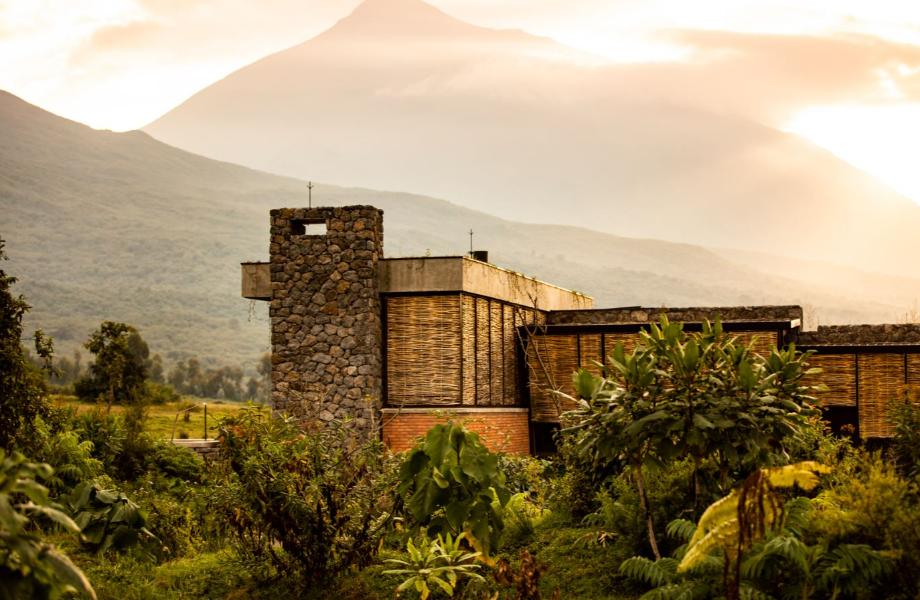
Singita Kwitonda Lodge

Wilderness Bisate sits on a hillside reforested with native trees, and its circular thatched villas are positioned so that golden monkeys are often seen moving through the surrounding trees, which gives photographers a chance to practice on the terrace before a trek. Singita Kwitonda Lodge sits directly against the park boundary with uninterrupted views of the volcanic range, which makes it a strong base for dawn landscape frames. One&Only Gorilla’s Nest offers spacious suites and extensive gardens, with an unhurried atmosphere that many guests find restorative after a hard trekking day. Wilderness Sabyinyo Silverback Lodge is one of the original luxury properties in the area, community-owned and positioned at the base of Mount Sabyinyo, and the community model means your stay has a direct local benefit.

Photographers should ask for an early breakfast around 6:00 a.m., a dry corner or drying space for wet equipment, and reliable charging points; we confirm these details with the lodge before you arrive. A rest day in the lodge, with a spa treatment and a laptop evening to review and cull files, is not an indulgence but part of how a photography tour works.

Photography in Akagera, Nyungwe, and the Rest of East Africa

Rwanda’s two other national parks give a gorilla photographer entirely different subjects: Akagera for Big Five and shoebill photography, and Nyungwe for chimpanzees, Angolan colobus, and the canopy walkway. Both can be added to a photography tour without a border crossing.

Akagera National Park: Big Five and the shoebill
Rwanda Safaris: The Complete Expert Guide (2027)

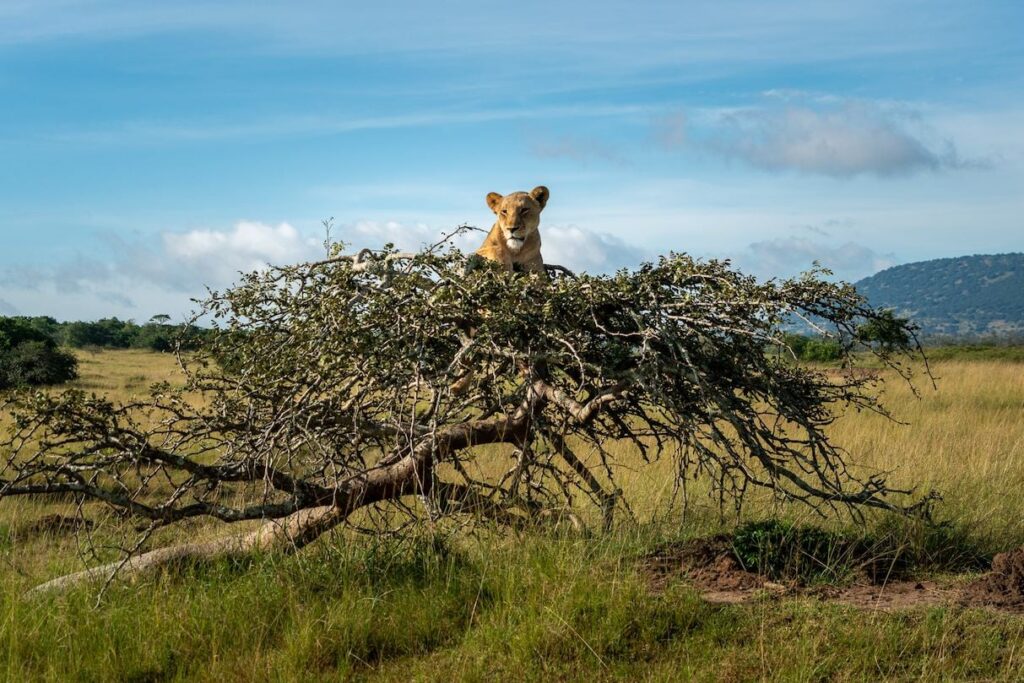
Akagera is a 1,122-square-kilometer savanna reserve co-managed by the Rwanda Development Board and African Parks since 2010, where lions were reintroduced in 2015 and black rhinos in 2017, completing the Big Five. For photographers it offers open light, long distances, and the shoebill stork in the papyrus swamps of the northern lakes. Bring a 300mm lens or longer; the park is the one place in Rwanda where focal length is a real advantage. Entry costs USD 50 per person per day, a boat safari on Lake Ihema adds roughly USD 35 to 45, and the best light for big cats is at dawn and dusk, with night drives for lodge guests offering a chance at leopards.

Nyungwe Forest: chimpanzees and the canopy

Nyungwe’s chimpanzee permit costs USD 150 per person, and the canopy walkway, a 160-meter suspension bridge reaching about 70 meters above the forest floor, costs USD 40. Chimpanzees are far faster and less predictable than gorillas, and the light in the main forest block is as challenging, so a quick prime and a high shutter speed are essential. Angola colobus form large troops and are easier to photograph, and the canopy walk gives rare eye-level frames of hornbills and canopy birds.

Ethical Gorilla Photography and Conservation

Ethical gorilla photography means treating the seven-meter rule, the one-hour limit, and the no-flash rule as the minimum, not the target, because every disturbance falls on animals that number just over one thousand worldwide. The mountain gorilla was reclassified from Critically Endangered to Endangered by the IUCN in 2018, one of the few genuine recoveries among great apes, and that recovery rests on tourism that is carefully managed.
Mountain Gorilla Conservation in Rwanda: The Full 2027 Guide

Never ask a guide to push the group closer, never encourage a gorilla to approach, and never take a photograph at the cost of your own distance or silence. Caption images honestly: do not present a close crop of a wide-angle frame as a bluff charge, and do not imply that a photograph was taken at a distance or in conditions it was not. If you publish or sell images, say where they were taken and credit the park and your guides. The Rwanda Development Board directs 10 percent of park tourism revenue to communities around the park, and the Dian Fossey Gorilla Fund continues research and protection work in the Virunga Massif, so a photography tour that respects the rules supports the same system that protects the animals you came to photograph. Commercial filming and drones require prior authorization, and we will help you ask for it.
Plan Your Rwanda Safari

Start Planning a Private Gorilla Trek

Rwanda gorilla permits sell out months in advance. Secure your dates before the season closes.

Frequently Asked Questions About Gorilla Trekking Photography Tours.

What is a gorilla trekking photography tour?

A gorilla trekking photography tour is a privately guided gorilla safari designed to maximize your chances of strong images during the one hour you spend with a habituated family. In Rwanda, it is built around the standard USD 1,500 Rwanda Development Board permit, as there is no separate photography permit. The itinerary typically adds a second trek with a different family, a rest day, and a golden monkey morning for practice and lodges within twenty to forty minutes of Kinigi headquarters. Your guide is briefed on your equipment and fitness before you arrive, and we tell the park in advance so the family match reflects your needs. The encounter itself follows the same rules as any other trek: seven meters of distance, no flash, and a maximum of eight visitors.

How much does a gorilla trekking photography tour in Rwanda cost?

A luxury gorilla trekking photography tour in Rwanda typically costs USD 8,000 to 15,000 per person for a seven-day itinerary that combines gorillas, Akagera, and premium lodges, with a second gorilla permit adding USD 1,500. The permit itself is USD 1,500 per person and is fixed by the Rwanda Development Board, while luxury lodges range from about USD 1,000 to 2,500 per person per night at the top end. A golden monkey permit costs USD 100, and a Mount Bisoke hike costs USD 75. Helicopter transfers add roughly USD 800 to 2,000 per leg depending on the aircraft, and an exclusive private trek costs approximately USD 15,000 for the group. We provide an itemized quotation with no hidden fees, so you can see exactly where each dollar goes.

What is the best lens for gorilla trekking photography?

A 70–200mm f/2.8 on a full-frame body is the best single lens for gorilla trekking in Rwanda. At seven metres it frames a gorilla’s face and shoulders, and at four metres it holds a whole animal or a mother and infant. Pair it with a 24–70mm f/2.8 or a 35mm to 50mm prime for juveniles that approach two metres and for environmental frames of the family. A 100–400mm zoom is useful for golden monkeys and for shots across a clearing, but its slower aperture costs a stop or more in bamboo. Lenses of 400 mm and above are heavy, difficult to hold on a steep trail, and unnecessary at the distances involved.

What camera settings should I use to photograph mountain gorillas?

Start with aperture priority or manual exposure at f/4 to f/5.6. Auto ISO was capped at 6400 to 12800 and a minimum shutter speed of 1/500 second for active animals. Use continuous autofocus with back-button focus and a small zone or single point on the eye or brow ridge, as dark faces give autofocus little contrast. Resting silverbacks can be shot as slow as 1/250 seconds with a stabilized lens, while playing juveniles need 1/800 to 1/1250 seconds. Meter on the animal with spot or center-weighted metering and check the histogram, since black fur confuses matrix metering. Shoot RAW, set white balance to shade or cloudy, and use the silent electronic shutter if your camera offers one.

Is flash allowed when photographing gorillas in Rwanda?

No, flash photography is prohibited during every gorilla encounter in Rwanda, and the rule is strictly enforced by rangers and guides. Flash can startle the animals and alter their behavior, and visitors are expected to keep noise and sudden movements to a minimum for the entire hour. Modern cameras make flash unnecessary: bodies that produce clean files at ISO 6400 to 12800, combined with fast lenses at f/2.8 to f/4, handle the dim forest light. You should also switch off focus-confirmation beeps and any artificial lights, including phone torches and video lights. Eating and drinking near the gorillas are also prohibited.

How long do you get with the gorillas to take photographs?

You get one hour with the gorillas on a standard permit in Rwanda, and the clock starts when your group settles near the family, not when you leave the trailhead. The walk to find the gorillas can take anywhere from thirty minutes to five hours, but it does not count against your hour. When the sixty minutes are up, guides withdraw the group quietly, and the limit is not extended, however good the light or behavior. Photographers who want more time can consider a second trek on another day, an exclusive private permit at approximately USD 15,000, or the behind-the-scenes experience, which runs for up to three days with researchers.

How close do you get to mountain gorillas for photography?

The official minimum distance is seven meters, but in practice gorillas often come much closer on their own. Curious juveniles regularly pass within arm’s length, and a silverback may rest on the path in front of the group. When that happens, guides instruct visitors to step back slowly and quietly, and you should lower your camera while you do so. This variable distance is why photographers need both a short and a long lens, typically a 24–70mm alongside a 70–200mm. A single super-telephoto is a handicap at these ranges.

Can I use a tripod or monopod when gorilla trekking in Rwanda?

A tripod is impractical for gorilla trekking in Rwanda, and most photographers shoot handheld with a lens or in-body stabilization. Up to eight visitors share a limited space around the gorillas; the terrain is steep and muddy, and you will usually leave your daypack and walking stick with the porters before the final approach. A monopod can help with a heavy 100–400mm zoom, but you should confirm with your guide at the briefing before bringing one. A chest harness or sling is more useful than a support because it keeps both hands free on the climb. Practise your handheld technique at slow shutter speeds before you travel.

Can I fly a drone while gorilla trekking in Rwanda?

No, visitors cannot fly drones over gorillas or inside Volcanoes National Park without prior authorization. Drones are regulated in Rwanda by the Rwanda Civil Aviation Authority, and flights in a national park require approval from the Rwanda Development Board as well. The noise and shadow of a drone can disturb gorillas, which is why the park is so strict. Commercial filmmakers who need aerial footage must apply well in advance, and we can help you ask the right questions. For personal photography, plan to capture the Virunga volcanoes from the ground, from Bisoke’s crater rim or from your lodge terrace.

What is the best time of year to photograph gorillas in Rwanda?

The best time to photograph gorillas in Rwanda is the long dry season from June to September or the short dry season from December to February. Trails are firmer, treks are less exhausting, and daytime temperatures at park headquarters average 11 to 19°C. The wet seasons, March to May and October to November, bring muddy trails but a deeper green forest, fewer visitors, easier permits, and soft overcast light that suits black fur. Gorilla trekking runs every day of the year, and permit prices do not change with the season. For peak dates, book permits six to twelve months in advance.

How far in advance should I book a gorilla trekking photography tour?

Book six to twelve months in advance for travel in June to September or December to February, and three to six months for the green season. A photography tour that includes two treks needs two permit dates, and the best lodges near Kinigi often fill before the permits do. The Rwanda Development Board issues a maximum of 192 permits a day across 24 families, and demand consistently exceeds supply in peak months. If you have fixed dates, send them to us first, and we will check permit availability within a few minutes. Late bookings are sometimes possible in the green seasons, but you should not count on a second trek at short notice.

Is Rwanda or Uganda better for gorilla photography?

Rwanda is the more convenient base for photographers, although neither country offers a photographic advantage that outweighs the shared rules. Rwanda’s permit costs USD 1,500 against USD 800 in Uganda, but all 24 Rwandan families are briefed at a single hub, Kinigi, and the park is two to two-and-a-half hours from Kigali. Uganda’s Bwindi Impenetrable Forest operates through four separate sectors, and its dense forest is famously dim, so photographers generally need to be equally ready for low light. Both countries enforce the same one-hour, no-flash, and seven-meter rules.

How fit do I need to be to trek with camera gear?

You need to be comfortable walking three to four hours on steep, muddy terrain at altitudes above 2,500 meters while carrying three to five kilograms of equipment. Treks last from thirty minutes to five hours depending on where the family slept, and you do not choose the difficulty. We tell the park about your fitness and equipment in advance so that rangers can match you with a suitable family at the 7:00 a.m. Kinigi briefing. Hire a porter at roughly USD 15 to 20 plus a tip to carry your day pack, use a walking stick, and train with a loaded harness in your trekking boots for at least six weeks. The minimum age for trekking is fifteen.

Can I photograph gorillas with just a smartphone?

Yes, you can photograph gorillas with a smartphone, but the results in dim forest light are limited compared with a camera and fast zoom. A phone is excellent for wide environmental frames, group shots, and short video clips. Phone cameras struggle at ISO levels above 1600, and their digital zoom degrades quickly, so a close portrait of a silverback at seven meters will lack detail. If you do not own a 70–200mm lens, renting one for the trip is a better investment than relying on a phone for the key frames. Flash and phone torches are prohibited in all cases.

How do I book a gorilla trekking photography tour with Rwanda Gorilla Expeditions?

Booking starts with a brief message to our team on WhatsApp, by email, or through our contact us page, with your preferred dates, group size, photography experience, and equipment. We check permit availability with the Rwanda Development Board, confirm space at the lodges closest to Kinigi, and send an itemized quotation. Your permits are secured as part of a fully managed itinerary, and nothing in the quotation is hidden. We then brief you on gear, settings, packing, and etiquette before you travel, and a Rwanda-based guide meets you at Kigali airport. Please share your travel dates, and we will check permit availability for you shortly.

Ready to Trek? Permits are limited — plan early.

Plan Your Gorilla Trekking Photography Tour with Rwanda Gorilla Expeditions

Gorilla photography rewards the traveller who plans early and prepares honestly, and the difference between a good encounter and an exceptional one is almost always decided months before the trek. Rwanda Gorilla Expeditions works inside Volcanoes National Park every day, tracks the families nightly, and builds each itinerary around the traveler in front of us.

Please share your travel dates, and we will check permit availability for you shortly. Message us on WhatsApp, email rwandagorillaxpeditions@gmail.com, or use our contact page, and include a line about your camera equipment so we can brief the park and your guide in advance.