Getting to and Around Rwanda’s Birding Sites: Flights, Visas, and Distances.
Almost every international visitor reaches Rwanda’s birding sites through Kigali International Airport, and from there a private vehicle with a driver-guide links the key sites, with drive times of two to six hours. Rwanda does not have a safari-style domestic air network, so road transfers dominate the logistics, which makes the order of your stops important.
Flights and visas
Kigali is served by RwandAir and by major international carriers, including KLM, Brussels Airlines, Qatar Airways, Turkish Airlines, Ethiopian Airlines, and Kenya Airways. Most visitors pay USD 50 for a thirty-day single-entry visa, available on arrival or online through Irembo, and the East Africa Tourist Visa at USD 100 covers Rwanda, Kenya, and Uganda for ninety days if you enter through the issuing country. Passports should be valid for at least six months, and you should confirm current rules with Rwanda’s immigration authority before you travel.
Distances and drive times
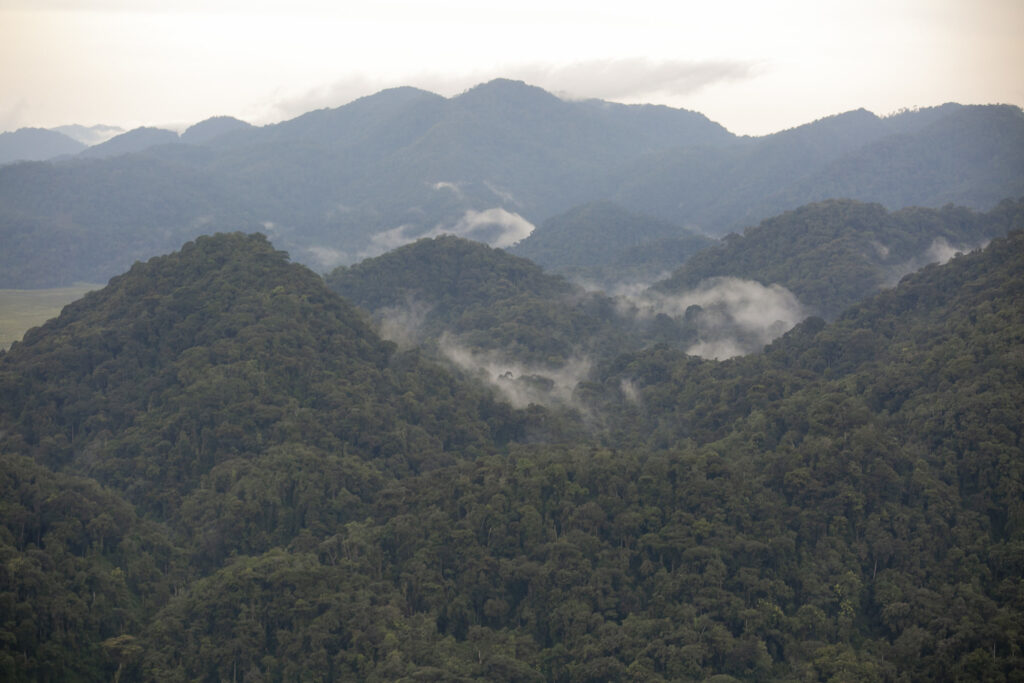
Akagera’s southern gate is about two to two and a half hours from Kigali, Volcanoes is about 110 kilometers and two to two and a half hours, Gishwati-Mukura is about three hours to the west, and Nyungwe is about 225 kilometers and five to six hours. Between Nyungwe and Volcanoes by the Lake Kivu road, the drive is seven to eight hours without stops, and we always break it with a night on the lake. Rugezi Marsh is a short drive from the Volcanoes lodges and can be done as a half-day excursion.
Logical routes for a birding safari
The classic route runs from Kigali to Akagera for savannah and wetland birds, then west across the country to Nyungwe for the Albertine endemics, then north along Lake Kivu to Volcanoes, finishing with gorillas, golden monkeys, and Rugezi Marsh. Birders who want to maximize forest time can reverse the route or omit Akagera, and our 10-day best of Rwanda’s national parks safari follows this circuit.
A Typical Birding Day in Nyungwe and Akagera: Timings and What to Expect
A typical birding day in Rwanda begins before dawn, includes a long, quiet midday and ends with a second outing in the late afternoon, and understanding that rhythm helps you judge how many days you really need. Because Rwanda sits on the equator, daylight is almost constant at about twelve hours, with sunrise close to 6:00 AM and sunset close to 6:00 PM in every month.
A day in Nyungwe
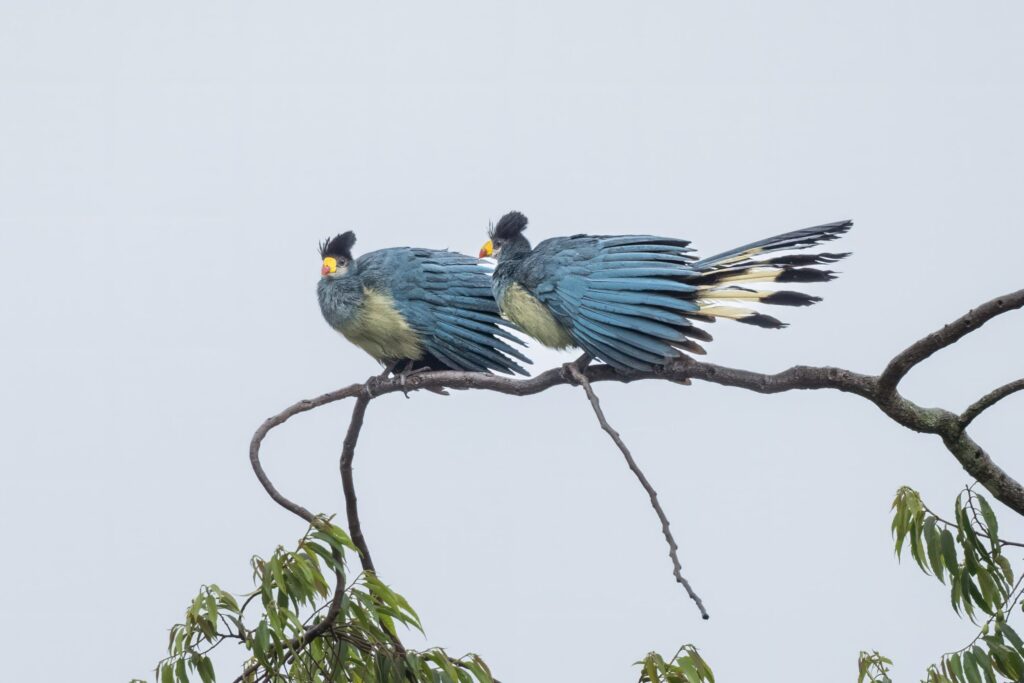
The day begins with a pre-dawn breakfast at about 5:15 AM and a short transfer to the Uwinka area or the forest edge at Gisakura, where the first light brings turacos and sunbirds to the treetops. The first three hours are the most productive and are spent walking slowly on a chosen trail with your specialist guide, stopping for every flock and call. By about 10:00 AM activity slows, and a late breakfast or a rest at the lodge is the sensible response. The afternoon outing, from about 3:30 PM, targets a different habitat, perhaps the swampy valley floor or the tea-plantation edge, and ends at dusk with a drink on the terrace and the day’s list. If chimpanzee trekking is included, it replaces the morning outing and starts earlier, often at about 5:30 AM.
A day in Akagera
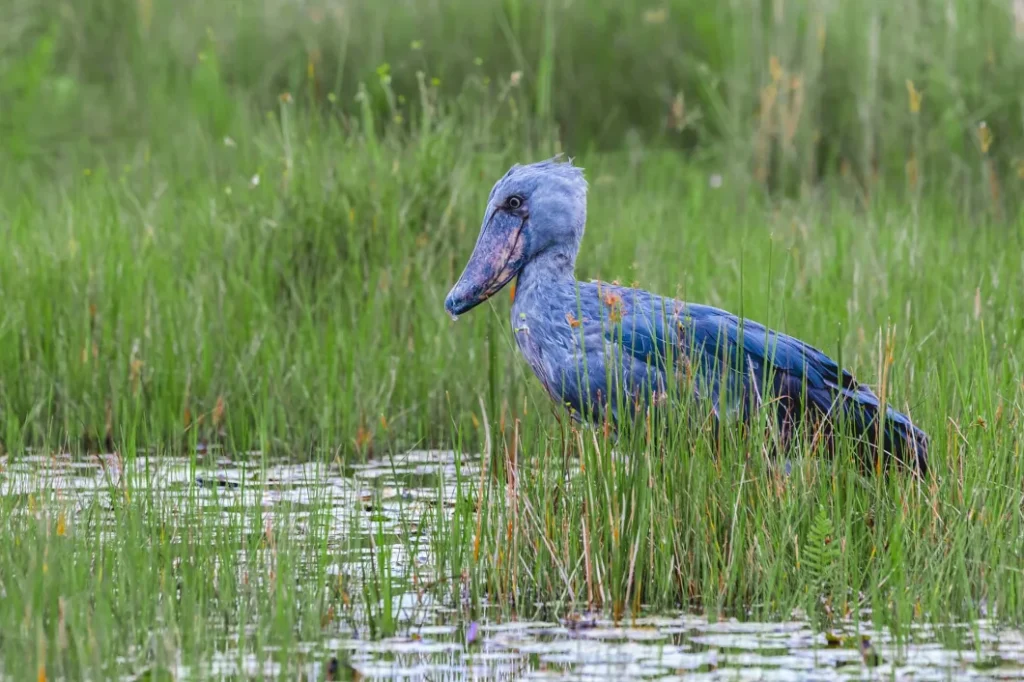
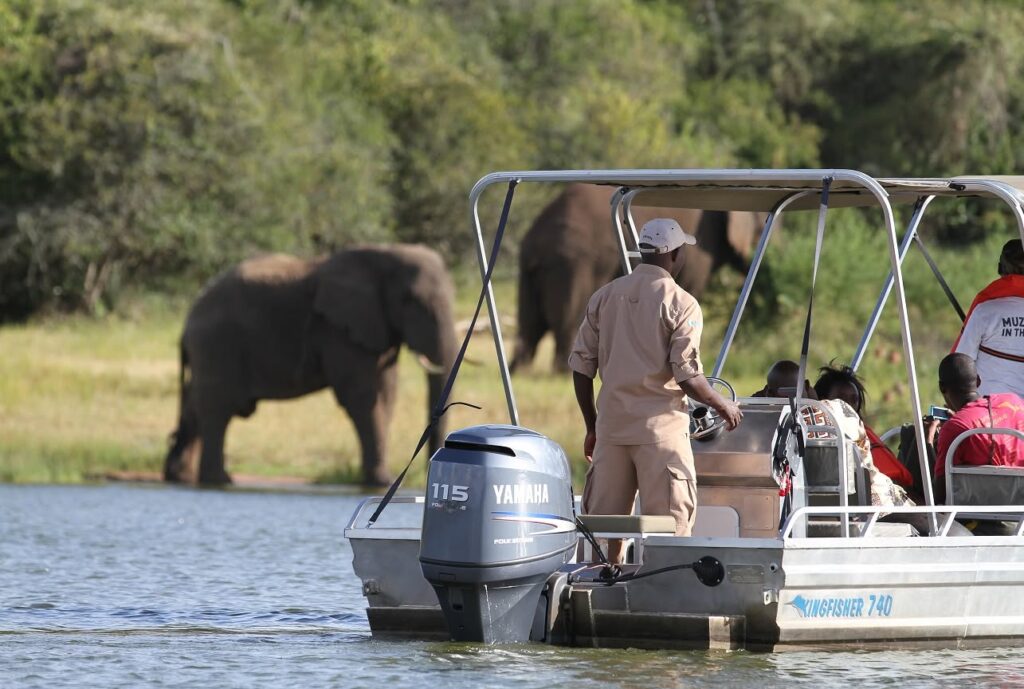
An Akagera day begins even earlier, because the best game viewing and bird activity occur at first light. Guests leave the camp at about 6:00 AM for a morning game drive through the woodland and grassland, where barbets, shrikes, and raptors are active, returning for a late breakfast. The midday hours are hot and quiet, so guests should spend them resting in the shade of the lodge. At about 3:00 PM the boat trip on Lake Ihema or the afternoon drive begins, and the golden light around the papyrus is the best time to search for the shoebill and the Papyrus gonolek. A night drive, which costs about USD 40 per person, can follow dinner and adds owls and nightjars to the list.
How fieldwork changes with the weather
Rain and mist change the rhythm of forest birding, and in the wet months a guide will often wait for a break in the weather, when birds emerge to feed in bursts. A light waterproof hat, a hat with a brim, and patience are essential, and the most memorable sightings often come in the first dry hour after a storm. In the dry season, the challenge is the opposite, because dust and heat make the savannah quiet by mid-morning, so the early start becomes even more important.
Pace and the number of days you need
A realistic birding pace is two outings per day with a rest in between, which means a serious birder needs at least two full days in Nyungwe, two in Akagera, and one at Rugezi or Volcanoes. Adding the travel days on either end gives you the 8-10 days we recommend for your first birding trip in Rwanda. Shorter trips can be rewarding, but they sample a single habitat rather than the full variety that makes the country special.
Choosing a Birding Guide and Birding Responsibly in Rwanda.
The single most important factor in a successful Rwanda birding safari is a skilled birding guide, because Albertine endemics in dense forest are found by sound and local knowledge far more than by sight. We arrange specialist guides in addition to the park’s rangers, and the difference in results is dramatic.
A park ranger-guide knows the trails, the wildlife, and the rules, but a specialist bird guide knows the calls, the feeding trees, and the flock patterns that turn a quiet forest into a productive one. In Nyungwe in particular, a skilled guide can find the red-collared mountain babbler flock that an unaided visitor would walk past. We match guides to your level, whether you are a lister chasing every endemic or a keen amateur who wants a relaxed and knowledgeable companion.
Responsible birding means keeping a respectful distance, never disturbing nests, staying on trails, and avoiding excessive playback of recorded calls, especially in small forest reserves where birds can be stressed by repeated use. Park rules govern conduct and guides will explain them. Flash photography is discouraged for birds and prohibited near primates, and drones are not allowed in Rwanda’s parks. For photographers, a lens that reaches at least 400 millimeters is useful in the forest and on the lakes, and patience matters more than equipment.
Group size and pace
We keep birding groups small, usually two to four guests, because large groups make forest birding harder and noisier. A sustainable and productive pace includes two outings per day, one at dawn and one in the late afternoon, with a long midday rest. We never schedule a long transfer on the morning of a key target.
What to Pack and What to Book in Advance for Rwanda Birding Safari
What you pack should be built around binoculars, layers, and waterproofs, and what you book in advance should begin with the lodges and any gorilla or chimpanzee permits you intend to use, because these sell out before anything else. Birders have specific needs that general safari guides rarely cover.
What to book and when
For June to September and Christmas and New Year, book lodges and gorilla permits six to twelve months ahead, and chimpanzee permits as soon as your itinerary is fixed, since only around two dozen are issued each day. A specialist birding guide, especially a well-regarded one, should be reserved as early as your dates are set. Akagera boat trips and night drives are easier but should still be booked before arrival.
Optics and field gear
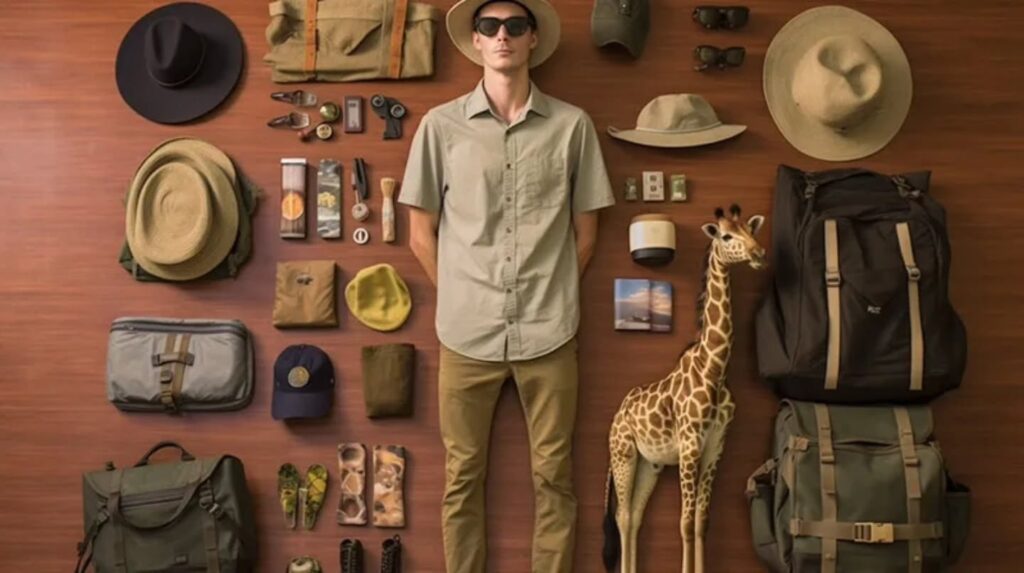
Pack 8×42 or 10×42 binoculars, which are the standard choice for forest and savannah, and consider a spotting scope for Akagera’s lakes. A field guide such as Birds of East Africa, a bird-list app on your phone, and a small notebook are all useful, and a headlamp helps on night drives and pre-dawn starts. Lens cloths and silica packets are valuable in the damp of Nyungwe.
Clothing
For Nyungwe and Volcanoes, pack dark neutral long trousers and long-sleeved shirts, a lightweight waterproof jacket, waterproof ankle-supporting boots, gaiters, thin gardening gloves, a hat, and insect repellent. For Akagera, bring light cotton layers in neutral tones, a wide-brimmed hat, sunscreen, and a warm layer for early morning. Avoid bright colors, which can disturb wildlife and birds.
Rwanda-specific tips
Rwanda bans single-use plastic bags, so avoid packing them. On the last Saturday morning of each month, the national community work day, Umuganda, brings most of the country to a standstill for several hours, so avoid scheduling long transfers at that time. Rwanda drives on the right, uses European-style two-pin sockets at 230 volts and runs on Central Africa Time, and lodges accept cards, though cash is useful for tips.
Health, Safety, and Practical Advice for a Rwanda Birding Trip
Rwanda is regarded as one of the safest and best-organized countries in Africa for visitors, but a safari still requires basic health preparation, and the most useful step is to see a travel-medicine clinic six to eight weeks before departure. Guidance from the US Centers for Disease Control and Prevention is a valuable complement to your clinic’s advice.
Vaccinations and malaria
A yellow fever certificate is required if you arrive from or transit a country with yellow fever transmission, and hepatitis A, typhoid, and tetanus are commonly recommended. Malaria risk is lowest at the high altitudes of Nyungwe and Volcanoes and higher in Akagera and Kigali, so prophylaxis is usually advised for itineraries that include the savannah.
Safety and conduct
Kigali is clean and orderly, the main roads between the parks are well maintained, and birding takes place on established trails with trained guides. Take care on wet forest trails, wear boots with excellent grip, and follow your guide’s instructions near water and swamps. If you are also trekking gorillas, the rules on distance, health, and conduct apply, and you must not trek if you are unwell.
Combining Birdwatching with Gorillas, Chimpanzees, and the Big Five
One of Rwanda’s exceptional advantages for birders is that a single trip can combine world-class birding with mountain gorillas, chimpanzees, and the Big Five, and the same itinerary can serve a serious lister and a non-birding partner without compromise. This is how most of our luxury guests experience the country.
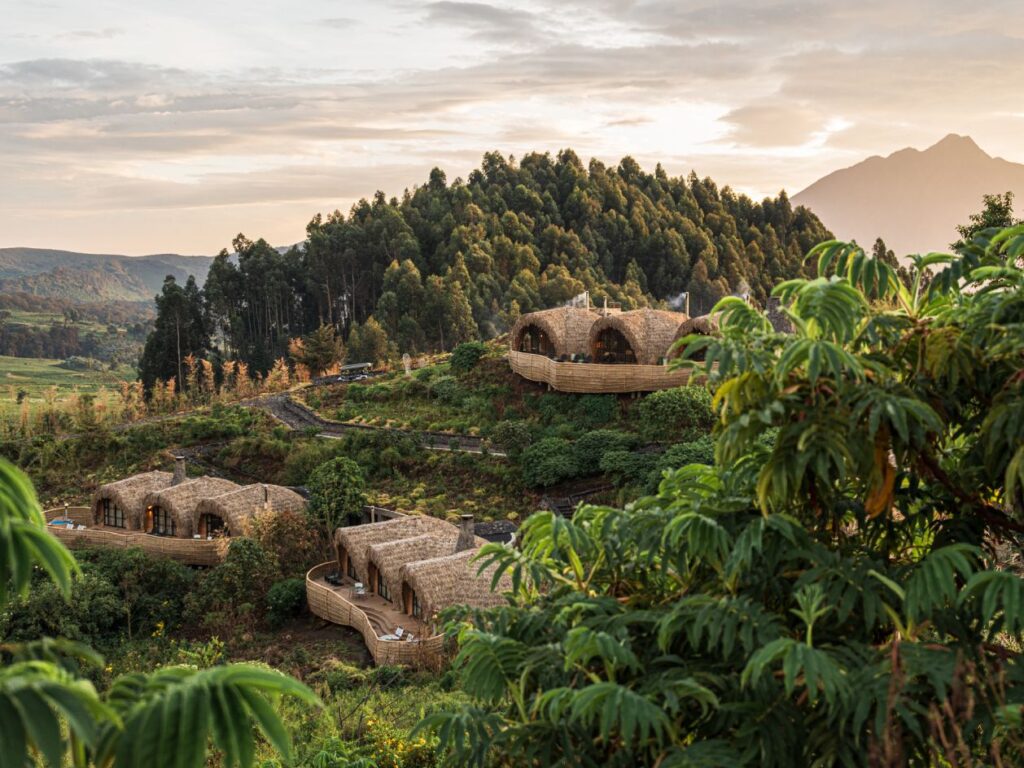
A short volcano stay at the end of a birding journey adds gorilla trekking at USD 1,500 per person and golden monkey trekking at USD 100.
Chimpanzees and the canopy walk
Nyungwe’s chimpanzee trekking, at about USD 150 per person, and the canopy walkway fit naturally into a birding stay, since both take place in the same forest. Our luxury Rwandan primate safari pairs Nyungwe with volcanoes and lets you tailor it with a specialist bird guide.
Akagera’s Big Five
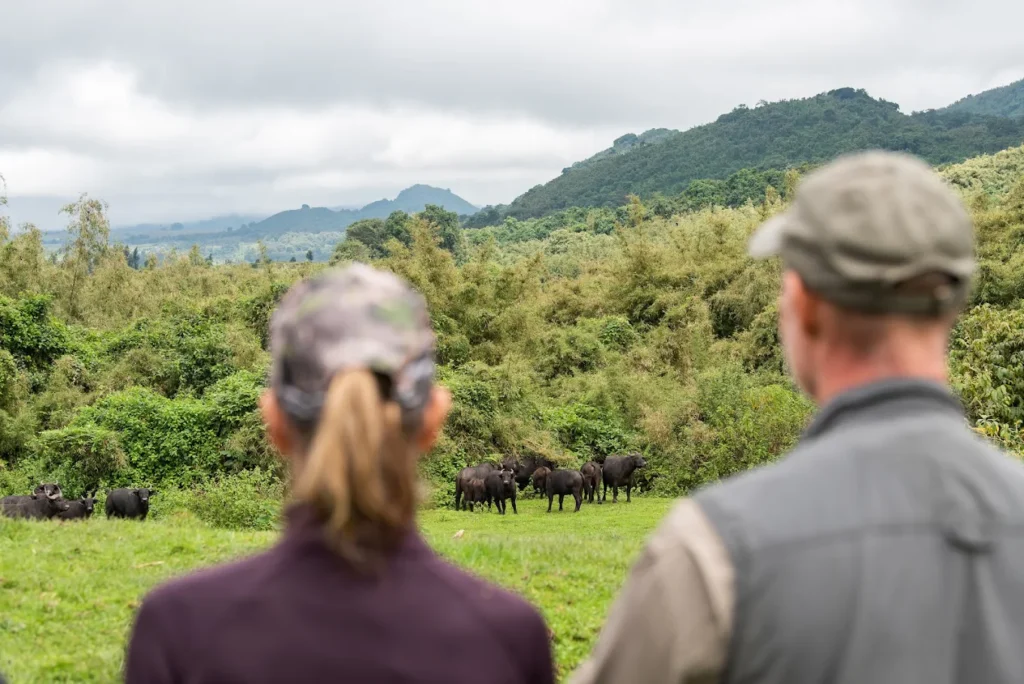
Akagera adds lions, elephants, buffalo, leopards, and rhinos to the bird list, with boat safaris on Lake Ihema giving a different perspective on the park. Explore our Rwanda safari styles to see how you can build photographic and conservation journeys around these opportunities.
Birding across the border in Uganda and Kenya
Rwanda combines well with Uganda, where Bwindi Impenetrable Forest, Kibale, and Queen Elizabeth National Park add further Albertine endemics and a longer checklist, and with Kenya and Tanzania for classic savannah birding in the Masai Mara and Serengeti.
Common Mistakes to Avoid When Planning a Rwanda Birding Safari
The most common mistakes in planning a Rwanda birding safari are allowing too little time in Nyungwe, relying on a general guide rather than a specialist, and building the route so that the longest drive falls on the day of a key target. All three are easy to avoid with a little foresight.
Too little time in Nyungwe
A single night in Nyungwe is rarely enough, because the long drive in and out consumes most of two days and the best birding is at dawn. Plan at least two full days, and three if the Red-collared mountain babbler and the other endemics are priorities.
Over-reliance on ranger-guides alone
Park rangers are knowledgeable and professional, but a specialist bird guide transforms the experience, so book one early. The best guides are often reserved months ahead.
Rushing the shoebill
The shoebill rewards patience, and a single morning boat trip may not be enough. Allow at least two nights in Akagera and two boat outings if the shoebill is a priority, and be prepared for the possibility that it may not appear.
Packing the itinerary too tightly
Birding is physically and mentally tiring, and the best trips build in rest. A long lunch and a quiet afternoon are part of the rhythm of a rewarding birding day, and a rest day at Lake Kivu between Nyungwe and Volcanoes is a pleasing way to recharge.