Gorilla Trekking Permits for Rwanda: The Complete 2027–28 Guide to Cost, Booking, and Availability.

Rwanda gorilla permits cost USD 1,500 per person for one hour with a gorilla family. Learn how to book, when to go, and what’s included. Ask us today.

A gorilla trekking permit for Rwanda is a passport-linked, non-transferable license issued by the Rwanda Development Board (RDB) that allows one visitor aged 15 or over to spend a single, strictly timed hour with a habituated mountain gorilla family in Volcanoes National Park, and for international visitors it costs USD 1,500 per person per trek in 2027–28. The permit is reserved either through the government’s Irembo booking portal or, far more commonly for luxury travellers, through a licensed tour operator who holds the permit, the lodge, and the transfers together. Visit Rwanda, the official tourism board, confirms the price, the minimum age, and the daily limit of 192 permits, which is eight visitors for each of the twelve gorilla families that are open to tourism.

Best Time for a Rwanda Safari: Month-by-Month Expert Guide

That ceiling of 192 people a day is the number that shapes everything else in this guide. It is why permits for the dry months of June to September and the December to January holiday window routinely sell out, why we advise our guests to start the conversation six to twelve months before they want to trek, and why the permit is never the only thing you need to secure. The handful of genuinely luxurious lodges near the park, some with as few as six villas, fill at the same time. A permit without a bed at the foot of the volcanoes forces a very early drive from Kigali, and a lodge booking without a permit is a costly view of a mountain.

The permit fee covers park entry, a ranger-guided trek, and one hour with the gorillas. It does not cover your lodge, your transfers, a porter, gratuities, travel insurance, or your flights. It is generally not refundable, it is tied to the passport details given at booking, and it cannot be sold or passed to a friend. The much-quoted USD 200 and USD 500 promotional rates apply only to East African citizens and to African residents, and they do not apply to international visitors at any time of year. If you are travelling from Europe, North America, the Middle East, or Asia, the figure is USD 1,500, with no seasonal discount and no negotiating room.

The 2026 Bundibugyo Ebola outbreak in the Democratic Republic of Congo has not reached Rwanda, and the Rwandan authorities state that tourism continues as normal, but they have closed the door to any foreign national who has been in or transited through the DRC in the previous 30 days, and masks are required near the gorillas. We explain exactly what that means for your dates, your routing, and your insurance in the section on current conditions below. Everything we’ve written in this permit guide has been checked against RDB and Visit Rwanda information, as well as our own on-the-ground experience at Kinigi, the park headquarters, and is intended for travellers who are between a few weeks and a year from committing.

Permits are limited — spaces fill months ahead

Reserve Your Private Gorilla Trek

Speak with a Rwanda-based specialist today. We secure permits, match you to the right gorilla family, and plan every detail around your schedule.

No group departures · Private itineraries only · Direct Rwanda expertise

What a Rwanda Gorilla Trekking Permit Is and What It Covers

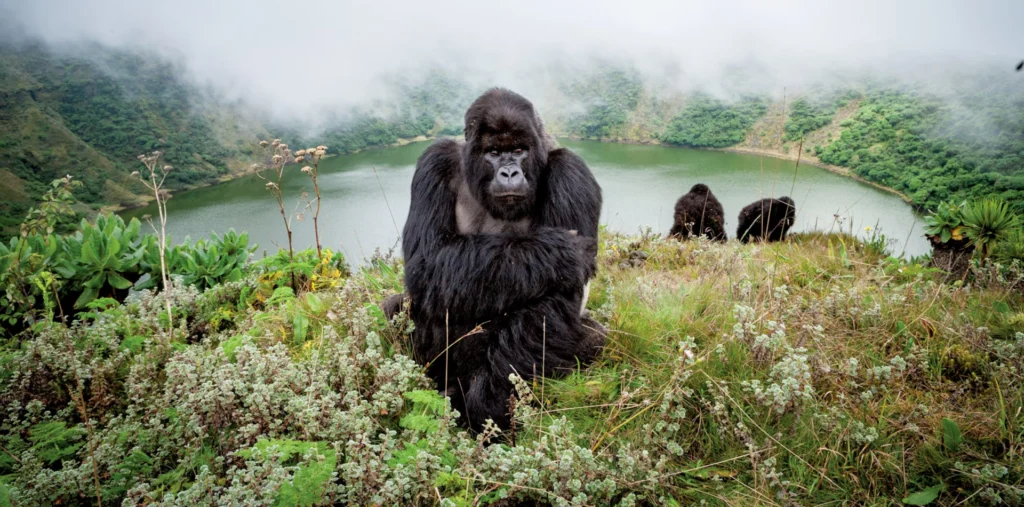
A gorilla permit is best understood as a reservation for one specific family on one specific morning, issued to one named person. Rwanda’s permit system exists for a conservation reason, not a commercial one: by limiting the number of people who can be in contact with each gorilla family to eight a day, and by limiting each visit to one hour, the RDB keeps the stress and the disease risk that human visitors bring to a minimum. Mountain gorillas share roughly 98 percent of their DNA with us, which means they are vulnerable to our respiratory illnesses, and the whole architecture of the permit is built around that fact.

What the USD 1,500 Includes

The fee pays for your entry into Volcanoes National Park, the services of a ranger-guide and the trackers who locate the family each dawn, the armed ranger escort that accompanies every group as a standard wildlife-safety precaution, the briefing at the Kinigi headquarters, and the hour itself. You also receive a certificate at the end of the day, which is a small piece of paper that most guests keep for the rest of their lives. The fee does not buy you a particular family. On a standard permit the RDB allocates families at the morning briefing, taking account of the trekkers’ fitness and the trackers’ reports of where each family spent the night, and it does not accept requests for a named group in advance.

What the Permit Does Not Include

Accommodation, ground transport, meals apart from any packed lunch your lodge provides, porter hire, tips for guides, rangers, and porters, a visa, travel insurance, and international flights all sit outside the permit. For planning purposes, our guests typically budget separately for a gratuity of around USD 20 to 40 for the guide, USD 10 to 15 for the lead ranger and USD 15 to 20 for a porter, paid in cash on the day, in addition to the modest official porter fee. These are guideline figures rather than rules, and they are a particularly useful example of the small logistical details that a specialist operator sorts out in advance so that you are not searching for small dollar notes at six in the morning.

Who Can Hold a Permit

The minimum age for gorilla trekking is 15 years in Rwanda, and the same threshold applies in Uganda and the DRC. The rule is enforced at the Kinigi gate without exception, and the reason is again disease transmission rather than fitness. Anyone showing signs of a cold, flu, or other contagious illness on the day can be refused access to the gorillas, and the permit is then lost in line with RDB’s no-refund policy. For families travelling with younger children, a golden monkey trek and a cultural day are excellent alternatives

Rwanda Gorilla Permit Cost in 2027–28

The price of a standard Rwanda gorilla permit is USD 1,500 per person per trek for foreign non-residents, and it has been at that level for several years. Rwanda is the most expensive gorilla destination in the world by permit price, and this is a deliberate policy. A high price per visitor keeps the number of people in the forest low, funds the park and its communities, and attracts travelers who approach the experience seriously. It is also the reason the area around the park has become the best-equipped luxury safari destination in East Africa.

The Standard Permit for International Visitors

For a traveler from outside Africa, the permit price is USD 1,500, regardless of the month. There is no low-season reduction for foreigners, and we are cautious about any website that suggests otherwise. If you see an offer for a “discounted” Rwanda gorilla permit for an international passport holder, treat it as a warning sign and ask the operator to show you the RDB confirmation. Each permit fee goes to the Rwandan government, either through the Irembo platform or via the operator on your behalf, and any operator fee is a separate, transparent line on your quotation.

Promotional Rates for East Africans and African Residents

Under the promotional rates, Rwandan nationals and citizens of the East African Community can buy a permit for USD 200, other African visitors and African residents pay USD 500, and international tourists continue to pay USD 1,500. The promotional rates do not apply between June and October. This information is relevant for planning because many mixed groups, for example, a family with a relative who lives in Nairobi or Kampala, assume that a resident discount extends to everyone in the party. It does not, and each traveller’s category is determined by the documents they present.

Exclusive and Behind-the-Scenes Experiences

At the top of the range sit two experiences for travelers who value privacy above price. An exclusive-use gorilla trek, priced at approximately USD 15,000 for the group, gives a single party private access to a gorilla family for the day, with no other visitors present. The behind-the-scenes experience, also at approximately USD 15,000 per person according to our program, takes a maximum of three guests into the forest with primatologists, veterinary doctors, and researchers across three consecutive days. Both arrangements are extremely limited, and both should be requested at the very start of planning rather than added later. Prices for these bespoke permits are set by the park authority and can change, so we always confirm the current figure in writing before a guest commits.

The Real Cost of a Gorilla Trek

The permit is only the first line of the budget. A realistic luxury Rwanda trip includes the permit, two or three nights at a top lodge near Kinigi, private transfers, a driver guide, meals, and a few activities. Lodge rates near Volcanoes National Park are quoted per person per night, usually on a full-board basis, and in high season they typically range from roughly USD 1,000 to well above USD 2,000 per person per night at the most exclusive properties, with excellent lodges at lower price points also available. These are indicative figures, and they vary by lodge, season, and inclusions, so we quote precisely at the time of inquiry. For a couple, a short luxury gorilla safari of three or four nights commonly lands in the high five figures in US dollars, with the permits representing a fraction of the total and the lodge nights the largest share.

How Many Gorilla Permits Are Available and Why They Sell Out.

Rwanda issues 192 gorilla permits per day, derived from twelve habituated families multiplied by eight visitors each, with each family receiving only one visit per day. The 24 families open to tourism are Susa, Igisha, Sabyinyo, Amahoro, Agashya, Kwitonda, Umubano, Hirwa, Kwisanga, Muhoza, Isimbi, Matsiko, Humura, Pablo, Kureba, Musilikale, Mutobo, Segasira, Ntambara, Dushishoze, Titus, Izuba, Urwego, and Kigoma. Other groups in the park are habituated only for research and do not receive tourist visits.

If a hundred travellers want to be at Volcanoes National Park on a given August morning, only 192 can go, and those who arrive at that decision late are competing with operators who hold blocks of permits for the entire season. The most pressured periods are June to September, when the long dry season brings the firmest trails, and the Christmas and New Year window. Our guideline for these periods is six to twelve months of lead time, and for the quieter months of March to May and October to November, three to six months is usually enough. A trip planned for a specific week, such as a wedding anniversary or a school holiday, should be treated as a booking that cannot wait.

The luxury properties around Kinigi are small by design: Wilderness Bisate Lodge has six forest villas, and One&Only Gorilla’s Nest has twenty-five cottages. A group of four travellers competes with every other operator in the world for a handful of rooms at one of these properties on a specific night, and the rooms often sell out before the permits do. For this reason we secure the permit and the room in the same working session, and when a guest has a fixed date we check lodge availability first, because there is little value in holding a permit for a night when your preferred lodge is full. If you are building the trip yourself, check the lodge before you pay for the permit.

How to Book a Rwanda Gorilla Permit

You can book a Rwanda gorilla permit in two ways: directly with the RDB through the Irembo government portal or through a licensed tour operator. Both routes issue the same permit at the same government price, and the difference lies in who handles the surrounding logistics and who is accountable if something goes wrong.

Booking Through a Licensed Operator

Visit Rwanda also advises travellers who book through a private company to use licensed operators and guides, and the government maintains a register of licensed tourism entities that you can check. A specialist like Rwanda Gorilla Expeditions checks real-time availability, holds the permit, matches it to a lodge, books the transfers, and stays in contact with you through the trek. For luxury travellers, the practical value is that a single point of contact resolves any problem as quickly as needed.

Step by Step: From Enquiry to Confirmed Permit

The sequence we follow with guests is straightforward. First, you tell us your preferred dates and how flexible you are, together with the number of trekkers, their ages, and an honest view of their fitness. Second, we check permit availability with the RDB and lodge availability at the same time, and we propose the dates where both align. Third, you confirm, and we collect the full name, nationality, and passport number of every trekker exactly as they appear in the passport, because the names are checked at the gate. Fourth, payment is made, and the RDB requires full payment in advance for the standard permit. Fifth, we send you a confirmation, a pre-departure briefing, and a packing guide, and we remain available through the morning of the trek.

Documents and Details You Will Need

Have each trekker’s passport valid for at least six months from the travel date, and ensure that the passport name matches the name on the permit exactly. A misspelt name or a wrong passport number is the most common avoidable error, and correcting it can require RDB approval. Please bring the original passport, not a photocopy, to the Kinigi briefing, as the RDB verifies your identity against the permit before assigning you to a group.

Plan Your Rwanda Safari

Start Planning a Private Gorilla Trek

Rwanda gorilla permits sell out months in advance. Secure your dates before the season closes.

Changing, Cancelling, and Refunding a Gorilla Permit

Rwanda has one of Africa’s strictest permit policies, so it’s better to understand it before you pay than after. As the RDB applies its rules in practice, a gorilla permit is not refundable if you cancel, arrive late, fall ill on the day, or fail to appear. The permit cannot be transferred to another person because your passport details are verified against it.

Moving a Permit to a New Date

Rescheduling is possible but limited. Operators report that the RDB will generally agree to a single change of date, provided the request is made at least 30 days before the original trekking date and permits are available on the new date. A second change is normally not accepted. This is because rules and fees on date changes can be updated.

When a Refund Is Possible

Refunds are the exception. If your assigned gorilla family moves out of reach and the rangers confirm that you could not see them, you are normally offered another attempt the following day. If you trek all day and fail to make contact with any gorillas, a refund of 75 percent of the permit value is the standard outcome, but we always advise staying the next day and trekking another family. In Rwanda, failing to see gorillas is rare because the trackers have reliable radio contact with the families, but it is part of the policy and worth knowing.

Protecting Your Investment with Insurance

Because the permit itself is so firm, the protection has to come from elsewhere. For a luxury trip, we recommend a comprehensive travel insurance policy that covers trip cancellation and interruption, medical care, high-altitude trekking, and emergency evacuation, and that is bought on the day you pay your deposit rather than a week before you fly. Read the policy for exclusions connected to epidemics and advisories in your country of residence, because in Africa these matter more than usual.

Best Time to Book and Trek: Seasons and Permit Availability

Gorilla trekking in Rwanda runs every day of the year, and the gorillas do not observe seasons in any way that matters to a visitor, so the best time to go is really a question of comfort, trail conditions, and how much competition you face for permits and lodge rooms. Rwanda has two dry seasons and two rainy seasons, and the altitude of Volcanoes National Park keeps the days mild and the mornings cool in all of them.

Best time for gorilla trekking.

June to September: The Long Dry Season

The long dry season is the most popular window and the one our first-time guests most often request. The trails are firmer, the mornings are clear, and the volcanoes are sharp against the sky from the lodge terraces. It is also when permits and lodge rooms go first, which is why we advise six to twelve months of lead time. If you really want to go in August, we recommend making your decision a season before rather than waiting until the last minute. Note too that the RDB’s promotional rates for East Africans and African residents do not apply between June and October, so mixed-nationality groups should price their permits carefully.

December to February: The Short Dry Season

The short dry season is our top recommendation for travellers with flexibility. The forest is still lush from the preceding rains, the trails are good, and the pressure on permits is lighter than in high summer, except for the Christmas and New Year week, which should be booked as early as the long dry season. January and February in particular are quiet, clear, and beautiful.

March to May and October to November: The Rains

The long rains of March to May and the shorter rains of October and November are the quietest periods. Trails are muddier, rain is likely on most days, and a porter and sturdy waterproof boots become essential rather than optional. The reward is a vivid green landscape, far fewer people, and much easier availability for both permits and lodge rooms. The permit price does not change, because Rwanda does not discount gorilla permits by season for international visitors, but the lodges often do, which can be a meaningful saving for an itinerary. The gorillas are indifferent to rain, and the encounter is no less profound for the cloud above it.

Kwita Izina and Other Special Dates

Rwanda’s annual gorilla-naming ceremony, Kwita Izina, takes place in the Musanze area and usually occurs in September, with events spread across the days beforehand. It is a wonderful time to be in the country, but it also tightens availability, so travellers who want to attend should plan earlier than usual and confirm the dates for the year with us.

Rwanda vs Uganda vs DR Congo: Which Country Should You Choose?

If you are still choosing between countries, the permit price tells you part of the story, but the real differences are access, terrain, logistics, and the quality of what surrounds the trek.

A Rwanda permit costs USD 1,500, and what it buys is the shortest and smoothest route to mountain gorillas in the world. Volcanoes National Park is about 100 to 110 kilometers from Kigali, a drive of two to two and a half hours on a well-maintained road, so a traveler can land, sleep near the park, and trek the following morning. Rwanda’s habituated families tend to be in more predictable terrain than Uganda’s, and the country’s lodges are among the finest in Africa. For travellers on a short schedule, travelling as a couple, or planning a honeymoon or a milestone celebration, Rwanda is usually the right choice.
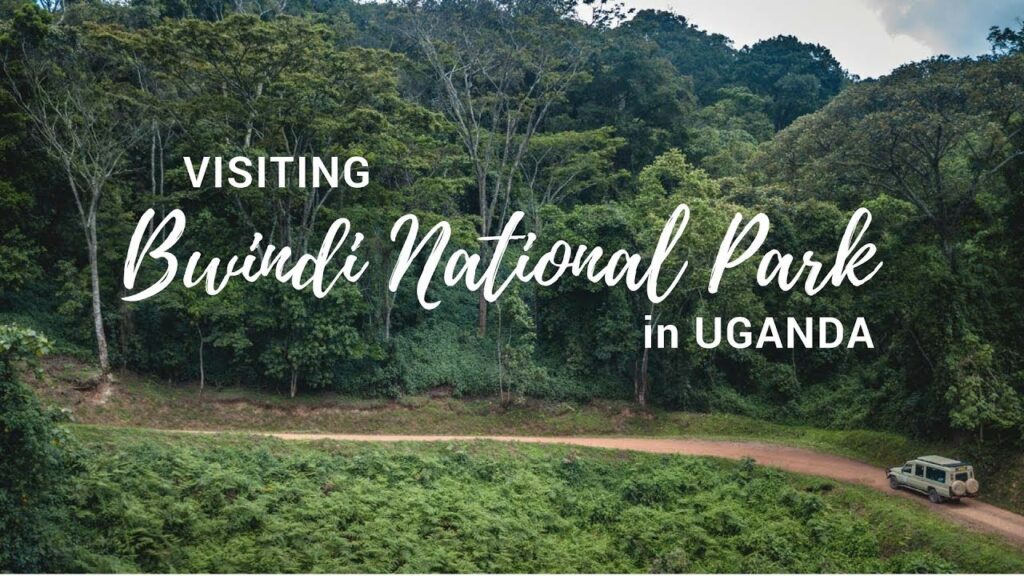
How to Get to Bwindi Impenetrable National Park

Uganda’s standard gorilla permit costs USD 800 and applies in Bwindi Impenetrable National Park and Mgahinga Gorilla National Park. A discounted USD 600 rate has been applied on fixed dates in April, May, and November, and those dates are non-reschedulable. Foreign visitors are required to book Ugandan gorilla permits through a licensed Ugandan tour operator and pay in full at the time of booking, which is a relevant difference from Rwanda’s direct portal. Bwindi’s forest is steeper, denser, and wetter; treks can range from half an hour to as long as eight hours, and the roads from Entebbe or Kigali to the southern sector are long. Uganda also offers a gorilla habituation experience in the Rushaga sector for USD 1,800, allowing up to four visitors to spend as long as four hours with a family that is still becoming accustomed to people. The Uganda Wildlife Authority is the managing body. Travellers on a longer itinerary or who want a second gorilla experience in a different forest will find Uganda a rewarding addition.

Congo’s Virunga National Park lists a permit of around USD 400, but gorilla trekking there is suspended because of conflict in North Kivu and Kahuzi-Biega in South Kivu, which protects the eastern lowland, or Grauer’s gorilla, and sits in a province the US State Department rates at its highest warning level. On top of that, Rwanda’s Ebola entry rule means a foreign visitor who goes into the DRC cannot come back into Rwanda for 30 days. For all practical purposes, we advise against combining a DRC gorilla trek with a Rwanda itinerary right now.

Choose Rwanda if time, comfort, reliability, and luxury accommodation are priorities, and if the USD 700 difference in permit price is small relative to your overall budget. Choose Uganda if you are a longer-stay traveller who wants a denser forest experience, and consider visiting both countries, as the Cyanika border crossing is about an hour from Kinigi.

Rules, Age Limits, and Health Requirements for Gorilla Trekking

Rwanda’s gorilla rules are not bureaucratic. Each rule protects the animals, and the guides will explain the reason for each rule during the briefing. The minimum age is 15. The minimum distance from a gorilla is 7 meters, although curious juveniles regularly close the gap themselves, in which case the guide will ask you to step back slowly and quietly. You are asked to avoid eating or drinking near the gorillas, to keep your voice low, to avoid sudden movements and flash photography, and to cover your mouth if you cough or sneeze. Do not stare directly at a silverback, and if a gorilla charges, which is rare and almost always a bluff, stay still, crouch, and follow the guide’s lead.

Health Requirements for Entry and Trekking

A yellow fever vaccination certificate is required if you are arriving from or through a yellow fever country, and it is wise to carry it regardless. Hepatitis A, typhoid, and routine vaccinations are commonly recommended, and malaria prophylaxis is generally advised for lower-lying areas such as Kigali and Akagera, with a lower risk at the altitude of Volcanoes National Park. Take advice from a travel clinic six to eight weeks before departure, and tell us about any medical condition, particularly a heart, joint, or respiratory condition, when you inquire so we can brief the rangers.

What Actually Happens on a Gorilla Trekking Day

The morning begins early, with breakfast at your lodge and a short transfer via the Gorilla Naming Ceremony Grounds for a brief history lesson from your guide and then to the Kinigi Park headquarters, where trekkers gather at around seven o’clock for registration and the ranger briefing. Your passport copy is checked against your permit, and you are told which family you have been assigned to. After being assigned a gorilla family, your guide drives you to the trailhead of that family, where you may hire a porter and a walking stick is provided to you for free. Hiring a porter is one of the best decisions you can make, as it supports a local livelihood and lets you look at the forest instead of your feet.

You walk across farmland, over a stone wall that marks the park boundary, and into bamboo forest, following trackers who have been with the family since first light. Treks range from half an hour to four or five hours, and altitudes on the trek typically fall between about 2,500 and 3,400 meters, with some routes going higher. You will not know in advance how long it will take, and neither will anyone else, since the gorillas move every day.
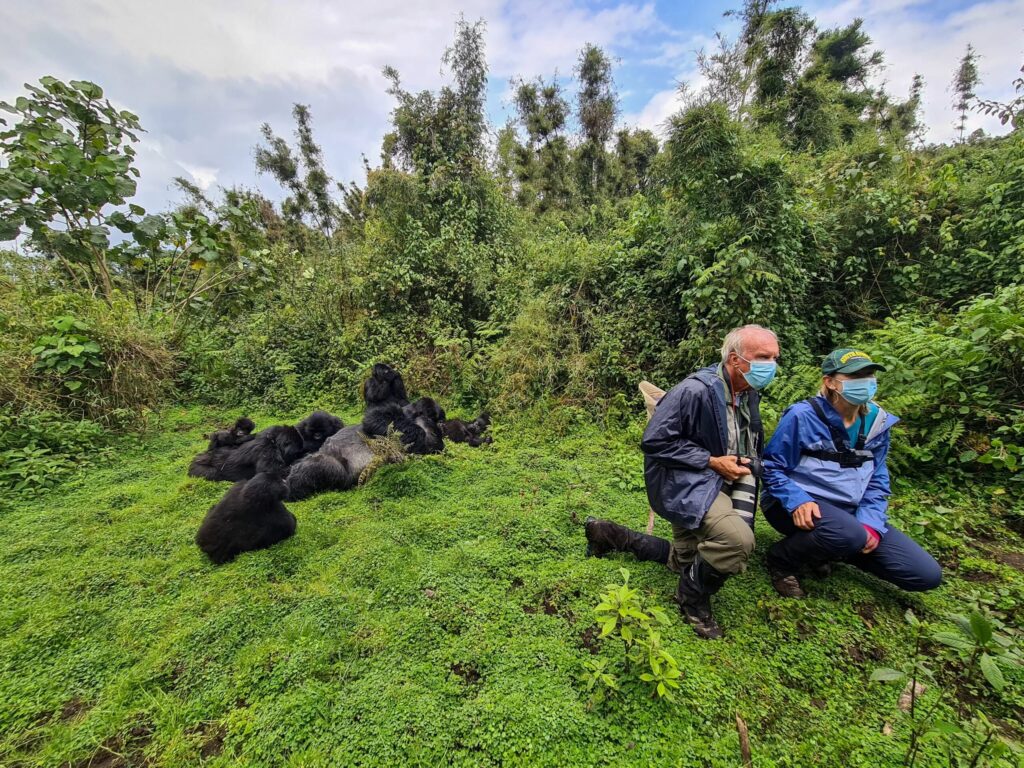
Exclusive Gorilla Trekking in Rwanda: The Private Trek Guide

When the trackers make contact, you leave your sticks and bags behind and move forward quietly. The hour begins when the group settles with the family. Your guide will name the individuals, explain what you are seeing, and keep the group at the right distance, while a silverback that can weigh close to 200 kilograms rests against a tree and infants tumble through the undergrowth. Almost every guest remembers the silence more than anything else. After sixty minutes the rangers signal the end, and the group withdraws.

The walk back is usually quicker and lighter in mood, and you return to your lodge by early or mid-afternoon, or even late evening, depending on the family allocation. We always suggest keeping the rest of the day free, because the experience carries an emotional weight that many guests do not expect.

Fitness, Difficulty, and Family Allocation

Gorilla trekking in Rwanda is moderate to strenuous, and the honest answer to “how hard is it” is that it depends on where your family is that morning. Some groups take thirty to sixty minutes to reach on gentle ground. Others need three to five hours of steady climbing through wet, steep forest at altitude. Rwanda’s families generally have smaller home ranges than Uganda’s, which tends to shorten treks, but no operator or park official can promise an uncomplicated day.

The RDB allocates families at the Kinigi briefing, based on the trackers’ reports and the fitness of each group, and it does not take requests for named families on a standard permit. If you or a member of your party is older, has a joint problem, or simply prefers a shorter walk, tell your guide the day before, and he/she will pass the information to the park, which makes every effort to match you to a nearer family. The exclusive-use option provides a private group much more control over family choice and pace, which is one reason it appeals to multi-generational travellers.

Preparing Your Body

Walk uphill for two to three hours at a time in the weeks beforehand, break in your boots, and arrive in Rwanda a day early to acclimatize, since the lodges sit at roughly 2,200 to 2,500 meters. Drink plenty of water, and treat a porter as an essential piece of equipment.
Plan Your Rwanda Safari

Start Planning a Private Gorilla Trek

Rwanda gorilla permits sell out months in advance. Secure your dates before the season closes.

What to Pack for a Gorilla Trek in Rwanda

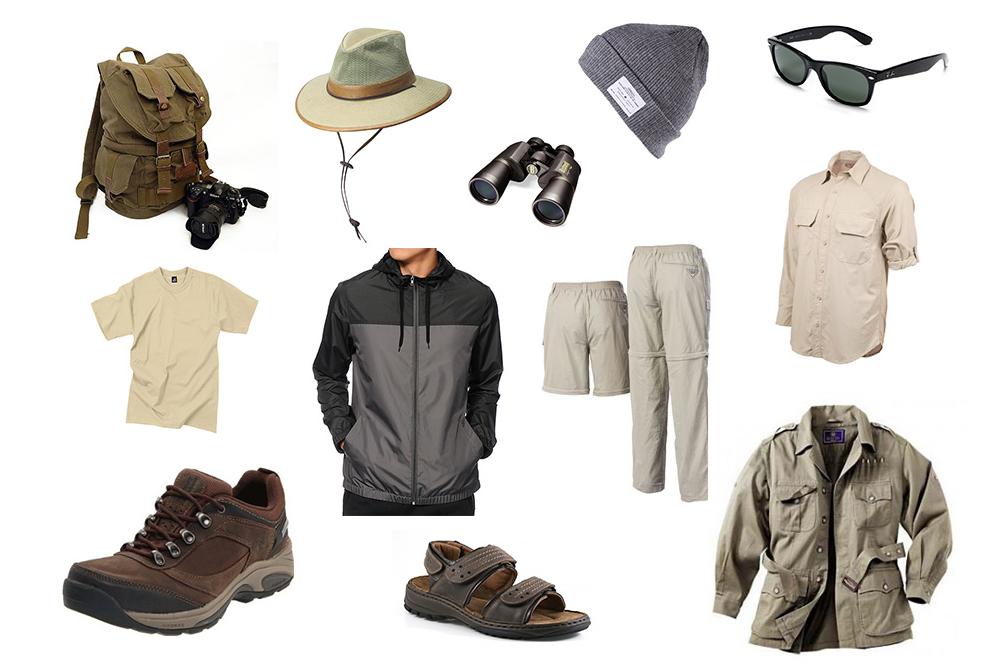
Dress for function and layers. Long-sleeved shirts and long trousers in dark, neutral colors such as olive, brown, or grey protect against nettles and insects, and bright colors and white are best avoided. Waterproof, ankle-supporting hiking boots that are already broken in are the most important item you will pack, and gaiters stop vegetation and ants from getting into your boots. Lightweight gardening gloves help when you push through vegetation, and a packable waterproof jacket is essential, since rain at this altitude can arrive in minutes.

What to Pack for a Safari

Carry at least two liters of water, the packed lunch your lodge provides, a small first-aid kit, insect repellent, sunscreen, a hat, a spare face mask, and a protective cover for your camera or phone. Flash photography is prohibited. A camera with a fast lens and an optical zoom will do far better in the dim forest light than a phone. Bring small US dollar notes for gratuities, and keep your passport and your permit confirmation in a waterproof pouch.

Getting to Volcanoes National Park: Flights, Roads, and Entry Rules.

Almost every guest flies into Kigali International Airport, which is served by direct flights from major European and Gulf hubs, as well as from Nairobi, Entebbe, Dar es Salaam, and Johannesburg. Your driver-guide meets you at arrivals, and the transfer to a Kigali hotel takes about 20 to 40 minutes depending on traffic.

Kigali to Kinigi

The road to Volcanoes National Park runs northwest for about 100 to 110 kilometers and takes two to two and a half hours. Our private 4×4 vehicles make the trip comfortable, and most guests find the scenery of terraced hills and banana groves a pleasure in its own right. For travellers who want to save time, we can arrange a helicopter transfer that takes about 30 minutes. We recommend sleeping near the park the night before your trek rather than making a 5:00 am departure from Kigali, which turns the day into a 15-hour effort.

Visas and Entry

Most nationalities can obtain a Rwandan e-visa, which currently costs about USD 50, through the official immigration portal at migration.gov.rw. Travellers combining Rwanda with Uganda or Kenya should look into the East Africa Tourist Visa. Check your own requirements, and remember that anyone who has been in the DRC in the previous 30 days cannot currently enter Rwanda.

Money and Tipping

US dollars are widely accepted at lodges and by tour operators, and newer notes in good condition are preferred. You will need very little Rwandan currency. Tip your driver-guide generously, and carry separate cash for the lead ranger, trackers, and porter, since each is tipped individually at the end of the trek.

Where to Stay Near Volcanoes National Park

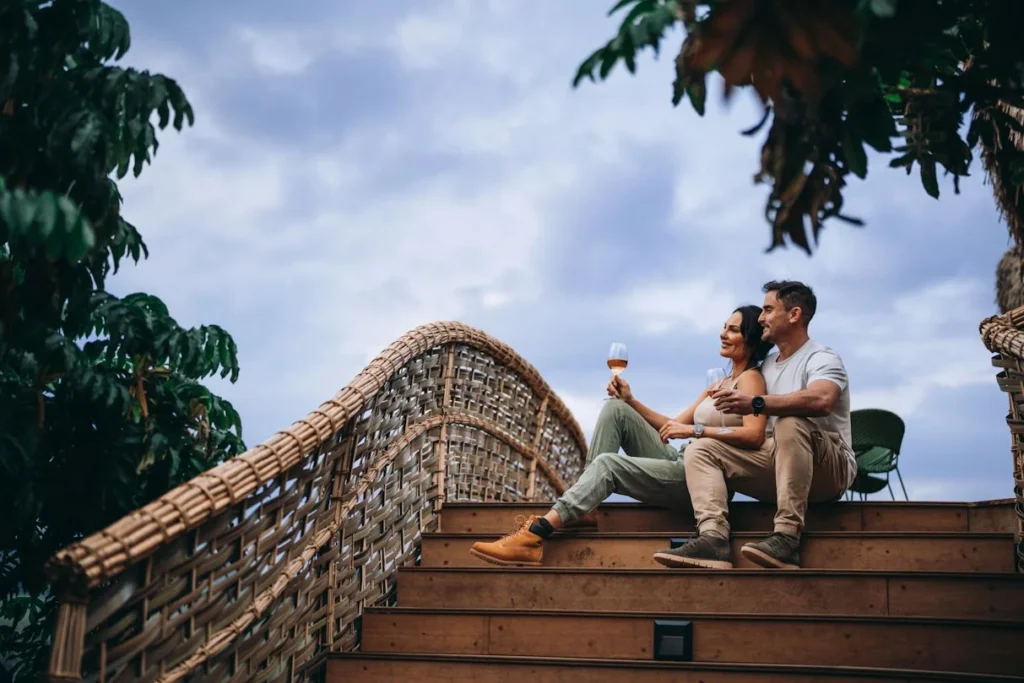
The lodge landscape near the park is exceptional. Our Volcanoes National Park accommodation guide profiles the area, and the lodges we recommend most often are Wilderness Bisate Lodge, Singita Kwitonda Lodge, One&Only Gorilla’s Nest, and Wilderness Sabyinyo Silverback Lodge. Bisate is the most architecturally dramatic, with a handful of forest villas built on a reforested volcanic cone. Singita Kwitonda is the most design-focused and has an outstanding wine program. One&Only Gorilla’s Nest offers warm, attentive service in landscaped grounds with a spa. Sabyinyo Silverback Lodge sits below Mount Sabyinyo and is community-owned, so a night there contributes directly to the villages beside the park.

Rwanda Safari Experiences: The Complete Expert Guide 2027

All of these properties are within roughly 20 to 40 minutes of the Kinigi trailhead, so a lodge booking is effectively a time saving on the morning of your trek. The right choice depends on your priorities, and we will match you to a lodge based on your dates, your budget, and the kind of evening you want after a day in the forest.

Combining Your Gorilla Permit with Other Experiences

A permit gives you one morning, and a Rwanda safari gives you the country. The most natural complement is a golden monkey trek in Volcanoes National Park, which costs USD 100 and puts you in the bamboo with troops of vividly colored, acrobatic primates, found nowhere outside the Virunga Massif. It is an ideal afternoon activity or an excellent option for family members under 15.

Nyungwe, Akagera, and Lake Kivu

Lake Kivu Rwanda: Luxury Stays, Boat Cruises & Safari Guide

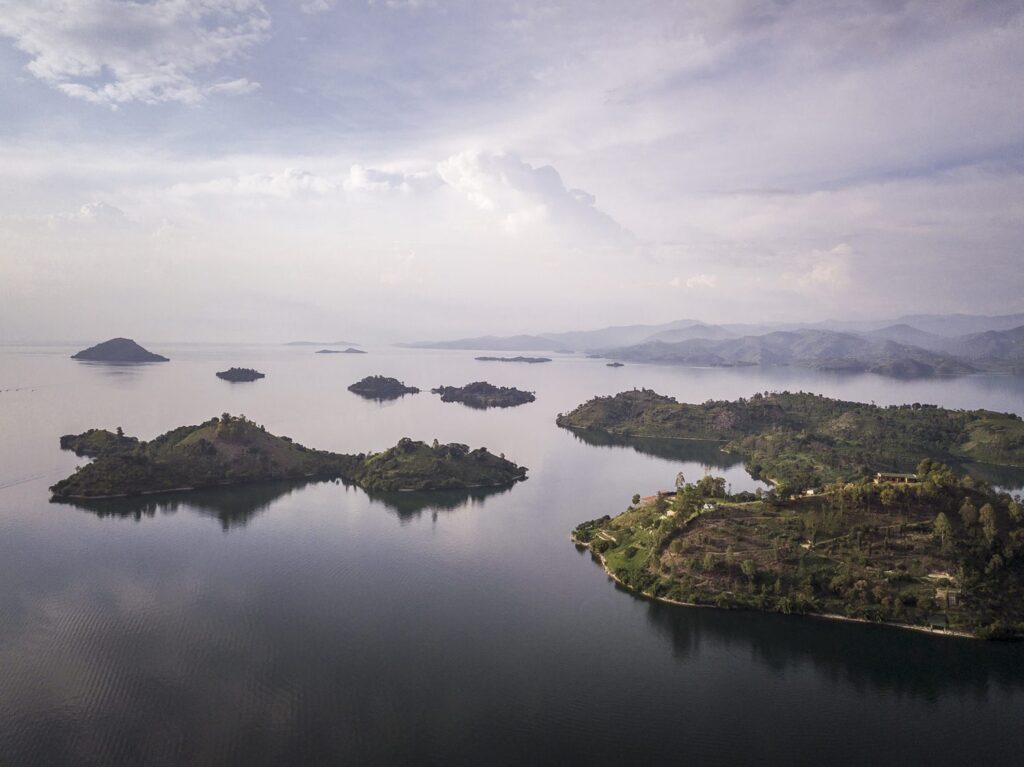
Nyungwe Forest National Park in the southwest is one of Africa’s oldest rainforests, with 13 primate species, chimpanzee trekking at about USD 150 per permit, and a canopy walkway that rises high above the forest floor. Akagera National Park in the east, restored with African Parks, offers Big Five game drives and lakes and wetlands rich in birds. Gishwati-Mukura National Park is Rwanda’s newest park. Lake Kivu, on the western border, makes a restful bookend between the forest and the mountains.

East Africa Beyond Rwanda

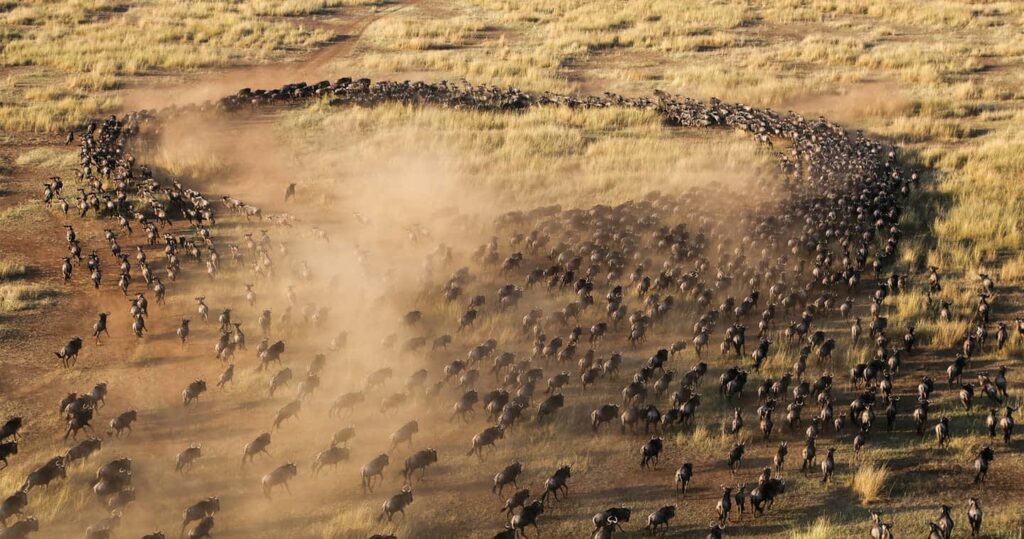
Great Migration in the Masai Mara

For a longer luxury journey, Rwanda pairs naturally with Uganda for a second gorilla trek, with Tanzania for the Serengeti and Ngorongoro, and with Kenya for the Masai Mara and the private conservancies of Laikipia. Kigali’s air connections make Rwanda an excellent opening or closing chapter, and we design these multi-country itineraries from our Rwanda base.

Where Your Permit Money Goes: Conservation and Communities

Mountain gorillas were reduced to a few hundred animals in the early 1980s, and their recovery is one of the most remarkable conservation stories of modern times. The Virunga Massif is home to roughly 604 of the around 1,000 mountain gorillas left on earth, and the population is growing, which makes the mountain gorilla one of the very few great apes that is not in decline. The American primatologist Dian Fossey established her Karisoke Research Centre in the Virungas in 1967, and the habituation of gorilla families that began there is the foundation on which gorilla tourism is built. The Dian Fossey Gorilla Fund continues that research today.

Revenue and Community Benefit

RDB states that 20 percent of permit revenue is channelled to local communities to build schools, health centers, and roads, and that a compensation fund exists for farmers whose crops are damaged by gorillas. Gorilla tourism also employs thousands of people as rangers, trackers, porters, drivers, and lodge staff. This model is the reason that a visit to the park is, in a real sense, a conservation act.

Planning Your Gorilla Trekking Budget

A useful way to think about the cost is in layers. The first layer is the permit: USD 1,500 per person, or USD 15,000 for an exclusive-use trek. The second is accommodation near the park, which is usually the largest single cost and varies enormously depending on the lodge and the season. The third is transport and guiding, including private transfers from Kigali and a driver-guide for the length of your stay. The fourth is the extras: a golden monkey permit at USD 100, a chimpanzee permit at USD 150, a cultural visit, a helicopter transfer, gratuities, and travel insurance. International flights and visas are additional. The permits constitute a relatively small share of the final cost for a couple on a three-night gorilla safari at a top lodge, while the quality of the lodge and the guiding significantly enhances the experience.

The sensible way to avoid surprises is to ask for an itemized quotation that separates the permit cost from the lodge, transport, and activities and that states clearly what is not included. We provide exactly that, and we are always glad to explain any line of it.

Plan Your Rwanda Safari

Start Planning a Private Gorilla Trek

Rwanda gorilla permits sell out months in advance. Secure your dates before the season closes.

Frequently Asked Questions About Rwanda Gorilla Trekking Permits.

How much is a gorilla trekking permit in Rwanda?

A gorilla trekking permit for Rwanda costs USD 1,500 per person per trek for international visitors in 2027–28. The price is set by the Rwanda Development Board and is the same in every month of the year, with no low-season discount for foreign passport holders. It covers park entry to Volcanoes National Park, a ranger guide and trackers, and one hour with a habituated gorilla family. It does not cover your lodge, transfers, porter, tips, visa, insurance, or flights. East African citizens pay USD 200 and other African residents pay USD 500 under promotional rates, but these do not apply between June and October and are not available to international tourists. An exclusive-use trek for a private group is priced at approximately USD 15,000.

How do I book a gorilla trekking permit in Rwanda?

You book a Rwanda gorilla permit either directly through the RDB’s Irembo online portal or through a licensed tour operator. For a direct booking, you choose a date, enter the exact passport details of each trekker, and pay the full USD 1,500 per person online. Through an operator such as Rwanda Gorilla Expeditions, we check permit and lodge availability for your dates at the same time, collect passport details, hold the permit, and send written confirmation. Both routes issue the same government permit at the same price, and the difference is that an operator also arranges your lodge, transfers, and guide. Visit Rwanda recommends using licensed operators, and the government keeps a public register of them. Payment in full is required in advance for a standard permit.

How many gorilla permits are available per day in Rwanda?

Rwanda issues 192 gorilla permits per day. This figure comes from 24 habituated gorilla families open to tourism, each of which can be visited by a maximum of eight people for one hour per day. The families are Susa, Igisha, Sabyinyo, Amahoro, Agashya, Kwitonda, Umubano, Hirwa, Kwisanga, Muhoza, Isimbi, Matsiko, Humura, Pablo, Kureba, Musilikale, Mutobo, Segasira, Ntambara, Dushishoze, Titus, Izuba, Urwego, and Kigoma. Other groups in Volcanoes National Park are habituated for research only. This low ceiling is the main reason permits sell out in peak season.

How far in advance should I book a Rwanda gorilla permit?

For June to September and the Christmas and New Year period, book six to twelve months in advance. These are the periods when 192 daily permits and a limited number of luxury lodge rooms are in the greatest demand, and a booking made three months out often finds the best lodges full. For the rains of March to May and October to November, three to six months is usually sufficient. Last-minute permits sometimes appear in the low season, but you cannot count on them. The sensible approach is to set your dates, check the lodge and the permit together, and confirm both at the same time. Booking early also gives you time to arrange insurance and any visas.

Is a Rwanda gorilla permit refundable?

A Rwanda gorilla permit is generally not refundable if you cancel, arrive late, fall ill on the day, or do not show up. The permit is also non-transferable, because your passport is checked against it at the Kinigi briefing. There are limited exceptions: if your assigned family moves out of reach, you are offered another attempt the next day or a refund, and if you trek all day and make no contact with gorillas, a 75 percent refund is the normal outcome. Because the permit itself offers so little protection, we recommend comprehensive travel insurance that covers trip cancellation and medical evacuation, bought when you pay your deposit. Always read the policy for epidemic and advisory exclusions.

Can I change the date of my Rwanda gorilla permit?

You can usually change the date of a Rwanda gorilla permit once, provided you ask at least 30 days before the original trekking date and permits are available on the new date. Operators report that the RDB generally does not accept a second change and that a fee and a time limit for using the new date may apply. A change is never guaranteed in peak season, when the alternative dates are likely to be full. We confirm the current terms with the RDB when we book and set them out in your quotation. If your dates are not fixed, tell us before you pay so that we can choose a date with the most flexibility.

What does the Rwanda gorilla permit include?

The Rwanda gorilla permit includes park entry to Volcanoes National Park, a ranger guide, the trackers who locate your family, an armed ranger escort, and one hour with the gorillas. It also includes the Kinigi briefing and a trekking certificate at the end of the day. It does not include accommodation, ground transport, meals, porter hire, tips, visas, insurance, or flights. Most guests also hire a porter, which costs a modest fee plus a tip of roughly USD 15 to 20. A luxury operator will bundle the permit with all these services in a single itemized quotation so that you can see where each dollar goes.

What is the minimum age for gorilla trekking in Rwanda?

The minimum age for gorilla trekking in Rwanda is 15 years. The same rule applies in Uganda and the Democratic Republic of Congo, and it is enforced without exception at the Kinigi park headquarters. It exists mainly to protect the gorillas from childhood diseases, as well as for the physical demands of the terrain at altitudes between about 2,500 and 3,400 meters. Younger family members can still enjoy golden monkey trekking, which costs USD 100, as well as cultural visits and the Akagera Big Five game drives. If you are travelling with a family that includes children under 15, we can build an itinerary that allows the older members to trek and the younger ones to enjoy their own adventures.

Why is a Rwanda gorilla permit more expensive than a Uganda permit?

A Rwanda gorilla permit costs USD 1,500 against USD 800 in Uganda because Rwanda deliberately prices its permits to limit visitor numbers and fund conservation. A higher fee means fewer travelers compete for the 192 daily permits, which reduces pressure on the gorillas and keeps the experience uncrowded. Visit Rwanda states that 20 percent of permit revenue goes to local communities for schools, health centers, and roads. Rwanda’s premium also supports a world-class lodge sector, and the park is only two to two and a half hours from Kigali, so you save time and transfer costs. Uganda’s lower price comes with longer drives and denser, steeper forests.

Is gorilla trekking in Rwanda safe during the Ebola outbreak?

Gorilla trekking in Rwanda is operating normally, and the Rwanda Biomedical Centre states that there are no Ebola cases in the country. The outbreak is centered in the DRC, with Ituri Province as the epicenter, and Rwanda has closed its entry to any foreign national who has been in or transited through the DRC in the previous 30 days. Health screening has been strengthened at Kigali airport, and masks are required near the gorillas. The US State Department rates Rwanda at Level 3, which some insurers treat as a restriction, so check your policy before you book. Conditions can change, and we give every guest a current briefing before they pay.

Can I choose which gorilla family I see in Rwanda?

You cannot choose a gorilla family on a standard Rwanda permit, because the RDB allocates families at the Kinigi briefing on the morning of the trek. Allocation takes into account the trackers’ overnight reports and the fitness of each group, and the park does its best to match older or less mobile trekkers to families that are nearer or on easier ground. If you tell us about any physical limitations in advance, we pass that information to the park. An exclusive-use permit, priced at approximately USD 15,000, gives a private group far more control over the family and pace.

Is it worth paying USD 1,500 for a gorilla permit in Rwanda?

Most travelers who trek in Rwanda say the permit is worth the price because it buys a rare and tightly protected encounter. You spend one hour within a few meters of wild mountain gorillas, accompanied by expert trackers, in a country where the park is a short drive from the capital and the lodges are among the best in Africa. A part of every permit funds the conservation work that has helped the mountain gorilla population in the Virunga Massif, now about 604, to grow. The experience is also unusually reliable, with a very high rate of successful contact. If budget is the deciding factor, Uganda’s USD 800 permit is the alternative, though it comes with a different kind of trek.

Can I get a Rwanda gorilla permit at the last minute?

Last-minute gorilla permits are sometimes available in Rwanda’s low season, but you should never rely on them. With only 192 permits available each day, availability in June to September and over the Christmas and New Year period is typically gone months in advance, but it’s always worth asking because sometimes openings come up. In March to May and October to November, cancellations occasionally release permits, and we monitor availability for guests with flexible dates. Even if a permit is available, you may still find that the best lodges are full, which could mean staying further from the park. If you are planning to visit within a few weeks, please send us your dates, and we will let you know right away what is realistic.

How long does a gorilla trek take and how long do you stay with the gorillas?

A gorilla trek takes between about three and seven hours in total, and you spend exactly one hour with the gorillas. The walk from the trailhead to the family varies from around 30 minutes to four or five hours, depending on where the gorillas spent the night. The day starts with a briefing at Kinigi at around seven in the morning, and most guests are back at their lodge by early or mid-afternoon. The one-hour limit is a conservation rule that applies in Rwanda, Uganda, and the DRC to every standard permit, including the exclusive-use trek. Only Uganda’s Rushaga habituation experience allows longer, up to four hours.

How much does a Rwanda gorilla safari cost in total?

A luxury Rwanda gorilla safari for two typically costs in the range of five figures in US dollars, depending on the lodge, the length of stay, and the extras. The USD 1,500 permit is a small share of that, while two or three nights at a top lodge near Kinigi are usually the largest cost, with indicative rates from roughly USD 1,000 to well over USD 2,000 per person per night in high season. Private transfers, a driver-guide, golden monkey permits at USD 100, and chimpanzee permits at USD 150 add to the total. International flights, visas, tips, and insurance sit on top. We always provide an itemized quotation, so you can see every element.

Can I book a Rwanda gorilla permit without a tour operator?

Yes, you can book a Rwanda gorilla permit yourself through the RDB’s Irembo portal, and Visit Rwanda lists this as the direct booking route. You will need a passport number and name for every trekker, and you pay the full USD 1,500 per person online. The main challenge is everything around the permit, namely a lodge on the right night, a vehicle and driver who know the Kinigi routine, and a contingency if your flight is delayed. A permit date missed because of a late flight cannot be recovered. A licensed operator takes on this coordination, and our guests find it valuable for peace of mind.

Ready to Trek? Permits are limited — plan early.

Book Your Rwanda Gorilla Permit with Rwanda Gorilla Expeditions

A gorilla permit is the one part of a Rwanda safari that cannot be improvised, and the best time to secure it is while you still have a choice of dates and lodges. Rwanda Gorilla Expeditions is a Rwanda-based specialist, and we hold your permit, your lodge, and your private transfers together; give you a straight account of conditions on the ground; and stay with you from your first enquiry to your return to Kigali.