Best Time for Gorilla Trekking in Rwanda: A Month-by-Month Guide for 2027–28.

The best time for gorilla trekking in Rwanda is June–September and December–February. See every month compared, then ask us about your dates.

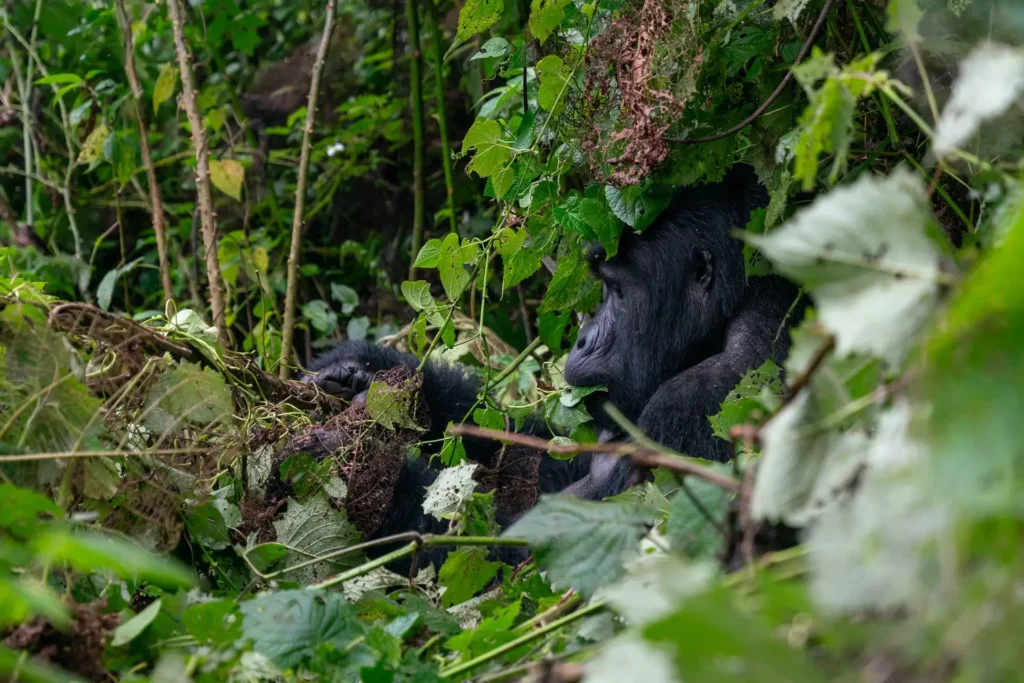
The best time for gorilla trekking in Rwanda is during the two dry seasons, June to September and December to February, when forest trails are firmest, mornings are clearest, and the walk to the gorillas is most comfortable, although trekking is possible and rewarding every day of the year. The gorillas of Volcanoes National Park do not migrate, hibernate, or disappear in the rains, so the season changes your comfort, your photographs, and your chances of securing a permit and a lodge room, but it does not change the quality of the hour you spend with a gorilla family. A standard permit costs USD 1,500 per person every month for international visitors, which means the real decision is not about price but about trade-offs between dry trails and crowds on one side and mud, green landscapes, and space on the other.

Rwanda Gorilla Trekking Expeditions | Tours & Safaris

For most first-time luxury travellers, we recommend visiting from late June to September or in January and February. These months combine reliable trekking conditions with the clearest views of the five Virunga volcanoes from lodge terraces, and January and February in particular offer a quieter forest than the peak of the northern summer. If you want the lowest lodge rates and the fewest fellow travelers, April, May, and November reward flexible travelers who are comfortable with rain and mud, bring waterproof boots, and book a porter. Only 192 gorilla permits are issued each day, eight for each of 24 habituated families, so the dry months can sell out six to twelve months ahead, while the rainy months usually need three to six months of lead time.

Two pieces of current context shape any 2027–28 plan. The 2026 Bundibugyo Ebola outbreak in the Democratic Republic of Congo has not reached Rwanda, and Rwanda tourism is operating as normal, but foreign nationals who have been in or transited through the DRC in the previous 30 days are refused entry, and masks are required near the gorillas. With 192 permits and a few dozen rooms at the finest lodges near Kinigi, the question “when should I go?” and the question “when can I actually get a permit and a room?” often have different answers. This travel guide gives you both month by month and season by season, with the logistics, costs, packing advice, and booking timelines that a Rwanda-based operator uses to plan real trips, and it shows how to choose between Rwanda and Uganda if the calendar is still open.

Permits are limited — spaces fill months ahead

Reserve Your Private Gorilla Trek

Speak with a Rwanda-based specialist today. We secure permits, match you to the right gorilla family, and plan every detail around your schedule.

No group departures · Private itineraries only · Direct Rwanda expertise

Rwanda’s Climate at Volcanoes National Park: How the Seasons Really Work

Rwanda sits just south of the equator, but its altitude makes it cool and mild rather than hot, and Volcanoes National Park, where all gorilla trekking in Rwanda takes place, is higher still. Our lodges near Kinigi sit at roughly 2,200 to 2,500 meters, and most treks climb through bamboo and hagenia forest at altitudes between about 2,300 and 3,400 meters. At that height, the weather is governed by two dry seasons and two rainy seasons, with temperatures that vary far less across the year than between dawn and midday.

Best time for gorilla trekking.

The Two Dry and Two Wet Seasons

The long dry season runs from June to September, the short rains arrive in October and November, the short dry season follows from December to February, and the long rains fall from March to May. These are guidelines rather than a timetable, because the rains have become less predictable recently, and a clear week in April or a wet fortnight in July is not unusual. Typical daytime temperatures are around 20 to 27°C in the lower areas and 15 to 20°C higher up the mountain, while early mornings at the lodges can fall to around 5 to 10°C. This is why the single best piece of packing advice is to wear layers.

Why “Dry Season” Does Not Mean Dry Forest

The most useful local insight is that a montane rainforest makes its own weather. Volcanoes National Park is a cloud forest, and a shower can sweep across the slopes on a clear July morning, so every guest should carry a waterproof jacket regardless of the month. The difference between seasons is that rain is the exception in the dry months and the rule in the wet months, and that trails drain faster when the ground has had weeks to dry. A trek in the dry season is therefore usually less slippery but never entirely dry, and you should treat waterproof boots as essential in every season.

Altitude Matters More Than Season

Many first-time visitors worry about the heat or the rain and overlook the altitude. At 2,200 to 2,500 metres, the lodges are high enough that some guests notice shortness of breath on their first day, and treks can climb a few hundred metres over steep volcanic ground. We advise arriving a day before your trek and sleeping near the park, as we explain in our 2-day Rwanda gorilla safari itinerary, because acclimatisation does more for your comfort than any choice of month.

Best Time for Gorilla Trekking in Rwanda: Month-by-Month Breakdown

Every month has a character, and the summaries below are written from a tour operator’s perspective, with attention to trail conditions, permit pressure, and the type of traveller each month suits. The permit price is the same throughout, at USD 1,500 for international visitors.

January

January is one of our favorite months for gorilla trekking because the Christmas and New Year rush has passed, the short dry season is in full swing, and the forest is lush from the late-year rains. Trails are generally firm, mornings are clear, and lodges that were full in the last week of December often have availability. It is also an excellent month to combine with a Serengeti calving-season safari in Tanzania, which is typically in January to March.

February

February is the driest and quietest month of the short dry season, with comfortable trekking conditions and some of the best light for photography. Permit demand is moderate, and our guests who value space and good weather often choose it over the busier summer. The rains begin to build towards the end of the month, so a trek in the first two weeks has the best odds of dry weather.

March

March marks the start of the long rains, and the character of the forest changes: the bamboo and undergrowth turn brilliant green, afternoon showers become common, and trails soften. Permits and lodge rooms are easier to secure, and rates at many luxury properties begin to fall. A porter and a walking stick are strongly recommended from this month onwards.

April

April is typically the wettest month and the quietest month for gorilla tourism. Trails are muddy, treks can feel more demanding, and cloud often hides the volcano peaks. In return, lodge rates are at their lowest, permits are readily available, and the forest is vivid and dramatic. April also contains the start of Rwanda’s annual period of national remembrance, which begins on 7 April, and we advise travellers to be respectful and to speak with us about how it affects Kigali. Gorilla trekking continues as normal.

May

May is still part of the long rains, but the rainfall usually eases towards the end of the month, and the mountain begins to dry. It is an excellent choice for travellers who want a quiet park and good value at the lodges, and it is a month in which Uganda has historically offered discounted gorilla permits on fixed dates, which can make a combined Rwanda and Uganda trip attractive.

June

June is the start of the long dry season and the first month in which permit demand rises sharply. Trails dry out, skies clear, and the volcanoes become visible from the lodge terraces. Our guests who want dry-season conditions without the busiest weeks of July and August often book the second half of June.

July

July is peak season. Trails are firm, mornings are crisp and clear, and it is a favorite for families and for travelers who want to pair gorillas with the Masai Mara migration in Kenya, which usually reaches its height between July and October. Permits and the best lodges need to be reserved six to twelve months ahead, and last-minute availability is unlikely.

August

August is the busiest month of all and the driest. Conditions are excellent, but the forest is at its most heavily visited, and the finest lodges are often fully booked a year in advance. If August is the only month you can travel, begin planning as early as possible, and be flexible about the day of your trek.

September

September is a superb month with a particular attraction: Rwanda’s annual gorilla-naming ceremony, Kwita Izina, takes place in Kinigi in early September. In 2026 it was held on 4 September, and 22 baby mountain gorillas were named. The weather is still largely dry, although the first showers begin towards the end of the month. Bookings for the ceremony week are tight.

October

October brings the short rains, but they are usually brief and often fall in the afternoon, leaving mornings clear. It is a good-value month, with lower rates than the summer peak and much easier permit availability. Rains can be heavier toward the end of the month.

November

November is a quiet and green month, with showers that are more frequent than in October. Lodge prices are modest, permits are readily available, and Uganda has historically offered discounted gorilla permits on fixed dates in November. It is a good month for travellers who are flexible and do not mind a few clouds.

December

December marks the return of the dry weather, and the first half of the month is a pleasant and relatively quiet time to trek. The final week, around Christmas and New Year, is a peak period, and permits and lodges must be booked as early as for July and August. If you intend to travel at Christmas, begin planning before the previous summer is over.

The Long Dry Season: June to September

The long dry season is the classic answer to the question of when to go, and the reasons are practical. Firm trails reduce slipping, visibility is clear, and the climb through bamboo and hagenia woodland is physically easier when the ground is not saturated. For photographers, the clearer mornings and drier air improve the light in the forest clearings where gorilla families rest.

Advantages

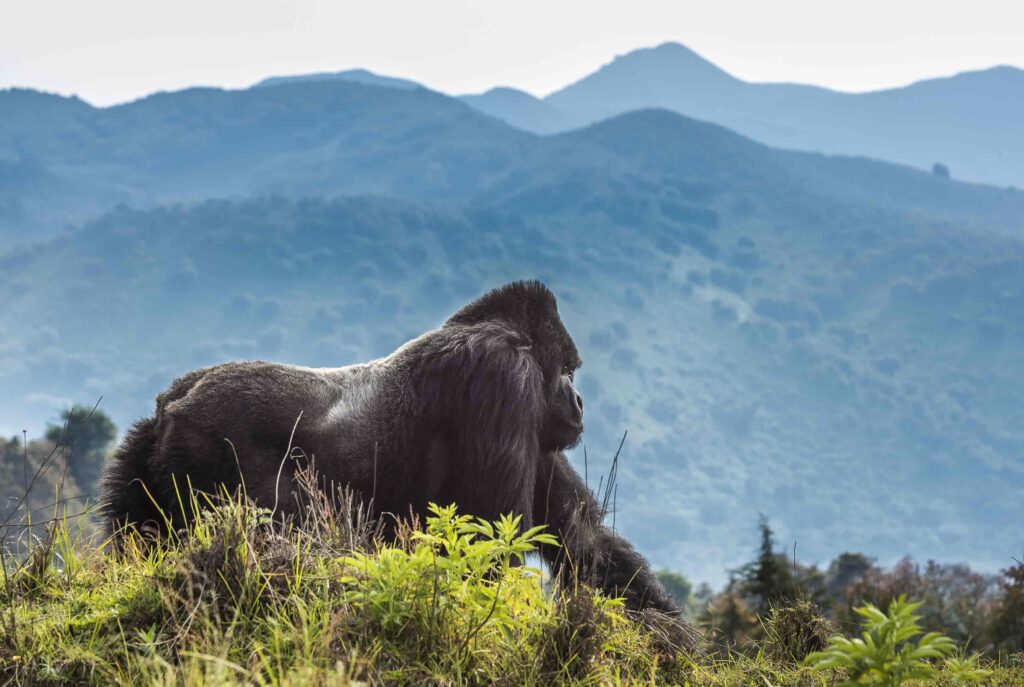
Dry-season treks are generally less strenuous and more predictable. Mornings are cold but bright, afternoons are warm enough for lodge terraces, and the five Virunga volcanoes, Karisimbi, Bisoke, Muhabura, Gahinga, and Sabyinyo, are at their most visible. The season also lines up neatly with the Masai Mara migration and with the best game viewing in Akagera National Park, where animals gather around water as the savannah dries.

Disadvantages

This period is the peak of demand. Permits and the best lodges sell out early, rates are at their highest, and the Kinigi briefing area is at its busiest. The RDB’s promotional rates for East Africans and African residents do not apply between June and October, so mixed groups should price carefully. Even in the dry months, vegetation can be dense, making it harder to see the gorillas clearly in the undergrowth.

If you want to trek in July or August, decide a year ahead. If you have flexibility, consider the shoulders: the second half of June and the whole of September are slightly calmer than the summer peak while keeping most of the benefits.

The Short Dry Season: December to February in Detail

The short dry season is the connoisseur’s choice. The forest is still green from the October and November rains, the trails are firm, and the demand for permits is lower than in the northern summer, apart from the Christmas and New Year week.

Advantages

January and February give you dry-season conditions with fewer people. The light is excellent; our favorite lodges often have rooms, and the combination with the Serengeti calving season in Tanzania makes January and February a rewarding time for a two-country journey. Temperatures are similar to those of the long dry season, slightly warmer by day.

Disadvantages

The festive period is expensive and booked early. Weather is less predictable than in July or August, with showers likely even in the driest weeks.

Book Christmas and New Year as early as the long dry season. For January and February, three to six months is often adequate for permits, although the very best lodges still benefit from earlier booking.

The Long and Short Rains: March to May and October to November in Detail

Many travellers dismiss the rainy seasons and, in doing so, miss out on the best value and the most atmospheric conditions of the year. Rain in the montane forest tends to come in bursts rather than all day, and mornings are often drier than afternoons.

Advantages

Lodges lower their rates, permits are easier to secure, and the park is quieter. The landscape is at its greenest, and the cloud and mist around the volcanoes create dramatic scenes. For travellers who value privacy, the rainy season is the time of year when gorilla encounters feel the least crowded.

Disadvantages

Trails are slippery, treks can take longer, and heavy rain can make photography harder. Some mountain roads can be difficult, and a four-wheel-drive vehicle is essential. We insist on waterproof boots, gaiters, a reliable rain jacket, and a porter in these months.

Treat the rains as a decision to trade comfort for value and space, and equip yourself properly. A good porter and sensible waterproof gear change the experience entirely, and the gorillas themselves are completely indifferent to the weather.

Plan Your Rwanda Safari

Start Planning a Private Gorilla Trek

Rwanda gorilla permits sell out months in advance. Secure your dates before the season closes.

Does the Season Change Your Chances of Seeing Gorillas?

The season does not change whether you see gorillas, because Rwanda’s habituated families are tracked every dawn by trackers who stay in radio contact with the ranger team, and the success rate for contact is very high in every month. What the season can change is where the families are and how far you walk. Gorillas follow their food, and this food follows the rains.

How Weather Affects Trek Length

When rain brings a flush of young bamboo shoots and fresh vegetation, a family may settle lower on the slopes, where the walk can be shorter, while in drier periods families may range further to find their preferred foods. We would be cautious about any promise that a given season guarantees an uncomplicated trek, and the rangers will tell you the same. Rwanda’s families generally have smaller home ranges than those in Uganda’s Bwindi, so treks in Rwanda tend to be more predictable, and our guests’ experience across all seasons is that the range runs from roughly thirty minutes to four or five hours.

Gorilla Behavior Through the Year

Infants are born year-round, so there is no breeding season to plan around, and you may see a newborn in any month. Silverbacks, females, and juveniles go about their routine of feeding, resting, grooming, and play in all weather, and the one-hour encounter is as moving in light rain as it is in sunshine. If you are interested in the newest arrivals, ask us about the families that have had births in the last year.

Photography and Light: Choosing the Right Season.

For photographers, the question is not only dry versus wet but also light versus mood. The dry months offer clearer air and more consistent light, which helps in the dim forest, while the rainy months give rich color saturation and moody clouds. Flash photography is prohibited around the gorillas, so a quick lens, a high ISO capability, and a steady hand matter more than the month.
Volcanoes National Park Rwanda: Gorilla Trekking Guide 2027

Dry-Season Photography

Dry mornings produce shafts of light through bamboo that make for memorable images. The downside is that dry vegetation can be thick, and contrast between bright patches and deep shade can challenge exposure. A camera that handles high contrast and a zoom lens in the range of 100 to 400 millimeters works well.

Wet-Season Photography

In the rains, light is softer and more even, and wet foliage is vivid. You will need to protect your equipment from moisture, and a rain cover and a dry bag are essential. This itinerary is designed for travellers seeking a dedicated photographic experience.

Permit Availability and Booking Windows by Season

Rwanda issues 192 gorilla permits a day, and the demand curve follows the weather. The long dry season and the Christmas week sell out first, the short dry season follows, and the rainy months have the most availability.

How Far in Advance to Book

For June to September and the Christmas and New Year week, book six to twelve months in advance. For January and February, four to eight months is wise. For March to May and October to November, a lead time of three to six months is usually adequate. Last-minute permits sometimes appear in the low season, but you should not plan around them. If you want to see how the booking process works in full.

The Lodge Bottleneck

The less obvious constraint is rooms. Wilderness Bisate Lodge has six forest villas, and One&Only Gorilla’s Nest has twenty-five cottages, so a few bookings can fill a lodge for a week. In peak months, the rooms often sell out before the permits do. We check lodge availability and permit availability together, and for travellers with fixed dates, we begin with the lodge.

Payment and Changes

Rwanda requires full payment in advance for a standard permit. Permits are generally not refundable and are tied to the passport details given at booking. Operators report that the RDB will typically allow one change of date, requested at least 30 days before the trek, subject to availability. We recommend comprehensive travel insurance, bought when you pay your deposit, that covers cancellation, medical care, high-altitude trekking, and evacuation.

What the Season Does to the Cost of a Gorilla Safari

The permit price does not move with the season, but the rest of the trip does. A standard Rwanda gorilla permit costs USD 1,500 for international visitors all year, and an exclusive-use trek for a private group is approximately USD 15,000. Lodge rates, however, follow the calendar.

Permits Are Fixed, Lodges Are Not

The luxury lodges near Kinigi typically charge their highest rates during the long dry season and over Christmas, while offering reduced rates during the green season. Indicative rates in high season run from roughly USD 1,000 to well above USD 2,000 per person per night at the most exclusive properties, with excellent lodges at lower price points also available. The savings from travelling in April, May, or November can be considerable on a multi-night stay, and for a luxury traveller the difference may be larger than the cost of the permit itself.

The Uganda Comparison

Uganda’s standard gorilla permit costs USD 800, and a discounted USD 600 rate has been applied on fixed, non-reschedulable dates in April, May, and November. Since March 2026, foreign visitors must book Ugandan permits through a licensed Ugandan tour operator and pay in full at the time of booking. We compare the two countries in detail in our guide to Rwanda versus Uganda gorilla trekking.

Special Dates, Events, and Holidays That Affect When to Go

A few dates deserve a place in your planning, because they affect availability, atmosphere, and price.

Kwita Izina, the Gorilla Naming Ceremony

Kwita Izina is Rwanda’s annual ceremony at which newborn mountain gorillas are named, and it takes place at Kinigi, at the foot of Volcanoes National Park, in early September. The 21st edition was held on 4 September 2026, when 22 baby gorillas were named, bringing the total named since 2005 to 460. It is an occasion that draws thousands of people, including conservationists and international guests, and accommodation tightens around the dates. If you want to attend, plan well in advance and ask us about the dates for the coming year as soon as we announce them.

Christmas, New Year, and School Holidays

The last week of December and the first days of January, together with European and North American summer holidays in July and August, are the busiest periods. Families are a large part of this demand, and because the minimum age for gorilla trekking is 15, families with younger children often combine a trek for older members with golden monkey tracking, Akagera game drives, and cultural visits for the others.

Rwanda’s Period of National Remembrance

From 7 April each year, Rwanda holds Kwibuka, a period of national remembrance for the 1994 genocide against the Tutsi. Tourism continues, and gorilla trekking is unaffected, but the first week is a time of mourning in Kigali, and some entertainment venues close. Many travellers find that a visit to the Kigali Genocide Memorial provides essential context for a journey in Rwanda, and we are happy to arrange it with sensitivity.

Best Time to Go by Type of Traveller

The right month depends on who is travelling, and the guidance below is organised according to who is travelling.

Honeymooners and Couples

Couples looking for romance and privacy do well in January, February, and the shoulder weeks of June and September, when lodges are not full and the weather is dry. For total privacy, an exclusive gorilla trek and our honeymoon safari style are worth considering.

Families and Multi-Generational Groups

Families face constraints from school holidays, which means July, August, and the Christmas week are the most expensive and heavily booked periods. If your children are in the 15-plus age band and you can travel in term time, January or February offers an excellent compromise.

Older Travellers and Those Concerned About Fitness

Dry months are the most comfortable, because firm trails reduce the risk of slipping, and a porter and walking stick make a significant difference at any time of year. If you are concerned about the physical side, tell us when you inquire, and we will pass the information to the park, which makes every effort to match you with a nearer family.

Photographers and Wildlife Enthusiasts

Photographers favor the dry months for clearer light and the rains for atmosphere. If you want to combine gorillas with Akagera’s game viewing, the dry season is the best time to see wildlife concentrated around water, while the green season brings excellent birding.

Value-Conscious Luxury Travellers

If your priority is to enjoy the finest lodges at lower rates, plan around April, May, October, and November, and equip yourself well. This is the time when a luxury lodge stay represents its best value, and the gorilla encounter is no different.

Common Mistakes When Choosing the Best Time to Trek Gorillas in Rwanda.

Most disappointments on a gorilla safari have little to do with the gorillas and a great deal to do with planning, and the same four errors come up repeatedly in our inquiries. Knowing them in advance is one of the simplest ways to protect your trip.

Choosing the Month Before Checking the Lodge

The most common mistake is to treat the permit as the only thing to secure. A permit is a single line on a government system, whereas a room at one of the small luxury lodges near Kinigi is a physical constraint, and in July, August, and the Christmas week, the rooms disappear first. Travellers who pay for a permit and then search for a lodge sometimes find that the only available nights are at properties that do not match the rest of the journey. We always confirm the lodge and the permit together, and we suggest that anyone planning independently does the same.

Assuming the Rains Make Trekking Impossible

The second mistake is to rule out March to May and October to November altogether. Gorilla trekking runs every day in the rains, and the weather rarely closes the forest. What changes is the effort required and the equipment you need. A well-equipped guest with waterproof boots, gaiters, a rain jacket, and a porter can have an outstanding day in April and will often do so with fewer people around and at a lower lodge rate. The guests who struggle are those who arrive in trainers and a light shell.

Forgetting That the Gorilla Day Is Only One Part of the Trip

The third mistake is to optimize the whole itinerary for a single morning. If you intend to visit Akagera for game viewing, Nyungwe for chimpanzees, or Uganda for a second gorilla trek, the best months for those experiences matter too. The dry season suits all of them, which is why June to September is so popular, but a traveler who is willing to be flexible can build an excellent itinerary in January and February that combines gorillas with the Serengeti calving season or in May with discounted Uganda permits. Thinking about the whole journey first and the gorilla date second usually produces a better result.

Booking Too Late for the Dates That Matter

The fourth mistake is leaving the decision until the weather forecast looks promising. Because only 192 permits are issued each day, and because the rooms at the finest lodges sell out months ahead, waiting for a forecast almost always means missing the best dates. Weather in a montane forest cannot be forecast with confidence more than a few days out, so the sensible approach is to choose your season on the basis of the climate patterns described in this guide, book early, and accept that a shower is part of the experience.

Our Recommended Seasons for Different Priorities

If we had to reduce this guide to a few lines of advice, it would be as follows. For the most reliable trekking conditions with the best views, choose July or August, and book a year ahead. For dry conditions with fewer people, choose January, February, or the shoulders of June and September. For the best value and the quietest forest, choose April, May, October, or November, and equip yourself properly. For a combination with the Masai Mara migration, choose July to September, and for a combination with the Serengeti calving season, choose January and February. For attending Kwita Izina, choose early September and plan early. In every case, the permit costs USD 1,500, the age limit is 15, and the most useful thing you can do is tell us your dates as early as possible so we can check what is realistic before you commit to flights.

How Rwanda’s Season Affects Roads, Transfers, and Flights.

Road conditions are good year-round on the main route from Kigali to Kinigi, which is about 100 to 110 kilometers and takes two to two and a half hours, but the final approach to some trailheads is on volcanic dirt tracks that can be slippery after heavy rain, which is one reason we use four-wheel-drive vehicles in every season. A helicopter transfer of around 30 minutes avoids the road altogether and is popular with guests who are short of time, although low cloud can occasionally delay a flight in the rains. Flights into Kigali are generally unaffected by season, but the dry-season months fill early, so it is sensible to confirm your permit date before you buy international tickets and to leave a buffer day on either side of the trek, since a missed permit date cannot be recovered.

Plan Your Rwanda Safari

Start Planning a Private Gorilla Trek

Rwanda gorilla permits sell out months in advance. Secure your dates before the season closes.

Combining Your Gorilla Trek with Other Parks and Countries.

The best month for gorillas is not always the best month for the rest of your trip, so it helps to line up the calendar.

Akagera, Nyungwe, and Lake Kivu

Akagera National Park offers its best game viewing in the dry months from June to September, when animals gather at the lakes. Nyungwe Forest National Park is a year-round primate destination with chimpanzee trekking at about USD 150 per permit, but its trails are also more comfortable in the dry months. Gishwati-Mukura National Park offers another primate experience. Lake Kivu is a restful addition in any season.

Golden Monkeys

Golden monkey trekking in Volcanoes National Park costs USD 100 per permit and works throughout the year, which makes it a useful addition for family members under 15 or for guests who want a second primate experience in the same park.

Tanzania and Kenya

The Great Migration shapes safari calendars in East Africa. In Kenya’s Masai Mara, the herds typically arrive between July and October, which lines up with Rwanda’s long dry season, while in Tanzania’s southern Serengeti the calving season typically falls between January and March, which pairs well with Rwanda’s short dry season. If you want to build a multi-country journey, we design these routes from our Rwanda base.

Uganda and the Virunga Circuit

To enjoy a second gorilla trek in a different forest, you can reach Uganda’s Bwindi Impenetrable National Park in about four to five hours from Kinigi via the Cyanika border. Our 9-day Virunga Circuit safari is built around this combination, and, because of the current DRC entry rule, we operate its Nyungwe extension rather than the Congo leg.

Which Country Has the Best Time for Gorilla Trekking: Rwanda or Uganda?

Both countries trek gorillas year-round and share similar rainfall patterns, so the best months are broadly the same: June to September and December to February. The difference lies in what each country offers outside those months. Rwanda’s permit is USD 1,500 in every month, and the park is two to two and a half hours from Kigali, which makes it the easier and more luxurious option for short trips at any time of year. Uganda’s permit is USD 800, with a discounted USD 600 on fixed dates in April, May, and November, and its forest is steeper and denser, so wet-season treks there are generally more demanding than in Rwanda. DR Congo’s gorilla parks are not currently viable for visitors.

How to Plan Your Booking Timeline

A practical planning timeline gives you the best chance of the dates you want.

Twelve to Six Months Before

For July, August, and Christmas, begin now. Confirm the dates you can travel, agree on a budget, and ask us to check permits and lodges together. This is also the time to arrange travel insurance and check your passport validity, which should be at least six months from the date of travel.

Six to Three Months Before

For the rest of the year, this is the window to confirm. We hold the permit and lodge, you pay the permit in full, and we arrange visas, vaccination advice, and flight guidance. Rwanda’s e-visa currently costs about USD 50 and can be applied for through migration.gov.rw.

Three Months to Departure

Finalize your itinerary, buy waterproof boots and break them in, and begin walking uphill for two to three hours at a time. Ask your doctor about malaria prophylaxis and vaccinations, including yellow fever if you are arriving from an endemic country.

What to Pack for Gorilla Trekking, Season by Season

What to Pack for a Safari

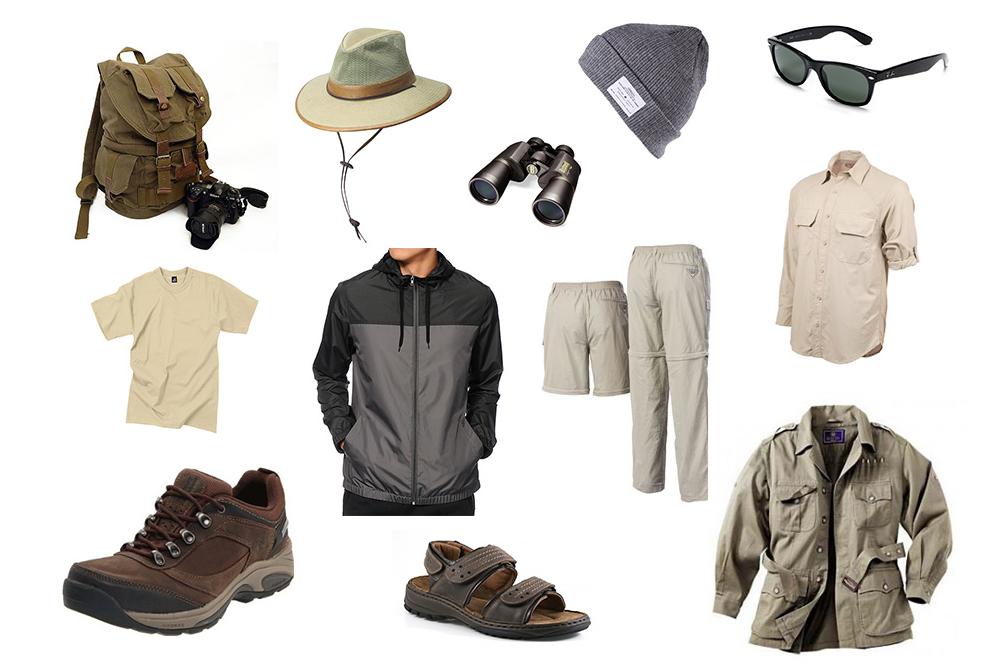
Dress for function and layers in every season. Long-sleeved shirts and long trousers in neutral colors, waterproof ankle-supporting boots, gaiters, lightweight gardening gloves, and a packable waterproof jacket are essential at all times, together with at least two liters of water, insect repellent, sunscreen, a hat, and a spare face mask. Flash photography is prohibited.

Dry-Season Additions

Bring a warm fleece for the cold mornings, sunglasses, and a lightweight scarf or buff against dust and sun. A camera with a fast lens helps in the shaded forest.

Wet-Season Additions

Bring a high-quality rain jacket and rain trousers, a waterproof cover for your camera and day pack, a dry bag for electronics, and a spare pair of socks. Waterproof boots with excellent grip are non-negotiable, and a porter is an excellent investment.

Getting to Volcanoes National Park

Almost every guest flies into Kigali International Airport, served by direct flights from major European and Gulf hubs and from Nairobi, Entebbe, Dar es Salaam, and Johannesburg. The drive to Volcanoes National Park is about 100 to 110 kilometers and takes two to two and a half hours, and a helicopter transfer of around 30 minutes is possible. We advise sleeping near the park the night before your trek rather than making a pre-dawn drive from Kigali, which turns the day into a very long one.

Where to Stay Near the Park

Wilderness Sabyinyo Lodge

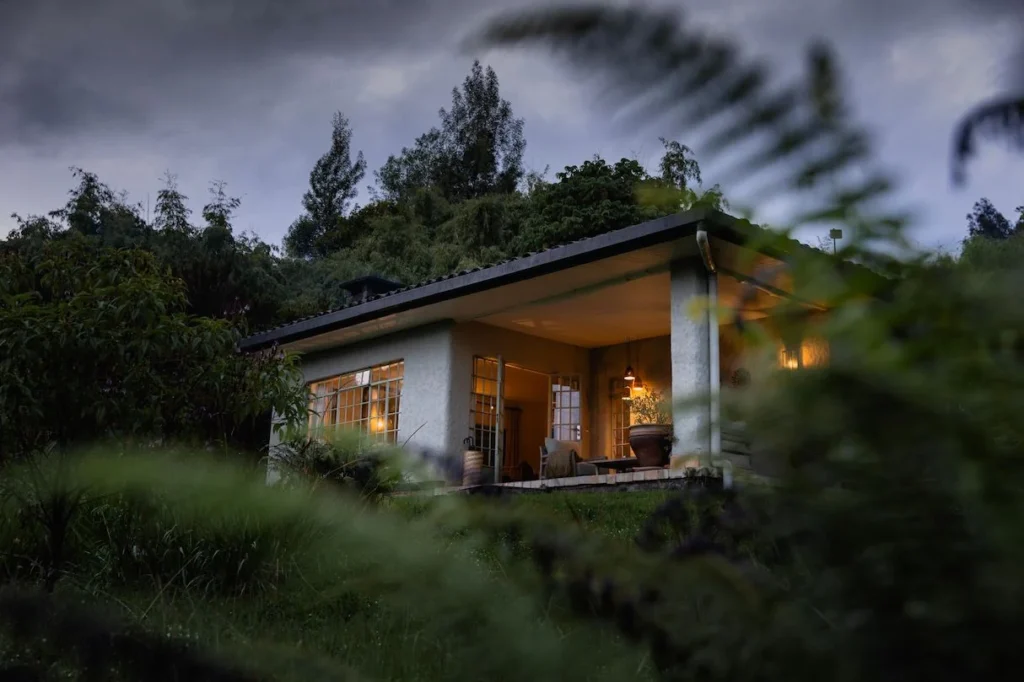
The finest properties are Wilderness Bisate Lodge, Singita Kwitonda Lodge, One&Only Gorilla’s Nest, and Wilderness Sabyinyo Silverback Lodge, all within roughly 20 to 40 minutes of the Kinigi trailhead. Lodge choice and season go together, because the green-season rates at these properties are one of the best-kept secrets in luxury African travel.

The Gorilla Trek Day, Whatever the Month

At around seven o’clock, trekkers gather at Kinigi headquarters, where rangers check passports against permits, assign groups to families, and give the briefing. Vehicles then take each group to the trailhead nearest its family, and the trek begins, typically lasting from thirty minutes to four or five hours. Once the trackers make contact, you spend one hour with the family, and the group then withdraws and returns to the lodge, usually by early or mid-afternoon.

Conservation: Why Your Visit in Any Season Matters

Mountain gorillas fell to a few hundred animals in the early 1980s, and their recovery is among the most remarkable conservation successes of our time. Dian Fossey established her Karisoke Research Centre in the Virungas in 1967, and the Dian Fossey Gorilla Fund continues that work. 20 percent of permit revenue is channelled to local communities, and the organizers of Kwita Izina report that more than US$16 million has been invested in nearly 1,300 community projects since the ceremony began. Whatever the month, your permit is a direct contribution to that model.

Plan Your Rwanda Safari

Start Planning a Private Gorilla Trek

Rwanda gorilla permits sell out months in advance. Secure your dates before the season closes.

Frequently Asked Questions About the Best Time for Gorilla Trekking in Rwanda.

What is the best month for gorilla trekking in Rwanda?

The best months for gorilla trekking in Rwanda are June to September and December to February, with July, August, and January the most reliable for dry trails. These months fall in Rwanda’s two dry seasons, when the forest paths in Volcanoes National Park are firmest and the five Virunga volcanoes are most often visible. July and August are the busiest and sell out six to twelve months ahead, while January and February offer similar weather with fewer visitors. The permit costs USD 1,500 per person in every month for international visitors. Gorillas can be trekked every day of the year, so the best month is the one that balances comfort, availability, and budget for you.

Is it better to go gorilla trekking in the dry or rainy season in Rwanda?

The dry season is better for comfort, and the rainy season is better for value and solitude. In the dry months of June to September and December to February, trails are firmer, treks are generally less slippery, and mornings are clearer for photography. In the rains of March to May and October to November, trails are muddy, but lodge rates are lower, permits are easier to get, and the park is quieter. The gorillas are equally easy to see in both seasons, and the permit price is identical at USD 1,500. If you choose the rains, waterproof boots, gaiters, and a porter are essential.

What is the cheapest time to go gorilla trekking in Rwanda?

The cheapest time to trek in Rwanda is the green season, particularly April, May, and November, but the saving comes from lodges rather than from the permit. The gorilla permit costs USD 1,500 for international visitors all year, and there is no low-season discount. Luxury lodges near Kinigi usually reduce their rates in the rains, and on a multi-night stay that saving can exceed the cost of an extra permit. The promotional USD 200 and USD 500 permit rates are for East African citizens and African residents only, and they do not apply from June to October. Travellers who want a lower permit price may consider Uganda, where a standard permit costs USD 800.

How far in advance should I book gorilla trekking in Rwanda?

Book six to twelve months ahead for June to September and the Christmas and New Year week, and three to six months ahead for the rest of the year. Rwanda issues only 192 gorilla permits per day, eight for each of 24 habituated families, and demand in the dry months exceeds that supply. The finest lodges, such as Wilderness Bisate Lodge with six villas and One&Only Gorilla’s Nest with twenty-five cottages, often sell out before the permits do. Booking early also gives you time to arrange visas and insurance. If your dates are fixed, check the lodge and the permit together before paying for either.

How do I book a gorilla trekking permit in Rwanda?

You book a Rwanda gorilla permit through the RDB’s Irembo online portal or through a licensed tour operator. For either route you need each trekker’s full name, nationality, and passport number exactly as printed in the passport, and the standard permit must be paid in full in advance at USD 1,500 per person. Through an operator such as Rwanda Gorilla Expeditions, we check permits and lodges for your dates at the same time, hold both, and send written confirmation. The government keeps a public register of licensed tourism operators, which you can use to check any company. Every trekker must be at least 15 years old.

Does the weather affect whether you see gorillas in Rwanda?

Weather rarely affects whether you see gorillas, but it can affect how long the walk takes and how comfortable it is. Trackers locate each habituated family at dawn and stay in radio contact with the ranger team, so contact is very high in every month. Rain makes the trails muddy and slower, and cloud can hide the volcanoes, but the one-hour encounter takes place in all but the most extreme conditions. Treks in Rwanda range from about thirty minutes to four or five hours in all seasons.

Is Rwanda or Uganda better for gorilla trekking in the rainy season?

Rwanda is generally the more comfortable choice in the rainy season, and Uganda is the better-value choice if you can accept a muddier, steeper trek. Volcanoes National Park is two to two and a half hours from Kigali, with good roads and lodges within 20 to 40 minutes of the trailhead. Bwindi Impenetrable National Park in Uganda has denser, steeper forest, and treks there can run up to eight hours in the wet. Uganda’s standard permit is USD 800, with a discounted USD 600 rate on fixed, non-reschedulable dates in April, May, and November. Rwanda’s permit is USD 1,500 every month.

Is gorilla trekking in Rwanda safe given the Ebola outbreak?

Gorilla trekking in Rwanda is operating normally, and the Rwanda Biomedical Centre states that there are no Ebola cases in the country. The outbreak is centered in Ituri Province in the DRC, and Rwanda denies entry to foreign nationals who have been in or transited through the DRC in the past 30 days. Health screening has been strengthened at Kigali International Airport, and masks are required near the gorillas. The US State Department rates Rwanda at Level 3, which some insurers treat as a restriction, so ask yours in writing before you book. We provide every guest with a current briefing before payment, as conditions can change.

What is Kwita Izina and is it a good time to visit?

Kwita Izina is Rwanda’s annual gorilla-naming ceremony, held at Kinigi at the foot of Volcanoes National Park, and early September is an excellent but busy time to visit. The 21st edition took place on 4 September 2026, when the ceremony named 22 baby mountain gorillas. Since 2005, the ceremony has named 460 gorillas, and the organizers report that they have invested more than US$16 million in nearly 1,300 community projects. September weather is largely dry, but accommodation around the ceremony is tight, so book earlier than for a typical September trek. Gorilla treks continue as normal during the ceremony period.

How cold does it get when trekking gorillas in Rwanda?

Mornings at the lodges near Volcanoes National Park can fall to around 5 to 10°C, and daytime temperatures on the trek are typically 15 to 20°C higher up the mountain and 20 to 27°C in the lower areas. The lodges sit at roughly 2,200 to 2,500 meters, so the air is cool at any time of year. The coldest conditions are early mornings in the dry season, and the wettest and most chilly are afternoons in the rains. Layered clothing, a fleece, a waterproof jacket, and a hat cover almost every condition. You will warm up quickly on the climb, so dress in layers that you can remove.

How much does a gorilla trek in Rwanda cost in total?

A luxury gorilla safari for two typically runs from the high five figures to six figures in US dollars, depending on the season, the lodge, and the length of stay. The USD 1,500 permit is a modest share, while two or three nights at a top lodge near Kinigi are usually the largest cost, with indicative rates of roughly USD 1,000 to well above USD 2,000 per person per night in high season. Private transfers, a driver-guide, golden monkey permits at USD 100, and chimpanzee permits at USD 150 add to the total. Flights, visas, tips, and insurance sit on top. We provide an itemized quotation so you can see every element.

Can I get a gorilla permit at the last minute in Rwanda?

Last-minute permits are sometimes available in Rwanda’s rainy months, but you should not rely on them. With only 192 permits a day, availability from June to September and over Christmas and New Year typically runs out months in advance. In March to May and October to November, cancellations occasionally release permits, and we monitor availability for guests with flexible dates. Even where a permit is available, the best lodges may be full. If you are planning to travel within a few weeks, send us your dates and we will let you know what is realistic.

How long is a gorilla trek in Rwanda and how long do you stay with the gorillas?

A gorilla trek in Rwanda takes between about three and seven hours in total, and you spend exactly one hour with the gorillas. The walk from the trailhead varies from about 30 minutes to four or five hours, depending on where the family spent the night. The day begins with a briefing at Kinigi headquarters at around seven in the morning, and most guests are back at their lodge by early or mid-afternoon. The one-hour limit is a conservation rule that applies to every standard permit in Rwanda, Uganda, and the DRC. Only Uganda’s Rushaga habituation experience allows longer, up to four hours, and it costs USD 1,500. Rwanda’s treks tend to be more predictable in length than Uganda’s.

What should I pack for gorilla trekking in the rainy season?

For the rainy season, pack waterproof ankle-supporting hiking boots, gaiters, a high-quality rain jacket and rain trousers, and a waterproof cover for your camera and day pack. Bring long-sleeved shirts and long trousers in neutral colors, lightweight gardening gloves, insect repellent, a hat, and at least two liters of water. A dry bag for electronics and a spare pair of socks are inexpensive and very useful. Hire a porter, who will carry your bag and steady you on slippery slopes, and carry small US dollar notes for tips. Flash photography is prohibited around the gorillas.

Can children go gorilla trekking in Rwanda, and when is best for families?

Children can trek gorillas in Rwanda only from the age of 15, and the best times for families are the school-holiday months of July and August, or the quieter January and February, if term-time travel is possible. The age rule is enforced at Kinigi without exception, mainly to protect gorillas from childhood diseases. Younger family members can enjoy golden monkey tracking at USD 100, Akagera game drives, and cultural visits, so a family itinerary can be built around the trek. July, August, and Christmas must be booked six to twelve months ahead. Tell us the ages and fitness of everyone in your group when you inquire.

Ready to Trek? Permits are limited — plan early.

Book Your Rwanda Gorilla Trek with Rwanda Gorilla Expeditions

The right month is the one for which you can still secure both a permit and the lodge you want, and that window closes earlier than most travelers expect. Rwanda Gorilla Expeditions is a Rwanda-based specialist, and we hold your permit, your lodge, and your private transfers together; give you a straight account of conditions on the ground; and stay with you from your first enquiry to your return to Kigali.