Private Gorilla Trekking Tours in Rwanda: The Complete Luxury Guide for 2027.

Private gorilla trekking tours in Rwanda start at USD 1,500 per person for the permit. Explore the prices, dates, and lodges, then plan your trek with us today.

A private gorilla trekking tour in Rwanda is a fully bespoke safari in which your guide, private vehicle, and luxury lodge are arranged around one hour with a wild mountain gorilla family in Volcanoes National Park, secured with a Rwanda Development Board (RDB) permit that costs USD 1,500 per person. Everything around the trek is private, from the airport meeting in Kigali to the lodge dinner at altitude, and the trek itself is led by RDB rangers and trackers who have followed your assigned gorilla family since first light. Travellers who want the forest to themselves as well can upgrade to the RDB exclusive-use permit, priced at approximately USD 15,000 as a flat fee for a group of up to eight, which removes every other visitor from the family’s single daily visit.

Private Gorilla Trekking Tours Rwanda: Luxury Guide 2027

Volcanoes National Park sits roughly 100 to 110 kilometers from Kigali, a drive of two to two and a half hours on a paved road, which is why Rwanda suits time-poor, high-expectation travellers better than any other gorilla trekking country. Every trek is limited at eight visitors per gorilla family; the 7-meter distancing rule and the one-hour observation limit apply to every permit holder, including exclusive bookings, and the minimum age is 15. Permits are issued in limited numbers, so peak dates between June and September and over the Christmas period should be secured six to twelve months ahead, before lodge rooms are even discussed. The reward is an encounter with a species that numbered only around 250 animals in 1981 and now exceeds 1,000 individuals, the only great ape whose numbers are rising.

Permits are limited — spaces fill months ahead

Reserve Your Private Gorilla Trek

Speak with a Rwanda-based specialist today. We secure permits, match you to the right gorilla family, and plan every detail around your schedule.

No group departures · Private itineraries only · Direct Rwanda expertise

What Is a Private Gorilla Trekking Tour?

A private gorilla trekking tour is a privately operated itinerary, not a special type of permit: you travel alone with your guide and private safari vehicle, while the gorilla encounter itself is governed by the same RDB rules as every other visit. That distinction is the single most useful thing to understand before comparing quotes, because operators use the word private to describe three quite different products, and the price gap between them is enormous.

Private Tour on a Standard Permit

The most common private tour pairs a standard USD 1,500 permit with a private guide, a private 4×4, hand-picked lodges, and a pace set entirely by you. On the morning of the trek, you will be placed with a gorilla family assigned by the RDB, alongside up to seven other permit holders, allowing you to share the hour in the forest with up to six other trekkers. What is private is everything else: the transfers, the briefing preparation, the lodge, the timing of your day, and the voice at your elbow that has read the previous day’s tracker reports. For most travelers this arrangement is the sweet spot, because the hour with the gorillas is the same in every other respect, and the premium is spent where the guest actually feels it.

Exclusive-Use Permit

An exclusive-use trekking permit means you buy the entire gorilla family’s daily visiting slots, which can be used by people of your choosing, whether a family, a couple, or a group of friends. RDB prices it at approximately USD 15,000 as a flat fee for up to 8 people, not per person, so the cost per head falls sharply as the group grows: roughly USD 7,500 each for a couple and just under USD 2,000 each for a party of eight. It is the only way to request a specific gorilla family in advance, and it guarantees that no stranger shares the hour. It does not lengthen the hour. That limit is a gorilla-welfare rule, not a crowd-control one, and it applies identically to exclusive bookings

Behind-the-Scenes Experience

The behind-the-scenes gorilla experience places a tiny party, typically around 3 people, alongside primatologists, trackers, and veterinary staff over 3 consecutive days, trading the fixed one-hour format for a research-led immersion. It is priced at approximately USD 15,000 per person and suits conservation-minded travelers rather than guests whose priority is privacy.

Product Approximate price Who is on the trek with you? Best suited to
Private tour, standard permit USD 1,500 per person plus tour costs Up to seven other permit holders, assigned by RDB Most luxury travelers, couples, and families with teenagers
Exclusive-use permit About USD 15,000 per group of up to eight Nobody outside your party Honeymooners, photographers, small groups, mobility concerns
Behind-the-scenes experience About USD 15,000 per person A very small research-led party Conservation donors, scientists, repeat gorilla trekkers

Why Rwanda Is the Best Country for a Private Gorilla Tour.

Rwanda is the best country for a private gorilla trekking tour because it combines the shortest road transfer from an international airport, a single trekking headquarters, and the deepest cluster of lodges of any gorilla trekking destination. Uganda charges less for its permit, and DR Congo’s gorilla tourism is currently restricted, but neither offers the same density of five-star lodging within twenty to forty minutes of the trailhead.

Distance, Logistics, and a Single Headquarters

Every gorilla trek in Rwanda begins at the park headquarters at Kinigi, on the southern edge of Volcanoes National Park, at an early-morning briefing. That single point of operations means your guide can brief you accurately, your lodge knows the schedule, and a morning that begins at breakfast ends in the forest rather than on a long, uncertain road. Bwindi in Uganda, by contrast, is divided into four trekking sectors that can be hours apart, and reaching the southern sectors from Kigali takes 4-5 hours, including a border crossing at Cyanika. If your time is limited and your expectations are high, the logistics alone often settle the debate.

A Conservation Model Built on Limited Numbers

Rwanda has chosen a high-value, low-volume model. The permit price, the cap of eight visitors per family, and the single daily visit per family keep the forest quiet and the revenue meaningful. The mountain gorilla was reclassified from Critically Endangered to Endangered by the IUCN in 2018, after surveys showed the population had passed 1,000, and the Dian Fossey Gorilla Fund reports a combined total of 1,063 mountain gorillas across the Virunga Massif and Bwindi from the 2018 census, although the most recent census is still ongoing. Rwanda also directs a share of park tourism income to the communities living along the park boundary, which is why guides, trackers, and porters speak about the gorillas with pride rather than resentment.

The Lodge Cluster at the Foot of the Volcanoes

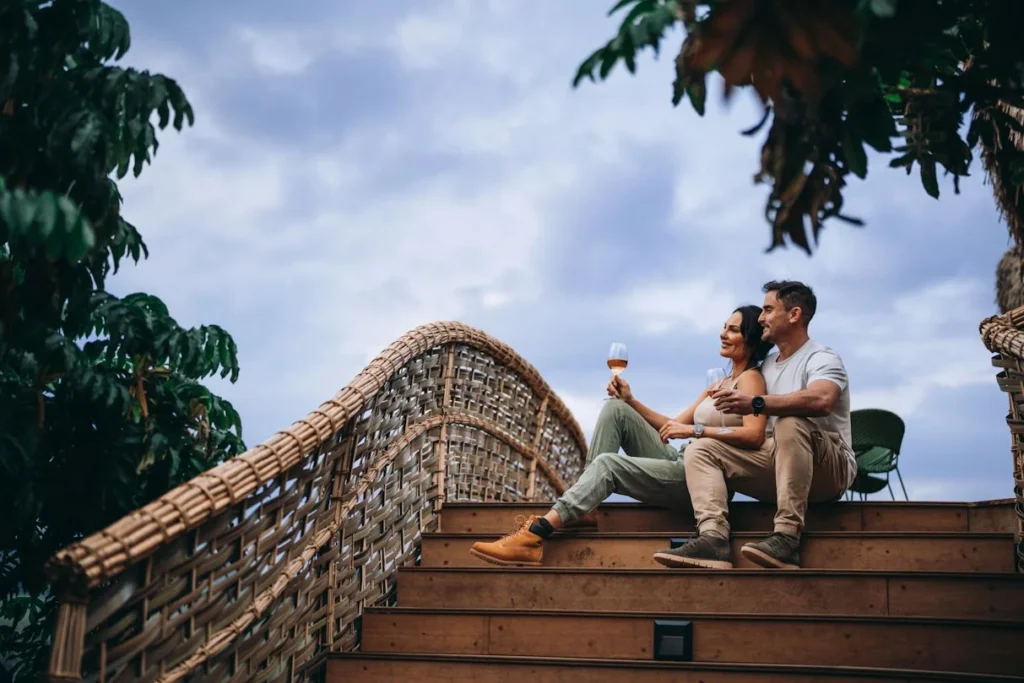
The lodges around Kinigi are the reason a private gorilla tour here can feel genuinely luxurious. Singita Kwitonda Lodge sits against the park boundary, Wilderness Bisate occupies a reforested volcanic hillside, One&Only Gorilla’s Nest stands in extensive gardens, and Wilderness Sabyinyo Silverback Lodge operates on a community-ownership model beneath Mount Sabyinyo. All four are within roughly twenty to forty minutes of the briefing point, so the choice between them is a question of architecture, service style, and budget, not convenience.

Why Not the Democratic Republic of Congo

Gorilla trekking in the DR Congo is effectively unavailable to ordinary visitors. Permits for Virunga National Park remain suspended because of regional insecurity, and the eastern lowland gorilla sector of Kahuzi-Biega is subject to the strongest government travel warnings. We would rather say plainly that a private gorilla tour should focus on Rwanda or Uganda than sell an itinerary we cannot stand behind.

How Much Does a Private Gorilla Trekking Tour in Rwanda Cost?

A private gorilla trekking tour in Rwanda typically costs from about USD 5,500 per person for a five-day journey at a midrange-tier lodge to USD 10,500 to 15,000 or more per person at the ultra-luxury lodges, with the USD 1,500 gorilla permit forming the fixed core of every price.

Rwanda Safari Experiences: The Complete Expert Guide 2027

The first is the gorilla permit at USD 1,500 per person, set by RDB, identical to whichever operator you book through and not discounted for the rainy season. The second is accommodation near the park, which varies more than any other line. The third is private ground transport, since there are no scheduled domestic flights to the Volcanoes area and the road is the most practical route. A private 4×4 with a driver-guide generally costs in the region of USD 200 to 300 per day, which is why the per-person cost falls as group size rises.

Lodge choice is where budgets diverge. Ultra-luxury lodges near Volcanoes National Park commonly price from roughly USD 1,000 to 2,500 per person per night on an inclusive basis, while excellent mid-range lodges sit well below that. Optional extras also add up: a golden monkey permit at USD 100, the Dian Fossey and Karisoke hike permit at USD 75, a porter at USD 10 to 20, and, if you want to remove the road entirely, a private helicopter transfer from Kigali that typically adds USD 800 to 2,000 per leg depending on aircraft and group size.

Line item Indicative cost Notes
Gorilla permit USD 1,500 per person Fixed by RDB, the same in every season
Golden monkey permit USD 100 per person Easy, enjoyable second day
Dian Fossey and Karisoke hike permit USD 75 per person Four to six hours, including the site visit
Private 4×4 and driver-guide About USD 200 to 300 per day Shared by your party
Luxury lodge near the park About USD 1,000 to 2,500 per person per night Ultra-luxury tier, usually inclusive
Porter at the trailhead USD 10 to 20 plus tip Strongly recommended for everyone
Rwanda e-visa USD 50 The East Africa Tourist Visa is USD 100 for three countries.
Exclusive-use permit (optional) About USD 15,000 per group Flat fee for up to eight people

A Realistic Total Cost

For a couple choosing a 3-night private journey, the permits alone come to USD 3,000, and with a luxury lodge, private transport, and guiding, the total typically lands between USD 12,000 and 20,000 for two, depending on the lodge and season. Solo travellers pay more per head because permits and lodge rates are fixed per person, and the arithmetic of a single supplement is worth discussing openly before committing.

A Discount Worth Asking About

RDB has in recent seasons offered a reduced gorilla permit price to guests who combine their trek with a stay of several nights in Nyungwe or Akagera during the quieter months. If your journey already includes a chimpanzee trek in Nyungwe Forest or Big Five game drives in Akagera National Park, it is the first question we ask RDB on your behalf, because a saving of that size on a USD 1,500 permit is substantial.

Plan Your Rwanda Safari

Start Planning a Private Gorilla Trek

Rwanda gorilla permits sell out months in advance. Secure your dates before the season closes.

How Private Gorilla Permit Booking Works

Booking a private gorilla trekking tour begins with fixing your dates, because the permit is the only element that cannot be moved once confirmed, and everything else, from lodge rooms to flights, is arranged around it. A sensible sequence is to check permit availability first, secure the permit, confirm lodges, and only then purchase international flights.

When you contact us, we check real-time permit availability with RDB for your preferred dates and for a few alternatives on either side. Once you decide, we need the full names and passport details of every trekker exactly as they appear in their passport, because RDB verifies identity documents at the park entrance. We then reserve the permit, collect payment, and confirm lodges and transfers. Permits are paid for in full in advance and are generally non-refundable, and changing a confirmed date is subject to RDB rules and fees. That is why we advise committing to flights only once the permit is secure.

Lead Times for Peak and Quiet Months

For the long dry season from June to September and the Christmas to New Year period, book six to twelve months ahead. For the short dry season from December to February and the shoulder months, three to six months is usually sufficient. Even in the quietest rainy months, we would not plan with less than eight weeks, because the best lodges hold very few rooms and a particular gorilla family cannot be guaranteed on a standard permit at any time of year. If you want an exclusive-use permit, add several weeks, since privatising a family’s slot removes it from the general pool for that date.

What We Do Differently

A private tour should feel like a single conversation rather than a series of reservations. We work out your fitness, your party’s ages, your photographic ambitions, and the pace you want, and we pass that information to the park team ahead of the briefing so that the ranger making the family assignment has context. We cannot promise a particular family on a standard permit, and nobody honest can, but a ranger who knows that one member of your party is in their seventies will often choose differently from one who does not.

The Exclusive-Use Permit: When Does Full Privacy Make Sense?

The exclusive-use permit makes sense when privacy, pace, or family choice is worth more to you than the per-person premium, and it makes the most financial sense for larger parties. Because the fee is a flat USD 15,000 for up to eight people, a group of eight pays just under USD 2,000 each, only about USD 3,000 more in total than eight standard permits, while a couple pays roughly five times more per head than a full group for exactly the same experience.

2-Day Rwanda Gorilla Safari | Volcanoes National Park

An exclusive booking removes the other trekkers, hands you control of the pace, and lets you request a family in advance in coordination with RDB. For an older traveler, anyone managing a knee or hip, or a photographer who wants to reposition without holding up six strangers, those are meaningful upgrades. The trek is not shorter, the terrain is not different, and the gorillas are the same animals.

The one-hour limit exists to protect gorillas from stress and from human-borne disease, and it is enforced identically on every permit. Some operators imply otherwise, and we think you should learn the rule before paying.

What Happens on a Private Gorilla Trekking Day: Hour-by-Hour Timeline.

A gorilla trekking day in Rwanda follows a fixed rhythm: a 7:00am briefing at Kinigi, a hike of anywhere between thirty minutes and four hours to find your assigned family, exactly one hour with the mountain gorillas, and a return to your lodge by early or mid-afternoon. Knowing the day’s shape in advance eases most first-time trekkers’ anxiety and lets you plan the one thing that can’t be rushed: the morning itself.

Before Dawn: Breakfast and the Drive to Kinigi

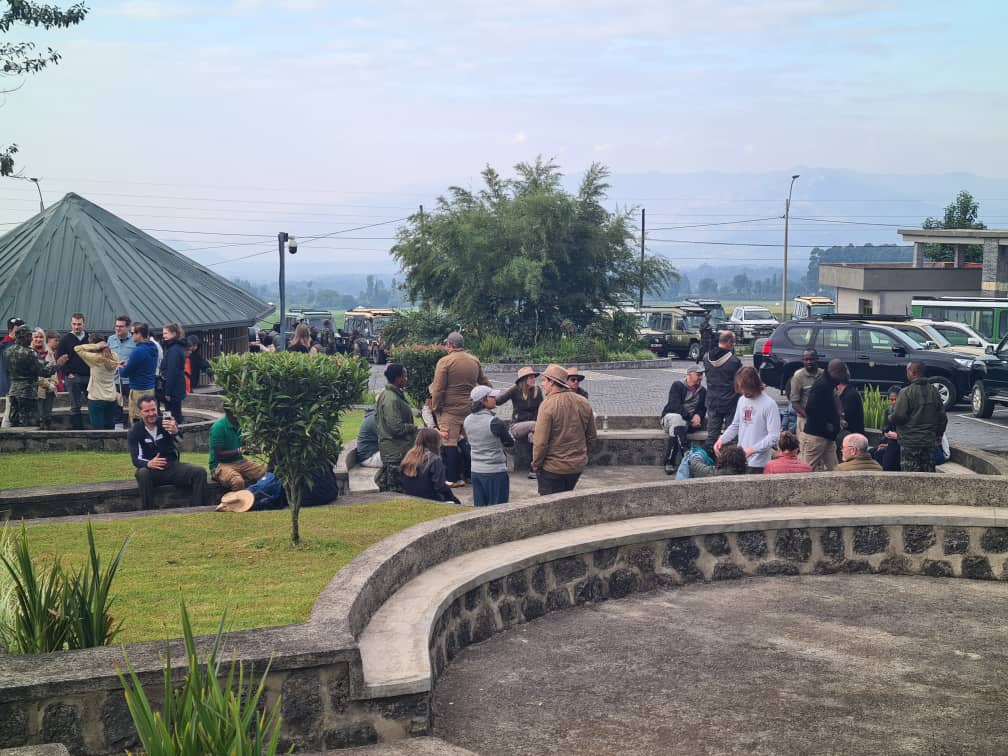
Most lodges serve an early breakfast from about 5:30am, and they prepare a packed lunch for the trail. Your private guide collects you in time to reach the park headquarters at Kinigi before the 7:00am briefing. From Singita Kwitonda or Bisate, the drive is roughly twenty to forty minutes on a mix of tarmac and volcanic-stone roads. At the headquarters, traditional Intore dancers perform while permits are checked against passports, which is why every trekker must carry the passport copy. The dance is short and genuinely enjoyable, and it is also the moment when your party mingles with the other permit holders for the first time.

The Briefing and Family Assignment

What to Expect on a Gorilla Trekking Day in Rwanda

Rangers brief the whole group on the rules and then assign trekkers to gorilla families according to fitness, age, and preference. This is the point where a private operator earns its fee. Because RDB makes the assignment in the morning, your guide cannot dictate it, but a clear request that your party includes someone older, someone with limited mobility, or someone hoping for a long hike to a particular family is passed to the head ranger and is usually respected where the family’s position allows. Families in the Volcanoes National Park range across the lower slopes of the Virunga volcanoes, and their location on any given day depends on where they nested the night before and where they chose to feed. Trackers leave before dawn to locate the group, then radio the position to the trekking party as it sets out.

The Hike

The walk takes between thirty minutes and four hours each way, depending on where the family has moved. The first part of the trail crosses potato fields and farmland bordered by a low volcanic-stone wall that marks the park boundary; beyond it, the path climbs into bamboo and then montane forest. Elevation at the trailheads is around 2,400 meters, and the family may be found at 2,700 to 3,200 meters. Stinging nettle, mud, and steep, slippery slopes are normal, which is the reason porters and walking sticks are so valuable. The pace is deliberately slow, with frequent stops, because a group moves at the speed of its slowest member. There is no requirement to hurry, and the trackers regularly check that everyone is comfortable.

The Hour With the Gorillas

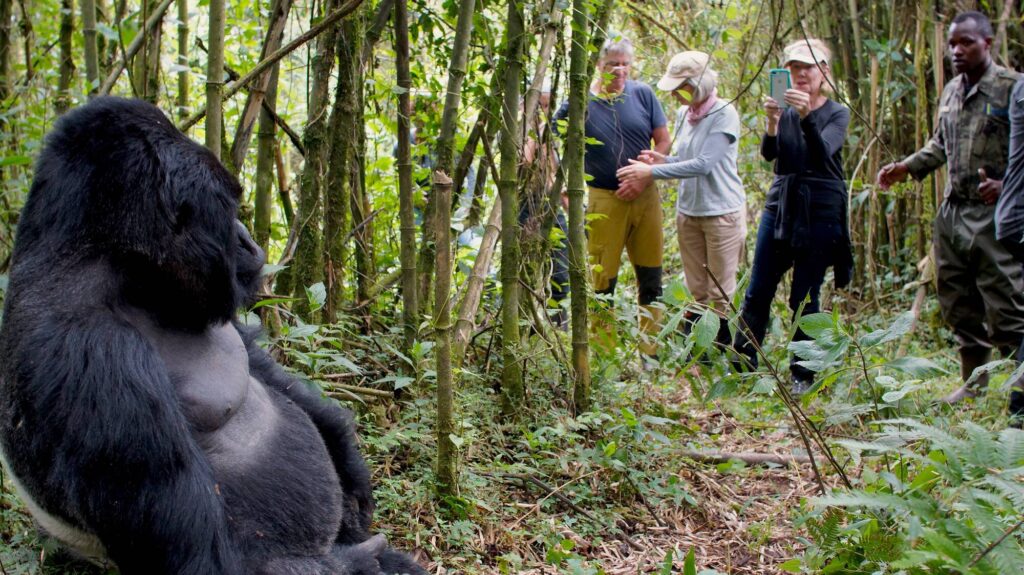
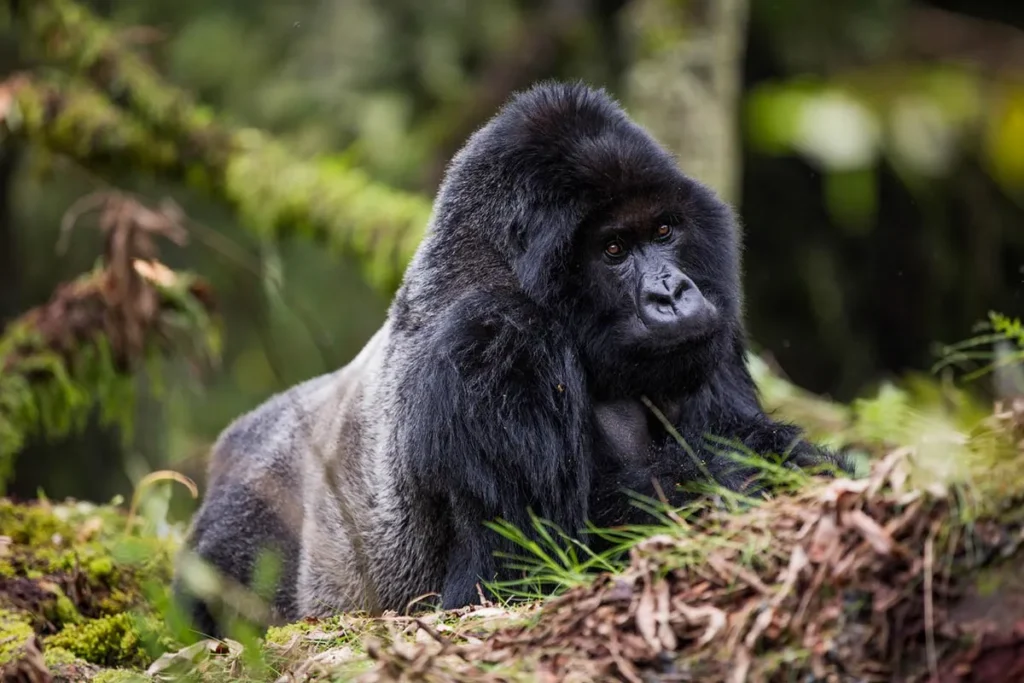
When the trackers locate the family, trekkers leave their bags and walking sticks behind with the porters and move in with only a camera. The 1-hour countdown begins when you first see the gorillas, not when you arrive at the spot, and you are asked to keep at least 7 meters from the mountain gorillas, a distance the gorillas themselves frequently ignore. A silverback may be resting while juveniles play, mothers carry infants on their backs, and the group continues feeding, grooming, or sleeping as if you were not there. Flash photography is forbidden, eating and drinking are not permitted near the animals, and anyone who is coughing or sneezing may be asked to hold back, because gorillas share about 98 percent of their DNA with humans and are susceptible to our respiratory illnesses. Face masks may be required near the gorillas, and your guide will tell you if so.

The Return

The walk back is usually faster than the way in and often more relaxed. A certificate is typically presented at the park headquarters or at your lodge, and a tip for guides, trackers, and porters is customary. On a private gorilla tour we plan nothing demanding for the afternoon: a long lunch, a massage, or a rest on the terrace while you review the photographs. Please resist the temptation to schedule an afternoon activity, even a short one, until you know how long your trek took.

How Hard Is Gorilla Trekking in Rwanda? Fitness, Terrain, and Accessibility.

Gorilla trekking in Rwanda is a moderate hike at altitude that most reasonably active travelers complete comfortably, with the hardest part usually being the thin air and the slippery ground and not the distance. The hike takes between 30 minutes and 4 hours each way, and you can influence which end of that spectrum you get by telling the rangers about your fitness at the morning briefing.

What Fitness You Actually Need

Regular walking is enough preparation for most people. A few weeks of hill walking, stair climbing, or gym work before you arrive will make the day more enjoyable, but you do not need to be a mountaineer. The altitude is the more significant factor: Kinigi sits at about 2,300 meters, and the family may be found well above 3,000 meters. Travellers coming directly from sea level may feel breathless on slopes that would be easy at home, so arriving in Kigali (about 1,500 metres) at least a day before the trek and sleeping near the park the night before helps considerably.

Choosing a Family by Difficulty

Rwanda’s habituated gorilla families range widely in temperament and location. Some groups, such as Sabyinyo, are often found closer to the park boundary and can be reached in well under two hours, while others, such as Susa A, range high up the volcano and demand a longer, steeper trek. The Karisimbi group is generally regarded as the most demanding of all, as it ranges high on the flanks of Mount Karisimbi. Rangers match families to trekkers based on fitness, so an honest declaration at the briefing is better than bravado.

Porters, Walking Sticks, and Assistance

Every trekker should hire a porter, and it costs only USD 10 to 20 plus a tip. A porter carries your bag but, more importantly, offers a steady arm on steep and muddy sections and provides income to a community living at the edge of the forest. Carved wooden walking sticks are provided at the trailhead and are free to use. For travellers with limited mobility, rangers can arrange a stretcher-style sedan chair carried by a team of porters for an additional cost. This option has allowed trekkers in their eighties to meet gorillas and is another reason why privacy matters: on an exclusive-use permit, the whole party can go at the pace of its slowest member.

Age Limits and Health Considerations

The minimum age to trek is fifteen, with no exceptions made for younger children, so families with younger siblings must plan alternative activities. There is no upper age limit. Anyone with a cold, flu, or other contagious illness may be refused entry on the day, so arrive rested and avoid contact with anyone unwell in the days before. Carry your regular medication, discuss altitude with your doctor if you have heart or lung conditions, and travel with comprehensive insurance that includes medical evacuation.

Plan Your Rwanda Safari

Start Planning a Private Gorilla Trek

Rwanda gorilla permits sell out months in advance. Secure your dates before the season closes.

What to Pack for a Private Gorilla Trek in Rwanda.

The essentials for a gorilla trek are sturdy waterproof hiking boots, long trousers, a long-sleeved shirt, a waterproof jacket, gardening gloves, and a small daypack, because the forest is wet, muddy, and nettled at any time of the year. A good packing list for a private gorilla tour balances the demands of the forest with the standards of the lodges, which tend to be elegant.
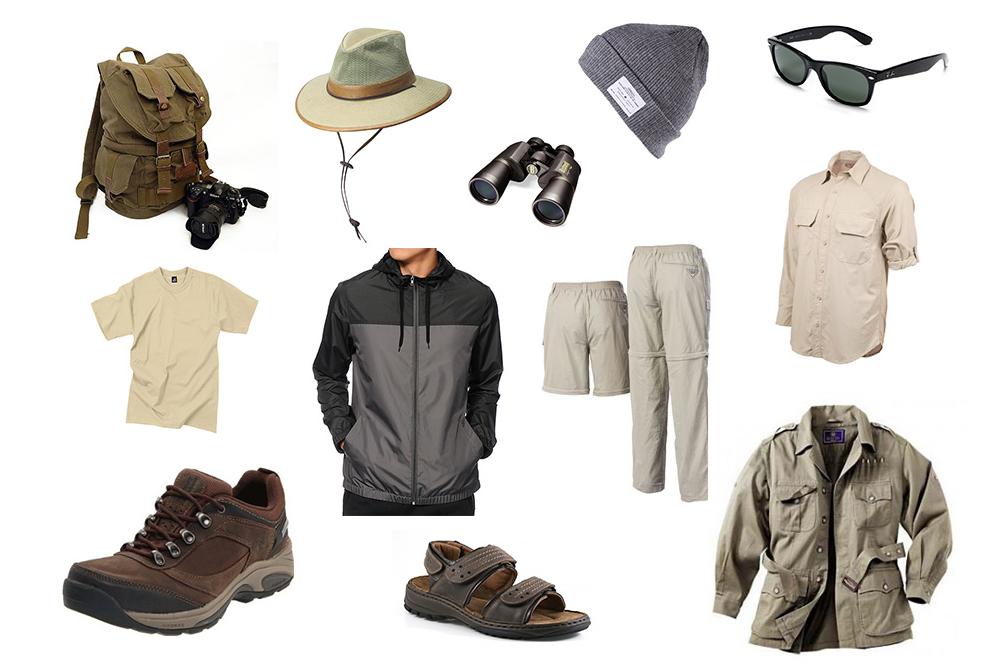
What to Pack for a Safari

Clothing for the Forest

Wear lightweight, quick-drying layers in muted greens, browns, and khakis, and avoid bright colors and white, which can unsettle wildlife and show mud. Long sleeves and long trousers protect against stinging nettles and insects, and trousers tucked into thick socks help against driver ants on the trail. A warm fleece is useful because mornings are cool, particularly before sunrise at 2,400 meters, where temperatures can fall to around 8 to 10 degrees Celsius. A lightweight waterproof jacket is essential at all times, since the Virunga region receives rain in every month of the year.

Footwear and Hand Protection

Waterproof, broken-in hiking boots with excellent ankle support and grip matter more than any other item. Leather gardening gloves are widely recommended because trekkers grab vines and branches on steep slopes and encounter stinging nettles. Many lodges lend or sell gloves, and we provide them as part of our private tours, but bringing your own pair means they fit. Gaiters are a useful addition during the rains.

Photography Equipment

Light under the forest canopy is dim, and gorillas are dark, so a camera with excellent low-light performance helps enormously. A zoom lens of around 24-200mm is versatile enough for most encounters at the permitted distance, a fast prime lens is useful in dim light, and spare batteries are essential because cold and altitude drain them quickly. Flash is forbidden. Waterproof covers for cameras and phones are worth carrying. If photography is central to your trip, tell us, since an exclusive-use permit makes it far easier to reposition and shoot without delay.

What You Do Not Need

You do not need to carry a heavy pack, food for the entire day (your lodge provides a packed lunch), or drones, which are prohibited in the national park. Plastic bags are banned in Rwanda, so pack accordingly, and security at the airport will confiscate them. Leave valuable jewelry in the lodge safe.

Best Time for Private Gorilla Trekking in Rwanda

The best time for a private gorilla trek in Rwanda is the long dry season from June to September, with the shorter dry season from December to February as the second choice, although trekking is possible all year because the gorillas live in rainforests where rain is always possible. The seasons affect comfort, price, and availability far more than they affect your chance of seeing the animals, which is effectively the same in every month.

Best time for gorilla trekking.

The Long Dry Season, June to September

June to September offers the driest trails, the clearest views of the Virunga volcanoes, and the easiest hiking. It also commands the highest demand, so permits and lodge rooms for this period sell out many months in advance. Nights are cool, and the clear air produces sharp light for photography. If your dates are fixed to the northern hemisphere summer holidays, book earliest.

The Short Dry Season, December to February

The December to February window is a genuinely excellent alternative, with reliable weather, a festive holiday atmosphere, and slightly softer demand outside the Christmas and New Year weeks. Trails are generally manageable, and visibility is good. January and early February are often the sweet spot for travellers seeking dry conditions without the crowds of July and August.

The Rainy Seasons

March to May is the long rain season, with April and May the wettest months, and October to November is the short rain season. Trails are muddy and slippery, and clouds can obscure the volcanoes. In exchange, the forest is intensely green, lodges are quieter, and rates are often lower. The permit price does not drop, but the availability is better, and many of our guests observe that the rain is usually brief and the gorillas are often seen lower on the slopes where food is plentiful. We have trekked in all months, and the hour with the gorillas is just as magical in April as in July.

Month-by-Month Summary

Month Conditions Demand Our view
January to February Mostly dry, warm days Moderate Excellent value and weather
March to May Heavy rain, muddy trails Low Quiet, green, best availability
June to September Driest, clear skies Highest Best conditions, book early.
October to November Short rains Low to moderate Good availability, lush forest
December Mostly dry, festive High around Christmas Book far ahead for holiday weeks.

Where to Stay on a Private Gorilla Trekking Tour: Luxury Lodges Near Volcanoes National Park.

The best lodges for a private gorilla tour are Singita Kwitonda Lodge, Wilderness Bisate, One&Only Gorilla’s Nest, and Wilderness Sabyinyo Silverback Lodge, all within roughly twenty to forty minutes of the Kinigi briefing point. Choosing between them is mostly a matter of style, and the lodge is where you will spend the hours not occupied by the trek, so it deserves care.
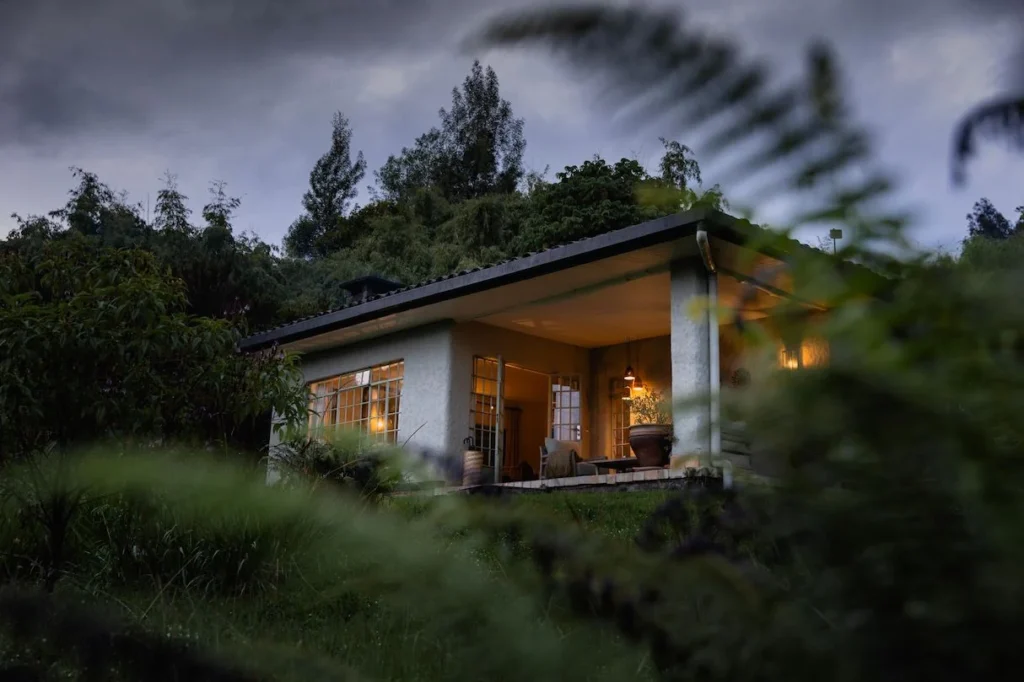
Wilderness Sabyinyo Lodge

The question to ask is not which lodge is best but which suits your party and your trip. Honeymooners tend to prefer Bisate or Kwitonda, families tend to favor Gorilla’s Nest, and travelers focused on community impact lean toward Sabyinyo. Because supply is limited, we advise requesting lodge and permit availability together so that a missing room does not undo a confirmed permit.

Getting to Volcanoes National Park: Flights, Transfers, and Visas.

The simplest route to a private gorilla trek is to fly into Kigali International Airport and then drive to the Kinigi area, a journey of roughly 100 to 110 kilometers that takes two to two and a half hours by private 4×4. Kigali is served by RwandAir, Kenya Airways, Ethiopian Airlines, Qatar Airways, Turkish Airlines, Brussels Airlines, and KLM, so most European and Middle Eastern gateways connect with one stop, and North American travelers usually connect through Brussels, Amsterdam, Doha, Istanbul, or Addis Ababa.

The Road Transfer

The road from Kigali north through Musanze is paved and well maintained, passing terraced hillsides, banana groves, and busy market towns. A private driver-guide makes the drive part of the experience, with stops for a first look at rural Rwanda, coffee, or the Kinigi viewpoint where the volcanoes first rise on the horizon. Most guests arrive the day before the trek, so they spend the first night at the lodge and start the trek rested.

The Helicopter Option

For travellers who value time above all, a private helicopter flight from Kigali to the Musanze area takes roughly thirty to forty minutes and removes the road entirely. Charter pricing varies with aircraft, group size, and season, and the figure quoted earlier (USD 800 to 2,000 per leg) is indicative only. Flying over the Virunga chain also gives a perspective on the eight volcanoes that no trail can offer. Several lodges also offer helipad access, and your lodge will usually coordinate landing approvals.

Visas and Entry

Most nationalities obtain a Rwandan e-visa online before departure, and the standard tourist visa costs USD 50 for a single entry valid for thirty days. Citizens of several African countries and a short list of others enter visa-free. If you plan to combine Rwanda with Uganda and Kenya, the East Africa Tourist Visa covers all three countries for USD 100 and is valid for ninety days, which is far more economical than three separate visas, provided your first entry is Rwanda, Uganda, or Kenya and you do not leave the three-country area.

Health, Vaccinations, and Insurance

A yellow fever vaccination certificate is required if you arrive from a country with a risk of yellow fever transmission and is recommended for most travelers to East Africa. Malaria risk is low at the altitude of the Virunga volcanoes but is present in Kigali and especially in Akagera, so ask your doctor about prophylaxis if your itinerary includes lower elevations. Routine vaccinations should be up to date, and COVID-19 and influenza precautions are sensible, since gorillas are susceptible to human respiratory diseases. Insurance that covers medical evacuation is essential for any remote safari, and you should confirm that it covers trekking at altitudes up to 3,500 metres.

Tipping, Porters, and Conservation: What Your Money Does.

A gorilla permit funds conservation directly, and RDB directs a portion of tourism revenue to communities bordering the park through its revenue-sharing program, which has paid for schools, water systems, and health centers around Kinigi. That context helps explain why a high price per permit is part of the conservation model and not simply a barrier.

How Much to Tip

Tipping is discretionary but customary. A common guideline is USD 10 to 20 per trekker for the trackers and anti-poaching guards combined, USD 15 to 25 for the head ranger-guide, and USD 10 to 20 for your porter, with your private guide receiving a gratuity that reflects the length of your journey, typically USD 15 to 25 per person per day. Carry small US dollar notes in acceptable condition, since older or torn notes are often refused. Lodges usually have a tip box for staff, which is shared.

The Gorillas Do Not Pay for Your Visit

Behind every permit sits a surprising amount of daily work. Trackers visit each habituated family every day, veterinary teams monitor gorilla health, and anti-poaching patrols sweep the park. Families that have been habituated for years respond calmly to people, which is the product of long, patient fieldwork, and the programs behind it were started by Dian Fossey at Karisoke in 1967. The Dian Fossey Gorilla Fund continues to operate the Karisoke Research Center, and a visit to the site of her grave and the remains of her original camp is one of the best add-ons for guests who want to understand how the species was saved.

Responsible Behavior on the Trek

Keep your voice low, stay at least seven metres away, do not point or make sudden movements, and if a gorilla approaches, step back slowly and follow the guide’s instructions. Never run, and do not stare at a silverback for long. The guides have years of experience, and their calm is the best guide to your own.

Beyond the Gorillas: Combining a Private Trek With Other Experiences.

A private gorilla tour works best as the centerpiece of a longer East African journey, because Rwanda offers a compact set of contrasting ecosystems that can be combined without long transfers. Here are the most rewarding additions, in the order we usually recommend them.

Golden Monkeys and the Dian Fossey Hike
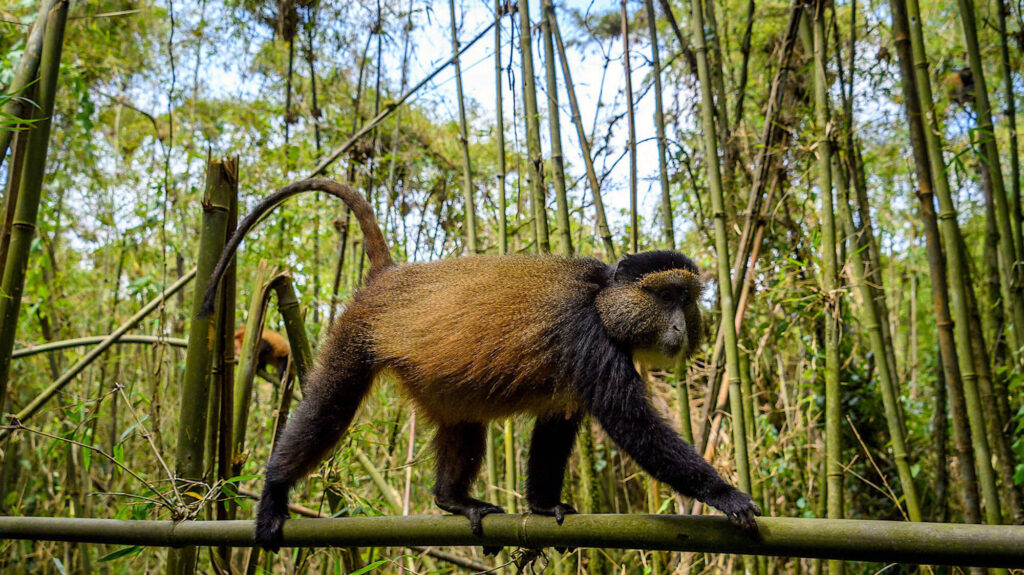
Golden Monkey Trekking in Rwanda: $100 Permit & Luxury Guide

The golden monkey trek, at USD 100, is a relaxed morning in the bamboo forest watching an endangered Albertine Rift primate that lives only in the Virunga region, and it is an ideal second-day activity. The Karisoke hike, at USD 75, takes you to Dian Fossey’s grave and the ruins of her research camp and is a half-day hike.

Chimpanzees in Nyungwe Forest

Nyungwe Forest, in the southwest of Rwanda, protects one of the oldest montane rainforests in Africa and is home to chimpanzees and thirteen primate species, along with a canopy walkway suspended about 50 metres above the forest floor. A chimpanzee trek costs USD 100 per person, and the forest rewards a two-night stay.

Big Five Safari in Akagera
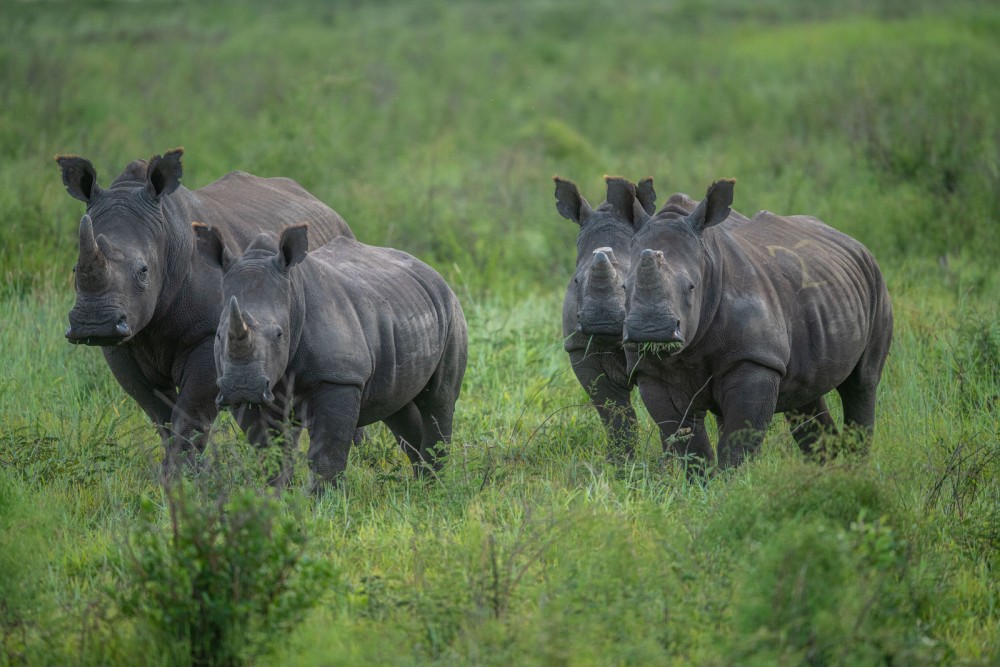
Black and White Rhinos in Akagera National Park

Akagera National Park in the east is Rwanda’s only savannah reserve and, since the reintroduction of lions in 2015 and black rhinos in 2017, supports the Big Five. A two-night stay with game drives and a boat trip on Lake Ihema adds a classic safari dimension to a gorilla itinerary.

Crossing Into Uganda, Tanzania, and Kenya

Guests who want a second gorilla experience or a different landscape often extend into Uganda, where Queen Elizabeth National Park offers tree-climbing lions, and Kibale Forest offers the best chimpanzee density in East Africa, or into Tanzania and Kenya for the Great Migration.
Plan Your Rwanda Safari

Start Planning a Private Gorilla Trek

Rwanda gorilla permits sell out months in advance. Secure your dates before the season closes.

Frequently Asked Questions About Private Gorilla Trekking Tours

What is a private gorilla trekking tour?

A private gorilla trekking tour is a privately guided safari in which your party travels with its own guide, vehicle, and lodge while trekking to visit a habituated mountain gorilla family. It is not a special type of permit, so on a standard permit you may share the forest hour with up to seven other trekkers. The permit costs USD 1,500 per person in Rwanda and allows one hour with the gorillas at a distance of seven metres. The private element is everything else, including airport transfers, lodge selection, pacing, and daily timing. Travellers who want their family to stay together can upgrade to the exclusive-use permit for about USD 15,000 for up to eight people. Most of our guests choose a private tour on standard permits, since the encounter is the same and the premium is spent on comfort. A private tour is arranged around your dates, so booking early is wise.

How much does a private gorilla trekking tour in Rwanda cost?

A private gorilla trekking tour in Rwanda costs from about USD 5,500+ per person for a five-day luxury-tier journey, rising to USD 15,000 or more per person at ultra-luxury lodges. The USD 1,500 permit is fixed, and accommodation is the largest variable, with ultra-luxury lodges near Volcanoes National Park charging roughly USD 1,000 to 2,500 per person per night. Private transport with a driver guide typically adds USD 200 to 300 per day. Optional extras include a golden monkey permit at USD 100, the Dian Fossey hike at USD 75, and a helicopter transfer. Couples should budget roughly USD 12,000 to 20,000 for a three-night private trek, and groups pay less per head. We provide an itemized quotation so you can see every line before you commit.

How much is an exclusive gorilla trekking permit in Rwanda?

An exclusive-use gorilla permit in Rwanda costs approximately USD 15,000 as a flat fee for a group of up to eight people. That works out to roughly USD 7,500 per person for a couple and just under USD 2,000 per person for a party of eight. It reserves a single gorilla family’s daily visit for your party, so no other trekkers join you, and it lets you request a specific family in advance. It does not extend the one-hour limit, which is a gorilla-welfare rule applied to every permit. Because the slot is removed from the general pool, exclusive permits need extra lead time, often several weeks beyond a normal booking.

How do I book a private gorilla trek in Rwanda?

You book a private gorilla trek by sending your preferred dates and group size to a Rwanda-based operator, which checks permit availability with RDB and confirms lodges and transfers. We need the full names and passport details of every trekker exactly as they appear on the passport, and payment is made in full in advance, since permits are generally non-refundable. Book six to twelve months ahead for June to September and the Christmas period, and three to six months ahead for other seasons. Secure the permit before buying international flights, because it is the one element that cannot move. The process is usually complete within a few days once you choose your dates and lodge.

How far in advance should I book gorilla trekking permits in Rwanda?

Book gorilla permits six to twelve months ahead for peak months and at least eight weeks ahead for any month. Peak demand falls in June to September and during the Christmas to New Year weeks, when the best lodges near Kinigi have only a handful of rooms. The December to February window needs three to six months of notice, and the rainy months of March to May and October to November are the easiest to book at shorter notice. Permits are issued by RDB, and a single day’s allocation is limited by the number of habituated families, each visited by a maximum of eight trekkers. Exclusive-use permits need longer lead times. Holding flexible flights until a permit is confirmed is the single most useful planning habit.

How long do you spend with the gorillas in Rwanda?

You spend exactly one hour with the gorillas in Rwanda, and the same limit applies to every permit, including exclusive-use bookings. The hour starts when your party first sees the family, not when you leave the briefing, so the total time on the mountain is usually between three and eight hours, including the hike. The limit protects the gorillas from stress and from human-borne disease, and rangers enforce it strictly. You must stay at least seven metres from the animals, although they sometimes approach you. Tracking can take thirty minutes to four hours in each direction. Our guide will tell you when to put the camera down, because the last ten minutes are often the ones people remember.

Is Rwanda or Uganda better for gorilla trekking?

Rwanda is better for travelers who value short transfers, luxury lodges, and a single trekking headquarters, while Uganda is better for travelers on a smaller budget or those who want more than one gorilla sector. A Rwandan permit costs USD 1,500, against USD 800 in Uganda. But Rwanda’s Volcanoes National Park lies about two to two and a half hours from Kigali, while the Bwindi Impenetrable Forest typically needs four to five hours by road from Kigali or a charter flight from Entebbe. Bwindi has four trekking sectors and a larger number of habituated families, which gives more flexibility, whereas Rwanda gives the highest concentration of five-star lodges.

What is the best time of year for gorilla trekking in Rwanda?

The best time for gorilla trekking in Rwanda is June to September, when the trails are driest and the volcanoes are clearest, with December to February as a strong second choice. March to May and October to November are the rainy seasons, bringing mud and mist but also lower demand and lush forest. The gorillas are visible in every month since they live in the rainforest and move between altitudes with the food supply. Permits cost the same year-round at USD 1,500. If you want to travel in peak months, book at least six months ahead. If flexibility matters more than conditions, the shoulder months give the best availability.

How fit do I need to be for gorilla trekking in Rwanda?

You need moderate fitness for gorilla trekking in Rwanda, enough to walk for up to four hours each way at altitudes between 2,400 and 3,200 metres. The rangers assign families by fitness, so telling them honestly at the 7:00am briefing at Kinigi means a shorter hike when you need one. Porters cost USD 10 to 20 and can carry your bag and steady you on steep, muddy slopes. For travellers with limited mobility, a sedan chair carried by porters can be arranged at an additional cost. An exclusive permit lets the party move at the pace of its slowest member. The minimum age is fifteen, and there is no upper limit.

What is the minimum age for gorilla trekking in Rwanda?

The minimum age for gorilla trekking in Rwanda is fifteen, and this rule is enforced at the Kinigi briefing with passports checked. There are no exceptions for younger children, so families with younger siblings need alternative activities, such as a cultural visit to the Iby’Iwacu village or a day of golden monkey tracking. Teenagers of fifteen and over are usually fit enough for the hike. Parents should plan a rest day afterwards. Families often choose an exclusive-use permit so that the whole group, up to eight people, can share the experience without strangers.

What should I wear and pack for gorilla trekking in Rwanda?

For gorilla trekking in Rwanda, wear waterproof hiking boots, long trousers, a long-sleeved shirt in muted colors, a waterproof jacket, and leather gardening gloves. Mornings at 2,400 metres can be as cold as 8 to 10 degrees Celsius, so bring a fleece. Carry a small daypack with water, a packed lunch from your lodge, insect repellent, sunscreen, and a camera with excellent low-light performance, and do not bring a drone or plastic bags, which are banned in Rwanda. A porter will carry your bag.

Is gorilla trekking in Rwanda safe?

Gorilla trekking in Rwanda is very safe, with armed rangers accompanying every party and a long record of incident-free visits. Rwanda ranks among the safest and best-run countries in Africa for visitors, and rangers patrol the Volcanoes National Park daily. The risks are ordinary hiking ones, such as slippery slopes, altitude, and nettles. A silverback may occasionally charge as a display, in which case the guides will instruct you to crouch and look away. Medical evacuation insurance is advised, as is a visit to your doctor beforehand. Travel to the nearby DR Congo is a separate matter and remains restricted.

Ready to Trek? Permits are limited — plan early.

Plan Your Private Gorilla Trekking Tour With Rwanda Gorilla Expeditions

A private gorilla trek is the kind of journey that is particularly appealing to dream about and hard to plan without someone who knows the park, the lodges, and the permit system from the inside. Rwanda Gorilla Expeditions is a Rwanda-based specialist, and our team handles permits, lodges, guides, and transfers directly so that your hour with the gorillas is the only thing you have to think about.