Kenya and Rwanda Safari: 10 Days from the Masai Mara to the Gorillas of Volcanoes National Park

A private 10-day Kenya and Rwanda safari: fly-in Masai Mara game drives, then gorilla trekking in Volcanoes National Park. Luxury camps, permits handled.

Two of Africa’s great wildlife experiences, combined in one unhurried journey. This private Kenya and Rwanda safari opens on the golden plains of the Masai Mara, where lions, elephants, and cheetahs hunt and wander across open savannah, and ends on the misty slopes of the Virunga volcanoes, where you sit just a few meters from a wild mountain gorilla family for one unforgettable hour. Over nine nights, you’ll visit two countries, fly in a light aircraft over the Rift Valley, and have a single team arranging every transfer, permit, and table.

Most travellers who dream of gorillas and the Mara plan them as separate trips, and most never find time for both. That is a pity, because the two experiences are opposites in the best possible way. The Masai Mara is wide, bright, and kinetic: a horizon that goes on forever, predators moving through grass at dawn, and the sheer scale of animals gathered together. The forests of Volcanoes National Park are close, green, and quiet. A gorilla trek is intimate, where a game drive is panoramic, and a morning spent on the ground a few meters from a silverback leaves a different kind of memory from a morning watching lions on a kill. Together, they make a complete portrait of African wildlife.

Kenya and Rwanda Safari | 10 Days Masai Mara and Gorilla Trekking

The geography works in your favor. Nairobi and Kigali are only 1.5 to 2 hours apart by air, and direct flights run daily. The route is a simple line from the savannah in the east to the volcanoes in the west, with no backtracking and no wasted days. We open with the plains because the Mara asks nothing of your legs, and it lets you settle into the rhythm of safari. We close with the gorillas because the trek is the emotional peak of the journey, and because a few days of altitude in Rwanda, cool air, and excellent food bring the whole trip to a gentle landing.

Rwanda has one world-class gorilla destination: Volcanoes National Park, so there is no choosing between parks and no guessing which sector will have permits. Kenya, for its part, has the Mara, Amboseli, and Laikipia, and the Mara delivers the most reliable predator sightings in East Africa. Pairing the two means that every day on the itinerary is anchored by the best of its kind, rather than filled with second-best alternatives to complete the schedule.

Finally, this itinerary is a journey designed for people who value their time. Every domestic leg is private or fast. Your guide meets you at each arrival. You settle permits, park fees, and conservancy fees before you leave home. If you prefer to see Kenya and Rwanda as part of a longer circuit, our gorillas and great migration safari pairs Rwanda with the migration season in greater depth, and our Kenya safaris collection shows the wider range of what the country offers.

Permits are limited — spaces fill months ahead

Reserve Your Private Gorilla Trek

Speak with a Rwanda-based specialist today. We secure permits, match you to the right gorilla family, and plan every detail around your schedule.

No group departures · Private itineraries only · Direct Rwanda expertise

Safari Summary of the Kenya and Rwanda Safari at a Glance.

Detail Information
Safari Kenya and Rwanda safari, Savannah plains and primates
Duration 10 days, 9 nights
Route Nairobi, Masai Mara, Kigali, Volcanoes National Park, Kigali
Countries Kenya and Rwanda
Style Private, fully guided, luxury camps and lodges
Highlights Big Five game drives, optional hot-air balloon, mountain gorilla trek, golden monkey trek
Gorilla trek One permit included, Volcanoes National Park, Rwanda (the only place in Rwanda where gorillas are trekked)
Group size Private party. Gorilla groups are capped at 8 visitors per family.
Time with gorillas 1 hour, set by the Rwanda Development Board
Internal transport Light aircraft from Wilson to Masai Mara, private 4×4 safari vehicle, and private road transfers in Rwanda
Fitness level Moderate. Gorilla trekking ranges from under an hour to several hours on steep, muddy ground.
Best months June to October and December to February
Starts / ends Nairobi (Jomo Kenyatta International) / Kigali International

Plan Your Rwanda Safari

Start Planning a Private Gorilla Trek

Rwanda gorilla permits sell out months in advance. Secure your dates before the season closes.

Detailed itinerary for the Kenya and Rwanda Safari. (Day by Day)

Day 1: Arrive in Nairobi

You land at Jomo Kenyatta International Airport, and your guide is waiting in arrivals with your name. The drive to your hotel takes 45 minutes to an hour, depending on traffic, which in Nairobi can change the estimate dramatically at rush hour. We plan the arrival with that in mind, and flights landing during the evening peak are met with extra time built in.

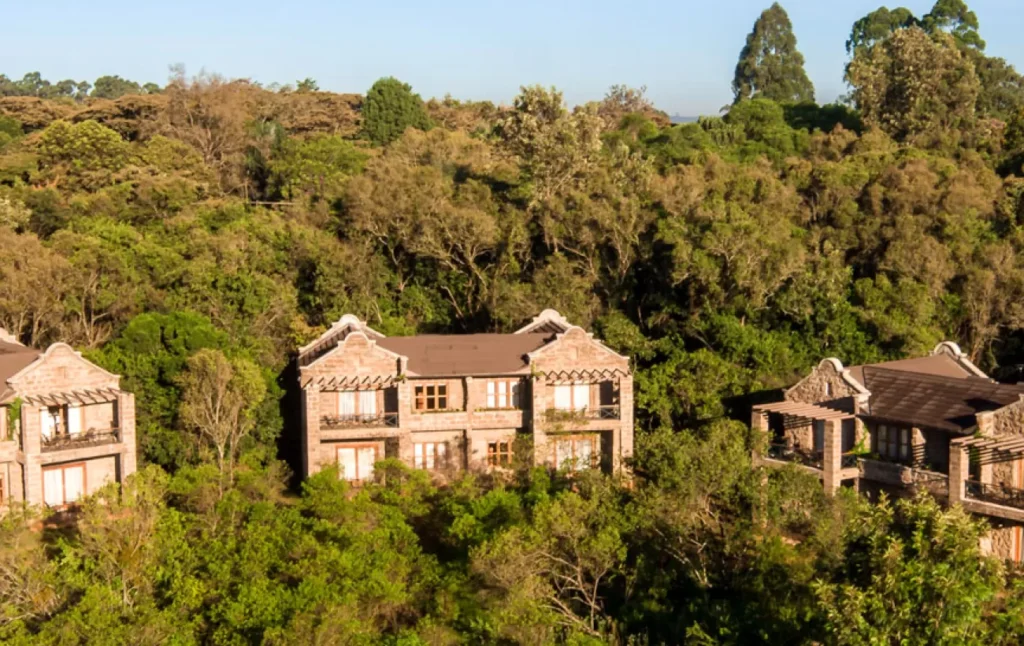
The Residences At Karen

Your first night is deliberately quiet. Nairobi is a city of green suburbs and old colonial houses, and the hotel we use sits in one of the leafiest, away from the airport corridor. Rest, swim, and sleep well, because the next morning starts early. If your flight arrives in daylight and you have energy to spare, ask your guide about a visit to the giraffe sanctuary in the Langata suburb, where Rothschild’s giraffes feed from your hand, or a stroll through the Karen Blixen district.

Detail Information
Meals Dinner
Accommodation The Residences At Karen
Transfers Airport to hotel, 45 to 60 minutes
Logistics Briefing on the Mara flight, baggage limits, and the Rwanda visa

Day 2: Fly to the Masai Mara

After an early breakfast, a short drive takes you to Wilson Airport, Nairobi’s domestic terminal, where the light aircraft to the Mara leave. The flight takes about 45 minutes and is a treat in itself. The suburbs thin out, the Rift Valley opens beneath the wing, and then the plains come up in a patchwork of gold and green, dotted with the dark forms of buffalo herds. Airstrips in the Mara are simple dirt strips, and your camp guide meets you on arrival and drives you straight into the conservancy.

Your base is a private tented camp inside one of the Mara’s community conservancies, rather than the main reserve. This arrangement matters. Conservancies cap the number of beds and vehicles per square kilometer, which means you rarely share a sighting with more than one other vehicle, and the rules are more flexible: you can drive off-road to follow a hunting cheetah, take walking safaris with an armed Maasai guide, and stay out after dark on a night drive, none of which are generally permitted in the national reserve. After lunch at camp, you head out for your first game drive as the light softens and the animals become active. The Mara’s resident Big Five and large lion prides mean that even a first afternoon is usually rich.

Detail Information
Meals Breakfast, lunch, dinner
Accommodation Naboisho Camp
Transfers Hotel to Wilson Airport: 30 to 45 minutes; flight: about 45 minutes; airstrip to camp: 20 to 60 minutes
Luggage Soft bags only, 15 kg per person on the light aircraft
Highlights First game drive, sundowners on the plains

Day 3: A Full Day in the Masai Mara Plains

The day begins before dawn. A hot drink is brought to your tent, and by first light you are in the vehicle, because the hour after sunrise is when predators finish hunting and the plains fill with movement. Your guide, a local Maasai or Kenyan naturalist with years of tracking experience, reads the grass the way writers read a page. A lioness flattened in a hollow, a pair of cheetah brothers scanning from a termite mound, a herd of elephants working through acacia: this is the pace of the Mara, long periods of patient watching punctuated by moments of astonishing drama.

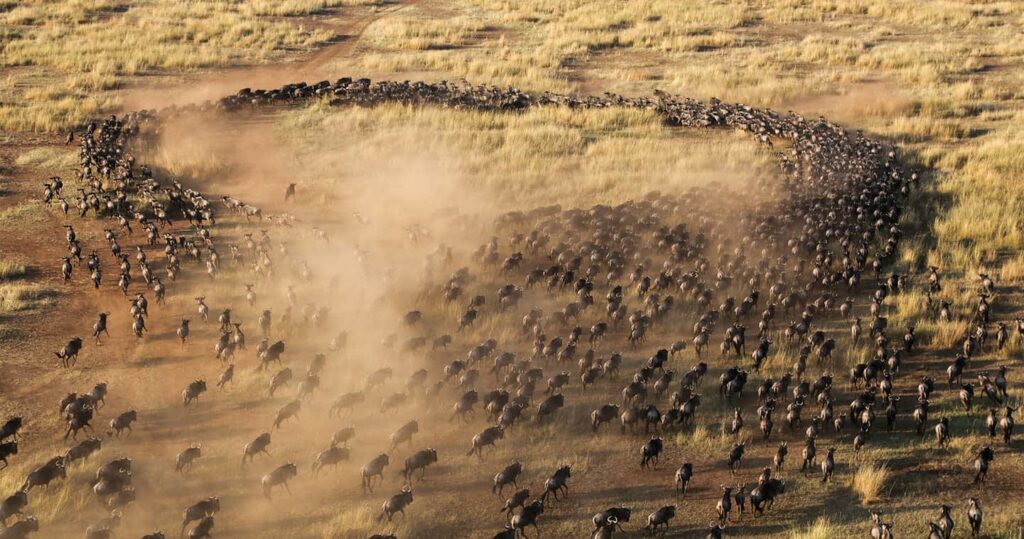
Great Migration in the Masai Mara

You return to camp for a full breakfast, then rest through the heat of the day by the pool or in a tented lounge. Afternoon drives resume at around four and end with sundowners served on the open savannah as the sky turns gold. The evening finishes with dinner by the fire.

If you are travelling between July and October, consider the optional hot-air balloon flight. The balloon lifts off in the dark, drifts for about an hour across the plains at sunrise, and lands with a bush breakfast served with sparkling wine. It is the one Mara experience that most people say they would repeat.

Detail Information
Meals Breakfast, lunch, dinner
Accommodation Naboisho Camp
Game drives Two, morning and afternoon, about 3 to 4 hours each

Day 4: Mara River, Walking Safari and Night Drive

Your third day on the plains is built around variety. Many travellers are surprised at how much the Mara offers beyond the classic vehicle game drive, and this is the day to try it. In the morning, you drive to the Mara River, where hippos stack along the banks, Nile crocodiles lie like logs on the sandbars, and between roughly July and October the wildebeest migration pushes across in thousands. Even outside the migration season, the river is a reliable place to see large wildlife concentrated together. Your guide chooses the best spot depending on the day’s movements and the migration’s progress.

Sand River waterfalls Maasai Mara

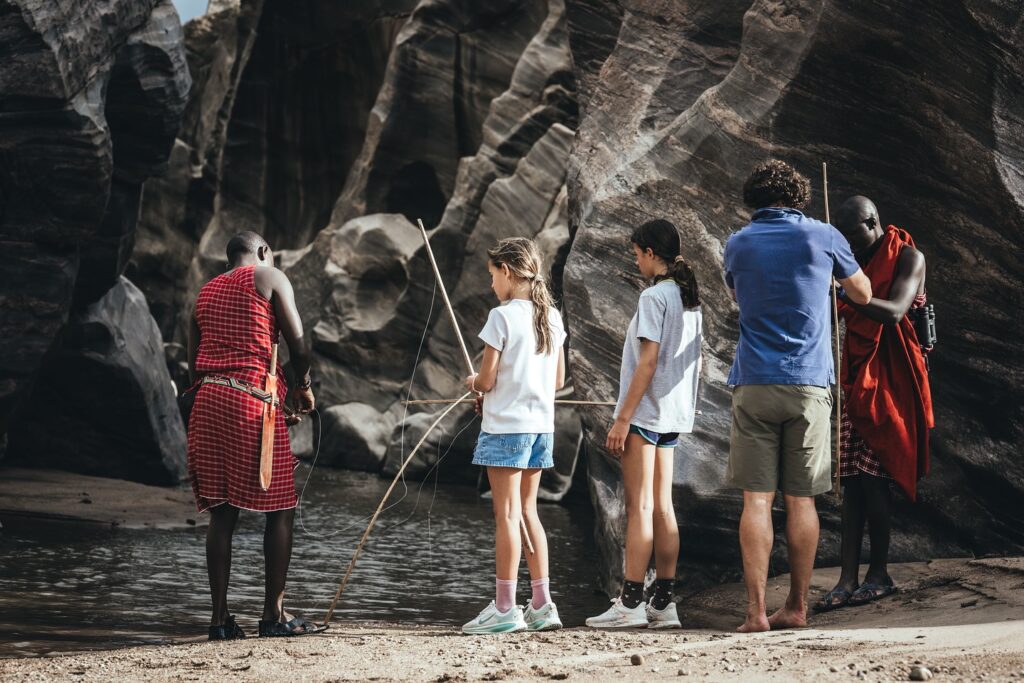
After lunch, a short walking safari with an armed Maasai guide gives you an entirely different sense of the landscape. On foot, the Mara slows right down: you notice tracks, dung, insects, and the smell of wild sage. Back at camp, a night drive, available in the conservancy, brings out the other half of the wildlife: bush babies, genets, spring hares, and, with luck, a leopard on the hunt. Dinner is served under the stars.

Detail Information
Meals Breakfast, lunch, dinner
Accommodation Naboisho Camp
Highlights Mara River, Maasai-guided walk, optional night drive
Migration note Mara River crossings typically occur from July to October but are unpredictable and cannot be guaranteed

Day 5: Fly to Kigali

After a final morning game drive and breakfast, you return to the airstrip for the flight to Wilson Airport. From there, a short transfer takes you to Jomo Kenyatta, where you board the afternoon flight to Kigali, which takes 1.5 to 2 hours. The airline schedule varies by season, and we hold it for you in advance. We leave a comfortable margin between the aircraft and the international connection, because a missed connection would cost far more than a longer wait in the lounge.

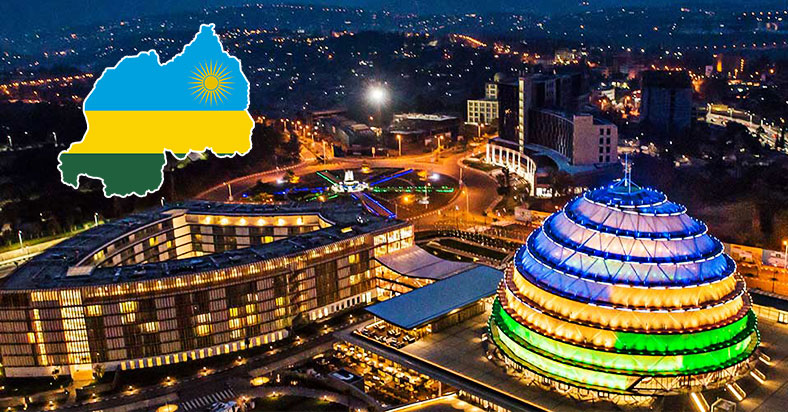
Kigali City

Kigali greets you with warm evening light and some of the cleanest streets on the continent. Your guide meets you at the arrivals hall and drives you to your hotel in about 30 minutes. Dinner is at a lovely restaurant in the hills above the city, and you sleep well after a long travel day. We stay the night in Kigali, rather than pushing on towards the volcanoes, so that you can reach the gorilla park rested and with a full day in hand before your trek.

Detail Information
Meals Breakfast, lunch, dinner
Accommodation Hôtel des Mille Collines
Transfers Camp to airstrip: light aircraft, about 45 minutes; Wilson to JKIA: about 1 hour; JKIA to Kigali flight: 1.5 to 2 hours; Kigali airport to hotel: about 30 minutes.
Logistics Rwanda e-visa to be obtained before departure

Day 6: Kigali to Volcanoes National Park

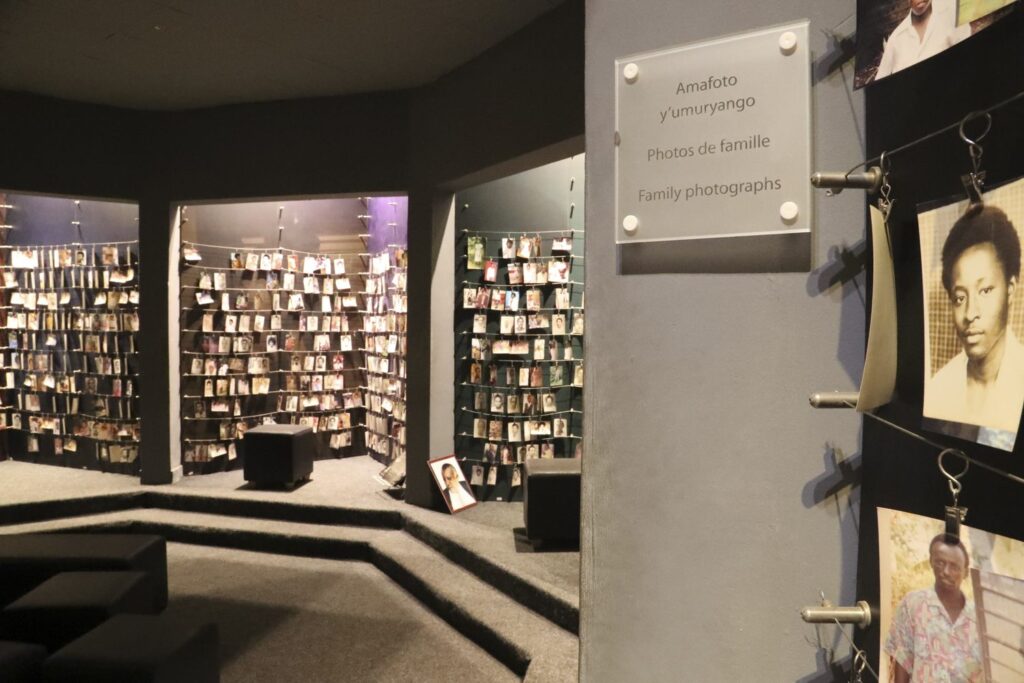
After breakfast, you start the day with a visit to the Kigali Genocide Memorial, which is a deeply moving and important introduction to modern Rwanda. The museum tells the story of the 1994 genocide against the Tutsi with profound dignity, and many travelers describe it as the visit that gives the rest of the journey its context. Allow about two hours. If you prefer, your guide can substitute a gentler city tour of the markets, craft cooperatives, and coffee houses.

Kigali Genocide Memorial

You then leave the capital for the north-west. The road climbs through terraced hills, tea estates, and small villages, and the drive to Volcanoes National Park takes about 2.5 to 3 hours depending on stops. Rwanda’s roads are among the best in East Africa, and the landscape of the “land of a thousand hills” is lovely from the car window. Your guide stops for photographs wherever the views invite it. As you approach Musanze, the Virunga volcanoes rise above the plain, their summits often wrapped in cloud.

Your lodge sits on the edge of the national park with views towards the volcanoes. Dinner is early, and your guide briefs you on tomorrow’s trek: boots, gaiters, the rules of behavior near the gorillas, and the family you have been allocated.

Detail Information
Meals Breakfast, lunch, dinner
Accommodation Wilderness Sabyinyo
Drive time The drive from Kigali to Volcanoes National Park takes about 2.5 to 3 hours (about 110 km).
Highlights Kigali Genocide Memorial, scenic drive through the northern highlands

Day 7: Gorilla Trekking in Volcanoes National Park

This is the day the journey has been building toward. You have an early breakfast and arrive at the park headquarters in Kinigi at about 7:00 am, where you are welcomed with a short briefing and traditional Intore dancing. The Rwanda Development Board’s guides assign visitors to a gorilla family, and we have asked in advance for the family that best matches your fitness and preferences. Your guide travels with you, and a porter, if you want one, carries your daypack.

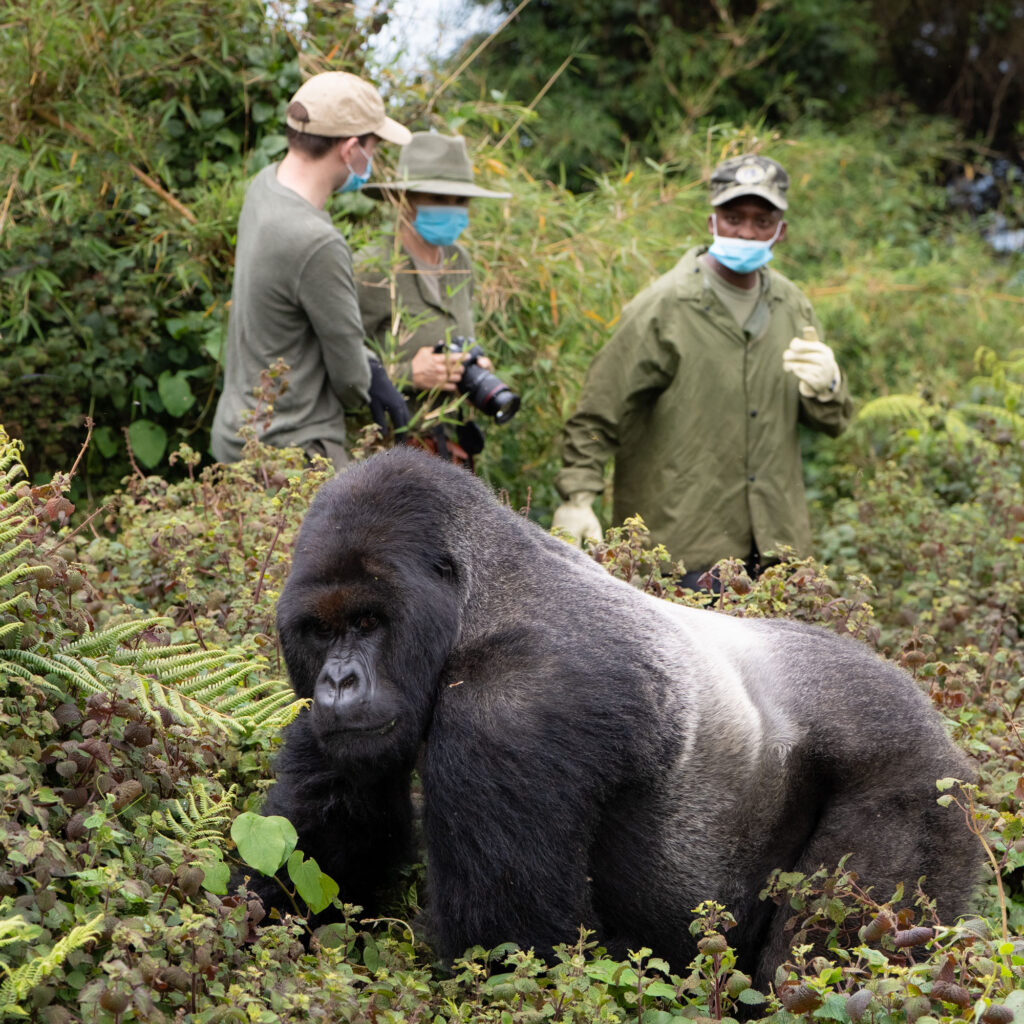
The trek begins on farmland, crosses a stone wall, and enters the park’s bamboo and montane forest. The length of the walk depends entirely on where the gorillas moved overnight. It can take 30 minutes or four hours or more, and the terrain can be steep, wet, and slippery. Trackers who left at dawn radio your guide as they find the family, and then they make the final approach quietly. When you first see the gorillas, the usual reaction is silence. A silverback sits like a monument in the vegetation, females groom infants, juveniles tumble and chest-beat in play, and everyone moves with a calm that seems out of proportion to their size.

Behind-the-Scenes Gorilla Trekking Experience in Rwanda

The time allowed with the gorillas is exactly one hour. The group is capped at eight visitors, and your guide ensures that everyone has space and a clear view. You will not touch them, and you will keep the distance your guide specifies, but gorillas are curious, and occasionally a youngster approaches. The hour passes rapidly. When it is over, you walk back to the trailhead, receive a trekking certificate, and return to your lodge for a long lunch and an excellent afternoon nap.

If you want the experience without sharing the forest with other visitors, our exclusive gorilla trekking in Rwanda option reserves a family just for your party. For travellers who want to see more of the work behind the scenes, we also arrange a behind-the-scenes gorilla trekking experience.

Detail Information
Meals Breakfast, packed lunch or lodge lunch, dinner
Accommodation Wilderness Sabyinyo
Trek duration 2 to 7 hours in total, including 1 hour with the gorillas
Permit USD 1,500 per person, included
Highlights Mountain gorilla encounter, Intore welcome, trekking certificate

Day 8: Golden Monkeys and Dian Fossey, or a Day of Rest

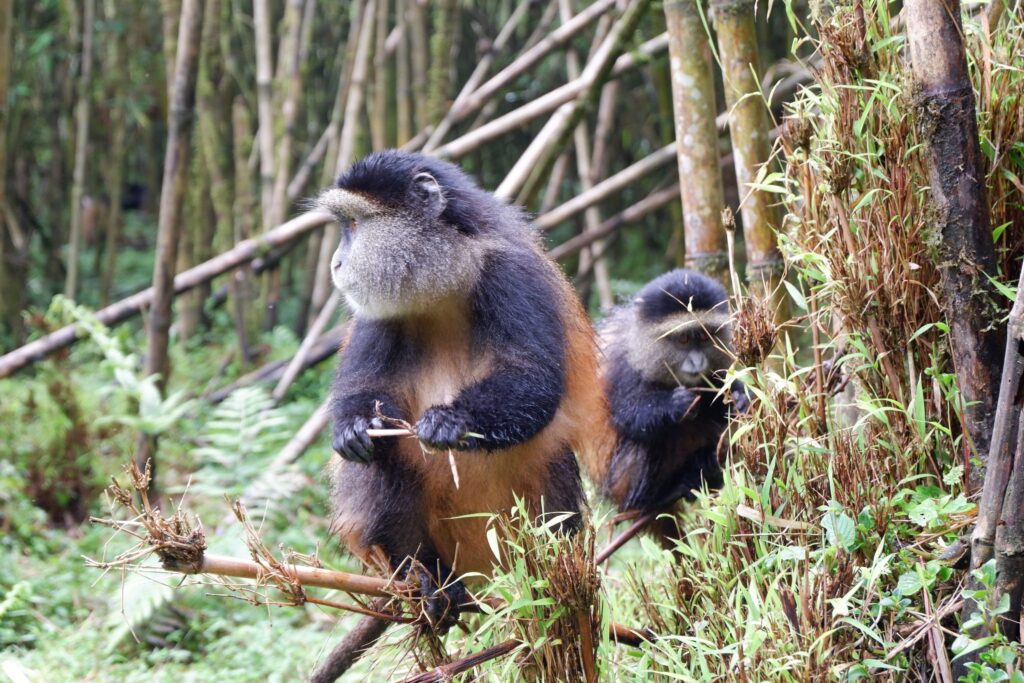
After the gorillas, the second day at the volcanoes is yours to shape. Most guests choose one of two things. The first is a golden monkey trek, also in Volcanoes National Park, where you spend an hour among troops of these rare, orange-gold primates, which are found only in the Virunga region. The permit is USD 100 per person, the walk is shorter and gentler than a gorilla trek, and the monkeys are playful, lively, and photogenic. It is a wonderful companion experience.

5-Day Luxury Rwanda Gorilla & Golden Monkey Safari 2027

The second option is a hike to the grave of Dian Fossey, the American primatologist who spent nearly two decades studying and defending mountain gorillas and who is buried at Karisoke, her old research camp, high on the slopes of Mount Karisimbi. The route takes about three to four hours and passes through beautiful forest, with the old camp and the cemetery of gorillas at the end of it.

If your legs need a pause, a cultural afternoon is just as rewarding: a village walk with a local community, a visit to a craft cooperative, or a gentle trip to the twin lakes of Burera and Ruhondo. Or, simply, an afternoon at the lodge in front of the volcanoes.

Detail Information
Meals Breakfast, lunch, dinner
Accommodation Wilderness Sabyinyo
Activities Golden monkey trek (USD 100 per person), Dian Fossey hike, or cultural visit.
Terrain Moderate, shorter than a gorilla trek

Day 9: Return to Kigali

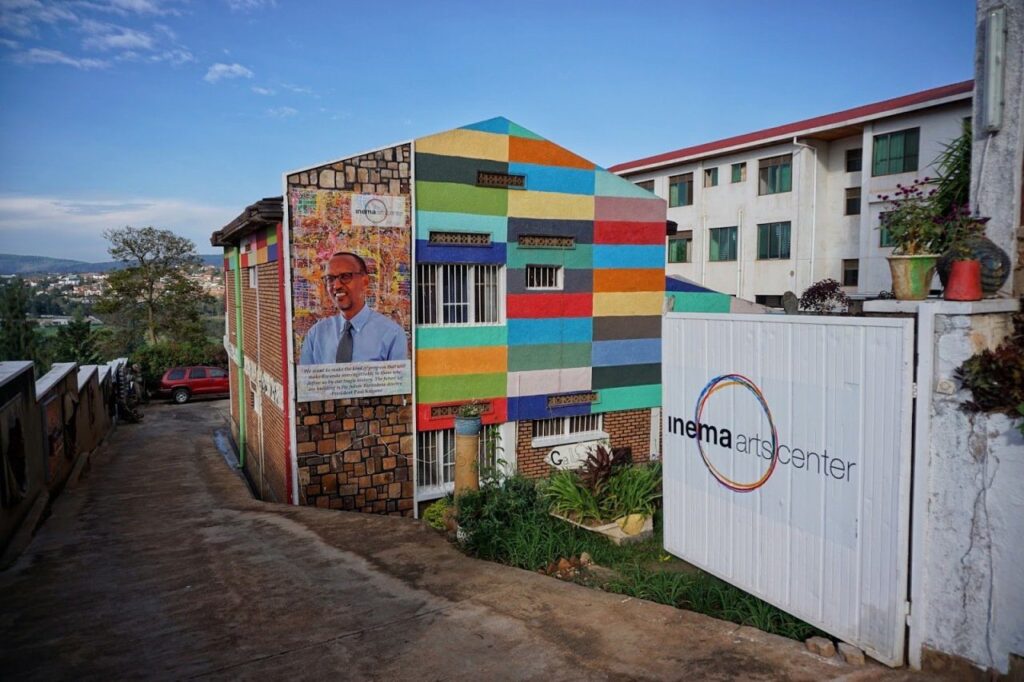
After a leisurely breakfast, your driver takes you back through the highlands to Kigali, a drive of about 2.5 to 3 hours. Lunch is at a favorite restaurant en route or in the capital, and the afternoon is free for shopping at the Kimironko market, a coffee tasting, or a visit to the Inema Arts Center, which showcases some of Rwanda’s best contemporary artists. If you have not yet visited the Genocide Memorial, you can do so now.

Inema Arts Centre

The evening ends with a farewell dinner at one of Kigali’s best restaurants and a chance to reflect on the journey. If you decide to extend your trip, the afternoon is also a natural moment to plan an additional safari in Akagera National Park for a Big Five experience in Rwanda or Nyungwe Forest National Park for chimpanzees and canopy walks.

Detail Information
Meals Breakfast, lunch, dinner
Accommodation Hôtel des Mille Collines
Drive time Volcanoes National Park to Kigali is about 2.5 to 3 hours

Day 10: Depart Kigali

After breakfast, your driver transfers you to Kigali International Airport, which takes about 30 minutes, for your onward flight. We recommend arriving at least three hours before an international departure. If your flight leaves late in the day, a late check-out can usually be arranged on request.

Detail Information
Meals Breakfast
Transfers Hotel to Kigali International Airport, about 30 minutes

Plan Your Rwanda Safari

Start Planning a Private Gorilla Trek

Rwanda gorilla permits sell out months in advance. Secure your dates before the season closes.

What Is Included and Excluded

Included Excluded
9 nights of luxury accommodation as listed International flights to Nairobi and from Kigali
All meals as specified in the itinerary Nairobi to Kigali flight
Gorilla trekking permit, USD 1,500 per person Visas, Kenya eTA, and Rwanda e-visa
Masai Mara conservancy and park fees Travel and medical insurance
Light aircraft flights from Wilson to Masai Mara and back Tips for guides, lodge staff, and porters
Private 4×4 safari vehicle with a professional guide Hot-air balloon flight, optional
Private road transfers in Rwanda Golden monkey permit, USD 100 optional
Airport transfers in Nairobi and Kigali Premium drinks and personal items
Bottled water on game drives and treks Laundry at hotels, which is not included
Services of a driver-guide in Rwanda Anything not listed as included

Gorilla Families and Trek Difficulty

Gorilla trekking in Rwanda takes place only in Volcanoes National Park, and every visitor is allocated a habituated family by the Rwanda Development Board on the morning of the trek. The families are not all equal in terms of effort. Some live low on the slopes, close to the park boundary, and can be reached in under an hour. Others range high on the volcanoes, and the walk to find them can take most of the day. Because the park’s guides assign visitors by fitness and preference, an honest conversation with us before you travel makes a big difference.

The notable gorilla families include the Susa group, one of the largest and most demanding, whose home range lies on the slopes of Mount Karisimbi and was the focus of Dian Fossey’s research. The Sabyinyo group, named after the volcano whose jagged peaks resemble an old man’s teeth, is renowned for its enormous silverback. The Amahoro group is known for its peaceful nature and the steepness of its terrain. Other groups include Umubano, Hirwa, Agashya, and Kwitonda.
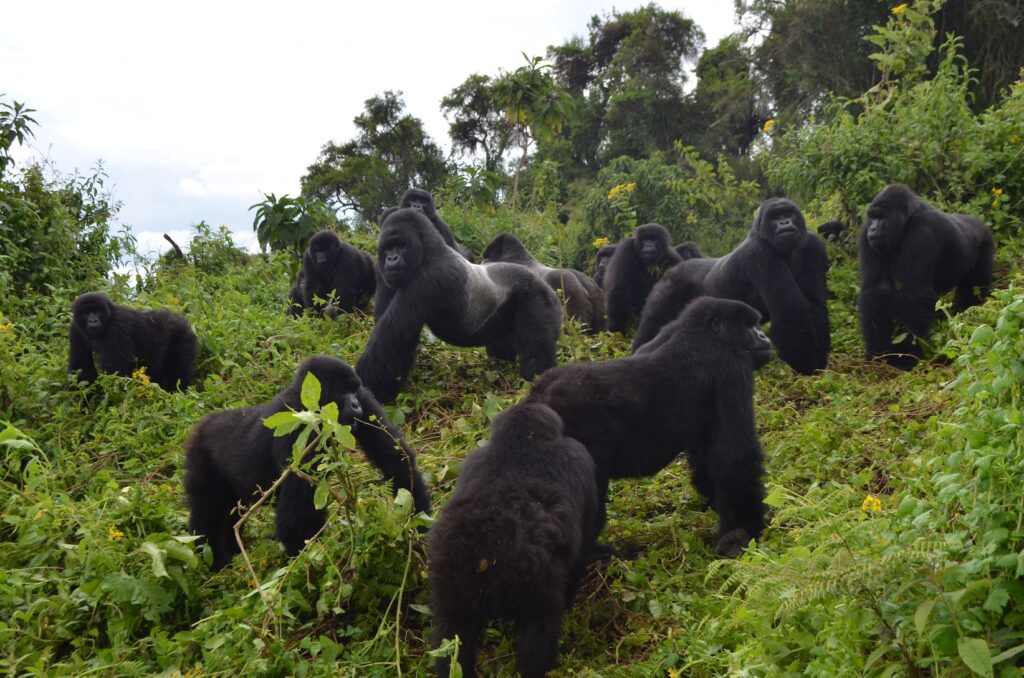
Pablo Gorilla Family

Pablo Gorilla Family

If you have any health concerns, mobility limitations, or a specific wish, tell us and we will request the best fit, though allocation is ultimately the park’s decision and cannot be guaranteed. Porters are available at the park headquarters and are strongly recommended: they carry your bag, give you an arm on steep ground, and your fee supports local households. The minimum age for trekking is 15.

Elevation Profile

Altitude shapes this safari more than most people expect, and it is worth understanding before you travel. The Mara sits at about 1,500 to 1,700 meters, and Nairobi at about 1,800 meters. Kigali is lower, at about 1,570 meters. The real climb comes in Volcanoes National Park, where the park headquarters at Kinigi are at about 2,300 meters, and gorilla treks typically take place between 2,500 and 3,500 meters. The summit of Karisimbi, the highest of the Virungas, reaches 4,507 meters.

Location Approximate altitude What it means
Masai Mara 1,500 to 1,700 m (4,900 to 5,600 ft) No effect for most visitors
Nairobi 1,795 m (5,890 ft) Mild, comfortable
Kigali 1,567 m (5,141 ft) Mild, comfortable
Kinigi Park headquarters About 2,300 m (7,500 ft) Starting point for treks
Gorilla trekking range 2,500 to 3,500 m (8,200 to 11,500 ft) Breathing becomes harder on steep sections; move slowly.
Karisimbi summit 4,507 m (14,787 ft) Multi-day volcano hike, not included

Spending a night in Kigali, then three nights at the foot of the volcanoes, allows your body to adapt gradually. Drink plenty of water, move at a steady pace on the mountain, and tell your guide if you feel dizzy or unusually breathless. Altitude sickness at these elevations is uncommon, but you can easily manage it if you catch it early.

Accommodations

Each stay on this Kenya and Rwanda safari has been selected for its position, its service, and its ability to immerse you quickly in the landscape. Specific properties are confirmed at the time of booking and depend on the dates of travel. The categories below show what you should expect.

Stop. Nights Type of stay
Nairobi 1 The Residences At Karen
Masai Mara 3 Naboisho Camp
Kigali 2 (nights 5 and 9) Hôtel des Mille Collines
Volcanoes National Park 3 Wilderness Sabyinyo

Luxury camps in the Mara typically cost USD 1,200 to 2,500 or more per person per night at the top end, and the price reflects what is included: all meals, drinks, game drives, conservancy fees, and often laundry. Our approach is to match the camp to your travel dates and priorities, rather than to a standard formula.

Wildlife You Can Expect

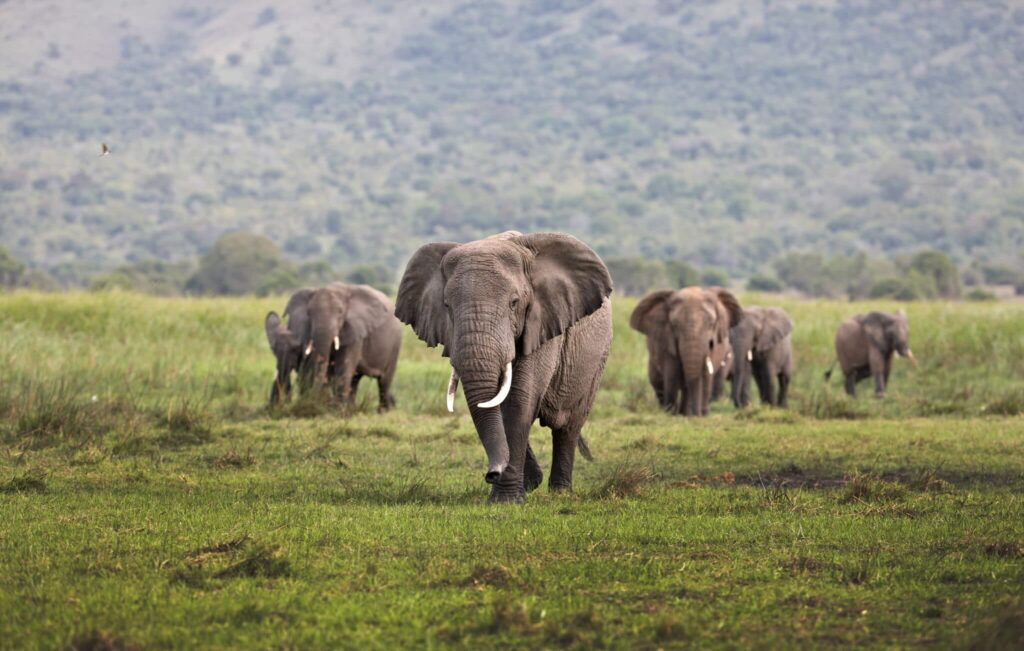
The Masai Mara is the best place in East Africa to see predators, and almost every visit produces lions, often in prides of a dozen or more. Leopards are harder, but they live in the riverine woodland and rocky outcrops. Cheetahs hunt on the open plains and are most active in the early morning. Elephants and buffalo are widespread, and rhino are present in small numbers. Giraffes, zebras, topi, hartebeest, Thomson’s gazelles, and hippos are everywhere. The wildebeest migration is in the Mara from roughly July to October, with river crossings that can be dramatic, though timing is never certain.
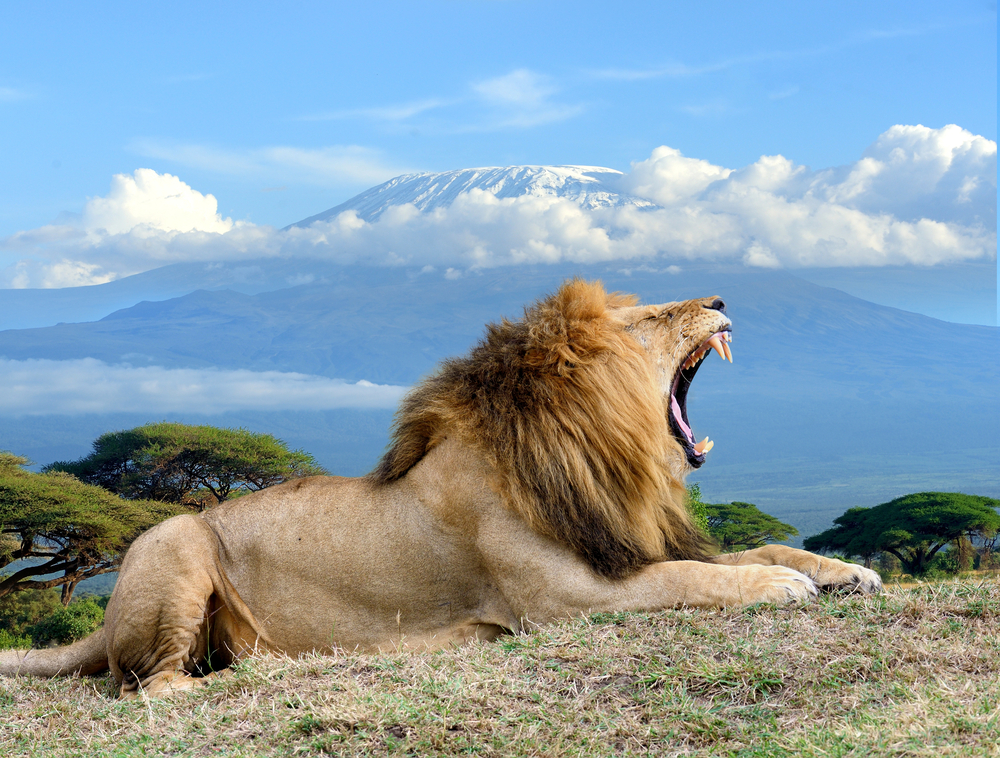
Amboseli National Park: Elephants, Kilimanjaro & Luxury Camps

Volcanoes National Park offers a quite different list. The headline species is the mountain gorilla, of which only about 1,000 survive in the wild, all in the Virunga massif and Bwindi in Uganda. The golden monkey, a rare and beautiful primate, is found only in the Virunga bamboo forest. The park also holds forest buffalo, bushbuck, spotted hyena, and more than 200 bird species, including the colorful Rwenzori turaco.

Species Masai Mara Volcanoes National Park
Lion Excellent, year-round Not present
Leopard Good, with a good guide Not present
Cheetah Good on open plains. Not present
Elephant Excellent Rare
Wildebeest migration July to October Not present
Mountain gorilla Not present Excellent, one-hour trek
Golden monkey Not present Excellent
Birds 450+ species 200+ species

Fitness and Physical Requirements

The Mara part of this safari makes no demands, as you sit in a vehicle or walk gently with a guide. The gorilla trek is where fitness matters, and it is the only section that requires preparation. The walk can last anywhere from 30 minutes to four hours or longer in each direction, at altitude, over steep, muddy, and uneven ground. You don’t need to be an athlete; many people in their sixties and seventies trek successfully, but you should be comfortable walking for several hours.

Start walking regularly at least six weeks before departure, ideally on hills and in the boots you will wear in Rwanda. If you have a heart, lung, or joint condition, consult your doctor before booking. Hire a porter and use a walking stick. We can also request a family with an easier trek. For people who prefer not to walk at all, the porters’ sedan chair service is sometimes available.

Best Time to Take a Kenya and Rwanda Safari

The good news is that you can trek Rwanda’s gorillas all year, and the Mara is productive every month. The best time for the combined route is the dry season from June to October, which overlaps with the wildebeest migration, and the shorter dry window from December to February. The wettest months are March to May, when the Mara is lush and quiet, and lodges offer their best rates. Temperatures are consistently pleasant. Mara days are warm, with highs around 25 to 28°C (77 to 82°F) and cool nights of 12 to 14°C (54 to 57°F). In Volcanoes National Park, temperatures are cooler, with daytime highs of 20 to 24°C (68 to 75°F) and nighttime lows around 8 to 10°C (46 to 50°F).

Best time for gorilla trekking.

Month Masai Mara Rwanda Temp. (Mara / Volcanoes) Roads and flights Crowds and value
January Dry, hot, good predator viewing Dry, clear trails 28°C (82°F) / 22°C (72°F) Roads good, flights reliable Moderate, good value
February Dry, hot, game concentrated Dry, best trekking 29°C (84°F) / 22°C (72°F) Roads are decent. Moderate, good value
March Rains begin, green Wet, muddy trails 27°C (81°F) / 21°C (70°F) Mara roads can be slow. Quiet, best value
April Long rains, lush, few visitors Heaviest rain, slippery 25°C (77°F) / 20°C (68°F) Fly in, road risky. Quiet, lowest rates
May Rains ending, green Rain, easing 25°C (77°F) / 20°C (68°F) Fly in, roads improving Quiet, good value
June Dry, cool, clear Dry, excellent 25°C (77°F) / 21°C (70°F) Roads are decent. Building rates rising
July Migration arrives, peak season. Dry, peak trekking 25°C (77°F) / 21°C (70°F) Roads are good; book early. Busy, premium rates
August Migration, river crossings Dry, peak trekking 25°C (77°F) / 22°C (72°F) Roads are good; book early. Busiest, highest rates
September Migration, river crossings Dry, excellent 27°C (81°F) / 23°C (73°F) Roads are decent. Busy, premium rates
October Migration ending, quieter Short rains begin late. 28°C (82°F) / 23°C (73°F) Roads are decent. Moderate, rates easing
November Short rains, green Rain, muddy 27°C (81°F) / 21°C (70°F) Fly in. Quiet, good value
December Dry, festive Dry, clear 27°C (81°F) / 22°C (72°F) Roads are good; book early. Busy at Christmas, premium rates

Our recommendation for first-time visitors is July to September for the migration and January to February if you prefer a quieter trip with warm, dry weather. In every month, we fly into the Mara rather than drive, because the road from Nairobi takes five to six hours and can be rough, especially after rain.

Permits, Fees, and Costs

A gorilla permit costs USD 1,500 per person in Rwanda, set by the Rwanda Development Board, and there is no seasonal discount. It covers park entry and your hour with the gorillas. Permits are limited and sell out well in advance in the peak months, so we recommend confirming your dates at least six months ahead for July to September. We secure the permit on your behalf and hold it against your name. A golden monkey permit is USD 100 per person, and the Dian Fossey hike has its fee.

Kenya’s fee structure is more complex. In the national reserve, the daily park fee is USD 100 per person from January to June and USD 200 per person from July to December for a 12-hour ticket. Conservancies charge a bundled fee of USD 80 to 150 per person per night, which is usually included in the camp rate. A hot-air balloon flight costs USD 450 to 650, and a light aircraft seat between Wilson Airport and the Mara is USD 150 to 320 one way. All of these are built into your itinerary price.

For travellers who want a private gorilla family, the exclusive-use permit costs about USD 15,000 for a group of up to eight people.

What to Pack

Pack light in soft bags. The light aircraft to the Mara allows 15 kg per person, including hand luggage, and does not accept hard-shell suitcases. Lodges in both countries provide laundry, so you do not need a lot of clothing. Layers are everything: the Mara is warm in the day and cool at night, and Volcanoes National Park is cool and damp.
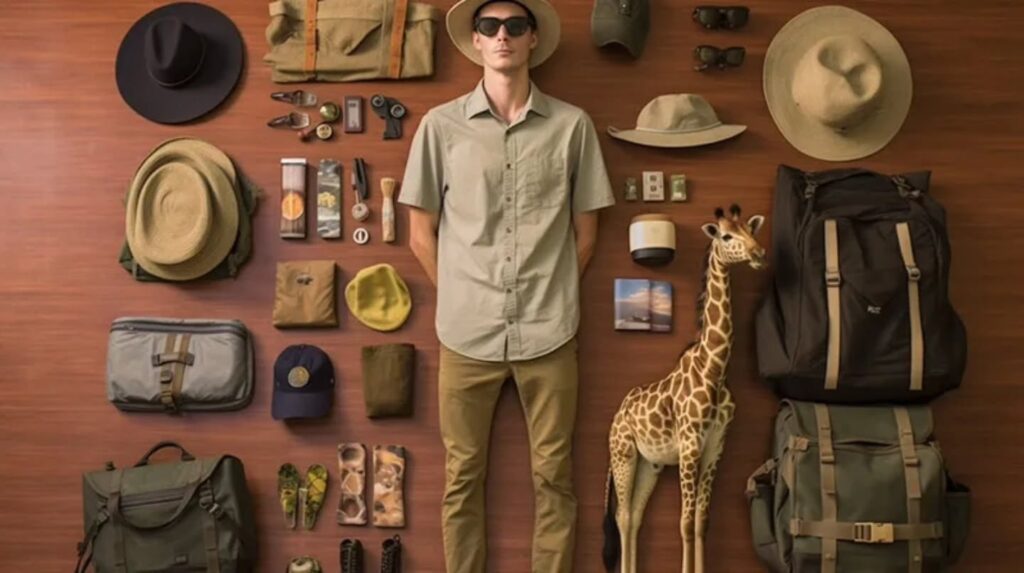
What to Pack and Wear for a Ngorongoro Crater Safari

Category Items
Clothing for the Mara Neutral colors (khaki, olive, tan), light long sleeves, a warm fleece for early drives, a sun hat, and a scarf for the dust
Clothing for the gorillas Long trousers, long-sleeved shirt, waterproof jacket, thin gloves for gripping vegetation, gaiters, a warm layer
Footwear Waterproof hiking boots with ankle support, broken in, plus comfortable shoes for the lodges
Equipment Binoculars (8×42), a camera with a zoom lens, spare batteries, a head torch, a dry bag
Health Sun cream, insect repellent, personal medication, hand sanitizer, any malaria tablets
Documents Passport valid for at least six months, e-visa printouts, yellow fever certificate if required, insurance details

Avoid bright colors and camouflage clothing, which some countries restrict. Plastic bags are banned in both Kenya and Rwanda, so leave them at home. Drones are tightly regulated and are not permitted without a license, so do not bring one. A camera with a fast lens is more useful than a long one at the gorilla encounter, where the light under the canopy is low, and flash photography is not permitted.

Getting There

Fly into Jomo Kenyatta International Airport (NBO) in Nairobi, and depart from Kigali International Airport (KGL), which makes the trip an open-jaw journey and removes the need to retrace your route. Many major carriers serve Nairobi from Europe, the Middle East, North America, and Asia, and several airlines connect to Kigali. The flight between Nairobi and Kigali takes 1.5 to 2 hours, and the light aircraft from Wilson Airport to the Mara takes about 45 minutes. We are happy to book your international flights or work with your preferred travel agent and align the itinerary to your schedule.

If you are travelling from the United States or Europe, many travellers fly overnight to Nairobi, arriving in the morning so you can rest at the hotel during the day. We can adjust the first night accordingly.

Visas and Entry Requirements

Both countries require advance travel authorization for most nationalities, and the process is simple and online. Rwanda’s e-visa costs about USD 50 for a single-entry, 30-day visa and is usually approved within a few days. Kenya requires an Electronic Travel Authorisation (eTA), which costs about USD 30 to 35, and should be applied for at least a week before travel. The East Africa Tourist Visa (USD 100) covers Kenya, Rwanda, and Uganda for 90 days with multiple entries and is worth considering if you are visiting more than one of the three.

Your passport should be valid for at least six months from the date of entry, with at least two blank pages. We guide you through the applications and send reminders, so you don’t miss anything.

Health and Vaccinations

Consult your doctor or a travel clinic six to eight weeks before departure. Routine vaccinations should be up to date. Hepatitis A and typhoid are commonly recommended. Malaria is present in the Mara, and a prophylaxis course is usually advised, while the risk in the high altitude of Volcanoes National Park is low, though your doctor will give personal advice.

A yellow fever certificate is required if you arrive in Kenya or Rwanda from a country where yellow fever is endemic. Because this safari crosses from Kenya to Rwanda, carry the certificate if you have one. Take out comprehensive travel and medical insurance that includes emergency evacuation. Flying doctors operate in the Mara.

The gorillas are susceptible to human illnesses, so rules protect them. If you have a cold, cough, or any infectious illness on the morning of your trek, tell your guide, because you may be refused entry to protect the animals. Face masks may be required near the gorillas. Keep the distance your guide specifies, and never approach.

Currency, Tipping, and Money

The Kenyan shilling and the Rwandan franc are the local currencies, but US dollars are widely accepted at lodges and camps, and prices are quoted in dollars. Bring clean, undamaged notes printed in 2013 or later, as older notes are often refused. Credit cards are accepted at most lodges, hotels, and larger restaurants, with a surcharge in some places. ATMs are available in Nairobi and Kigali, but not in the Mara or at the volcanoes, so carry cash for small purchases.

Tipping is customary and appreciated. As a guide, tip your safari guide USD 20 to 50 per person per day, and lodge staff USD 10 to 15 per person per day, shared among the team at each lodge. Porters at the gorilla trek are usually tipped in cash at the end of the day. We brief you on current practice at the start of the safari and provide envelopes if you prefer.

Plan Your Rwanda Safari

Start Planning a Private Gorilla Trek

Rwanda gorilla permits sell out months in advance. Secure your dates before the season closes.

Frequently Asked Questions About the Kenya and Rwanda Safari.

How much does a Kenya and Rwanda safari cost?

The cost depends on the season, the camps you choose, and the number of travelers. For this 10-day journey, the main fixed costs are the Rwanda gorilla permit at USD 1,500 per person, Mara reserve or conservancy fees of USD 80 to 200 per person per day, and luxury Mara camps that range from about USD 1,200 to 2,500 or more per person per night. Light aircraft flights between Wilson Airport and the Mara add USD 150 to 320 each way. We build the final price from your dates and lodge preferences and give you a clear quote with nothing left out.

How many days do you need for a Kenya and Rwanda safari?

This itinerary is designed around a comfortable minimum of ten days for a combined Kenya and Rwanda safari. That gives you three nights in the Masai Mara, which is enough for several game drives and an optional balloon flight, and three nights in Volcanoes National Park, which allows one day for the gorilla trek, a second for golden monkeys or a hike, and a buffer in case of weather. Shorter versions are possible, but they leave very little margin for travel delays between countries. Longer versions can add Amboseli, Laikipia, or Akagera National Park.

What is the best time to combine the Masai Mara and gorilla trekking?

The best months are July to October, when the wildebeest migration is in the Mara and Rwanda is dry, and December to February, when both destinations are warm and dry with fewer visitors. Gorilla trekking is possible all year, but the trails are driest between June and September and in December and January. The wettest months, March to May, offer the lowest rates and the quietest parks, though trails are muddier and some Mara roads are difficult. If you want the migration river crossings, plan for August or September and book at least six months ahead.

Can you see gorillas in Kenya?

No. There are no wild gorillas in Kenya. Mountain gorillas live in only three countries: Rwanda, Uganda, and the Democratic Republic of the Congo. Rwanda’s gorilla trekking takes place only in Volcanoes National Park, which is why this itinerary pairs the Masai Mara in Kenya with Volcanoes National Park in Rwanda. It is the most straightforward way to see both the savannah wildlife of Kenya and the mountain gorillas of Rwanda on a single trip, with a short flight in between.

How much is a gorilla trekking permit in Rwanda?

A Rwanda gorilla trekking permit costs USD 1,500 per person, which is set by the Rwanda Development Board and applies throughout the year without any low-season discount. It covers your entry to Volcanoes National Park and one hour with a habituated gorilla family. Golden monkey permits are USD 100 per person, and the Dian Fossey hike is charged separately. Permits are limited and are issued for a specific date, so booking early is essential, especially from June to September. We secure your permit when you confirm the safari.

How difficult is gorilla trekking in Rwanda?

Gorilla trekking in Rwanda is moderate in difficulty, with a wide range depending on which family you are assigned. Some treks last under an hour, and others take four hours or more each way, over steep, muddy ground at altitudes of 2,500 to 3,500 meters. You do not need to be an athlete, but you should be able to walk steadily for several hours. Porters, walking sticks, and a slow pace make an enormous difference. We ask about your fitness when you book and request the family that best suits it, though the final allocation is made by the park.

Is it worth flying into the Masai Mara?

Yes, for almost every traveler. The road from Nairobi to the Mara takes five to six hours, and the last stretch can be rough, especially in the rainy months. The flight from Wilson Airport takes about 45 minutes, costs USD 150 to 320 each way, and gives you an aerial view of the Rift Valley. It saves most of a day that is better spent on game drives, and it makes the connection to Rwanda far easier to plan. The only trade-off is the 15 kg soft-bag baggage limit, which we discussed before you travel.

Do I need a visa for both Kenya and Rwanda?

Yes, most nationalities need authorization for both. Rwanda offers an e-visa costing about USD 50, while Kenya requires an electronic travel authorisation (eTA) costing about USD 30 to 35. The East Africa Tourist Visa, at USD 100, covers Kenya, Rwanda, and Uganda for 90 days and may suit you if you add Uganda. Apply online before you travel, and carry printed confirmations. Rules and fees change, and some nationalities have exemptions, so we confirm the latest requirements for your passport when you book.

Do I need a yellow fever vaccination for Kenya and Rwanda?

It depends on where you travel from. Both countries require a yellow fever certificate from travelers arriving from countries with yellow fever transmission, and some travelers must show proof of vaccination when moving between African countries. Because this itinerary crosses from Kenya to Rwanda, you should check the current rules for your route with your doctor and with us before you travel. Yellow fever vaccination is also commonly recommended on health grounds.

Is Rwanda or Uganda better for gorilla trekking?

Both are excellent, and the right answer depends on what you value. Rwanda offers a straightforward experience: one park, Volcanoes National Park, a short drive from Kigali, excellent roads, and a permit price of USD 1,500. Uganda has more families spread across Bwindi and Mgahinga, a lower permit price, a longer drive, and rougher roads, and it is the only country with the gorilla habituation experience in the Rushaga sector. For a combination with Kenya, Rwanda is simpler because the flights are short.

How long can you stay with the gorillas in Rwanda?

You are allowed exactly one hour with the gorillas once you reach them. The time starts when you first reach the family, not when you start the walk, and it is set by the Rwanda Development Board to protect the animals. Groups are limited to eight visitors per gorilla family, and guides make sure everyone gets a clear view and time to take photographs. The hour passes quickly, and most visitors say it feels like ten minutes. The rest of the trek, to and from the family, can take several hours.

Is a Kenya and Rwanda safari safe?

Yes. Both countries have well-established tourism industries, and visitors on a guided safari like this one are very safe. Rwanda is among the safest and cleanest countries in Africa, and Kigali is quiet and orderly. In the Mara, you are always with an experienced guide, in a vehicle or on foot with an armed escort, and wildlife viewing follows careful rules. We monitor government travel advisories, and your itinerary comes with a 24-hour emergency contact. Take out comprehensive travel insurance with medical evacuation cover, and follow your guide’s instructions at all times.

Can I do a private gorilla trek in Rwanda?

Yes. Standard permits place you in a group of up to eight visitors with a gorilla family, but an exclusive-use permit reserves a family for your party alone. It costs about USD 15,000 for a group of up to eight, which is the same hour with the gorillas but with no other visitors in the forest. This suits families, honeymooners, and photographers.

How much should I tip on safari in Kenya and Rwanda?

As a guide, tip your safari guide USD 20 to 30 per person per day, and lodge or camp staff USD 10 to 15 per person per day, usually into a shared tip box at the front desk. After the trek, you should tip gorilla porters in cash, and you may also tip trackers and guides at the park. These are guidelines, and you should tip according to the level of service. We brief you before departure so there are no surprises, and we can arrange tipping envelopes in advance.

Can children go on this Kenya and Rwanda safari?

Children can enjoy the Masai Mara part of the safari, though many luxury camps set a minimum age for game drives, often around six to eight years. Gorilla trekking in Rwanda has a strict minimum age of 15, with no exceptions. Families with younger children can either wait for older children or substitute the gorilla trek with other activities at the volcanoes, including the golden monkey trek, which also has an age limit. Contact us and we will advise on the best structure.

Plan Your Rwanda Safari

Start Planning a Private Gorilla Trek

Rwanda gorilla permits sell out months in advance. Secure your dates before the season closes.

Plan Your Kenya and Rwanda Safari.

Gorilla permits and the best Mara camps are limited, and they sell out far ahead of peak seasons. The sooner you share your dates, the more choices you have. Our team will check permit availability, hold lodges, and suggest the best pairing for your travel style, and a specialist will contact you with a tailored itinerary and a clear price.

Tell us your dates and we’ll check permit availability within a few minutes.

To learn more about us, visit the About Rwanda Gorilla Expeditions guide, browse our safari experiences, or return to the Rwanda Gorilla Expeditions homepage. You may also find our travel guide useful for planning.