Rwanda National Parks: The Complete Luxury Guide to All Four Parks (2027–2028)

Rwanda has four national parks: Volcanoes, Akagera, Nyungwe, and Gishwati-Mukura. Explore what each national park offers and what it costs, and plan your route with us.

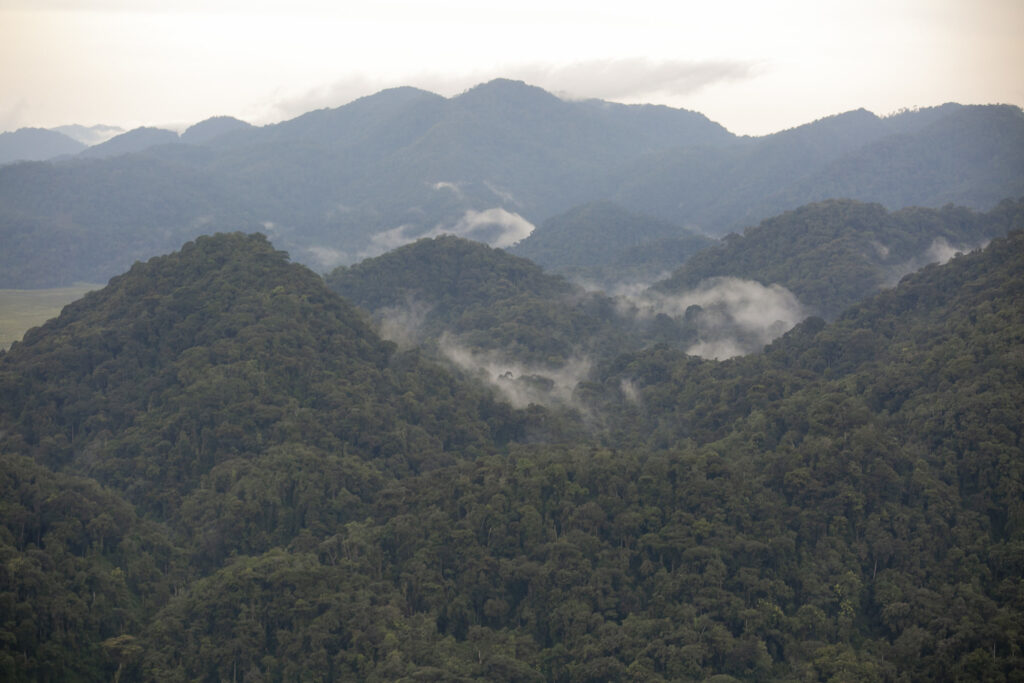
Rwanda has four national parks, Volcanoes National Park, Akagera National Park, Nyungwe National Park, and Gishwati-Mukura National Park, and between them they protect mountain gorillas, the Big Five, chimpanzees, 13 species of primate, and one of the oldest rainforests in Africa inside a country smaller than Wales. Each park is a different world: Volcanoes is a mist-wrapped chain of volcanic peaks and bamboo forest in the northwest, Akagera is a savannah-and-lake reserve in the east, Nyungwe is a vast montane rainforest in the southwest, and Gishwati-Mukura is a small, recovering forest corridor in the west. Together they make Rwanda the most compact multi-ecosystem safari destination on the continent, with the longest drive between any two of them usually under eight hours and the most important one, Kigali to the gorillas, only about two to two and a half hours.

Nyungwe Forest National Park: Rwanda's Chimp Trekking Guide

The Rwanda national parks differ sharply in what they cost and how they are run. Volcanoes National Park charges USD 1,500 per person for a gorilla trekking permit and USD 100 for golden monkeys, while Akagera National Park charges international visitors USD 100 for a day, USD 150 for 2 nights, and USD 200 for 3, with game drives, boat trips, and night drives priced separately, and Nyungwe National Park sells chimpanzee permits at USD 150 per person. Akagera has been managed by African Parks since 2010 and Nyungwe by the same organization since 2020, which is one reason both national parks are now run to standards that match the lodges inside them. Volcanoes and Gishwati-Mukura remain under the Rwanda Development Board, the national authority that issues gorilla trekking permits, with private partners operating lodges around them.

The key planning insight is that these four national parks are not alternatives but different experiences of the same journey, and the order in which you visit them matters. Most of our luxury guests spend 2-3 nights at Volcanoes National Park for gorillas and golden monkeys, 2 nights in Nyungwe for chimpanzee trekking and the canopy walk, and 2 nights in Akagera National Park for lions, rhinos, and boat safaris, which is a 7-10 day circuit that costs roughly USD 15,000 to USD 30,000 per person at the top end, excluding international flights. A traveller with only 4 days should choose Volcanoes National Park alone and plan it well; a traveller with 10 days should visit three national parks rather than four, because the fourth is a small park that rewards a brief visit but not a long one.

Permits are limited — spaces fill months ahead

Reserve Your Private Gorilla Trek

Speak with a Rwanda-based specialist today. We secure permits, match you to the right gorilla family, and plan every detail around your schedule.

No group departures · Private itineraries only · Direct Rwanda expertise

Rwanda National Parks at a Glance: Size, Location, and Drive Times.

Rwanda’s 4 national parks cover very different regions, with Akagera the largest at roughly 1,085 square kilometers, Nyungwe next at about 1,019 square kilometers, Volcanoes at 160 square kilometers, and Gishwati-Mukura the smallest at around 34 square kilometers, and the distances between them are short enough that a single private safari vehicle can link all four on one safari itinerary. The geography is easiest to understand if you imagine Kigali at the center, with Volcanoes to the northwest, Gishwati-Mukura to the west, Nyungwe to the southwest, and Akagera to the east.

Distances and drive times from Kigali

Volcanoes National Park is about 110 kilometers from Kigali International Airport, a two- or two-and-a-half-hour drive on tarmac to the park headquarters at Kinigi near the town of Musanze. Akagera’s southern gate is also roughly two to two and a half hours from the capital by road, which makes it possible to visit on a long day trip, though a night or two inside the park is far more rewarding. Gishwati-Mukura lies about three hours to the west on the road to Lake Kivu. Nyungwe is the furthest, around 225 kilometers and five to six hours from Kigali, and it is the drive that most travelers underestimate, which is why we generally route it as a one-way stage on a loop rather than as a return journey.

The logical Safari circuits

There are two sensible ways to join the parks. The western loop runs from Kigali through Nyungwe, up the shore of Lake Kivu, and on to Volcanoes, finishing with the mountain gorillas and a short return to Kigali, and it suits travelers who want the climax of the journey at the end. The eastern extension adds Akagera at the start so that the safari begins with savannah wildlife and ends with the forest.

The distances look modest, but Rwanda’s roads climb and descend constantly through the terraced hills, and a 100-kilometer trip here takes the time a hundred and fifty would in flatter countryside. The main routes are well surfaced, and the driving is orderly, but we plan every road transfer conservatively, and we always keep the longest drive away from the morning of a permit-dependent activity such as gorilla or chimpanzee trekking.

Volcanoes National Park: Gorillas, Golden Monkeys, and Volcano Hikes

Volcanoes National Park is Rwanda’s most famous protected area and the only place in the country where you can trek mountain gorillas, covering about 160 square kilometers of bamboo forest, montane woodland, and volcanic moorland on the slopes of the Virunga massif. It is also part of the larger Virunga Conservation Area that straddles the borders of Rwanda, Uganda, and the Democratic Republic of Congo, and its protected status goes back almost a century.

Mountain gorilla trekking
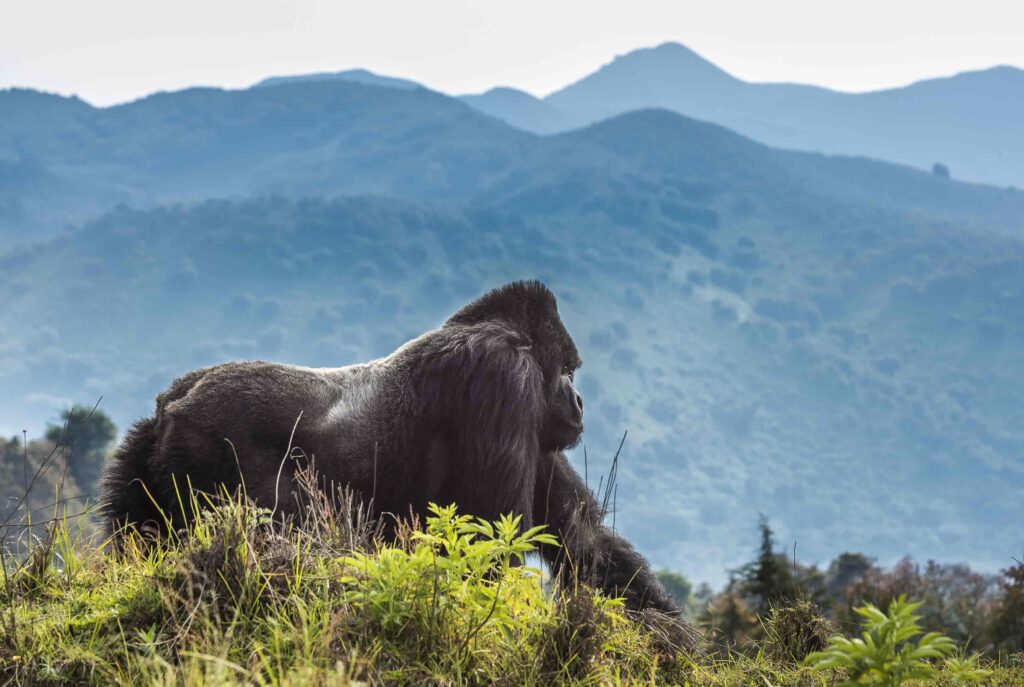
Volcanoes National Park Rwanda: Gorilla Trekking Guide 2027

Roughly 604 of the world’s 1,063 or so mountain gorillas live in the Virunga massif, a large share of them within or beside Volcanoes National Park, and Rwanda’s habituated gorilla families are the most accessible in the world. A permit costs USD 1,500 per person, limits groups to eight visitors per gorilla family, and strictly enforces the one-hour rule. The park issues only about 192 permits a day, so dates between June and September and over the Christmas and New Year period often sell out six to twelve months ahead.

Golden monkey trekking

The golden monkey, a vividly colored primate found only in the Virunga massif, lives in large troops in the bamboo zone and is the perfect complement to a gorilla trek. The permit costs USD 100 per person, the trek is shorter and less strenuous than a gorilla trek, and unlike gorilla permits, golden monkey permits are rarely a constraint. A day of golden monkeys after a day of gorillas is the standard rhythm of our Volcanoes itineraries, and it appears in our 4-day exclusive gorilla and golden monkey safari.

Volcano hikes and the Dian Fossey trail
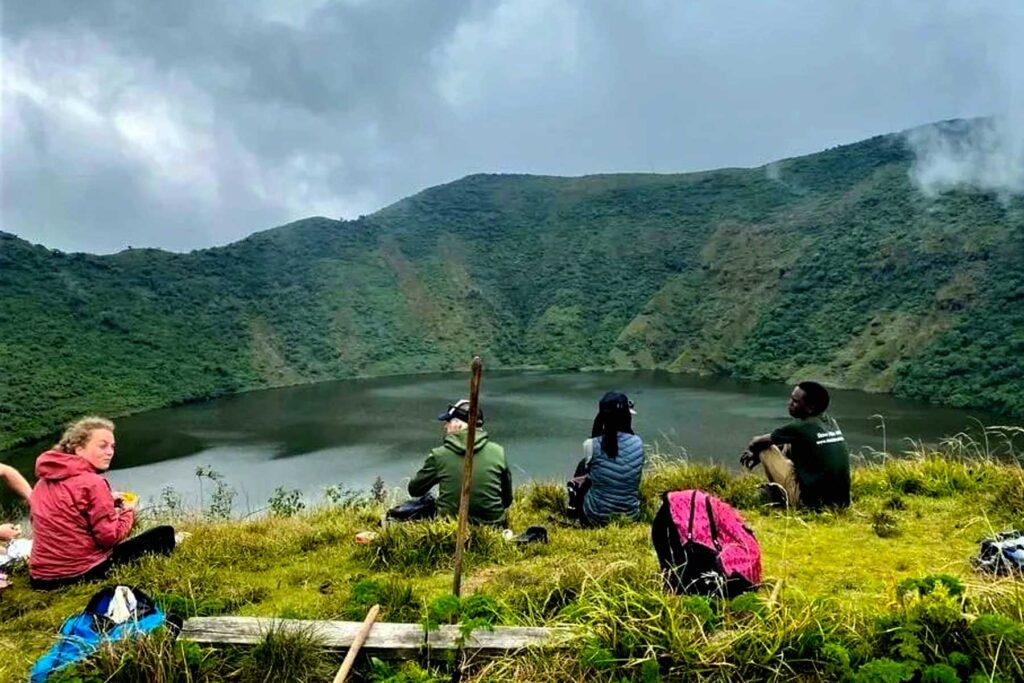
Mount Bisoke Crater Lake

For guests with a spare day, Volcanoes offers a range of hikes for international visitors that are about USD 75 for Mount Bisoke and its crater lake, USD 75 for Mount Gahinga, USD 100 for Mount Muhabura, and USD 400 for the 2-day climb of Mount Karisimbi, which at about 4,500 meters is Rwanda’s highest peak. A guided hike to the former site of the Karisoke Research Centre, where primatologist Dian Fossey is buried beside the graves of gorillas she knew, costs about USD 75 and takes most of a day. We recommend it as a rest-day activity because it puts the whole conservation story into context, and our guests often tell us it is the most moving part of their stay after the mountain gorillas themselves.

Culture and community

The communities around the park wall are among the most visited in Rwanda, and cultural experiences at places such as the Iby’iwacu Cultural Village, where former poachers now perform traditional dance and demonstrate crafts, are included in our 3-day gorilla trekking and cultural safari. These visits are worth the time, and the revenue goes directly to the families that live along the park boundary.

Where to stay near Volcanoes

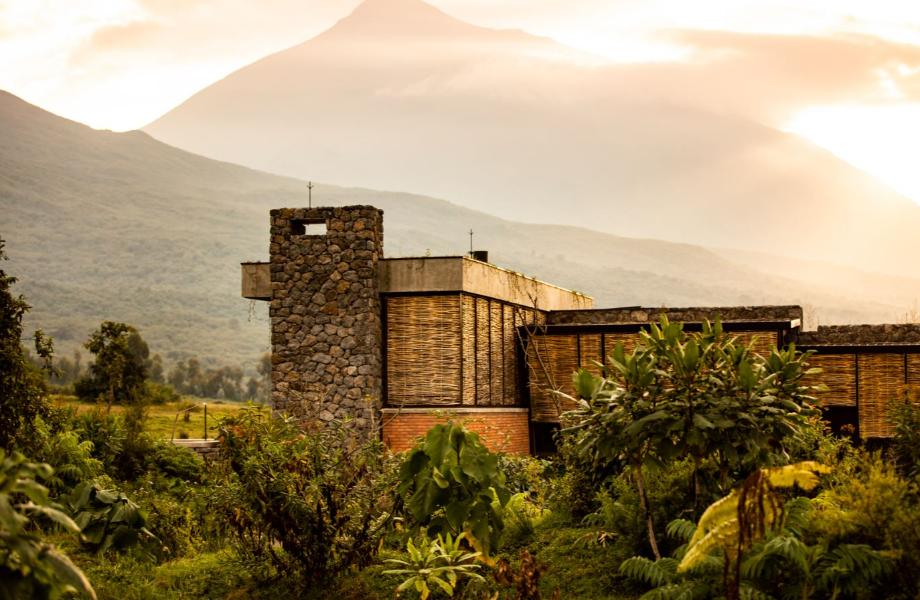
The strongest cluster of luxury lodges in East Africa sits at the foot of the Volcanoes National Park. Wilderness Bisate, Singita Kwitonda Lodge, and One&Only Gorilla’s Nest charge roughly USD 2,400 to USD 3,800 per person per night on an inclusive basis, while the more moderately priced Wilderness Sabyinyo Silverback Lodge and similar properties begin at around USD 800 to USD 1,200. All of them are within about twenty to thirty minutes of the Kinigi briefing point.

Akagera National Park: Rwanda’s Big Five Savannah

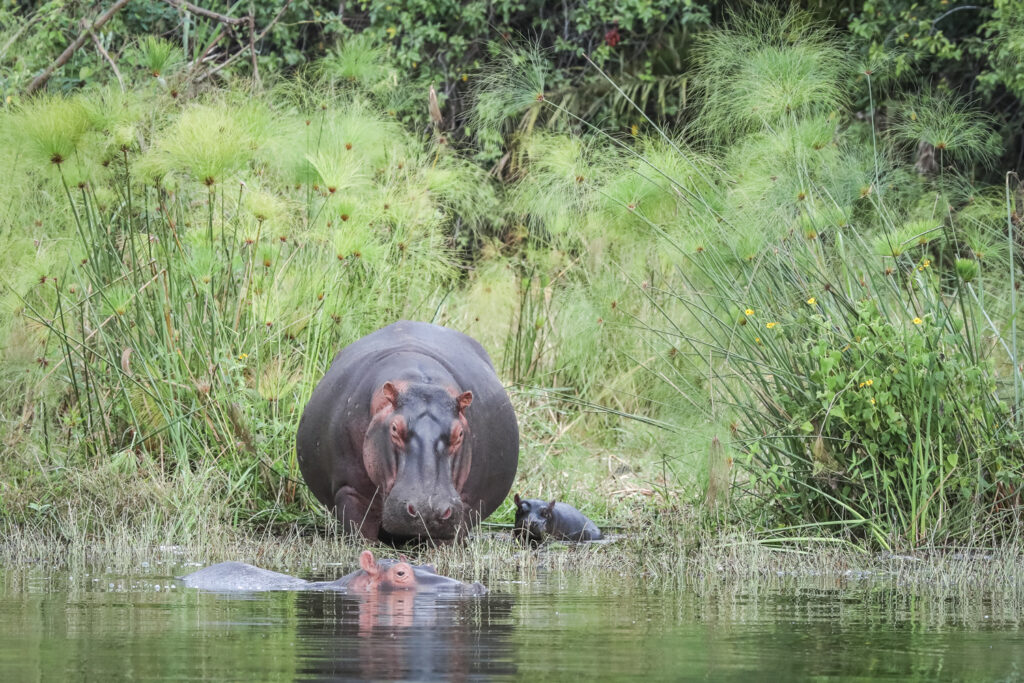
Akagera National Park is Rwanda’s only savannah reserve and its only Big Five destination, covering about 1,085 square kilometers of rolling hills, open plains, papyrus swamps, and a chain of lakes along the Tanzanian border in the east of the country, and it is one of the best conservation turnarounds in Africa. By the early 2000s the park had lost most of its wildlife to the pressures that followed the 1994 genocide, when displaced populations settled inside its boundary, and a partnership with African Parks beginning in 2010 transformed it. Lions were reintroduced in 2015 and eastern black rhinos in 2017, and today the park holds lions, elephants, buffalo, leopards, and rhinos, along with giraffes, zebras, hippos, crocodiles, topi, roan antelope, and more than 500 species of birds.
Rwanda Safaris: The Complete Expert Guide (2027)

Game drives and the wildlife to expect

Akagera’s game viewing is more intimate and quieter than the renowned reserves of Tanzania and Kenya, with few vehicles and an excellent network of well-maintained tracks. The northern sector around the Mutumba hills and Lake Rwanyakazinga is the better area for lions and leopards, and the Ihema Lake system in the south is the heart of the hippo, crocodile, and bird country. Rhinos are monitored closely and are best found with the park’s trackers, and the best chance of elephants is in the dry season when the animals gather near water.

Boat trips, night drives, and other activities

International visitors pay about USD 100 for one day, USD 150 for two nights, and USD 200 for three nights, and there is no entry charge from the fourth night for stays of up to a week. On top of that, published activity fees include about USD 35 for a morning boat trip on Lake Ihema, USD 45 for the sunset boat trip, USD 180 for a private boat, USD 40 for a night drive and USD 25 for a behind-the-scenes tour of the park’s conservation work, with a USD 50 landing fee for aircraft flying into the park’s airstrip. A morning on the water at Lake Ihema, with pods of hippo and fish eagles overhead, is one of the finest activities in Rwanda and makes a pleasing counterpoint to the physical effort of the primate parks.

Where to stay in Akagera
Family Rwanda Safari Style

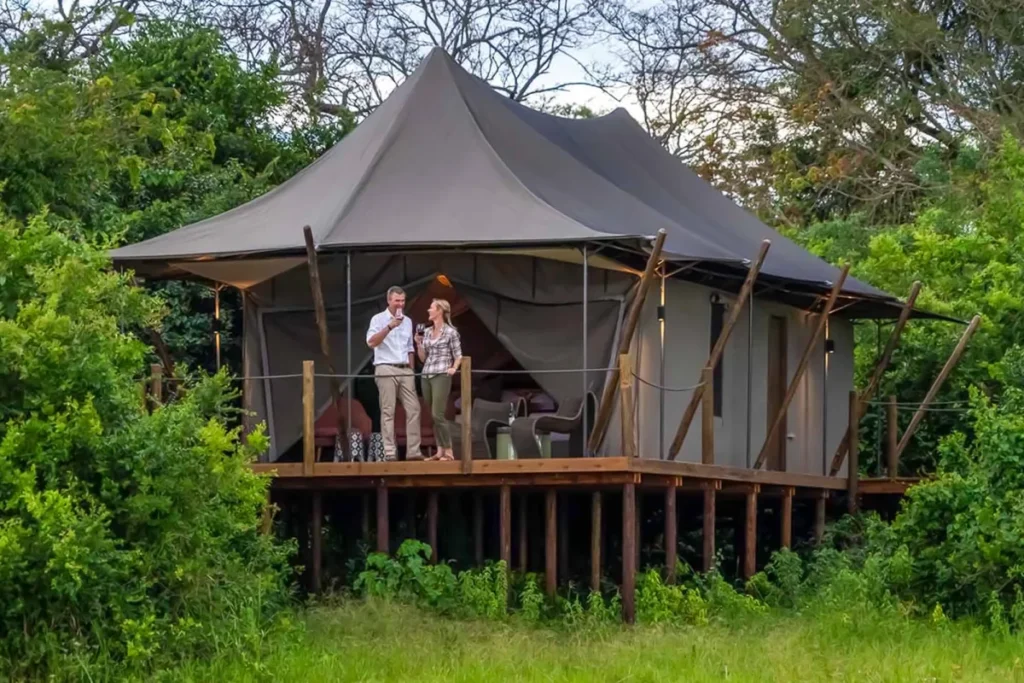
Wilderness Magashi Camp, on the shore of Lake Rwanyakazinga in the northern sector, is the standout luxury choice, a small tented camp with excellent guiding and private access to the quietest part of the park. Ruzizi Tented Lodge on Lake Ihema offers a more relaxed, mid-luxury experience with the lake as its focus. Luxury camps at Akagera typically cost from USD 700 to USD 1,500 per person per night, and a two-night stay is the ideal length to see the park without rushing.

When Akagera is at its best

The long dry season from June to September concentrates wildlife around the lakes and makes the Big Five easier to find, while the wetter months of November to April transform the park into green savannah and are the best time for birding, with large numbers of migrant species. Akagera is the lowest-altitude park in Rwanda and the warmest, so pack accordingly and bring malaria protection.

Nyungwe National Park: Chimpanzees, Canopy Walk, and Ancient Rainforest.

Nyungwe National Park is Rwanda’s largest forest and one of the oldest and most biodiverse montane rainforests in Africa, covering about 1,019 square kilometers in the southwest along the border with Burundi, with 13 primate species including the eastern chimpanzee, more than 300 bird species, and a canopy that has stood largely unbroken since before the last ice age. It is managed by African Parks, which assumed responsibility from the Rwanda Development Board in 2020, and its reputation among serious naturalists is higher than most visitors expect.
7-Day Luxury Rwanda Safari: Nyungwe, Kivu & Gorillas

Chimpanzee trekking

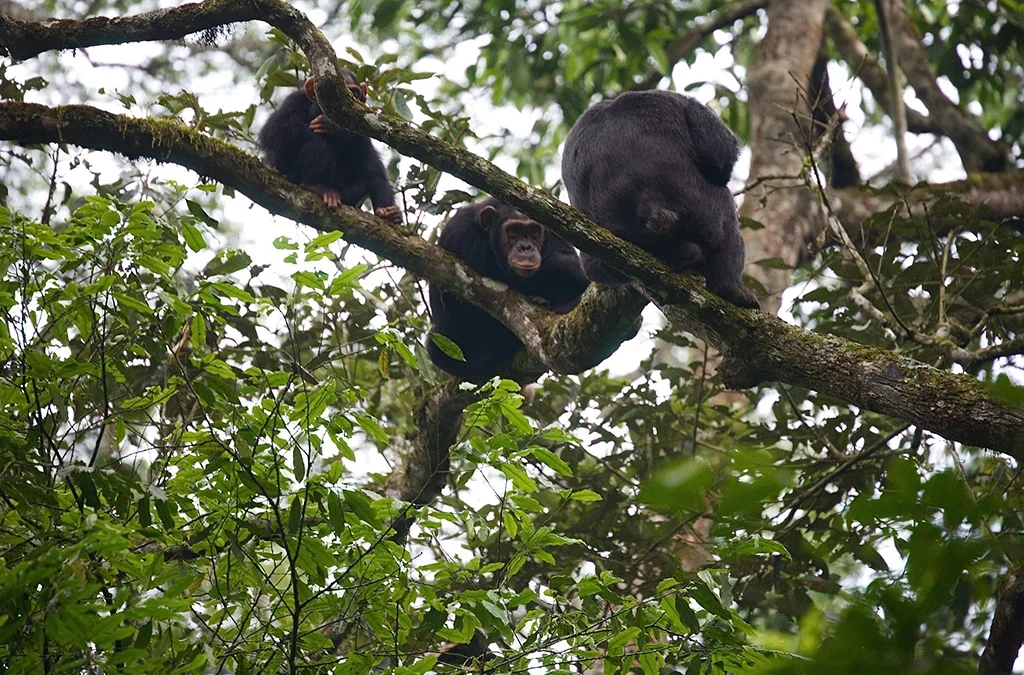
Chimpanzee trekking in Nyungwe costs about USD 150 per person, the minimum age is sixteen, and only around two dozen permits are issued each day for the habituated communities, which is why they should be booked well ahead. Treks begin early, typically in the pre-dawn hours, and the pace is faster and the terrain more varied than at Volcanoes, because chimpanzees move quickly through the canopy. The experience is noisy, active, and unpredictable, which is exactly the contrast with gorillas that many guests come for. Of the park’s estimated chimpanzee population of roughly 500, only a few communities have become habituated to visitors.

The canopy walk and other forest activities

The canopy walkway, one of only a handful in Africa, begins at the Uwinka visitor center and suspends visitors high above the forest floor, putting them somewhere between 50 and 70 meters above the ground, with walks run on a fixed morning and afternoon schedule. Other activities include guided birding, night walks, waterfall hikes, and tracking other primates, such as L’Hoest’s monkeys and the large troops of Angolan colobus that move through the forest.

The source of the Nile

Nyungwe is often cited as the location of the most distant headwaters of the Nile, through the Rukarara and associated streams that flow into the Kagera system and eventually to Lake Victoria. This detail is pleasing for travelers who want to place their safari in a larger geographical context, and it is one that guides at Uwinka are happy to explain.

Where to stay in Nyungwe
One&Only Nyungwe House

One&Only Nyungwe House

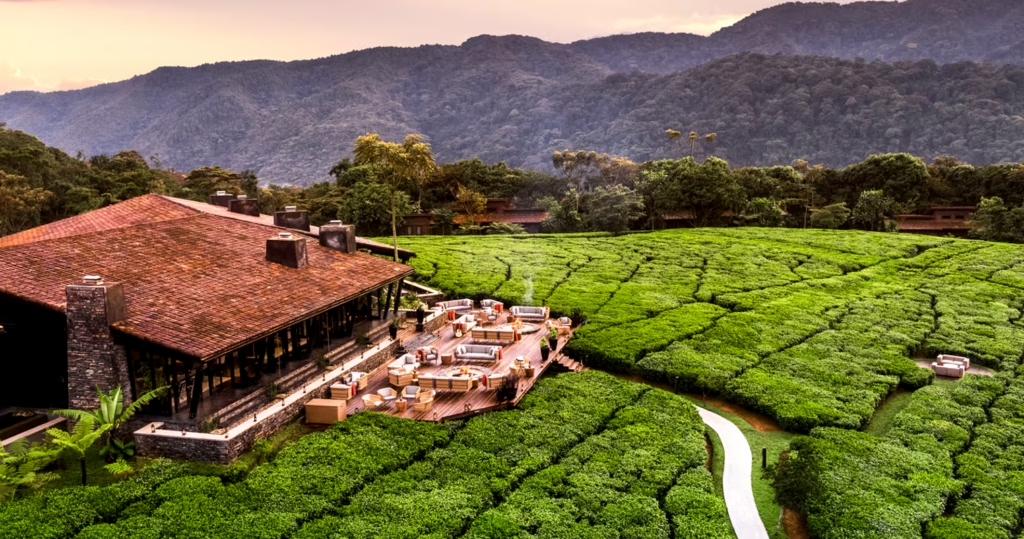
One&Only Nyungwe House, on the edge of the forest beside a working tea estate, is the benchmark luxury address, and it offers private guided activities, a spa, and some of the best food in southern Rwanda. Several mid-range lodges serve travelers on smaller budgets, and the tea plantations around Gisakura are worth a morning in themselves. We recommend two nights, because the long drive in and out is not worth making for a single night.

Weather and what to expect

Nyungwe is wetter and cooler than the other parks, and mist is common year-round, so waterproofs and sturdy boots are essential. The dry season from June to September is the most reliable period for the canopy walk and chimpanzee treks, but it is never truly dry.

Gishwati-Mukura National Park: Rwanda’s Newest Park

Gishwati-Mukura National Park is Rwanda’s newest and smallest national park, created in 2015 to protect two remnant montane forests, Gishwati and Mukura, on the ridge between the Congo and Nile basins, and in 2020 UNESCO recognized it as a biosphere reserve. The park covers about 34 square kilometers and is the product of a decades-long recovery from severe deforestation, with chimpanzees, golden monkeys, and a growing number of bird species now returning to the replanted slopes. The Wilderness and the Forest of Hope Association operate the Gishwati concession, and they opened the forest to visitors in December 2020.
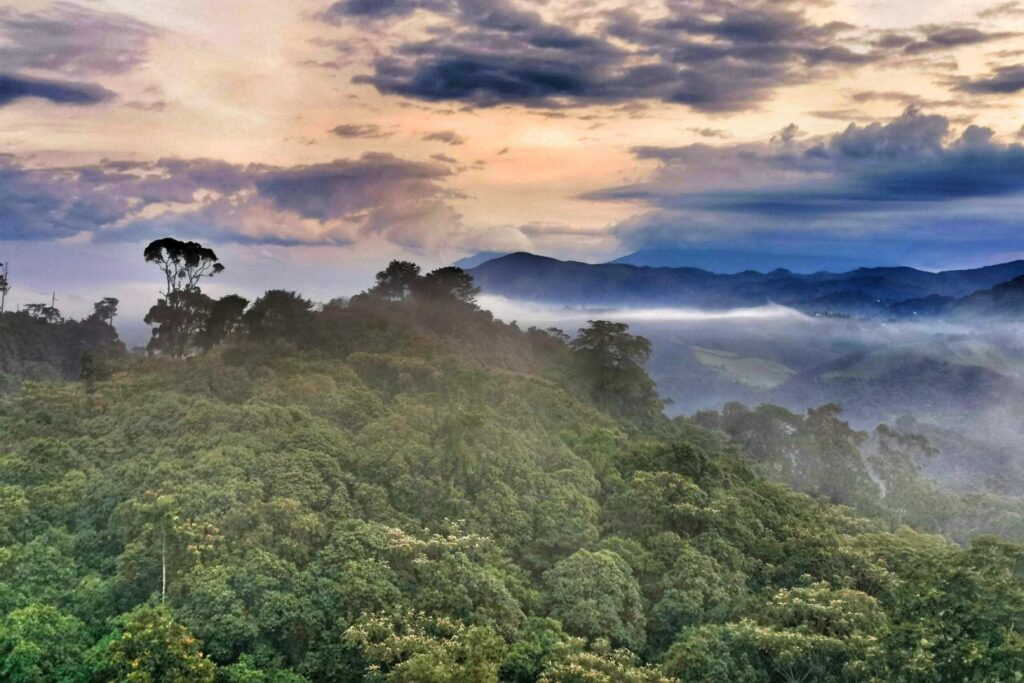
Gishwati-Mukura National Park: Rwanda's Newest Park Guide

Activities center on chimpanzee tracking, golden monkey tracking, guided hiking, and birding in a forest that is smaller, quieter, and less crowded than Nyungwe. It is best treated as a 2-night extension rather than a standalone destination, and it fits naturally between Nyungwe and Volcanoes on the road beside Lake Kivu.

Gishwati-Mukura rewards travelers who have already seen the headline experiences and want something quieter, those with a particular interest in forest restoration, and anyone who wants to see conservation in the making. It is not the place for a first-time visitor with only a few days.

Plan Your Rwanda Safari

Start Planning a Private Gorilla Trek

Rwanda gorilla permits sell out months in advance. Secure your dates before the season closes.

Beyond the National Parks: Lake Kivu, Kigali, and Rwanda’s Cultural Side.

Rwanda’s national parks are only part of the country’s appeal, and the time between them is best spent at Lake Kivu on the western border and in Kigali, which is among the cleanest, safest, and best-run capital cities in Africa. Neither is a national park, but both belong in a well-planned Rwanda itinerary and help soften the transition between the physically demanding days in the forest.

Lake Kivu

Lake Kivu Rwanda: Luxury Stays, Boat Cruises & Safari Guide

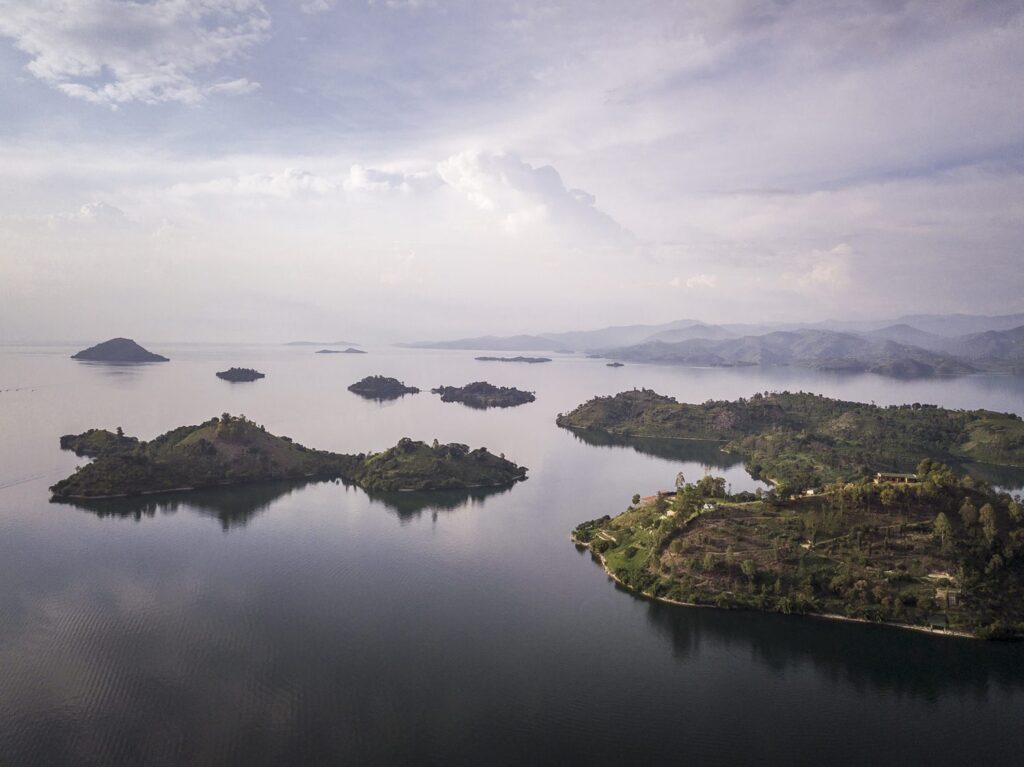
Lake Kivu is one of Africa’s great lakes, a region rimmed by steep volcanic hills and dotted with small islands, and its eastern shore, at towns such as Karongi and Rubavu, is the natural place to rest between Nyungwe and Volcanoes. Boat excursions, kayaking, a section of the Congo Nile Trail, and village visits fill the days, and boutique properties line the shore. A night or two on the lake gives the journey a pause that most guests value more than they expect.

Kigali

Kigali rewards a day of unhurried exploration. The Kigali Genocide Memorial is the essential visit and gives a deeply moving context to modern Rwanda, while the Inema Arts Centre, the Kimironko market, and the city’s coffee culture show the country’s creative energy. Rwanda’s recovery since 1994 is an essential part of understanding why conservation has worked so well here, and we always recommend giving it time at the start or end of a safari.

Rwanda National Park Fees and Permit Costs for 2027–2028

The principal fees in Rwanda’s national parks in 2027–2028 are USD 1,500 for a gorilla permit, USD 150 for a chimpanzee permit, USD 100 for a golden monkey permit, and USD 100 per day for Akagera entry, with a range of hikes and activities priced separately.

Volcanoes National Park fees

The gorilla permit is USD 1,500 per person, with a multi-park incentive of about USD 1,050 historically offered between November and May to guests who spend two or more nights in Akagera or Nyungwe. Golden monkey trekking is USD 100, the Dian Fossey hike is about USD 75, Bisoke and Gahinga are about USD 75 each, Muhabura is about USD 100, and the Karisimbi climb is about USD 400. RDB announced promotional gorilla permit rates of USD 200 for Rwandans and East African Community citizens and USD 500 for other African nationals, which do not apply to most international travelers or to the June to October peak season.

Akagera National Park fees

Entry for international visitors is USD 100 for 1 day or night, USD 150 for 2, and USD 200 for 3, with no additional charge beyond the third night up to a week. Children aged six to twelve pay about half, and children under six are free. A vehicle fee of about USD 10 applies for a car, a half-day guide is about USD 25, and a full-day guide is about USD 40, while activities such as boat trips and night drives are charged separately.

Nyungwe and Gishwati-Mukura fees

Chimpanzee trekking in Nyungwe is about USD 150 per person, with activities such as the canopy walk and guided walks charged on top. Nyungwe’s fee structure has changed since African Parks took over management; we confirm every figure at the time of quotation. Gishwati-Mukura’s tariffs are less widely documented, and we also confirm them directly on booking.

What the fees do not include

Park fees never include transport, guides beyond the standard ranger-guide, accommodation, meals, porters, tips, or insurance. For a luxury traveler, the park fees are a relatively small part of the budget, typically between ten and twenty percent of the total for a multi-park journey, with lodges and private logistics making up the bulk of the cost.

Best Time to Visit Rwanda’s National Parks

The best time to visit Rwanda’s national parks is the long dry season from June to September, with the short dry season from December to February a strong second, but the parks are open all year and each has its own seasonal strengths. Rwanda sits just south of the equator at altitude, so temperatures are mild throughout the year, and the real variable is rainfall.

Best time for gorilla trekking.

June to September

This is the best period for gorilla and chimpanzee trekking, when trails are firm and skies are clear, and for Akagera game drives, when animals concentrate around the lakes. It is also the busiest and most expensive time, with lodges at peak rates and gorilla permits selling out many months ahead.

December to February

A shorter dry season offers excellent conditions in all 4 parks, with fewer visitors than the northern summer, although Christmas and New Year are busy. January and February are particularly pleasant for trekking.

March to May and October to November

The rains bring muddier trails but also brilliant green landscapes, lower lodge rates, and the best birding, especially at Akagera. Experienced travellers sometimes choose these months deliberately, and the November to May multi-park gorilla permit incentive can add further value. March to May is the wettest period, and trekking requires proper rain gear.

Choosing your month by interest

If gorillas and chimpanzees are your priority, travel in the dry season. If you care most about birds and quiet, consider the green months. If your dates are fixed by school holidays or work, nearly every month can be made to work with the right planning, and our team will advise on the realistic trade-offs.

Getting to and Around Rwanda’s National Parks: Flights, Visas, and Transfers

Almost every international visitor reaches Rwanda’s national parks through Kigali International Airport, and from there a private vehicle with a driver-guide is the simplest and most comfortable way to reach all four parks, with drive times of two to six hours depending on the park. Rwanda has no safari-style domestic air network of the kind found in Tanzania or Kenya, so road transfers dominate, which is why planning the sequence of parks carefully makes such a difference to the quality of the journey.

Flights into Kigali

Kigali is served by RwandAir and by major international carriers, including KLM, Brussels Airlines, Qatar Airways, Turkish Airlines, Ethiopian Airlines, and Kenya Airways, with connections through Amsterdam, Brussels, Doha, Istanbul, Addis Ababa, and Nairobi. Fares vary widely by origin and season, and we advise confirming your permit and lodge dates before booking flights, because the permits are the least flexible part of the plan.

Visas

Most visitors pay USD 50 for a thirty-day single-entry visa, available on arrival or through the national online portal, Irembo, while a multiple-entry visa valid for ninety days costs USD 70. The East Africa Tourist Visa costs USD 100, is valid for 90 days across Rwanda, Kenya, and Uganda, and suits multi-country safaris, provided you enter the region through the country that issues it. Passports should be valid for at least six months.

Road transfers between the parks

Approximate drive times are 2 to 2.5 hours from Kigali to Volcanoes or Akagera, about three hours to Gishwati-Mukura, five to six hours to Nyungwe, and seven to eight hours between Nyungwe and Volcanoes via the Lake Kivu road, all without stops. A private transfer by safari vehicle usually costs between USD 250 and USD 400 for a single leg when booked separately and is included in a full itinerary. For guests with very tight schedules, we can arrange private charter flights to Akagera’s airstrip, which has a USD 50 landing fee, as well as helicopter transfers upon request.

Moving between the parks with luggage

Luxury lodges in Rwanda generally accept soft-sided bags more easily than hard cases, and a modest wardrobe is ideal because laundry is offered at almost every property. Keep a small overnight bag on the front seat for the long drives, and put your trekking boots where they can be reached at the end of the day.

How Many Days You Need and Which Rwanda National Parks to Choose.

You need 3 days for Volcanoes National Park alone, five to six days for two parks, and seven to ten days to see three parks comfortably, and the most valuable decision is which parks to include rather than how many. A rushed visit to four parks is almost always a mistake, because every transfer costs half a day and the forests need time to work on you.

3 to 4 days: Volcanoes National Park Only

In a few days you should choose Volcanoes National Park and no other park. Arrive in Kigali, transfer to your lodge, trek gorillas on day two, trek golden monkeys or hike on day three, and fly home from Kigali.

5 to 6 days: Volcanoes National Park plus one other park

Add Akagera for a savannah contrast, or Nyungwe for chimpanzees. Akagera is easier on the schedule, with a transfer of two to two and a half hours from Kigali, and our gorilla and golden monkey discovery safari can be extended in this direction.

7 to 10 days: 3 National Parks

The classic Rwanda safari circuit is Akagera, Nyungwe, and Volcanoes national parks, with a night at Lake Kivu between the last two. It is the most rewarding journey in the country and is the basis of our luxury Rwandan primate safari and 10-day national parks safari.

Where does Gishwati-Mukura fit?

It fits best as a two-night addition for travelers who already have eight to ten days and want something quieter and more exploratory than the main circuit. For most first-time visitors, it is a pleasant extra, not a priority.

Plan Your Rwanda Safari

Start Planning a Private Gorilla Trek

Rwanda gorilla permits sell out months in advance. Secure your dates before the season closes.

What to Pack and What to Book in Advance for Rwanda’s National Parks

What you pack for Rwanda’s national parks should be built around layers, waterproofs, and sturdy boots, and what you book in advance should begin with gorilla and chimpanzee permits, followed by the best lodges, because both run out before anything else does. The timing is more critical than most visitors realize.

What to book and when

Gorilla permits for June to September and Christmas and New Year should be reserved six to twelve months in advance, and the top lodges at Volcanoes National Park follow the same timeline. Chimpanzee permits at Nyungwe are limited to a small number each day and are best booked as early as your itinerary is fixed, often several months ahead. Golden monkey permits, Akagera game drives, and boat trips are easier but should still be booked before travel. For exclusive-use gorilla trekking, which costs around USD 15,000 for the group, you should start planning even earlier.

What to pack for the forest parks

What to Pack for a Safari

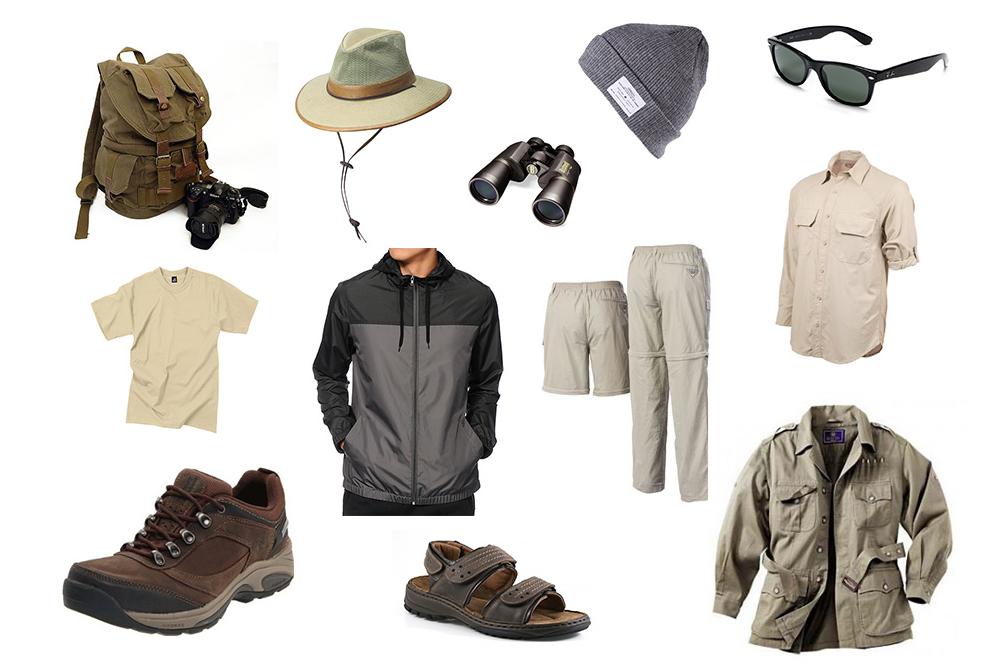
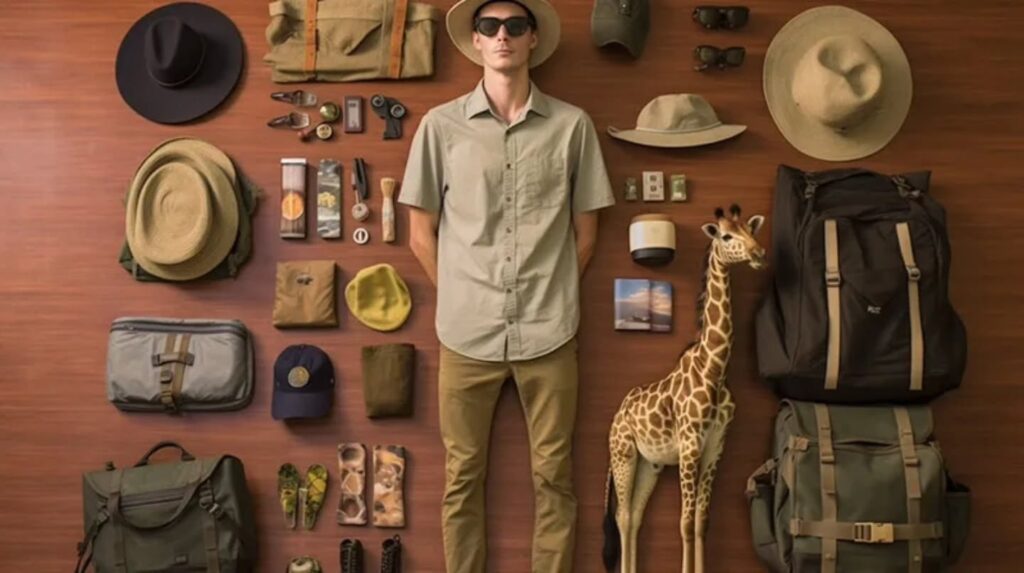
Dark neutral long trousers and long-sleeved shirts, a lightweight waterproof jacket, waterproof ankle-supporting hiking boots that are properly worn in, gaiters, thin gardening gloves, a hat, sunscreen, insect repellent, and a refillable water bottle of at least two liters are the essentials for Volcanoes, Nyungwe, and Gishwati-Mukura. Avoid bright colors and perfume near wildlife. A camera with excellent low-light performance and a lens that reaches at least 200 millimeters is worth the weight, and flash is not permitted near the gorillas.

What to pack for Akagera

What to Pack and Wear for a Ngorongoro Crater Safari

The savannah is warmer, drier, and dustier, so bring light cotton layers in neutral tones, a wide-brimmed hat, binoculars, a warm layer for early morning and night drives, and malaria protection. Binoculars matter more at Akagera than at any other Rwandan park because of the lakes and the birdlife.

A few Rwanda-specific tips

Rwanda bans single-use plastic bags, so avoid packing them and expect them to be confiscated at the airport. Drones are not allowed in the national parks without a permit. On the last Saturday morning of each month, the national community work day, Umuganda, brings most of the country to a standstill between roughly 8 am to 11 am, so avoid scheduling long transfers or tight connections during those hours. Rwanda drives on the right, runs on Central Africa Time and uses European-style two-pin sockets at 230 volts, and lodges accept cards, though cash in US dollars or Rwandan francs is useful for tips and small purchases.

Health, Safety, and Practical Advice for Rwanda’s National Parks.

Rwanda is regarded as one of the safest and best-organized countries in Africa for visitors, but a safari still requires basic health preparation, and the most useful step is a consultation with a travel-medicine clinic six to eight weeks before departure.

Vaccinations and malaria

A yellow fever certificate is required if you arrive from or transit a country with yellow fever transmission. Hepatitis A, typhoid, and tetanus are commonly recommended, with rabies and meningitis considered for some itineraries. Malaria risk is lowest at the high altitude of Volcanoes and higher at Akagera and in Kigali, so prophylaxis is usually advised for itineraries that include the savannah.

Safety and conduct

Kigali remains clean and orderly, and the main roads between the parks are well maintained. Armed rangers accompany gorilla treks as standard protocol, not because of any specific risk. Gorilla and chimpanzee rules exist to protect the animals from human disease: stay at least 7 meters from gorillas, do not eat near them, and do not trek if you are unwell. Gorillas share around 98% of their DNA with humans, and respiratory infections can be devastating for them.

Tipping and money

Rwanda’s currency is the franc, though dollars are widely accepted at lodges. A suggested guide is USD 20 to USD 50 per person for rangers and trackers on a gorilla or chimpanzee trek, USD 15 to USD 25 per day for your driver-guide, around USD 20 plus a gratuity for a trek porter, and a contribution to the lodge staff box at departure. Budget USD 300 to USD 800 per person for tips and small extras on a longer journey.

Common Mistakes to Avoid When Planning a Rwanda National Parks Safari.

The most common mistakes in planning a Rwanda national parks safari are booking flights before permits, underestimating the drive to Nyungwe, and trying to fit every park into too few days; all three are avoidable with a little foresight. We see the same patterns every season, and each one costs travelers either money or the best part of a day.

Booking flights before permits

International flights are often non-refundable, and permits are date-specific, so a flight booked before the permit is secured can leave you holding a ticket for dates on which no gorilla permits remain. Always confirm the permit first, then the lodge, and finally the flights.

Treating Nyungwe as a day trip

At five to six hours each way from Kigali, Nyungwe is not a day-trip destination, and chimpanzee treks start at dawn. A guest who drives in the same morning will miss the trek or begin it exhausted. Plan at least two nights, and ideally arrive the afternoon before.

Scheduling gorillas on the last day

Gorilla trekking is unpredictable in duration, and a trek that runs long can collide with a tight flight home. We place the trek at least a day before departure whenever possible, and we never schedule it on the morning of an international flight.

Overpacking the itinerary

A trek can take anywhere from thirty minutes to five hours each way, and the legs feel it the next day. The guests who enjoy Rwanda most build in a rest day, a lake afternoon, or a long lunch, and it is the single piece of advice we would give every first-time visitor.

Ignoring the multi-park permit incentive

Travellers who spend two or more nights in Akagera or Nyungwe in the low season between November and May may qualify for a discounted gorilla permit of about USD 1,050, a saving of roughly USD 450 per person. Many people never ask about it, and the rules change, so always check current eligibility before finalizing your route.

Luxury Lodges and Camps Across Rwanda’s National Parks

The luxury lodges and camps in Rwanda’s national parks are among the finest in Africa, with Volcanoes offering the most rarefied options, Akagera and Nyungwe the best mid-to-upper luxury, and prices ranging from about USD 700 per person per night at Akagera to as much as USD 3,800 at the signature gorilla lodges in peak season. A well-chosen lodge is the single largest determinant of the quality of the trip, because you spend the hours between activities there.

Singita Kwitonda Lodge

Volcanoes National Park

Wilderness Bisate, Singita Kwitonda Lodge, and One&Only Gorilla’s Nest are the benchmarks. Rates range from roughly USD 2,400 to USD 3,800 per person per night, with peak pricing from June to October and from mid-December to early January. Wilderness Sabyinyo Silverback Lodge, which is community-partnered, offers a more moderately priced luxury alternative.

Akagera National Park

Wilderness Magashi Camp on Lake Rwanyakazinga offers a small, tented luxury experience in the quietest part of the park, and Ruzizi Tented Lodge on Lake Ihema offers a relaxed lakeside alternative. These properties typically run from about USD 700 to USD 1,500 per person per night, and both put game viewing and boating at the heart of the day.

Nyungwe and Lake Kivu

One&Only Nyungwe House is the signature luxury address in the forest, with a spa, private guides, and a tea estate setting. On Lake Kivu, several boutique lodges provide a restful midpoint, and we select the ones that best suit your route and style.

How lodge choice shapes the budget

Lodge nights typically make up sixty to seventy-five percent of the total cost of a Rwanda safari, so a small change of property can move the total by thousands of dollars. We design each itinerary so that the more expensive lodges are placed where the setting matters most, usually at Volcanoes, and the supporting nights are chosen for comfort and value.

Conservation and Responsible Travel in Rwanda’s National Parks

Rwanda’s national parks are among the best-protected in Africa because the country has made the economic case for conservation central to its development strategy, and your visit directly funds that approach. Rwanda commits ten percent of park revenue to community projects around its parks, and the schools, clinics, and cooperatives that the initiative has produced are visible around Volcanoes and Akagera.

Gorillas, rhinos, and lions

The mountain gorilla population has recovered from about 254 animals in the Virungas in 1981 to more than a thousand today, and the International Union for Conservation of Nature now lists the species as endangered rather than critically endangered on the IUCN Red List. In Akagera, the return of lions in 2015 and rhinos in 2017 under African Parks shows what sustained investment can do in a decade. Both stories rest on a combination of tourism revenue, enforcement, and community participation.

How to travel responsibly in Rwanda

Choose licensed operators, obey the rules for distance and group size, avoid single-use plastics, hire local porters and guides, buy from community cooperatives, and tip fairly. The Rwanda Development Board and the Dian Fossey Gorilla Fund provide more information on how they use revenue and how visitors can contribute.

Combine Rwanda’s National Parks with Uganda, Kenya, and Tanzania.

Rwanda’s national parks combine easily with the great safari parks of its neighbors, and a well-planned East African journey often begins with gorillas in Rwanda and continues into the savannah of Tanzania, Kenya, or the forests and lakes of Uganda.

Rwanda and Uganda

Uganda offers gorilla trekking at Bwindi Impenetrable Forest, chimpanzees at Kibale, boat safaris, and tree-climbing lions at Queen Elizabeth National Park, with a lower gorilla permit of USD 800.

Rwanda, Tanzania, and Kenya

Great Migration in the Masai Mara

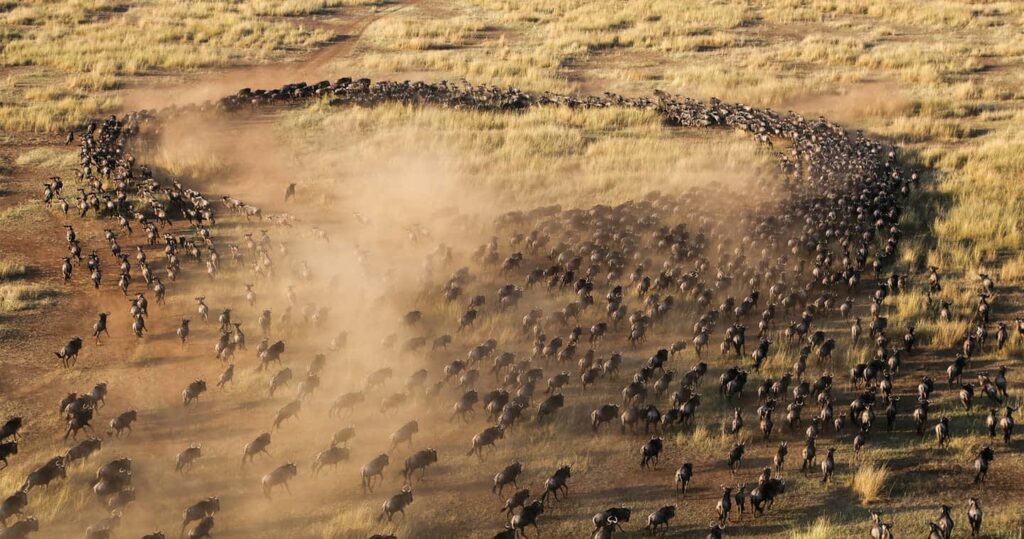
Our gorillas and Great Migration safari pairs Volcanoes with the Serengeti and the Ngorongoro Crater and can be extended to Zanzibar, while our primates and plains safari links Rwanda with the Masai Mara.

Plan Your Rwanda Safari

Start Planning a Private Gorilla Trek

Rwanda gorilla permits sell out months in advance. Secure your dates before the season closes.

Frequently Asked Questions About Rwanda National Parks.

How many national parks are there in Rwanda?

Rwanda has four national parks: Volcanoes National Park, Akagera National Park, Nyungwe National Park, and Gishwati-Mukura National Park. Volcanoes, in the northwest, cover about 160 square kilometers and protect mountain gorillas and golden monkeys. Akagera, in the east, covers about 1,085 square kilometers and is Rwanda’s only Big Five park. Nyungwe, in the southwest, covers about 1,019 square kilometers and has chimpanzees and thirteen primate species. Gishwati-Mukura, created in 2015, is the smallest at around 34 square kilometers and was recognized as a UNESCO biosphere reserve in 2020. Most visitors see two or three of the four on a single trip.

What is the best national park in Rwanda?

Volcanoes National Park is the best national park in Rwanda for most visitors because it is the only place in the country where you can trek mountain gorillas. A gorilla permit costs USD 1,500 per person and gives you one hour with a habituated family within a two- to two-and-a-half-hour drive of Kigali. Akagera is the best choice for classic safari game viewing, with lions, rhinos, elephants, and boat trips on Lake Ihema. Nyungwe is the best for chimpanzees, the canopy walk, and ancient rainforests. The right answer depends on what you most want to see.

Which national park in Rwanda has the Big Five?

Akagera National Park is the only national park in Rwanda with the Big Five. Lions returned to Akagera in 2015 and eastern black rhinos in 2017, joining the elephants, buffalo, and leopards that remain in the park. Akagera is managed by African Parks, which has run it since 2010, and covers about 1,085 square kilometers of savannah, wetland, and lakes. It also supports giraffes, zebras, hippos, crocodiles, and more than 500 species of birds. Rhino and leopard sightings are never guaranteed, so allow at least two nights to give yourself the best chance.

How much does it cost to visit Rwanda's national parks?

Rwanda’s national parks cost from USD 100 per day at Akagera to USD 1,500 per person for a gorilla permit at Volcanoes. Golden monkey trekking is USD 100, chimpanzee trekking in Nyungwe is about USD 150, and hikes such as Mount Bisoke and the Dian Fossey trail are about USD 75 each. Akagera entry for international visitors is USD 100 for one day or night, USD 150 for two, and USD 200 for three. Park fees are usually ten to twenty percent of the total cost of a multi-park luxury safari, with lodges and private logistics making up most of the rest. A seven- to ten-day luxury journey typically costs between USD 7,000 and USD 30,000 per person, excluding international flights.

How much does Akagera National Park cost?

Akagera National Park costs international visitors USD 100 for a one-day or one-night entry, USD 150 for two nights, and USD 200 for three nights. Entry is not charged beyond the third night for stays of up to a week. Activity fees include about USD 35 for a morning boat trip, USD 45 for a sunset boat trip, USD 40 for a night game drive, and USD 25 for a behind-the-scenes tour. Children aged six to twelve pay about half the adult rate, and those under six are free. A luxury camp such as Wilderness Magashi typically costs USD 700 to USD 1,500 per person per night, in addition to the entry fee.

How much is chimpanzee trekking in Nyungwe National Park?

Chimpanzee trekking in Nyungwe National Park costs about USD 150 per person for international visitors, and the minimum age is sixteen. Only around two dozen permits are available each day, so book as early as you can, often several months ahead. Treks start early in the morning, and duration varies from one hour to several depending on where the chimpanzees are. The permit is separate from other Nyungwe activities such as the canopy walk. Nyungwe is managed by African Parks, and fees are revised periodically, so we confirm the current tariff when we price your trip.

How many days do you need to see Rwanda's national parks?

You need three to four days to see Volcanoes National Park alone, five to six days for two parks, and seven to ten days for three parks. A seven- to ten-day itinerary typically covers Akagera, Nyungwe, and Volcanoes, with a night on Lake Kivu between the last two. The longest drive is from Nyungwe to Volcanoes at seven to eight hours by road, so we break it with a lake stop. Trying to fit four parks into a week usually leaves too little time in each.

What is the best time to visit Rwanda's national parks?

The best time to visit Rwanda’s national parks is the long dry season from June to September, with December to February a strong second. Trails are firmer, the skies are clearer, and Akagera’s animals concentrate around the lakes in the dry months. March to May and October to November bring rain but also lower lodge rates, fewer visitors, and the best birdwatching. Gorilla permits cost USD 1,500 in every month, so the seasonal saving is in the lodge rate. Peak-season permits and lodges sell out six to twelve months in advance.

How far is Volcanoes National Park from Kigali?

Volcanoes National Park is about 110 kilometers from Kigali, and the drive takes two to two and a half hours. The route runs north through the hills to the town of Musanze and on to the park headquarters at Kinigi, where the gorilla briefing starts at 7:00 AM. Most lodges are a further twenty to thirty minutes from Kinigi. A private vehicle and driver-guide for the one-way transfer typically costs USD 250 to USD 400 if booked separately. Guests on afternoon flights into Kigali can usually reach their lodge the same evening.

How far is Nyungwe National Park from Kigali?

Nyungwe National Park is about 225 kilometers from Kigali, and the drive takes five to six hours. It is the furthest of Rwanda’s four national parks from the capital and the transfer most visitors underestimate. We usually route it as a one-way loop, for example, Kigali to Nyungwe, then up the shore of Lake Kivu to Volcanoes, so you do not retrace the same road. The road is paved, and the scenery through tea country is excellent. We recommend a minimum of two nights.

Is Rwanda safe for tourists visiting national parks?

Rwanda is one of the safest countries in Africa for tourists, with low crime rates and well-maintained roads between its four national parks. Kigali is clean and orderly, and the main routes to Volcanoes, Akagera, and Nyungwe are tarmaced. Trained rangers escort gorilla and chimpanzee treks, and armed rangers accompany gorilla treks as standard protocol. Basic health preparation is still needed, including a yellow fever certificate if arriving from an endemic country and malaria prophylaxis for lower-altitude areas such as Akagera. A consultation with a travel-medicine clinic six to eight weeks before departure is sensible.

How do I book a Rwanda safari that includes the national parks?

You book a Rwanda national parks safari by choosing your dates first, securing the gorilla and chimpanzee permits, and then reserving your lodges and private transfers around them. A specialist operator handles all of these tasks in one itinerary, coordinating permits issued by the Rwanda Development Board and African Parks with lodge availability. For June to September or Christmas and New Year, start planning six to twelve months ahead. A deposit is typically required to confirm lodges and permits, and permits are paid in full at booking. Please send us your dates, and we will check permit availability and provide you with an itemized quotation.

Do I need a visa to visit Rwanda's national parks?

Most visitors need a Rwanda visa, which costs USD 50 for a 30-day single entry and can be obtained on arrival at Kigali or in advance online through the portal. A multiple-entry visa valid for 90 days costs USD 70. The East Africa Tourist Visa costs USD 100 and is valid for ninety days across Rwanda, Kenya, and Uganda, provided you enter through the country that issues it. Passports should be valid for at least six months. Nationalities are treated differently, so confirm the current rules with Rwanda’s immigration authority before you travel.

Can you visit Rwanda's national parks all year round?

Rwanda’s four national parks are open all year, and gorilla and chimpanzee trekking takes place in every month. The long dry season from June to September and the short dry season from December to February offer the easiest conditions, while the rainy months of March to May and October to November are muddier but greener and quieter. The permit price for gorillas is USD 1,500 in every month, and Akagera’s entry fee does not vary by season. Gorillas and chimpanzees do not leave their trekking areas during the rains. Trails and some activities can be harder in the wettest weeks, so allow flexibility in your plans.

How much does a luxury safari to Rwanda's national parks cost?

A luxury safari to Rwanda’s national parks costs roughly USD 11,000 to USD 13,000 per person for four days at a signature gorilla lodge and USD 7,000 to USD 30,000 per person for a 7- to 10-day journey through 3 national parks. These planning figures are for two travelers sharing a room and do not include international flights. The gorilla permit alone costs USD 1,500, and lodges at Volcanoes charge roughly USD 2,400 to USD 3,800 per person per night. Akagera and Nyungwe lodges typically cost between USD 700 and USD 1,500 per person per night. Solo travellers should expect to pay twenty to thirty percent more per person than the stated rates.

Ready to Trek? Permits are limited — plan early.

Plan and Book Your Rwanda National Parks Safari with Rwanda Gorilla Expeditions.

If this guide has helped you decide which of Rwanda’s four national parks belong on your journey, the next step is to fix your dates, because gorilla and chimpanzee permits are limited and the best lodges fill months ahead. Rwanda Gorilla Expeditions is a specialist operator based in Rwanda, and we handle permits, lodge reservations, private transfers, and in-country support so that you can focus on the experience. Every itinerary is private, built around your dates, fitness, and budget, and every quotation is itemized with no hidden extras.